The Best Fridge and Freezer Temperatures to Keep Food Fresh Longer

Your fridge and freezer quietly influence how long food stays fresh, even though most people rarely think about their temperature settings. A difference of just a few degrees can decide whether produce stays crisp or wilts early, and whether leftovers remain safe or spoil faster than expected. Many households unknowingly store food at temperatures that shorten shelf life and dull flavour. This often leads to unnecessary waste and frequent grocery runs. Understanding that temperature affects texture, moisture, and bacterial growth helps explain why some foods fail long before their expiration dates, even when they look fine on the surface.
Keeping food fresh longer does not require buying a new refrigerator or following complicated routines. Small, informed adjustments make a noticeable difference. When you set the right temperatures and understand how cold air circulates, food quality improves almost immediately. Dairy lasts longer, produce holds its structure, and leftovers stay safer for extended periods. This approach protects both safety and taste while reducing waste. By working with the appliances you already have and using them correctly, you gain better control over freshness, save money over time, and make everyday food storage far more reliable.
Why Temperature Matters More Than You Think
Most food begins to spoil well before there are visible signs, and temperature is almost always the driving factor. When a refrigerator or freezer drifts just a few degrees outside the ideal range, bacteria multiply more quickly, and moisture levels shift in damaging ways. This causes food to lose freshness, develop odd textures, or pick up off flavours sooner than expected. Even items that still look acceptable can be compromised internally. Temperature control is not only a food safety concern. It directly shapes how long food remains enjoyable, how it tastes, and whether it keeps its original texture throughout storage.
A major reason food spoils early is that many household refrigerators are not set as accurately as people assume. Factory settings are rarely perfect for real-world use. Daily door openings, warm room conditions, and tightly packed shelves all create temperature swings inside the unit. These repeated fluctuations slowly degrade food quality without being obvious. Learning how temperature behaves across different fridge zones makes a real difference. With better awareness, it becomes easier to limit waste, preserve freshness, and avoid discarding groceries that should have lasted much longer. Small adjustments can lead to noticeably better results over time.
The Ideal Refrigerator Temperature
A refrigerator performs best when it stays consistently cold without crossing into freezing territory for fresh foods. The ideal temperature slows bacterial growth while protecting texture, moisture, and flavor across a wide range of groceries. When the fridge runs too warm, dairy products sour faster, leftovers become unsafe more quickly, and produce loses crispness in a matter of days. On the other hand, settings that are too cold can be just as damaging. Leafy greens freeze and collapse, milk can separate, and excess condensation forms inside containers, creating soggy textures and shortening shelf life.
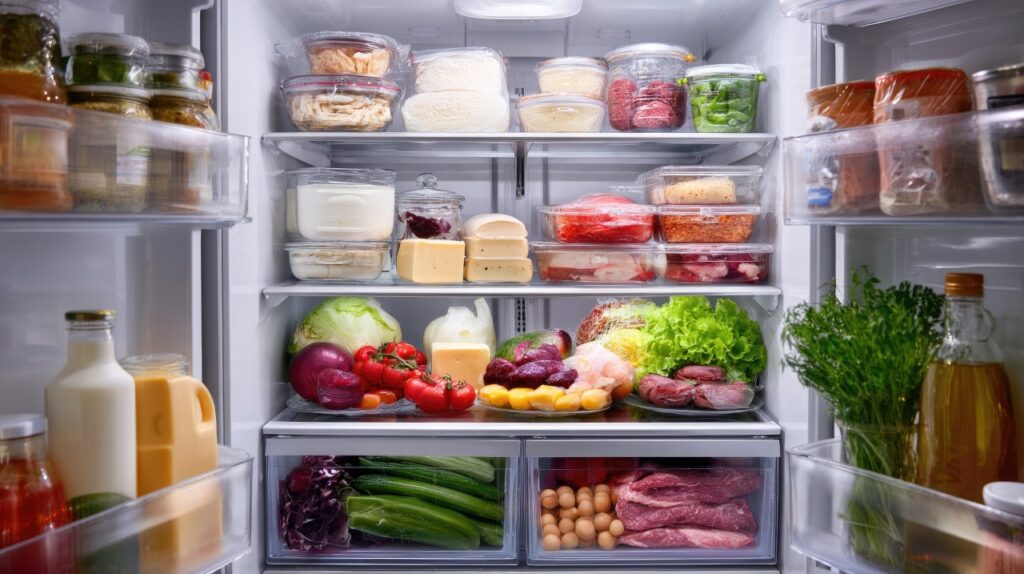
The temperature inside a refrigerator is never perfectly even, which is why placement matters as much as the setting itself. The back and lower shelves tend to stay colder, while the door warms quickly because it is exposed to room air each time it opens. Relying on settings alone can lead to uneven results if food is stored carelessly. Understanding these zones allows you to place sensitive items where conditions are most stable. Keeping the fridge at a steady, recommended temperature and using its layout wisely helps food last longer and maintain quality the way it should. Smart placement reduces stress on the appliance and improves overall food preservation.
The Ideal Freezer Temperature
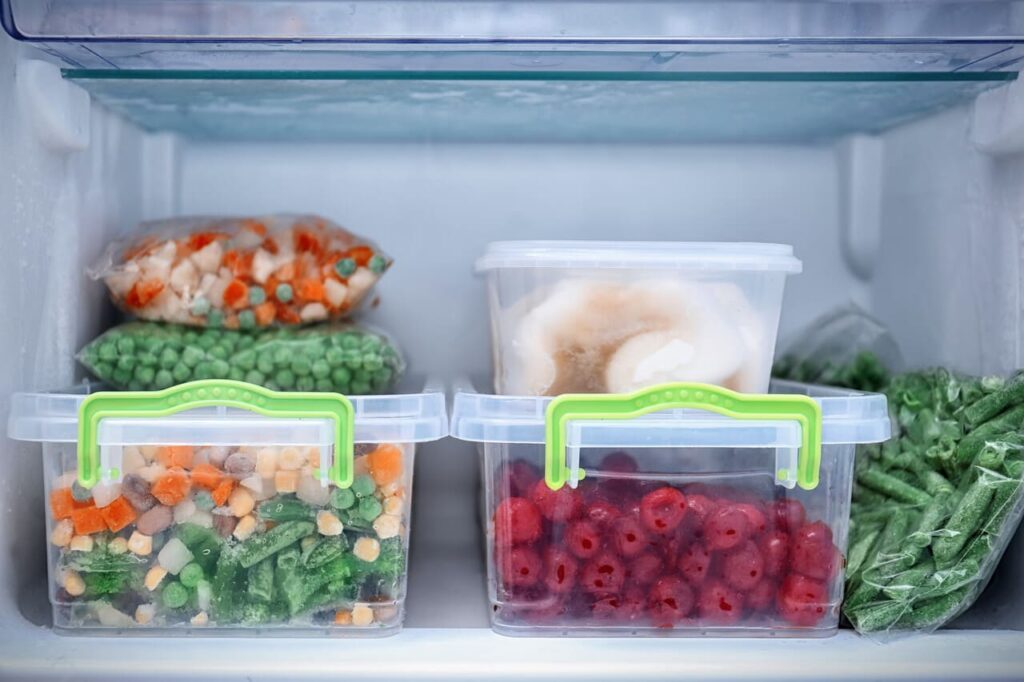
Freezers protect food by halting bacterial growth, but colder settings do not automatically mean better results. The ideal freezer temperature keeps food solidly frozen while limiting damage to texture and flavour. When a freezer runs too warm, ice crystals inside food grow larger and rupture cell walls, which leads to mushy vegetables and dry, stringy meat once thawed. Surprisingly, setting a freezer far colder than recommended does not improve preservation. Instead, it increases energy use and can worsen dehydration at the food’s surface. Proper temperature balance is what keeps frozen food tasting close to fresh, even after months of storage.
Freezer burn is caused more by instability than by air exposure alone. Each time the freezer door opens, warm air enters and disrupts the internal environment. Overfilling shelves or blocking vents makes this worse by preventing even airflow. These shifts allow food surfaces to partially thaw and refreeze, which accelerates moisture loss and texture breakdown. A stable freezer set at the correct temperature preserves color, flavor, and structure far more effectively. When food remains consistently frozen without fluctuations, it maintains quality for significantly longer periods, making long-term storage reliable rather than disappointing.
How to Check and Adjust Your Settings
Most refrigerator and freezer controls are far less precise than people expect. Dials marked with numbers or vague labels like “colder” do not reflect the actual temperature inside the appliance. Internal conditions vary based on load, airflow, and room temperature, which means the setting alone tells only part of the story. The most reliable way to understand what is happening is to place an appliance thermometer inside and leave it undisturbed for several hours. This allows the reading to stabilise and shows the true temperature the food is experiencing, not the one suggested by the control panel.
Making adjustments requires patience, because refrigerators and freezers respond slowly to changes. After altering a setting, it can take up to a full day for temperatures to settle evenly throughout the unit. Changing settings too quickly often leads to overcorrection and greater fluctuation, which harms food quality. Small, gradual adjustments work best. Periodic checks are especially helpful after large grocery loads or seasonal weather shifts. Monitoring conditions this way removes guesswork and keeps food stored at stable temperatures that support freshness and safety over time. This steady approach also helps the appliance run more efficiently overall.
Common Mistakes That Reduce Freshness
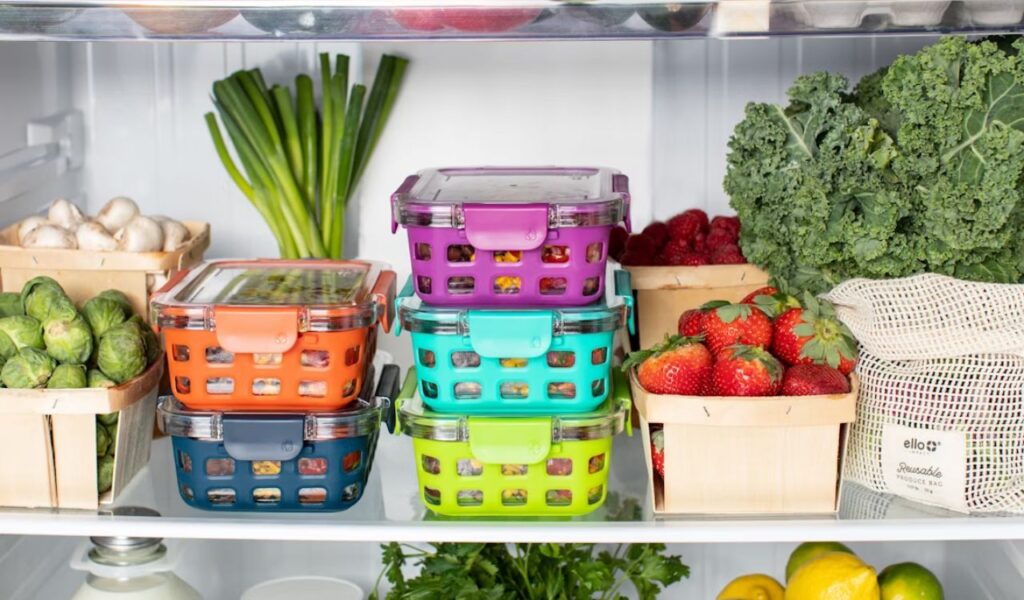
Overcrowding is one of the most damaging habits when it comes to keeping food fresh in the refrigerator. When shelves are packed too tightly, cold air cannot circulate properly, which creates uneven cooling throughout the space. Some areas become too warm while others turn excessively cold, causing inconsistent results. Foods in warmer pockets spoil faster, while items near vents may partially freeze. This imbalance stresses the appliance and reduces its efficiency. Leaving intentional space between items allows air to flow freely, stabilises internal temperatures, and helps every shelf perform as intended, extending the life of groceries across the entire fridge.
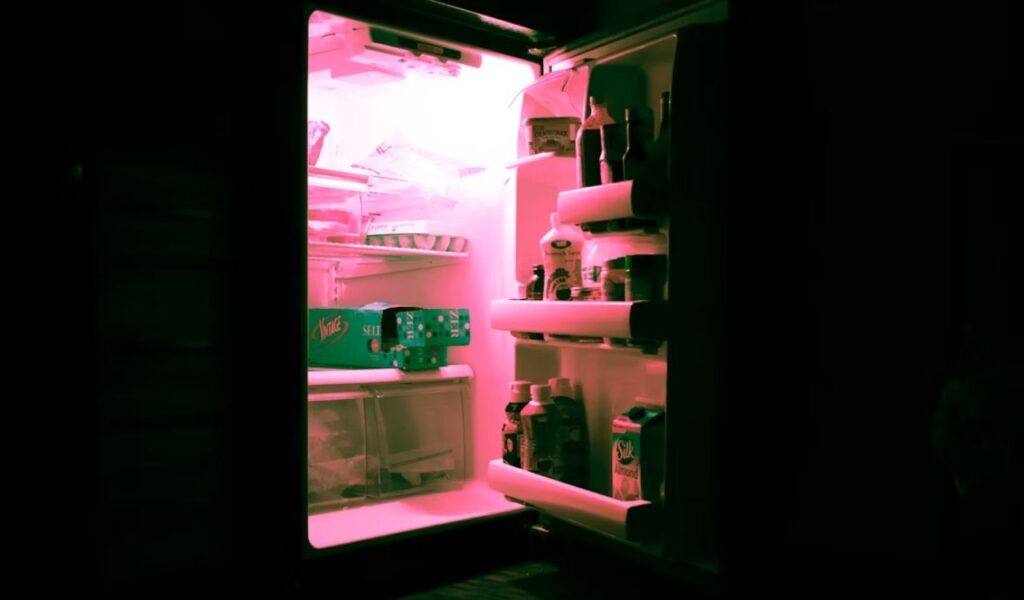
Frequent door opening is another common mistake that quietly shortens food lifespan. Every time the door opens, warm air and moisture rush in, forcing the appliance to work harder to recover its temperature. Items stored in the door suffer the most because this area experiences the greatest fluctuation. Milk, eggs, and leftovers degrade faster when exposed to repeated temperature swings. Ignoring warm and cold zones inside the fridge compounds the issue. Learning how your refrigerator behaves and adjusting storage habits accordingly makes a clear difference. Consistent use patterns often protect food better than high-end features or costly upgrades.
Reference
- What’s the Best Fridge and Freezer Temperatures to Make Food Last Longer? – aol.com
- This Is the Right Temperature for Your Refrigerator and Freezer – realsimple.com
- What Temperature Should a Fridge Be for Optimal Food Preservation – tcl.com