
The Costco Food Court Isn’t the Same: 9 Items That Went Downhill

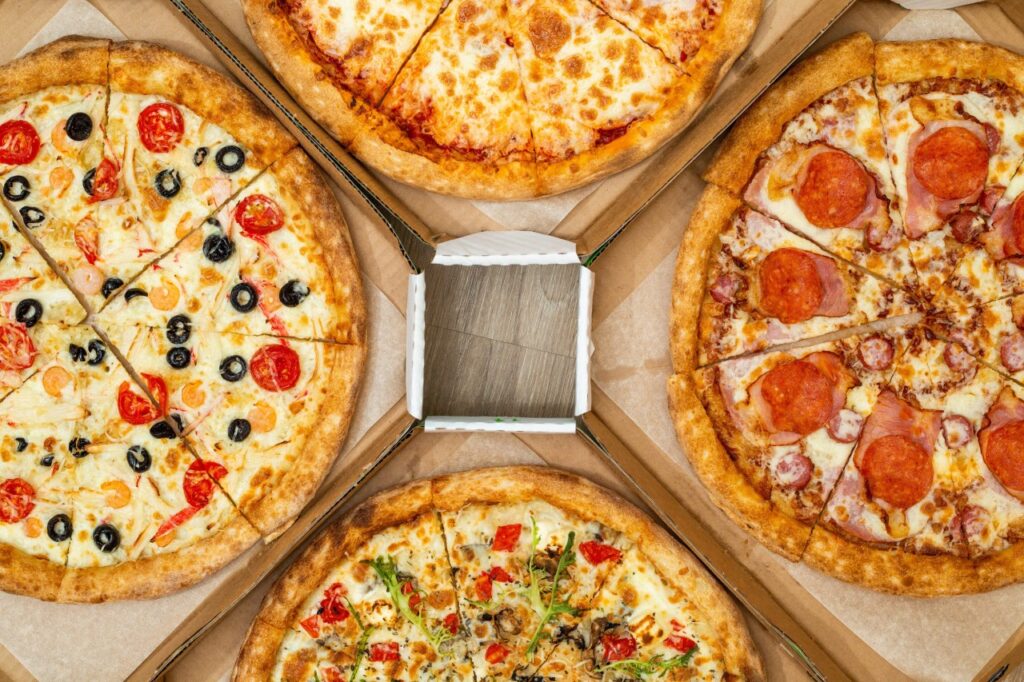
There was a time when a trip to Costco wasn’t complete without a stop at the food court. It was simple, affordable, and reliably satisfying, built on a handful of items that rarely changed and rarely disappointed. That consistency became part of the experience people looked forward to.
Over the years, however, subtle shifts began to appear. Some items were reformulated, others quietly disappeared, and a few lost the quality that once made them stand out. These weren’t dramatic failures, but small changes that regular shoppers noticed right away.
This list takes a closer look at those familiar favorites that no longer feel the same. It’s not just about what changed, but why those changes matter to the overall Costco experience.
1. Churro

Sweet staples usually survive menu changes, which is why the decline of Costco’s churro stands out. It once built loyalty with a crisp exterior, warm center, and strong cinnamon sugar coating. After the formula change, shoppers noticed the texture shift, with the newer version feeling denser and less balanced.
The bigger issue was familiarity. The older churro had a lighter bite that matched the food court’s appeal of a quick, affordable treat. The updated version felt heavier and less satisfying, creating a gap between memory and experience.
This reaction shows how much consistency matters. Customers may accept a simple menu, but they are less forgiving when a classic returns weaker.
2. Combo Pizza
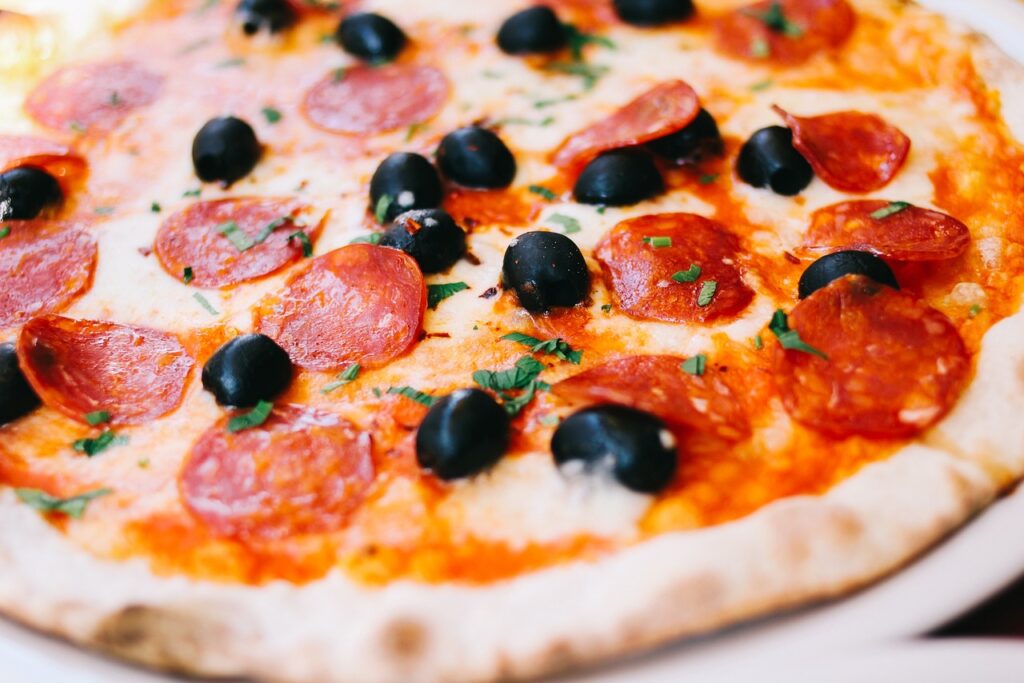
Few Costco items inspired loyalty like the combo pizza. It offered variety that simpler slices lacked, with vegetables and meat creating a fuller, more layered flavor. When it disappeared during menu cuts, shoppers saw it as the loss of a standout option that once defined the food court experience.
The reason was practical. Combo pizza required more ingredients and prep, which conflicted with Costco’s streamlined model. But those same elements made it feel worth ordering, adding texture and depth that current options struggle to match consistently.
Its absence reflects a broader shift toward efficiency. The menu became simpler, but also less distinctive and engaging, leaving longtime customers with fewer memorable choices.
3. Polish Hot Dog
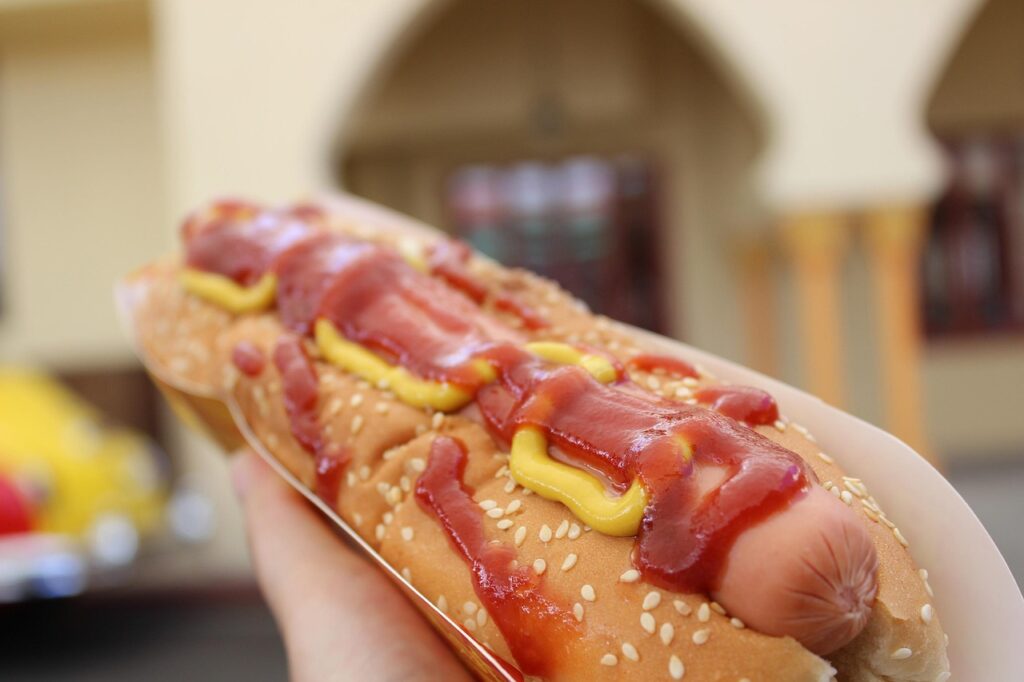
Some items are remembered for personality, not just popularity. Costco’s Polish hot dog stood out for its seasoned, garlicky flavor that felt richer and more satisfying than the standard version. When it was removed, many saw it as a downgrade rather than a simple change.
The move aligned with simplification. Offering one hot dog made operations easier and faster. However, the standard version, while still valued for its price, lacks the bold taste that made the Polish dog memorable and unique.
This showed that value alone is not enough. Customers also want character, and that uniqueness quietly disappeared, leaving behind a more basic and less exciting option.
4. Chicken Bake
The chicken bake is still available, but many feel it has changed over time. Earlier versions were known for a creamy filling, crisp exterior, and balanced flavor that made each bite feel rich without being overwhelming or too heavy.
This matters because it once felt like a standout item. It was indulgent and satisfying in a way that felt complete. As preparation became more standardized, many believe it lost some appeal, with the filling now feeling thicker and slightly more processed.
For a comfort food, that shift stands out. It still sells well, but no longer delivers the same level of excitement or strong repeat appeal it once had.
5. Acai Bowl
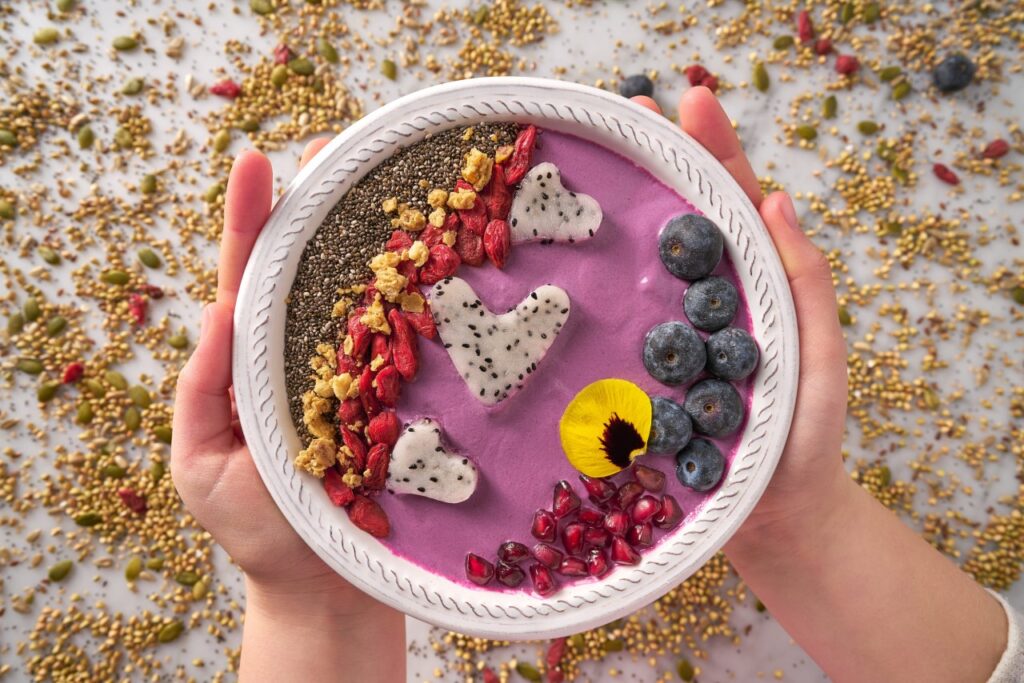
Healthier items can struggle when consistency is uneven, and the acai bowl shows that clearly. It seemed like a smart addition for those wanting something lighter than pizza or hot dogs. In theory, it added variety. In practice, results often depended on location and preparation.
Fresh items are harder to standardize, and that became clear. Some bowls felt balanced and refreshing, while others seemed uneven, with a weaker texture or less vibrant toppings. For something built on freshness, small inconsistencies reduced trust.
The issue reflects a bigger limitation. Costco’s system works best with simple, repeatable items. The acai bowl pushed beyond that. It wasn’t a bad idea, but it didn’t fit the model as smoothly as expected.
6. Turkey and Provolone Sandwich
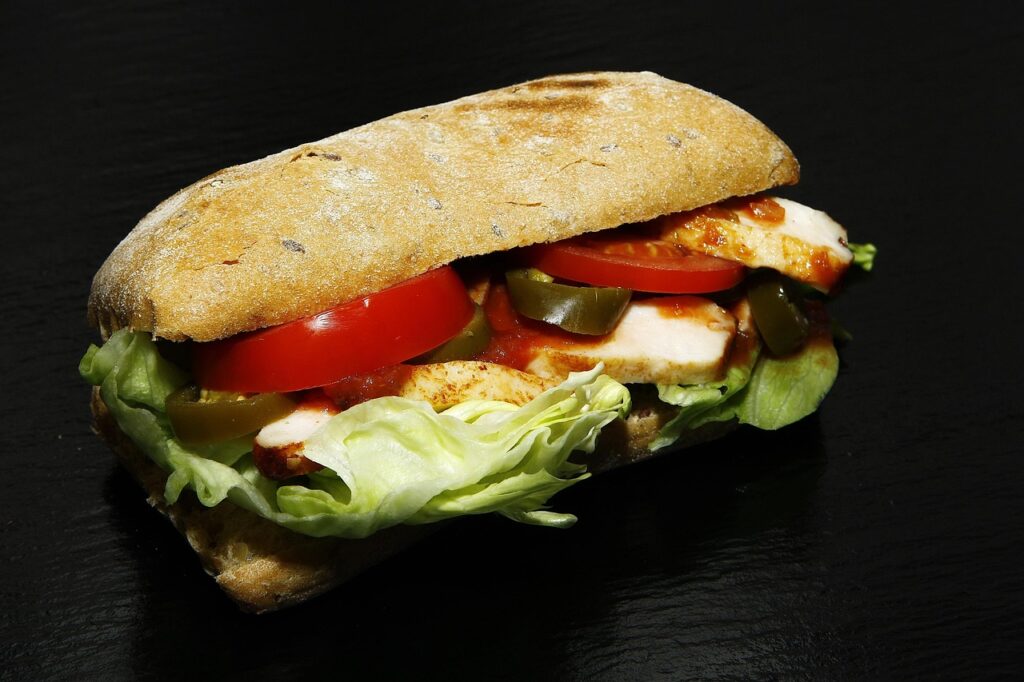
Some items decline because their absence changes the menu balance. The turkey and provolone sandwich did exactly that. It offered a lighter, more balanced option compared to heavier choices. When it disappeared, the menu lost one of its few middle-ground items.
That mattered for shoppers who didn’t want something heavy after shopping. The sandwich was simple, filling, and practical. It didn’t try to stand out, but that made it useful. Its removal narrowed the menu.
The decline comes from what it represented. Costco once offered a mix of indulgent and lighter options. As operations simplified, those quieter choices disappeared first, making the menu feel less flexible.
7. Frozen Yogurt

Frozen yogurt hasn’t dropped in quality, but it has lost appeal due to reduced variety over time. Earlier, rotating flavors made it feel more interesting and gave customers a reason to come back for something slightly different each visit. Over time, the selection became more predictable, reducing excitement.
Desserts depend on anticipation. When people know exactly what they will get every time, the urge to add one decreases. In a limited menu, variety plays a bigger role than expected. Frozen yogurt once added that sense of change and variety to the experience.
This is a subtle decline. The product is still good, but it feels less engaging and less memorable. Even small reductions in variety can affect repeat choices and overall interest.
8. Caesar Salad
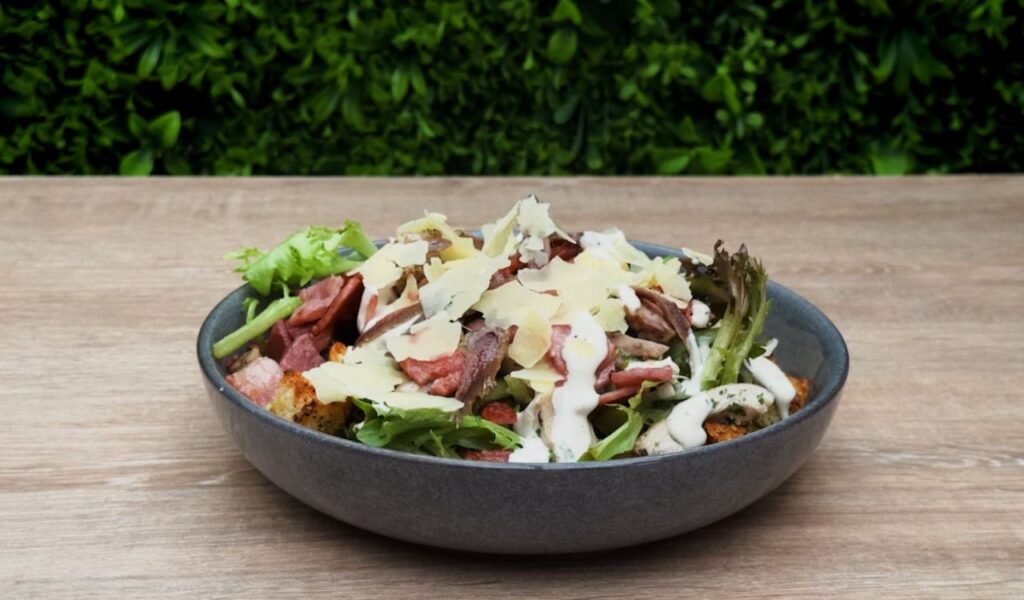
Simple foods reveal inconsistency quickly, and the Caesar salad is a clear example. It should be reliable, but when freshness drops or portions feel uneven, it becomes noticeable right away. There’s nothing to hide behind in a dish built on just a few ingredients.
It once worked as a lighter alternative to heavier items on the menu. Over time, some customers felt it became less consistent in quality and portion balance. The issue is not major flaws, but small changes that slowly affect trust.
This reflects a broader pattern. Costco performs best with items that are easy to standardize. When freshness varies, even slightly, the item feels weaker compared to other, more controlled menu options.
9. Soda Fountain Changes
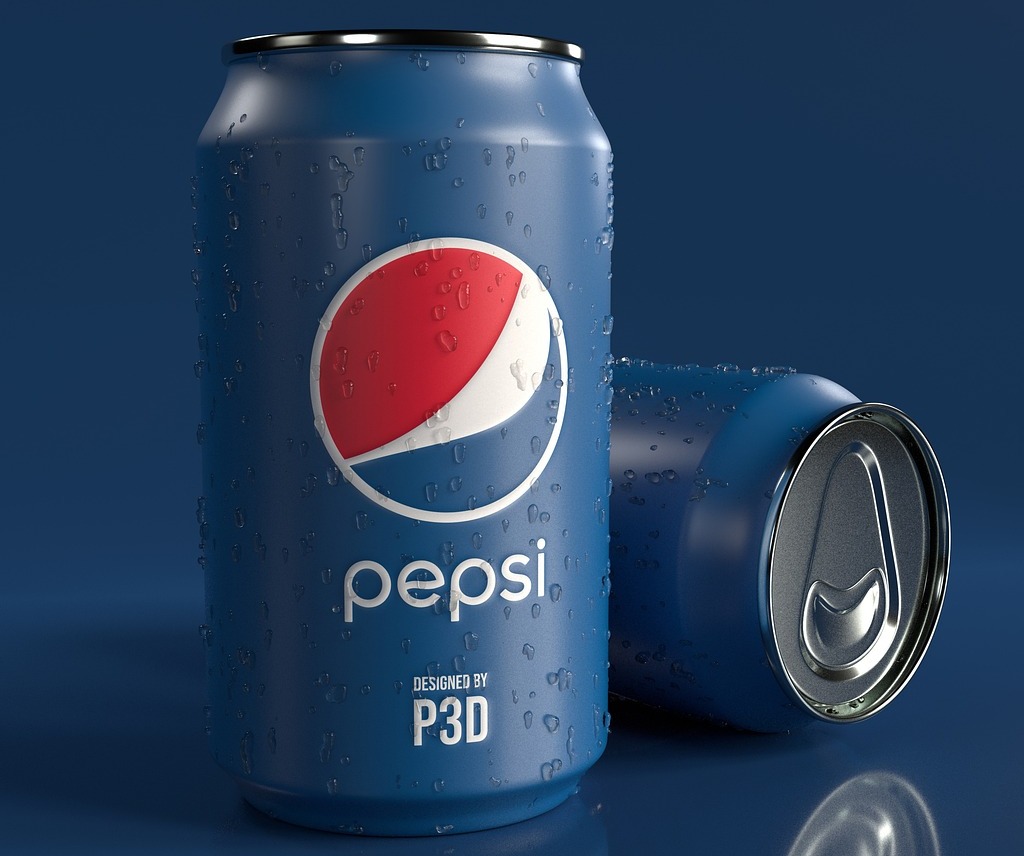
Drinks may seem minor, but they shape the full experience more than expected. When Costco switched from Coca-Cola to Pepsi, the reaction was immediate among regular customers. It wasn’t about quality, but familiarity and long-standing preference.
People build habits around taste. A favorite drink becomes part of the meal itself and part of the routine. When that changes, the experience feels different, even if the food stays the same as before.
The decline here is about routine and expectation. Costco is built on consistency, and even small changes can disrupt that. For many, the switch made the food court feel slightly less complete and familiar.