12 Disgusting Animal Parts Hidden in Your Favorite Fast Food Treats

Fast food is built to feel familiar, comforting, and harmless. Bright menus, familiar flavors, and low prices make it easy to trust what’s wrapped in paper or dropped into a box. Most people never think twice about what goes into creating that consistency.
Behind the scenes, efficiency rules everything. To keep costs down and textures uniform, food is engineered using parts of animals that rarely resemble what we picture as food. Once ground, blended, and flavored, those ingredients lose their identity completely.
This is not about shock for its own sake. It’s about awareness. These twelve examples reveal how far modern fast food has drifted from whole ingredients, and why knowing what’s hidden matters more than ever.
1. Beaks and Feet in Processed Chicken
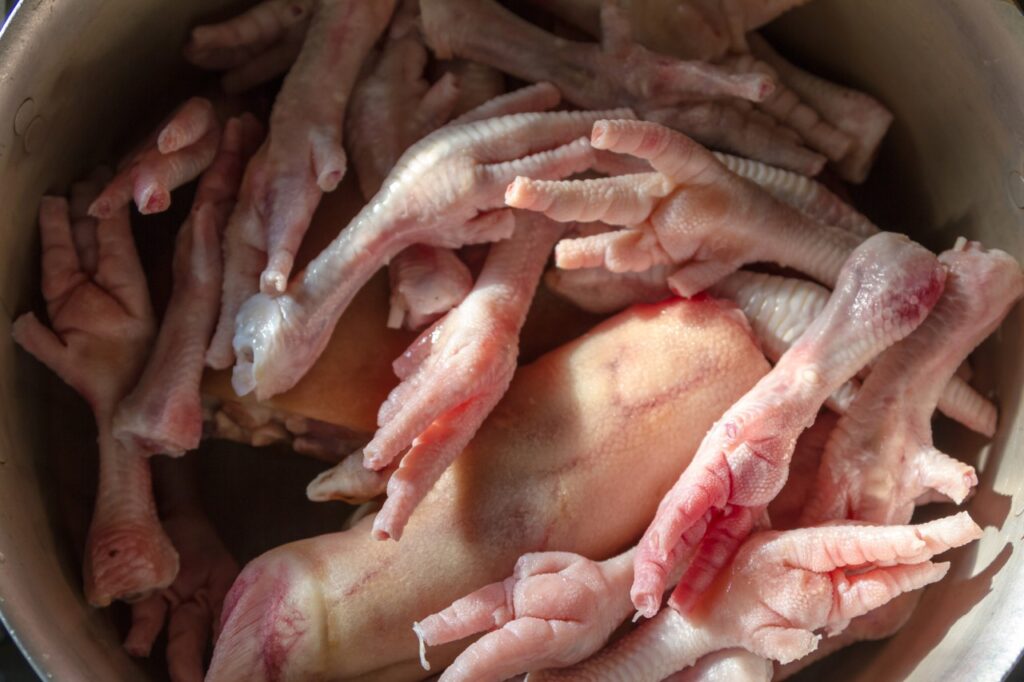
Industrial chicken processing aims to use as much of the bird as possible. After prime cuts are removed, remaining tissue can be mechanically pressed from the carcass, creating a soft paste that may include skin, cartilage, and trace material from parts like feet or beaks once fully ground.
When mixed with salt, starches, and seasonings, this paste loses any recognizable form. The proteins help bind moisture and create a uniform texture, allowing it to be shaped into nuggets or patties that cook evenly.
To consumers, the result looks familiar. What stays hidden is how much of the bird is used beyond muscle meat, since labels often rely on broad terms rather than processing details.
2. Tendons and Connective Tissue in Nuggets
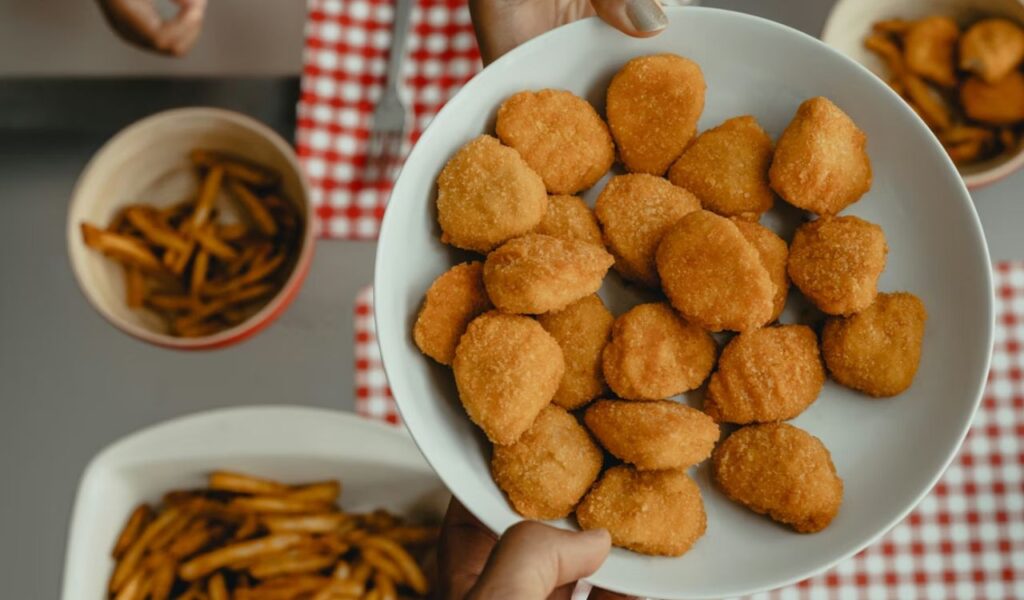
Chicken nuggets depend on structure as much as taste. Tendons and connective tissues are high in collagen, which turns gelatin-like when heated and helps nuggets hold their shape during frying, freezing, and reheating.
Because these tissues are tougher than muscle, they are finely ground and softened through processing. Once treated, they blend into meat pastes and create the uniform, springy texture many people recognize.
Although safe when processed correctly, these tissues are not parts most consumers expect to eat. Their use reflects an emphasis on efficiency and consistency over whole-cut ingredients.
3. Mechanically Separated Meat Scraps
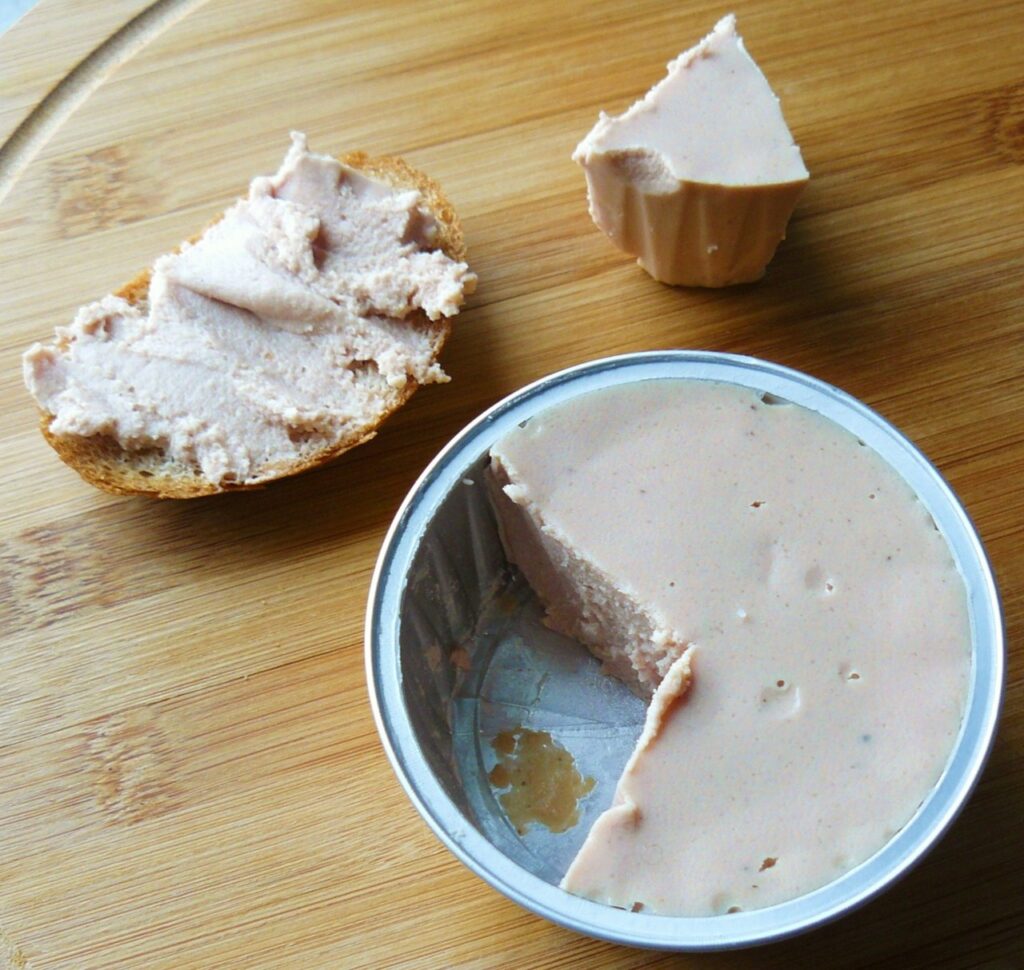
Mechanically separated meat is created by forcing carcasses through machines that strip remaining edible tissue from bones. The result is a smooth paste that combines muscle, fat, cartilage, and trace bone particles into a single ingredient used in many processed foods.
This method significantly increases production efficiency and reduces waste. The paste cooks quickly and mixes easily with seasonings, making it ideal for sausages, nuggets, and battered items that need uniform texture.
Although regulated, this ingredient changes the nutritional and structural makeup of meat products. Consumers may not realize that a product labeled simply as meat can contain material recovered in this way.
4. Ground Bones in Burger Patties
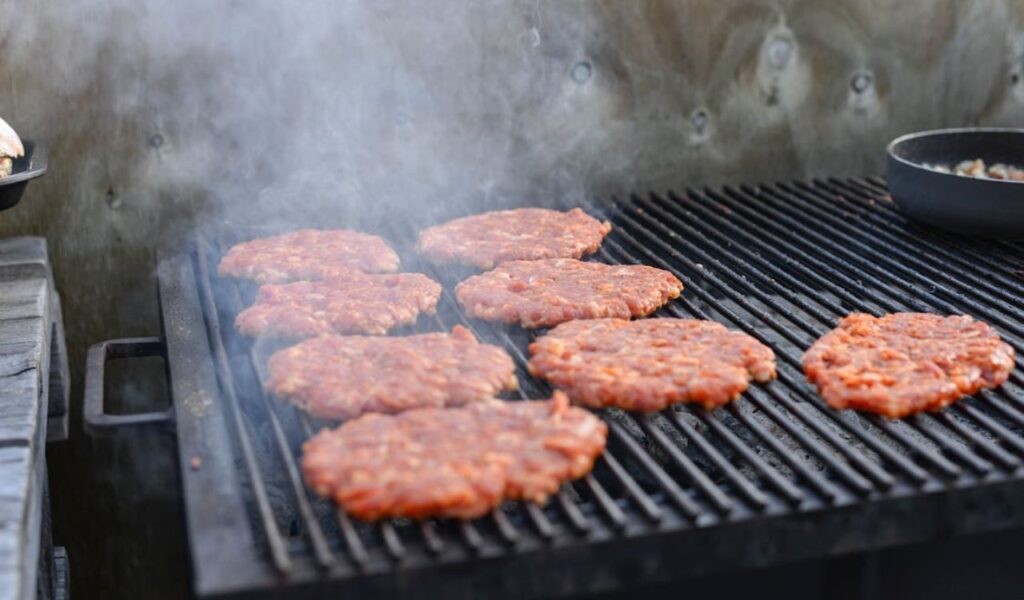
During high-speed meat processing, small bone fragments can enter ground beef when deboning is incomplete or bone-in cuts are used. These fragments may be finely ground and dispersed throughout patties, sometimes intentionally for binding and sometimes unintentionally through equipment limitations.
Bone particles contain calcium and connective material that can affect texture. While tiny fragments are usually harmless, larger pieces pose risks such as dental damage or choking if quality controls fail.
Processors use detection systems to limit these hazards, but no system is flawless. When bone appears in a bite, it exposes the tradeoff between production speed and product refinement.
5. Skin and Fat Trimmings in Sausages
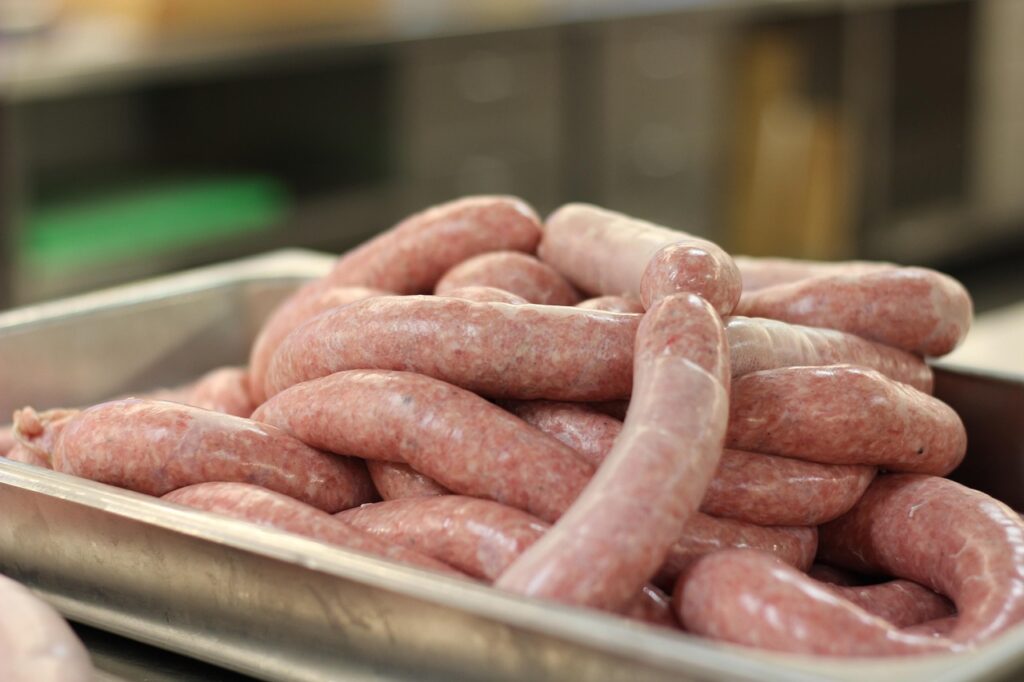
Sausages often depend on skin and fat trimmings to achieve richness and moisture. These trimmings help prevent dryness and enhance flavor while allowing producers to use parts that would otherwise be discarded.
To create a smooth consistency, trimmings are emulsified into a uniform mixture. Once blended with spices and salt, the original source becomes indistinguishable in the final product.
This approach delivers the savory taste many expect, but it also means sausages frequently contain far more than muscle meat. The practice prioritizes efficiency and mouthfeel over ingredient simplicity.
6. Blood Plasma Used as a Binder
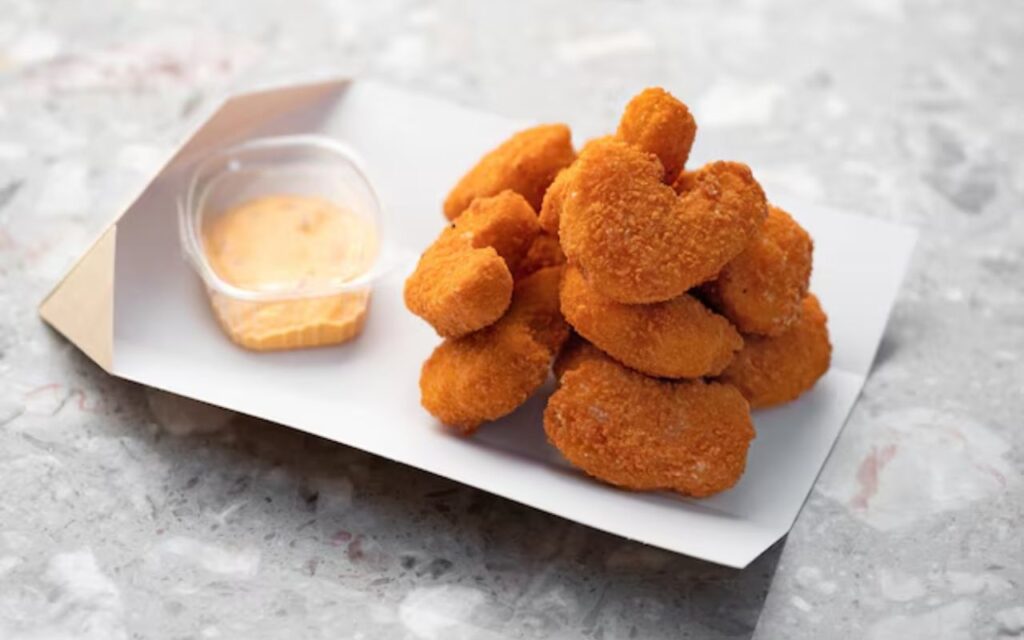
Blood plasma proteins are valued for their ability to bind water and improve texture in processed meats. Once separated and dried, plasma becomes colorless and flavorless, making it easy to incorporate without visible signs.
In products like nuggets and patties, plasma helps maintain structure and juiciness while reducing the need for higher-cost muscle protein. From a manufacturing standpoint, it improves yield and consistency.
For consumers, its presence can be surprising, especially for those with dietary or cultural restrictions. Labels may not clearly explain the ingredient’s origin, even though it plays a functional role.
7. Collagen from Hides and Hooves
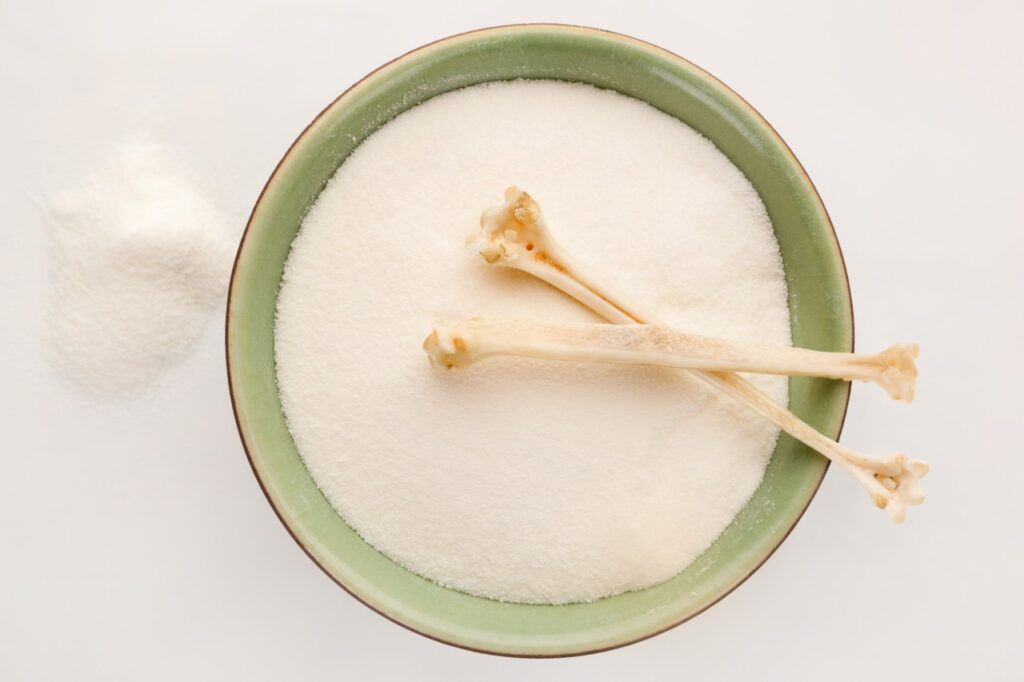
Collagen from hides and hooves is widely used in processed foods for texture and moisture. When heated, it turns into gelatin, thickening mixtures and helping products feel juicier even when they contain little muscle meat.
Manufacturers rely on collagen to stabilize sauces and meat fillings that must endure freezing, reheating, and long storage. It functions as a low-cost protein that maintains familiar texture while replacing more expensive cuts.
Although effective, collagen comes from animal parts rarely associated with prepared foods. Its use shows how processing favors structural components over whole cuts, widening the gap between ingredients and their original source.
8. Fatty Organ Remnants in Meat Fillings
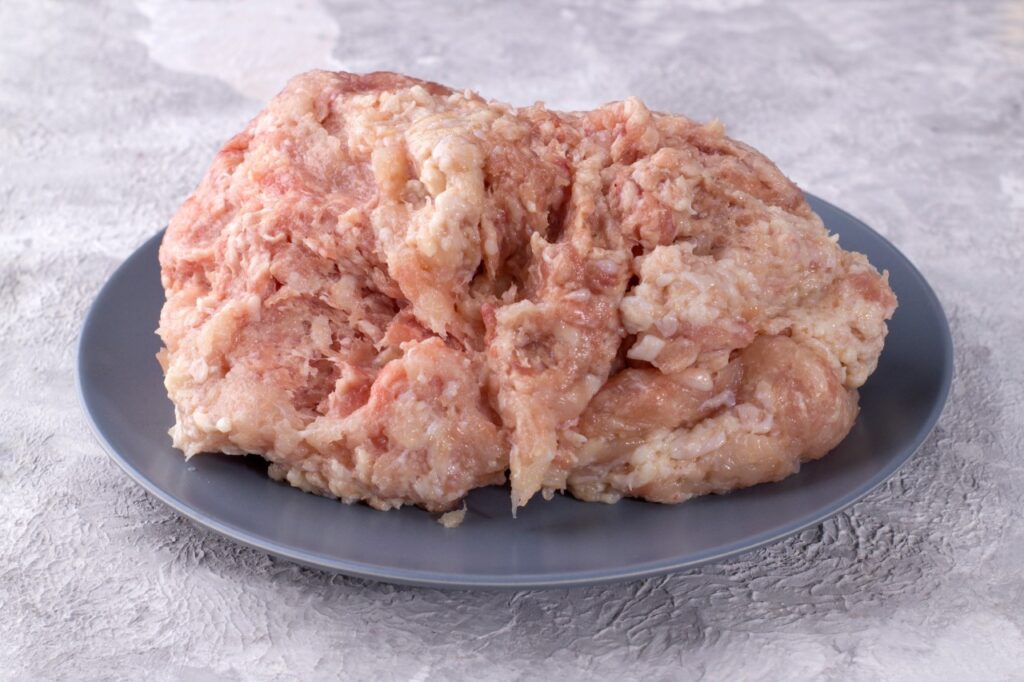
During meat trimming, small amounts of fatty organ tissue often remain attached to muscle. In large-scale processing, these remnants are blended into emulsions rather than removed. They contribute strong savory flavors and help products brown evenly during cooking.
Organ tissue is rich in fat-soluble compounds that enhance taste without requiring large quantities. To balance sharper notes, manufacturers rely on spices, smoke flavoring, and salt, creating a consistent flavor profile across batches.
This approach boosts efficiency but reduces transparency. Many processed meats end up containing a mix of tissues instead of pure muscle, delivering familiar taste through complexity that consumers are rarely aware of.
9. Cartilage Blended into Meat Pastes
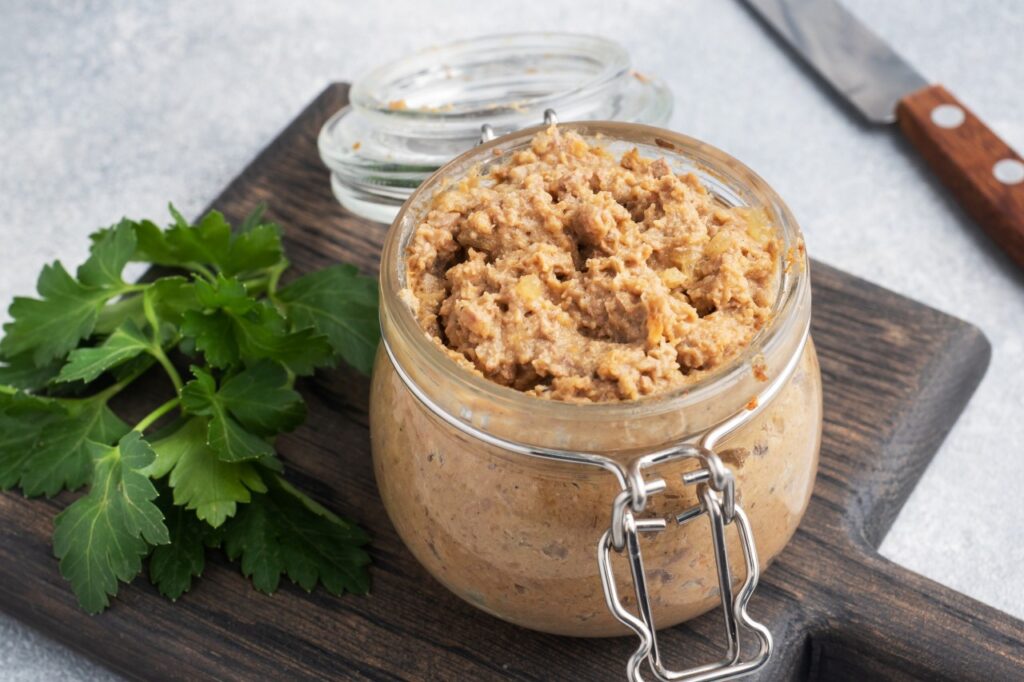
Cartilage is sometimes ground into meat pastes to improve structure and bulk. High in collagen, it thickens mixtures and adds resilience to products that must hold shape after frying, freezing, and reheating.
Once finely processed, cartilage loses any visible identity. It blends smoothly into emulsions used for nuggets and patties, helping products maintain consistency even under harsh manufacturing conditions.
Although not inherently unsafe, cartilage reflects a production focus on performance and yield. Consumers expecting muscle-only meat may not realize how much structural material contributes to texture and bite.
10. Animal-Derived Enzymes in Cheese Sauces
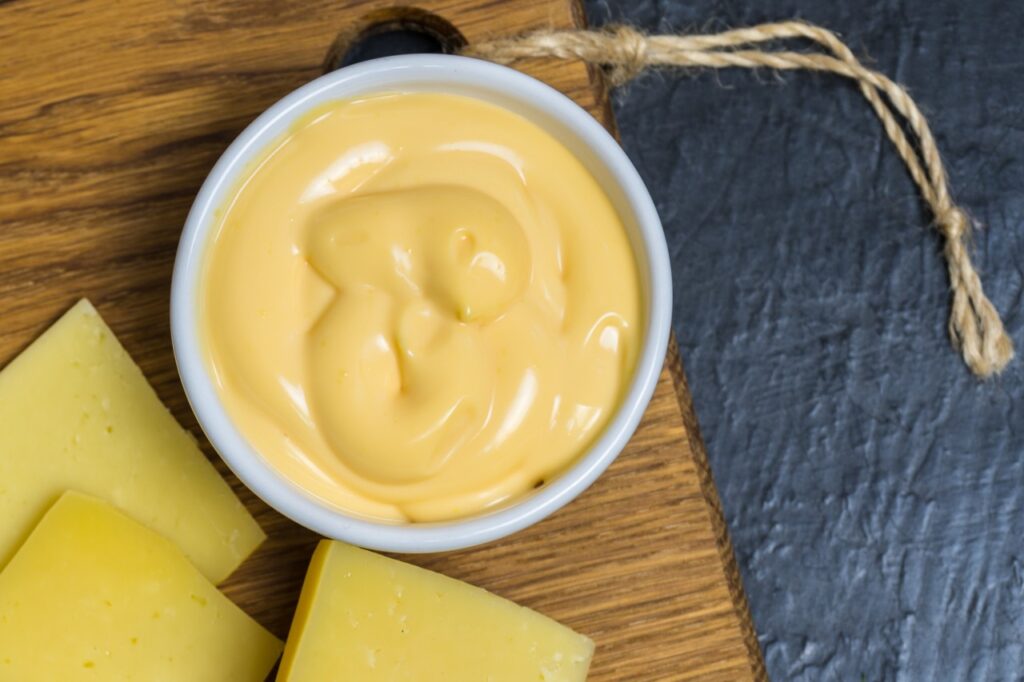
Cheese sauces depend on enzymes to break down proteins and create smooth, meltable textures. Some of these enzymes are derived from animal sources and are essential for achieving the flavor and consistency associated with processed cheese products.
Enzyme-modified cheese ingredients intensify savory notes while reducing the amount of real cheese needed. This lowers costs and ensures sauces melt evenly without separating during heating or storage.
Labels often list enzymes without specifying their origin. While invisible in the final product, these animal-derived components play a central role in the texture and flavor of many fast food cheese sauces.
11. Gelatin from Bones and Skins
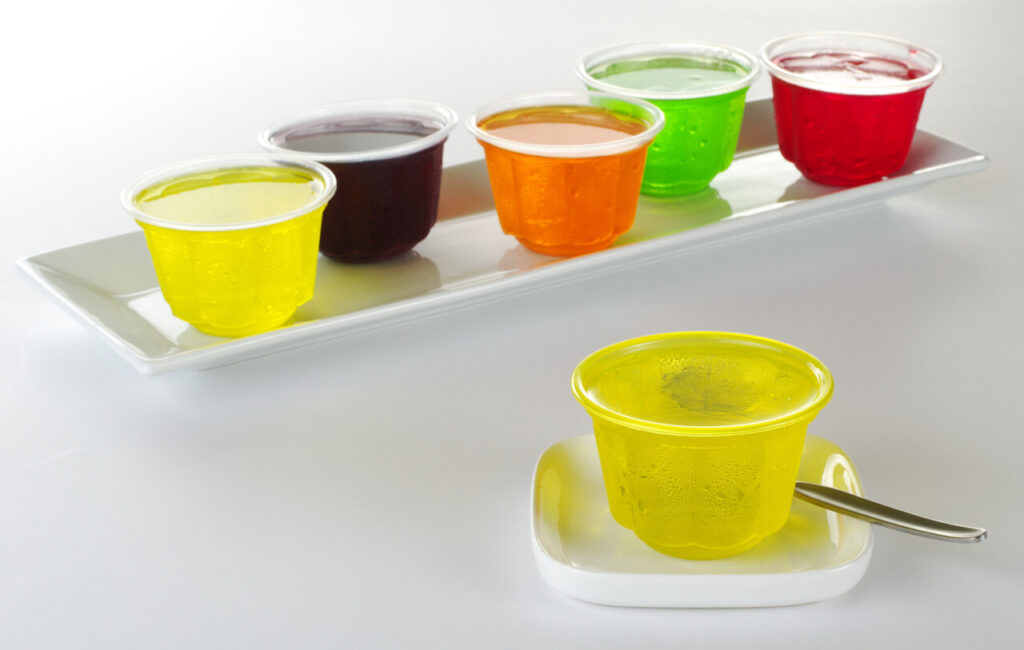
Gelatin is made by breaking down collagen from animal bones and skins into a colorless, tasteless protein. It dissolves easily and is valued for thickening, stabilizing, and adding elasticity to foods without altering flavor, making it common in desserts, glazes, and filled pastries.
Once added, gelatin becomes invisible. It improves mouthfeel and helps products hold shape during cooling, reheating, and long storage, which is essential for mass-produced foods.
Because it is so effective, gelatin appears in many sweet and savory items where animal ingredients are not expected. Its use highlights how processing favors texture and shelf stability over ingredient transparency.
12. Rendered Animal Fat Used for Frying
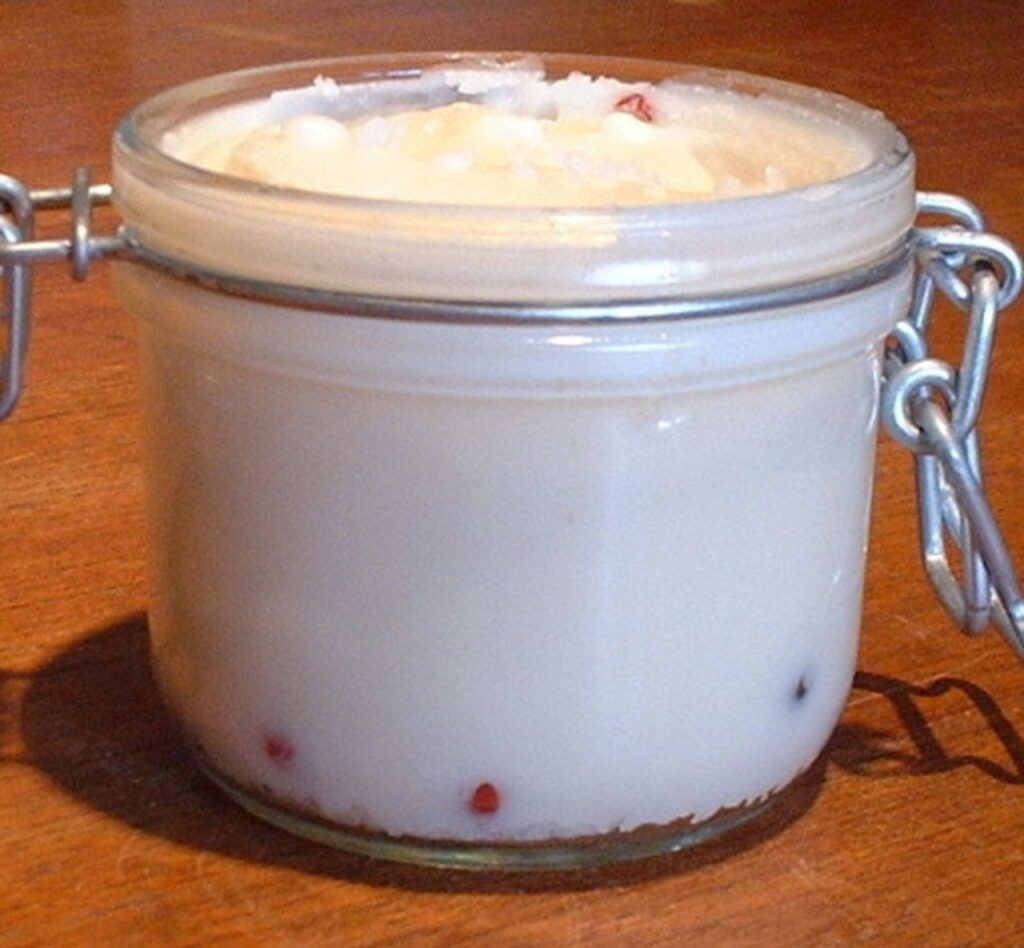
Rendered animal fats like tallow and poultry fat are made by heating leftover fat trimmings into stable cooking oils. The process removes moisture and impurities, producing fats with high smoke points suited for the intense heat used in fast food frying.
These fats add rich flavor and crisp texture that many vegetable oils cannot match. They may be used for frying, brushed onto foods, or mixed into breading to improve browning and aroma.
While less common today, rendered fats are still used in some settings. Their presence affects flavor, calorie content, and dietary suitability, often without being obvious to consumers.