9 Horrifying Ingredients Found in 1950s Foods That Are Finally Illegal


Foods sold during the 1950s often relied on chemical preservatives, dyes, and flavor enhancers that today would never pass modern safety standards. At the time, convenience and shelf stability drove innovation, but later research revealed health risks tied to several widely used ingredients. As food science advanced, regulators gradually removed these substances, transforming ingredient lists and safety rules. The evolution shows how everyday meals once contained chemicals now considered unacceptable for human consumption.
1. Boric Acid and Borax Once Preserved Everyday Foods
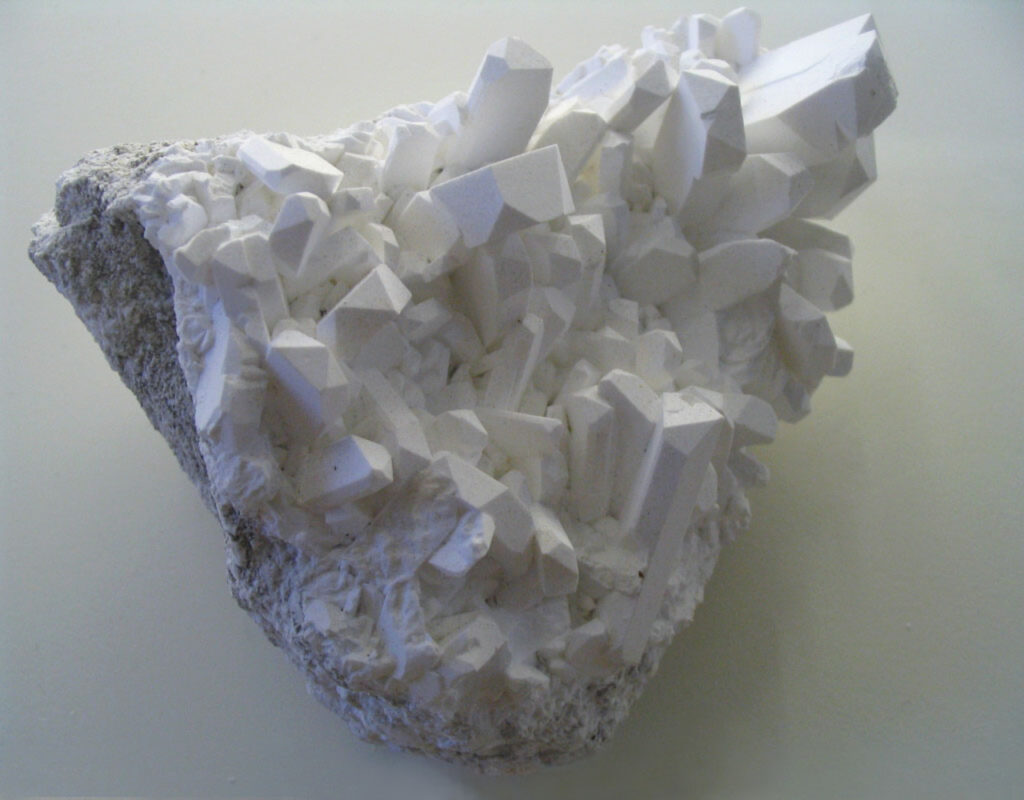
Food preservation practices in the early twentieth century sometimes relied on boric acid and borax. These compounds delayed bacterial growth, allowing products to survive longer during transport and storage.
Over time, medical evidence linked excessive boron compound consumption to digestive illness, kidney stress, and broader toxicity concerns. Public health pressure increased as safer preservation technologies emerged, pushing regulators to reconsider chemical shortcuts.
Eventually, food safety standards shifted toward stricter oversight, and these compounds were removed from approved food use. Their disappearance from modern ingredient lists marks how early industrial preservation often prioritized shelf life.
2. Safrole Gave Classic Root Beer Its Original Flavor

Safrole once served as a defining flavor in traditional root beer and candies derived from sassafras oil, delivering the spicy sweetness associated with mid-century beverages. Its widespread popularity made it a staple ingredient in sodas and confections during the 1950s.
Scientific studies later revealed that safrole caused liver damage and increased cancer risk in laboratory animals. Regulatory bodies responded by prohibiting safrole as a food additive, reshaping classic recipes across beverage industries.
Modern root beer formulations rely on safrole-free extracts or alternative flavor combinations to recreate nostalgic tastes without health risks. This transition highlights how beloved flavors sometimes require reformulation.
3. Red Dye No. 3 Colored Many Midcentury Treats

Brightly colored candies, desserts, and processed foods in the 1950s frequently relied on Red Dye No. 3 to achieve eye-catching appeal. The dye became common across packaged snacks, bakery toppings, and novelty foods designed to attract families and children.
Laboratory studies suggested possible links between high exposure levels and cancer development. These findings triggered regulatory reassessment, eventually leading to restrictions or bans in certain applications despite earlier widespread approval.
Food manufacturers gradually replaced the dye with alternatives as regulations tightened. The shift reflects how once-accepted coloring agents later faced scrutiny when long-term safety evidence challenged assumptions about harmless visual additives.
4. Amaranth Dye Once Added Bright Reds to Foods

Amaranth dye, also known as Red No. 2, provided vibrant color in processed foods, beverages, and dessert mixes during midcentury manufacturing expansion. Its affordability and stability made it attractive for companies seeking a consistent product appearance.
Later toxicology research raised concerns over carcinogenic potential, prompting the removal of these substances from approved food additives in several countries. Regulatory actions followed growing evidence suggesting health risks outweighed visual benefits in processed foods.
Manufacturers ultimately adopted safer coloring agents, gradually eliminating amaranth from mainstream products. Its disappearance demonstrates how food aesthetics once overshadowed safety considerations.
5. Cyclamate Sweeteners Replaced Sugar Before Being Banned

Cyclamates gained popularity as low-calorie sweeteners during the postwar era, appearing in diet foods and beverages marketed to consumers seeking sugar alternatives. Their sweetness allowed manufacturers to reduce sugar content while maintaining palatable flavor.
Animal studies in the late 1960s suggested links between high cyclamate consumption and cancer development. The decision removed cyclamates from many products despite earlier widespread acceptance.
Though still permitted in certain countries under controlled limits, cyclamates remain banned in U.S. food products. Their regulatory history illustrates how early enthusiasm for artificial sweeteners sometimes outpaced long-term safety research.
6. Saccharin’s Early Use Triggered Regulatory Concern
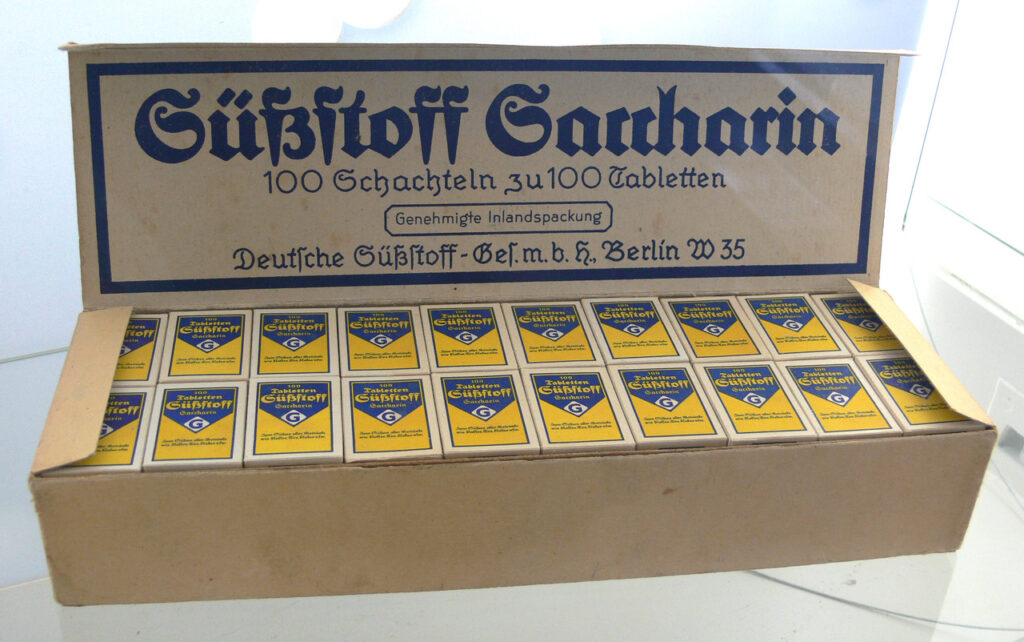
Saccharin served as one of the earliest artificial sweeteners used widely in foods and beverages, especially during sugar shortages and diet product growth in midcentury markets. Its intense sweetness required only small quantities to achieve the desired flavor.
Later animal studies raised concerns about cancer risks associated with extremely high consumption levels. Warning labels and usage restrictions followed as debates over safety intensified.
Subsequent research reduced some concerns, yet saccharin’s regulatory journey reshaped how artificial sweeteners undergo safety evaluation. Its story shows how evolving evidence continually alters the status of ingredients once viewed as harmless conveniences.
7. Cinnamyl Anthranilate Once Added Fruity Flavors

Cinnamyl anthranilate provided grape-like flavor notes used in beverages, candies, and processed foods throughout midcentury production. Synthetic flavorings allowed manufacturers to create consistent tastes without relying on seasonal agricultural supplies.
Regulatory authorities later removed approval after toxicological testing indicated potential carcinogenic properties under specific conditions. Such findings prompted reevaluation of flavor additives introduced before comprehensive safety standards existed.
Modern flavor systems rely on alternative compounds meeting stricter safety criteria. Removal of this additive underscores how improvements in testing standards gradually eliminated ingredients once considered acceptable.
8. Nitrite Residues Raised Concerns in Processed Foods
Nitrites and related compounds were widely used to preserve processed meats and certain flour products, helping maintain color and inhibit bacterial growth in foods common during the 1950s. These compounds became integral to shelf-stable convenience products.
Later research demonstrated that nitrites could form carcinogenic nitrosamines under certain cooking or storage conditions. Public health concerns prompted stricter regulations limiting allowable quantities and altering manufacturing practices.
Although nitrites still appear under regulated limits today, older practices involving higher residue levels have been phased out. Modern food safety standards aim to balance preservation benefits with minimized long-term exposure risks.
9. Synthetic Flavorings Later Linked to Cancer Risks

Several synthetic flavor compounds introduced during early food manufacturing later faced removal when evidence linked them to cancer risk in laboratory testing. These flavorings helped mimic natural tastes at low cost, fueling processed food expansion.
Advances in toxicology revealed some compounds posed risks when consumed over long periods, prompting regulators to ban or delist certain flavor chemicals previously approved under less rigorous standards.
Food manufacturers replaced banned compounds with safer alternatives, reshaping ingredient lists across processed foods. These regulatory shifts illustrate how expanding scientific knowledge continues refining which flavoring substances remain acceptable in modern food production.