What Most Home Cooks Get Wrong About Ground Beef

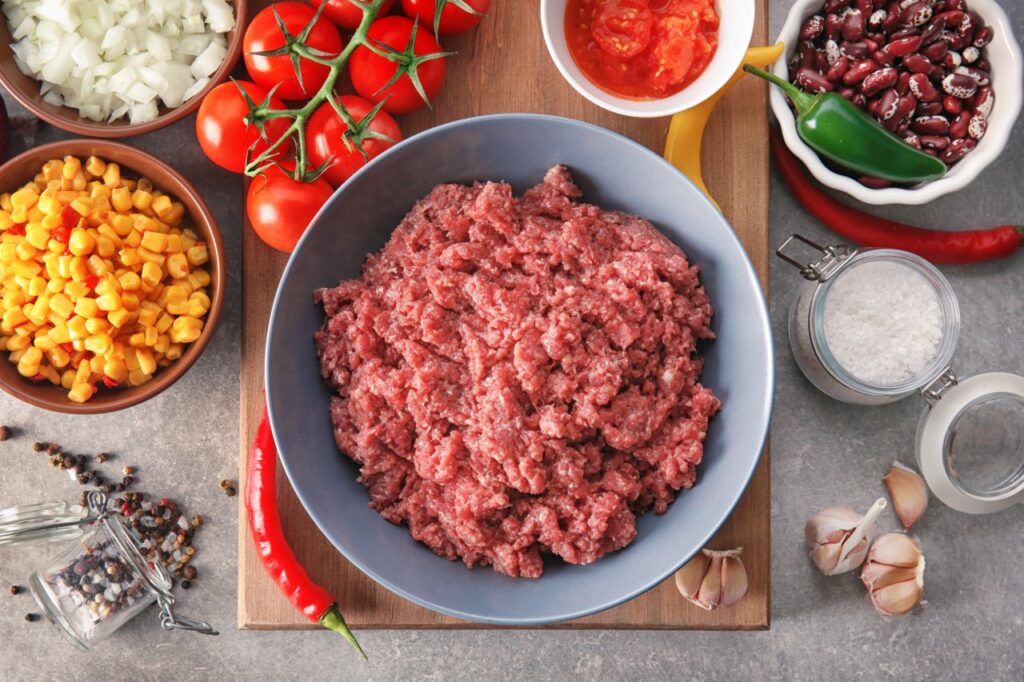
Ground beef is one of the most common ingredients in home kitchens, yet it is also one of the easiest to misuse. Many cooks assume it behaves like any other protein, but small missteps quickly drain flavor and texture. Adding beef to a cool or overcrowded pan causes it to release moisture, which leads to steaming instead of browning. The result is pale, gray meat that tastes dull regardless of how much seasoning is added later. This outcome has little to do with meat quality and everything to do with heat control, timing, and understanding how ground beef reacts once it hits the pan and begins to cook.
Better results do not require expensive tools or professional skills, only a shift in approach. Letting the pan heat fully, giving the meat enough space, and avoiding early stirring allow browning to develop properly. Browning is a chemical reaction that creates flavor, not just a visual cue. When cooks recognize this, ground beef becomes far more predictable. Proper heat, patience, and thoughtful seasoning work together from the first moment of cooking. Instead of fixing problems at the end, flavor builds naturally, turning ground beef into a reliable foundation for richer, more satisfying meals.
Why Ground Beef Often Ends Up Gray and Flavorless
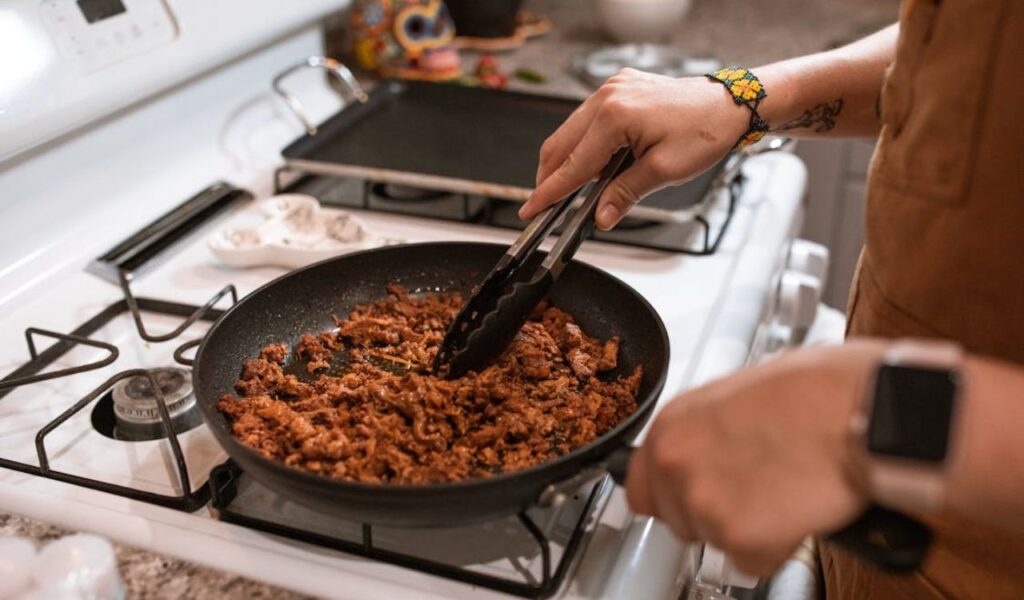
Many home cooks blame ground beef quality when it turns gray, but the real issue is almost always technique. When beef is added to a pan that is not fully heated or is too crowded, moisture is released faster than it can evaporate. Instead of browning, the meat steams in its own juices, creating a dull gray color and muted flavor. That gray appearance is not natural to properly cooked beef. It signals that the Maillard reaction never had a chance to occur. This reaction is critical because it develops savory depth, aroma, and the rich taste people expect from cooked meat. Without browning, even well-seasoned beef will taste flat and uninspiring.
Achieving proper browning requires intention from the very first step. A hot pan and enough surface space allow the beef to make direct contact with heat, letting sugars and proteins react and form complex flavor compounds. Spreading the meat out rather than piling it up keeps the pan temperature stable and prevents trapped steam. Stirring too early interrupts browning before it begins. Once a deep brown forms on one side, the meat can be turned or broken apart. Managing heat and space transforms ground beef from bland and gray into deeply flavorful and satisfying, setting the foundation for better results in any recipe.
The Importance of Proper Pan Technique
Ground beef is more sensitive to pan conditions than most cooks expect, and temperature is where many mistakes begin. A pan that is not fully heated cannot create proper browning, regardless of meat quality. When cold beef hits a lukewarm surface, moisture escapes faster than heat can evaporate it, causing steaming instead of searing. That missing sizzle matters because browning drives flavor through chemical reactions that build savory depth. Without this step, the beef cooks through but stays pale and soft, lacking the rich taste people associate with well-prepared meat, even when seasoning is added generously later. Proper heat sets the stage for everything that follows in the pan.
Space in the pan is just as important as heat, yet it is often overlooked. Overcrowding traps moisture between pieces of beef, lowering surface temperature and blocking direct contact with the pan. Instead of crisp edges, the meat turns gray and spongy. Cooking in smaller batches keeps heat steady and allows moisture to escape properly. Movement also matters. Stirring too early pulls the beef away from the hot surface before browning forms. Letting it sit undisturbed allows one side to develop color before breaking it apart, creating deeper flavor and a far better texture that carries through the entire dish.
Choosing the Right Ground Beef for Your Recipe
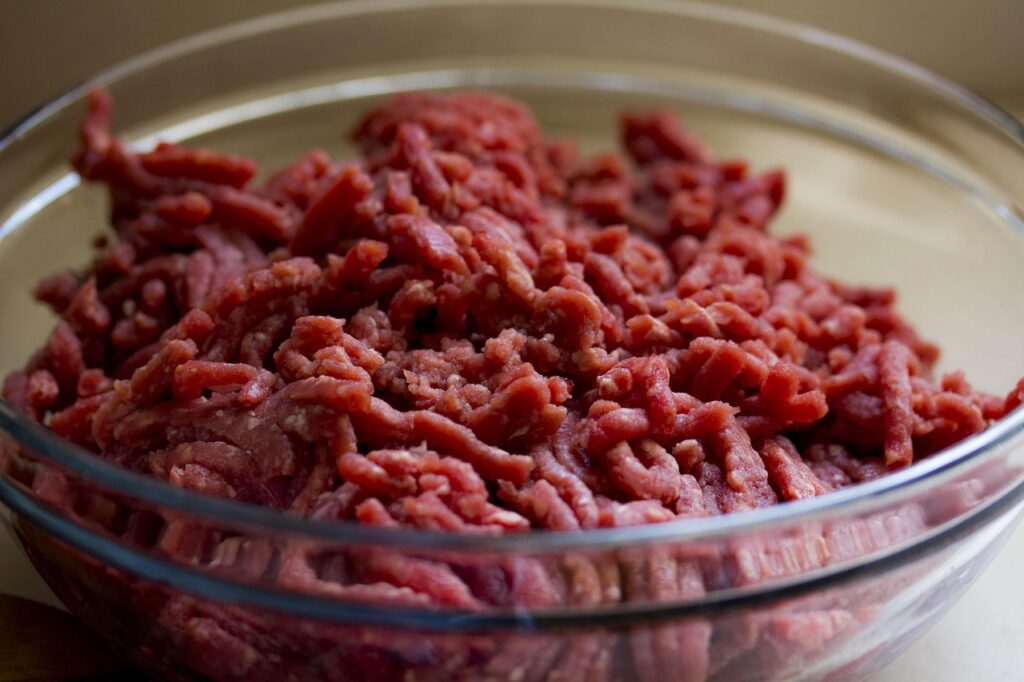
Not all ground beef performs the same once it hits the pan, and choosing the right type can quietly determine whether a dish succeeds or disappoints. Ground beef is sold with fat-to-lean ratios such as 80/20 or 90/10, which indicate how much fat is mixed into the meat. That fat is not filler. It melts as the beef cooks, protecting moisture and carrying flavor throughout the dish. An 80/20 blend is especially reliable for burgers and meatballs because the higher fat content keeps the meat juicy even when cooked past medium. Leaner blends may sound healthier, but they require closer attention to heat and timing to avoid dryness and a crumbly texture that lacks richness.
Grind size and cut selection also shape how ground beef behaves during cooking and how it feels on the plate. Coarse grinds create a meatier bite that works well for burgers, chili, and dishes where texture matters. Finer grinds blend more smoothly into sauces, fillings, and casseroles without standing out. Many butchers use blended cuts such as chuck and sirloin to balance richness and structure. Different ratios react differently under heat, which is why matching beef to the dish matters. Lean blends cook faster and lose moisture quickly, while higher-fat blends are more forgiving when beef is the main attraction, helping home cooks achieve better flavor and consistent results.
Common Handling and Safety Mistakes
Many home cooks still believe rinsing ground beef after cooking makes it cleaner or healthier, but this habit does more harm than good. Rinsing does not improve food safety and instead washes away rendered fat, browned bits, and concentrated juices that provide flavor. Safety comes from proper cooking, not water. Once beef reaches a safe internal temperature, harmful bacteria are eliminated. Flavor loss, however, cannot be recovered. Focusing on clean utensils, proper storage, and correct cooking temperatures is far more effective than rinsing, which adds unnecessary steps without reducing risk or improving quality.
Improper thawing is another common mistake that affects both safety and texture. Leaving ground beef on the counter allows the exterior to warm into a danger zone while the center remains frozen, creating ideal conditions for bacterial growth. This uneven temperature also damages texture, leading to watery or mushy meat when cooked. The safest methods are thawing overnight in the refrigerator or using the microwave’s defrost function right before cooking. Freshness matters as well. Bright red color outside, slight purple inside, and a clean smell indicate usable beef, while sour odors or sticky surfaces signal spoilage.
Seasoning and Timing to Maximize Flavor
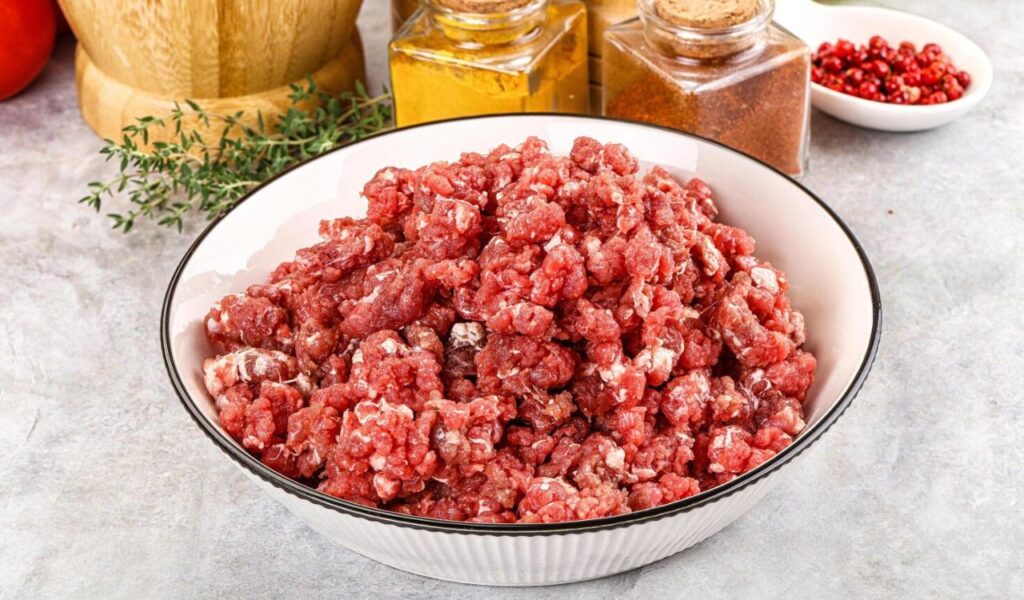
Seasoning ground beef seems straightforward, but timing has a powerful effect on both flavor and texture. Many home cooks wait until the meat is fully browned before adding salt, worrying that seasoning early will pull out moisture and dry it out. In reality, early salting often improves results. Salt draws a small amount of moisture to the surface, which evaporates in a hot pan and helps promote stronger browning. This supports the Maillard reaction, the process responsible for deep, savory flavor. Salt also gently breaks down proteins, allowing the meat to brown more evenly. Pepper and delicate spices are better added later, since high heat can dull or scorch aromas during cooking.
How much seasoning to use depends entirely on how the ground beef functions in the dish. When beef is the main focus, such as in burgers or meatballs, it benefits from more assertive seasoning to support its richness. Salt, pepper, garlic, and mild spices enhance flavor without overpowering it. In dishes like tacos, pasta sauces, or casseroles, restraint matters more because other ingredients contribute salt, acidity, and sweetness. Over-seasoning early can throw off balance once everything comes together. Treating seasoning as part of the whole dish rather than a final correction helps ground beef taste purposeful, layered, and well-integrated instead of flat or overly aggressive.
Reference
- What Everyone Gets Wrong About Ground Beef – aol.com
- Mistakes Everyone Makes Storing Ground Beef – foodrepublic.com
- 12 Biggest Mistakes People Make When Cooking With Ground Beef – thetakeout.com