What’s Behind the Sudden Rise of Restaurant Style Everything

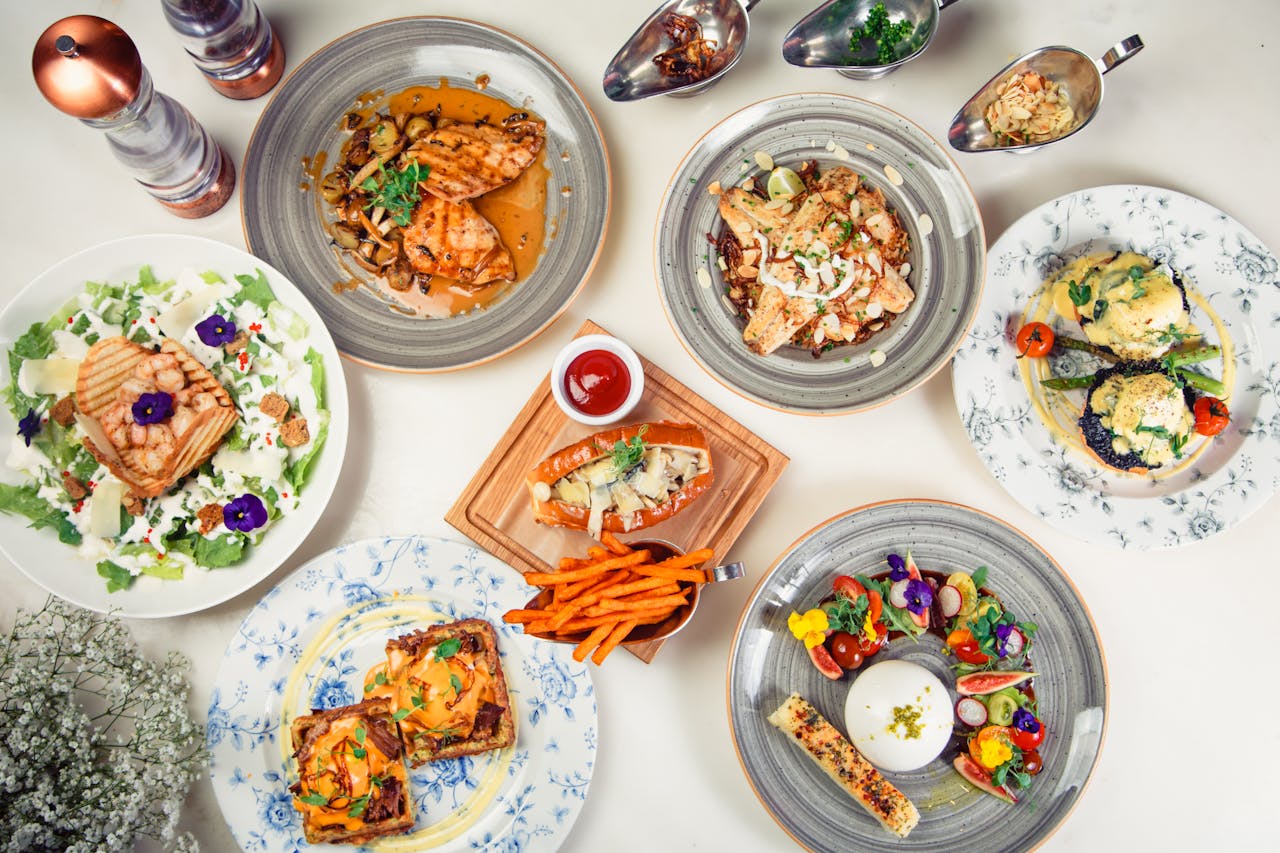
Food is no longer just about filling a plate. More than ever, it is about creating an experience that feels thoughtful, satisfying, and a little elevated.
What once belonged only to restaurants is now showing up in everyday meals. From packaged foods to home cooking, the shift is easy to notice.
This change is driven by rising expectations. People want convenience, but they also want quality that feels closer to something professionally made.
Small details now matter more. Texture, flavor balance, and presentation all shape how a meal is enjoyed, even in simple settings.
Looking closer reveals how this trend is quietly reshaping what we expect from the food we eat every day.
Why Restaurant Style Is Becoming the New Standard
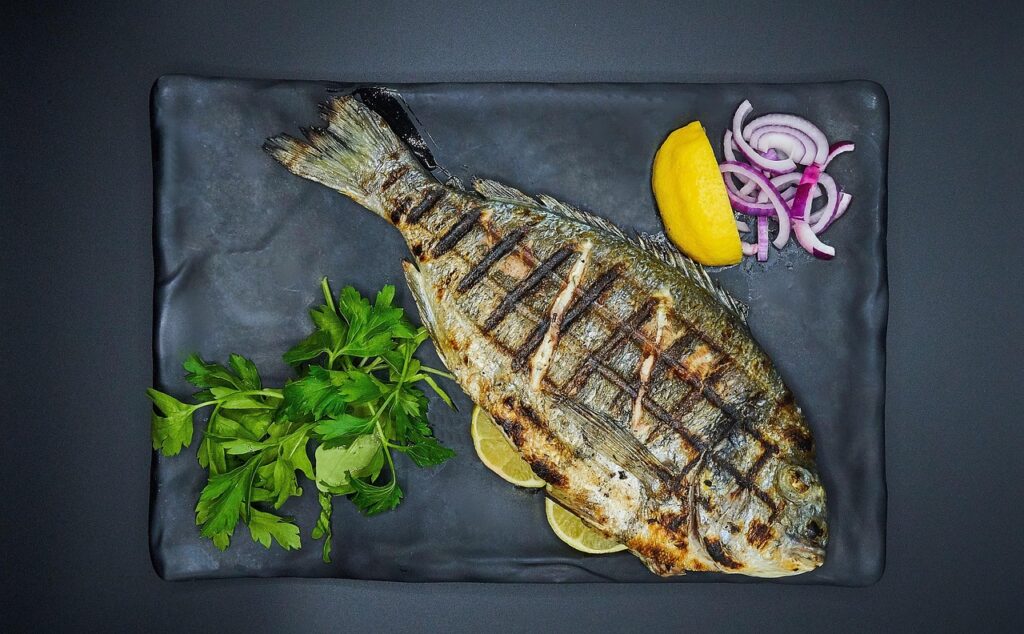
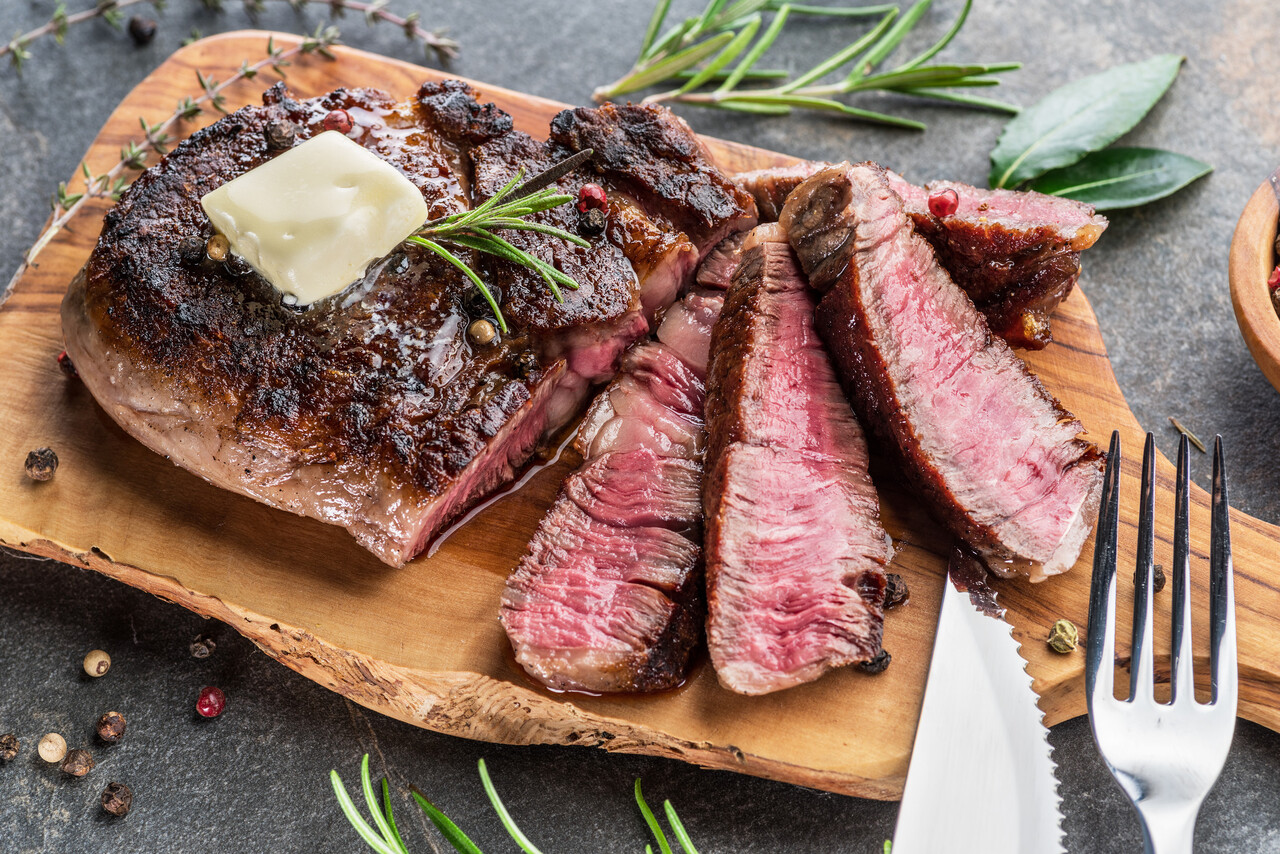
What once felt like a special dining experience is now shaping everyday expectations. The idea of “restaurant style” has moved beyond eateries and into homes, packaged foods, and even ready-to-cook meals.
Consumers today expect more than just basic functionality from food. Taste, texture, and presentation are all part of the experience, even for something as simple as a quick meal.
This shift is partly driven by exposure. People are more familiar with restaurant-quality dishes through travel, media, and online content, raising their standards over time.
Brands have responded by upgrading recipes and formats. Terms like “restaurant style” signal better quality, even when the product is mass-produced.
As expectations evolve, restaurant-level quality is no longer seen as a luxury. It is becoming the baseline that many consumers look for in everyday food choices.
How Everyday Foods Are Being Elevated
Simple foods are being transformed into something more refined. Ingredients, preparation methods, and flavors are being enhanced to create a more premium feel.
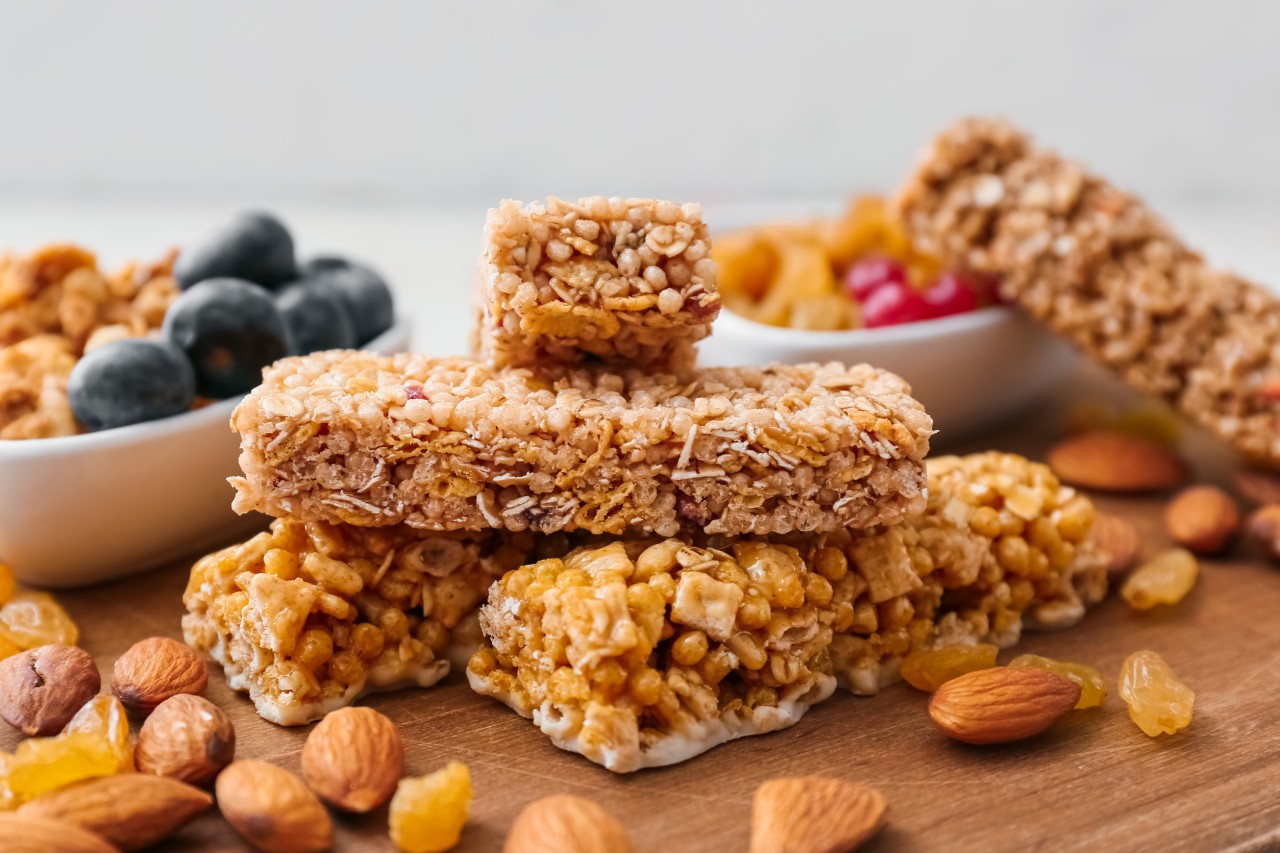
Even common items like snacks, sauces, and frozen meals are now designed to mimic restaurant dishes. This includes richer flavors, layered seasoning, and improved textures.
Packaging also reflects this upgrade. Clear labeling, appealing visuals, and descriptive names help position everyday foods as something more sophisticated.
There is also a focus on authenticity. Products often highlight regional or global influences to create a sense of culinary depth and uniqueness.
This elevation is not about complexity alone. It is about making familiar foods feel more indulgent and satisfying without requiring extra effort from the consumer.
The Growing Desire for Premium Experiences at Home
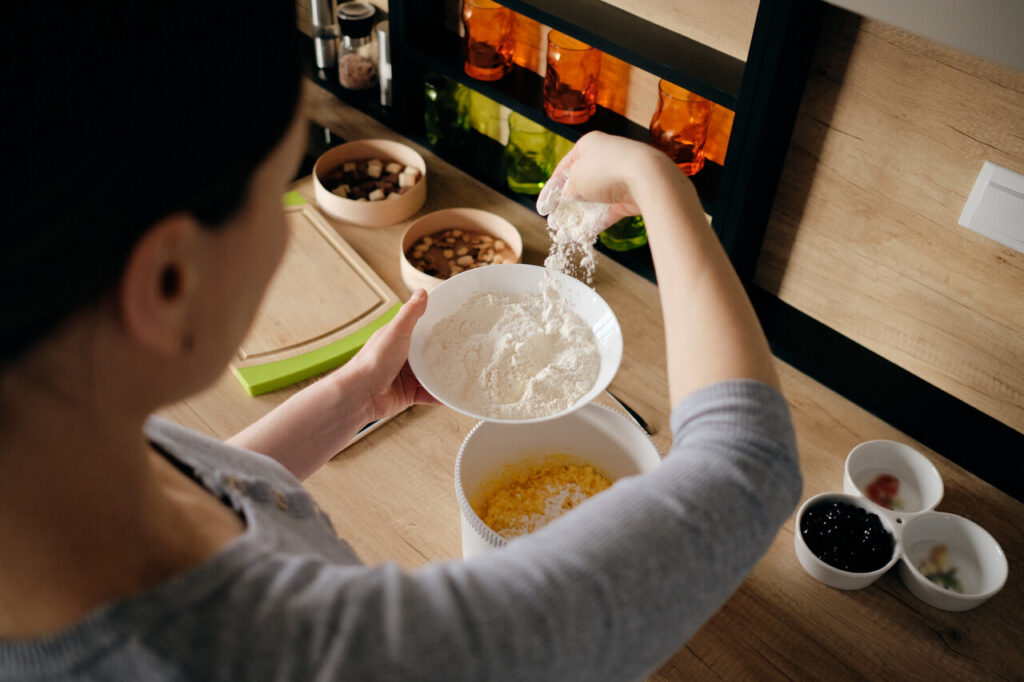
Eating at home is no longer just about convenience. Many people now want the same level of enjoyment they would expect from dining out, without leaving their space.
This desire has grown as lifestyles shift. Busy schedules and changing habits have made home dining more common, increasing the demand for better-quality options.
Cooking itself has become more experiential. People are exploring new recipes, trying different cuisines, and paying more attention to how food looks and feels.
Ready-made and semi-prepared foods are adapting to this demand. They offer a balance between ease and quality, allowing consumers to recreate a restaurant-like experience quickly.
The result is a blending of convenience and indulgence, where home meals are expected to deliver both comfort and a sense of occasion.
Why Presentation Matters More Than Ever
The way food looks has become almost as important as how it tastes. Visual appeal influences perception, making dishes seem more appetizing and satisfying.
This is especially true in the age of digital sharing. A well-presented meal is more likely to be photographed and shared, increasing its visibility and appeal.
Color, plating, and texture all contribute to this effect. Even small details, like garnishing or layering, can change how a dish is perceived.
Brands have embraced this by designing products that look good straight out of the package. This reduces effort while still delivering a polished result.
Presentation is no longer an extra step. It is a core part of the eating experience that shapes how people judge quality and value.
What the Future of Restaurant Style Trends Could Look Like
The trend toward restaurant-style food is likely to continue as expectations keep rising. Consumers are becoming more selective about what they eat and how it is presented.
Innovation will play a key role. New techniques, ingredients, and formats will continue to blur the line between home cooking and professional dining.
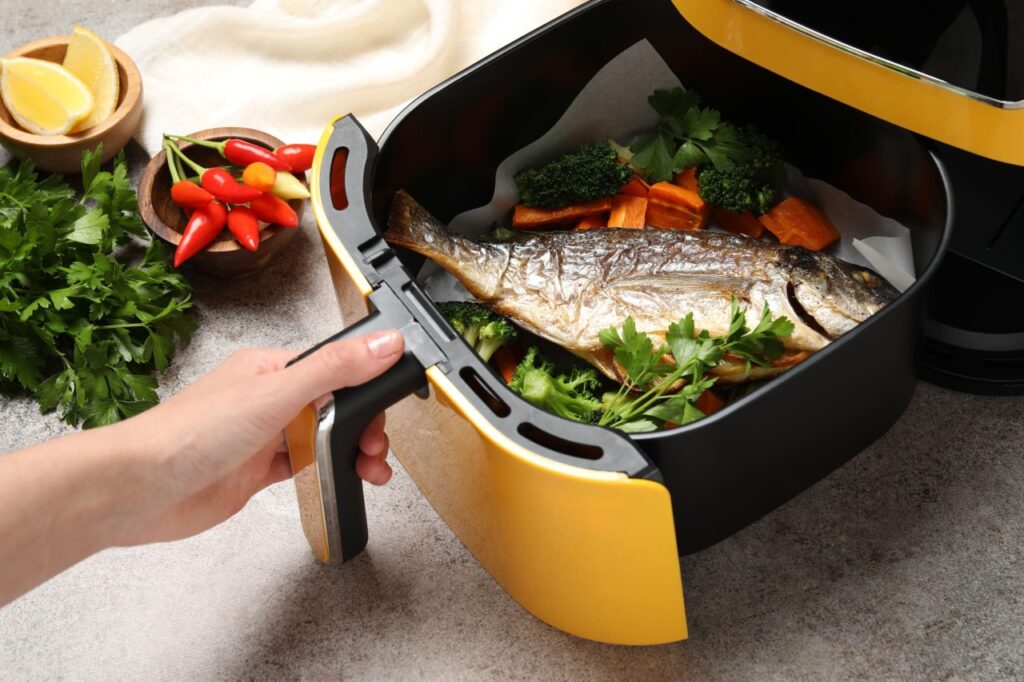
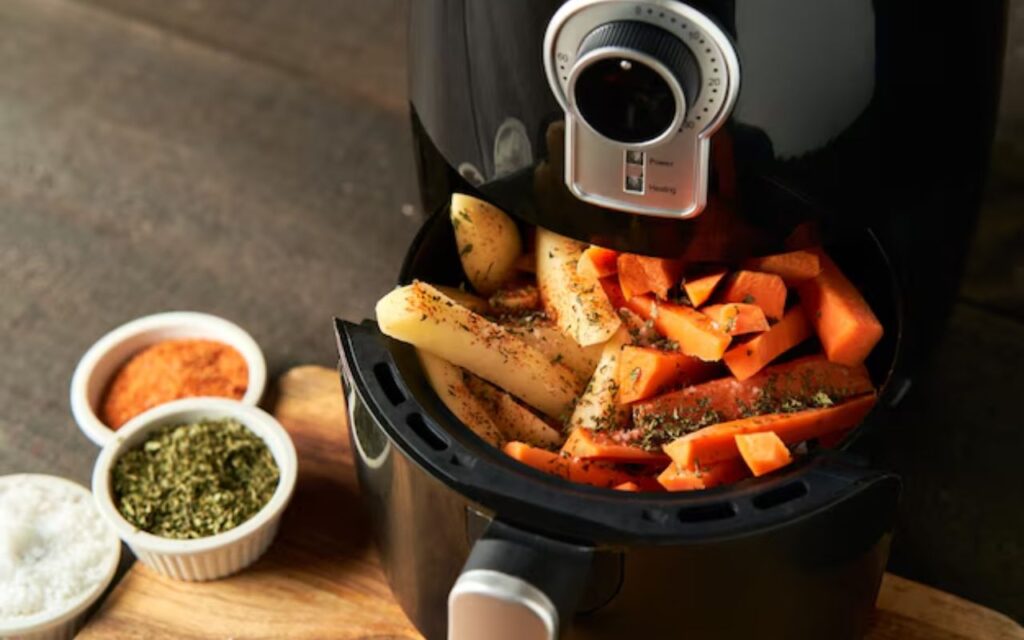
Technology may also influence this shift. Smart appliances and improved food delivery systems can make high-quality meals more accessible at home.
Sustainability is expected to become part of the conversation. Consumers may look for premium experiences that also align with responsible sourcing and reduced waste.
The future will likely focus on balance, combining quality, convenience, and thoughtful choices to create a more refined everyday dining experience.