11 One Pan Brunch Recipes with Big Flavor and Little Effort

Brunch should feel relaxed, satisfying, and generous, not like a juggling act of pans and timers. One-pan brunch recipes make it possible to serve bold flavors and hearty portions without crowding the kitchen or spending the entire morning cooking. By letting ingredients cook together, these dishes build deeper flavor while keeping prep and cleanup simple. From crispy potatoes and baked eggs to comforting bakes and skillet classics, these recipes are designed to feed a group with confidence. They are practical enough for busy mornings yet impressive enough to feel special, making them perfect for weekends, holidays, or anytime you want big results with minimal effort.
1. Sheet Pan Eggs and Crispy Potatoes
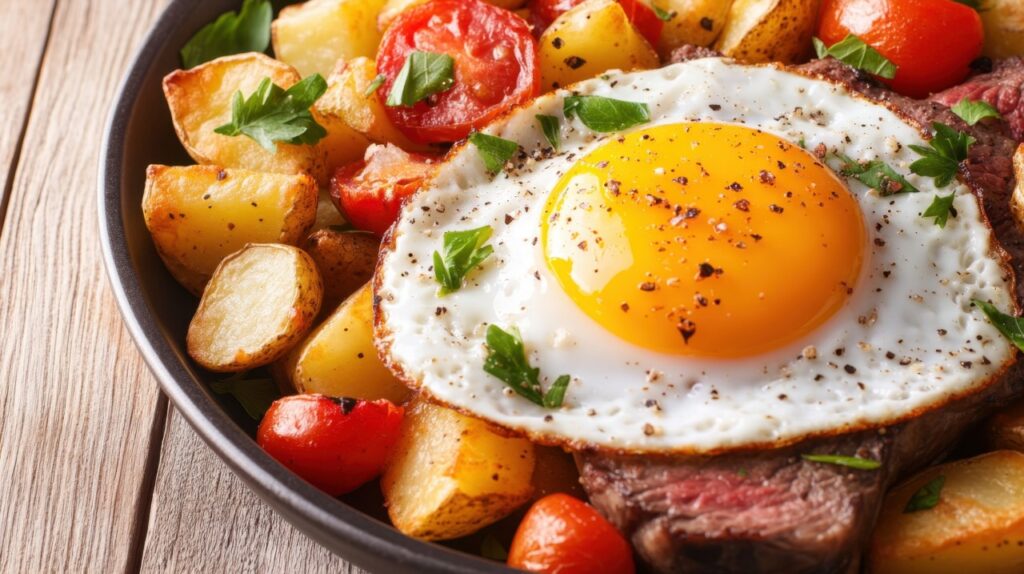
This recipe works because it solves timing and texture at the same time. Potatoes are roasted first at high heat, allowing their exterior to crisp while the interior turns soft and fluffy. This step is critical, since undercooked potatoes ruin the entire dish. Once they are nearly done, wells are created for the eggs, which cook gently in the residual heat of the pan. The eggs set just enough to hold their shape while keeping the yolks tender if timed correctly. Seasoning matters here, especially salt and pepper added in stages rather than all at once. Herbs or cheese can be added at the end without overpowering the dish. Everything finishes together, eliminating juggling pans and burners.
2. One Pan Bacon and Veggie Frittata
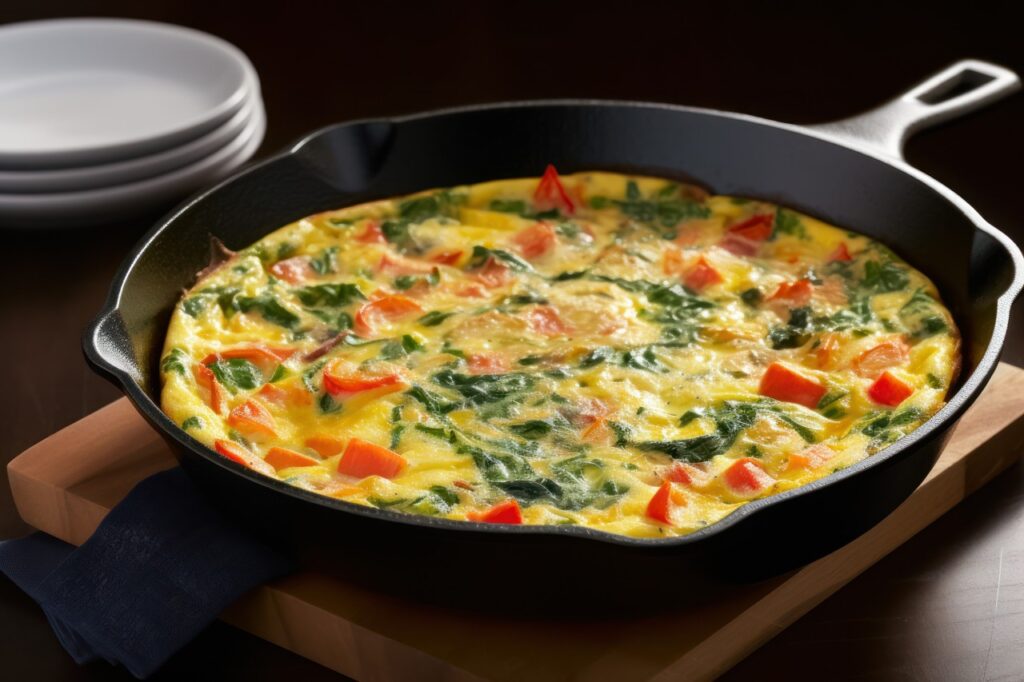
A frittata succeeds when moisture and heat are controlled, and using one pan helps with both. Bacon is cooked first, rendering fat that becomes the flavor base for the vegetables. Cooking the vegetables in that same fat adds depth while preventing sogginess. Eggs are then poured over once excess moisture has evaporated, ensuring the frittata sets properly rather than steaming. Finishing the dish in the oven allows even cooking without constant attention. Cheese is added sparingly, so it enhances rather than dominates. The frittata slices cleanly and holds its structure, which is essential for serving a group. Because everything happens in one pan, flavors layer naturally.
3. Skillet Cinnamon Roll Pancake
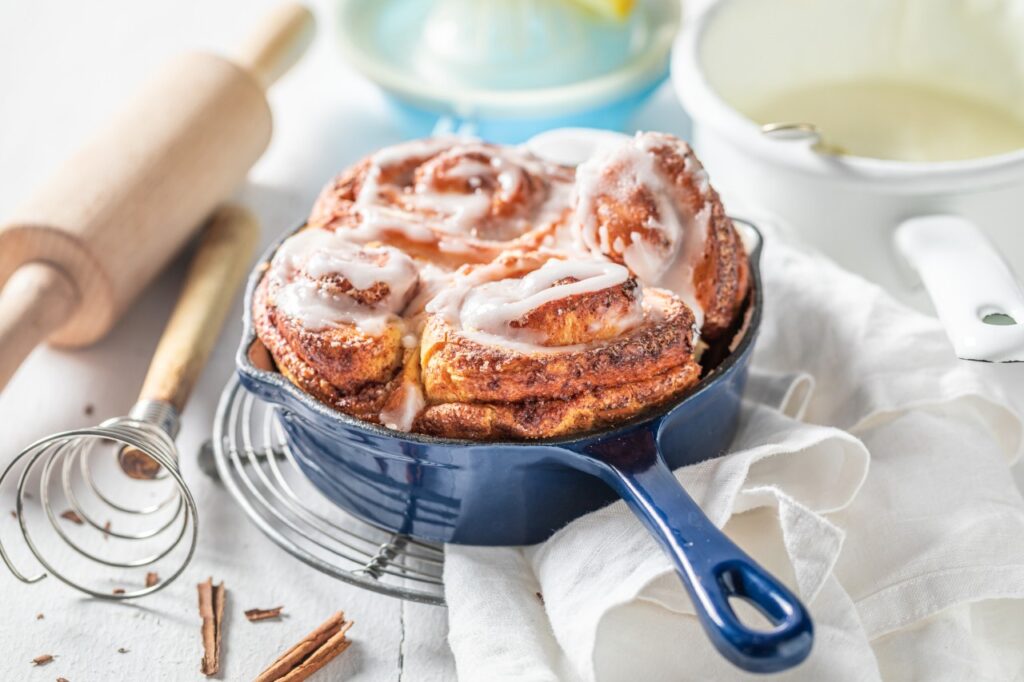
This recipe combines the familiarity of pancakes with the indulgence of cinnamon rolls, but without complicated steps. Batter is poured into a hot, well-greased skillet to ensure even browning and structure. A cinnamon sugar swirl is added while the batter is still wet, allowing it to sink slightly and flavor the entire pancake rather than sitting on top. Cooking gently prevents burning the sugar while the interior sets. Finishing in the oven ensures the center cooks through without drying the edges. The skillet retains heat, keeping the pancake warm for serving. A light glaze added at the end melts naturally across the surface.
4. Sheet Pan Sausage and Breakfast Vegetables
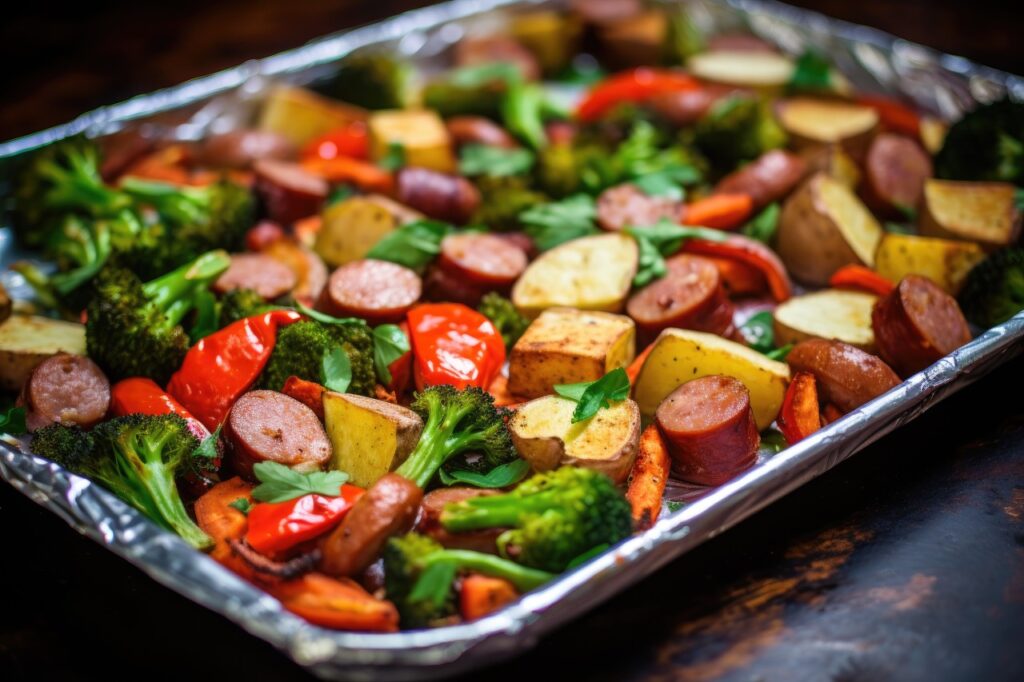
This dish works because proteins and vegetables are chosen with similar cooking times. Sausages roast evenly when spaced properly, releasing juices that lightly coat the vegetables beneath. Vegetables such as peppers, onions, and squash are cut uniformly so they soften and caramelize without burning. High heat encourages browning rather than steaming. Turning everything once midway ensures even color and texture. Seasoning early allows flavors to concentrate as moisture evaporates. The pan becomes a complete meal base that can be eaten as is or paired with eggs or toast. Cleanup stays minimal, and the flavors deepen as everything roasts together.
5. One Pan Shakshuka with Eggs
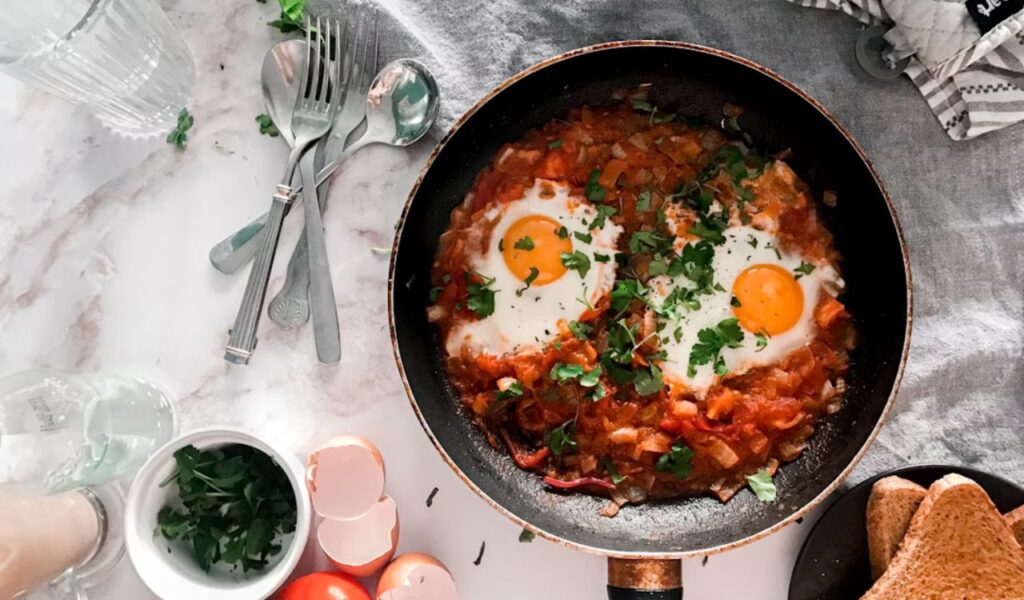
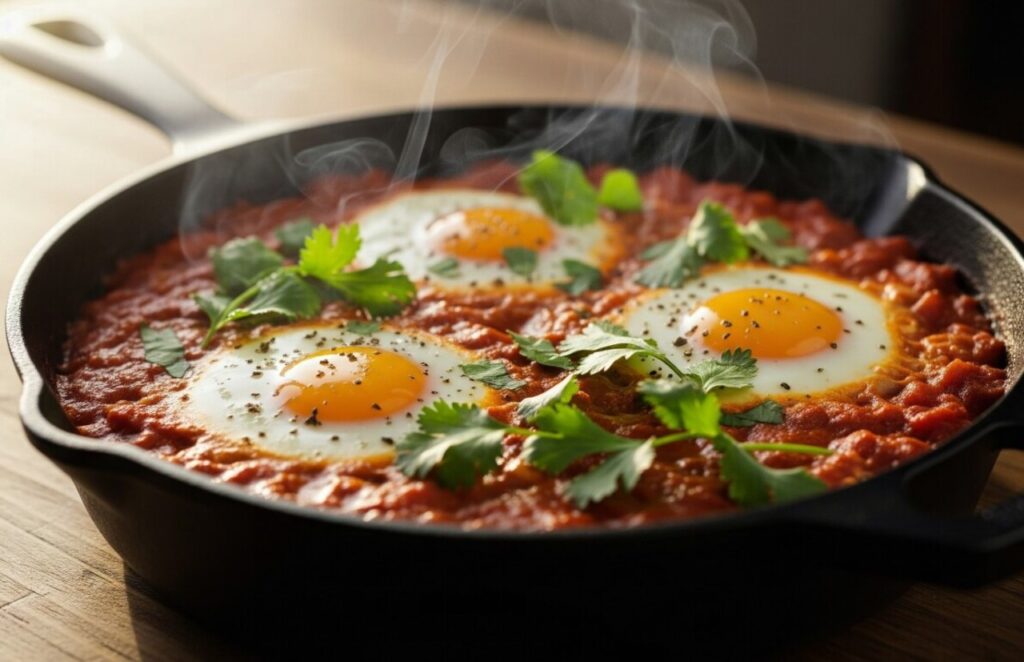
Shakshuka thrives in a single pan because sauce depth and heat retention are essential. Aromatics are cooked slowly first to build flavor before tomatoes are added. Simmering thickens the sauce, preventing watery eggs later. Eggs are cracked directly into the sauce and cook gently from both steam and residual heat. Covering the pan briefly allows whites to set while yolks stay soft. Spices must be balanced carefully so they enhance rather than overpower. Serving straight from the pan keeps the dish warm and visually appealing. Bread becomes part of the experience, soaking up sauce. The dish feels bold and comforting while remaining simple and efficient.
6. Skillet French Toast Bake
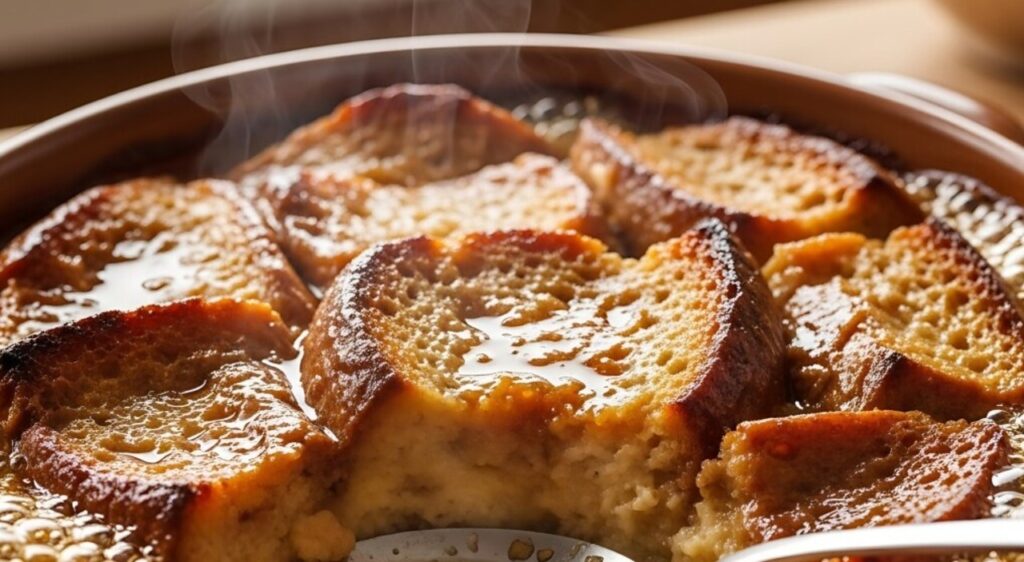
This recipe avoids soggy results by using thick or slightly stale bread that absorbs custard without collapsing. Eggs, milk, and spices are whisked thoroughly to ensure even distribution. Bread is layered loosely so heat can circulate and moisture can escape. Cooking begins on the stovetop to set the base, then finishes in the oven for uniform doneness. Butter melts into the bottom layer, creating subtle crispness. The bake holds together when sliced and stays warm longer than traditional French toast. It serves many people at once without repetitive flipping. The flavor is familiar, but the execution is far more efficient.
7. One Pan Breakfast Hash
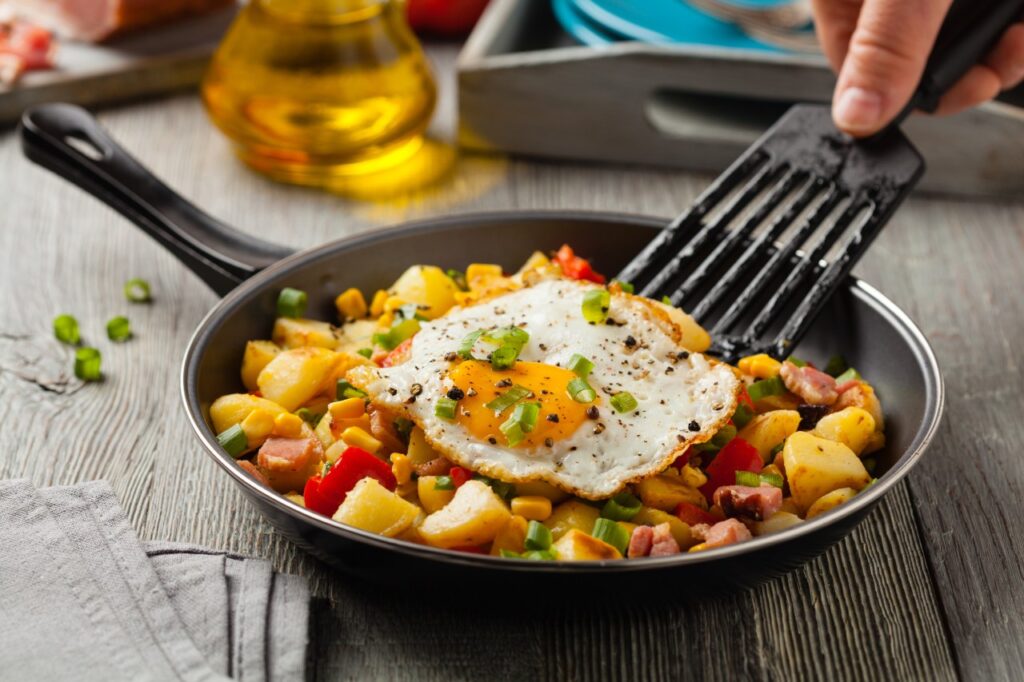
Breakfast hash succeeds when ingredients are cooked in the correct order. Potatoes go in first to develop crisp edges and a tender center. Vegetables follow once space opens, preventing overcrowding that leads to steaming. Seasoning builds gradually rather than all at once. Proteins, such as sausage or ham, are added once the potatoes are nearly done, preserving their texture. Eggs finish the dish, either scrambled in or cooked whole. Everything stays in one pan, allowing flavors to combine naturally. The result is filling, balanced, and satisfying without feeling greasy. It works equally well for casual brunch or hearty weekend meals.
8. Sheet Pan Ham and Cheese Sliders
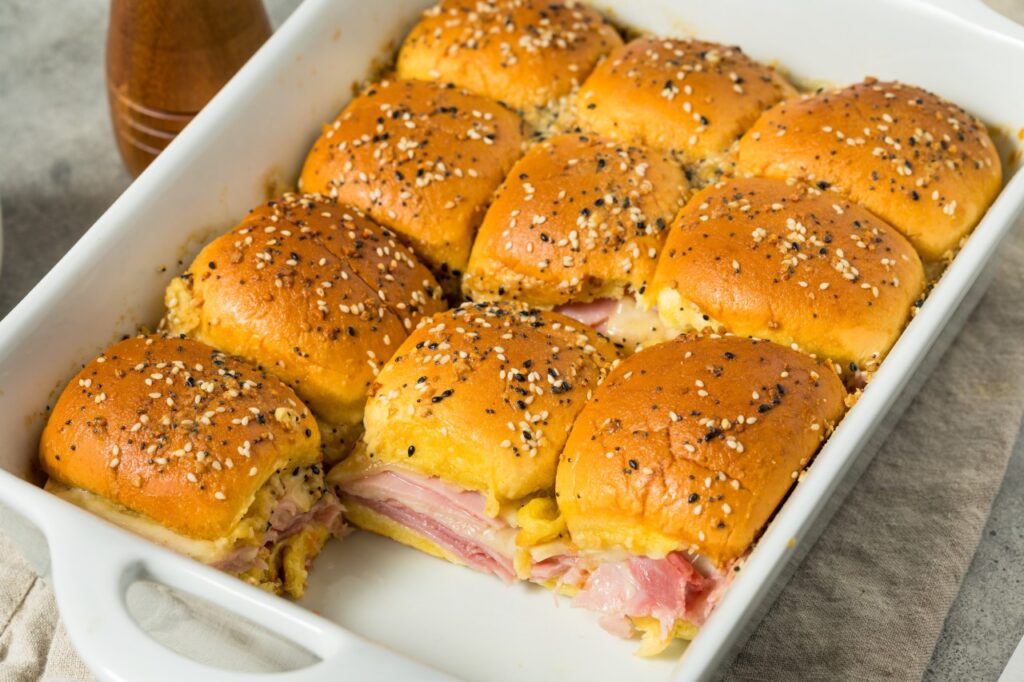
These sliders rely on structural integrity and moisture control to prevent sogginess. Rolls are sliced as a single slab to maintain alignment and ease assembly. Ham and cheese are layered evenly, so every slider is consistent. A butter-based topping seeps into the bread while baking, adding flavor and keeping the interior moist. Baking uncovered allows the tops to brown lightly. Resting briefly after baking helps the sliders hold shape when cut. One pan produces multiple servings with no flipping or monitoring. The dish feels indulgent but controlled, making it ideal for feeding a group with minimal effort.
9. Skillet Breakfast Quesadillas
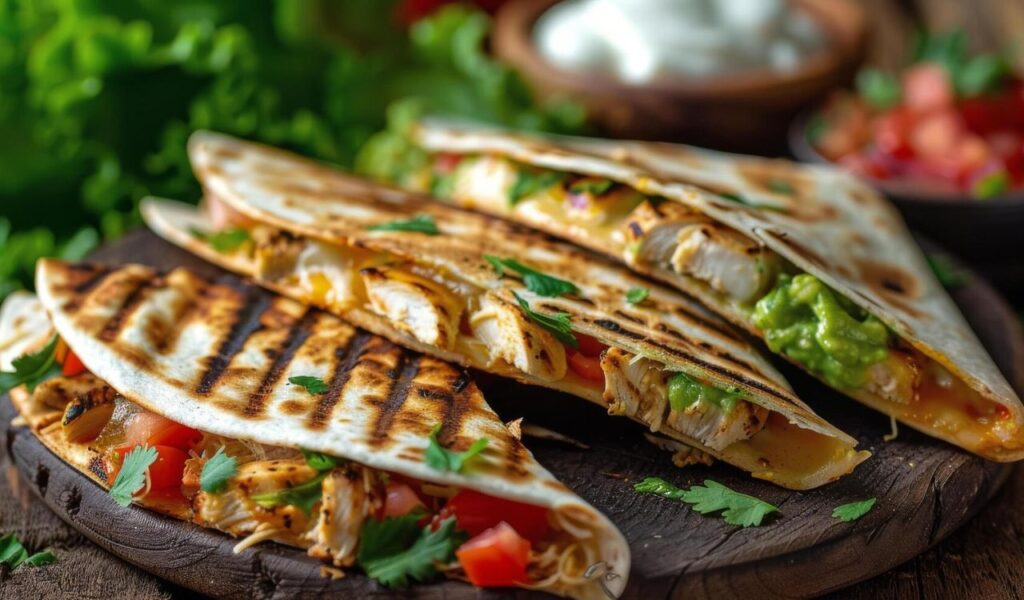
Cooking quesadillas in one skillet allows for even browning and controlled melting. Fillings are pre-cooked to remove excess moisture, preventing soggy tortillas. Cheese is used as a binding agent rather than the main filler. Cooking over moderate heat ensures the tortilla crisps without burning before the interior warms. Pressing lightly helps seal the layers. Cutting directly from the skillet keeps portions uniform. The quesadillas stay warm and structured, making them easy to serve. They feel hearty without being heavy and adapt easily to different fillings. This flexibility makes them ideal for using leftovers or customizing for different tastes.
10. One Pan Biscuits and Gravy
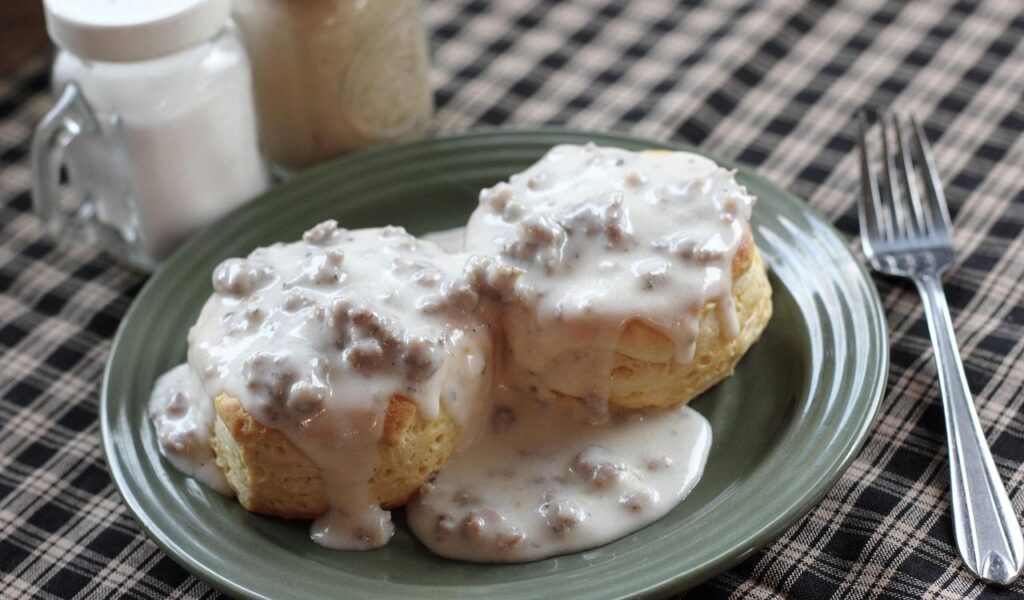
This dish depends on proper sequencing. Sausage is browned first, creating fond that flavors the gravy. Flour is cooked long enough to eliminate raw taste before milk is added gradually. Biscuits are baked directly on top or alongside, absorbing steam while still browning. Timing ensures biscuits are cooked through without drying out the gravy. Seasoning is adjusted at the end once the thickness is set. Everything stays hot and cohesive in one pan. The result is deeply comforting and filling, with fewer steps than traditional versions. It also stays satisfying longer, which is helpful when brunch stretches into midday.
11. Sheet Pan Sweet Potato and Egg Bake
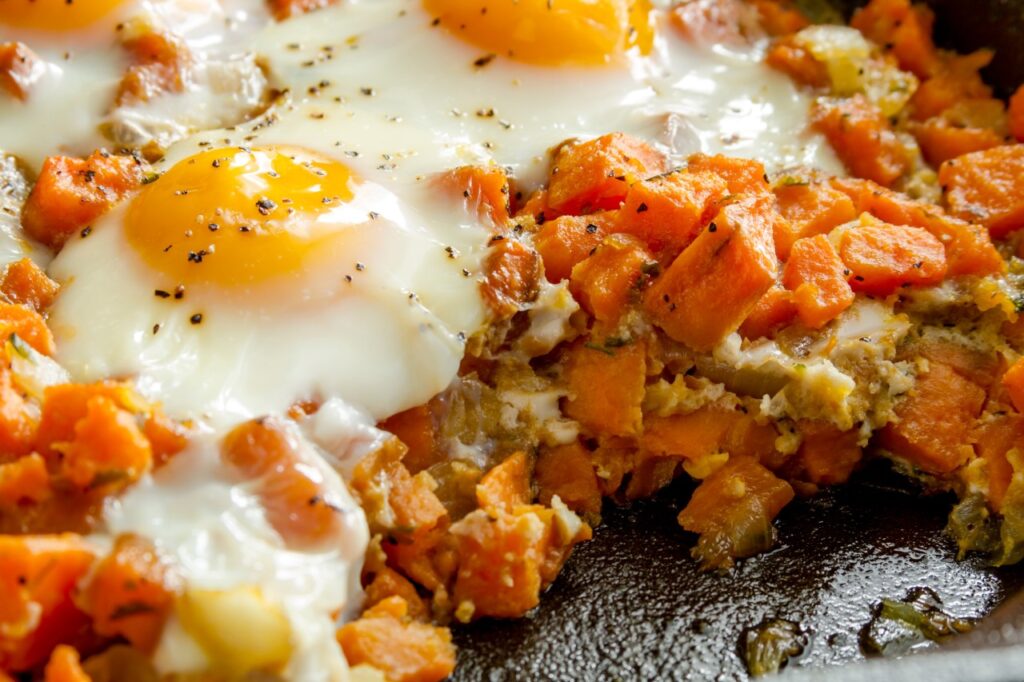
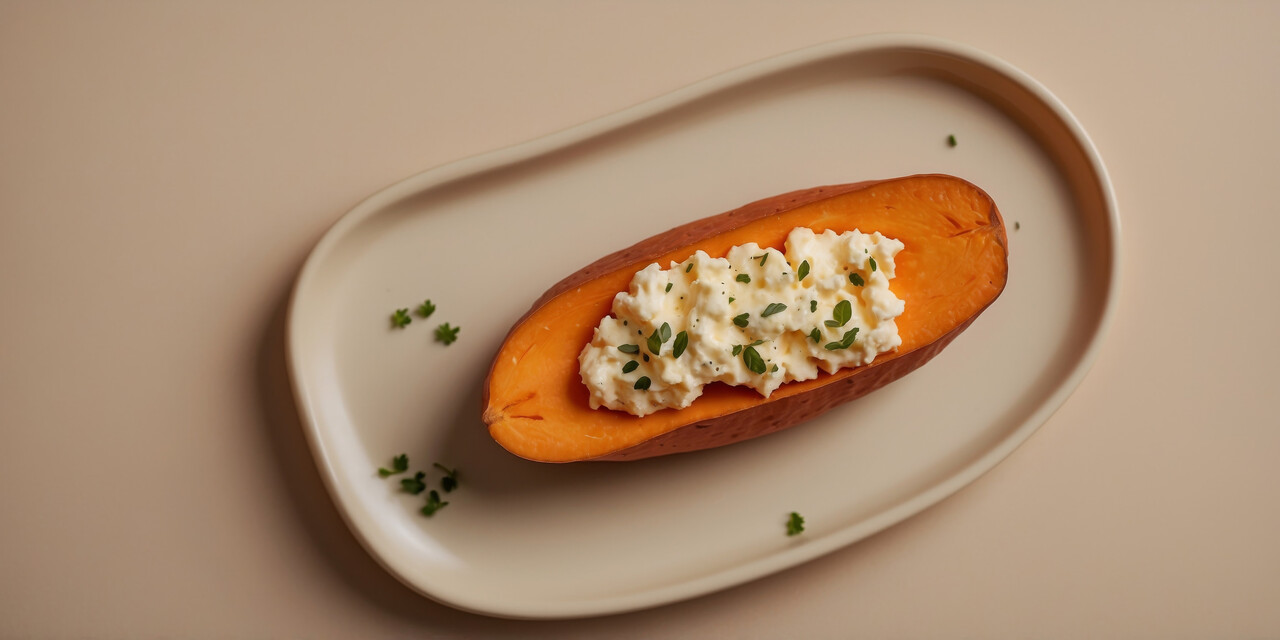
Sweet potatoes roast first to concentrate flavor and develop caramelization. Their natural sugars deepen without added sweeteners. Eggs are added later, so they set gently rather than overcook. Spices and herbs enhance the sweetness without turning the dish dessert-like. The sheet pan format allows even heat exposure, preventing mushy textures. Everything finishes together and holds warmth well. The dish feels nourishing and substantial, suitable for guests who want something filling but balanced. It is versatile enough to enjoy beyond brunch, which makes it especially practical. Leftovers reheat well, maintaining both texture and flavor.