How to Make Your Pantry Look Organized Without Buying More Bins

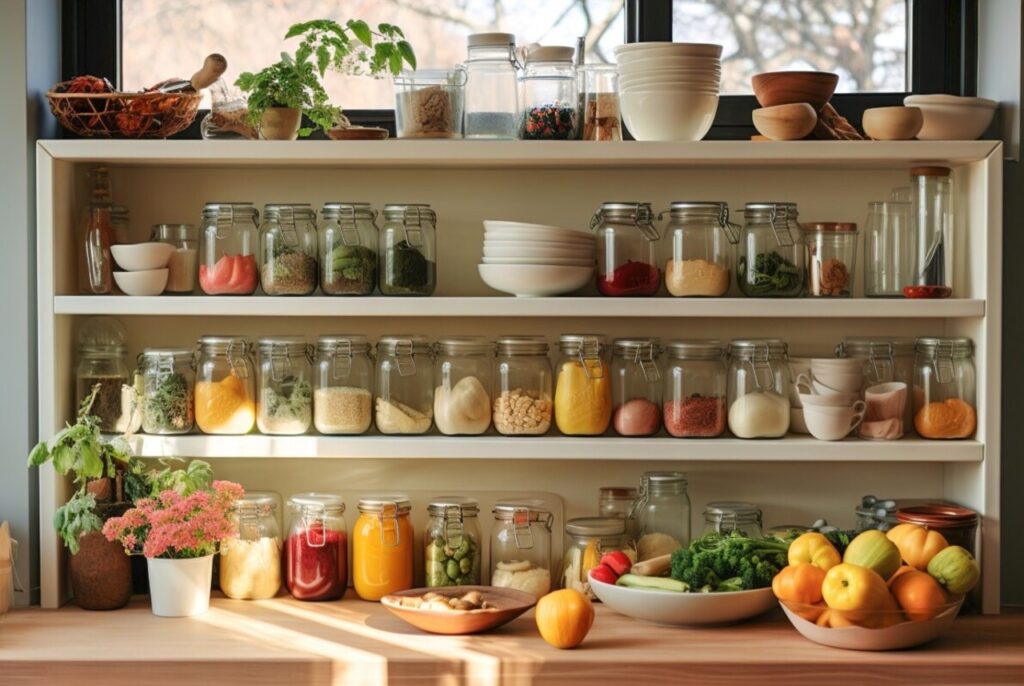
An organized pantry does not begin with a shopping trip, even though that is often where people start. Many cluttered pantries are actually the result of adding more organizers instead of addressing how items are stored and used. Extra bins can hide food, create layers, and make it harder to see what you already have. A better approach starts with rethinking layout and habits. When shelves are arranged with intention and excess is removed, the space immediately feels calmer. Organization becomes less about buying solutions and more about creating clarity with what is already there. This shift alone often makes the pantry feel noticeably larger and more usable.
With a few thoughtful changes, a pantry can feel cleaner, more open, and easier to manage daily. Focusing on visibility and spacing allows items to stand on their own without competing for attention. Grouping foods by use and keeping shelves lightly filled makes everything easier to find and return. This approach removes the pressure to maintain a picture-perfect system. Once the pantry works with your routine instead of against it, keeping it tidy becomes far less work and far more sustainable over time. Small, consistent habits matter more than perfectly styled shelves. That practicality is what makes the system stick long term.
The Pantry Problem Everyone Has
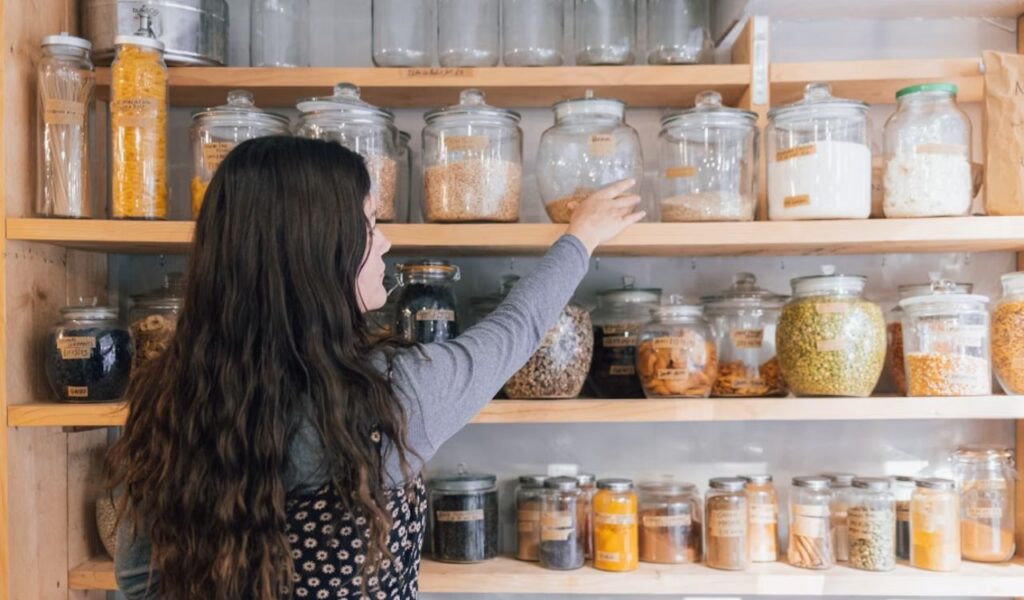
Most pantries do not become messy all at once. They slowly lose order as groceries are added without a plan, items get pushed aside, and duplicates pile up unnoticed. The core problem is rarely a shortage of containers. It is visibility and decision fatigue. When shelves are crowded, and items overlap, it becomes hard to see what you own, even if everything is technically useful. This lack of visual clarity creates stress and confusion, making the pantry feel chaotic instead of functional. Over time, the space stops supporting daily routines and starts working against them, even in well-stocked kitchens.
Buying more bins often makes this problem worse rather than better. Extra containers create layers that hide labels, block sightlines, and allow food to expire quietly in the back. As a result, people rebuy items they already have, adding to clutter instead of reducing it. A pantry looks organized when items are easy to see, reach, and return, not when every inch is tightly packed. True order comes from thoughtful spacing and awareness. Recognizing that clutter grows from accumulation and poor visibility, not from a lack of organizers, is the first step toward creating a pantry that stays calm and manageable.
The Power of a Simple Reset
The fastest way to make a pantry look organized is to take everything out and start with empty shelves. This reset forces you to confront what you actually own instead of what you assume is there. Expired items, half-used packages, and forgotten duplicates become immediately visible once nothing is hiding behind anything else. Seeing everything at once makes decision-making easier and more honest. Many people are surprised by how much they no longer need. This single step often reduces pantry volume dramatically, creating space before any organizing even begins and setting a clear foundation for meaningful order.
Editing before reorganizing creates an instant sense of calm that no container can replicate. When fewer items go back onto the shelves, spacing improves naturally without any purchases. This process also allows you to rethink placement based on how you actually cook, snack, and shop. Foods you use often earn priority spots, while rarely used items stop crowding prime space. Instead of building systems around clutter, you rebuild the pantry around intention. That clarity makes the setup easier to maintain over time because every item has earned its place. It also makes daily decisions faster because nothing is buried or forgotten.
Using What You Already Own
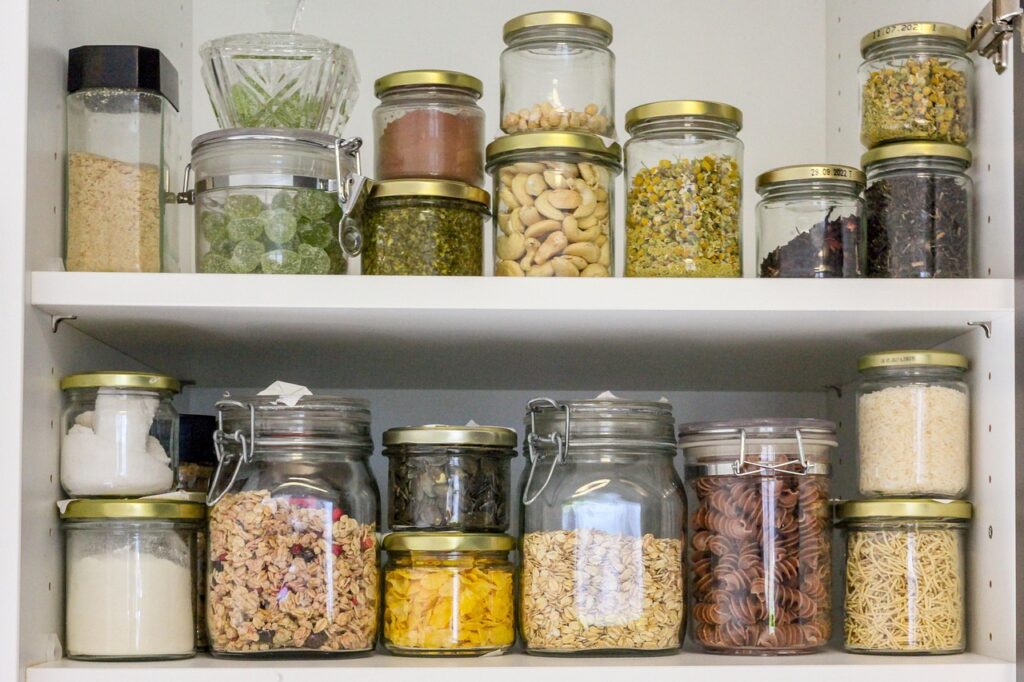
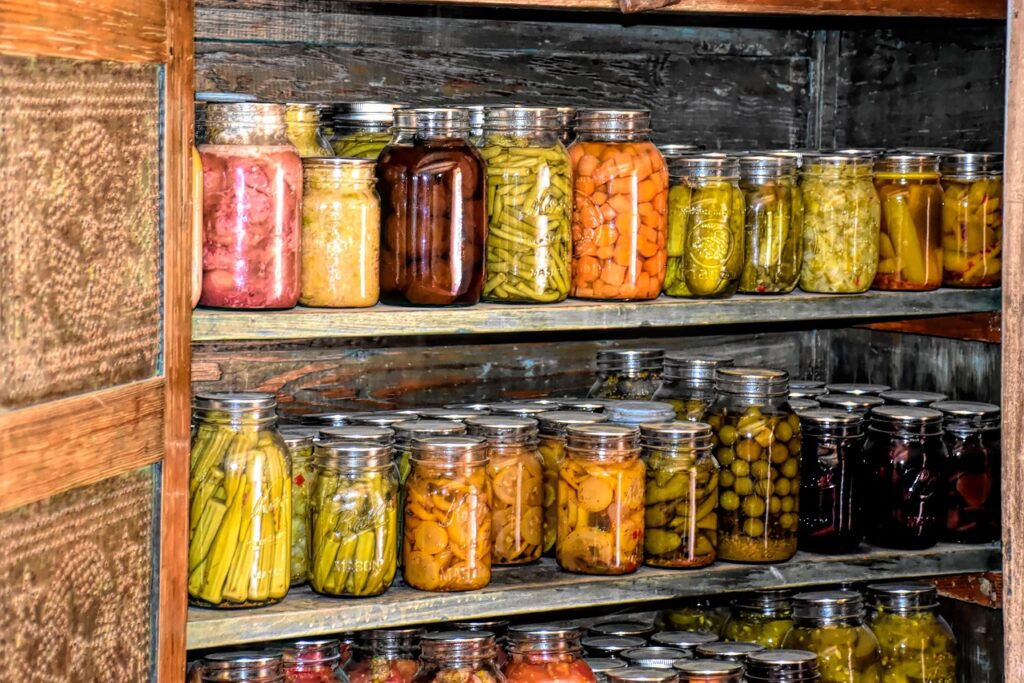
Most kitchens already contain enough items to organize a pantry effectively, even if it does not feel that way at first glance. Glass jars from sauces, sturdy food containers, baskets, and even strong cardboard boxes can all be reused with purpose. Uniformity is far less important than function when it comes to organization. Clear containers improve visibility, which helps prevent forgotten items and duplicate purchases. Original packaging often stacks better than decanted food and carries essential details like cooking instructions and expiration dates. When these everyday items are used thoughtfully, they create order without adding clutter or cost.
Mismatched containers can still look tidy when they are arranged with intention instead of decoration in mind. Aligning items neatly, facing labels forward, and trimming bulky packaging instantly improves visual order. Grouping similar foods gives structure, even when containers do not match. The goal is clarity, not perfection. When each container serves a clear role, the pantry feels calm and usable rather than staged for appearance. This approach keeps the organization practical and realistic, making it easier to maintain over time without feeling pressured to buy matching bins or trendy storage pieces. Function-driven choices are what make this system last.
Creating Order Without Bins
An organization becomes far more effective when items are arranged by how they are actually used rather than how they appear on the shelf. Grouping baking supplies, snacks, canned foods, and breakfast items together reflects real habits and reduces daily friction. When everything related to one task lives in the same zone, you spend less time searching and less time rearranging. This method also prevents the slow spread of clutter that happens when items get shoved wherever space appears. A use-based layout supports routine cooking and snacking, making the pantry feel intuitive instead of visually busy or randomly packed.
Spacing plays a larger role than containers when it comes to creating a calm-looking pantry. Leaving small gaps between groups allows each category to stand out, which improves visibility and makes shelves easier to navigate. Items used every day work best at eye level, while specialty or rarely used foods can sit higher or lower without causing frustration. This hierarchy reduces overhandling and keeps prime areas from becoming crowded. When shelves are arranged around frequency and access instead of tight containment, the pantry looks more organized and functions better without adding a single bin or divider.
Keeping It Organized Long Term
An organized pantry only stays that way when upkeep feels easy rather than demanding. Long, time-consuming reorganizations tend to fail because they are unrealistic to repeat. Quick resets work far better. Taking a couple of minutes to return items to their designated groups after grocery shopping prevents clutter from gaining momentum. This habit keeps shelves from slowly drifting back into chaos. When maintenance is built into regular routines, order becomes automatic instead of something that requires motivation. A system that fits daily life is far more likely to survive busy weeks, changes in schedules, and shifting shopping habits.
Letting go of perfection is just as important as building good habits. Pantries are functional spaces meant to support cooking, not styled displays that must look flawless. As long as items are visible, grouped logically, and easy to reach, the system is doing its job. Small actions like checking what you already have before shopping, facing items forward after use, and placing things back in their zones make a lasting difference. When an organization supports real behavior instead of fighting it, the pantry stays orderly with minimal effort and far less frustration over time. Practical systems succeed because they work even on busy, imperfect days.
Reference
- How to Organize Your Pantry So It Works for You (Not Instagram) and Keep It That Way – nytimes.com
- How to Make Your Pantry Look Organized (Without Buying More Bins) – aol.com