Family Size Snack Packs Are Fading From Supermarkets and Something Unexpected Is Driving It

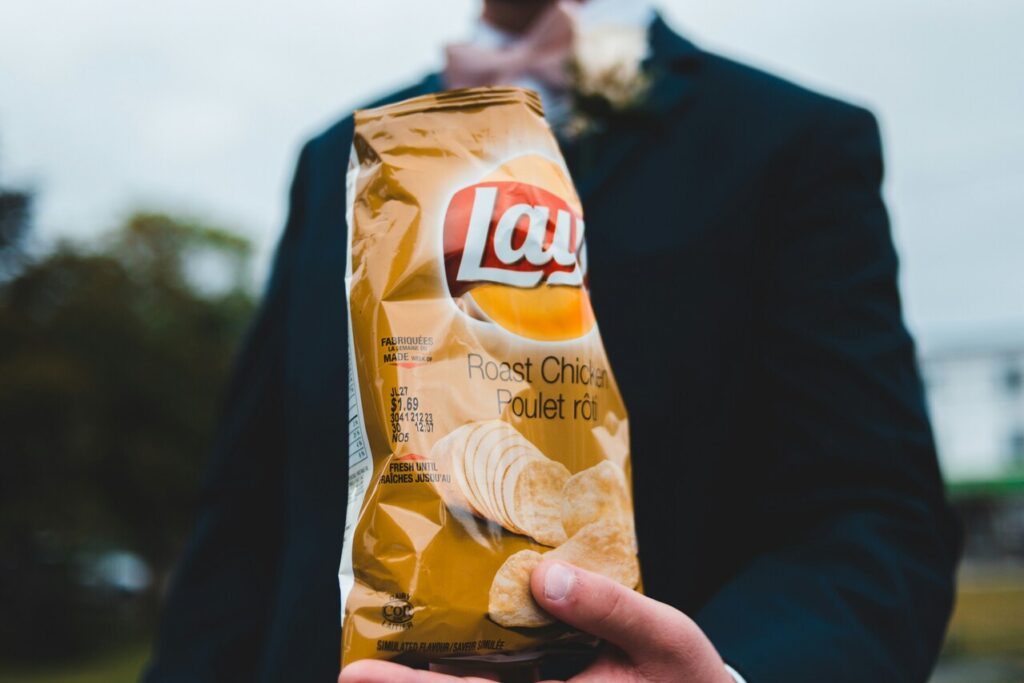
For years, family-size snack packs dominated supermarket shelves with the promise of value and plenty to share. Large bags of chips, cookies, and crackers were marketed as the smartest way for households to save money while stocking the pantry. Today, however, those oversized packages are becoming less common. In their place, shoppers are finding smaller packs designed for portability, portion control, and lower upfront prices. The change is not only about snacking habits. Economic pressures, shifting household sizes, and retail strategy are quietly transforming how snack products are packaged and sold.
The Disappearing Jumbo Pack
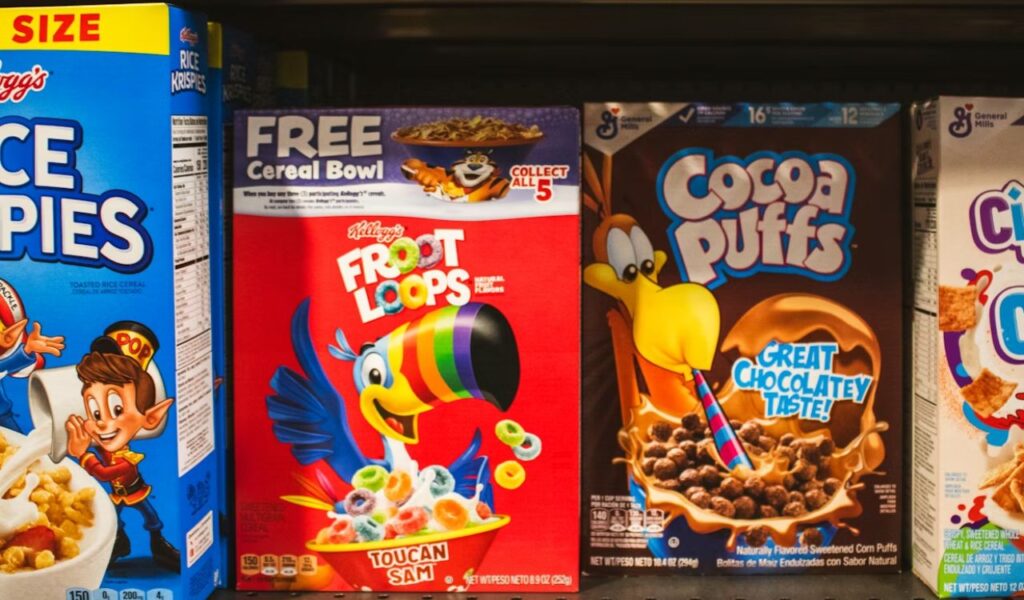
Large snack bags once stood as a familiar sight in supermarket aisles. These family-size packs promised value by offering more chips, cookies, or crackers in a single purchase. For decades, brands promoted jumbo packaging as the most economical option for households with several people. The idea was simple and appealing. Buying a larger bag meant paying less per ounce while ensuring there was enough to share. This strategy worked especially well when families regularly gathered around the same table for snacks or weekend treats. Large bags also reduced the need for frequent purchases. Many households viewed them as practical pantry staples.
Supermarkets also favored these larger packages because they helped drive bigger purchases. Shoppers often believed they were saving money by buying more at once. Bulk packaging encouraged consumers to stock their pantries and avoid frequent shopping trips. The presence of large snack bags also created a visual sense of abundance in store aisles. Brands used bright packaging and bold labels to emphasize value and quantity. Over time, the family pack became one of the most recognizable formats in snack marketing. Retail displays often highlighted these larger bags prominently. Stores promoted them during weekend shopping periods.
The Shift Toward Smaller Packs
A noticeable transformation in grocery stores involves the growing popularity of smaller snack packages. Many brands now offer single-serve bags or compact boxes that contain only a few portions. These products are designed to match the way people snack today rather than how they did decades ago. Consumers increasingly prefer snacks that are easy to carry and quick to consume. Smaller packages make it simpler to grab something on the go without opening a large bag. The format also helps maintain freshness between servings. Many consumers appreciate the ability to finish one pack at a time. Compact packaging reduces the need for resealing larger bags.
Changing lifestyles have played a significant role in this shift. Many people snack while commuting, working, or running errands throughout the day. A large family bag does not always fit these situations. Smaller packages can be placed in backpacks, purses, or desk drawers without difficulty. This portability has made compact snack packs particularly attractive to younger consumers and urban workers. Portable snacks also fit well into school lunches. Travelers often prefer items that require no preparation. Small packs are easier to store in crowded spaces. These factors support their growing demand.
The Rise of Everyday Snacking
Snacking habits themselves have changed dramatically over time. Many consumers now eat smaller meals throughout the day rather than relying on three large meals. This pattern increases the demand for quick and convenient snack options. Foods that can be eaten between meetings, during travel, or while working have become especially popular. Snack manufacturers have responded by creating products that fit into these frequent eating moments. Flexible packaging supports this new rhythm of eating. Snacks now serve as mini meals for many people. The convenience appeals to individuals with unpredictable schedules.
Portable packaging plays an important role in supporting this lifestyle. People often choose snacks that require little preparation and can be eaten quickly. Smaller packs make it easier to control how much is consumed at a time. Instead of opening a large bag and storing the rest later, consumers can simply finish a single portion. This approach fits the rhythm of modern schedules where convenience is a priority. Many workers keep snacks within reach during busy days. The packaging supports quick consumption between tasks. Simple access makes these products appealing. Consumers increasingly prefer this convenience.
The Portion Control Factor
Health awareness has become another powerful influence on snack packaging. Many consumers now pay closer attention to portion sizes and calorie intake. Large snack bags can make it difficult to manage how much food is eaten in one sitting. Smaller packs provide a clearer boundary that helps people monitor their consumption more easily. This sense of control appeals to shoppers who want to enjoy snacks while maintaining balanced eating habits. Clear portion sizes make calorie tracking simpler. Many diet plans encourage controlled servings. Packaging that supports moderation feels reassuring. Many consumers view them as a responsible choice.
Brands have embraced this shift by marketing snacks as portion-friendly options. Packaging often highlights the number of calories per pack or emphasizes controlled serving sizes. These messages appeal to customers who want convenience without excessive indulgence. Over time, the connection between health awareness and packaging size has become stronger. The snack aisle increasingly reflects this change in consumer priorities. Advertisements often focus on balance rather than indulgence. Marketing language emphasizes moderation. These strategies align with modern health trends. Packaging design now supports healthier perceptions.
The Inflation Workaround
Rising production costs have forced food manufacturers to rethink how products are priced. Instead of increasing the retail price directly, many companies reduce the quantity inside a package while keeping the price similar. This strategy is widely known as shrinkflation. It allows companies to manage higher costs for ingredients, energy, and transportation without making price increases too obvious to shoppers. Businesses rely on this approach to maintain competitive pricing. Price stability helps preserve customer loyalty. Shoppers often focus on visible prices rather than weight. Companies use this method to balance cost pressures.
Shrinkflation has become especially common in packaged foods. Manufacturers often reduce the weight or volume of a product while maintaining the same shelf price. For example, a snack bag might contain slightly fewer chips than before, even though the packaging appears unchanged. This approach helps companies protect their profit margins while keeping the price point familiar to customers. Packaging design often remains identical. Customers may not notice subtle quantity changes. Over time, repeated adjustments reduce total product volume. This method spreads the impact gradually. Consumers often compare packages more carefully now.
The Budget Psychology
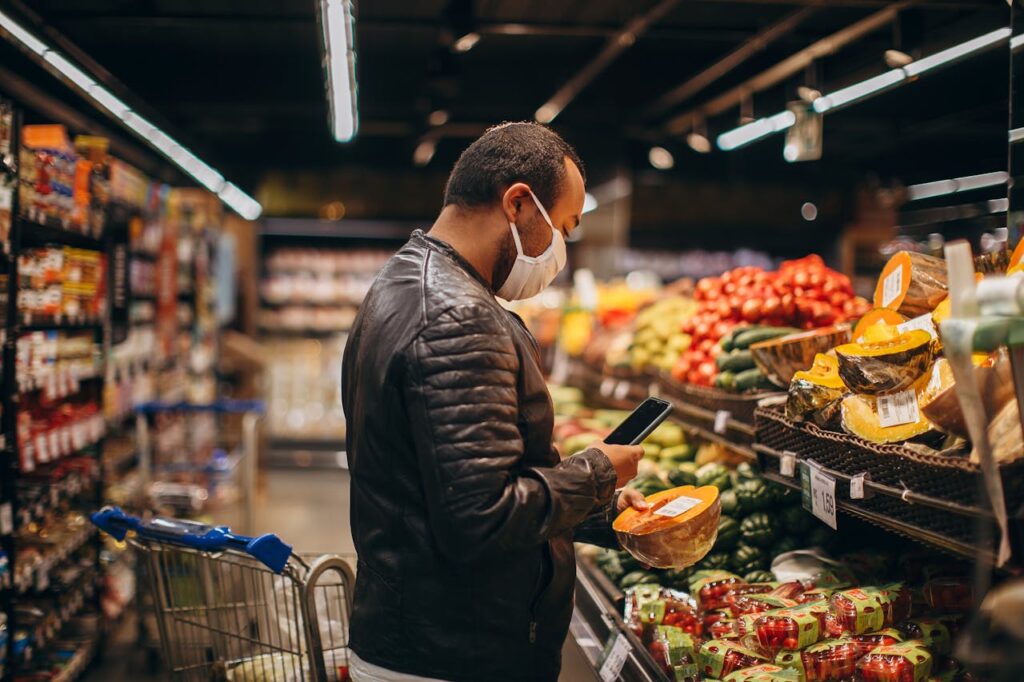
Price perception plays a powerful role in how shoppers make decisions in the snack aisle. Many consumers focus on the total price printed on the package rather than the cost per ounce. Smaller snack packs often appear more affordable because the upfront price is lower. Even if the value per unit is not better, the smaller price tag can feel easier to justify during a shopping trip. Shoppers often evaluate products quickly while walking through aisles. Lower price labels attract immediate attention. Psychological comfort influences purchasing behavior. This perception strongly influences buying habits.
This psychological effect becomes stronger during periods of economic uncertainty. When households try to control spending, they may prefer items that require less immediate cash at the register. A small snack pack priced at a few dollars can feel more manageable than a large family bag that costs twice as much. The difference in perception can strongly influence purchasing choices. Budget-conscious shoppers often prefer flexible spending options. Small packs reduce financial commitment. These patterns guide retail strategies. Lower price points attract cautious consumers. Retailers often emphasize these prices in promotions.
Changing Household Sizes
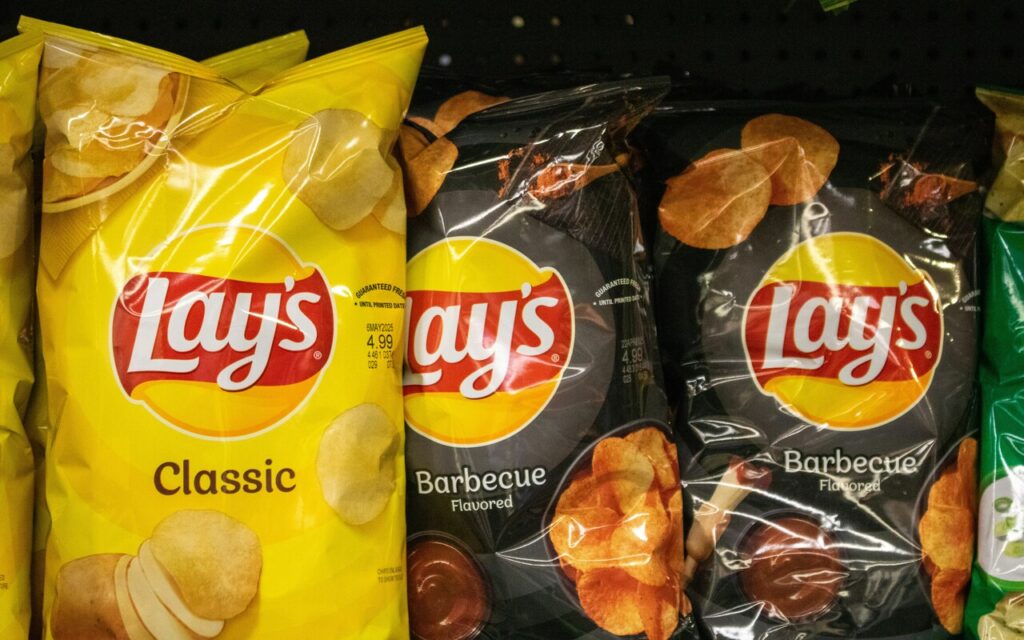
Demographic changes have also influenced how snack products are packaged. In many cities, households are becoming smaller than they were in previous generations. More people live alone or in two-person households rather than in large families. When fewer people share the same pantry, large snack bags may take longer to finish. Smaller households, therefore, prefer moderate portions. Consumption patterns shift accordingly. Grocery shopping habits also evolve. These demographic changes influence packaging decisions. Smaller households seek products that match their needs. Packaging strategies adapt to reflect these realities.
For smaller households, oversized packages can create practical challenges. Snacks may lose freshness before they are fully consumed. Storing large bags can also be inconvenient in smaller apartments or shared living spaces. Compact packaging better matches the needs of these households. Smaller packs provide just enough food for a single person or a couple. Storage space becomes easier to manage. Food waste can be reduced with smaller portions. Urban living conditions reinforce this need. Convenience remains an important factor. Many shoppers prefer packages that fit easily into limited storage areas.
Urban living conditions reinforce this trend. Limited kitchen storage encourages shoppers to buy smaller quantities more frequently. Instead of purchasing bulk snacks once a week, consumers may buy several smaller items during multiple shopping trips. This pattern aligns naturally with the growing presence of smaller snack packages in supermarkets. Frequent shopping fits city lifestyles. Local stores often serve nearby residents. Compact purchases suit daily routines. These patterns continue shaping the snack aisle. Urban consumers value flexibility when buying food. Smaller packages provide that convenience.
Shelf Space Economics
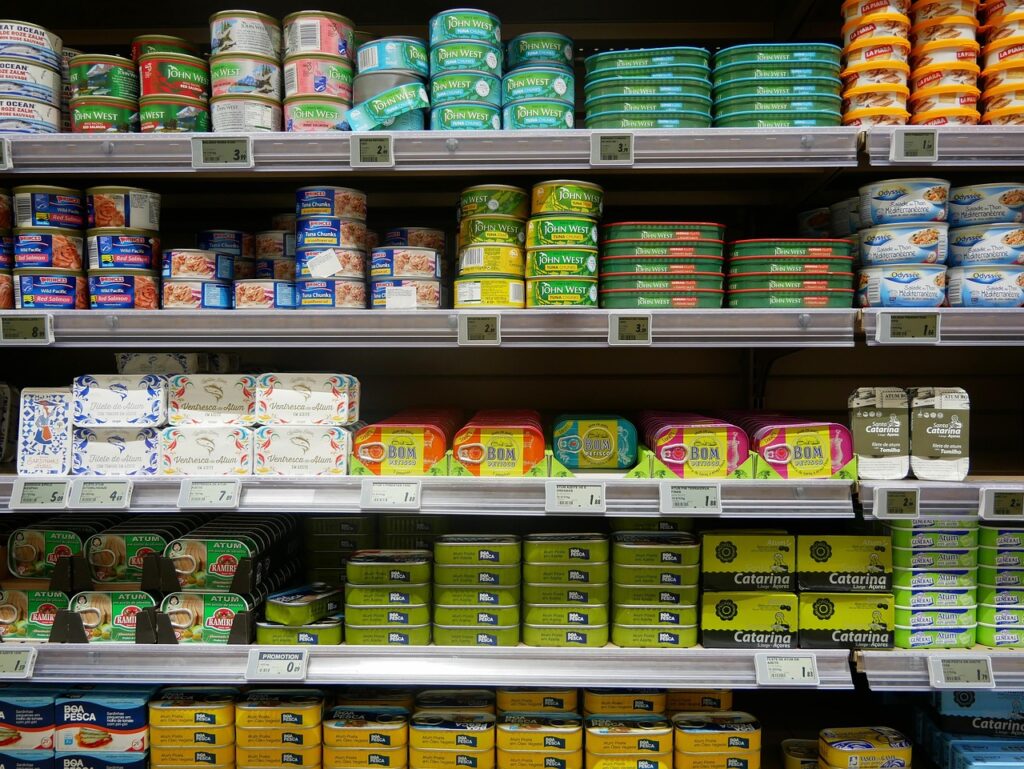
Supermarkets must carefully manage the limited space available on their shelves. Each product competes for visibility in the snack aisle. Smaller packages allow retailers to display a greater variety of products within the same space. This variety helps attract shoppers who enjoy exploring different brands and flavors. Shelf efficiency improves when packages are compact. Retailers can test more products simultaneously. Customer curiosity encourages browsing. Product diversity strengthens the shopping experience. Stores aim to keep shelves visually engaging. Smaller items support this strategy.
Retailers also benefit from offering multiple sizes of the same product. A shelf might display several versions of a popular snack, ranging from small packs to medium bags. This strategy increases the likelihood that a shopper will find a size that matches their budget or appetite. The presence of more options can encourage additional purchases. Flexible packaging supports diverse customer needs. Retailers analyze sales patterns to adjust displays. Shelf arrangements change frequently. These decisions aim to maximize sales. Product placement often highlights smaller packages. This positioning increases visibility.
The Hidden Business Strategy
Behind the shift toward smaller snack packs lies an important business strategy. Smaller packages often generate higher profit margins for manufacturers. Even though the price is lower than that of a large family bag, the cost of producing each portion may be relatively small. This difference allows companies to earn more per ounce compared with bulk packaging. Profit margins influence packaging choices. Companies carefully analyze production costs. Packaging design supports pricing strategies. Business goals shape product formats. Higher margins encourage companies to expand smaller pack offerings. This strategy supports long-term profitability.
Smaller packs also encourage product trial. Consumers may hesitate to buy a large bag of a new flavor or brand. A smaller and less expensive package reduces the risk of trying something unfamiliar. If customers enjoy the product, they may return to purchase it again in the future. This strategy helps brands introduce new items to the market. Trial purchases help build customer loyalty. New flavors gain exposure quickly. Marketing teams rely on this approach. Small packs function as entry points. Successful trials often lead to repeat purchases. Over time, satisfied customers may upgrade to larger package sizes.
Flexibility is another advantage for manufacturers. Offering several package sizes allows companies to respond quickly to changes in consumer demand. If smaller packs become more popular, production can shift accordingly. This adaptability helps brands remain competitive in a constantly evolving retail environment. Production lines adjust to market signals. Inventory strategies also adapt to demand. Companies monitor purchasing trends closely. Packaging flexibility supports long-term growth. Responsive manufacturing strengthens market position. Brands rely on this adaptability to remain competitive.
The Future of Snack Packaging
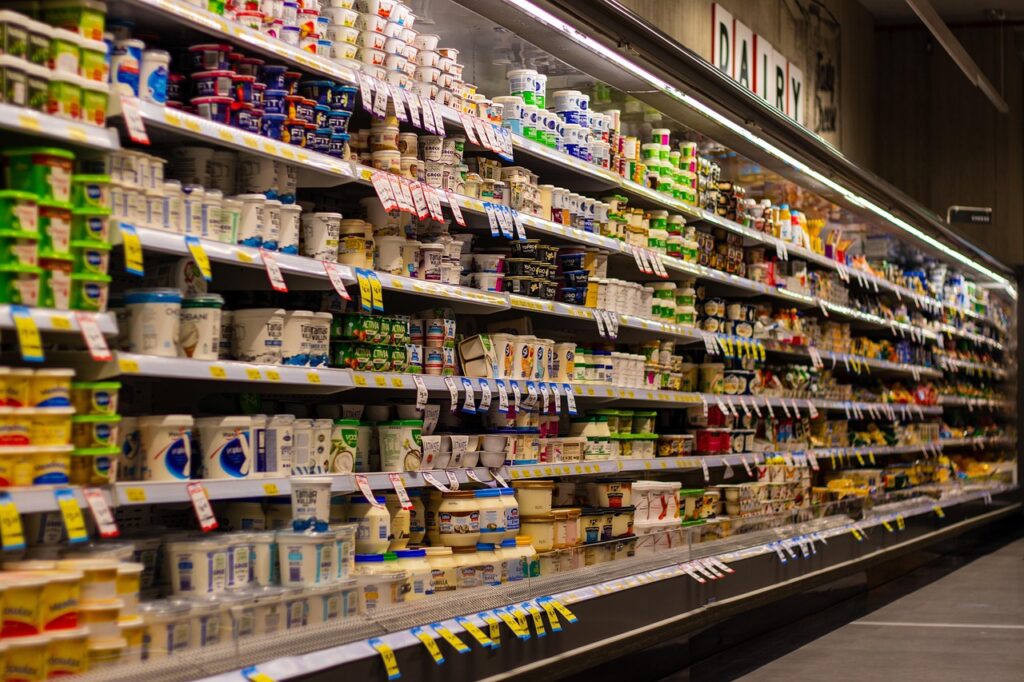
Snack packaging will likely continue evolving as consumer habits change. Many companies are already experimenting with a wider range of sizes and formats. Instead of choosing between only small or large packages, shoppers may see several options designed for different occasions. This flexibility allows brands to meet diverse needs within the same product line. Variety keeps the snack aisle engaging. Customers enjoy selecting products that match specific situations. Packaging innovation encourages experimentation. Retailers support these developments. Flexible packaging reflects changing lifestyles. Consumers appreciate having multiple choices.
Family-size packs will probably remain available, but their role in supermarkets is likely to change. They may become one option among many rather than the dominant format. Smaller packs, portion-controlled snacks, and multi-size product lines are expected to grow. As consumer lifestyles continue evolving, snack packaging will adapt to reflect those new habits. Retailers will keep adjusting shelf strategies. Brands will experiment with packaging innovations. Consumer preferences will guide product development. New packaging formats may emerge in response to demand. The future will likely include greater flexibility in product sizes.