Classic Family Recipes Are Slowly Disappearing From Modern Kitchens

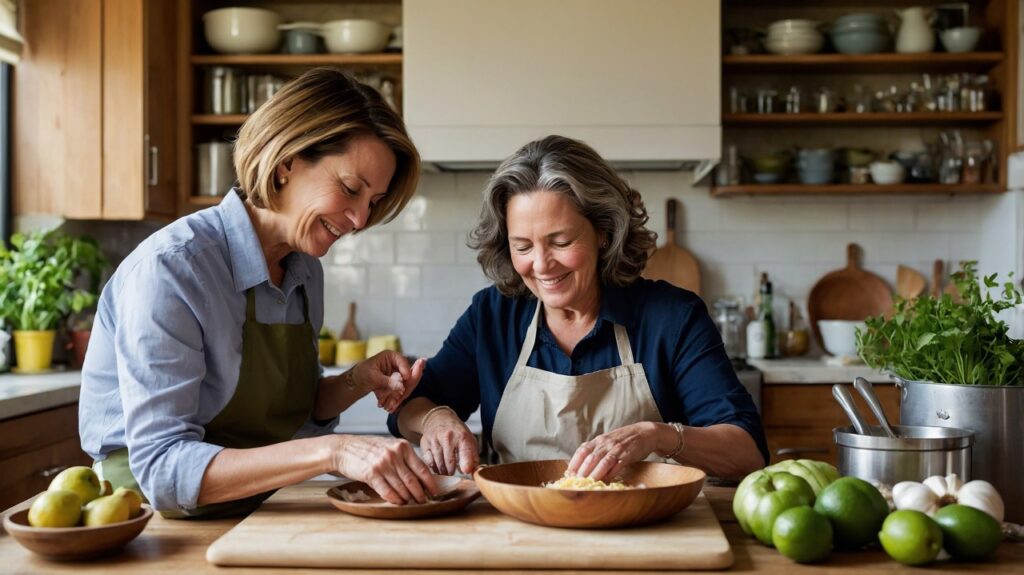
In many homes, the recipes that once filled kitchens with familiar aromas are appearing less often on the table today. Dishes that grandparents prepared from memory, using handwritten notes or techniques learned over decades, are slowly fading from everyday cooking routines. These meals were never just about food. They carried stories, traditions, and moments of connection that brought families together around the stove and dinner table. A handwritten recipe card or a well-used cookbook often holds generations of experience, quietly preserving flavors that defined family gatherings and celebrations.
As modern life moves faster and cooking habits evolve, fewer people are learning these classic recipes the way earlier generations did. Convenience foods, online inspiration, and demanding schedules have reshaped how many households approach daily meals. Instead of long cooking sessions guided by family traditions, people often turn to quicker recipes found online or ready-made options that save time. While new dishes continue to appear in modern kitchens, the gradual disappearance of traditional family recipes raises important questions about preserving the culinary memories that once connected generations through shared meals.
The Quiet Decline of Family Recipes
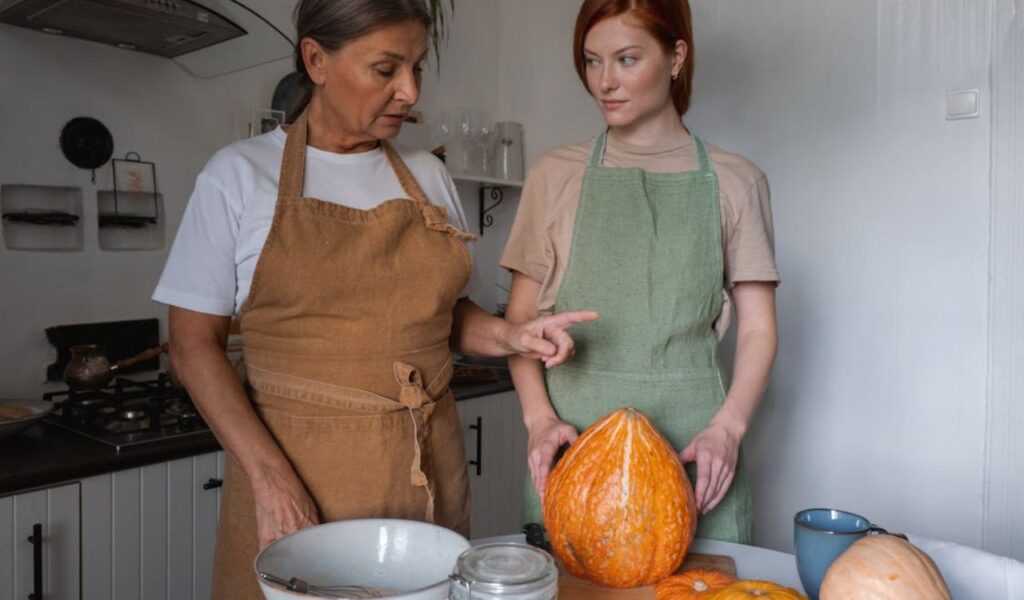
In many households, the meals that once defined family gatherings are appearing less often on the dinner table. Recipes passed down through generations, sometimes written on stained recipe cards or remembered by heart, are gradually fading from everyday cooking routines. These dishes carried far more than flavor alone. They represented family history, cultural traditions, and shared moments built around the kitchen. Preparing them was often a ritual that brought relatives together, with each step reflecting techniques and tastes shaped by earlier generations and treasured family traditions carefully preserved through the years.
Several factors have contributed to this gradual decline. As lifestyles shift and cooking habits evolve, fewer people rely on traditional recipes for daily meals. Younger home cooks often grow up without watching older relatives prepare these dishes regularly. Instead of learning techniques through practice and repetition, many turn to modern recipes found online. Without someone actively preparing and teaching these meals, family recipes can slowly disappear over time. While memories of them remain strong, the knowledge needed to recreate those dishes is not always carefully preserved or passed forward to younger generations.
Why Traditional Home Cooking Is Changing
Home cooking itself has not disappeared, but the way people cook has changed significantly over the past few decades. Earlier generations often prepared meals entirely from scratch using fresh ingredients and family techniques learned through observation. Children watched parents or grandparents cook and gradually absorbed those skills through repetition. Cooking was frequently a daily routine that required patience, time, and familiarity with ingredients used regularly in the household. These habits helped preserve traditional recipes because the knowledge behind each dish was practiced often and passed naturally from one generation to the next.
Today, many households rely more heavily on convenience foods, meal kits, frozen dinners, or takeout meals that require far less preparation time. These options help families manage demanding work schedules, school commitments, and other daily responsibilities. However, they also leave fewer opportunities to practice traditional recipes that often involve several preparation steps and longer cooking times. When cooking becomes less frequent or more simplified, the techniques tied to older family dishes may not be practiced regularly. Over time, meals that once relied on careful preparation and shared knowledge are replaced by quicker alternatives that better fit modern lifestyles.
Modern Lifestyles Reshaping the Kitchen
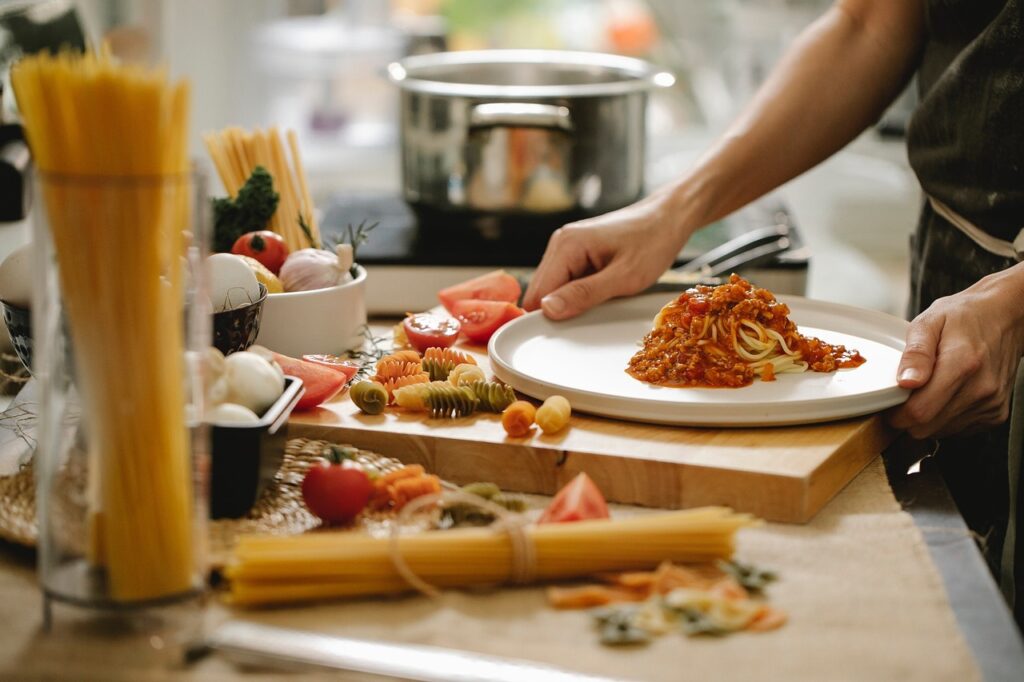
One of the strongest forces shaping cooking habits today is the pace of modern life. Many households now juggle demanding work schedules, school commitments, long commutes, and a steady stream of daily responsibilities. After a full day of managing these obligations, spending several hours preparing a traditional meal can feel difficult to maintain. In earlier generations, cooking was often built into the daily rhythm of home life. Today, however, time has become one of the most limited resources in the kitchen. As schedules grow busier, elaborate dishes that require slow preparation and multiple steps naturally appear less often in everyday meals.
Because of these time pressures, many families look for meals that can be prepared quickly or purchased ready to eat. Quick recipes, pre-prepared ingredients, and ready-made foods help households manage busy evenings without spending long hours cooking. This shift does not necessarily mean people value food or tradition any less. Instead, it reflects the need to balance cooking with modern routines and responsibilities. When time becomes limited, recipes that demand careful preparation and longer cooking times are often the first to be set aside, even when families still appreciate the memories connected to them.
The Generational Gap in Cooking Traditions
Another reason classic recipes are fading is the growing gap between generations when it comes to cooking knowledge. Older relatives often learned recipes through hands-on practice, watching parents or grandparents cook and gradually mastering the process themselves. These lessons were rarely written with exact measurements and instead relied on memory, experience, and repeated practice in the kitchen. A cook might learn how a sauce should smell when ready or how dough should feel before baking. Because these techniques were learned through observation rather than formal instructions, they depended heavily on family members spending time together while preparing meals.
Younger generations are more likely to learn cooking through online tutorials, digital recipes, or short social media videos that demonstrate quick techniques. These resources make it easier than ever to discover new dishes from different cultures and cuisines. However, they rarely capture the deeply personal recipes that belong to individual families. Without regular opportunities to cook alongside older relatives, younger cooks may never learn the small details that make those traditional meals unique. When those dishes are not actively taught or written down, the knowledge behind them can gradually disappear over time.
Preserving Classic Recipes for the Future
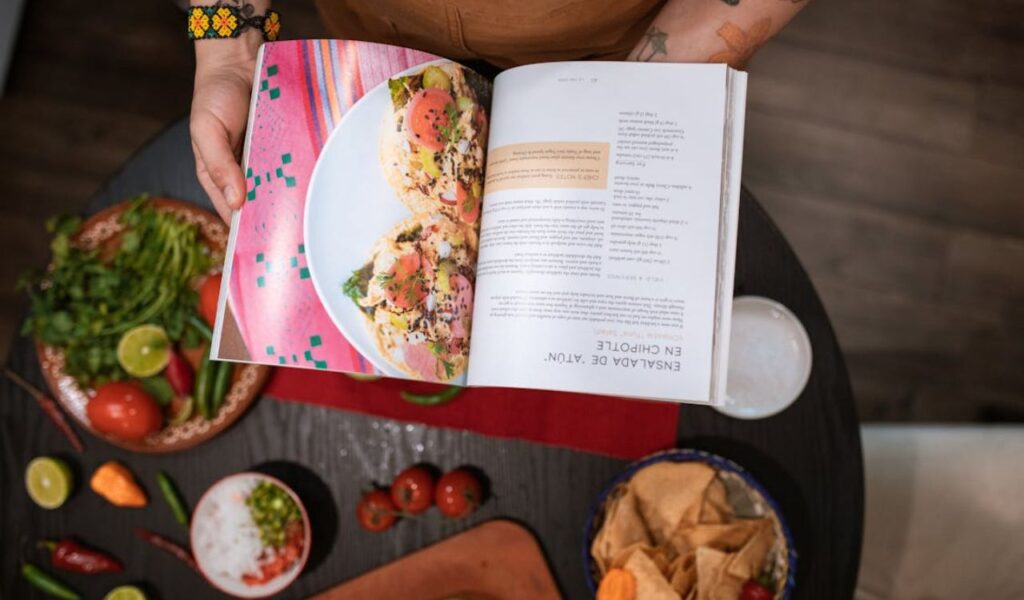
Preserving traditional family recipes has become an important goal for many households that recognize how easily these dishes can disappear. When recipes exist only in memory or informal notes, they are vulnerable to being forgotten over time. To prevent this loss, some families have begun documenting the meals that once defined gatherings and celebrations. Writing down ingredient lists, cooking steps, and preparation tips helps transform oral traditions into records that younger relatives can follow. In some homes, relatives gather in the kitchen to recreate older dishes together, turning the act of recording recipes into a family activity that strengthens connections across generations.
Modern technology is also playing a meaningful role in protecting these culinary traditions. Families now use digital tools such as shared recipe documents, personal blogs, and online photo albums to archive dishes that once existed in handwritten form. Some people film cooking sessions with grandparents or older relatives so the techniques behind each dish are preserved visually as well as in writing. These recordings capture details that written instructions might miss, such as texture, timing, or cooking methods. By combining digital tools with family knowledge, households can ensure the flavors, techniques, and stories behind traditional meals remain accessible to future generations.