How One Ingredient Change Turned Oat Milk From a Niche Health Product Into a Coffee Chain Staple


Oat milk did not become a coffee shop staple simply because of changing consumer preferences, but because a subtle shift in its formulation solved the very problems that once made it unsuitable for café use, as improvements in fat content, stability, and foam performance allowed it to behave like dairy milk under heat and pressure, transforming it from a health focused alternative into a reliable, barista friendly ingredient that could meet both operational demands and customer expectations, ultimately driving its rapid adoption across coffee chains.
The Original Limitation
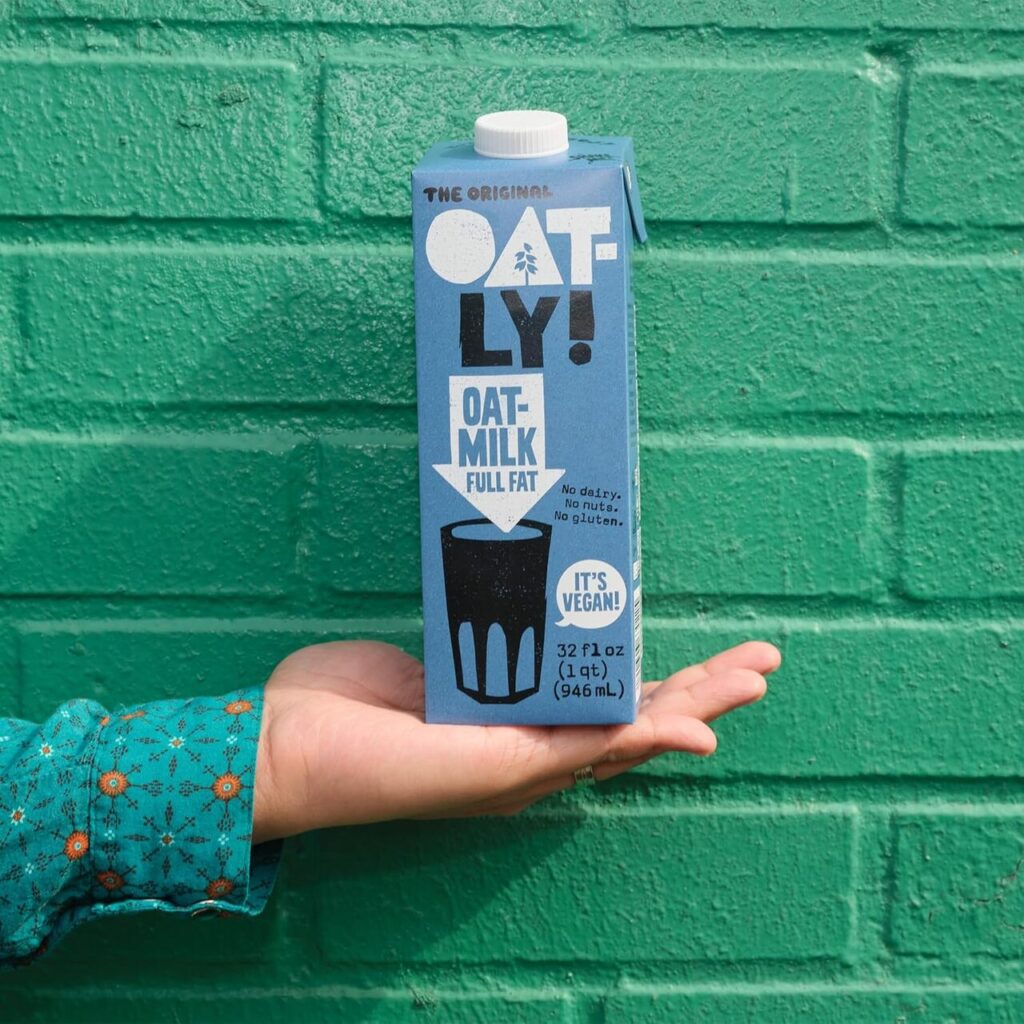
Before oat milk became a café staple, it struggled with a basic problem that made it difficult to use in coffee, because early versions lacked the fat and protein balance needed to behave like dairy milk under heat and steam. This meant the texture often felt thin and watery when added to espresso. Without sufficient structure, the liquid could not hold air properly. This limited its ability to create foam. As a result, it failed to meet the expectations of baristas. This performance gap made it unsuitable for professional use. The mouthfeel lacked the richness expected in milk-based drinks. Customers often noticed the difference immediately.
Another major issue was instability, as oat milk would often separate or curdle when mixed with acidic coffee, creating an unappealing appearance and inconsistent taste. This reaction was due to the mismatch between the beverage’s composition and coffee’s chemistry. The lack of stabilizing components made it difficult to maintain a uniform mixture. This affected both visual quality and mouthfeel. Baristas found it unreliable during service. Separation created visible defects in drinks. This reduced confidence in using the product. Customers associated this with poor quality. This issue needed to be resolved for wider adoption.
These limitations made oat milk more of a health-focused alternative rather than a practical option for cafés, where consistency and performance are essential. Coffee preparation requires precision and repeatability. Early oat milk could not deliver on these requirements. This kept it out of mainstream coffee use. It remained a niche product despite growing consumer interest. Its use was mostly limited to home consumption. Cafés avoided it due to operational challenges. The gap between demand and usability remained clear. This slowed its entry into the coffee industry. This delay highlighted the importance of functionality in product adoption.
The Ingredient Breakthrough
The turning point came when manufacturers began adjusting the formulation by adding plant-based oils and emulsifiers, which significantly improved the texture and stability of oat milk. These additions helped mimic the fat content found in dairy milk. This created a richer and creamier mouthfeel. The liquid became more suitable for coffee applications. This marked a major shift in functionality. The added fats improved body and texture. Emulsifiers helped maintain uniform consistency. The product began to behave more like milk. This change addressed key performance gaps. This adjustment made the product viable for café use.
Emulsifiers played a critical role by preventing the separation of water and fat, allowing the milk to remain stable even when exposed to heat and acidity. Ingredients like lecithin and stabilizing gums helped maintain a consistent structure. This improved how the milk interacted with the espresso. It also enhanced its visual appeal in the cup. Stability became a key advantage. The drink maintained a smooth appearance. Foam remained intact for longer periods. Baristas could rely on consistent results. This improved overall usability in cafés. This reliability increased confidence in daily operations.
This formulation change transformed oat milk from a simple oat extract into a carefully engineered beverage designed for performance, making it far more compatible with professional coffee preparation. The product was no longer just about nutrition. It became about functionality. This shift allowed it to compete directly with dairy milk. It opened the door to wider adoption in cafés. Manufacturers began focusing on performance metrics. Product development became more targeted. The category evolved rapidly. This shift redefined its role in the market. This transformation positioned oat milk as a serious alternative.
Foam Changed Everything

The real breakthrough for oat milk in coffee came with its ability to produce stable foam, which is essential for drinks like lattes and cappuccinos. Foam is created by trapping air within a liquid structure, and this requires the right balance of fat, protein, and viscosity. Early oat milk lacked this balance. Improved formulations changed that. This allowed it to perform more like dairy milk. Foam became more stable and consistent. The texture improved significantly. Drinks felt more complete and balanced. This enhanced overall quality perception. This improvement made it suitable for specialty coffee drinks.
With the addition of fats and stabilizers, oat milk began to produce microfoam, which is a fine and smooth foam that integrates well with espresso. This type of foam is crucial for both texture and visual presentation. It enhances the drinking experience. It also allows for latte art. Baristas rely on this consistency. Microfoam improved drink aesthetics. It also enhanced mouthfeel. Customers experienced smoother textures. This made oat milk drinks more appealing. This capability aligned it with professional café standards. This development helped oat milk compete directly with traditional dairy in coffee preparation.
The ability to create reliable foam made oat milk a practical choice for cafés, as it met both aesthetic and sensory expectations. Foam quality directly impacts customer perception. A stable foam improves texture and appearance. This makes drinks more appealing. It also increases confidence among baristas. This single improvement played a major role in its widespread adoption. Cafés could now integrate it seamlessly. Training became easier for staff. This marked a turning point in acceptance. This shift accelerated its presence in coffee menus. This reliability made it a dependable option for high-volume environments.
The Barista Standard

As oat milk improved, a new category emerged known as barista-grade milk, specifically designed to perform well in coffee environments. These products are formulated to handle heat, pressure, and rapid preparation without breaking down. This makes them suitable for high-volume café settings. Consistency becomes a key requirement. Performance must remain stable across multiple uses. These formulations are tested for reliability. They are designed for repeated steaming. This ensures uniform results. This specialization improved its adoption rate. Manufacturers also refine these formulations based on real café feedback and usage patterns.
Barista versions of oat milk are engineered with precise ratios of fat, protein, and stabilizers to ensure predictable results. This allows baristas to steam the milk evenly and achieve a consistent texture. It also reduces the risk of separation. Reliability becomes a defining feature. This is essential for maintaining quality during busy service hours. Consistent steaming improves workflow. It reduces preparation errors. Baristas can work more efficiently. This enhances overall service quality. This consistency supports high-volume operations. The controlled composition also helps maintain flavor balance in different coffee styles.
This standardization helped oat milk integrate seamlessly into café workflows, making it easier for businesses to adopt without changing their processes. Baristas could treat it similarly to dairy milk. Training requirements remained minimal. This lowered the barrier to adoption. It also ensured consistent customer experiences across locations. Standardization simplified operations. It reduced variability between stores. Chains could maintain uniform quality. This supported large-scale adoption. This made it suitable for global expansion. It also allowed brands to scale quickly without compromising on product performance.
Taste Finally Matched Function
While performance is important, taste ultimately determines long-term success, and oat milk gained popularity because its flavor profile works well with coffee. It has a naturally mild and slightly sweet taste. This complements espresso rather than overpowering it. The balance enhances the overall drink. This makes it appealing to a wide range of consumers. The sweetness comes from natural sugars. It does not require additional flavoring. This improves drink consistency. Customers appreciate this balance. This flavor profile increased its acceptance among coffee drinkers. This natural compatibility reduces the need for adjustments in recipes. It allows cafés to maintain consistent taste across servings.
Unlike some alternatives, oat milk does not introduce strong nutty or bean-like flavors that can clash with coffee. This neutrality allows the coffee’s characteristics to remain prominent. It also improves drink consistency across different blends. Consumers notice this difference. It contributes to preference and repeat purchases. Flavor compatibility is a key advantage. It works across different roast profiles. This increases its versatility. It suits a wide range of beverages. This neutrality makes it widely adaptable in cafés. This balance helps preserve the intended flavor notes of the coffee. It ensures that the drink remains true to its original profile.
As both taste and texture improved, oat milk moved beyond being a substitute and became a preferred option for many coffee drinkers. This shift reflects changing expectations. Consumers now prioritize both flavor and functionality. Oat milk delivers on both fronts. This combination supports its continued growth in coffee culture. It is now chosen by default in many cases. Preference has shifted significantly. It is no longer seen as an alternative. It has become a standard choice. This shift reflects its strong market position. Many cafés now include it as a regular option rather than a specialty addition. This normalization reinforces its place in everyday coffee consumption.
Coffee Chains Took Notice

Once oat milk began performing reliably in coffee, cafés and major chains quickly adopted it as part of their standard offerings. Baristas found it easier to work with compared to other plant-based options. It produced consistent results. This reduced the preparation challenges. It improved overall efficiency. Adoption spread across independent cafés first. Larger chains followed quickly. The transition was smooth due to familiarity. This accelerated its presence in menus. This widespread adoption increased its visibility. Early success in smaller cafés helped validate its practicality in real service conditions. This credibility encouraged wider acceptance across the industry.
Coffee shops also recognized the growing demand for dairy alternatives, especially among customers seeking lactose-free or plant-based options. Oat milk aligned with these preferences. It offered both performance and consumer appeal. This made it a strong addition to menus. Adoption increased rapidly across locations. Customer demand supported this shift. It became a frequent request. Cafés responded to these preferences. This reinforced its position in the market. This demand ensured continued menu presence. Many customers began to expect its availability as a standard option. This expectation further strengthened its role in daily coffee choices.
As more chains introduced oat milk, it moved from being an optional add-on to a default choice in many cafés. This visibility further accelerated its popularity. Customers became familiar with it. Demand continued to grow. It established itself as a standard part of modern coffee menus. Menu placement increased its exposure. Customers began to choose it more often. It became part of regular ordering habits. This solidified its mainstream position. This normalization strengthened its long-term growth. Repeated exposure helped remove hesitation among first-time users. This familiarity encouraged broader acceptance across different customer groups.
What Actually Changed
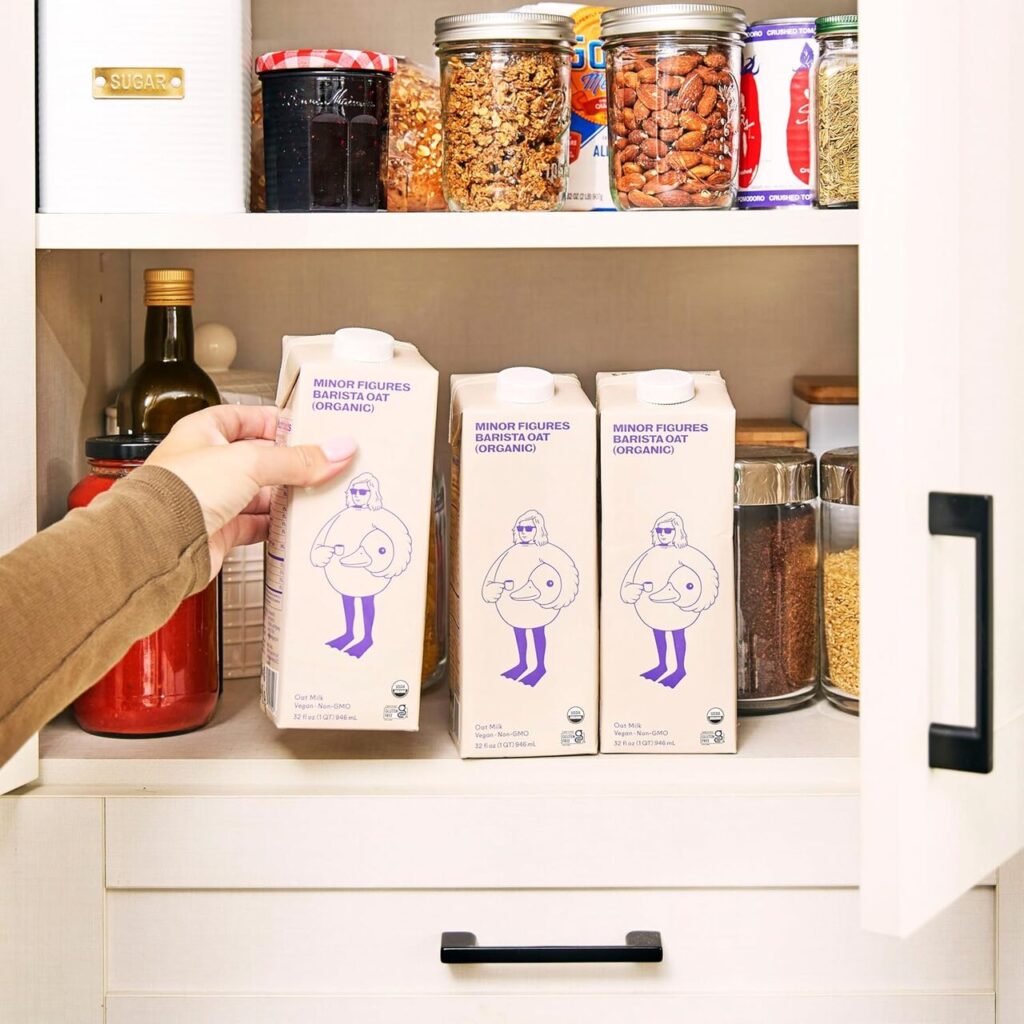
The rise of oat milk in coffee can be traced back to a single key shift, which was the improvement in formulation through the addition of fats, emulsifiers, and stabilizing agents. This change addressed the core issues of texture, foam, and stability. It allowed oat milk to function like dairy milk in coffee. This was the turning point in its adoption. A small formulation change had a large impact. It solved multiple problems at once. This efficiency drove rapid acceptance. It changed how the product was perceived. This shift demonstrated the power of formulation innovation. It showed how targeted adjustments can unlock entirely new use cases for a product. This breakthrough made oat milk viable in professional coffee settings.
By solving these functional challenges, oat milk transitioned from a niche health product into a versatile ingredient suitable for large-scale use. It became compatible with café operations. It also met consumer expectations. This combination drove widespread acceptance. The product evolved to meet practical needs. Its role expanded beyond health benefits. It became a performance-driven product. This shift enabled industry adoption. This transition reshaped its market identity. Businesses began to view it as a reliable option rather than an alternative. This perception shift played a key role in scaling its presence.
Ultimately, the success of oat milk highlights how small changes in formulation can have a large impact on market adoption, especially when they align with both industry requirements and consumer preferences. The shift was not just about health or sustainability. It was about performance. This is what transformed oat milk into a coffee chain staple. Innovation played a critical role in this process. Functional improvements created real value for both businesses and consumers. This alignment ensured its long-term success and continued relevance. It also demonstrated how technical refinement can reshape consumer perception at scale.