Bananas vs Sweet Potatoes: Which One Supports Better Blood Sugar and Weight Balance

Bananas and sweet potatoes often get compared because both are carb-rich, potassium-packed, and easy to build into everyday meals. The difference is how they behave. Bananas shift with ripeness and can act like quick energy, while sweet potatoes tend to feel more meal-like and steady, especially with gentler cooking methods and balanced toppings. Blood sugar response depends on portion, preparation, and what’s eaten alongside. Here’s how each choice supports fullness, digestion, and weight balance in real life.
The Real Comparison
This comparison sounds like a simple “which is healthier” debate, but it only makes sense once the goal is clear. Blood sugar support is about how quickly glucose rises after eating and how long it stays elevated, while weight balance is about satiety, total calories, and how easy a food is to fit into a routine. Bananas and sweet potatoes can both support health, but they do it in different ways. One is a portable fruit with quick energy and predictable sweetness, and the other is a starchy vegetable that behaves more like a meal base. The best choice often depends on timing in the day. It also depends on whether the food is eaten alone or with a full meal.
A key point is that “blood sugar friendly” is not a label a food earns forever. Portion size, preparation, ripeness, and what is eaten alongside it can change the response dramatically. Weight balance is not just calories. Fiber, water content, and how satisfying a food feels often matter more than the calorie number alone. The most practical way to compare these two is to look at how they behave in real eating situations: snack versus meal, pre-workout versus dinner, plain versus paired with protein and fat. Real-world patterns matter more than single numbers. The same food can feel steady one day and less steady another day.
Nutrient Snapshot
On paper, both foods bring carbs, fiber, and potassium, but the mix is different. Sweet potatoes tend to offer more complex carbohydrates and often slightly more fiber per typical serving, which can support slower digestion and steadier energy. They are also known for high vitamin A content in orange varieties and can contribute vitamin C, manganese, and other micronutrients depending on portion size. Bananas are well known for potassium and vitamin B6, and they offer a convenient source of carbohydrate that works well for quick energy. Sweet potatoes also bring more volume when served as a side or base.
Serving size changes the story quickly. A banana is often eaten as a single unit, while sweet potato servings vary widely depending on whether it is a side dish, a mash, or the base of a bowl. Sweet potatoes can become calorie-dense when loaded with butter, sugar, marshmallows, or heavy toppings, while bananas can become a sugar-heavy choice if very wide or very ripe and eaten alone. For both, the nutrient snapshot is most useful when it is connected to a realistic portion and a typical way of eating it. Toppings and add-ins can outweigh the food itself. A plain sweet potato behaves differently than a casserole-style version.
Blood Sugar Basics
Blood sugar response is shaped by more than a single glycemic index number. Glycemic index is a measure of how quickly a fixed amount of carbohydrate raises blood sugar, but glycemic load considers the portion actually eaten. That distinction matters because a small serving of a higher-GI food can have a modest effect, while a large serving of a lower-GI food can still raise blood sugar substantially. Fiber, protein, and fat also slow gastric emptying, which can soften the spike from both bananas and sweet potatoes. Chewing and meal pacing influence how fast glucose appears in the bloodstream.
Preparation effects can be significant for sweet potatoes. Cooking method changes how quickly starch is broken down, and boiled sweet potatoes often test lower on the glycemic index than roasted, baked, or fried versions. Cooling cooked sweet potatoes can increase resistant starch, which behaves more like fiber and can support a steadier response. Bananas have their own variable: ripeness. Texture cues often reflect these changes in starch. Softer, sweeter sweet potatoes tend to digest faster. Reheating cooled starches can reduce resistant starch again, depending on conditions. Cooking and ripeness are simple levers that meaningfully change the outcome.
Bananas Explained
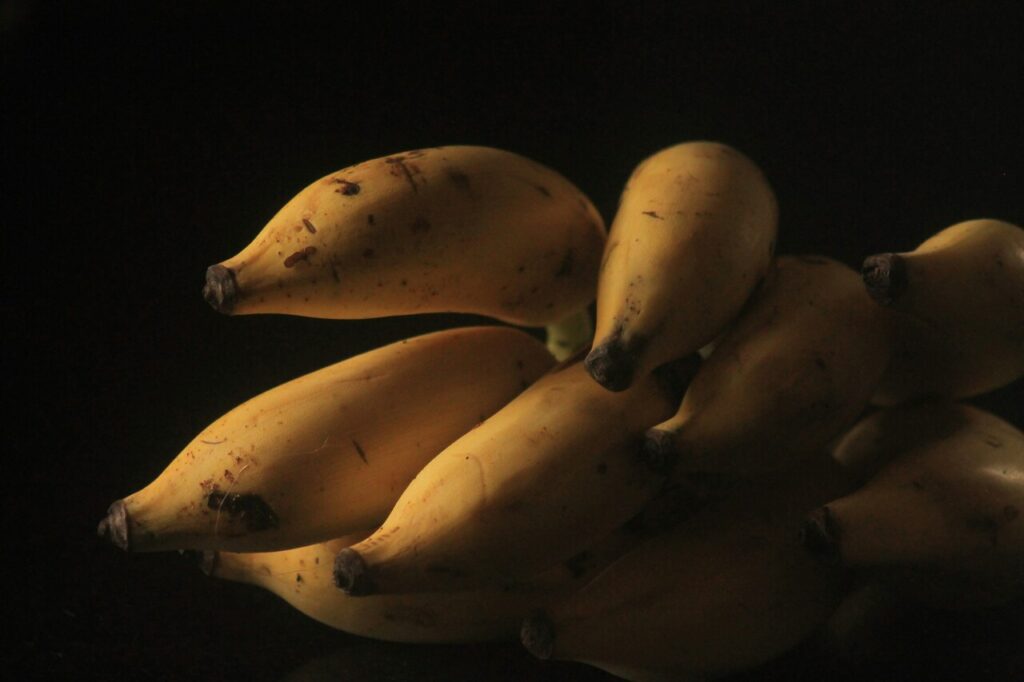
A banana is often framed as “sugar,” but the more useful framing is that it is a carbohydrate source that shifts as it ripens. A greener banana has more resistant starch, which is digested more slowly and can lead to a gentler rise in blood sugar. As the banana ripens, starch converts into simpler sugars, which is why very ripe bananas taste sweeter and can be absorbed faster. Ripeness can also change how filling a banana feels. Less ripe bananas may sit heavier and keep hunger away longer. Very ripe bananas can feel like quick energy that fades sooner. Portion still matters, because large bananas carry more carbohydrate.
Bananas can still fit well into blood sugar and weight goals when used strategically. Pairing a banana with protein or fat, like yogurt, nuts, or a nut butter, often makes it more filling and slows the absorption of carbohydrate. Bananas can also be useful around training because quick carbohydrates can support performance and recovery, and the convenience makes consistency easier. The best “banana version” depends on the situation: slightly green for steadier digestion, riper for faster energy, and paired when satiety and stability are the priority. Pairing also improves flavor satisfaction, which can reduce cravings. A banana with peanut butter tends to hold appetite longer than fruit alone.
Sweet Potatoes Explained
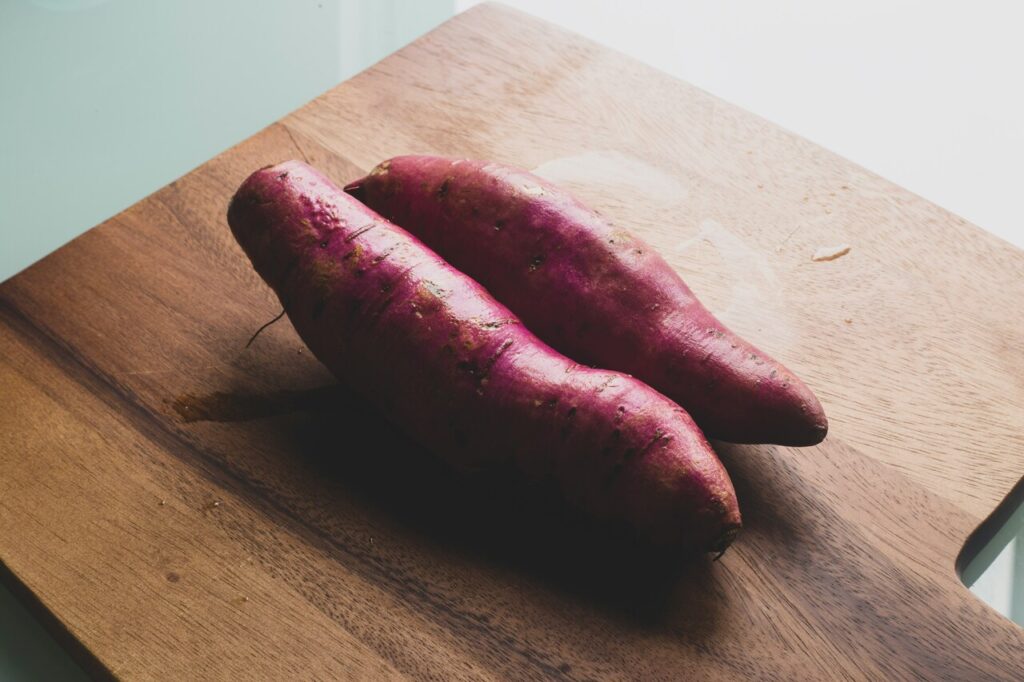
Sweet potatoes behave more like a structured carbohydrate because they come with fiber and a starch matrix that can promote steadier energy, especially when cooked in ways that keep the glycemic index lower. Boiling tends to produce a lower-to-moderate glycemic response compared with baking or frying, and that can matter for people focused on blood sugar stability. They also bring a strong micronutrient profile, particularly vitamin A in orange-fleshed varieties, which adds a nutritional advantage beyond the carbohydrate itself. A simple preparation can keep both calories and glycemic response more predictable.
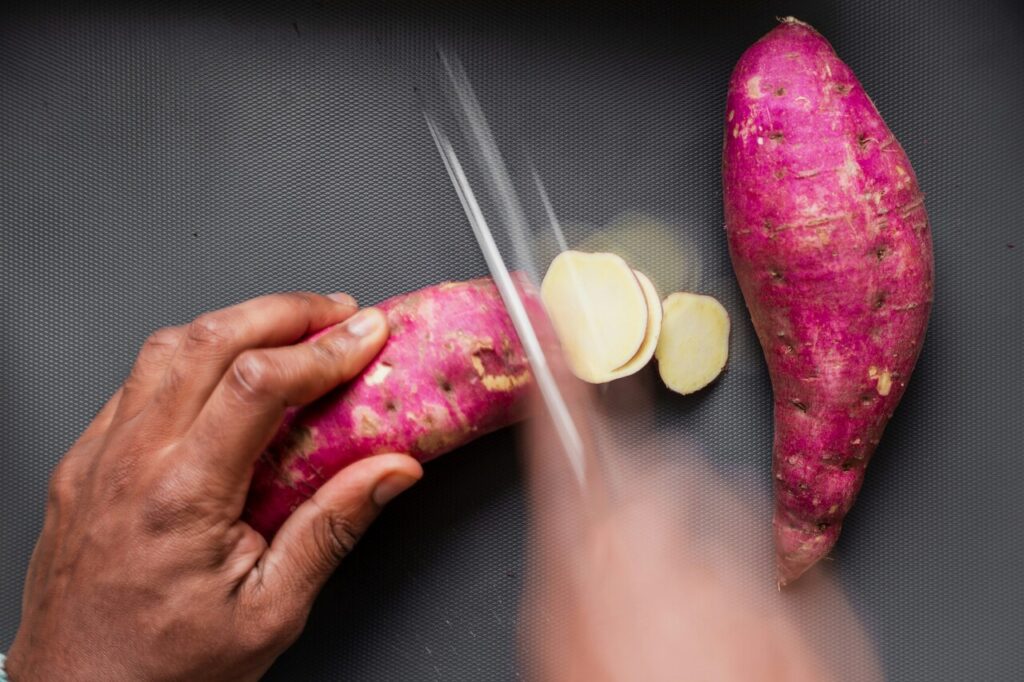
Cooking method is the lever that changes the outcome the most. Roasting and baking can push the glycemic index higher in some cases, especially when the interior becomes very soft and sweet. Cooling cooked sweet potatoes can increase resistant starch, which may support steadier digestion and improved satiety. Sweet potatoes also tend to work better as part of a meal than as a stand-alone snack, because they pair naturally with protein, vegetables, and healthy fats. That meal context often improves both blood sugar response and long-lasting fullness. Cooling and portioning can make sweet potatoes work well for meal prep.
Weight Balance Factors
Weight balance is often decided by what keeps hunger manageable, not what looks “healthier” in isolation. Sweet potatoes can score well here because they provide bulk, fiber, and a satisfying texture that feels like real food on a plate. They are often eaten warm and slowly, which can improve satiety signals compared with quick snacks. When prepared simply, they can deliver a filling serving for a moderate calorie load, especially compared with refined starches. A single sweet potato can feel substantial without requiring large portions of other foods. Fiber helps slow digestion, which supports steadier hunger levels.
Bananas can support weight goals too, but they behave differently. They are easy to eat quickly, which can make them feel less satisfying unless paired with something more substantial. As a snack, a banana can be a bridge between meals, but it may not hold off appetite for long on its own for many people. The most important difference is context: sweet potatoes are commonly part of a balanced meal, while bananas are commonly a solo snack. Weight balance improves when either choice is structured with protein, fiber, and realistic portions. Bananas are often most useful when hunger is mild and a quick option is needed.
Digestion and Gut Support
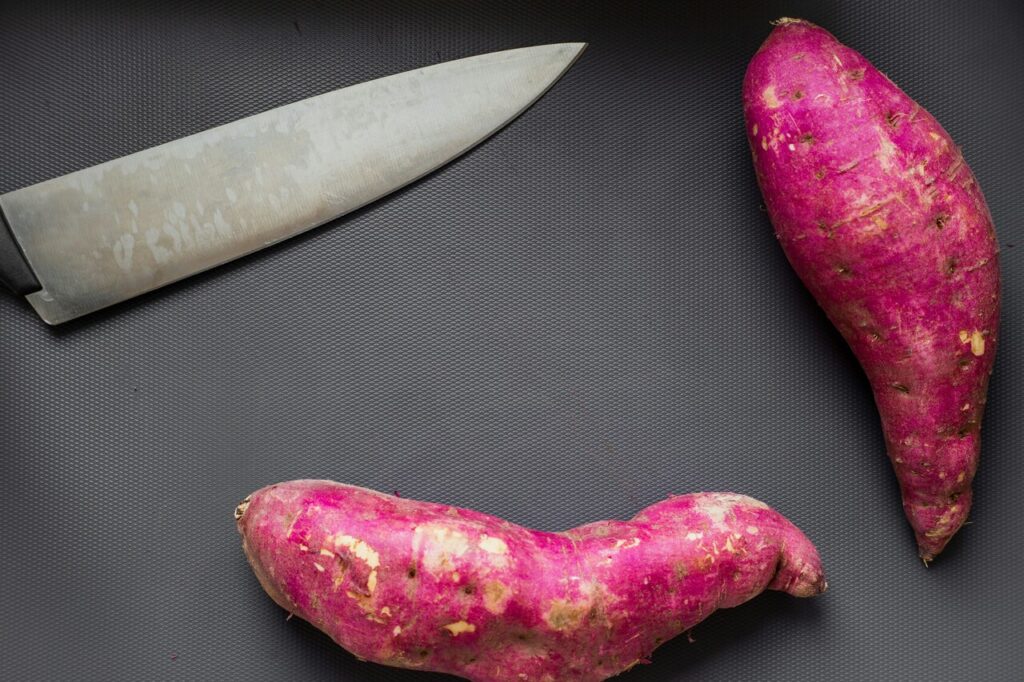
Both foods can support gut health, but through slightly different mechanisms. Sweet potatoes provide fiber and also contain resistant starch, especially when cooked and cooled, which can feed beneficial gut bacteria. The fiber can support regularity and may help with fullness by slowing digestion. Some people also tolerate sweet potatoes well compared with other starches because they are naturally gluten-free and have a relatively simple ingredient profile. Cooking tenderness can improve tolerance for some people. The skin adds fiber, but it can be tougher on sensitive digestion in larger amounts.
Bananas are also known for prebiotic potential, particularly when less ripe, because resistant starch is higher and can act as food for gut microbes. As bananas ripen, resistant starch decreases and sugars increase, which can change both digestion speed and tolerance. For some people, very ripe bananas feel easier on digestion, while for others, they can feel less filling. Individual response matters here, especially for people sensitive to certain carbohydrates. The practical approach is to choose the ripeness and portion that feels best while still supporting the goal. Green bananas can sometimes feel heavier or cause more gas in sensitive stomachs.
Best Use Cases
Bananas tend to work best when fast energy is useful. They are easy to carry, easy to digest for many people, and they fit well before or after activity when the body can use carbohydrate efficiently. A banana can also be a convenient way to sweeten smoothies, oatmeal, or yogurt without added sugar, though pairing still matters for blood sugar stability. For people who struggle to eat enough, bananas can be a helpful calorie and carb boost in a simple form. They also work well when appetite is low but energy is needed. A banana can be eaten quickly without cooking. Convenience is a real advantage when schedules are tight.
Sweet potatoes tend to shine when longer fullness and steadier energy are the goal. They work well in meal prep, bowls, and dinners where the meal needs structure and volume. They also pair naturally with protein and vegetables, which supports blood sugar stability and satiety. For people trying to manage appetite, a sweet potato-based meal can be easier to keep consistent than snack-based patterns. In practice, bananas often win for speed and convenience, while sweet potatoes often win for meal-level satisfaction. They also fit well into savory meals where sweetness is balanced by salt and spice.
Smart Ways to Eat Them
Portion and pairing are the two smartest tools for both foods. A banana paired with Greek yogurt, cottage cheese, or a handful of nuts often feels more stable than a banana alone. Choosing a less ripe banana can also support steadier digestion for those who notice spikes with very sweet fruit. Timing matters too: bananas may feel more beneficial earlier in the day or around workouts, when energy needs are higher and meals are closer together. Pairing also adds protein, which supports muscle maintenance and satiety. A structured snack prevents chasing hunger later. Slicing a banana into yogurt slows eating and increases satisfaction.
For sweet potatoes, the cooking method and toppings decide whether the dish supports blood sugar and weight balance or becomes a dessert-like side. Boiling or steaming tends to support a lower glycemic response than baking or frying, and cooling cooked sweet potato can increase resistant starch. Pairing sweet potatoes with lean protein and non-starchy vegetables improves satiety and slows absorption. Simple toppings like olive oil, herbs, and spices keep flavor high without pushing calories too far. Small choices in preparation often matter more than the banana-versus-sweet-potato debate itself. Meal prep portions help keep servings consistent.
The Practical Verdict
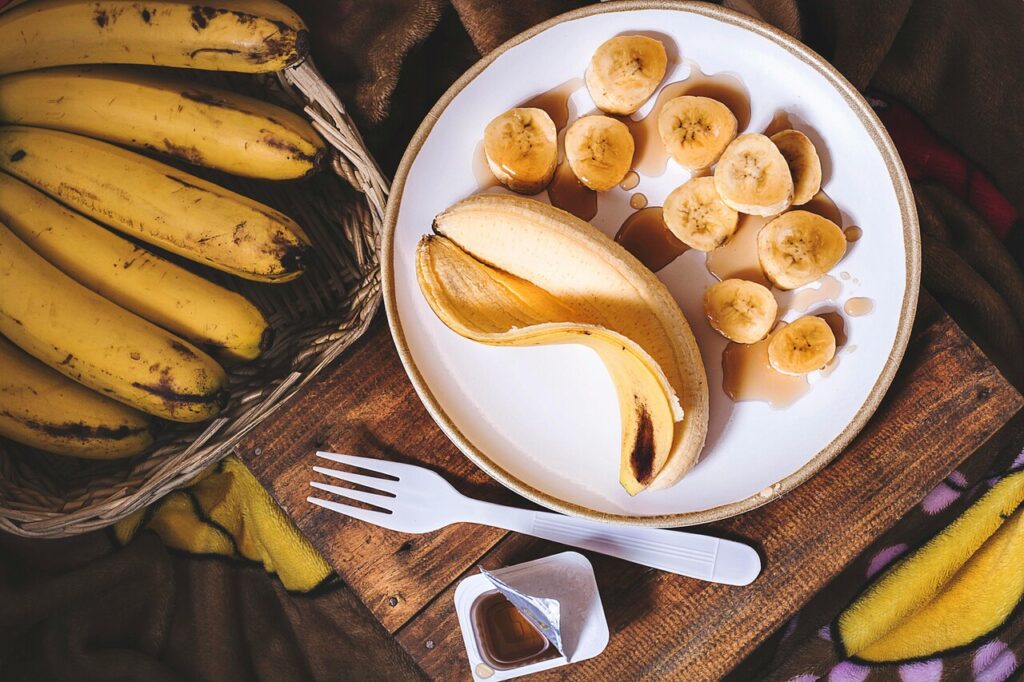
In many real-world situations, sweet potatoes often have an advantage for blood sugar stability and satiety because they function as a complex, fiber-containing meal carbohydrate, especially when boiled or cooled and eaten with protein. They tend to be slower, steadier, and more filling per typical meal serving. That does not mean bananas are a poor choice. It means bananas are more sensitive to ripeness and context, and they often perform best when paired and timed thoughtfully. Sweet potatoes are easier to build into well-structured meals. Bananas can still fit well when the goal is convenience.
The best verdict is not a ban, it is a strategy. For steady blood sugar and weight balance, sweet potatoes usually make an easier “default” at meals, while bananas usually make a better “tool” for quick energy, convenience, and workout support. Both can fit well in the same diet: sweet potatoes as a structured carb at lunch or dinner, bananas as a smart snack paired with protein or fat. The winning choice is the one that supports consistency, keeps hunger manageable, and fits the day’s needs. A weekly routine can include both without conflict. Consistency, not perfection, drives results for most people.
References
- Sweetpotato- International Potato Center.org
- 15 Potassium-Rich Foods-Clevelandclinic.org
- Sweet potatoes and roasted bananas-Mayo Clinic.org