Why English Cucumbers Come Wrapped in Plastic at the Grocery Store

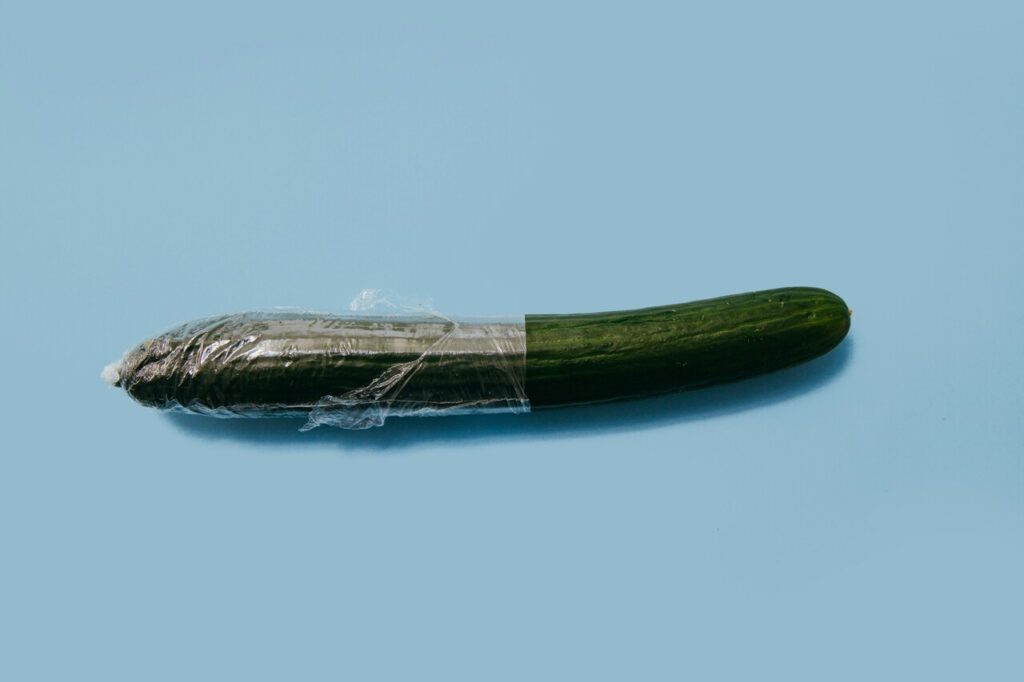
The plastic wrap on an English cucumber stands out because most produce is expected to breathe, not wear a tight jacket. That visual difference makes it easy to assume the packaging is purely marketing or an unnecessary habit that stores never questioned. In reality, the wrap is doing a very specific job that the cucumber’s own skin cannot do well enough on its own. English cucumbers are built for a mild flavor and easy eating, but that same design makes them fragile in a retail environment. It also helps the cucumber look fresh for longer, which reduces the chance it gets ignored and wasted.
The wrap mainly protects freshness and appearance, two things that determine whether the cucumber gets eaten or tossed. It slows moisture loss, reduces surface damage during shipping and stocking, and helps delay the quick decline that makes cucumbers go limp and watery. This is also why the wrap is usually tight and complete rather than loose. The goal is to create a stable micro-environment around the cucumber so it stays crisp longer from farm to fridge. Even slight dehydration can make cucumbers feel rubbery. The protection also reduces bruising when cucumbers are stacked or shifted in bins.
What Makes English Cucumbers Special
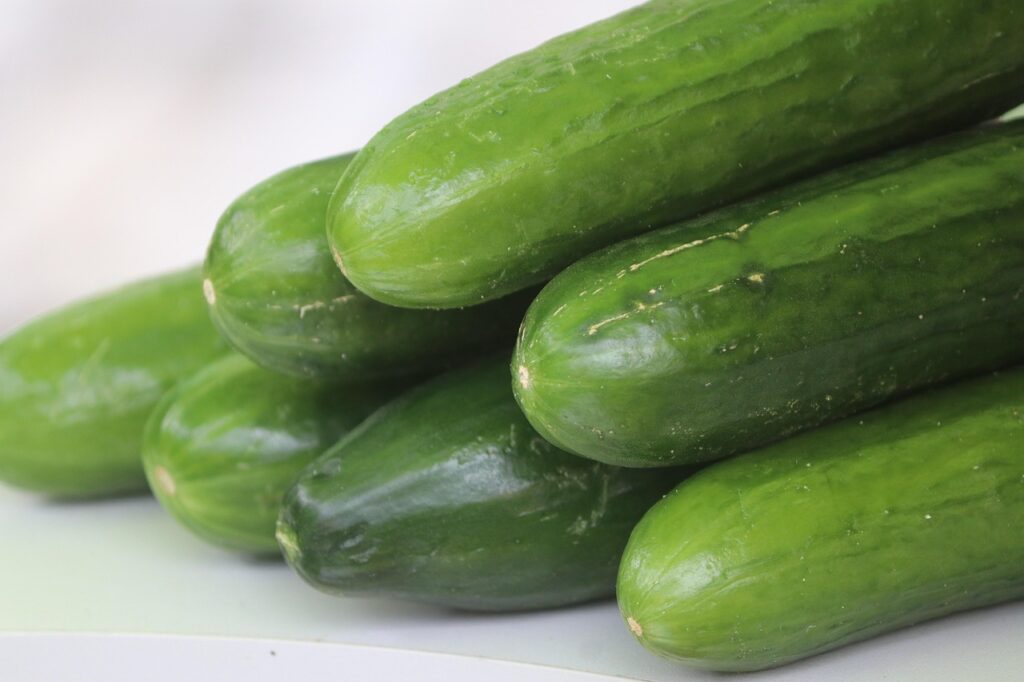
English cucumbers are different from standard garden cucumbers in ways that matter for both eating and storage. They tend to be longer and thinner with a darker, often ridged skin that is meant to be eaten rather than peeled. They also have fewer seeds, and the seeds they do have are typically smaller and less noticeable. That combination is what gives English cucumbers their reputation for a cleaner bite, less bitterness, and a more delicate flavor that works well in salads and sandwiches. Their mildness makes them easy to pair with herbs, yogurt, and vinegar. Those traits are great for eating, but they can come with less natural protection.
Those advantages come with a tradeoff: thinner skin. Thick-skinned cucumbers can tolerate bumps, dry air, and time on a shelf without showing damage quickly. English cucumbers cannot. The skin is more easily nicked and bruised, and the flesh dehydrates faster once the skin starts losing moisture. The wrap compensates for the fact that the cucumber was bred for texture and taste, not for rugged shelf life. A thinner skin also means the surface can soften faster after handling. Small dents often show up more clearly than on thicker varieties. Once the outer layer starts drying, the inside can lose snap even if it still looks fine.
The Shelf Life Problem
Cucumbers are mostly water, and that makes them very sensitive to dehydration. Once moisture starts escaping through the skin, the cucumber loses firmness, the surface can wrinkle, and the interior can become less snappy. English cucumbers dehydrate faster than thicker-skinned types because their skin offers less natural barrier. That is why an unwrapped English cucumber can look tired quickly, even if it still seems fine on the inside. Retail conditions like cold air circulation and repeated handling speed in the processes. Wrap helps slow this process by keeping humidity closer to the surface.
Physical damage is the second shelf-life issue. Small bruises and scrapes may not look dramatic at first, but they create weak spots where the cucumber softens and breaks down faster. Those soft spots can become slimy or watery, which is when many people discard the cucumber. Plastic wrap reduces these problems by limiting both moisture loss and surface injury. In a store system that relies on appearance and consistency, that added protection can mean fewer cucumbers wasted before they are sold. Damage also speeds up flavor decline because the tissue breaks down. A bruised area can leak moisture and encourage faster spoilage.
The Role of Plastic
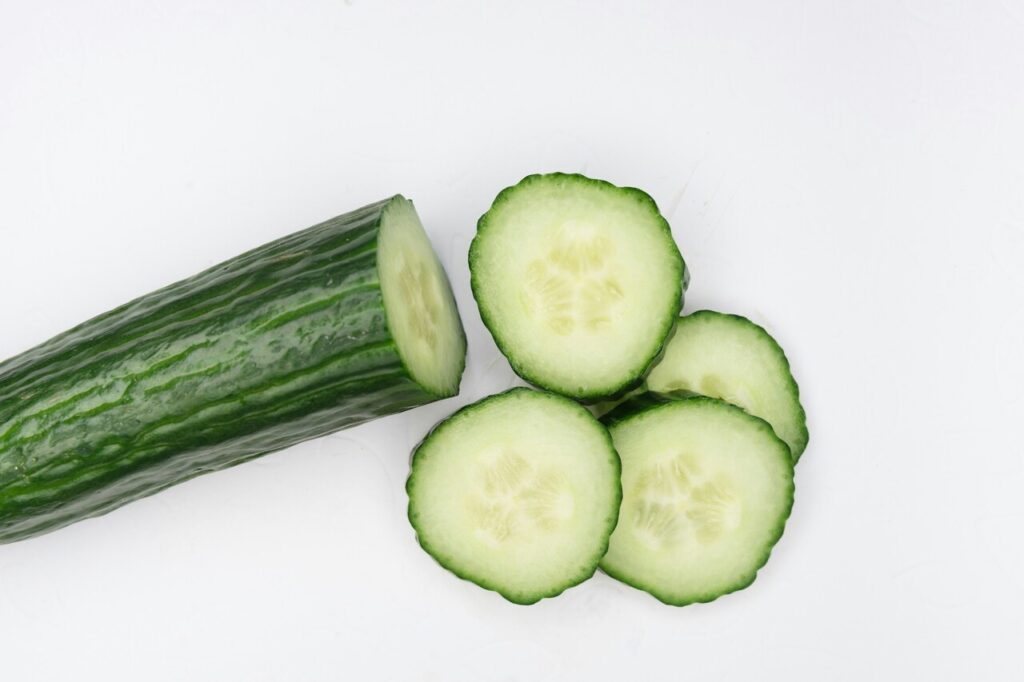
Plastic works here because it acts like a second skin. It slows water vapor from escaping, which helps the cucumber stay crisp instead of gradually drying out in the refrigerator’s circulating air. It also creates a barrier that reduces oxygen exposure at the surface, which can slow the natural breakdown that happens as produce ages. The effect is not about making the cucumber “fresh forever,” but about extending the window where it still tastes clean and feels crunchy. The wrap also reduces the chance of the skin drying and toughening. Extending that window by even a few days can reduce waste at home.
The wrap also provides mechanical protection. During transport, stocking, and home storage, cucumbers get bumped, pressed, and scraped. A thin-skinned English cucumber shows that damage quickly, while a wrapped one is more likely to arrive home looking and feeling intact. This is why the wrap is most common on English cucumbers and not always used for thicker, waxier, or naturally protected produce. It is a targeted fix for a product that is otherwise prone to fast quality loss. The film helps prevent minor abrasions that turn into soft spots later. It also reduces direct contact with other produce in crowded bins.
Food Safety and Cleanliness
Plastic wrap can make a cucumber look cleaner, but it does not make it sterile. English cucumbers are often eaten with the skin on, so surface cleanliness matters, but packaging is not a guarantee against contamination. Cucumbers can still be handled during harvesting and packing, and the outer surface can still carry dirt or microbes. That is why rinsing under running water before slicing remains a useful step, even when the cucumber looks pristine. The wrap can hide small bits of soil near the ends. Drying after rinsing helps prevent slippery slices and watery salads. Clean handling at home matters most once the cucumber is opened and cut.
It also helps to understand what plastic does and does not prevent. It can reduce new surface damage, slow dehydration, and limit exposure to air, but it cannot stop all microbial growth if the cucumber is already compromised or stored poorly. In fact, if moisture is trapped around a damaged spot, that area can deteriorate faster. The best approach is to treat the plastic as freshness protection, then still practice basic washing and careful storage at home. Trapped moisture can make sliminess appear sooner around damaged areas. Refrigeration slows spoilage but does not halt it completely.
Storage at Home
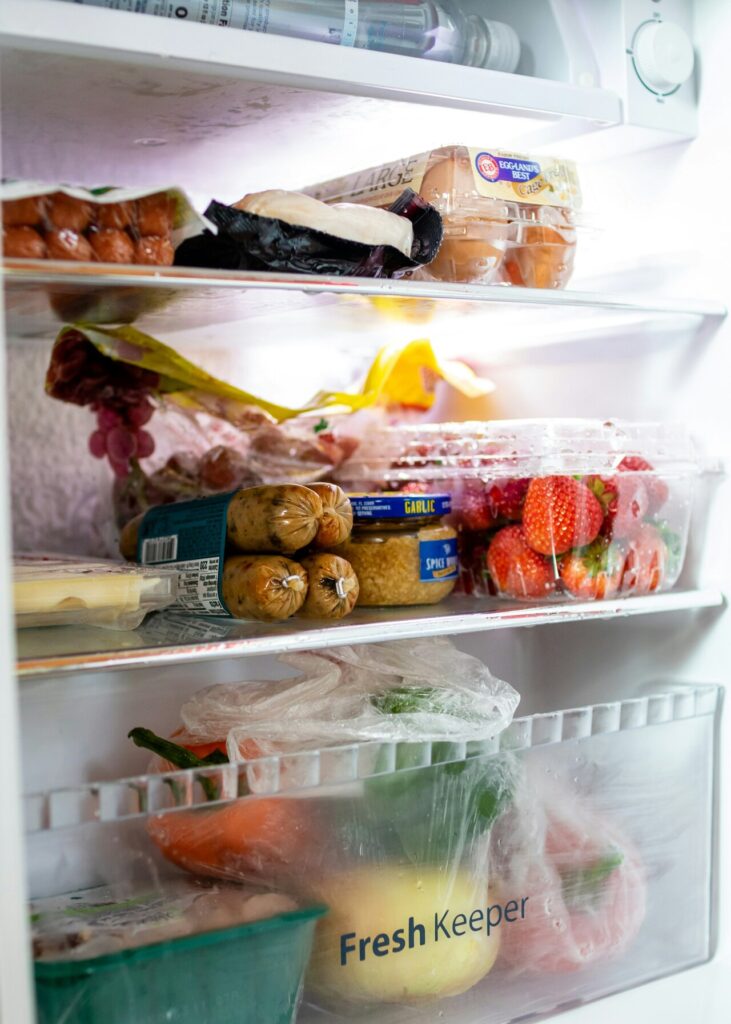
Storing an English cucumber well is mostly about avoiding dehydration and extreme cold. Keeping it in the refrigerator is standard, but it helps to place it in a slightly warmer area rather than the coldest back corner, where produce can suffer from chilling injury. The plastic wrap is often best left on until use because it continues doing its main job at home: keeping moisture in and preventing the cucumber from turning limp. The produce drawer is often a good middle ground for temperature and humidity. Keeping it intact also protects it from absorbing odors from strong foods. A stable spot helps preserve the clean, mild flavor.
When only part of the cucumber is used, peeling back the wrap, slicing what’s needed, and then rewrapping the remaining portion helps preserve texture. If the wrap is removed completely, rewrapping with a tight barrier can extend crispness, especially if the cucumber will be used over several days. Storage is also improved by keeping cucumbers away from produce that gives off high levels of ethylene, because ethylene can speed up aging in some fruits and vegetables. The goal is simple: protect moisture, reduce damage, and keep the cucumber crisp until the last slice. Smart storage makes the wrap more effective and reduces food waste at home.
Sustainability Concerns
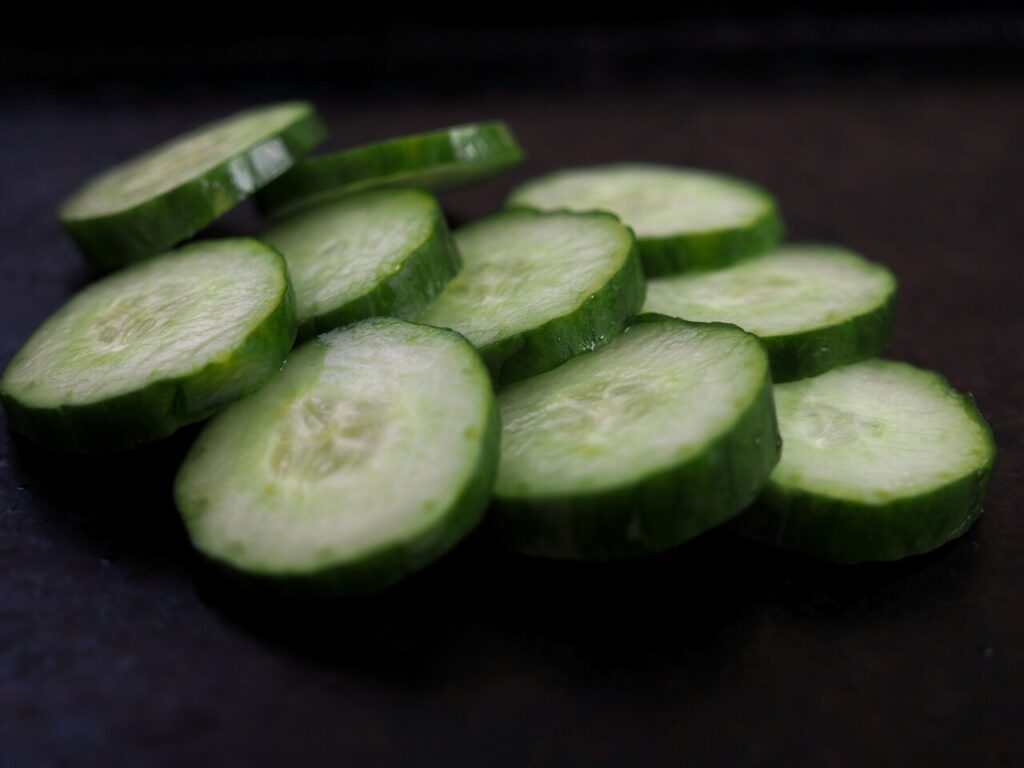
The plastic wrap raises a valid concern because it is single-use packaging, and it adds to household waste. That is why the topic keeps coming up. The tradeoff is that the wrap can reduce food waste by extending shelf life and preventing damage that would otherwise lead to spoilage. From a practical perspective, stores and suppliers often choose packaging that reduces loss across shipping and stocking, because wasted produce carries its own environmental footprint from farming, water use, and transportation. The debate is often about which waste is larger in real life: plastic or spoiled produce.
This is also why alternatives are being discussed more openly. Some approaches aim to replace the plastic with compostable wraps or coatings that slow moisture loss without the same waste profile. Home habits can also reduce impact, such as buying only what will be used quickly, keeping the wrap on until needed, and storing the cucumber properly to avoid tossing it. Sustainability is not a perfect answer here, but the logic behind the wrap is not random. It is a preservation tool that comes with a packaging cost. Using the cucumber fully is one of the simplest ways to offset the wrap’s impact.
Smart Shopping Tips
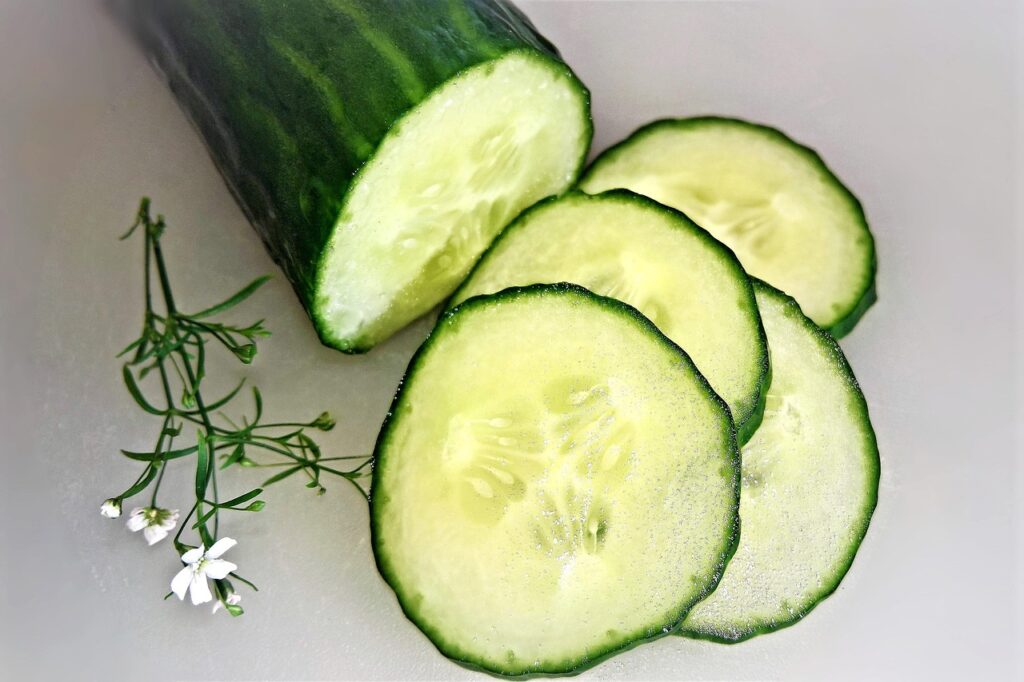
A good English cucumber should feel firm from end to end, not bendy, and it should have an even surface without soft spots. Wrapping can hide minor flaws, so it helps to gently press along the length to check for mushy areas. Excess moisture inside the wrap can signal the cucumber has been sitting a while or has a damaged spot, which can lead to sliminess later. Choosing a firm cucumber with a clean, fresh smell increases the chance it will stay crisp at home. Dull color or wrinkling is often a sign of dehydration. Soft tips can indicate early breakdown. A quick inspection prevents bringing home a cucumber that will spoil quickly.
Best use also depends on freshness. At peak, English cucumbers shine in salads, sandwiches, quick pickles, and chilled snacks where crunch matters. As they age, they are still usable, but the texture becomes softer, so they may work better in dishes where crispness is less critical. Buying closer to the day of use, keeping the wrap on, and slicing only what’s needed are the simplest habits that reduce waste and keep quality high. The plastic wrap may be annoying, but smart handling can make that tradeoff feel more worthwhile. Older cucumbers can still be grated into yogurt sauces or mixed into salads with stronger dressings.
References
- Cucumber-KEW Gardens.org
- 3 things you should know about plastic-wrapped cucumbers-Ingenium.org
- Peeling the cellophane from English cucumbers-EGForums.org