The Simple Mac and Cheese Method That Changes Texture and Flavor

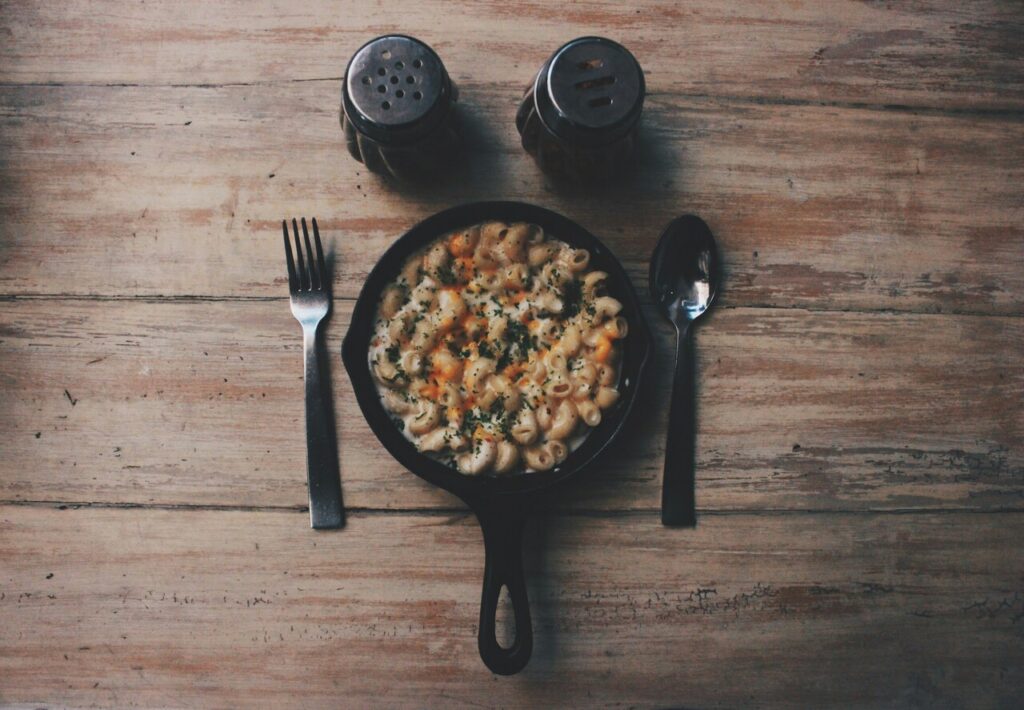
Great mac and cheese is built on texture first. A silky, cohesive sauce happens when fat, liquid, and cheese proteins stay emulsified instead of splitting into oil and grainy bits. The simplest method is controlled heat with a proper sauce base, then melt the cheese gradually off harsh heat. That one change keeps the sauce glossy, helps flavor spread evenly, and makes baked versions stay creamy instead of drying out. Here’s how sauce structure, cheese choice, pasta, and timing work together.
The Texture Switch
Mac and cheese can taste familiar and still feel completely different on the spoon, and the difference usually comes down to one idea: whether the sauce stays emulsified. A creamy sauce is a stable mix of fat, water, and proteins that cling to pasta evenly instead of splitting into oily puddles and grainy bits. When the emulsion holds, every bite feels smooth, rich, and consistent from the first scoop to the last. When it breaks, the flavor may still be “cheesy,” but the texture turns rough, and the dish can feel heavy rather than luxurious. Texture is often the first clue that heat management went off track.
This is why the “simple method” that changes everything is not a secret spice or fancy cheese. It’s controlled heat and a deliberate build. A proper base, gentle temperature, and gradual cheese melting create a sauce that stays silky. Even small details like whisking thoroughly and letting the sauce thicken before adding cheese can be the difference between velvety and gritty. Texture is the signal that the chemistry worked, and once that chemistry is reliable, flavor becomes easier to shape. The method also makes results repeatable across different cheese blends. When the sauce behaves, the whole dish tastes more intentional.
The Sauce Foundation
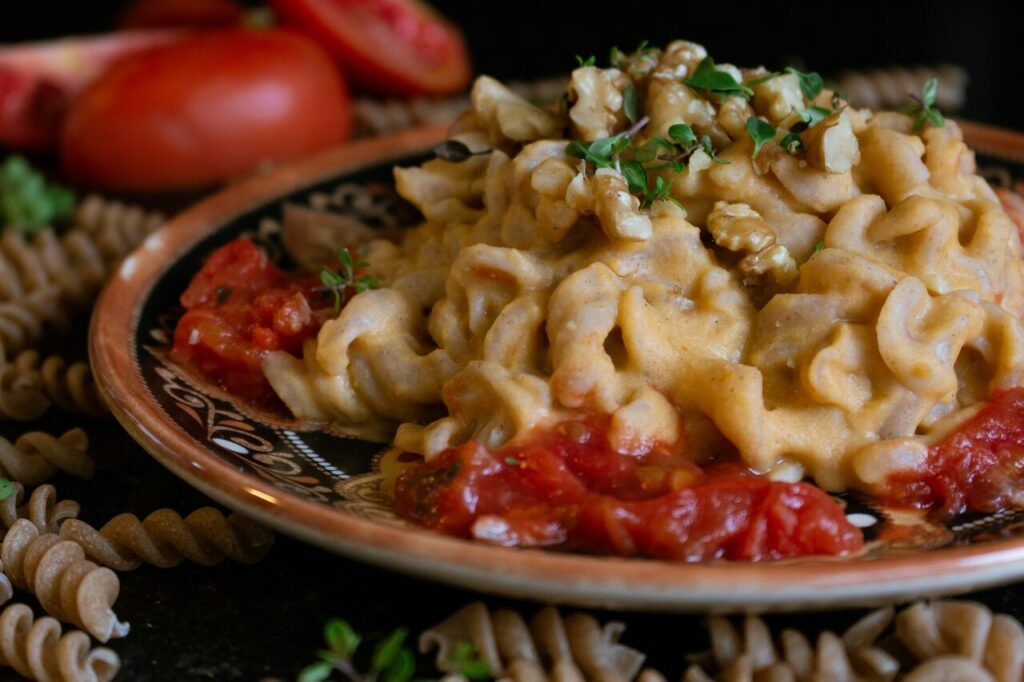
A dependable mac and cheese sauce starts with structure, not cheese. The classic structure is a roux, which is simply fat and flour cooked together, then loosened with milk to form a béchamel-style base. The roux does two things: it thickens the sauce so it coats pasta, and it helps stabilize the mixture so the cheese can melt in without separating. Cooking the flour briefly also removes the raw flour taste, which keeps the sauce clean and buttery instead of starchy. The roux should look smooth and cohesive before any milk is added. Good structure prevents the cheese from having to carry the entire texture job.
Milk temperature and pacing matter more than most home cooks expect. Cold milk dumped into a hot roux can clump and slow thickening, while warmed milk tends to blend more smoothly and thicken more evenly. The key is to whisk steadily and add the liquid in a controlled way so the base becomes silky before any cheese shows up. Once the sauce base is thick enough to lightly coat a spoon, it is ready for cheese. That timing prevents cheese from being forced to act like a thickener, which is where many grainy sauces begin. A steady simmer is more effective than a hard boil for thickening. Whisking into the corners prevents flour pockets from hiding.
The Melt Rule
Cheese is sensitive to high heat, and that is where many mac and cheese recipes fail. When cheese overheats, proteins tighten and squeeze out fat, which creates an oily sauce with a gritty mouthfeel. The melt rule is simple: remove the pot from direct heat or lower it significantly before adding cheese, and melt it gradually. Gentle heat allows the cheese to melt into the base instead of breaking apart under stress. A cooler base gives proteins time to relax as they melt. Slow melting also preserves aroma compounds that can fade with harsh heat. A stable melt produces a sauce that looks unified instead of patchy.
Order also matters. Adding all the cheese at once can overwhelm the sauce base and cool it unevenly, leading to clumping or incomplete melting. Adding handfuls and whisking between additions gives the sauce time to stay smooth. If the sauce seems too hot, letting it cool for a minute before adding more cheese can prevent separation. This is the part of the method that feels slow, but it’s also the part that changes the entire texture. The goal is a glossy sauce that looks unified, not a sauce that looks like it has oil floating on top. When the sauce stays glossy, it coats pasta evenly and holds flavor better.
The Cheese Strategy
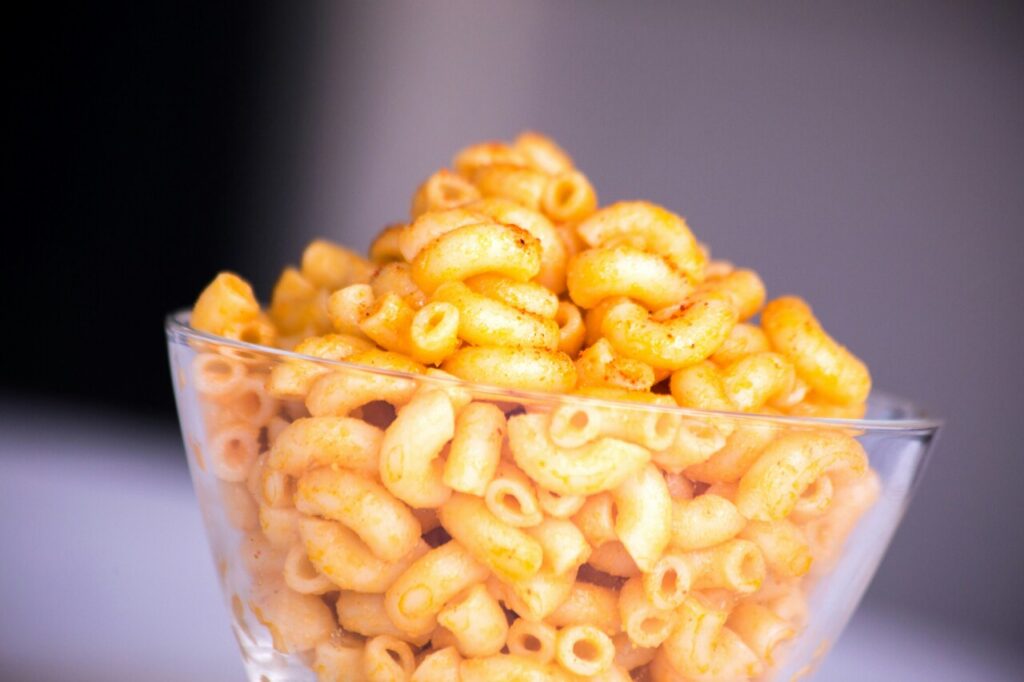
Not all cheese melts the same way, and the best mac and cheese usually combines a strong melter with a flavor cheese. Cheddar brings a recognizable taste but can get grainy if overheated. Cheeses like Monterey Jack, fontina, or young gouda melt smoothly and help keep the sauce creamy. Adding a portion of a very smooth melter can improve texture immediately, while sharper or aged cheeses can be used in smaller amounts to add depth without destabilizing the sauce. Balancing moisture levels across cheeses helps keep the sauce stable. Flavor is easier to layer when the melt behavior is predictable.
Pre-shredded cheese is a common trap. Many pre-shredded blends include anti-caking agents that interfere with smooth melting, which can make sauces slightly gritty or less cohesive. Block cheese, shredded at home usually melts cleaner. This does not mean pre-shredded cheese can never work, but it often requires more careful heat control and may still produce a less silky texture. A simple cheese strategy is to choose one reliable melter for creaminess, one bold cheese for flavor, and keep heat gentle throughout. Fresh shredding also creates finer strands that melt faster. That faster melt reduces the time cheese sits in hot liquid.
The Pasta Factor
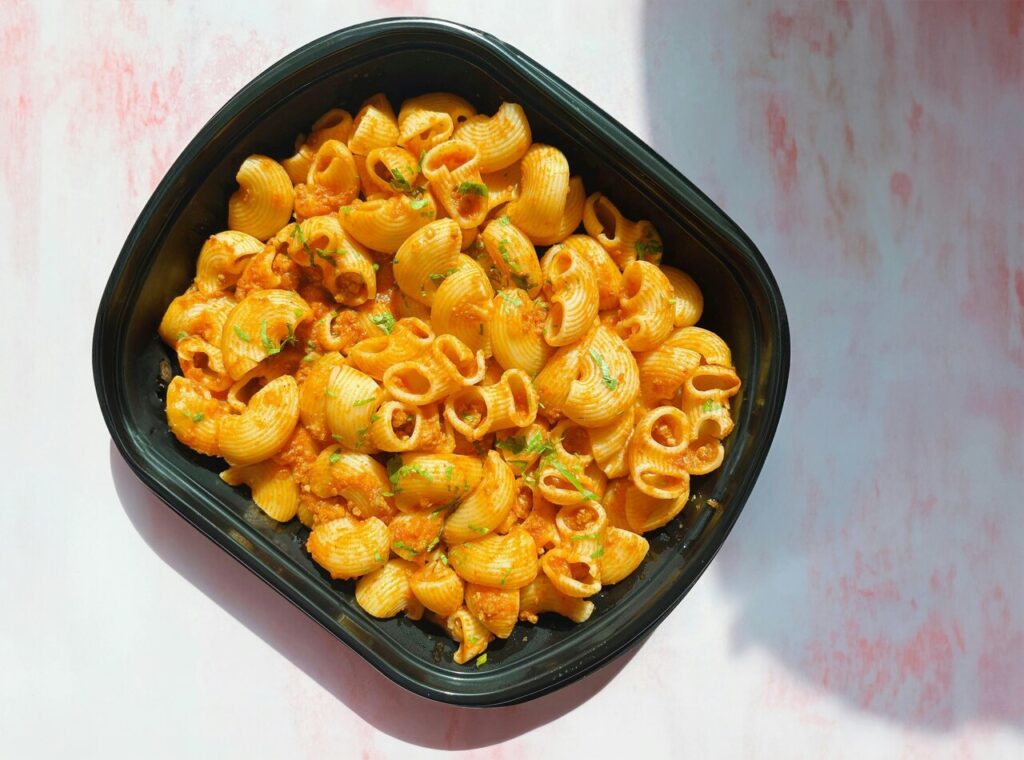
Pasta choice affects texture because the sauce clings differently to different shapes. Elbows are classic, but shells, cavatappi, and ridged shapes hold sauce in their curves and grooves, giving a creamier bite even with the same amount of sauce. Pasta also needs enough salt in the cooking water, because unsalted pasta forces the sauce to carry all the seasoning. Properly salted water helps the entire dish taste balanced instead of flat. Salted water seasons the pasta from the inside, not just the surface. This improves flavor even when sauce is modest. A well-chosen pasta shape can make the sauce seem creamier than it actually is.
Cooking pasta to al dente matters because pasta continues cooking when it is combined with hot sauce or baked. Overcooked pasta turns soft and can break down, making the dish feel mushy. Slightly firm pasta holds up better and keeps its texture pleasant after mixing and baking. Another detail is draining well but not rinsing. Rinsing washes away surface starch that helps sauce cling. A little starch on the pasta is not a mess; it is glue for creaminess. Starchy surfaces help the sauce grip and thicken slightly. Overcooked pasta also releases more starch, which can make sauce gummy. Holding back a little pasta water keeps options open for later adjustments.
The Creamy Method
One of the simplest ways to improve sauce texture is to use a small amount of reserved pasta water. Pasta water contains starch, which helps bind sauce to noodles and smooth out the final texture. If the sauce feels too thick or tight, a splash of pasta water loosens it without making it watery. This is especially helpful if the dish sits for a few minutes and thickens, which is common with cheese sauces. Starch helps the sauce cling instead of sliding off. Pasta water works better than plain water because it supports the emulsion. This is a simple fix that can rescue a sauce right before serving.
Layering also matters at the final stage. Mixing pasta with a portion of sauce first, then adding more sauce gradually, helps coat evenly and prevents dry pockets. The final texture check should happen before baking, because baking reduces moisture and tightens the sauce. If the mixture looks a little looser than desired at this stage, that is often correct, because it will thicken as it cooks. A creamy method is not about making it soupy, it’s about allowing room for the sauce to settle into the pasta without drying out. Getting this stage right often determines whether the baked dish stays creamy or turns dense.
The Baked Finish
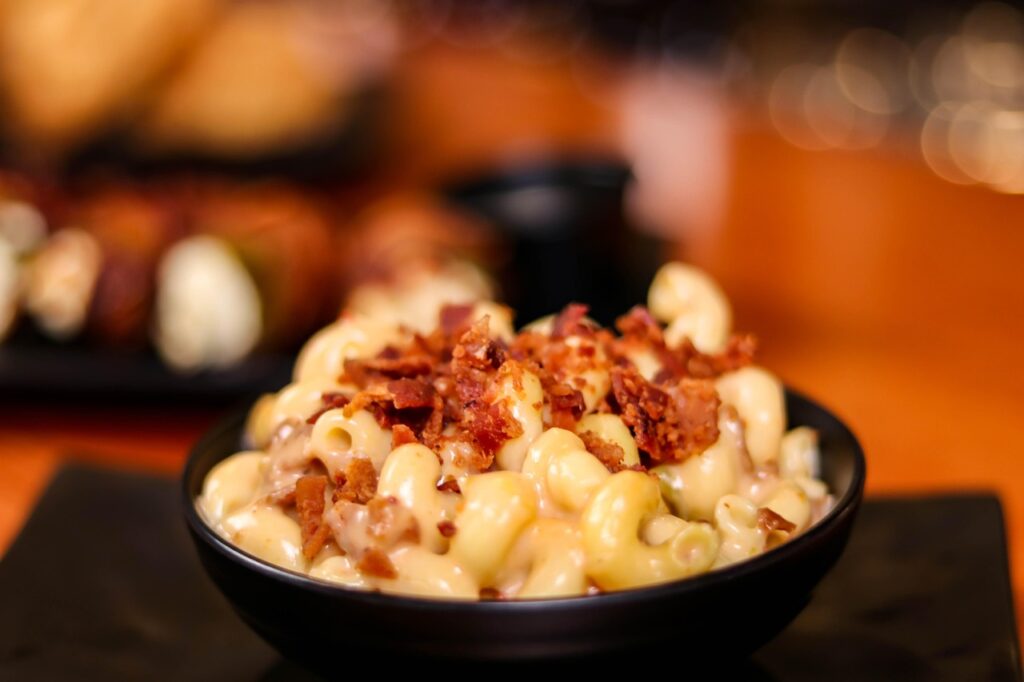
Baking mac and cheese can improve it, but it can also ruin it if it is treated like a casserole that can handle endless heat. Baking is best for adding contrast, like a browned top and crisp edges, while the interior stays creamy. The key is baking just long enough to heat through and set the top, not long enough to evaporate the sauce. Overbaking is one of the most common reasons homemade mac turns dry and dull. A shorter bake protects the sauce’s moisture. High heat for a brief time can brown the top without drying the center. A covered start followed by an uncovered finish can help control moisture loss.
Toppings matter because they create texture that the sauce alone cannot provide. Breadcrumbs, crushed crackers, or a light layer of cheese can form a golden crust that makes each bite feel more complete. Butter in the topping improves browning and flavor. But toppings should stay in balance. A thick, dry crumb layer can steal moisture and make the dish feel heavy. The best baked finish adds crunch without sacrificing the creamy center that makes mac and cheese worth making. Fine crumbs brown more evenly than large chunks. A thin, even layer prevents dry spots across the surface. A little seasoning in the topping can add extra depth.
The Flavor Builders
Mac and cheese tastes richer when flavor is built into the sauce rather than sprinkled on top at the end. Mustard, for example, can sharpen the cheese flavor without making the dish taste like mustard. A small amount of garlic, onion powder, paprika, or a hint of cayenne can add warmth and dimension. These seasonings do not need to dominate. They just prevent the flavor from feeling one-note, which can happen when the dish relies only on cheddar. Mustard also adds a subtle tang that wakes up dairy richness. Paprika can add warmth without making the dish spicy. Seasonings work best when they are dissolved into the sauce, not left as surface specks.
Salt balance is also critical because cheese brings salt, but it is not always enough, especially if the pasta water was under-salted. A small amount of salt added early to the sauce base helps the flavor bloom. Tang can be adjusted too, either through a sharper cheese, a small amount of sour cream, or a splash of dairy with a bit more acidity. The goal is a full flavor profile: creamy, savory, slightly sharp, and rich without feeling greasy. Salt should be adjusted in small steps to avoid overshooting. Acid helps cut through richness and keeps the dish from tasting flat. A sharper cheese can add complexity without extra seasoning.
The Common Mistakes
High heat is the fastest way to break the mac and cheese sauce. It causes separation, graininess, and greasy patches that cannot be fully whisked away. Another mistake is using cheese as the thickener instead of building a proper base first. When the sauce base is too thin, people add more cheese to compensate, which increases the chance of breaking and can make the dish taste heavy rather than balanced. Heat spikes often happen right after adding cheese. A sauce that is bubbling hard is usually too hot for melting. Thin base sauces force cheese to do structural work it cannot handle. More cheese does not always mean more creaminess.
Overbaking is another consistent problem. Baking too long dries out the sauce, tightens the proteins, and leaves the pasta overcooked. Skipping rest time can also hurt texture. Fresh mac and cheese can look loose right out of the oven, and resting for a few minutes allows the sauce to settle and cling better. The dish becomes more cohesive without losing creaminess. Avoiding these mistakes is less about skill and more about respecting the ingredients. Gentle heat, solid base, and short bake time are the reliable safeguards. Resting also prevents a watery puddle on the plate. The sauce thickens slightly as it cools, which improves the coating.
The Repeatable Routine
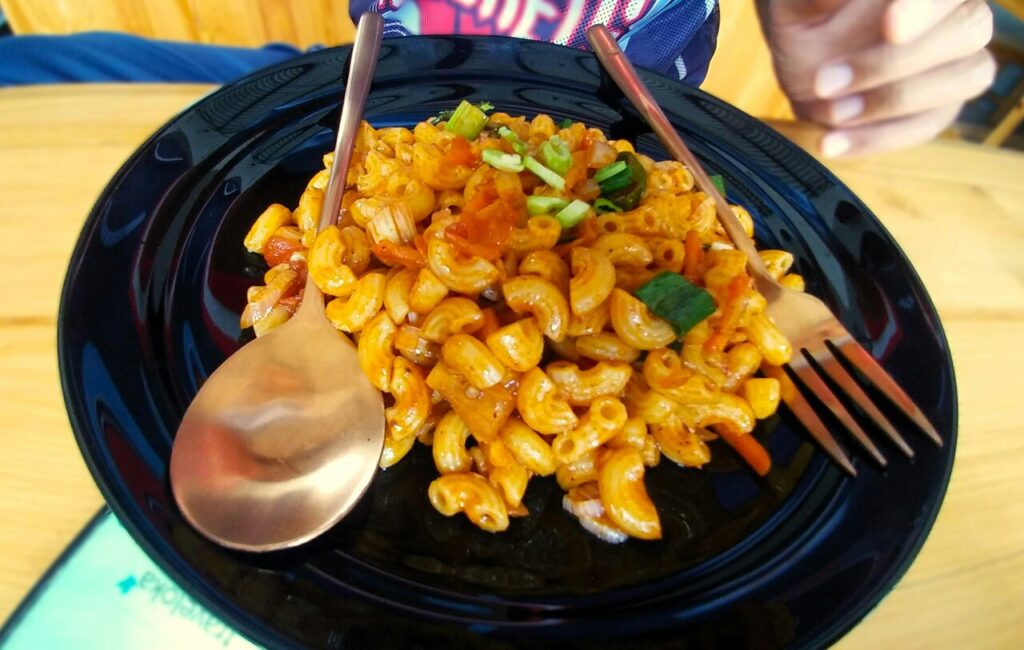
Consistency comes from a clear step order. Start by cooking pasta in well-salted water and reserving a small cup of pasta water before draining. Make the roux, whisk in milk, and let the base thicken until it coats a spoon. Turn down the heat or remove from the heat, then add cheese gradually, whisking until smooth. Combine pasta and sauce, adjust with pasta water if needed, then bake briefly only if a crust is desired. This order prevents rushing at the most sensitive stage. It also ensures the sauce is ready before the pasta starts to cool. A brief bake should be timed for browning, not for cooking the pasta further.
A few simple tools make the process easier. A whisk helps prevent lumps in the base, a silicone spatula helps scrape corners where flour can hide, and a grater makes fresh-shredded cheese quick. For storage and reheating, gentle heat matters again. Reheated mac can separate if blasted on high. A low-heat rewarm with a splash of milk restores creaminess better than aggressive reheating. With a repeatable routine, mac and cheese stops being a gamble and becomes a controlled, reliable comfort dish. Stovetop reheating works best with frequent stirring. A reliable routine makes leftovers taste closer to the first serving.
References
- Homemade Mac and Cheese-Weston Price.org
- Skillet Mac and Cheese-Food Hero.org
- Homestyle Macaroni and Cheese-Texas Wic.org