11 Festive Mexican Christmas Recipes from Enchiladas to Tamales

Christmas in Mexican homes is built around the table, where food is meant to be shared slowly, and stories flow as freely as the sauces. Festive dishes are chosen not just for flavor, but for how well they feed a crowd, hold warmth, and invite people to linger. Enchiladas, tamales, stews, and sweets each play a role in creating a meal that feels generous and unhurried. These recipes reflect tradition, patience, and practicality, relying on techniques that deepen flavor without unnecessary complexity. Many can be prepared ahead, allowing hosts to spend less time in the kitchen and more time with family.
1. Red Chile Chicken Enchiladas
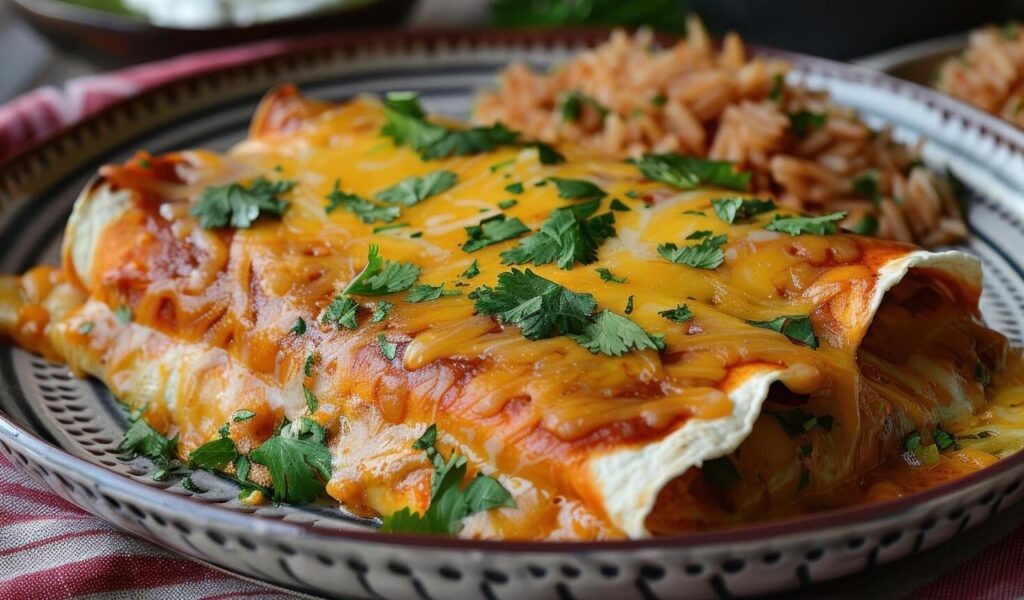
Red chile chicken enchiladas are built around comfort, depth, and practicality, which is why they are such a strong fit for Christmas gatherings. The sauce begins with dried red chiles that are rehydrated and blended into a smooth base, then gently cooked to deepen flavor without sharp heat. This process creates warmth rather than spice, making the dish accessible to guests of all ages. Chicken is ideal because it shreds easily and absorbs sauce while staying tender during baking. Corn tortillas soften as they bake, creating layers that hold together but still feel soothing. Enchiladas can be assembled ahead of time, which reduces stress on the day of the celebration.
2. Green Chile Cheese Enchiladas
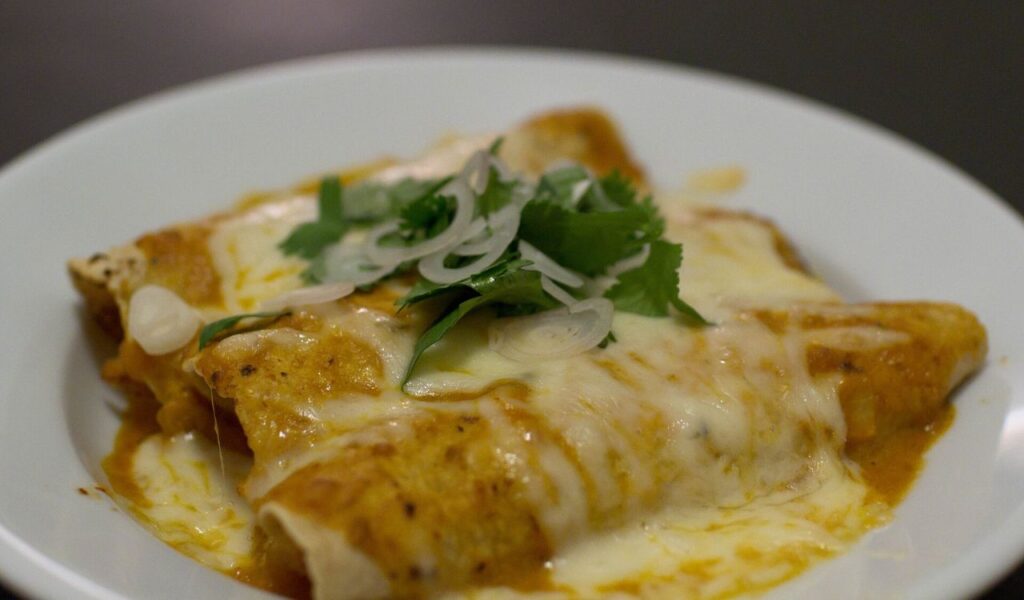
Green chile cheese enchiladas offer brightness and balance, making them especially welcome among heavier Christmas dishes. The sauce relies on tomatillos and green chiles, which bring acidity and freshness rather than richness. This lighter profile keeps the dish from feeling overwhelming even when served in generous portions. Cheese provides structure and satisfaction, melting into the tortillas while still allowing the sauce to stand out. These enchiladas are naturally inclusive, offering a meatless option that does not feel secondary. Corn tortillas maintain their integrity while soaking up flavor, creating a cohesive texture.
3. Pork Tamales with Red Sauce
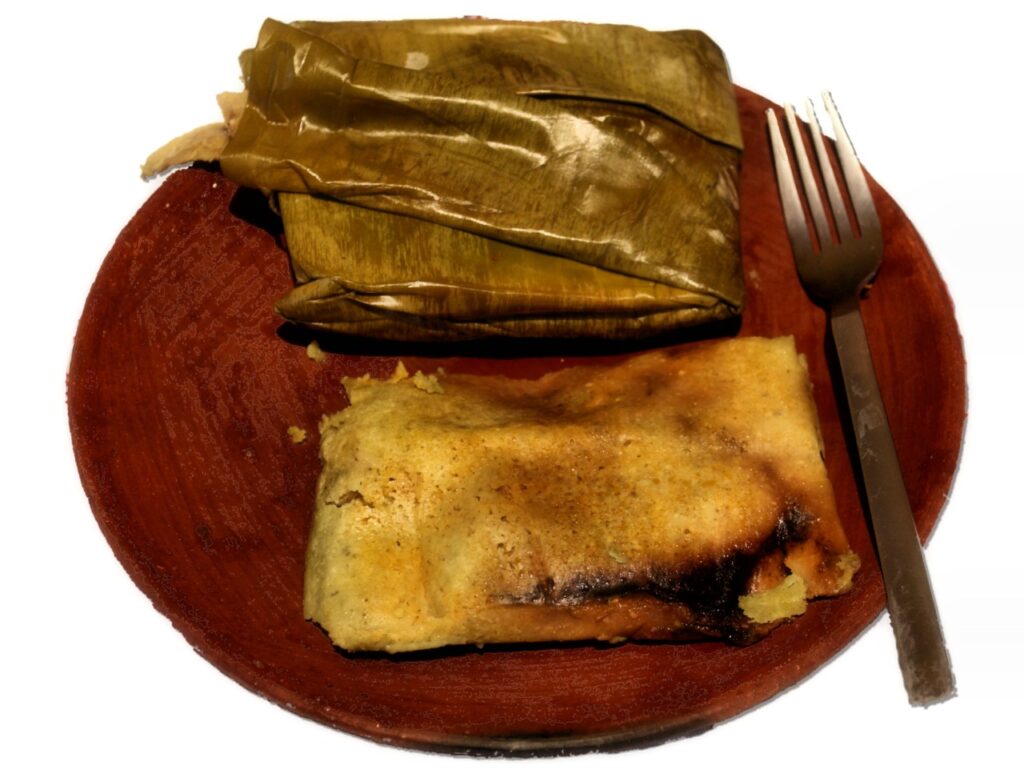
Pork tamales carry a sense of time and intention that fits naturally with Christmas traditions, reflecting meals that are meant to be prepared slowly and shared generously. The pork is cooked over low heat until tender enough to shred easily, then blended with a red chile sauce that seeps into the meat rather than sitting on the surface. This ensures every bite carries depth and warmth instead of sharp heat. Masa forms the foundation, and when mixed properly with fat and broth, it creates a texture that is soft, moist, and supportive rather than dense. Corn husks protect the tamales during steaming while adding a subtle aroma that enhances the overall experience.
4. Chicken Tamales with Green Salsa
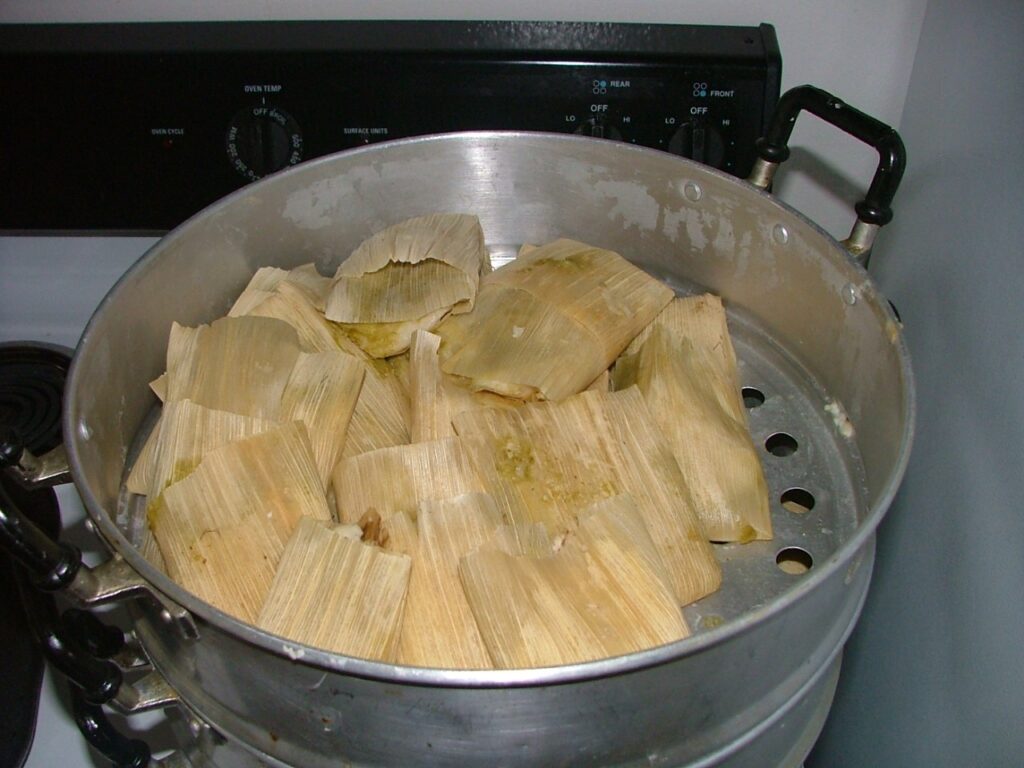
Chicken tamales with green salsa offer a lighter, fresher take while keeping the same comforting format. Green salsa made from tomatillos and green chiles adds brightness and gentle tang, which lifts the masa and filling. Chicken remains tender during steaming and blends smoothly with the sauce. These tamales are often preferred by guests who enjoy herbal, clean flavors over smoky ones. Like all tamales, they are filling without being heavy and are easy to portion for large groups. Their softer flavor profile helps balance richer dishes on the table. Chicken tamales support variety and inclusivity while still honoring tradition and shared preparation.
5. Beef Birria
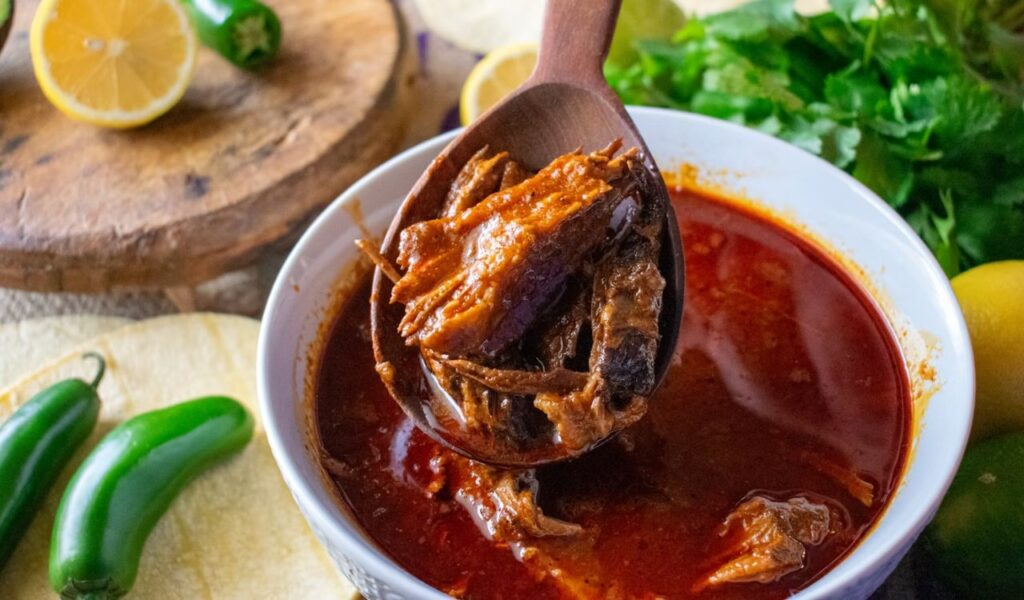
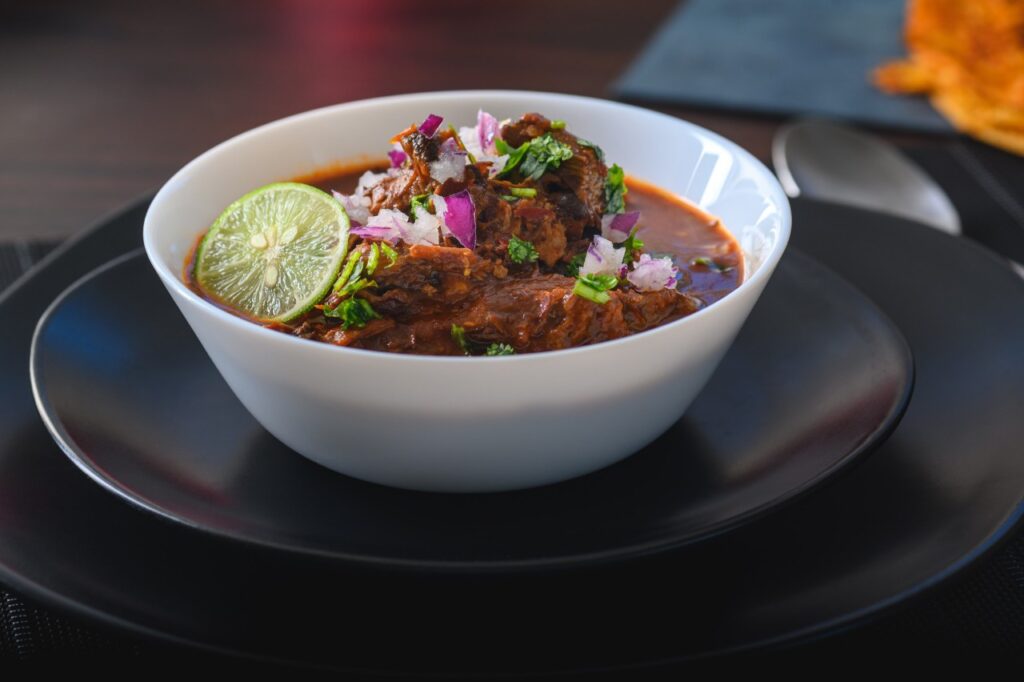
Beef birria brings patience and depth to the Christmas table. Traditionally slow-cooked, the beef becomes tender through long simmering in a chile-based broth rather than aggressive seasoning. Dried chiles and spices provide complexity without overwhelming heat. Birria can be served as a stew or paired with tortillas, making it flexible for different serving styles. It feeds many people efficiently and often tastes better after resting, which suits extended gatherings. The rich aroma fills the home and sets a welcoming tone before anyone eats. Birria encourages dipping, sharing, and conversation, turning the meal into an interactive experience rather than a formal course.
6. Pozole Rojo
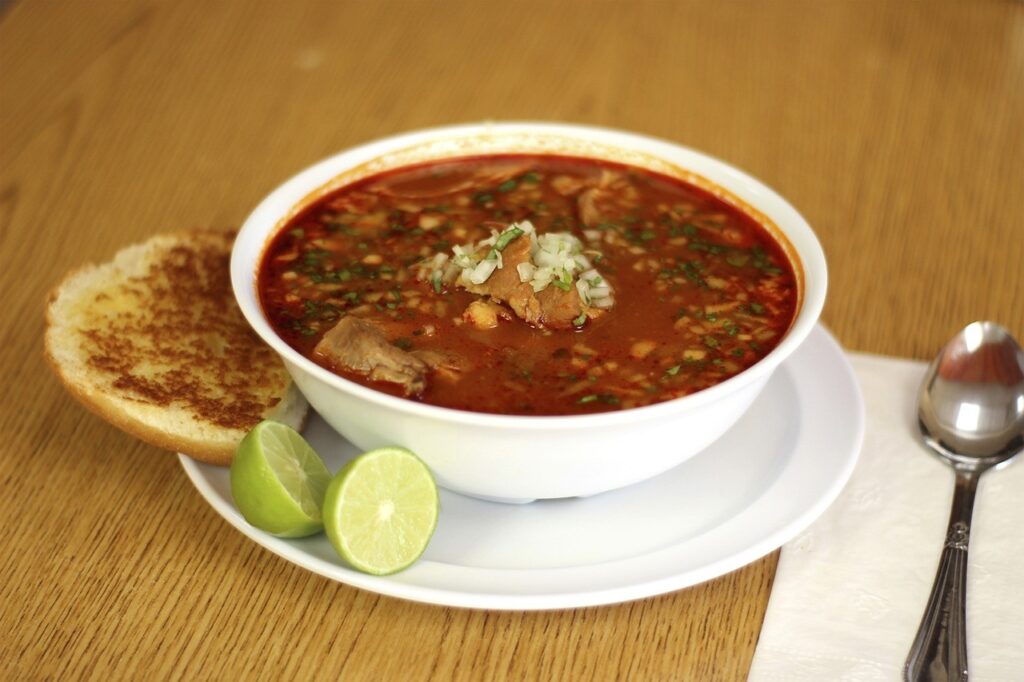
Pozole rojo centers on hominy, which gives the stew its signature chew and heartiness. The red chile broth is flavorful but approachable, allowing guests to enjoy generous bowls without feeling weighed down. Pozole is designed to be customized with toppings like cabbage, radish, onion, and lime, which guests add themselves. This interactive element makes it ideal for large groups with varied preferences. The stew is filling yet balanced, encouraging slow eating and repeat servings. Pozole naturally keeps people at the table longer, as toppings are adjusted and bowls are refilled. It is both practical and celebratory, making it a staple for Christmas meals.
7. Bacalao a la Vizcaína
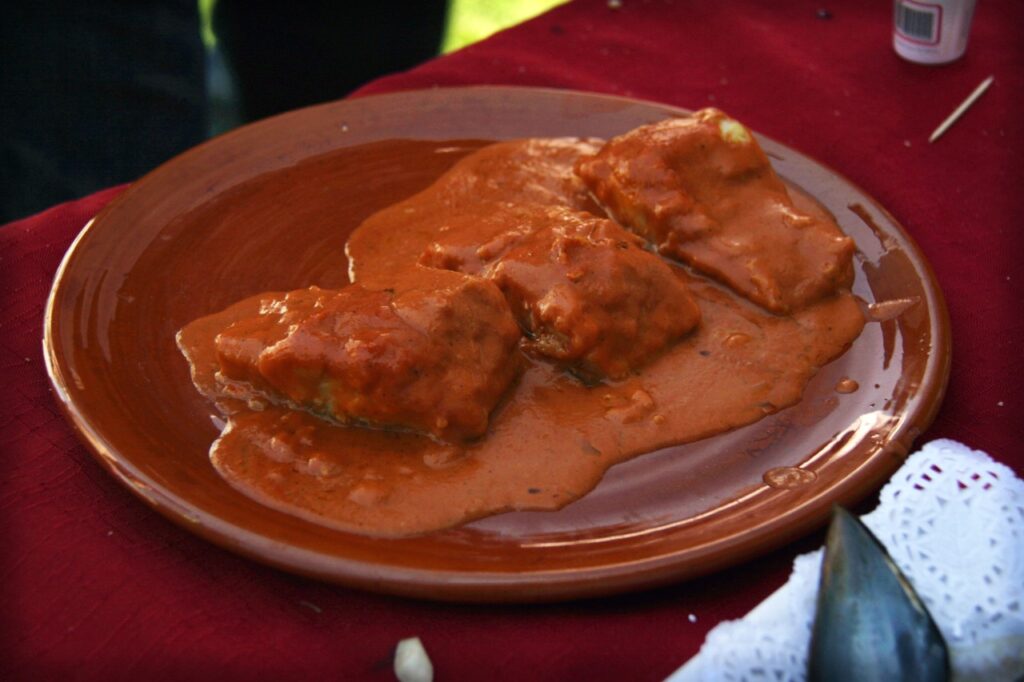
Bacalao a la Vizcaína reflects history, restraint, and seasonal tradition. Salted cod is soaked to remove excess salt, then cooked with tomatoes, olives, peppers, and potatoes. The result is savory and balanced rather than heavy. Bacalao provides contrast to meat-focused dishes and appeals to guests seeking something different yet familiar. It can be prepared ahead of time and improves as flavors meld. The dish serves many people without large portions, making it efficient for gatherings. Bacalao often invites conversation because of its distinctive preparation and strong connection to Christmas traditions.
8. Mexican Roast Pork Loin
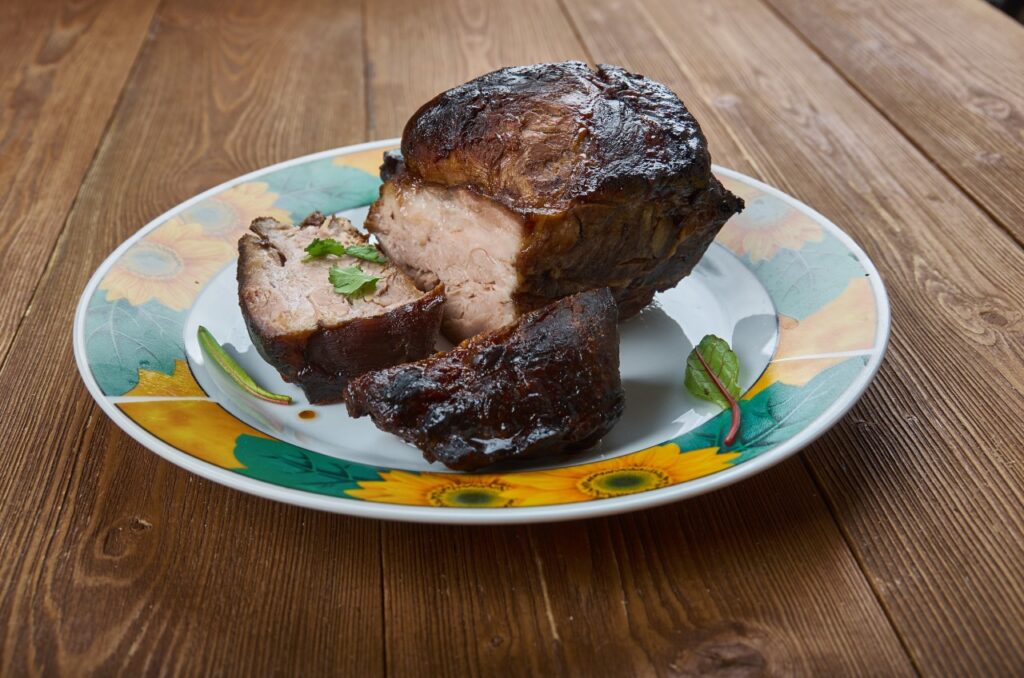
Mexican roast pork loin brings structure and clarity to the holiday table. Seasoned with garlic and spices, it roasts evenly and slices cleanly, making serving simple and orderly. Pork loin is lean, but careful cooking keeps it juicy and tender. It pairs easily with sauces, rice, and vegetables, giving hosts flexibility in menu planning. The roast holds well after cooking, which supports relaxed timing. Its familiar flavor reassures guests while still feeling festive. This dish anchors the meal without overpowering other offerings, allowing variety to shine. Because it carves neatly and serves evenly, it helps the meal flow smoothly even when the table is full and lively.
9. Romeritos with Mole
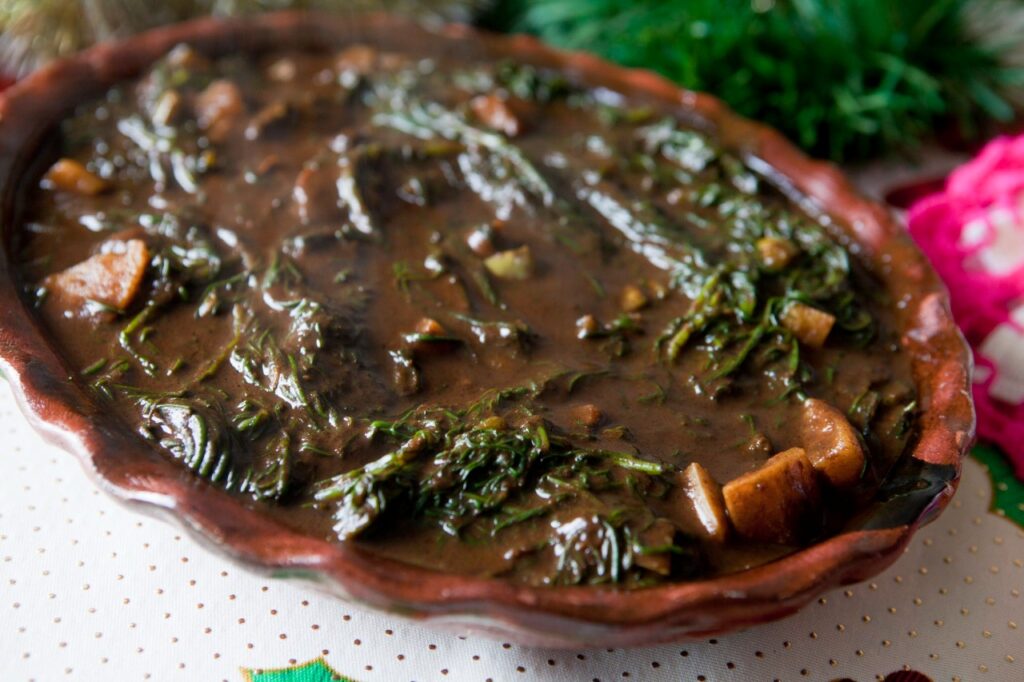
Romeritos are deeply tied to Christmas traditions and stand out for their unique combination of flavors. The greens are cooked until tender and combined with mole, potatoes, and shrimp patties. Mole adds richness, while romeritos contribute an earthy quality that balances the dish. This preparation reflects cultural continuity rather than convenience. Romeritos provide variety on the table and are often served alongside heavier meats. Their distinctive nature invites explanation and storytelling, making them a conversation piece as much as a dish. They contribute depth and tradition to the overall meal.
10. Mexican Rice with Toasted Garlic
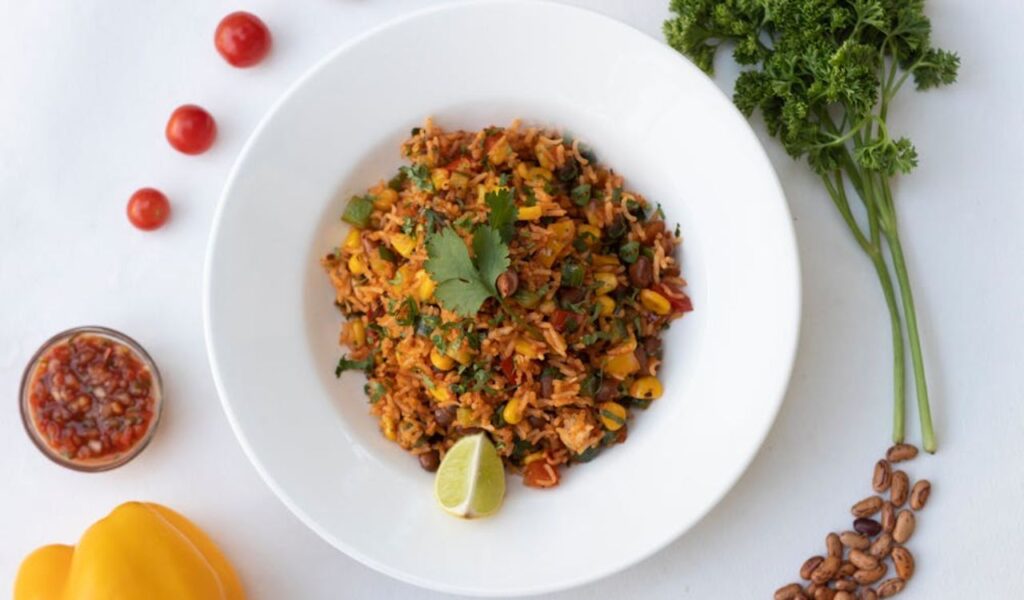
Mexican rice plays a supporting role that is essential during large holiday meals. Toasting the rice before cooking develops flavor and helps each grain remain separate. Garlic and tomato add savoriness without heaviness. Rice stretches meals efficiently, allowing hosts to feed many guests comfortably. It absorbs sauces and broths from other dishes, tying flavors together on the plate. Mexican rice offers familiarity and balance, grounding the meal and making it approachable for all ages. Its presence keeps the table cohesive and satisfying. Because it pairs effortlessly with nearly every dish, it helps the entire spread feel complete rather than fragmented.
11. Buñuelos with Cinnamon Sugar

Buñuelos bring lightness and celebration to the end of the meal. Thin dough is fried until crisp, creating a delicate texture that contrasts richer desserts. Cinnamon sugar or syrup adds warmth without heaviness. Buñuelos are meant to be shared and broken apart, encouraging casual enjoyment rather than formal plating. They hold cultural significance during Christmas, symbolizing joy and abundance. Their simplicity emphasizes technique, making them memorable despite minimal ingredients. Buñuelos encourage guests to linger, turning dessert into an extension of conversation rather than a signal to leave.