11 Family Roast Recipes Made to Feed a Crowd and Spark Conversation

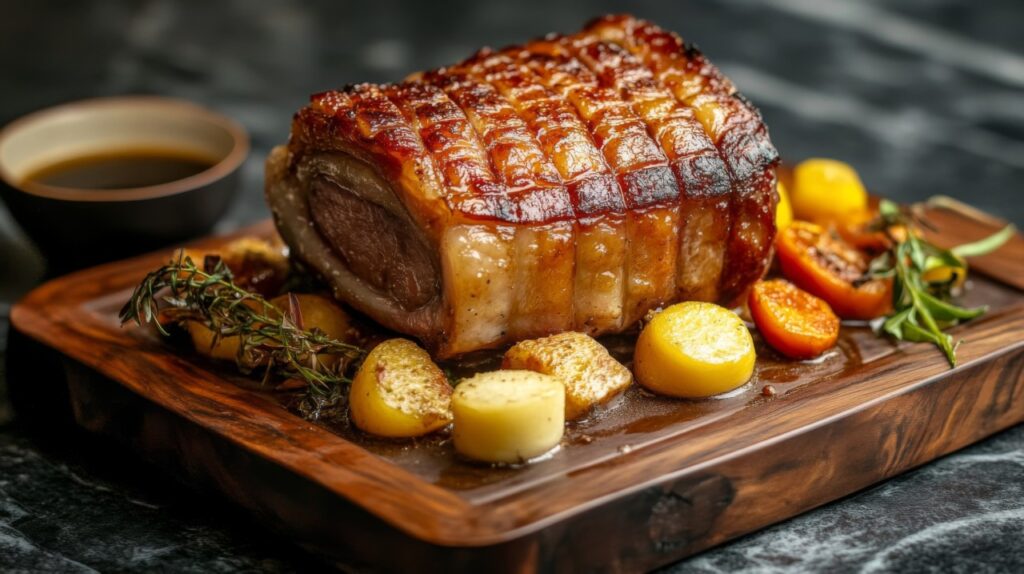
There’s something timeless about a big roast at the center of the table. It slows the meal, invites sharing, and gives everyone a reason to stay seated just a little longer. These family-style roasts are built for generous portions, relaxed serving, and the kind of comfort that naturally opens the door to stories, laughter, and second helpings. Each recipe is chosen for reliability, flavor, and the ability to feed a crowd without stress, so the focus stays where it belongs: on being together. A good roast also creates rhythm, giving the meal a steady pace that encourages conversation instead of rushing.
1. Herb-Crusted Roast Chicken
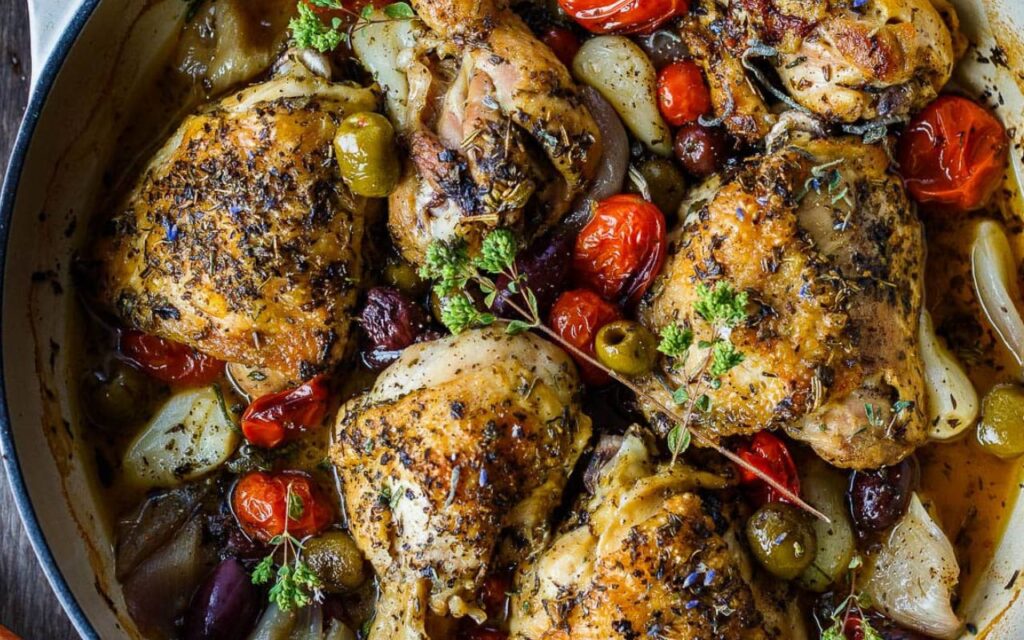
Few dishes are as universally understood as a well-roasted chicken, and that familiarity is exactly why it thrives at large family tables. Chicken offers a neutral base that welcomes herbs, garlic, and butter without alienating picky eaters. A herb crust seals in moisture while adding aroma, which matters when food sits on the table as people talk and serve themselves. Whole chickens are also practical. They roast evenly, carve cleanly, and stretch far when paired with vegetables or grains. From a nutritional standpoint, chicken provides protein without heaviness, helping guests feel satisfied without fatigue.
2. Slow-Roasted Beef Chuck
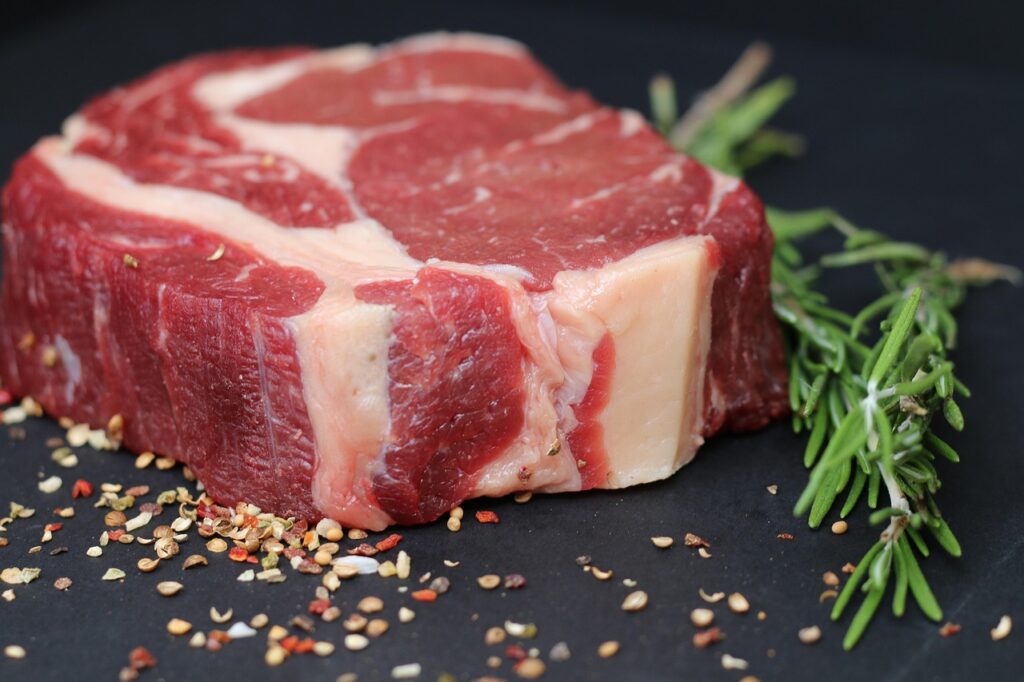
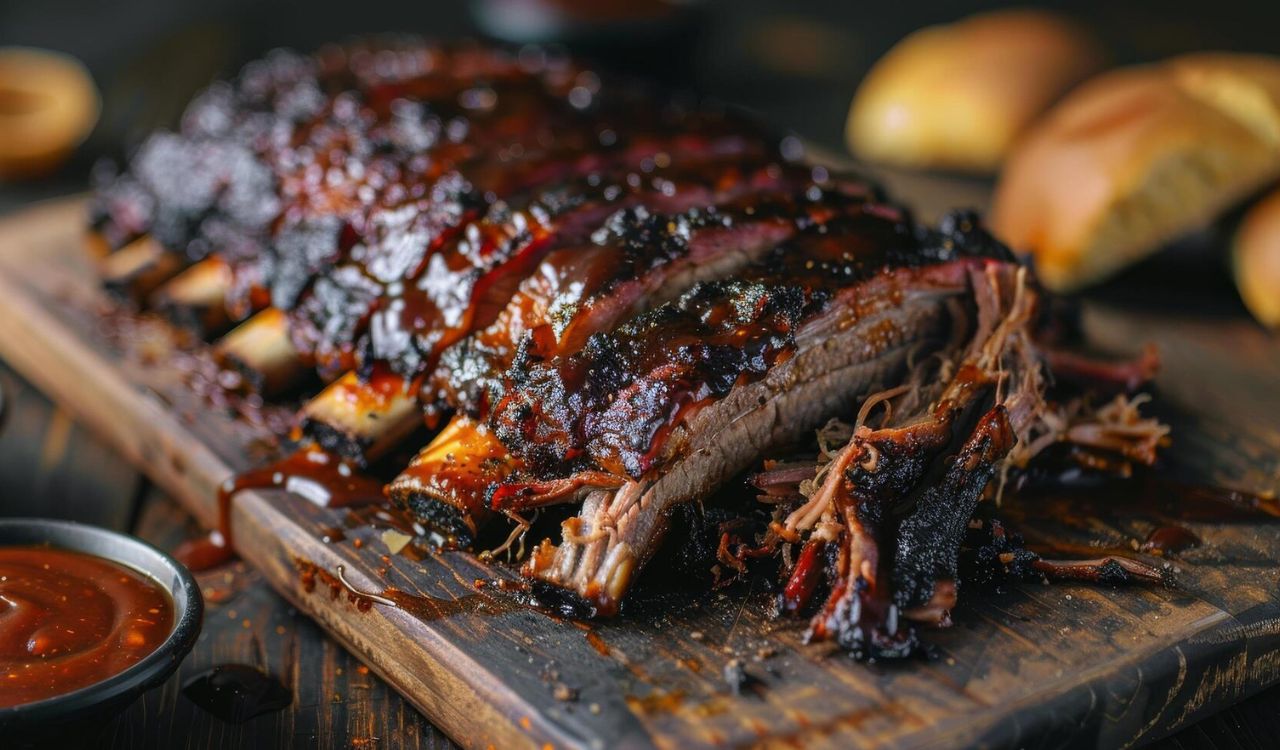
Beef chuck succeeds because it rewards patience, not precision. This cut contains connective tissue that breaks down slowly, turning firm muscle into tender, flavorful meat when cooked at low temperatures. That transformation creates depth without relying on complicated seasoning. For large gatherings, chuck is cost-effective and forgiving, staying juicy even if cooking times vary slightly. Slow roasting also allows flavors to develop evenly, making every slice consistent. The resulting meat pairs naturally with potatoes, root vegetables, or bread, encouraging shared serving and repeated trips to the table.
3. Honey Garlic Roast Pork
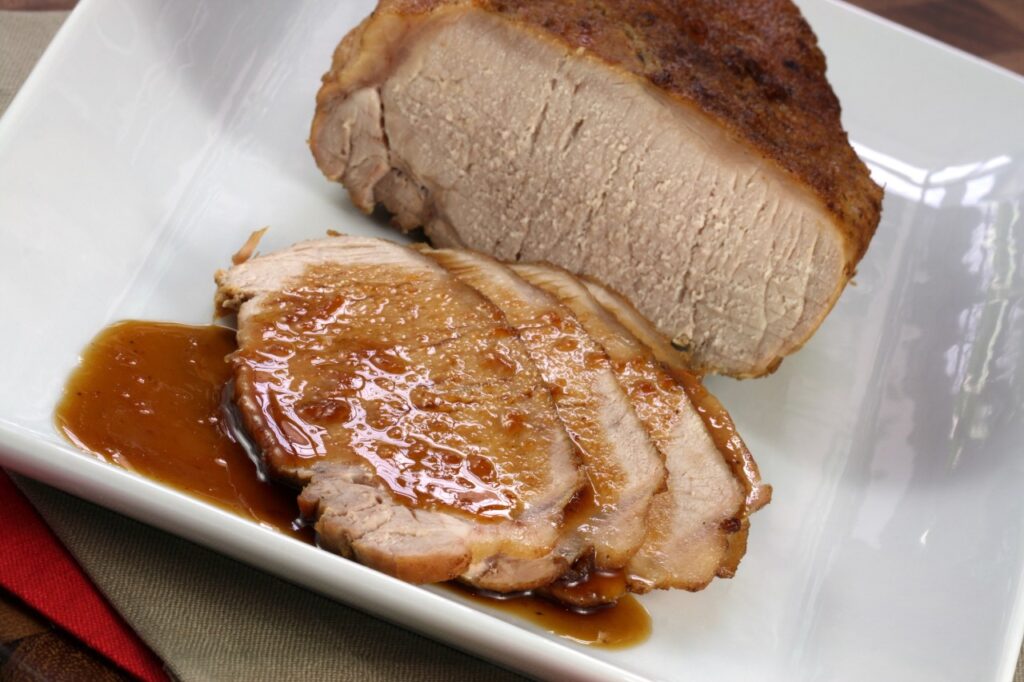
Honey garlic pork works because it balances flavor without complexity. Pork absorbs seasoning easily, allowing sweetness and savory notes to penetrate deeply during roasting. Honey caramelizes on the surface, forming a flavorful exterior that contrasts with juicy interior meat. Garlic adds depth rather than sharpness, making the roast appealing across age groups. Pork shoulder or loin feeds many at a reasonable cost, which matters for family-sized meals. It slices well and stays moist longer than leaner meats, making it suitable for extended serving times. Nutritionally, pork offers protein and fat that provide satiety without overwhelming heaviness.
4. Lemon and Thyme Roast Turkey Breast
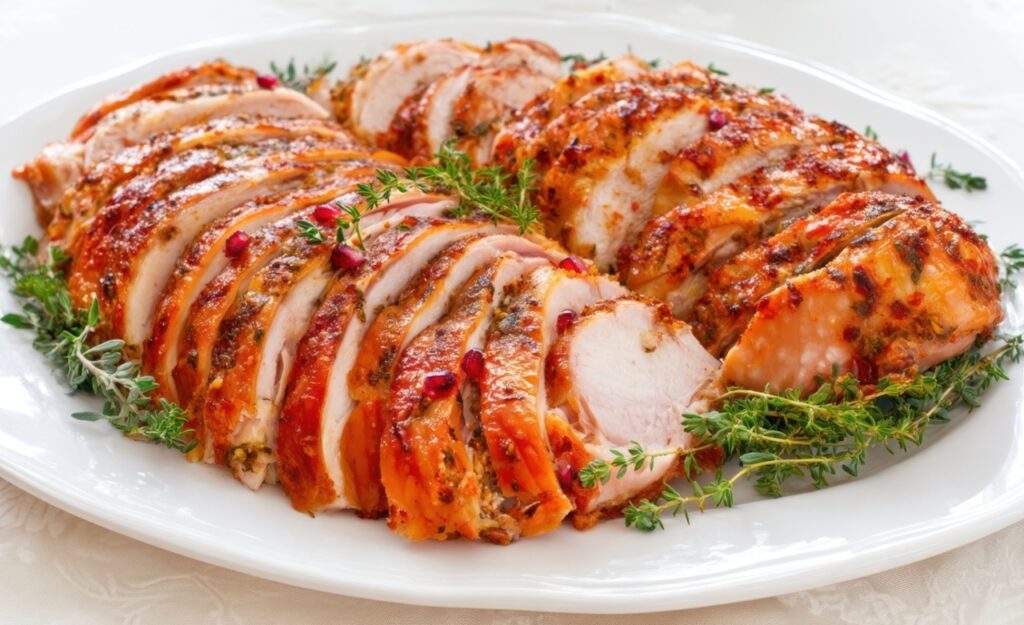
Turkey breast offers the comfort of tradition with far less complexity than a whole bird. Bone-in breasts cook more evenly and retain moisture better than many people expect. Lemon adds brightness that cuts through turkey’s mild richness, while thyme brings warmth without overpowering the meat. This balance matters for crowd meals where subtle flavors are more widely appreciated. Turkey breast slices cleanly, making serving efficient and tidy. It also provides lean protein, which appeals to guests seeking lighter options. Because it rests well after cooking, hosts can step away from the kitchen and join conversations.
5. Garlic Rosemary Leg of Lamb
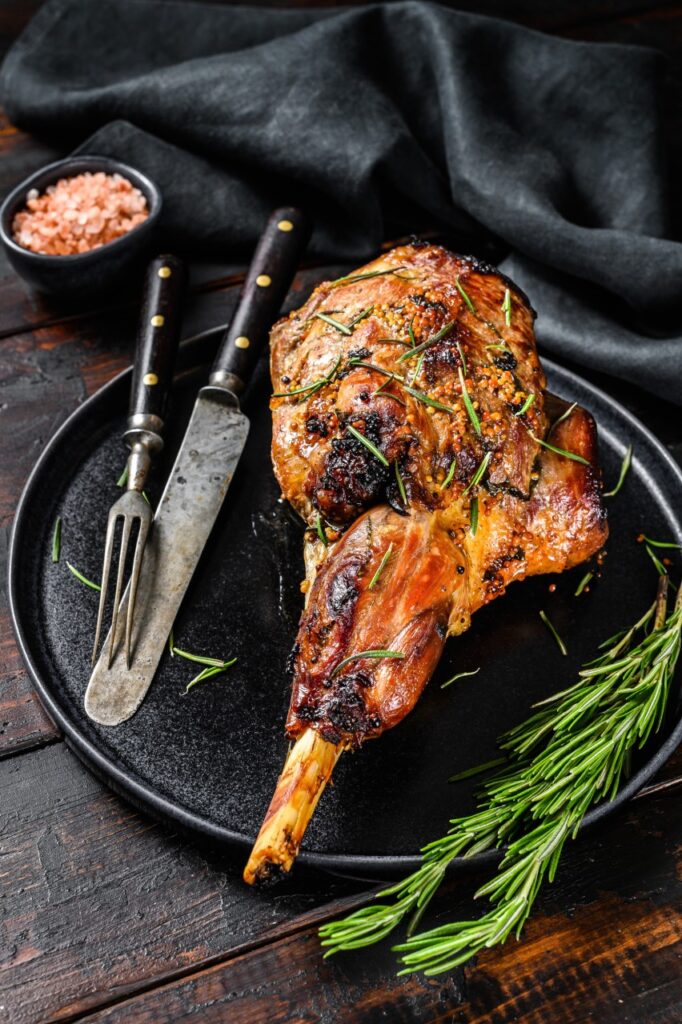
A leg of lamb signals generosity before it is even sliced. Its size and shape make it naturally suited for feeding groups, while its flavor profile rewards simple seasoning. Garlic and rosemary enhance lamb’s richness without masking its character. Proper roasting renders fat slowly, keeping the meat juicy and aromatic. Lamb holds heat well and remains tender after resting, which supports unhurried meals. From a cultural standpoint, lamb is often associated with shared celebrations and extended family meals, reinforcing its social role at the table. It pairs easily with vegetables, grains, or bread, encouraging communal serving.
6. Maple Mustard Glazed Ham
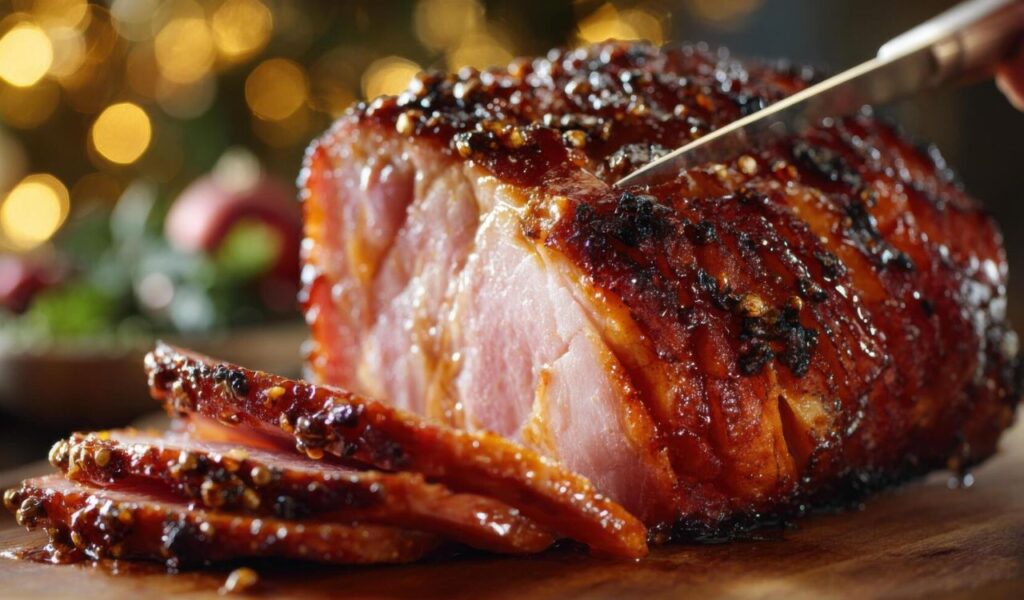
Ham is designed for crowds in both structure and preparation. Most hams are cured and partially cooked, reducing risk while increasing reliability. A maple mustard glaze adds sweetness and acidity that balance the meat’s saltiness. Ham slices cleanly and serves large groups efficiently, allowing guests to help themselves without disrupting the flow of conversation. It stays moist even when exposed to air, making it ideal for buffet-style meals. From a planning standpoint, ham reheats well and requires minimal last-minute attention. Its familiar flavor profile reassures guests, while leftovers remain versatile.
7. Whole Roast Pork Belly
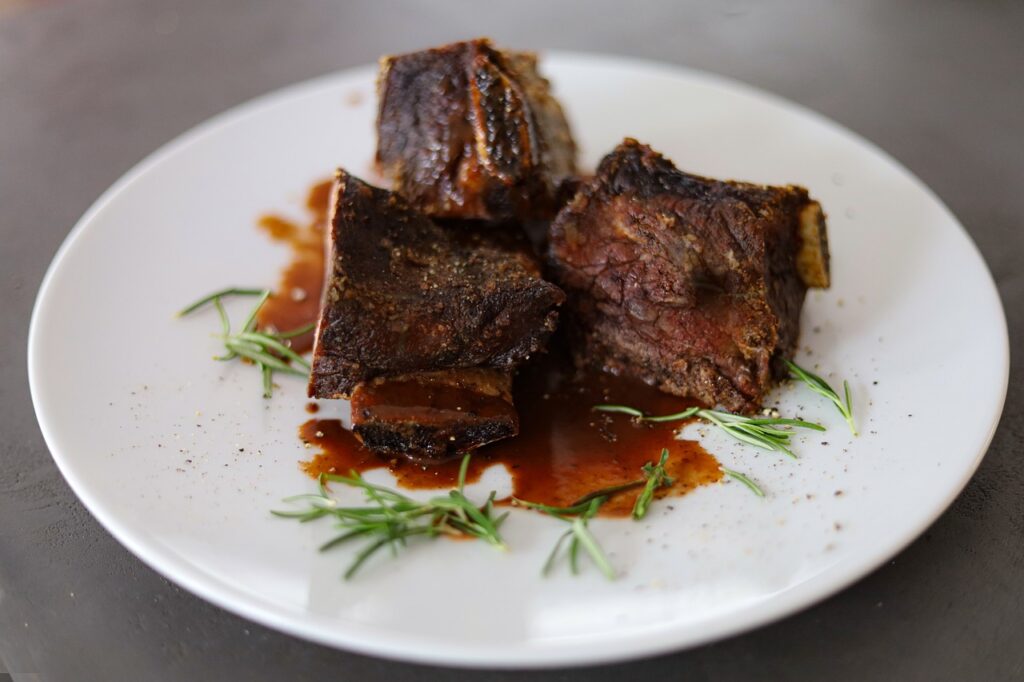
Pork belly earns its place through texture contrast and richness. Slow roasting renders fat gradually, producing tender meat beneath a crisp exterior. That contrast creates interest without needing heavy seasoning. Pork belly slices into generous portions, making it ideal for sharing. Because it is rich, smaller servings satisfy, allowing one roast to feed many. From a sensory standpoint, the crackling sound and aroma spark immediate attention and discussion. Pork belly encourages slower eating and mindful enjoyment, which naturally extends table time. Its indulgent nature turns the meal into an experience, making it memorable without being complicated.
8. Beer-Braised Pot Roast
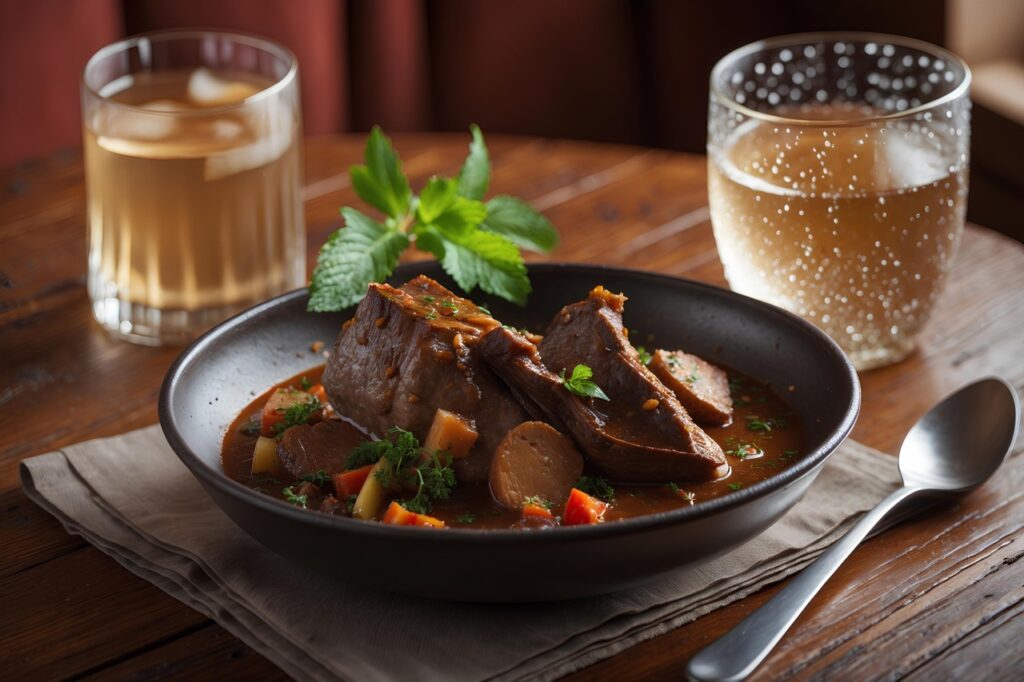
Beer-braised pot roast works because it builds flavor gradually and evenly. Beer adds bitterness and depth that balance the beef’s richness without dominating it. Braising breaks down tough fibers, creating tender meat and a naturally thickened cooking liquid. This method produces both protein and sauce in one vessel, simplifying preparation. Pot roast holds well and often tastes better as it sits, reducing timing stress for hosts. The dish encourages shared serving, bread dipping, and second helpings. Its comforting nature lowers formality, inviting guests to settle in and stay. Pot roast supports meals where conversation matters more than pacing.
9. Spiced Whole Roast Chicken Tray
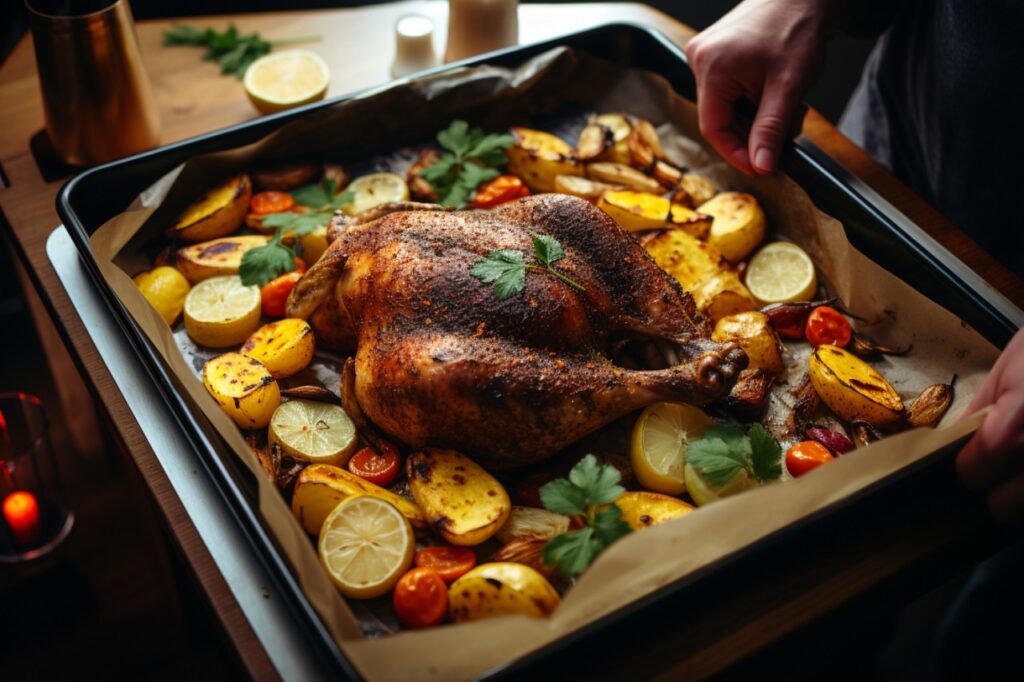
Roasting multiple chickens on one tray is a practical solution for large groups. Spices add variety and warmth without overwhelming familiar chicken flavor. Vegetables roast alongside, absorbing drippings and reducing cleanup. This approach creates a complete meal from a single cooking process. Chicken remains approachable, while spices introduce interest. The shared tray presentation encourages communal serving and casual interaction. Nutritionally, it balances protein, vegetables, and fat. This method suits gatherings where efficiency matters but warmth remains essential. It allows hosts to stay present rather than managing multiple dishes.
10. Garlic Butter Roast Beef Sirloin
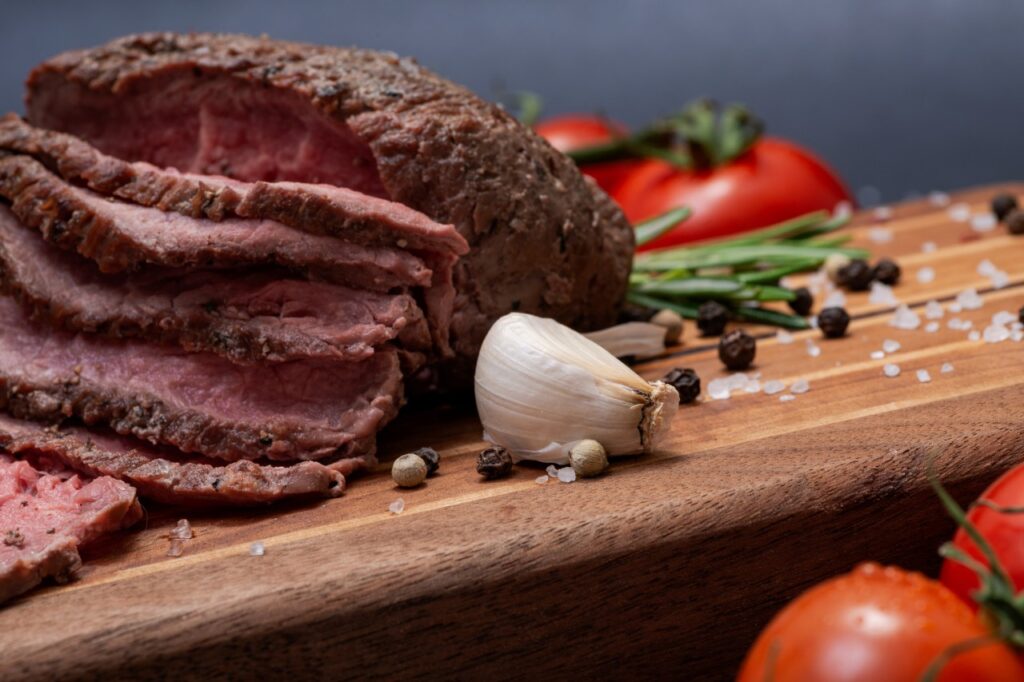
Sirloin offers structure and balance. It is lean enough to slice cleanly while retaining enough fat to stay flavorful. Garlic butter enhances natural beef flavor without heavy sauces. Sirloin cooks predictably, making it suitable for group meals where consistency matters. It rests well and slices evenly, supporting calm serving. From a nutritional perspective, it provides protein without excess richness, helping guests feel satisfied but comfortable. Sirloin works well for gatherings that blend casual conversation with a slightly elevated feel, bridging comfort and refinement. Because it plates neatly and holds its shape, it keeps the table feeling orderly even during long, relaxed meals.
11. Slow-Roasted Spiced Whole Cauliflower
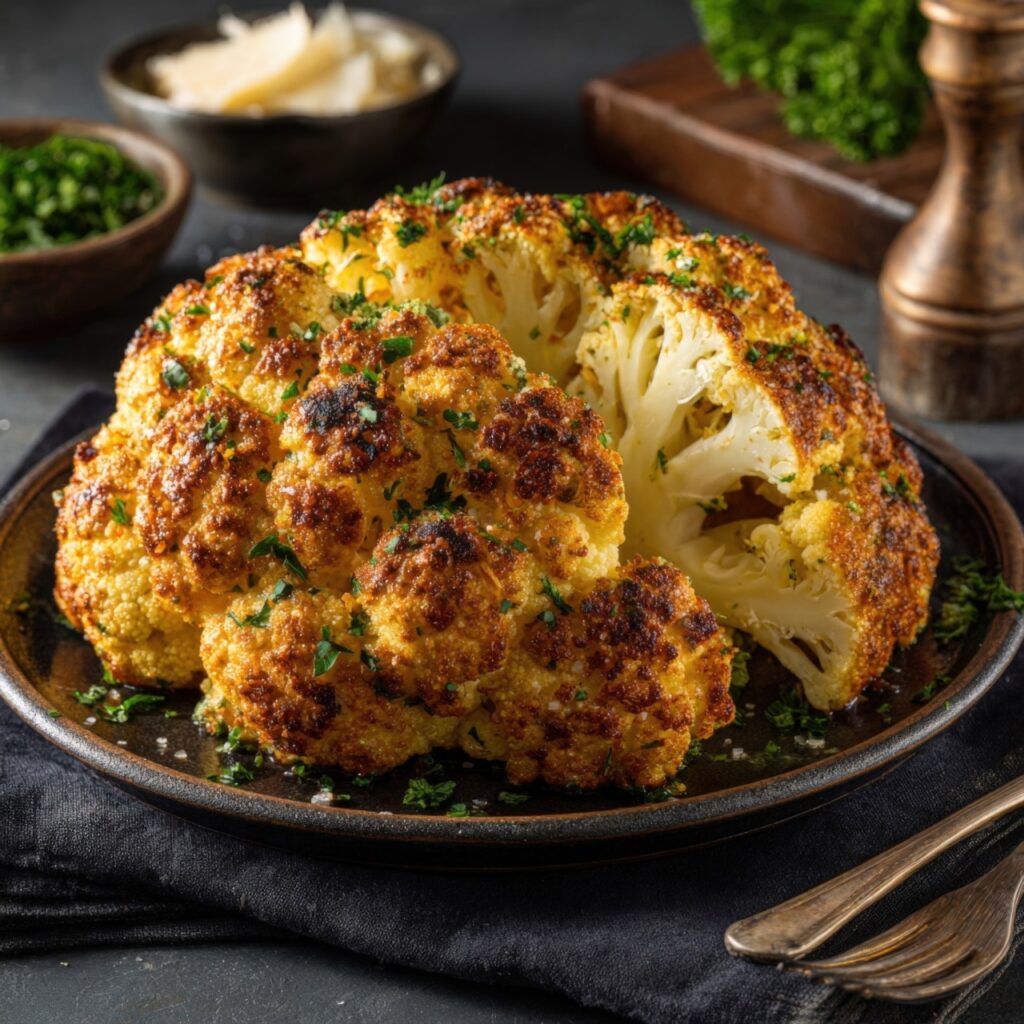
Whole roasted cauliflower succeeds by borrowing the structure of a meat roast. Slow roasting concentrates flavor and creates a caramelized exterior while keeping the interior tender. Spices and oil provide depth and richness without heaviness. Presented whole and carved at the table, it creates curiosity and discussion. Cauliflower absorbs seasoning efficiently, making it satisfying even for non-vegetarians. It serves many at low cost and pairs easily with grains or sauces. This roast proves that crowd-feeding can be inclusive, practical, and visually engaging without relying on meat. Its shareable presentation helps it feel intentional rather than secondary on a family table.