12 Luxury Chocolate Bars That Melt Before You Get Home

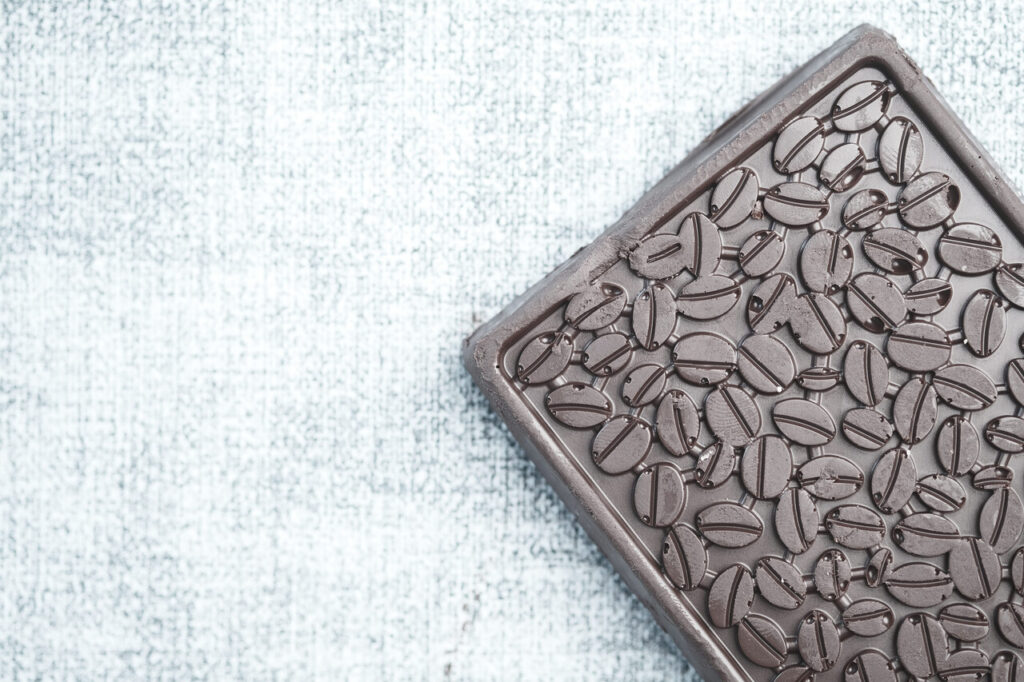
Luxury chocolate is built for pleasure, not endurance. The very qualities that make premium bars taste incredible, high cocoa butter content, careful tempering, and minimal additives, also make them fragile the moment temperatures rise. Cocoa butter melts just below body temperature, which means a warm car, a sunny sidewalk, or even a long checkout line can soften a beautifully crafted bar before you ever unwrap it.
What feels like an indulgent purchase can quickly turn into a melted disappointment if you are not careful. The truth is simple: the smoother and more refined the chocolate, the less tolerant it is of heat. Understanding why these bars melt so quickly helps you protect both their texture and their flavor.
1. Amedei Porcelana

Few chocolate bars feel as refined as Amedei Porcelana, and that refinement is exactly why it melts so quickly. Made from rare Venezuelan Porcelana cacao, this bar has a high cocoa butter content and minimal stabilizers. Cocoa butter begins to soften just below body temperature, around 93 degrees Fahrenheit. That low melt point is intentional because it creates the silky texture chocolate lovers crave.
The bar is also conched to a very fine particle size, which enhances smoothness but reduces structural firmness. Unlike mass-market chocolate, which may include additional emulsifiers for durability, this one is built for flavor clarity and a melt-in-the-mouth sensation. Warm car seats or a sunny sidewalk are enough to soften it in minutes.
If you buy it in summer, plan. Insulated bags or quick trips home make a real difference. What you gain in fragile texture, you gain tenfold in depth, aroma, and complexity.
2. Pierre Marcolini 75% Dark Chocolate Bar
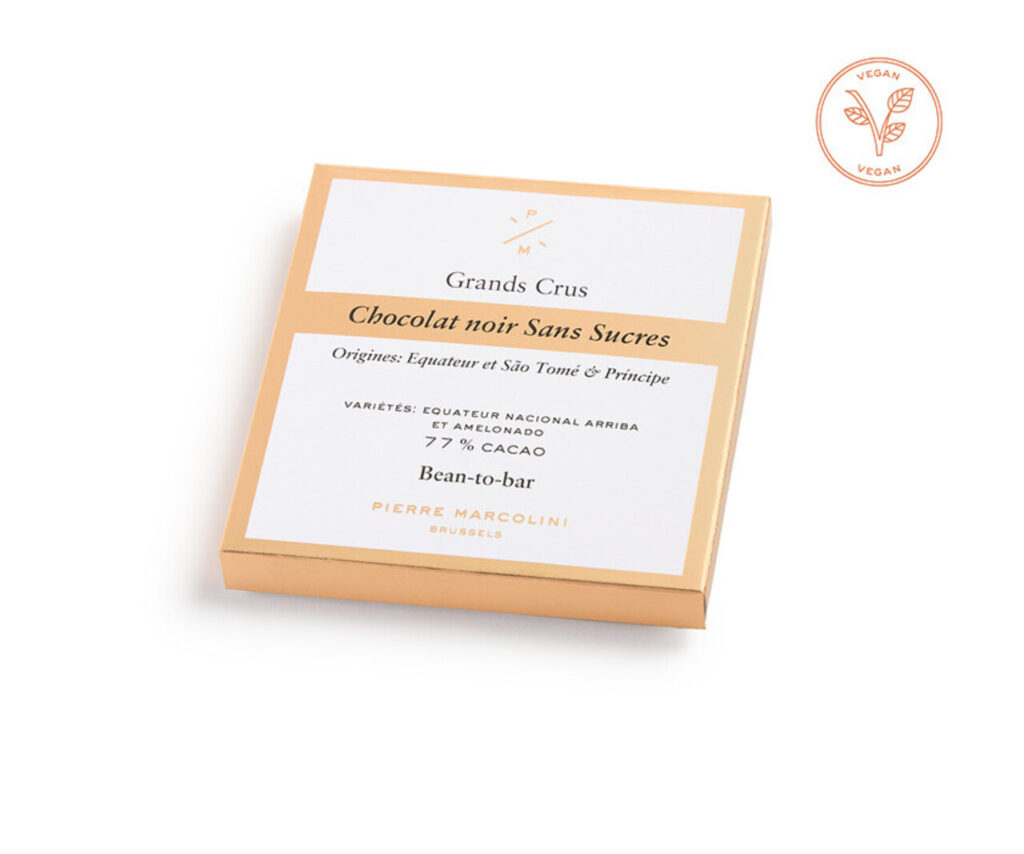
Pierre Marcolini’s 75% dark bar is crafted with a focus on bean character rather than shelf toughness. Higher cacao percentages mean more cocoa butter relative to sugar, and cocoa butter is sensitive to heat. That elegant snap you hear when breaking a piece disappears fast once temperatures rise.
This chocolate is often produced with fewer additives than commercial bars. Less lecithin and no heavy stabilizers mean the texture stays pure but is less heat-resistant. In practical terms, that makes it vulnerable in grocery bags, especially if combined with other warm items.
It is best stored between 60 and 68 degrees Fahrenheit. Anything much higher softens the surface, dulls the finish, and can cause bloom if it cools unevenly later.
3. Valrhona Guanaja 70%
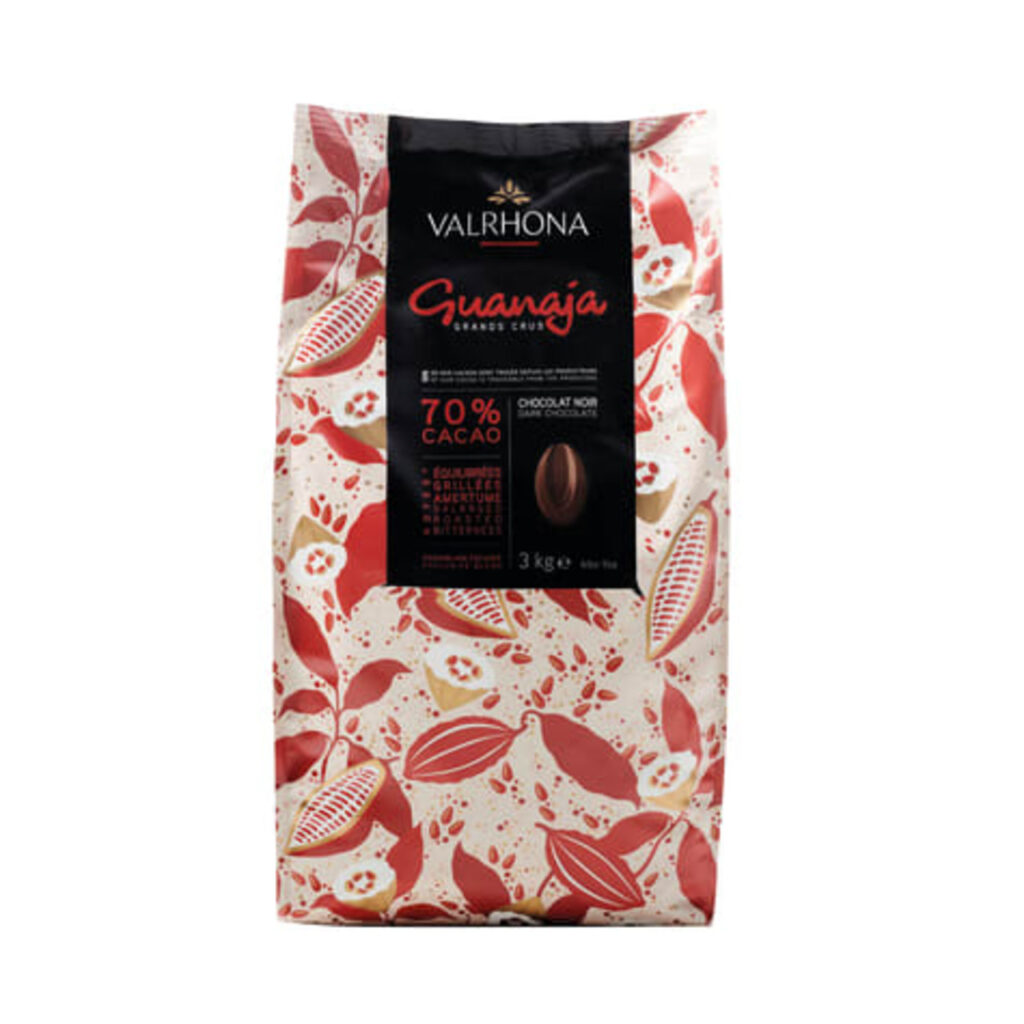
Valrhona Guanaja 70% has a reputation for balance and deep cocoa intensity. That balanced structure relies on a generous proportion of cocoa butter, which melts at just below body temperature. The same chemistry that gives it a smooth, glossy finish also makes it sensitive to heat.
Fine French chocolate like this is tempered carefully to form stable cocoa butter crystals. Once exposed to sustained warmth, those crystals begin to destabilize. Even brief exposure above 75 degrees Fahrenheit can soften the bar and weaken its clean snap.
Transporting it home in warm weather without insulation almost guarantees a softened edge. The flavor remains excellent, but the texture shifts quickly.
4. Michel Cluizel Noir Infini 99%
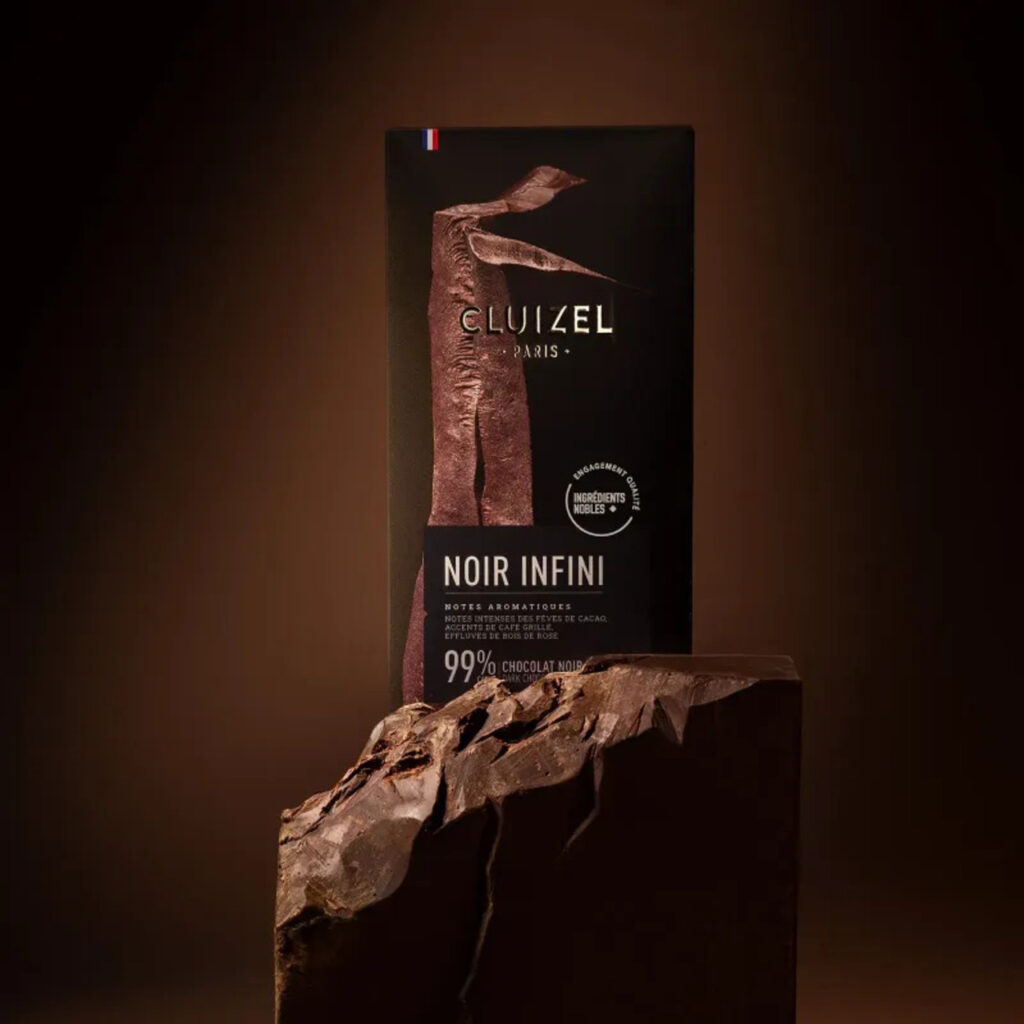
At 99% cacao, Noir Infini is almost entirely cocoa solids and cocoa butter. With virtually no sugar structure to add rigidity, it responds rapidly to warmth. The high cocoa butter ratio gives it a velvety finish but little resistance to summer temperatures.
Dark chocolate without fillers or stabilizers tends to be more heat sensitive. This bar is engineered for purity and intensity, not durability. Even brief handling can leave fingerprints that soften into visible marks.
It performs best in controlled environments. In a warm car, it can soften long before you finish the drive.
5. Domori Criollo Bars
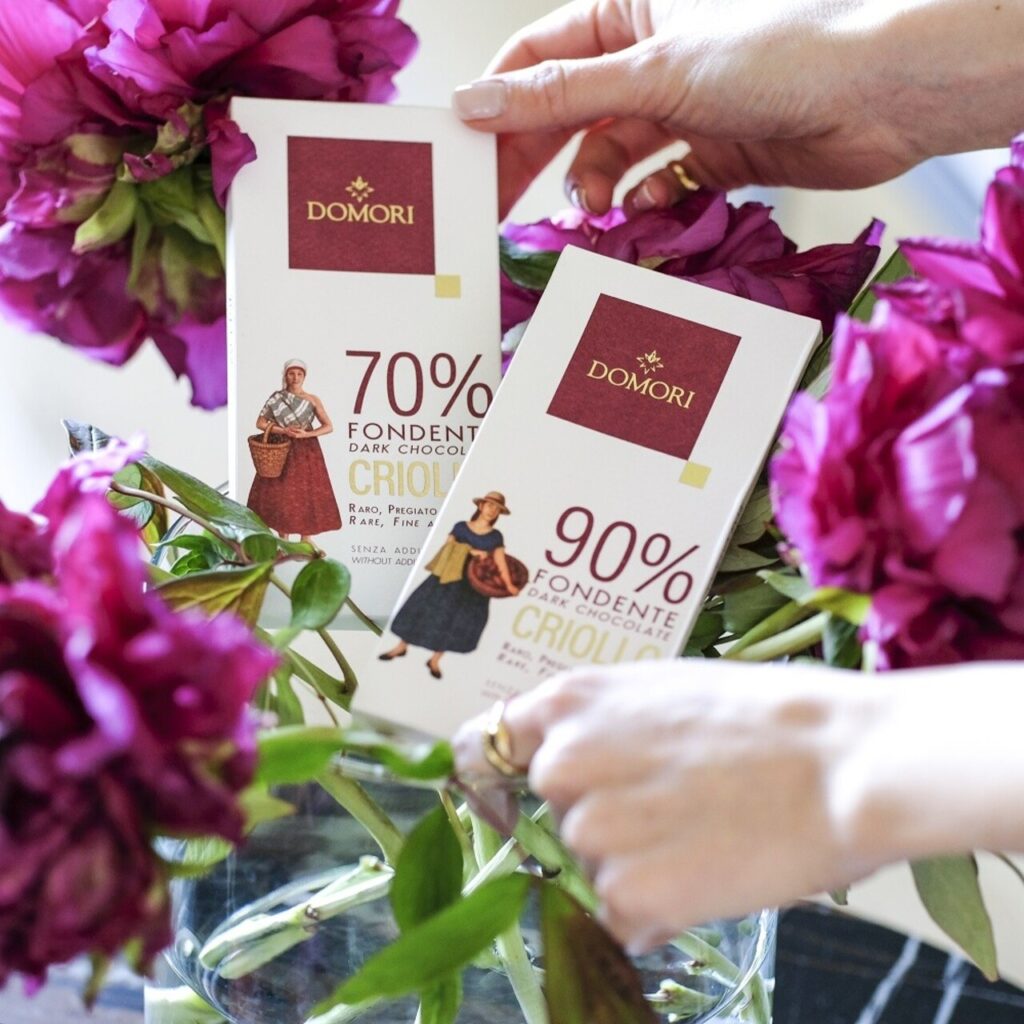
Domori’s Criollo bars are prized for rare bean genetics and delicate flavor. Criollo cacao naturally contains a slightly different fat profile compared to bulk cacao varieties. That contributes to a softer texture and faster melt.
Because Domori avoids overprocessing, the chocolate maintains its natural cocoa butter characteristics. That means a beautiful mouthfeel but less structural resistance to heat. It is designed to dissolve smoothly on the tongue.
Carry it in a paper bag on a hot afternoon, and you will likely find softened edges by the time you arrive home.
6. Mast Brothers Dark Chocolate Bars
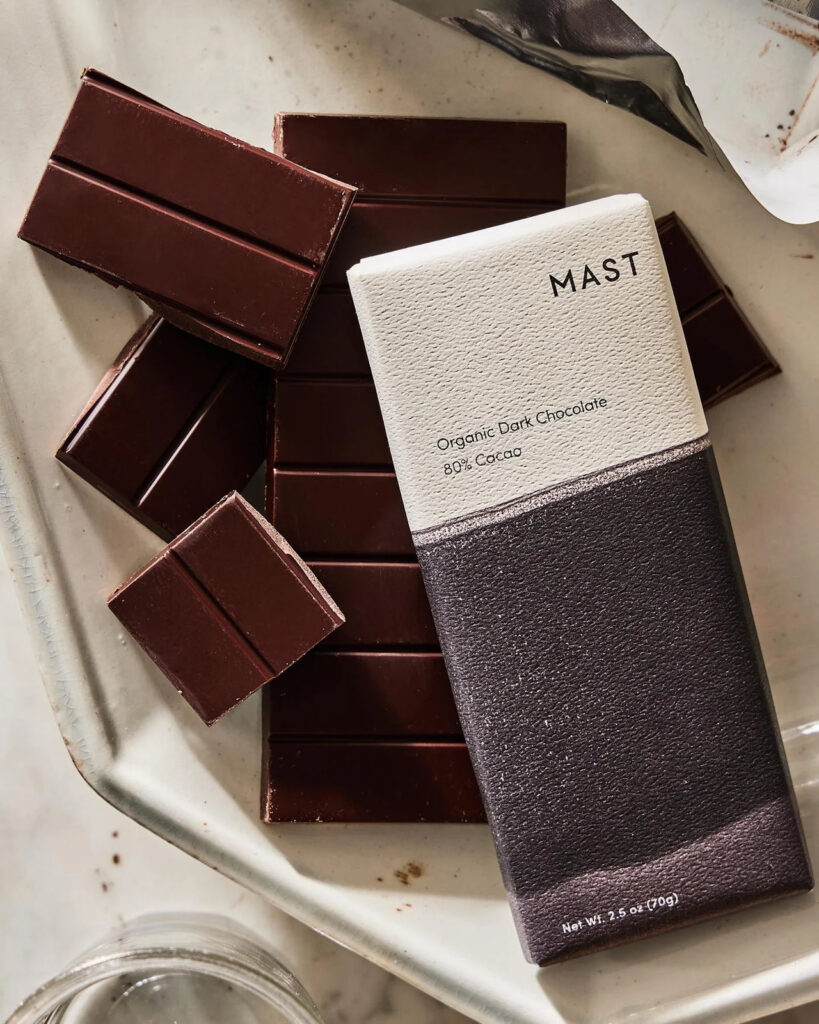
Mast Brothers bars gained attention for their bean-to-bar transparency and simple ingredient lists. Fewer additives mean less reinforcement against temperature swings. Cocoa butter remains the dominant structural fat.
High cacao percentages combined with minimal emulsifiers produce a clean melt and distinct flavor notes. The tradeoff is that the bar softens quickly once exposed to warmth beyond typical room temperature.
It is chocolate that demands care. Without insulation, summer errands are enough to change its texture before you unwrap it.
7. Fruition 70% Dark Chocolate
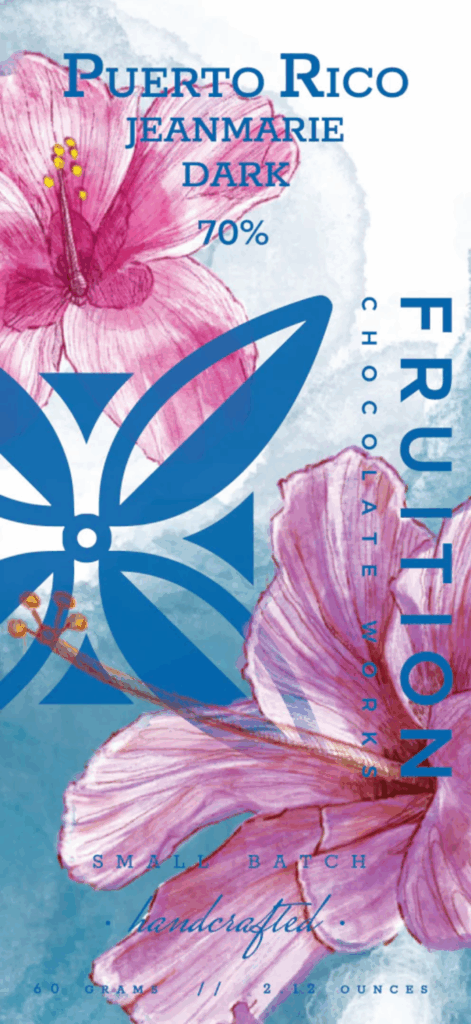
Fruition’s 70% bars are handcrafted in small batches, and that small-scale production often prioritizes texture over transport resilience. A fine grind and careful tempering create a luxurious snap, but that snap fades under heat.
The cocoa butter composition melts at human body temperature. Even carrying it in your hand for extended periods can soften corners. Artisanal chocolate is meant to melt cleanly in the mouth, not resist warmth like candy bars.
Keep it cool, and it rewards you with layered flavor. Let it warm up, and the structure shifts fast.
8. Ritual Chocolate Single Origin Bars
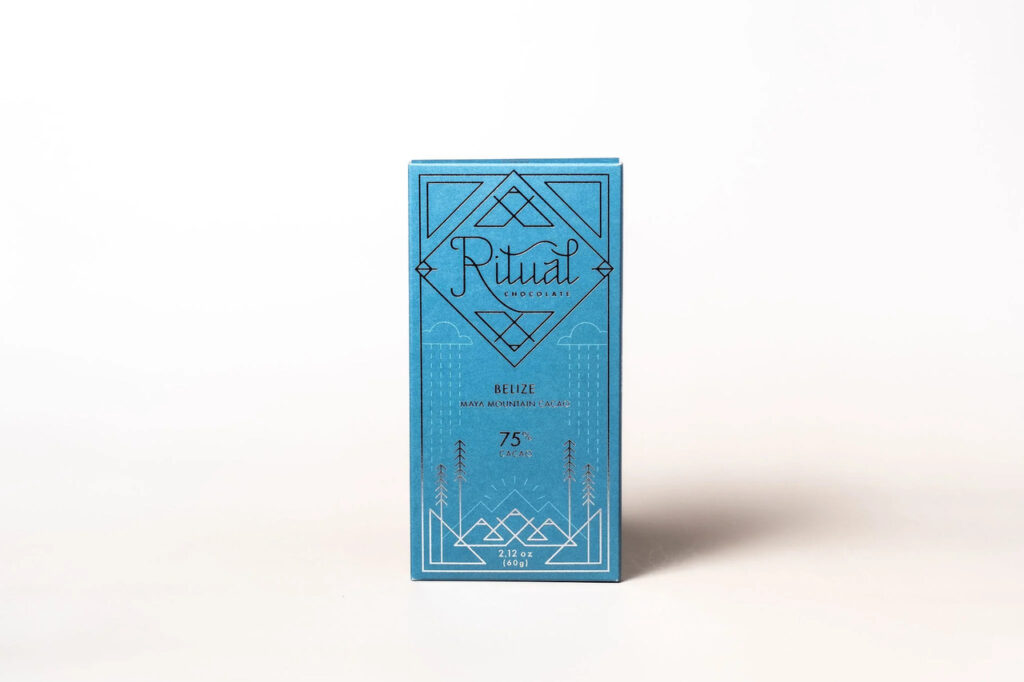
Ritual’s single-origin bars highlight terroir and bean complexity. That focus means minimal interference with the natural cocoa butter content. Less processing equals greater sensitivity to environmental conditions.
Because these bars avoid heavy stabilizers, they soften at typical summer temperatures. Once the cocoa butter crystals begin to lose stability, the texture becomes pliable rather than firm.
They shine when stored properly. Warm grocery runs are their weak spot.
9. Dandelion Chocolate 70%
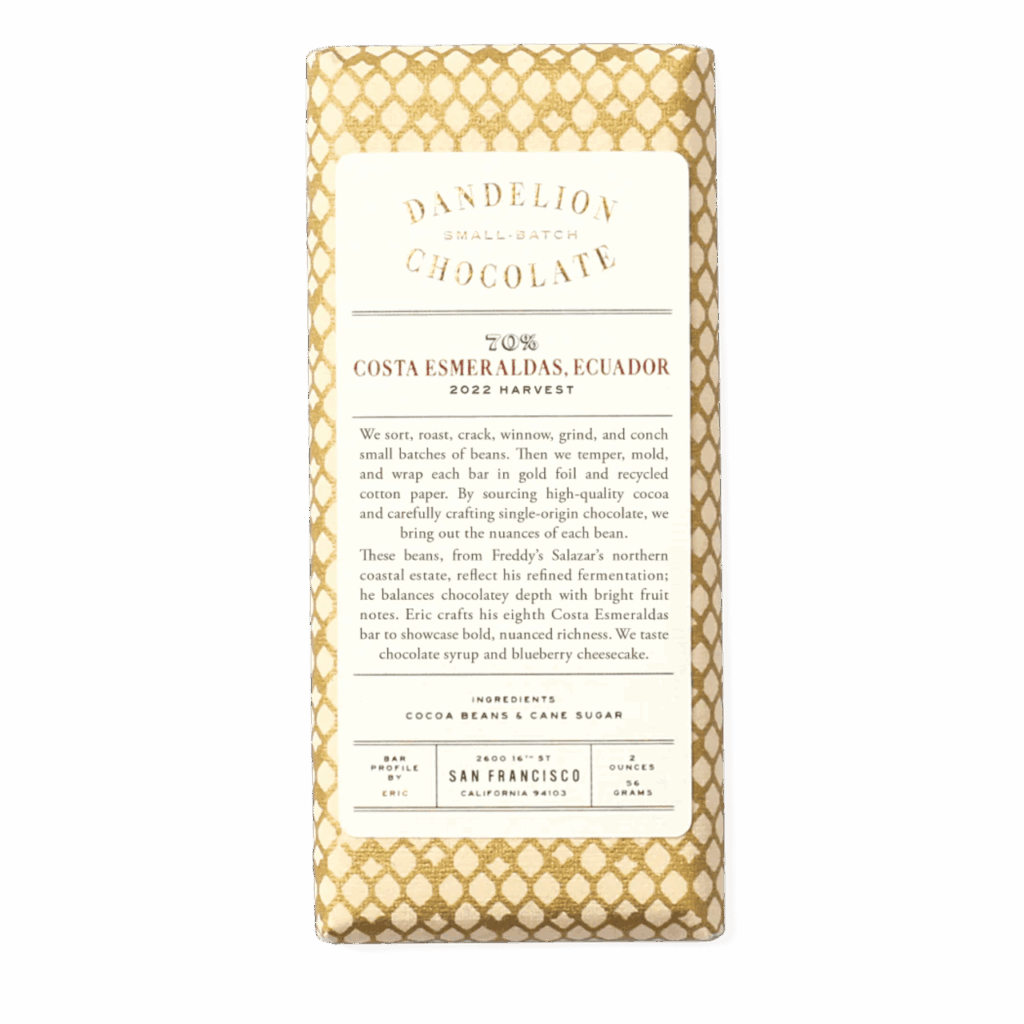
Dandelion Chocolate is known for its two-ingredient formula: cocoa beans and sugar. That simplicity produces clarity of flavor and a quick melt. Without added fats or stabilizers, cocoa butter governs the entire structure.
Cocoa butter melts just below body temperature, which is why this chocolate dissolves so cleanly on the tongue. The downside is obvious in warm climates. Even a mildly heated environment can cause softening.
It is built for tasting sessions, not long errands in direct sun.
10. Askinosie 75% Dark Chocolate
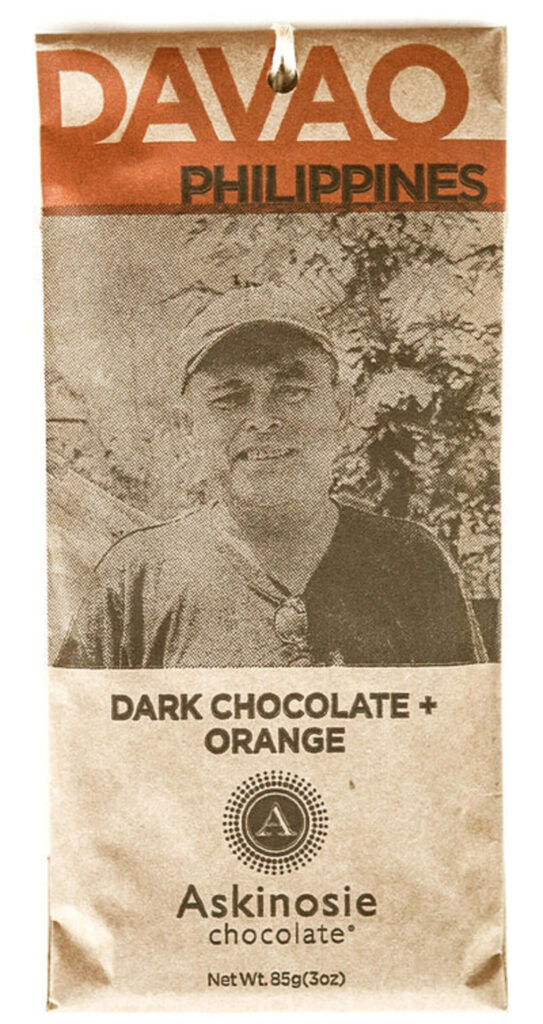
Askinosie bars often use direct-trade beans and careful roasting to preserve nuance. That craftsmanship includes preserving natural cocoa butter levels. High butter content equals smoother texture and faster melt.
Because the brand focuses on transparency and minimal ingredients, there is less reinforcement against heat. A bar left in a car for even a short period can lose its snap and develop soft patches.
Proper storage is part of the experience. Cool, dry conditions protect both flavor and texture.
11. Amano 72% Dark Chocolate
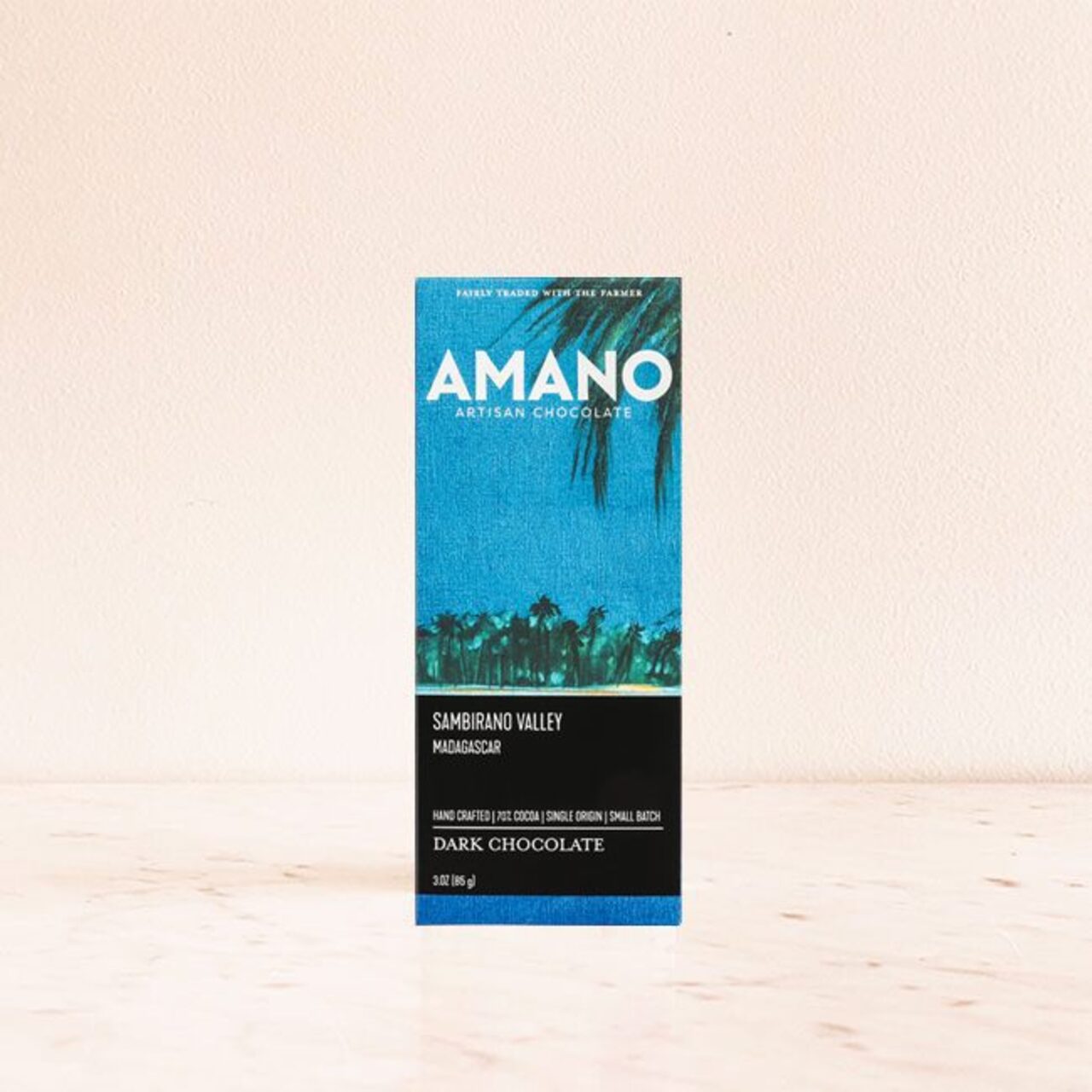
Amano’s 72% dark bar balances cocoa intensity with creaminess. That creaminess comes from cocoa butter, not additives. Cocoa butter’s melting point sits right below body temperature, giving the chocolate its signature dissolve.
The bar is tempered precisely, but tempering does not change cocoa butter’s natural chemistry. Extended exposure above 75 degrees Fahrenheit can soften it significantly.
Bring it home quickly or use an insulated bag. Its delicate melt is the very thing that makes it luxurious.