9 Game Changing Ingredients That Quietly Transformed Home Cooking

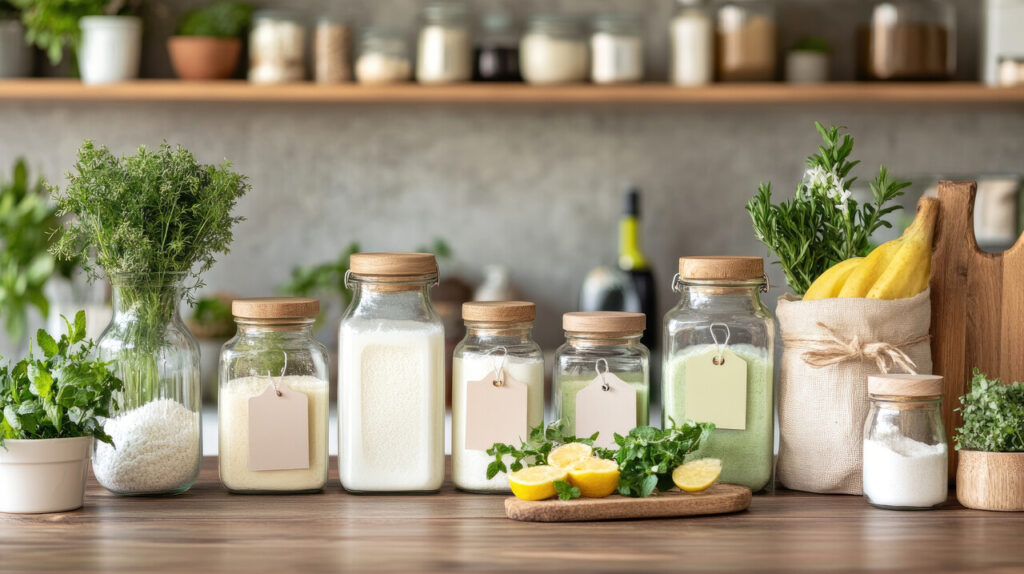
Some of the biggest upgrades in home cooking don’t come from flashy appliances or complicated techniques. They come from small, overlooked ingredients that quietly change how food tastes, smells, and feels on the plate. Once you understand how these everyday staples actually work, meals start to feel more balanced, layered, and satisfying without adding extra steps or stress. From savory boosters that deepen sauces to bright accents that wake up heavy dishes, these ingredients reshape simple recipes into meals that taste thoughtfully made. What this really means is better flavor with less effort and more confidence in the kitchen, no matter what you’re cooking on a busy night.
1. Anchovies That Melt Into Pure Umami
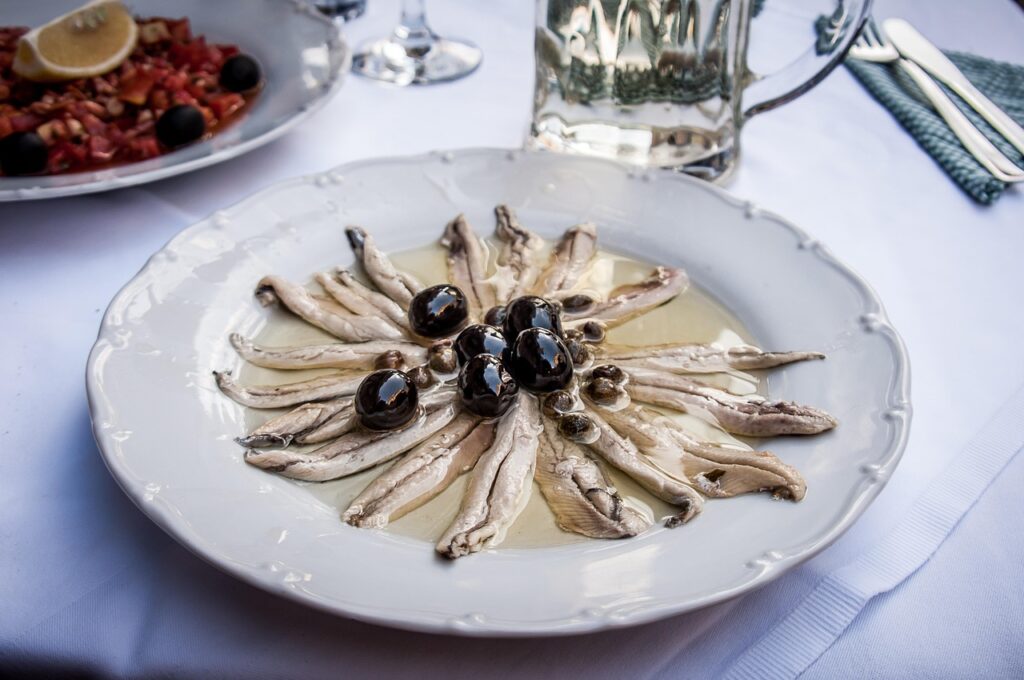
Most people think anchovies will overpower a dish with fishiness, but here’s the thing: when handled correctly, they completely disappear and leave behind nothing but deep savory richness. Anchovies are packed with natural glutamates, the same compounds that give aged cheese and mushrooms their satisfying umami punch. When you mince a fillet and gently warm it in olive oil, it dissolves into the fat and becomes a flavor foundation rather than a visible ingredient. This is why classic Caesar dressing tastes so layered and why many Italian sauces quietly rely on anchovy paste for depth. In tomato sauces, braises, soups, and pan sauces, anchovies amplify existing flavors instead of competing with them. They balance acidity, round out bitterness, and make simple pantry dishes taste slow-cooked and intentional. Home cooks often skip them because of outdated assumptions, but once you see how seamlessly they integrate, they become a quiet secret weapon. A single fillet can elevate a whole pot of sauce, delivering restaurant-level savoriness without adding extra salt or complexity.
2. Balsamic Vinegar That Adds Sweetness Without Sugar
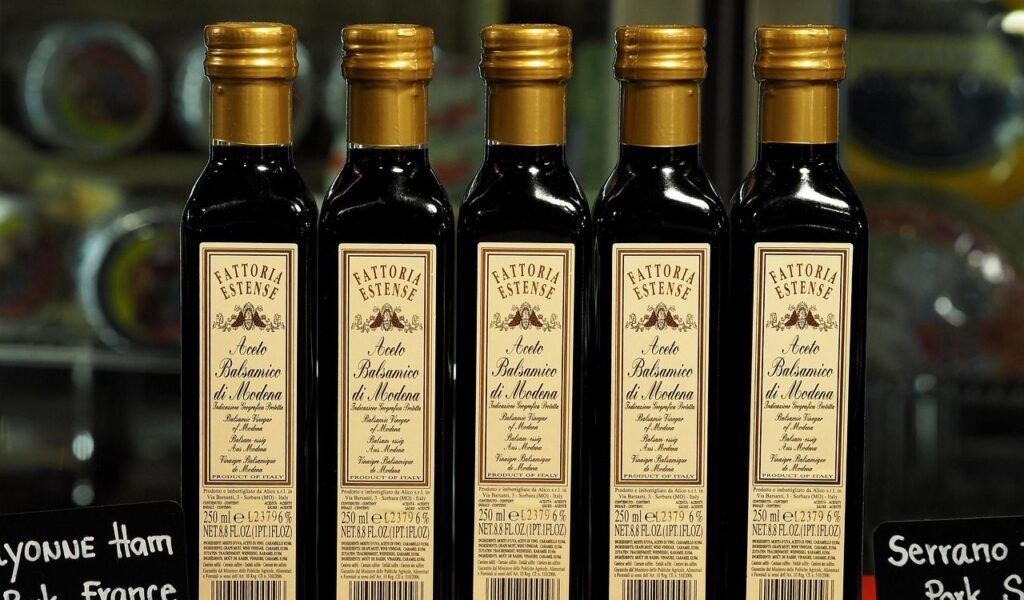
Balsamic vinegar earns its reputation as a game changer because it brings sweetness, acidity, and aroma in one concentrated splash. Traditional balsamic is made from reduced grape must and aged over time, developing rich caramel notes alongside gentle tang. Even more affordable balsamic varieties still deliver enough complexity to transform everyday cooking. A drizzle over roasted vegetables enhances their natural sugars. A splash of pan sauce deglazes browned bits while adding brightness. In salads, balsamic balances oiliness and makes greens taste more alive. It even works in unexpected places like strawberries, grilled peaches, or vanilla ice cream, where the acidity sharpens sweetness instead of masking it. What makes balsamic especially valuable for home cooks is its versatility and efficiency. You don’t need extra sweeteners, complicated reductions, or multiple seasoning steps. One ingredient creates depth, contrast, and finish. Used thoughtfully, balsamic helps dishes taste more layered and polished without turning cooking into a science project.
3. Dijon Mustard That Instantly Wakes Up Flat Dishes
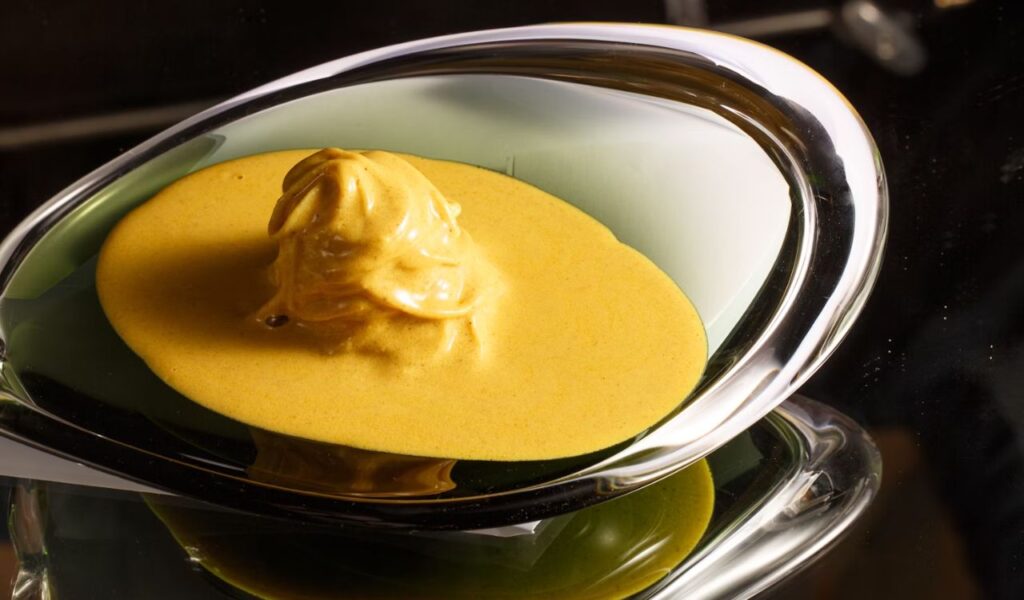
Dijon mustard doesn’t just add heat. It brings acidity, gentle spice, and emulsifying power that quietly improves texture and balance in countless recipes. Made from mustard seeds, wine or vinegar, and salt, Dijon cuts through richness while tying fats and liquids together smoothly. This is why vinaigrettes become silkier when mustard is whisked in, and why creamy sauces feel more cohesive with a spoonful blended through. Beyond salads, Dijon elevates roasted vegetables, pan sauces, marinades, mashed potatoes, and even soups. It sharpens dull flavors and adds complexity without overwhelming the main ingredients. Many professional kitchens use mustard as a background seasoning rather than a headline flavor. For home cooks, this means a jar of Dijon can replace multiple specialty condiments and still deliver consistent results. When a dish tastes heavy or muted, a small amount of Dijon often brings it back into balance, making food feel brighter, cleaner, and more intentional.
4. Celery That Builds Flavor Long Before You Taste It
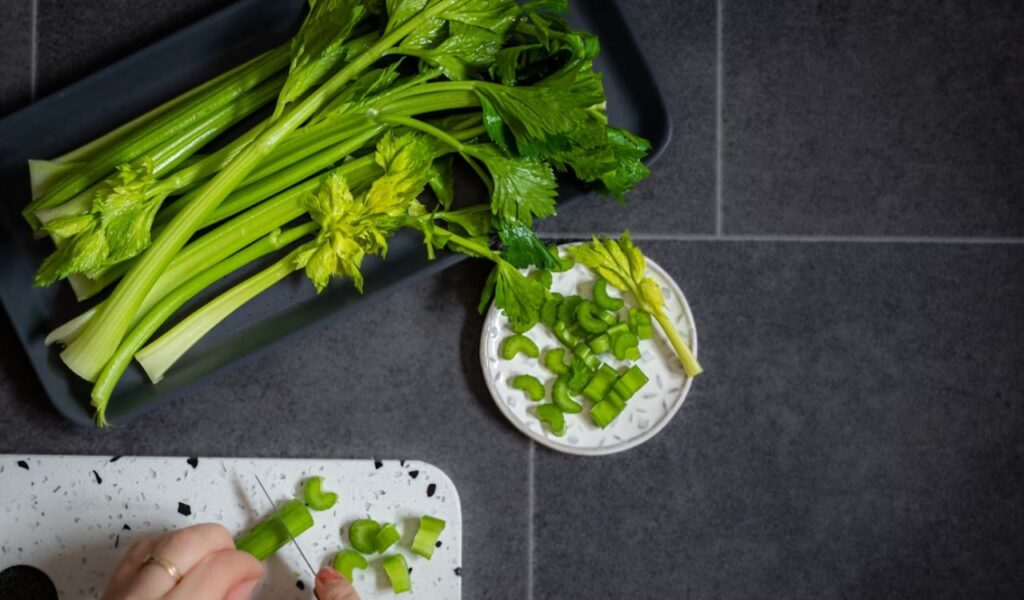
Celery rarely gets credit for how much work it does behind the scenes. When chopped and cooked slowly with onions and carrots in a classic mirepoix, celery releases aromatic compounds that form the backbone of countless soups, sauces, stews, and braises. Its mild bitterness and herbal notes balance the sweetness from carrots and the richness from fats, creating depth that feels comforting rather than sharp. Celery also contributes natural sodium and moisture, helping flavors distribute evenly throughout a dish. Raw celery can add crunch and freshness to salads and grain bowls, but its real magic happens when it softens and melds with other aromatics. Many home cooks underestimate how much celery shapes the final taste of long-cooked dishes. Without it, food can feel flat or overly sweet. With it, flavors feel layered, rounded, and cohesive. It’s a simple vegetable that quietly teaches how foundational ingredients shape outcomes more than flashy toppings ever could.
5. Vinegar Varieties That Fix Heavy, One-Note Cooking
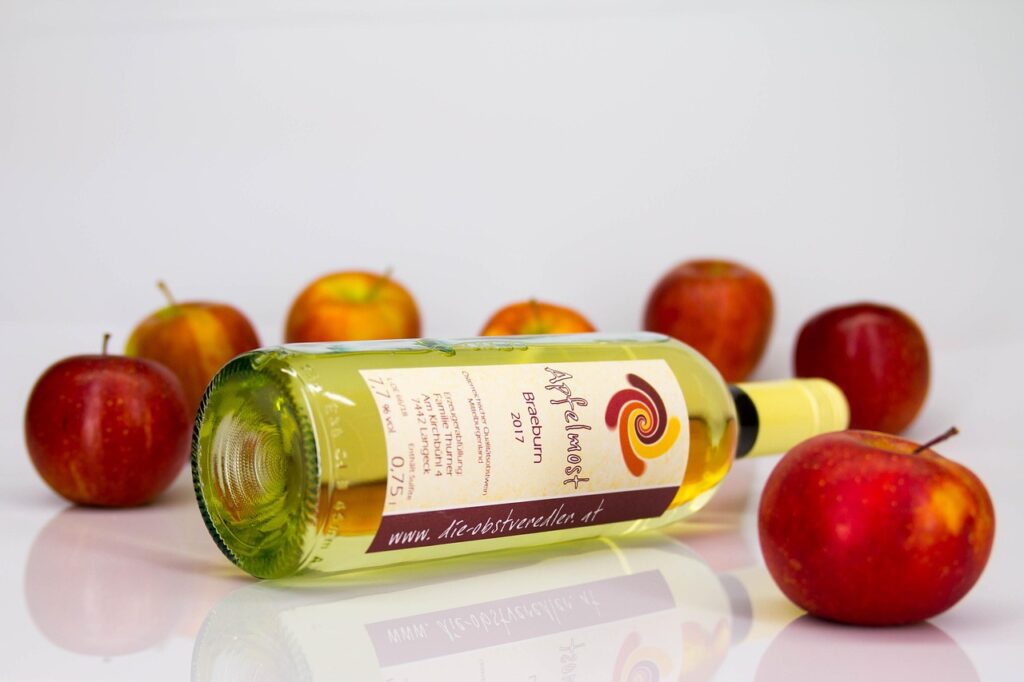
Acidity is one of the most misunderstood elements in home cooking, and vinegar provides it in the simplest form. Red wine vinegar brings sharp brightness to meats and sauces. Apple cider vinegar adds gentle fruitiness to vegetables and dressings. Rice vinegar offers soft acidity that works beautifully in lighter dishes and quick pickles. A small splash added near the end of cooking can transform something greasy, bland, or overly rich into a balanced, craveable dish. Vinegar wakes up flavors, improves aroma, and keeps dishes from tasting muddy or dull. It also enhances salt perception, allowing food to taste seasoned without over-salting. Many professional cooks rely on acid adjustments as their final step, fine-tuning flavor before serving. For home cooks, learning when and how to use vinegar turns average meals into polished plates. It’s one of the fastest ways to make food taste brighter, fresher, and more satisfying without adding more fat or sugar.
6. Gochujang That Delivers Sweet Heat and Depth Together
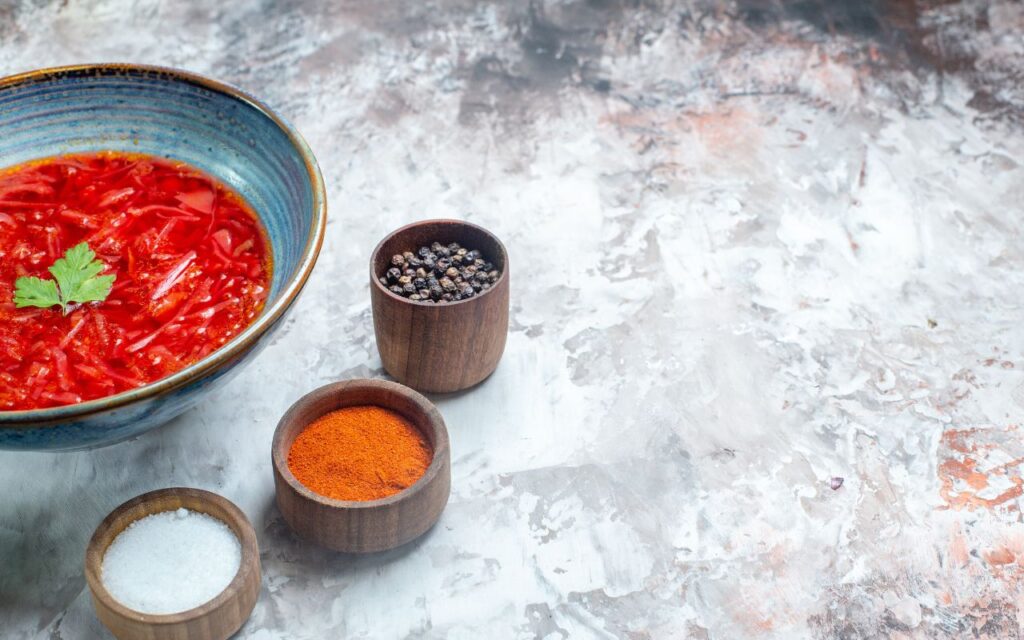
Gochujang is a fermented Korean chili paste made from red chili powder, glutinous rice, fermented soybeans, and salt. What makes it so powerful is how it layers sweetness, spice, funk, and umami in one spoonful. Unlike straight chili paste, gochujang has rounded complexity rather than sharp heat alone. It works beautifully in marinades, stir fries, soups, dipping sauces, and even salad dressings. The fermentation adds depth similar to miso or soy sauce, while the mild sweetness balances spicy edges. Gochujang also caramelizes well when cooked, creating rich color and savory aroma. For home cooks looking to expand flavor without juggling multiple specialty ingredients, gochujang delivers big impact with minimal effort. It bridges the gap between comfort and excitement, making everyday proteins and vegetables taste more dynamic and globally inspired without becoming intimidating or expensive.
7. Bay Leaves That Quietly Shape Long-Cooked Flavor

Bay leaves may seem subtle, but their contribution builds slowly and steadily in soups, stews, stocks, and braises. As they simmer, bay leaves release herbal, slightly floral oils that integrate into the liquid and deepen overall aroma. They help unify flavors rather than dominate them, making dishes taste more cohesive and developed. Without bay leaves, long-cooked foods can taste flat or overly focused on just salt and fat. With them, the background flavor feels warmer and more rounded. Bay leaves also complement meat, beans, tomatoes, and vegetables equally well, which is why they appear in cuisines around the world. They require almost no effort, yet their impact becomes noticeable once you remove them and realize something feels missing. It’s a quiet reminder that good cooking often depends on small details layered patiently over time.
8. Quality Salt That Changes How Everything Tastes
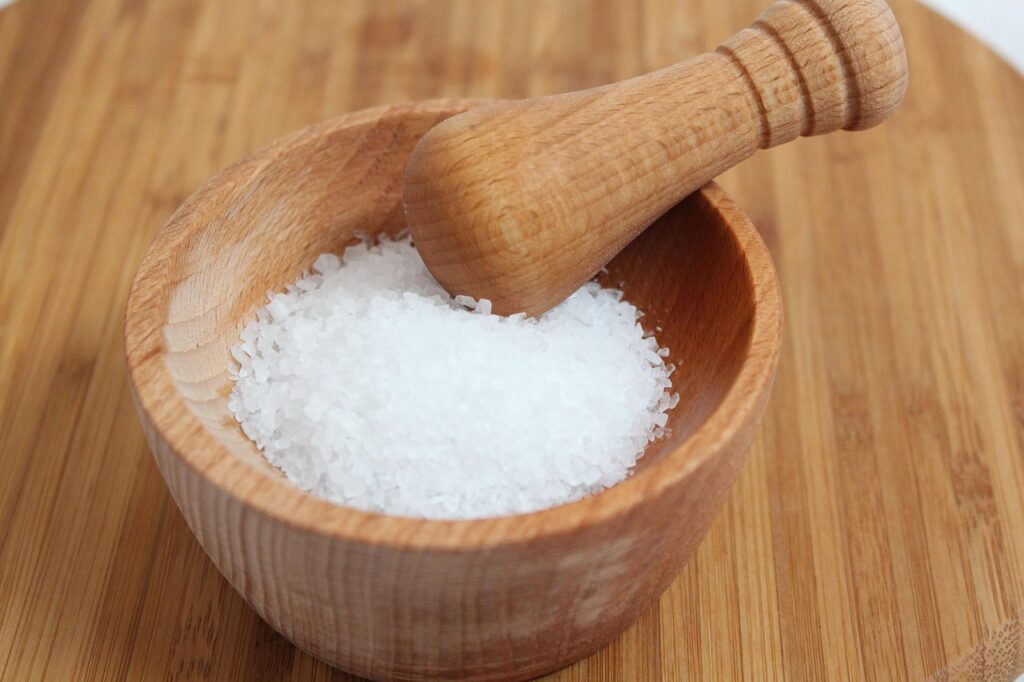
Salt is not just about making food salty. It enhances sweetness, balances bitterness, and intensifies aroma. Using better salt, such as kosher salt or flaky sea salt, gives cooks more control over seasoning and texture. Kosher salt dissolves evenly and is easier to pinch and measure by hand. Flaky salts add a light crunch and a burst of flavor when sprinkled at the end. Proper seasoning throughout cooking builds depth rather than surface saltiness. Salt also helps proteins retain moisture and improves browning during cooking, leading to better texture and flavor development. Many disappointing home meals suffer from under-seasoning rather than poor recipes. Learning how and when to salt transforms confidence in the kitchen. Once seasoning becomes intentional instead of cautious, food tastes fuller, brighter, and more complete across every category, from vegetables to desserts.
9. Lemon Zest That Brings Aroma Without Extra Acid
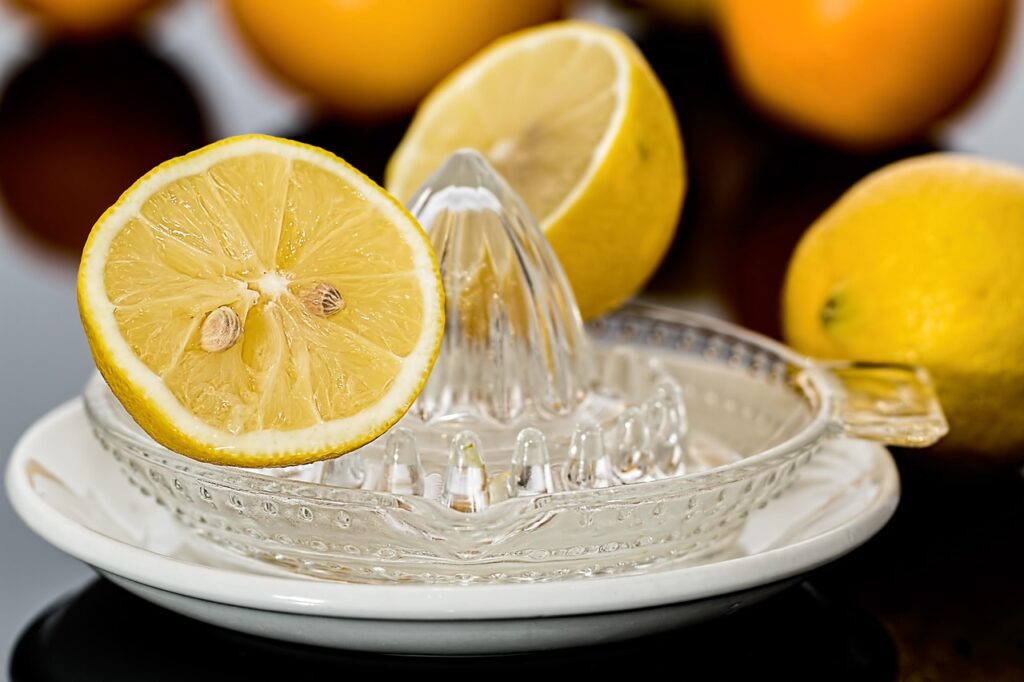
Lemon zest contains fragrant citrus oils that deliver brightness without adding sharp acidity or excess liquid. A small amount of zest can lift heavy dishes, sharpen bland flavors, and add a fresh aroma that hits the nose before the first bite. It works beautifully in pasta, seafood, roasted vegetables, grain dishes, baked goods, and sauces. Unlike lemon juice, zest doesn’t thin sauces or overpower delicate textures. It provides a clean citrus character that feels vibrant rather than sour. Zesting also helps reduce food waste by using more of the fruit. Many home cooks overlook zest and rely only on juice, missing out on a powerful layer of aroma and flavor complexity. Once you start using zest regularly, dishes feel lighter, more balanced, and more intentionally seasoned without needing extra salt or sugar.