12 Foods Americans Still Call “Healthy” in 2026 That Nutritionists Quietly Mock

Some foods keep their healthy reputation long after the science, labels, and ingredient lists stop supporting it. In 2026, plenty of grocery staples still get marketed as smart choices while quietly packing added sugar, sodium, refined starches, or ultra-processed extras. This gallery breaks down the foods nutritionists side-eye most often, and why the label on the front rarely tells the whole story.
Flavored Yogurt Cups

Yogurt still enjoys a strong wellness image, and plain yogurt can absolutely earn it. The problem is the flavored cups many Americans grab on autopilot, which often deliver dessert-level sweetness in a tiny container. Some versions add fruit puree, syrups, thickeners, and candy-like mix-ins that push sugar far beyond what people expect from breakfast.
Nutritionists tend to mock the health halo here because the packaging leans hard on protein, probiotics, or calcium while distracting from added sugar. A better pick is plain Greek yogurt with real fruit, nuts, or cinnamon. That way, you still get the protein and beneficial cultures without turning a simple dairy food into a sneaky sugar bomb.
Granola
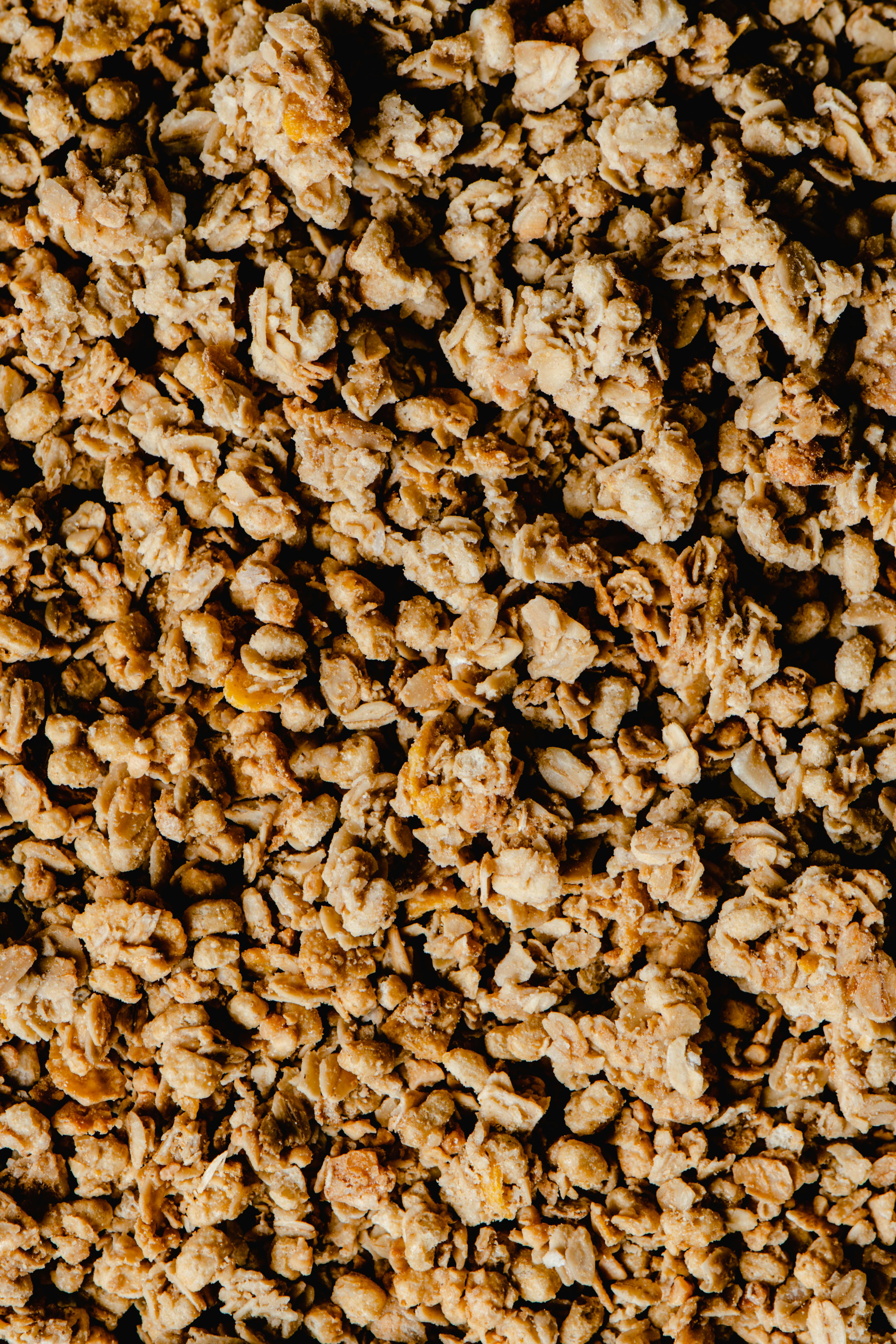
Granola has survived for decades as the poster child of health food, mostly because it looks rustic and wholesome. In reality, many store-bought bags are clusters of oats glued together with sweeteners and oil, then padded with chocolate, dried fruit, or extra syrup. The calories climb fast, and serving sizes on the label are usually much smaller than what people pour.
Nutrition professionals often poke fun at granola because it is one of the easiest foods to overeat while believing you are being disciplined. It is not that oats are the problem. It is the combination of sugar, fat, and density. Used sparingly as a topping, it can fit. Eaten by the cereal bowl, it stops looking so healthy.
Veggie Chips

Veggie chips still fool shoppers because the name suggests a produce-forward snack. Most of the time, they are closer to regular chips made from potato starch, corn flour, or powdered vegetable blends than to actual vegetables. The spinach, beet, or carrot on the bag does more work in the marketing than in the nutrition profile.
Dietitians quietly mock these snacks because people treat them like a free pass. They are often fried or highly processed, lightly salted only in appearance, and low in fiber compared with whole vegetables. If the goal is crunch, roasted chickpeas, air-popped popcorn, or sliced cucumbers with hummus generally offer more staying power and a lot less label trickery.
Bottled Smoothies

A smoothie can be balanced when it is made fresh with fruit, protein, and some fiber. Bottled versions often tell a different story. Many are concentrated blends of fruit puree and juice that strip away the filling effect of whole produce while keeping all the sugar. Even when the sugars are not technically added, the total load can still rival a soft drink.
Nutritionists tend to side-eye bottled smoothies because the branding screams wellness while the blood sugar impact can be surprisingly sharp. The absence of chewing also makes them less satisfying than a meal with the same ingredients. A homemade smoothie with greens, plain yogurt, chia, and whole fruit usually works much better than the shelf-stable version in a grab-and-go cooler.
Protein Bars

Protein bars became the all-purpose answer to skipped meals, gym bags, and busy afternoons. The trouble is that many bars sold as fitness food are basically candy bars with a little extra protein isolate. They can be packed with sugar alcohols, syrups, coatings, and enough calories to function more like a treat than a practical snack.
Experts mock the category because it often confuses a nutrient with overall quality. Protein matters, but that does not magically erase heavy processing or a long ingredient list. Some bars are useful in a pinch, especially those with modest sugar and recognizable ingredients. Still, if every bite tastes like a frosted brownie, nutritionists know the branding is doing a lot of the lifting.
Gluten-Free Packaged Snacks

Gluten-free still carries a healthy aura in the United States, even for people who do not need to avoid gluten. For those with celiac disease or gluten sensitivity, it is medically important. For everyone else, a gluten-free cookie, cracker, or muffin is not automatically more nutritious. Many versions simply swap wheat for refined rice flour, tapioca starch, or potato starch.
That is why nutritionists quietly mock the assumption that gluten-free means better-for-you. In packaged foods, the replacement ingredients can lower fiber and raise the glycemic punch while keeping the same sugar, salt, and fat. The label addresses gluten, not overall health. A naturally gluten-free food like beans, eggs, fruit, or brown rice is a very different story.
Low-Fat Peanut Butter

Low-fat peanut butter still sounds sensible to shoppers trained by decades of fat-phobic marketing. But peanuts naturally contain fats that help with satiety and flavor, and when manufacturers remove some of that fat, they often replace it with sugar, starches, or extra stabilizers to fix the texture. The result can be less satisfying and not especially healthier.
Nutritionists mock this one because it is a classic example of solving the wrong problem. The standard peanut butter made with peanuts and maybe a little salt is often the smarter choice. Portion size still matters, of course, but reducing natural fat while increasing additives does not improve the food in any meaningful way. It mostly improves the label claim.
Turkey Deli Meat

Turkey has a lean, healthy reputation, so deli turkey often gets a free pass. But sliced lunch meat is still processed meat, and many brands are loaded with sodium, preservatives, and flavor enhancers. A sandwich built on heavily processed turkey can look virtuous while quietly delivering more salt than people realize, especially once cheese, condiments, and bread join the party.
This is where nutritionists get skeptical of labels like oven-roasted or natural. They know the food itself may still be highly processed and far removed from plain roasted turkey breast. If convenience matters, lower-sodium options can help. Better still, using leftover cooked chicken or turkey gives you protein without the same preservation tricks and sodium baggage.
Instant Oatmeal Packets

Oatmeal deserves its healthy status, but instant flavored packets often coast on that reputation while changing the formula. The plain oats are not the issue. It is the brown sugar, maple flavoring, dried bits, sodium, and tiny packet size that turn a hearty whole grain into a sweeter, less filling breakfast than people imagine.
Nutritionists mock these packets because they are marketed like a wholesome morning ritual while leaving many people hungry an hour later. Plain rolled or steel-cut oats usually offer better texture and more staying power, especially with nuts, fruit, or seeds added in. Even plain instant oats can be fine. It is the flavored versions that tend to wear the biggest health halo with the weakest case.
Plant-Based Meat Burgers

Plant-based burgers still get marketed as cleaner and healthier than beef by default. Sometimes they can be a reasonable alternative, especially for people reducing their meat intake. But nutritionally, many are ultra-processed products made with protein isolates, seed oils, starches, flavor systems, and sodium levels that surprise anyone who assumes the word plant-based means minimally processed.
Dietitians are not mocking the idea of eating more plants. They are mocking the leap in logic that a lab-built burger automatically outranks less processed options. A bean burger, lentil patty, tofu, or actual vegetables can be very different from a faux-meat product designed to bleed and sizzle. The ingredient list tells the real story, not the branding on the front.
Acai Bowls

Acai bowls still look like the perfect health-flex breakfast, loaded with fruit, granola, coconut, and pretty toppings. What gets lost is that many shop-made bowls are massive, sweet, and calorie-dense. The base can include sweetened acai puree, juice, banana, and sorbet-like blends, then get topped with granola, nut butter, honey, and more fruit.
Nutritionists tease these bowls because they are often sold as light wellness food when they can land closer to dessert. Acai itself is fine, but the portion size and topping pileup change the picture quickly. If you love them, smaller bowls with unsweetened puree and restrained toppings make more sense. Otherwise, the healthy image can hide a serious sugar load.
Multigrain Bread

Multigrain sounds nutritious because it suggests variety and whole grains working together. But on bread packaging, the term only means more than one grain is present. It does not promise that those grains are whole. Many loaves marketed this way are mostly refined flour, darkened with molasses or caramel coloring to look hearty and wholesome.
Nutritionists roll their eyes because shoppers often assume multigrain is automatically equivalent to whole grain. It is not. The better clue is the ingredient list, where whole wheat or another whole grain should appear first. Fiber content also helps separate the real thing from bread that simply borrowed a rustic name. In 2026, this is still one of the easiest label traps in the store.