11 Mocktail Recipes That Make You Forget Alcohol Was Ever a Thing

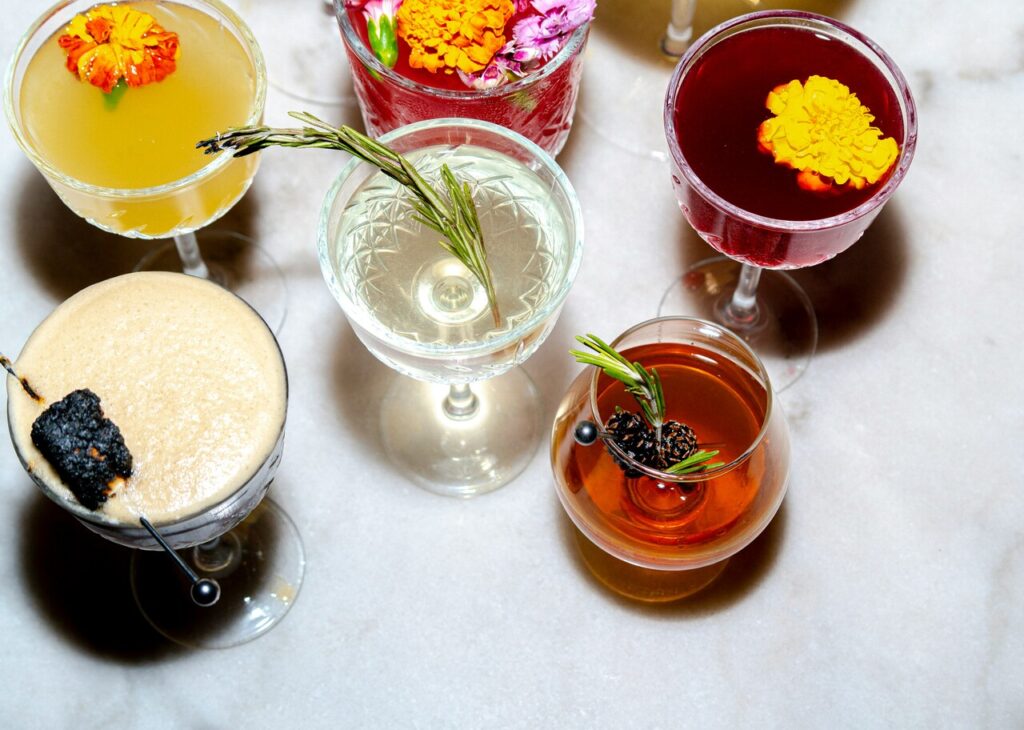
Great mocktails work because they copy what alcohol usually provides: bite, aroma, balance, and a satisfying finish. Bitterness from aperitivo-style mixers, sharp citrus acid, herbs, spice, and carbonation can create the same “adult” structure as a classic drink. Texture matters too, since shaking, stirring, blending, and using syrups or creamy bases adds body so the drink does not feel like plain juice.
The recipes below lean on smart pairings, like mint with lime, tamarind with pineapple, and tart cherry with citrus, so each glass feels complete and celebratory. Temperature and dilution also matter, because proper chilling and controlled ice melt smooth, sharp edges and keep flavors integrated.
A small pinch of salt or a few drops of bitters can deepen the finish and make the drink feel more layered without adding sweetness
1. Negroni Mocktail
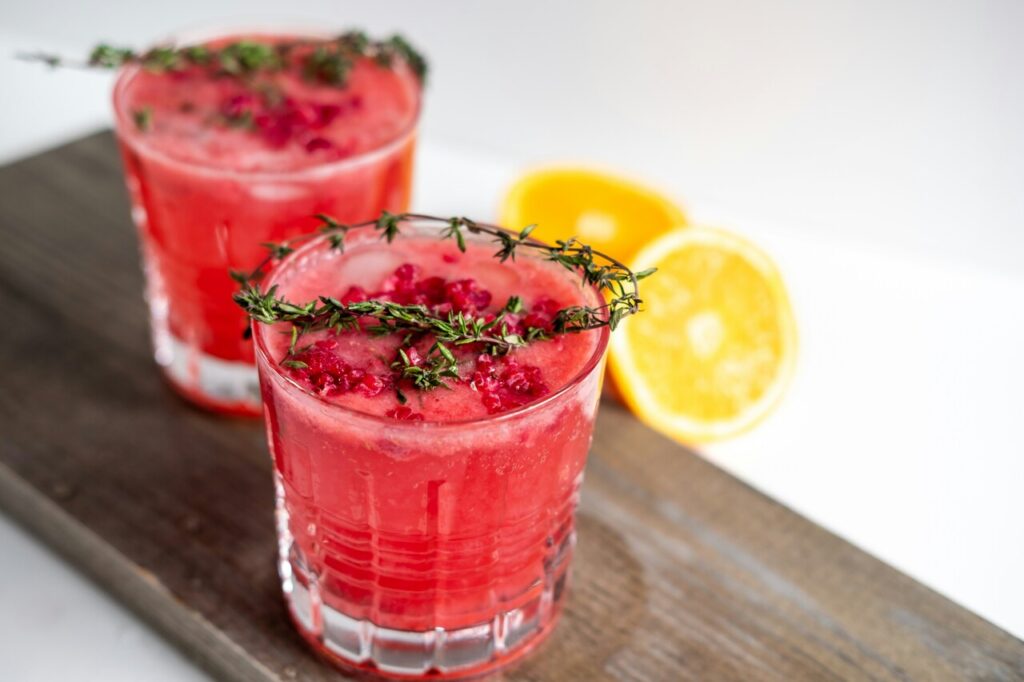
Bitterness is what makes a Negroni feel adult, and a strong zero-proof version leans into that by using nonalcoholic aperitivo-style bitter components and a vermouth-style mixer that brings herbal depth instead of simple sweetness.
Structure is the trick. A classic Negroni relies on a spirit backbone, so the best alcohol-free versions add body through concentrated mixers, careful dilution from stirring with ice, and a citrus peel expression that releases oils across the surface.
Presentation is part of the effect, but flavor does the convincing. A large cube slows dilution, and an orange twist brings the same fragrant top note. The finish should be crisp, because that is the cue the brain reads as “cocktail,” even without alcohol.
2. Nonalcoholic Mojito
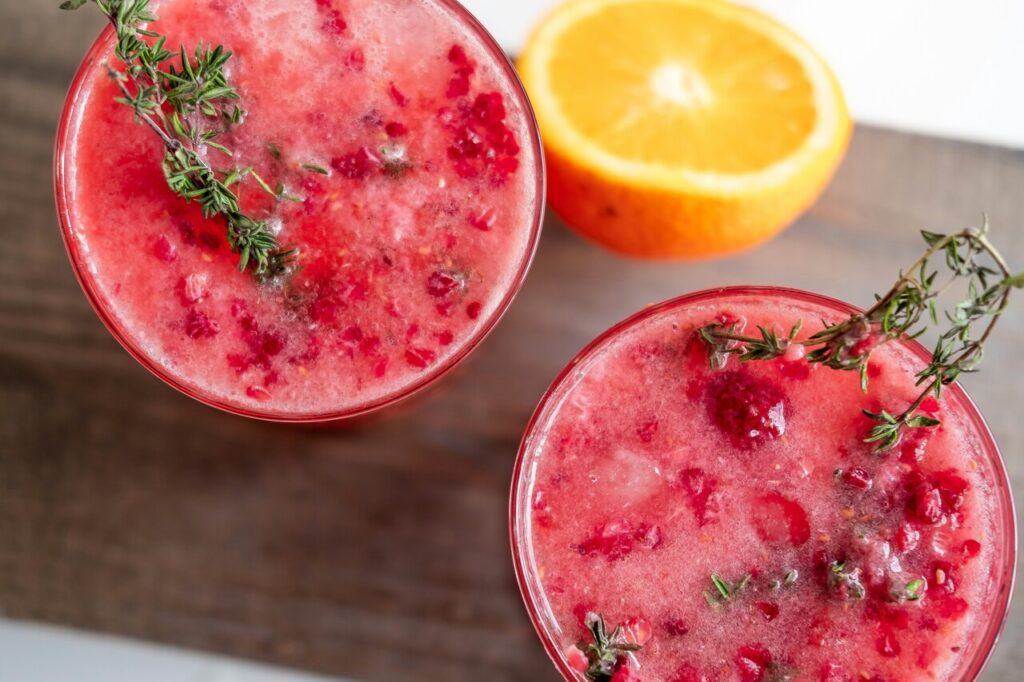
A mojito works because it is bright, herbal, and sharp, and those qualities do not require alcohol if the balance is right. Fresh mint supplies aroma, lime provides acidity, and a light sweetener smooths the edges, creating the same refreshing snap.
Technique matters more than complexity. Mint should be gently pressed, not smashed into bitterness, because bruised mint can taste grassy and dull. Lime juice should be fresh, since bottled juice often tastes flat and can be overpowering with harsh acidity.
Temperature and dilution finish the job. Plenty of ice keeps the drink crisp and helps the flavors integrate as it chills. When built well, the result tastes clean and lively, with mint aroma leading and lime closing the sip.
3. Nonalcoholic Strawberry Daiquiri
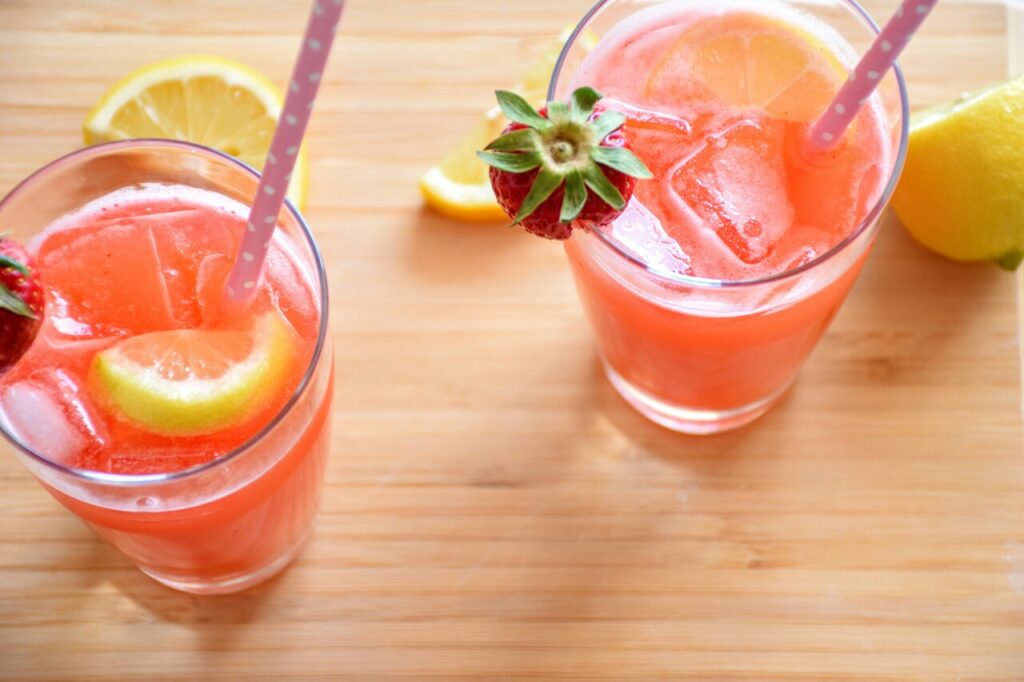
Frozen texture can replace alcohol’s weight, and that is why a strawberry daiquiri mocktail can feel surprisingly satisfying. Blended strawberries bring body and natural sweetness, and citrus adds brightness so the drink tastes like a balanced cocktail, not a melted smoothie.
The key is controlling sweetness and dilution. Strawberries vary in sugar level, so a consistent result often needs a measured sweetener, then a firm acid counterweight from lime.
A good garnish is not just decoration. A lime wheel or mint sprig adds aroma, which makes the drink feel more cocktail-like. Serving in a chilled glass helps the texture last longer. The drink lands as bright, cold, and grown-up, with fruit flavor that feels intentional rather than childish.
4. Tamarind Pineapple Quencher
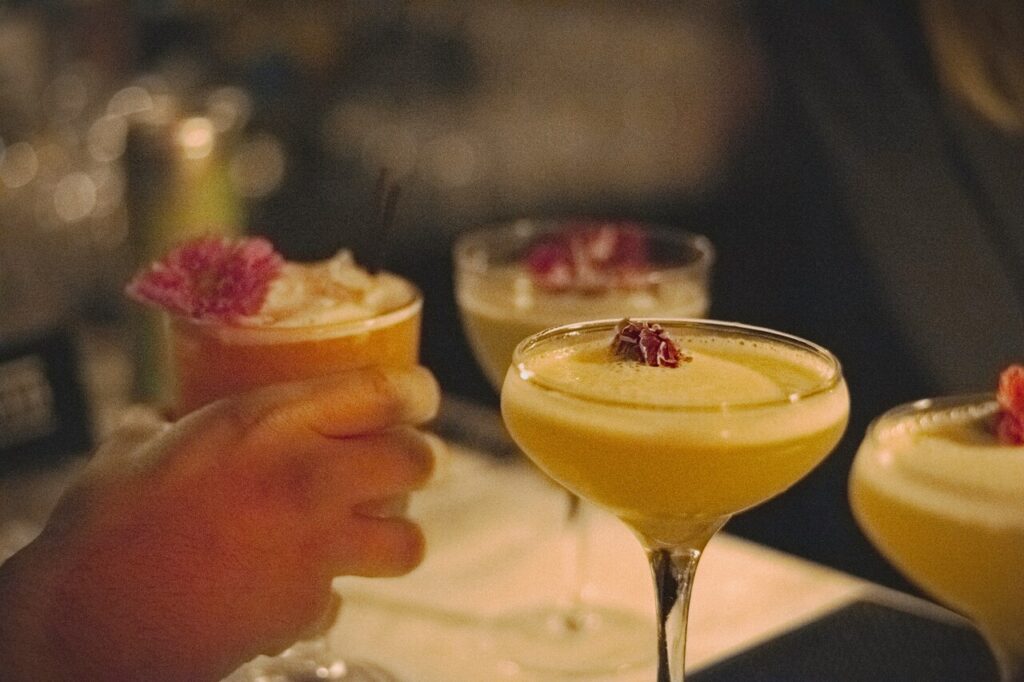
Tamarind is a secret weapon for alcohol-free drinks because it delivers depth in one ingredient, mixing sourness, sweetness, and a faint savory note that feels complex. Pineapple brings bright fruit flavor and natural acidity, and together they create a sweet-sour profile.
Spice makes the drink feel more “crafted.” A hint of coriander, chile, or warm spice can provide the slight burn and aroma usually provided by spirits.
Serving style matters for perception. A tall glass with ice keeps it refreshing, while a sparkling element can add lift if the base feels heavy. The best versions land with a tangy punch up front, then a fruity finish, with tamarind leaving a lingering complexity that feels closer to a real cocktail than a standard juice mix.
5. Nonalcoholic Piña Colada
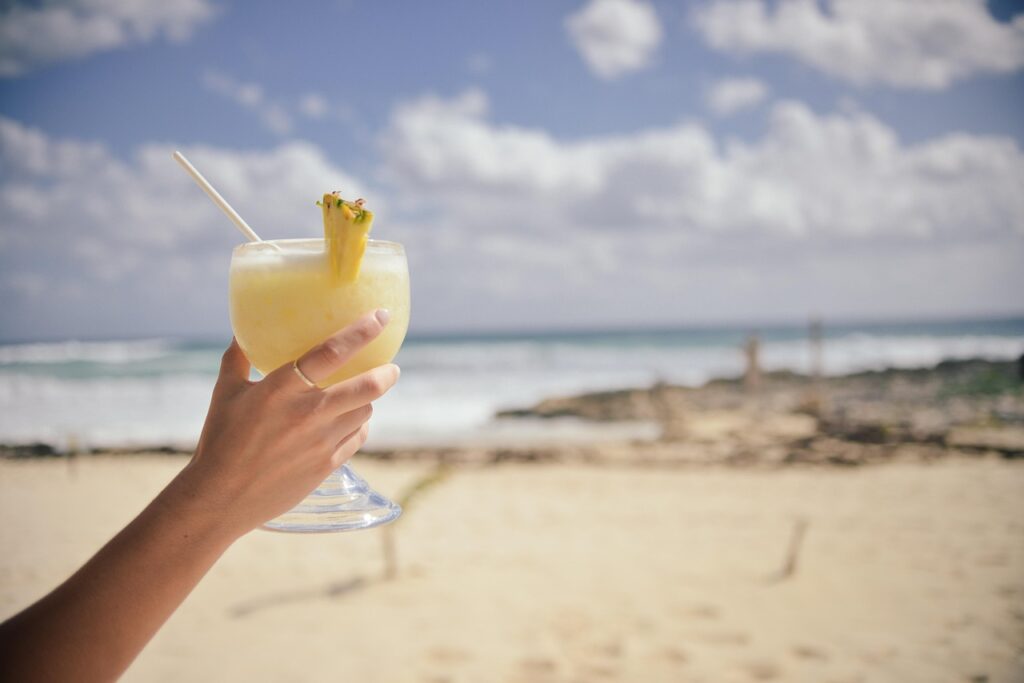
A piña colada is mostly about texture and aroma, and that is why it translates well without alcohol. Coconut brings richness, pineapple brings brightness, and blending creates a creamy body that feels indulgent and vacation-like even when the drink is fully zero-proof.
Ingredient choices decide whether it tastes special. Too much sweetness can make it cloying, so a squeeze of lime can help tighten the flavor and keep it fresh.
Cold temperature is essential. A piña colada should taste creamy but still refreshing, and plenty of ice helps achieve that balance. Garnishes like toasted coconut or pineapple add aroma and a hint of texture. When done well, it tastes full, creamy, and satisfying, with no sense of something missing.
6. Tart Cherry Shirley Temple
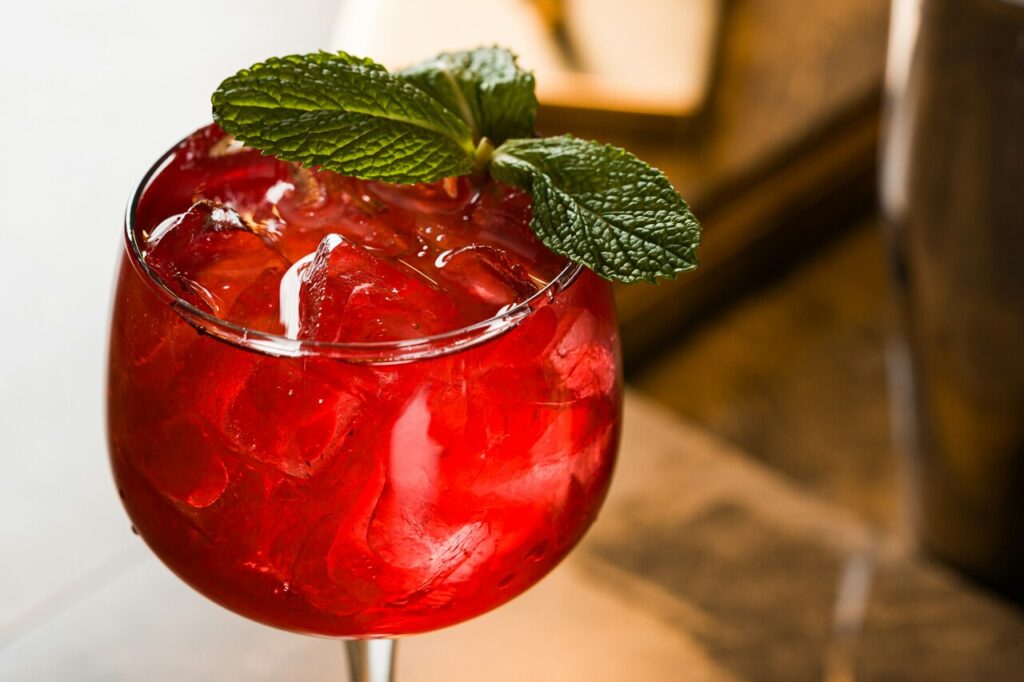
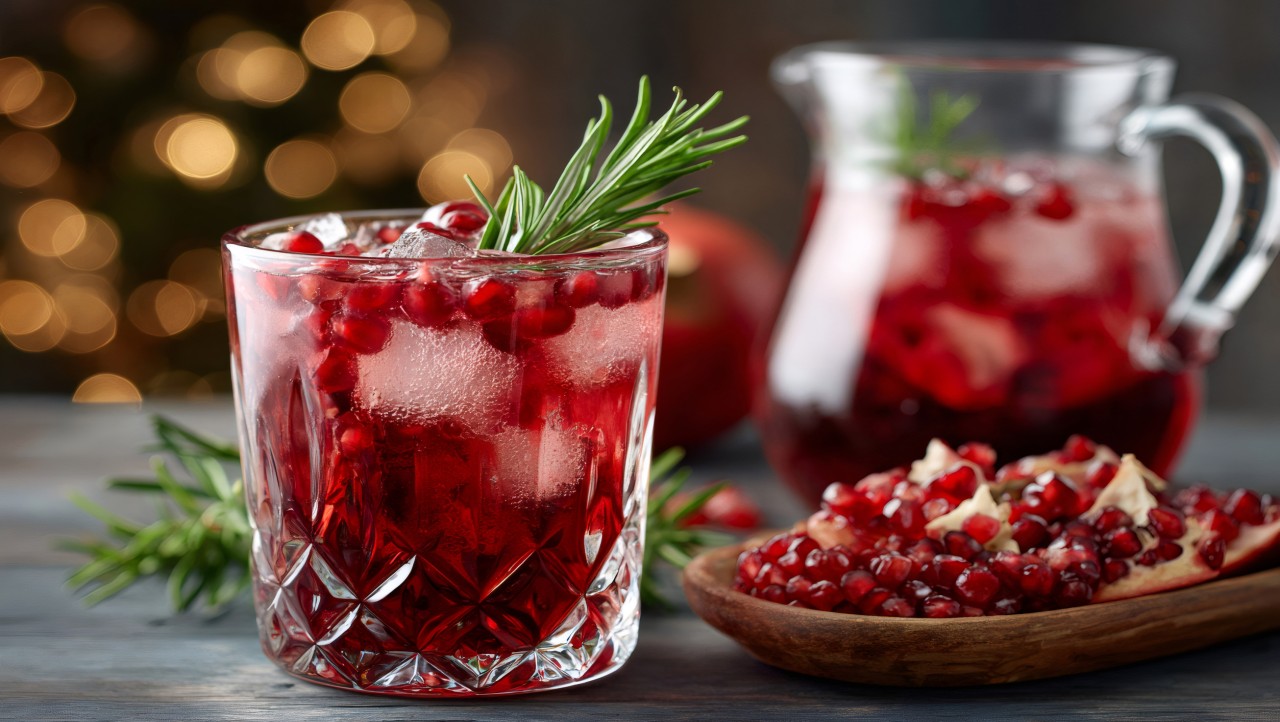
A Shirley Temple often gets dismissed as overly sweet, yet tart cherry changes the entire drink by adding real acidity and a darker fruit note. That shift makes the mocktail feel less like soda syrup and more like a balanced, grown-up fruit fizz.
The build is simple but benefits from intention. Tart cherry juice provides structure, while a citrus element like orange or lime adds brightness and aroma.
Details make it feel polished. A real cherry garnish, a citrus peel, or a few frozen cherries can chill the drink without diluting it quickly. Over ice, the flavor should stay sharp, fruity, and refreshing. When balanced, it tastes like a proper mocktail with a nostalgic name, not a sugar rush in disguise.
7. Zero-Proof Blackberry Mojito
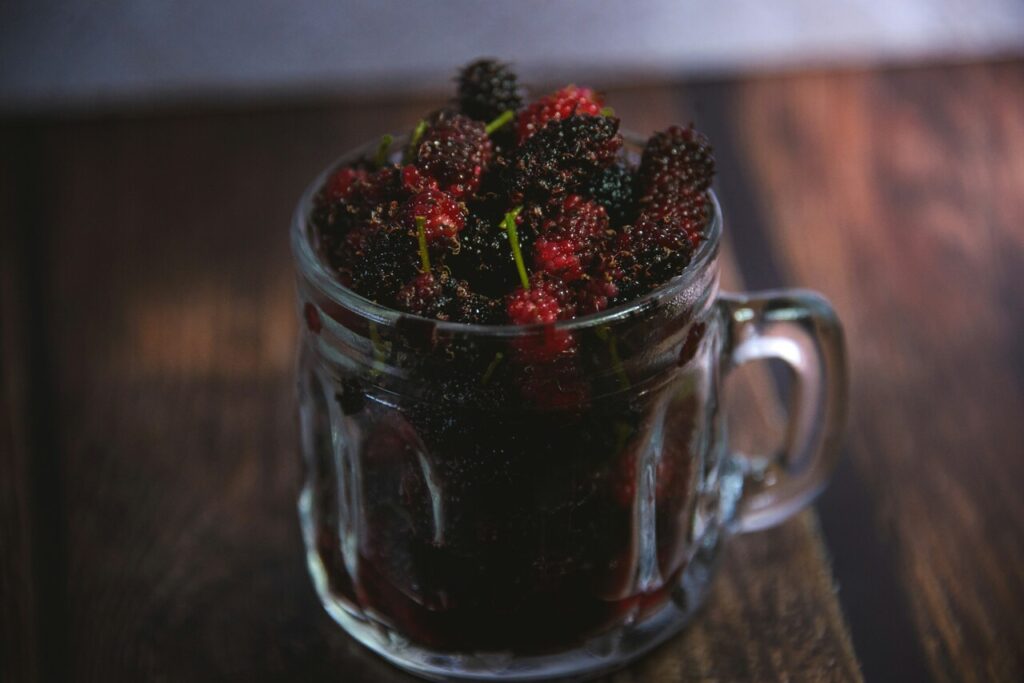
Berry plus herbs is a reliable way to create complexity without alcohol, and blackberry fits perfectly because it brings deep fruit flavor and a slight tannic edge. Mint and thyme add aroma and a green note, which keeps the drink from tasting like straight berry juice.
Technique protects clarity. Blackberries can be gently muddled to release juice, then strained for a cleaner finish, or left rustic for texture, depending on preference. Lime adds the crisp edge that defines the mojito family.
Carbonation completes the cocktail feel. Sparkling water lifts aroma and adds bite, while ice keeps everything sharp. A well-built glass tastes bright, aromatic, and layered, with blackberry leading and herbs finishing the sip.
8. Cranberry-Lime Mocktail
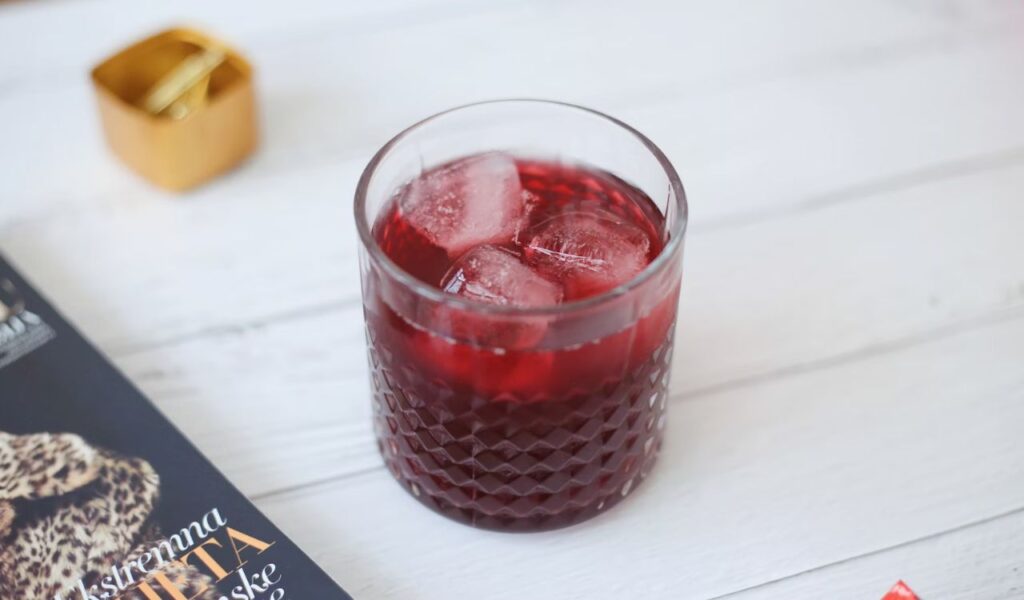
Cranberries work well in mocktails because they are naturally tart, and tartness helps replace the “bite” that alcohol often provides. Lime adds fresh acidity and a citrus aroma, creating a crisp, clean drink that feels sharp rather than sweet.
A syrup approach improves flavor. Simmering cranberries with sugar creates a concentrated base that tastes richer than bottled cocktail mixes, and it allows control over sweetness.
Finishing touches matter. Sparkling water can turn it into a bright spritz, while a pinch of salt can round out the tartness and make fruit flavor pop. The drink should taste snappy and refreshing, with cranberry giving depth and lime keeping the finish clean.
9. Virgin Marys
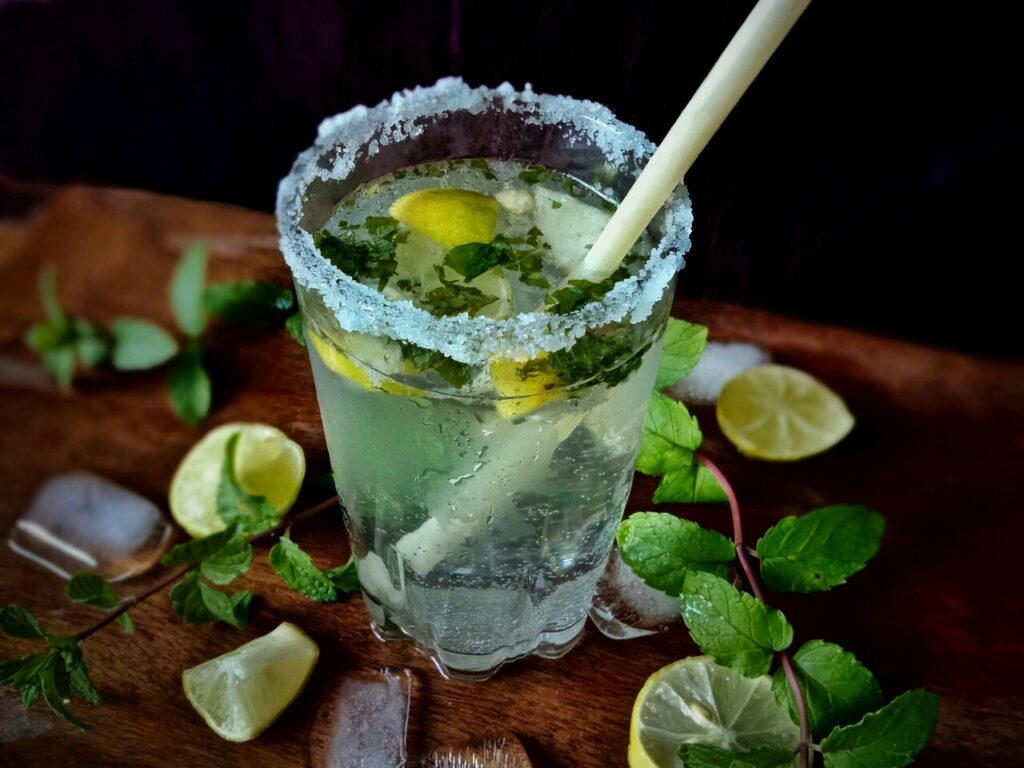
Savory mocktails are often the most convincing because they rely on spice, salt, and umami, not sweetness. A Virgin Mary feels complete because tomato juice provides body, lemon adds acid, and seasonings like black pepper, celery salt, and hot sauce build layers that mimic the complexity of a spirit-based drink.
Too much tomato tastes flat and heavy, while enough acid and spice keep it lively. The goal is a drink that tastes sharp, peppery, and savory, not like cold soup.
Garnishes are more than decoration here. Pickles, olives, celery, or a chili rim add aroma and texture, and that makes the drink feel like an event. Served cold, it delivers a strong flavor punch and a long finish, which is why it can feel more satisfying than many fruit-based mocktails.
10. Honey Orangeade
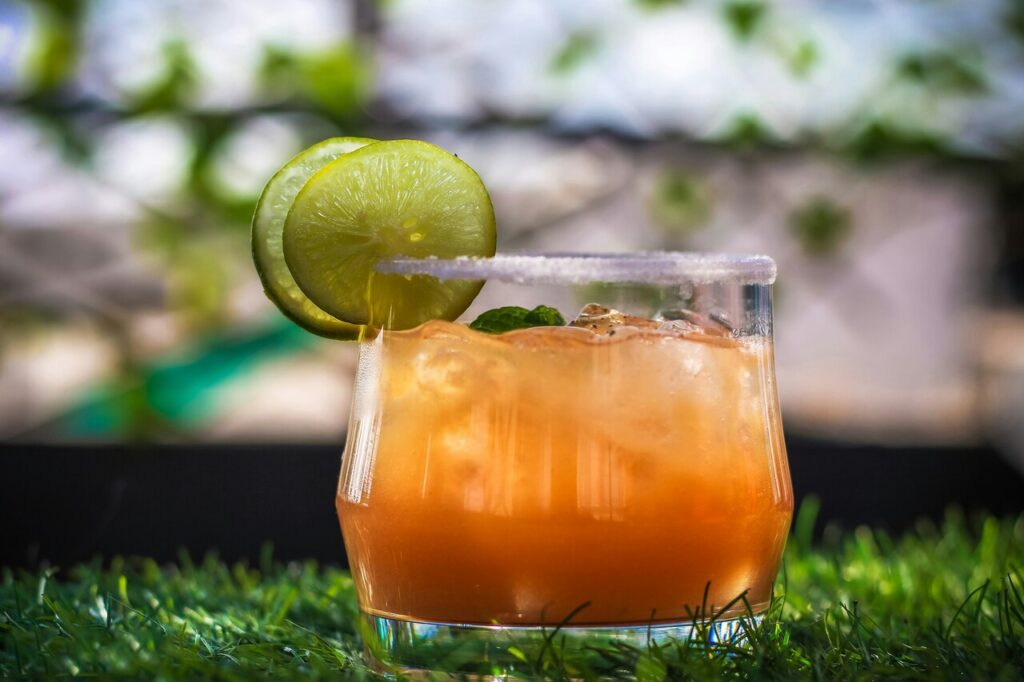
Honey can make a simple citrus drink taste special because it adds floral notes and a richer sweetness than plain sugar. Orange juice brings gentle acidity and aroma, and the drink tastes bright and refreshing, not sticky or flat.
Syrup technique helps. Honey blends better when dissolved in warm water first, creating a smooth base that mixes evenly and avoids clumps. Sparkling water adds lift and makes the drink feel like a spritz.
Temperature matters for impact. Plenty of ice keeps it crisp, and a twist of orange peel adds aromatic oils at the surface. The drink tastes clean, lightly sweet, and bright, with honey showing up as a gentle floral finish. It is an easy build, yet it feels intentionally crafted when the balance is right.
11. Peppermint Mocktini
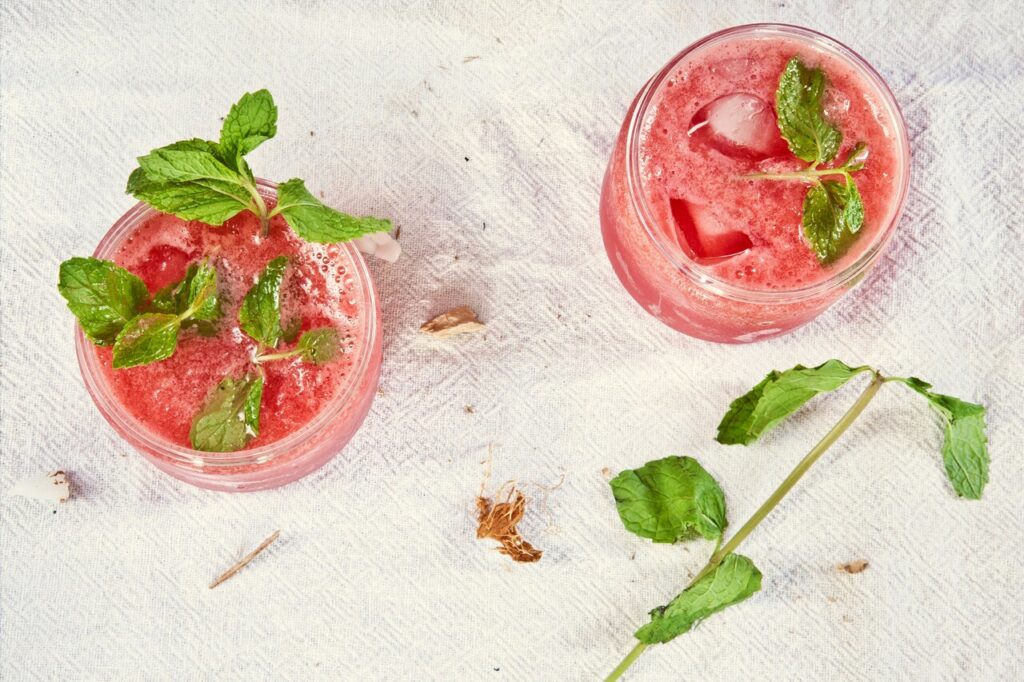
Dessert-style mocktails work when they feel intentional, and peppermint delivers that instantly because its aroma is strong and recognizable. A mocktini format also helps, since a stemmed glass and a chilled serve make the drink feel like a real event rather than a casual soda.
Balance is what keeps it from tasting like candy. Peppermint needs a measured hand, since too much can taste like toothpaste, while a small amount can feel clean and refreshing.
Chill is essential. Serving very cold sharpens mint and smooths sweetness, and it keeps the drink crisp. A garnish like crushed peppermint or a light cocoa rim adds aroma and visual polish. With peppermint as a clean top note and a smooth finish that feels celebratory.