12 Veggie Packed Lunch Recipes Hearty Enough for Dinner

Lunch does not have to feel like a lighter version of dinner, especially when vegetables are used with intention. The right combination of cooking methods, textures, and ingredients can turn plant-forward recipes into meals that deliver real fullness and lasting energy. These veggie-packed dishes rely on slow-digesting carbohydrates, fiber, and plant protein to keep you satisfied well past the afternoon. Designed to reheat well and hold their structure, they work just as confidently at the dinner table as they do in a lunch container. This collection proves that vegetables, when treated properly, can anchor a meal rather than sit on the side.
1. Roasted Vegetable Grain Bowl
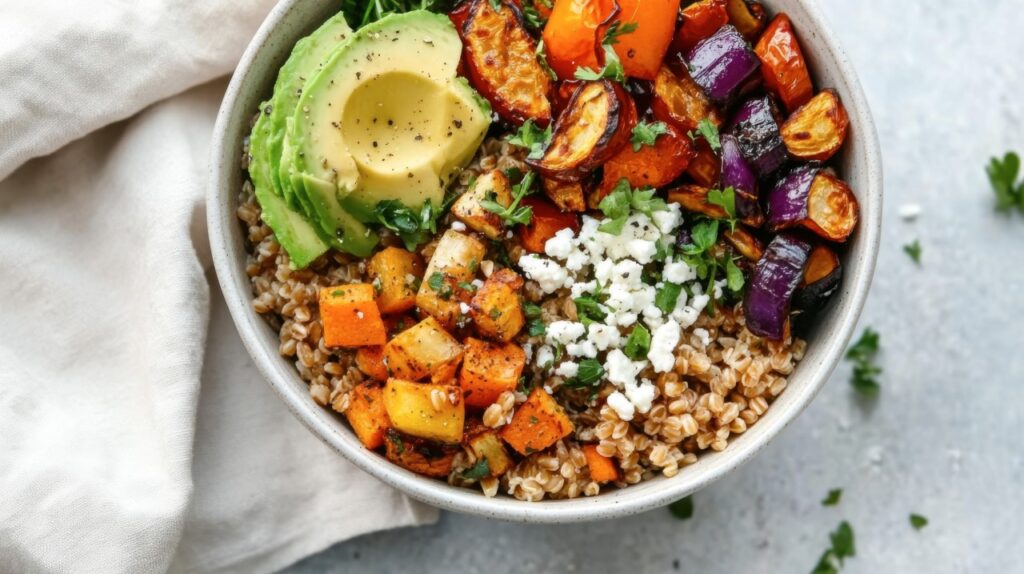
A roasted vegetable grain bowl works as both lunch and dinner because it is built around structure, not garnish. Roasting vegetables like sweet potatoes, broccoli, carrots, and cauliflower concentrates their flavor by evaporating moisture and caramelizing natural sugars. This process makes vegetables feel richer and more filling than raw or lightly cooked versions. When paired with whole grains such as quinoa, farro, or brown rice, the bowl delivers complex carbohydrates that digest slowly and provide steady energy. Healthy fats from olive oil or a tahini-based dressing improve nutrient absorption and help the meal feel satisfying for hours.
2. Lentil and Vegetable Stew
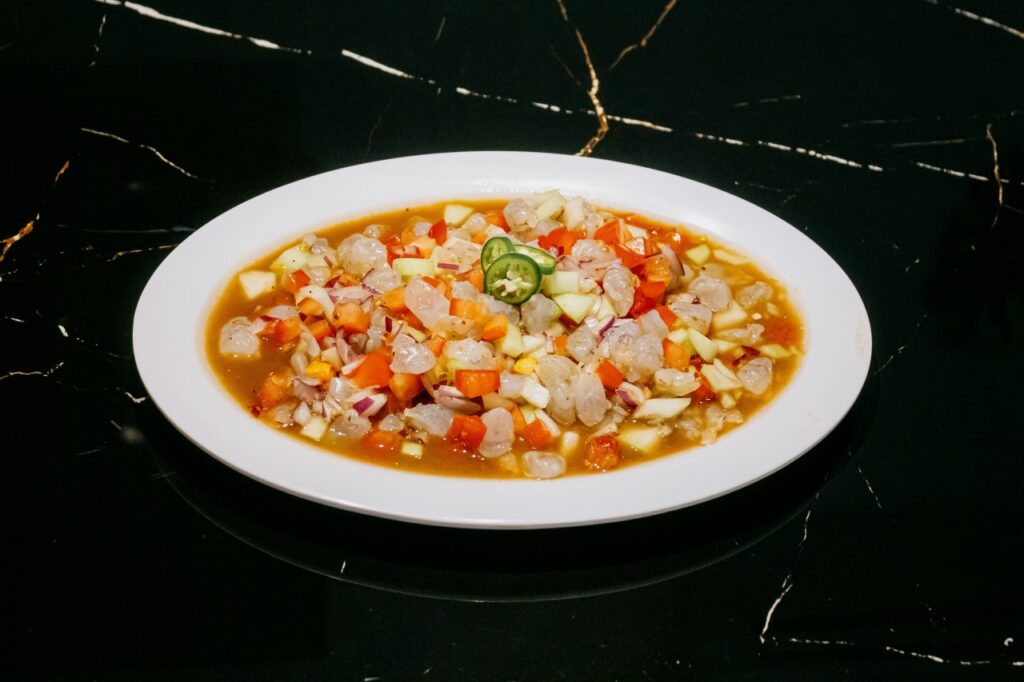
Lentil and vegetable stew earns its place as a dinner-worthy lunch because lentils provide both thickness and nutrition. Lentils absorb liquid as they cook, naturally thickening the broth and giving the stew a hearty, spoon-coating texture. Vegetables such as carrots, celery, onions, and tomatoes release flavor slowly, creating depth without relying on heavy fats. Lentils are rich in protein, iron, and fiber, which support fullness and steady blood sugar levels. The slow simmer allows starches and proteins to blend, making the stew feel cohesive rather than watery. This dish also improves as it rests, since flavors continue to develop over time.
3. Chickpea and Spinach Curry
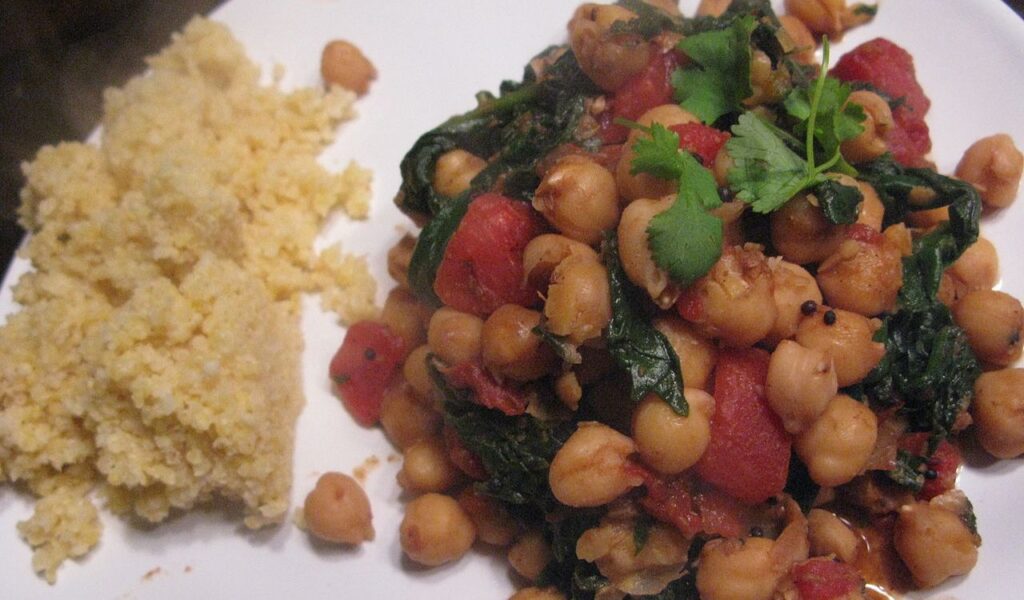
Chickpea and spinach curry works because it relies on density rather than bulk. Chickpeas are firm and filling, providing plant-based protein and complex carbohydrates that digest slowly. When simmered in a tomato or coconut-based sauce, they absorb flavor while retaining their shape. Spinach wilts into the curry, adding iron, folate, and vitamin C without increasing heaviness. The sauce carries spices evenly, which allows warmth and flavor to develop quickly without long cooking times. This makes the dish efficient and practical for packed meals. Served with rice or flatbread, the curry becomes a complete meal with balanced macronutrients.
4. Veggie Stir-Fry with Tofu
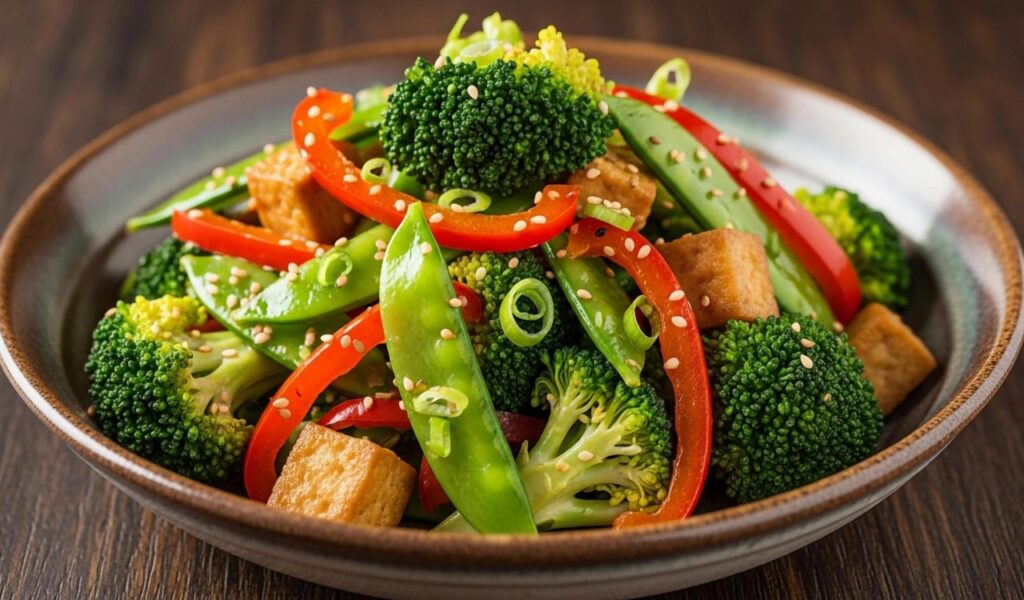
A vegetable stir-fry becomes hearty when protein and texture are treated with intention. Firm tofu provides structure and absorbs sauces effectively, which prevents the dish from feeling hollow. Vegetables like bell peppers, broccoli, snap peas, and mushrooms cook quickly at high heat, preserving crunch and moisture. A light sauce based on soy, ginger, or garlic coats the ingredients without pooling, which keeps the dish balanced rather than greasy. Served over rice or noodles, the stir-fry delivers sustained energy from carbohydrates alongside protein and fiber. Because the cooking time is short, nutrients are preserved, and textures remain distinct.
5. Stuffed Bell Peppers
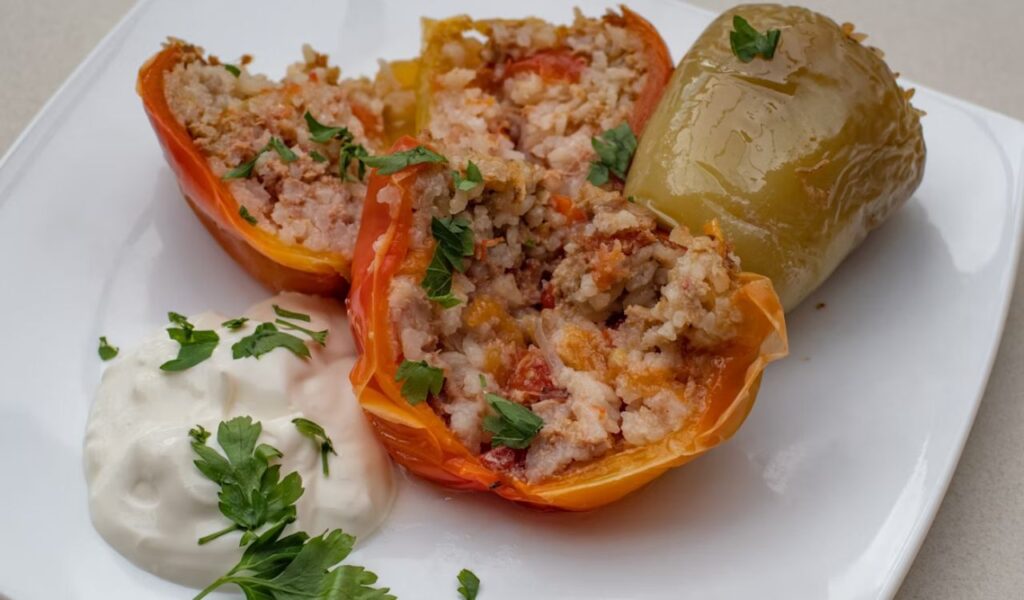
Stuffed bell peppers turn vegetables into a self-contained main dish. The pepper acts as both ingredient and vessel, softening during baking while holding its shape. Fillings made from grains, beans, vegetables, and herbs create a dense interior that delivers protein, fiber, and slow-digesting carbohydrates in every serving. Baking allows flavors to meld without excess moisture, which keeps the filling firm and easy to portion. Bell peppers add vitamin C and natural sweetness, balancing savory ingredients inside. Because each pepper is a complete portion, the meal feels intentional and satisfying.
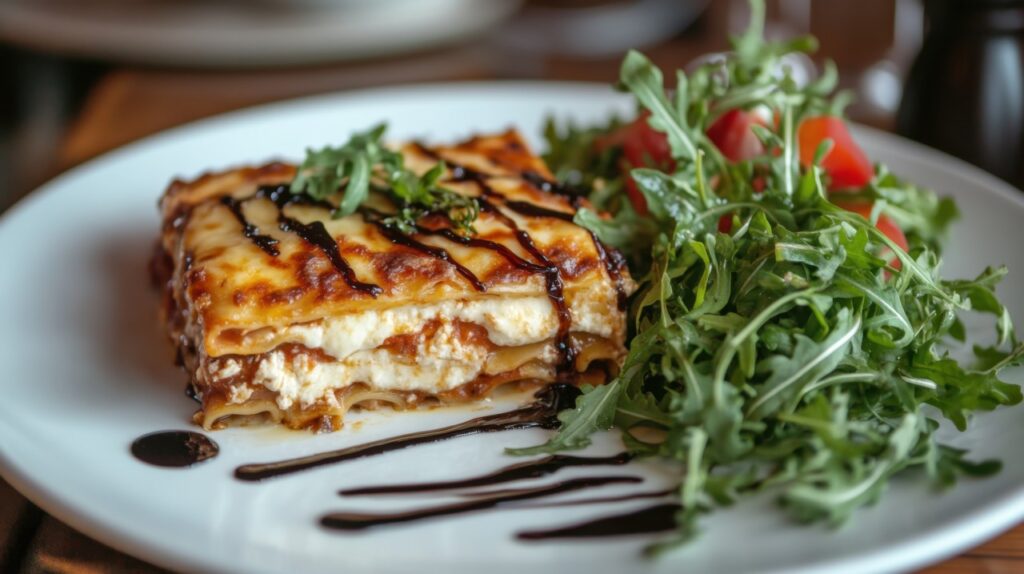
6. Vegetable Lasagna
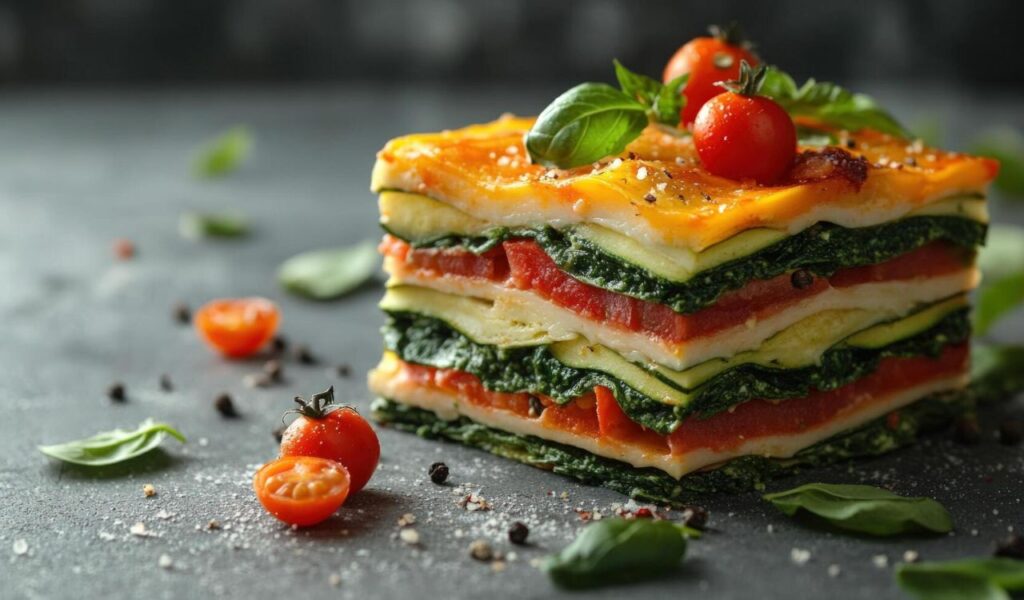
Vegetable lasagna succeeds as a hearty meal because layering creates density and stability. Roasted vegetables such as zucchini, mushrooms, spinach, and tomatoes release moisture slowly, preventing the dish from becoming watery. Pasta sheets provide structure, while cheese or plant-based alternatives add fat and protein that support fullness. As the lasagna bakes, starches absorb liquid and bind the layers together. This creates a firm slice that holds its shape when reheated. The combination of vegetables and pasta delivers both volume and energy, making even a modest portion feel filling. Vegetable lasagna also improves after resting, as flavors settle and textures firm up.
7. Black Bean and Veggie Burrito Bowl
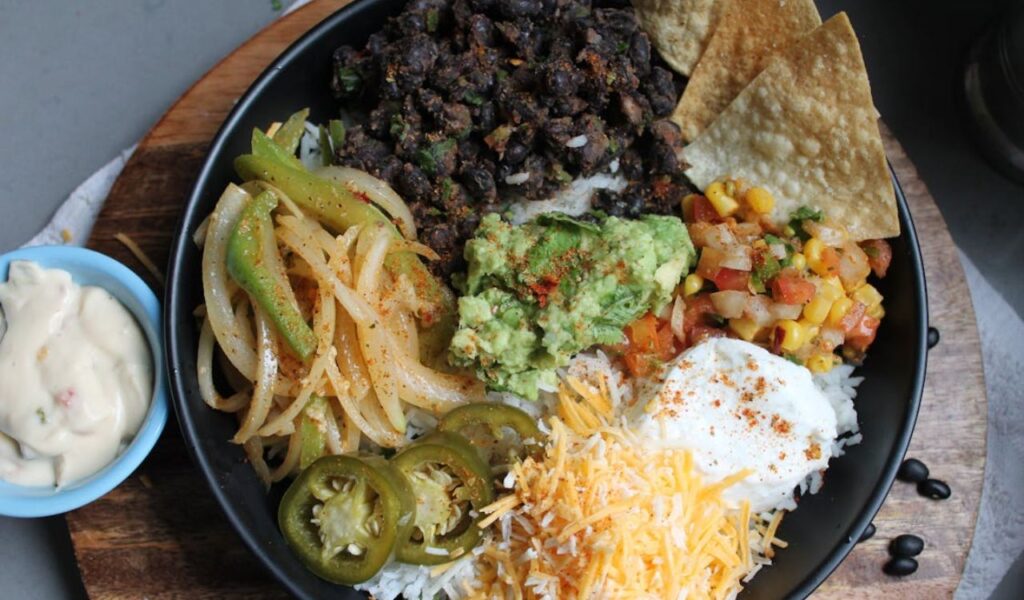
A burrito bowl works when each component serves a purpose. Black beans anchor the meal with protein and fiber, which slow digestion and support fullness. Rice provides structure and energy, while vegetables like peppers, onions, and corn add texture and natural sweetness. The bowl format keeps ingredients distinct until eating, which helps maintain freshness during storage. Healthy fats from avocado or a light dressing improve satiety and flavor balance. This combination mirrors the nutritional profile of a full dinner plate rather than a snack. Burrito bowls also reheat well, since the ingredients warm evenly without breaking down.
8. Creamy Vegetable Pasta
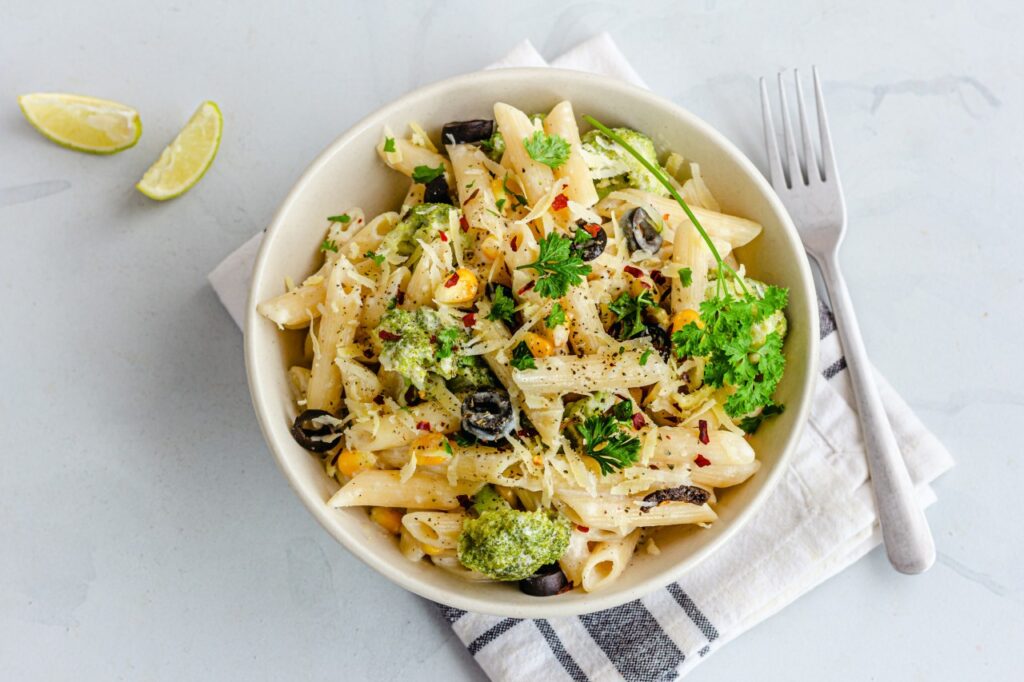
Vegetable pasta becomes dinner-worthy when the sauce binds properly and the vegetables contribute depth. Mushrooms add savory flavor, while spinach or peas provide color and nutrients. A light cream or blended nut sauce coats the pasta evenly, preventing dryness without overwhelming the dish. Pasta absorbs flavor as it rests, which makes leftovers especially satisfying. The starches in the pasta help retain heat and support fullness, while vegetables add fiber that slows digestion. This combination keeps the meal from feeling heavy while still delivering comfort. When portioned correctly, vegetable pasta provides sustained energy and satiety.
9. Sweet Potato and Kale Skillet
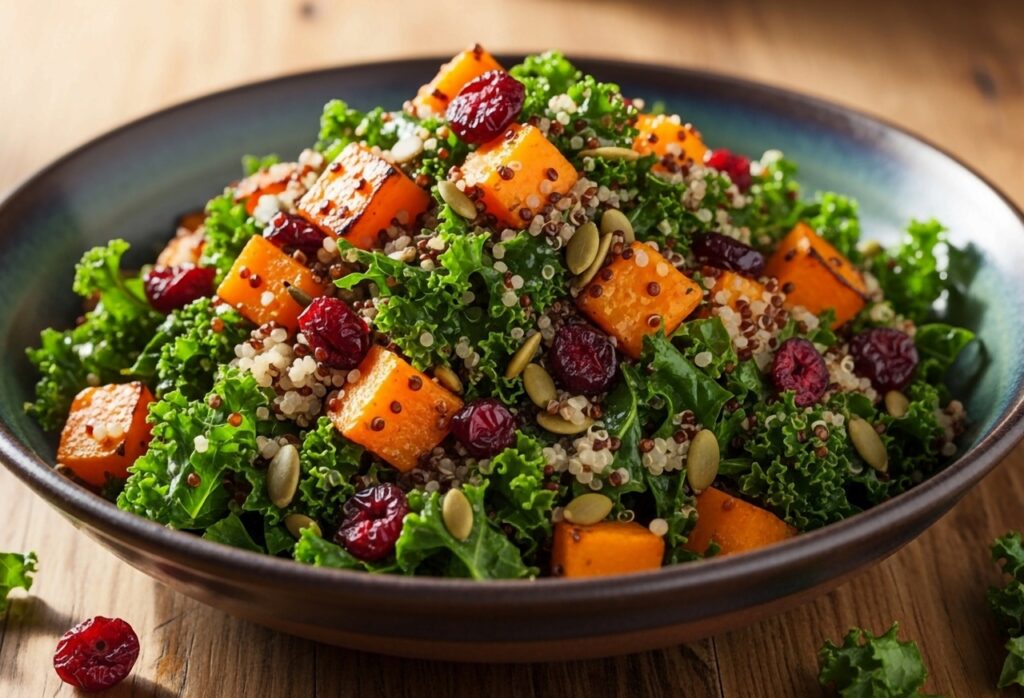
Sweet potato and kale work together because they balance softness and structure. Sweet potatoes provide complex carbohydrates and natural sweetness, which deepen as they cook. Kale holds its texture and adds minerals, fiber, and a slightly bitter contrast that keeps the dish from tasting flat. Cooking them together allows flavors to blend without breaking down completely. The dish becomes hearty through density rather than sauce. Garlic and mild spices add warmth without overpowering the vegetables. This skillet meal feels filling because it delivers slow-burning energy and high fiber content. It reheats well and maintains texture, making it suitable for packed meals.
10. Vegetable Fried Rice
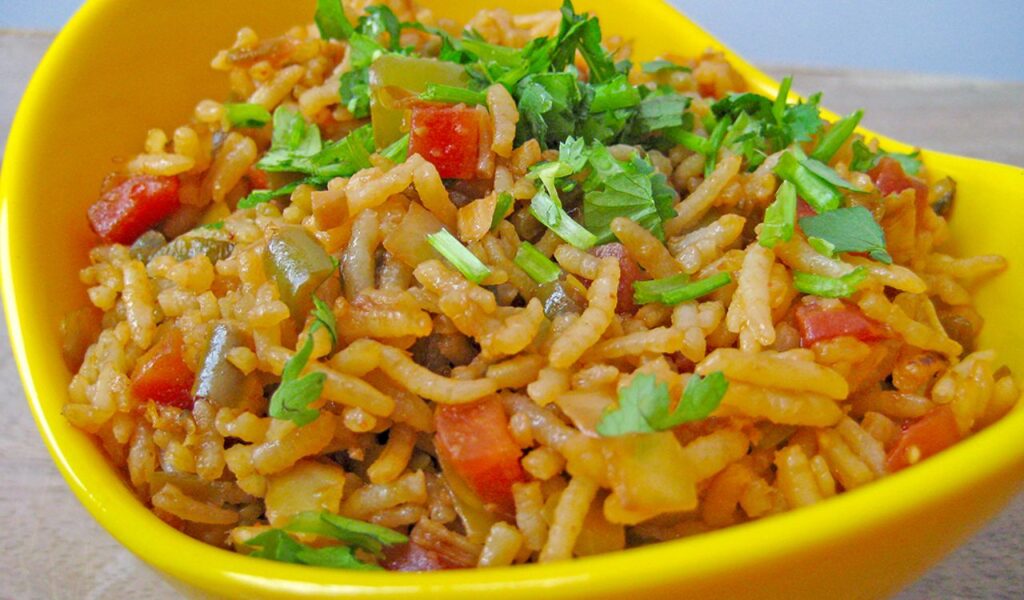
Vegetable fried rice is built on efficiency and balance. Rice absorbs oil and seasoning, which distributes flavor evenly throughout the dish. Vegetables like carrots, peas, and scallions add texture and nutrients without excess moisture. Eggs or tofu increase protein content, turning the dish into a complete meal. High-heat cooking creates a cohesive texture that reheats well without becoming soggy. Fried rice also allows precise portion control, which helps it feel satisfying without heaviness. The combination of carbohydrates, protein, and fiber supports sustained energy. This makes it ideal for lunches that need to carry through the evening.
11. Zucchini and Chickpea Bake
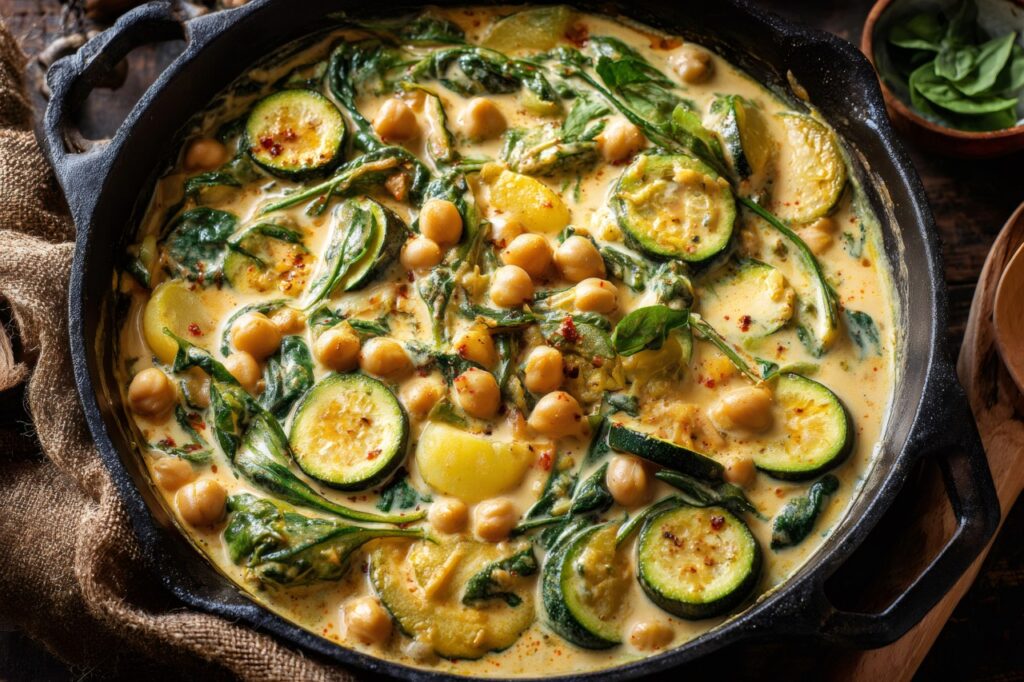
Zucchini and chickpea bake succeeds because baking concentrates flavor and firms the texture. Zucchini releases moisture as it cooks, while chickpeas provide structure and protein. Herbs and light sauce bind the ingredients without creating excess liquid. The dish sets as it cools, making it easy to slice and transport. Chickpeas contribute fiber and slow-digesting carbohydrates, which support fullness. Zucchini adds volume and nutrients without heaviness. This balance allows the bake to feel substantial without relying on cheese or heavy fats. It reheats evenly and maintains integrity, making it practical for packed lunches.
12. Vegetable and Bean Chili
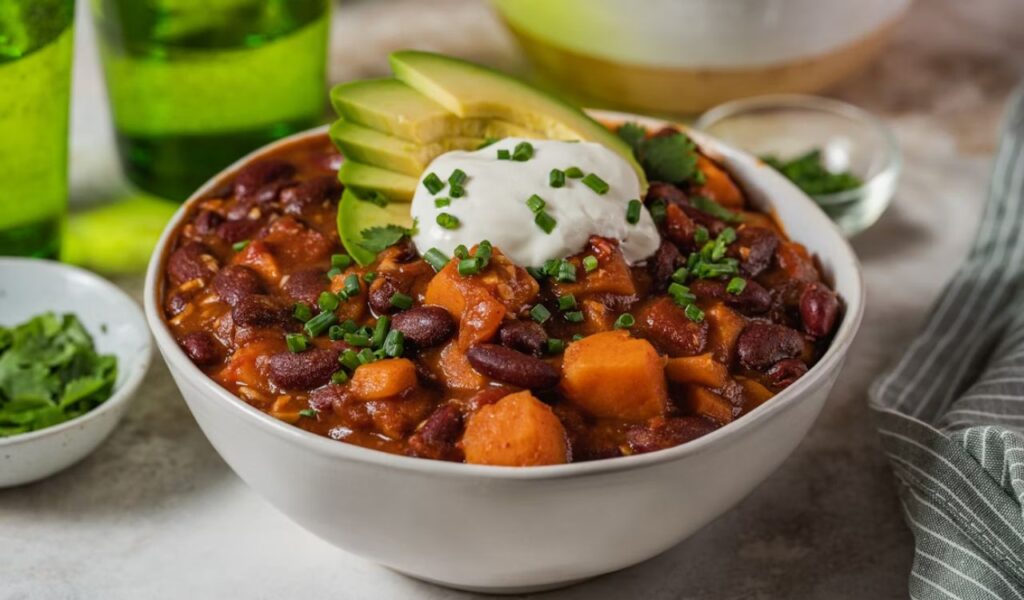
Vegetable and bean chili delivers heartiness through thickness and depth. Beans break down slightly during cooking, naturally thickening the chili and creating a rich texture. Vegetables like peppers, onions, and tomatoes build layers of flavor while contributing fiber and nutrients. The long simmer allows spices to distribute evenly, creating warmth without sharpness. Chili improves as it rests, since flavors continue to develop and the texture becomes more cohesive. Beans provide protein and slow-burning energy, which supports lasting fullness. This makes a single bowl satisfying enough to replace dinner.