11 Desserts That Feel Simple but Thoughtful


Desserts do not need layers, elaborate plating, or long ingredient lists to feel meaningful. Some of the most memorable sweet finishes are built on quiet intention, where technique, balance, and ingredient quality do the work. These desserts rely on thoughtful methods such as gentle heat, controlled sweetness, and careful proportions to create flavor and texture that feel complete without excess. Each one respects its main ingredient rather than masking it, allowing natural sweetness, richness, or acidity to come forward in a measured way. What makes these desserts special is not how much effort they show, but how little they need to prove.
1. Olive Oil Cake
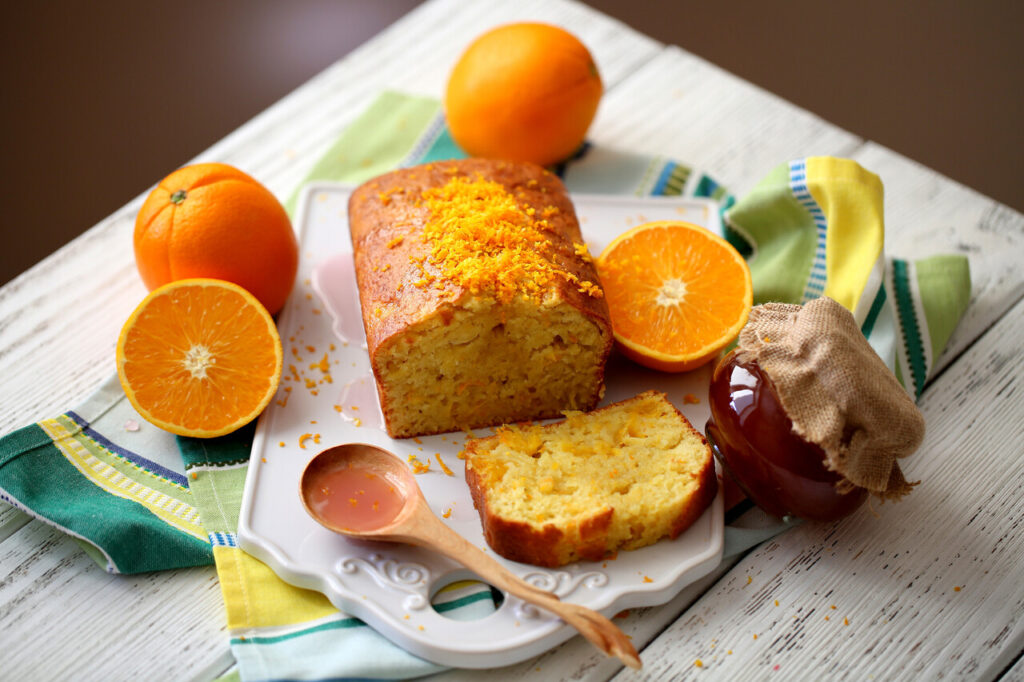
Olive oil cake feels thoughtful because it prioritizes texture and balance over decoration. Using olive oil instead of butter creates a moist, tender crumb that stays soft for days, which is one reason the cake feels intentionally made rather than fleeting. The oil’s subtle fruitiness adds depth without making the cake taste savory, especially when paired with citrus zest or a small amount of yogurt. Olive oil also coats flour proteins differently than butter, which limits gluten development and keeps the cake delicate instead of dense. The sweetness is usually restrained, allowing the flavor of the oil to come through without being masked.
2. Poached Pears
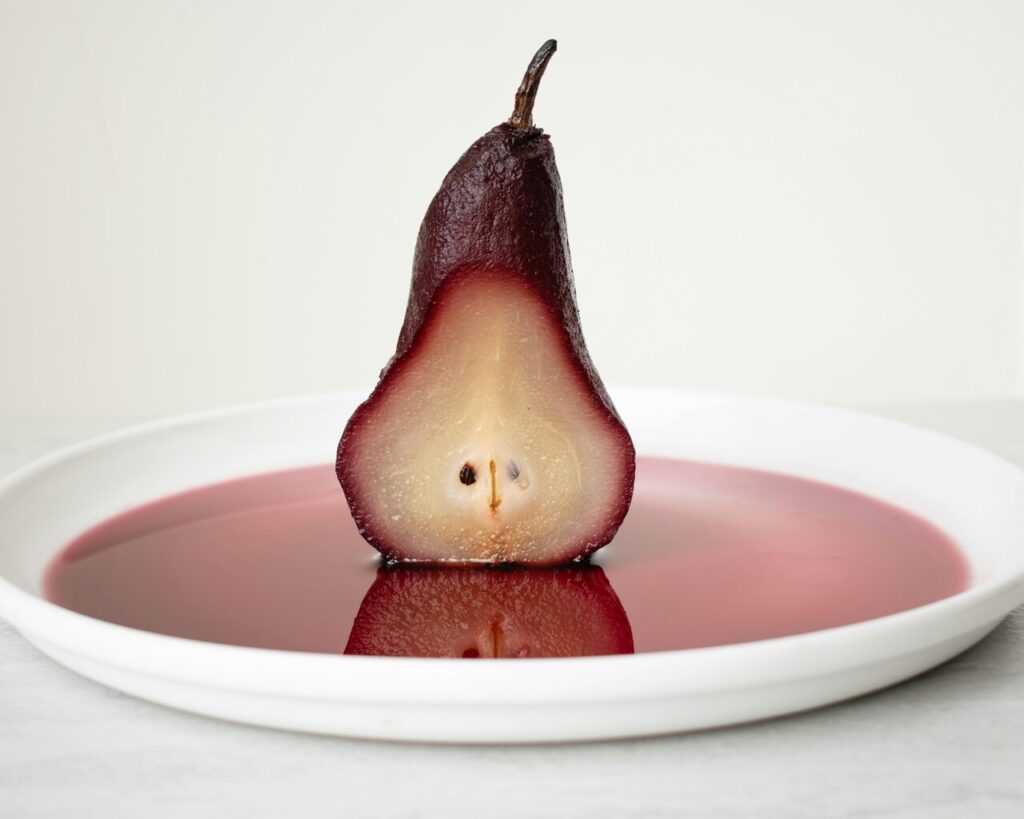
Poached pears feel considered because they are shaped by patience rather than force. The fruit is cooked gently in liquid, allowing it to soften evenly while holding its form. This slow process lets pears absorb flavor from spices, citrus, or wine without becoming heavy or overly sweet. Because the fruit remains intact, the texture stays silky instead of mushy. Poaching also preserves moisture, which makes the dessert feel light and composed rather than baked or caramelized. The sweetness comes primarily from the fruit itself, which keeps the dish balanced. Visually, the pears remain recognizable, reinforcing the sense that the dessert was handled carefully.
3. Rice Pudding
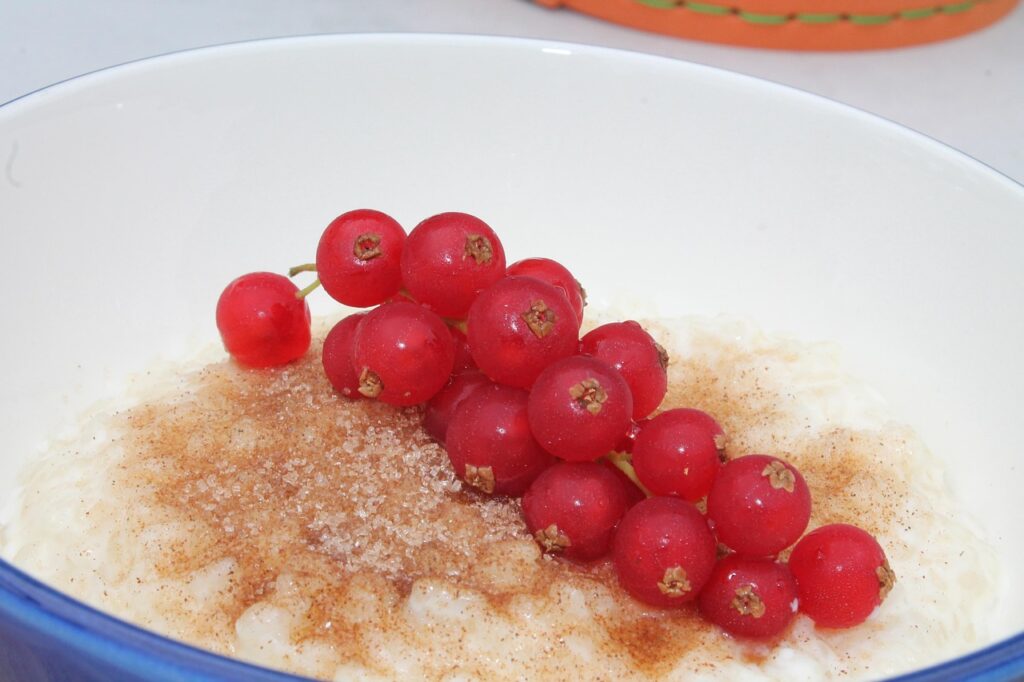
Rice pudding earns its place as a thoughtful dessert by relying on time and attention instead of complexity. As rice simmers in milk, its starches release gradually, thickening the mixture without the need for eggs or thickeners. This creates a creamy texture that feels comforting rather than rich. The flavor remains gentle, allowing milk, rice, and a small amount of sugar to work together without competition. Spices like cinnamon or cardamom add warmth without dominating. Because rice pudding thickens as it cools, it rewards patience and careful timing. The result is a dessert that feels personal and calm, shaped by steady heat and restraint.
4. Baked Apples
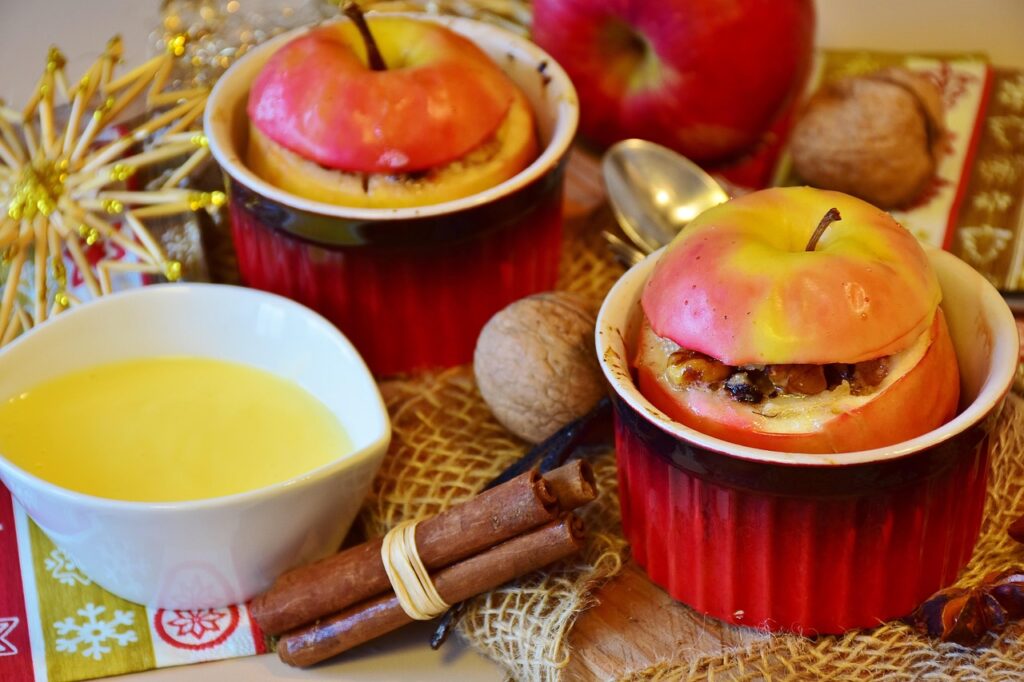
Baked apples feel thoughtful because they respect the fruit instead of disguising it. Heat breaks down the apple’s structure just enough to soften it while concentrating natural sugars. This process enhances sweetness without the need for heavy syrups or batters. Spices such as cinnamon or nutmeg support the apple rather than overwhelm it. Baking also allows moisture to escape slowly, which prevents the fruit from becoming watery. The apple keeps its shape, reinforcing a sense of intention and care. This dessert often relies on minimal additions, which draws attention to the quality of the fruit and the precision of the bake.
5. Shortbread Cookies
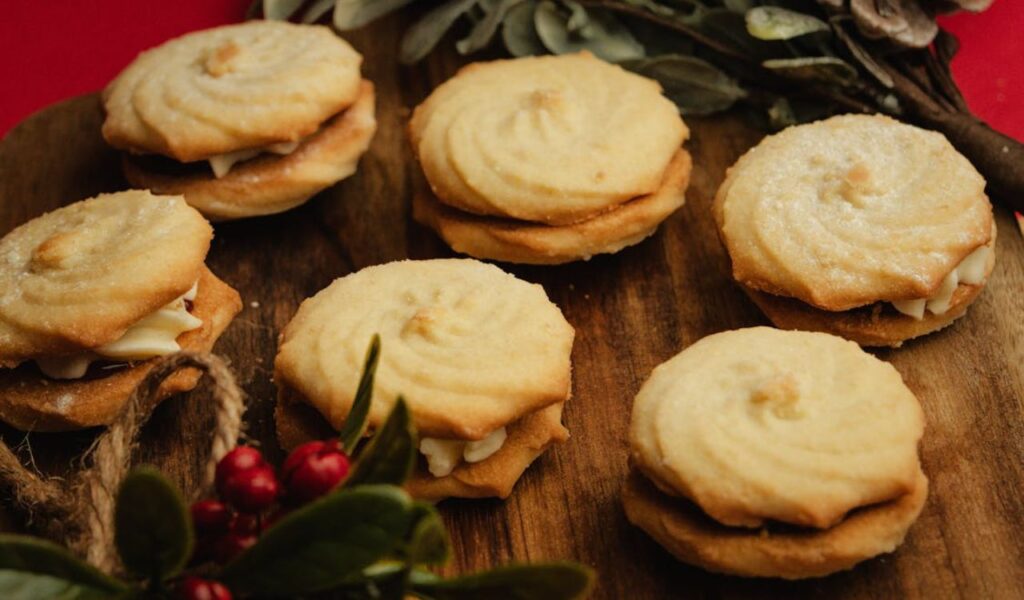
Shortbread cookies feel thoughtful because they demand precision despite their short ingredient list. The balance of butter, sugar, and flour determines everything from texture to flavor. Butter provides richness and structure, while sugar adds sweetness without moisture. Flour binds the dough without creating elasticity, which is why shortbread crumbles instead of bending. Temperature control is key, as overbaking dries the cookie. There are no flavors to hide behind, so ingredient quality matters. Each cookie reflects careful measurement and timing. That discipline gives shortbread its clean flavor and deliberate texture, making it feel intentional rather than plain.
6. Yogurt with Honey and Nuts
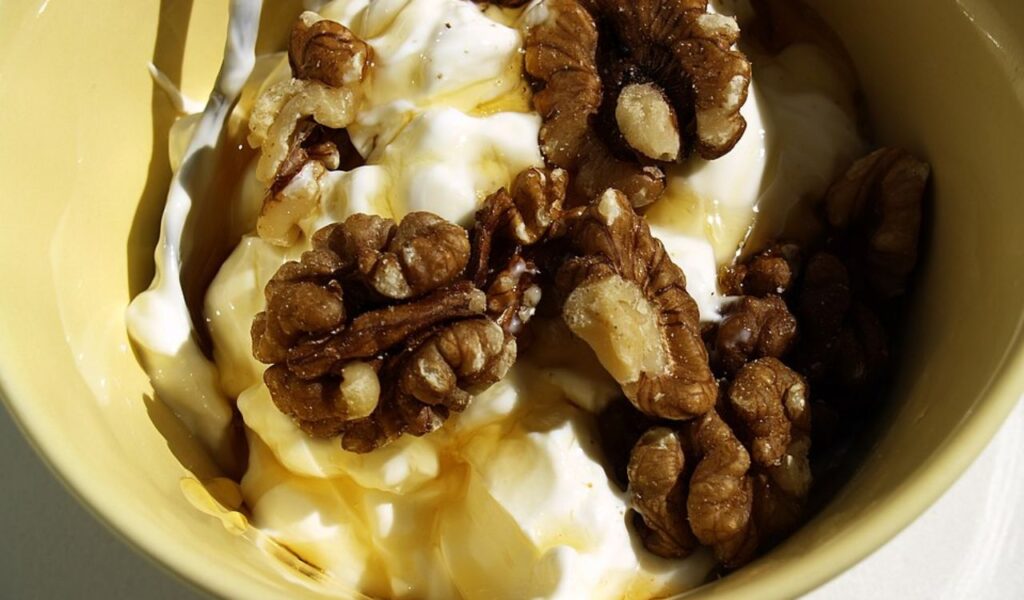
This dessert feels thoughtful because every element serves a clear purpose. Yogurt provides creaminess and gentle tang, which balances sweetness without excess. Honey adds flavor as well as sweetness, offering floral or earthy notes depending on the variety. Nuts introduce crunch and fat, which create contrast and increase satiety. The combination relies on assembly rather than cooking, but balance still matters. Too much honey overwhelms the yogurt, while too many nuts dominate texture. When measured carefully, the dessert feels complete despite its simplicity. Its appeal comes from restraint and contrast, which makes it feel intentionally composed rather than casually thrown together.
7. Lemon Posset
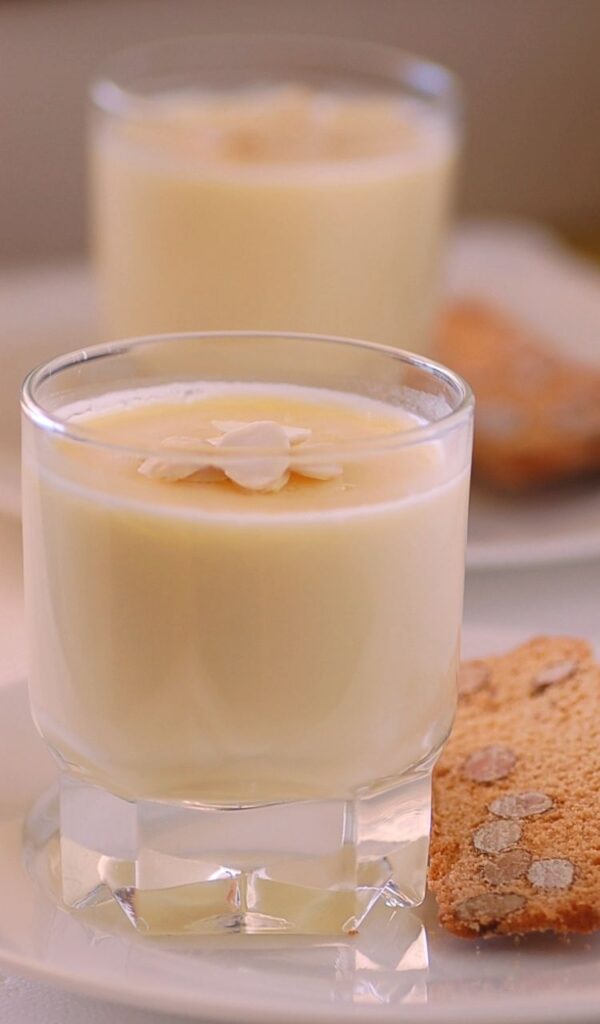
Lemon posset feels thoughtful because it uses chemistry instead of complexity. Acid from lemon juice thickens cream by altering protein structure, removing the need for eggs or starch. This creates a smooth, stable texture with minimal effort. The flavor remains clean and bright, as lemon cuts through richness without masking it. Because the ingredient list is short, proportions matter greatly. Too much acid causes separation, while too little prevents setting. The dessert sets quietly in the refrigerator, reinforcing its calm, deliberate nature. Lemon posset feels refined not because it is elaborate, but because it relies on understanding rather than excess.
8. Chocolate-Dipped Fruit
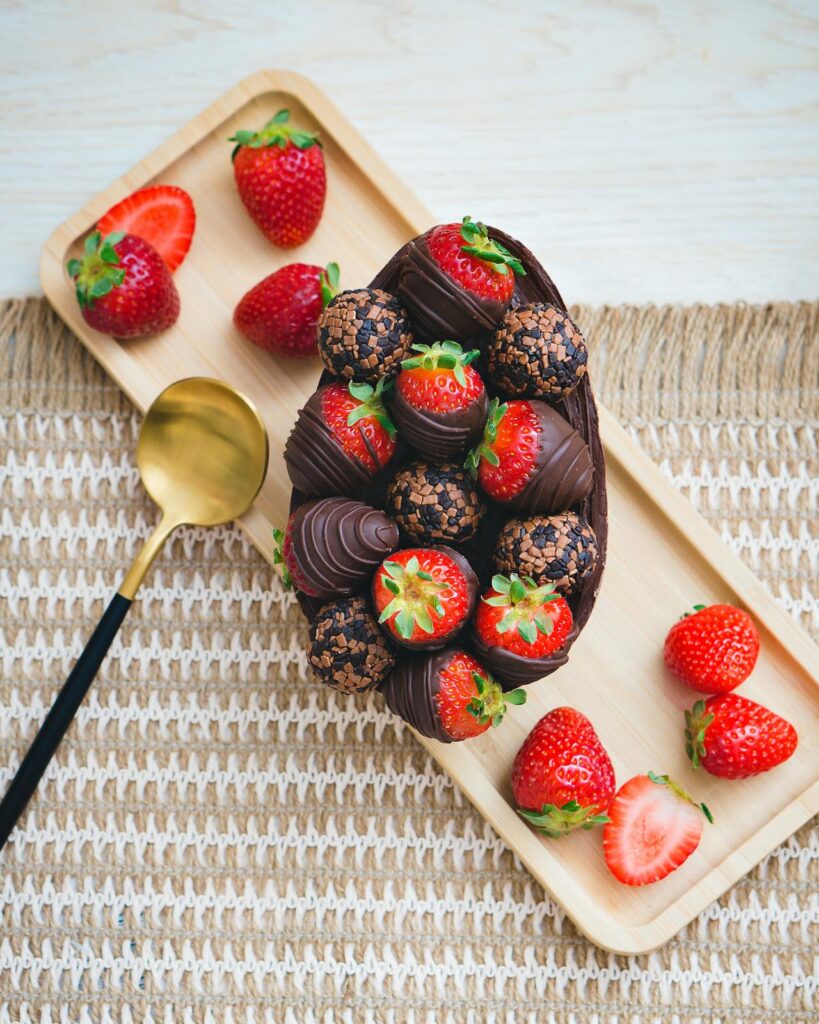
Chocolate-dipped fruit feels intentional because it enhances two ingredients without changing their nature. The chocolate forms a thin shell that adds bitterness and texture, while the fruit provides freshness and moisture. Proper tempering or careful melting ensures the chocolate sets cleanly instead of streaking or softening. The contrast between crisp chocolate and juicy fruit creates balance in every bite. Portion size matters, as the dessert works best when chocolate complements rather than overwhelms. This restraint keeps the dessert light and thoughtful. Its simplicity highlights technique and timing rather than decoration or layering.
9. Semolina Pudding
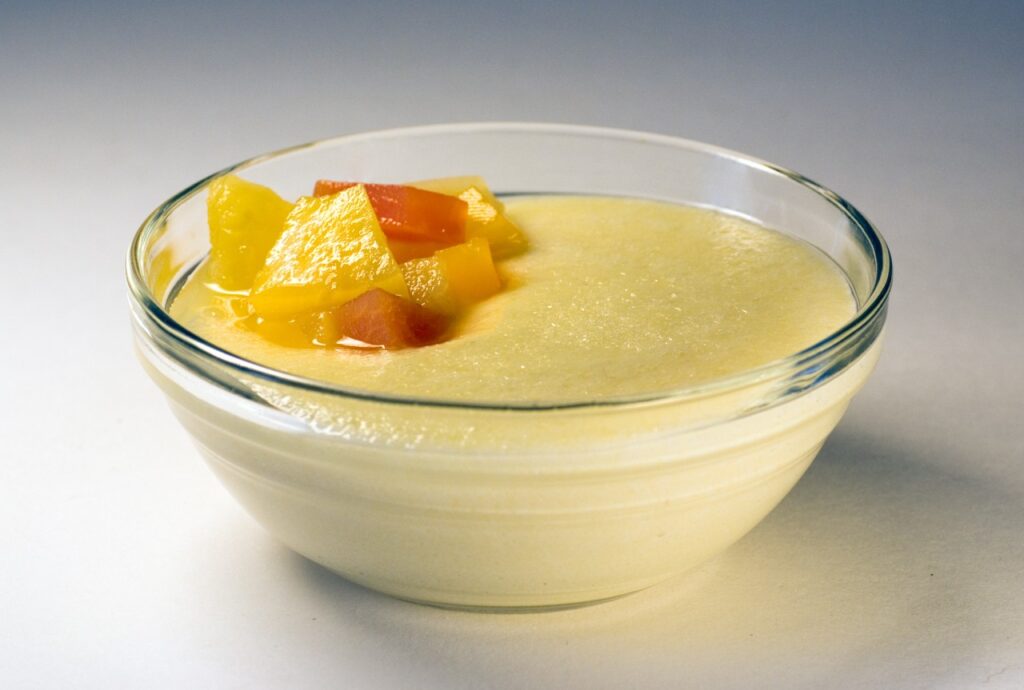
Semolina pudding feels thoughtful because it thickens quickly but demands attention. Semolina absorbs liquid faster than rice, creating a smooth texture when stirred properly. Without steady movement, it can clump, which is why care matters. The pudding thickens evenly and holds warmth well, making it comforting without heaviness. Light sweetening and gentle spices support the grain rather than masking it. Semolina provides structure and substance, which makes the dessert feel nourishing. Its texture sits between custard and porridge, reinforcing its role as a calm, grounding dessert shaped by technique rather than indulgence.
10. Compote with Soft Cream
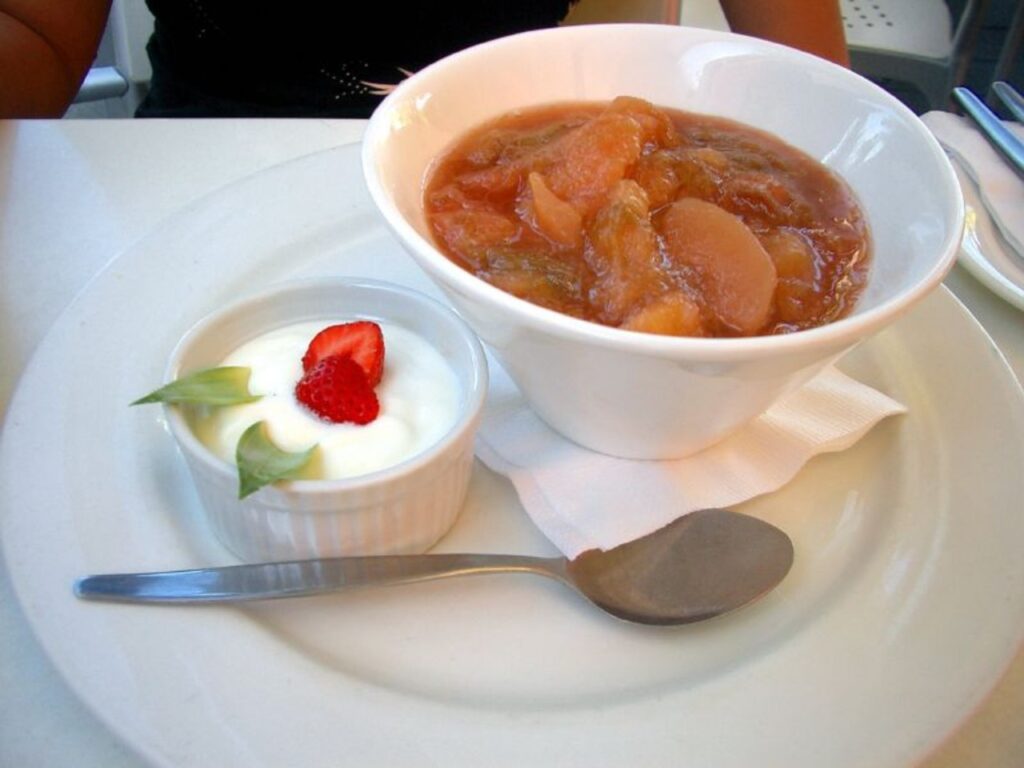
This dessert feels thoughtful because it relies on contrast rather than complexity. Fruit compote concentrates flavor through gentle cooking, allowing natural sugars to intensify without caramelizing. The fruit breaks down just enough to release juices while retaining some structure. Soft cream adds richness and temperature contrast without overpowering the fruit. The balance between warm or room-temperature compote and cool cream creates interest without heaviness. Because both elements are simple, proportion matters. When done correctly, neither dominates. The dessert feels intentional because it highlights texture, temperature, and timing instead of decoration.
11. Plain Cake with Powdered Sugar
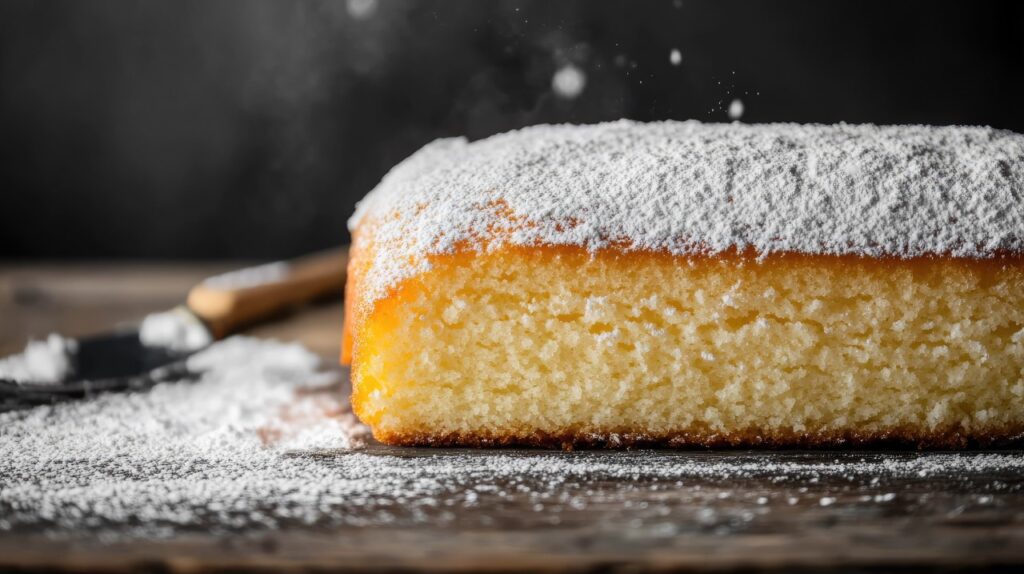
A plain cake dusted with powdered sugar feels thoughtful because it places confidence in the bake itself. Without frosting or filling, the crumb must be even, moist, and flavorful. Powdered sugar adds sweetness without altering texture, allowing the cake to remain light. The absence of embellishment draws attention to ingredient quality and baking accuracy. The cake’s structure must hold on its own, which requires correct mixing and timing. This restraint gives the dessert honesty and clarity. It feels finished without being showy, which is why it reads as deliberate rather than unfinished. Served fresh or a day later, its simplicity allows the flavor to deepen rather than fade.