
10 Foods That Moved From Special Treats to Everyday Staples in American Kitchens

Many foods that now feel ordinary were once reserved for special moments, celebrations, or occasional indulgence. Changes in technology, grocery access, marketing, and daily routines slowly reshaped how Americans eat at home. As refrigeration improved, convenience foods expanded, and schedules grew busier, certain treats lost their once-special status and became dependable staples instead. These foods did not change overnight. They earned their place through affordability, availability, and the ability to fit seamlessly into everyday life. What was once saved for weekends or rewards now shows up in lunchboxes, weeknight dinners, and late-night snacks without a second thought.
1. Pizza
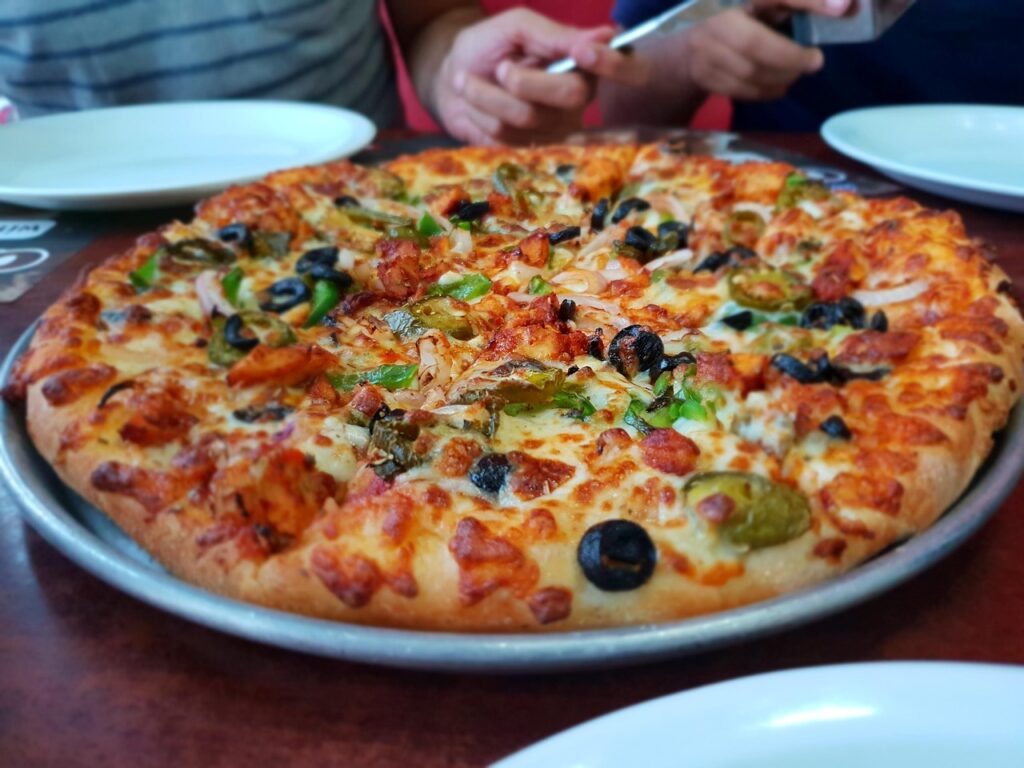
Pizza’s journey from special occasion food to everyday staple reflects changes in convenience, affordability, and home cooking habits. Decades ago, pizza was something families ordered for birthdays or special nights out, often tied to pizzerias rather than home kitchens. That shifted as frozen pizza improved in quality and became widely available, offering an inexpensive meal that required little planning. Delivery services also expanded access, making pizza a quick solution for busy evenings. At the same time, grocery stores began carrying better dough, sauces, and cheeses, allowing people to make pizza at home without advanced skills.
2. Ice Cream
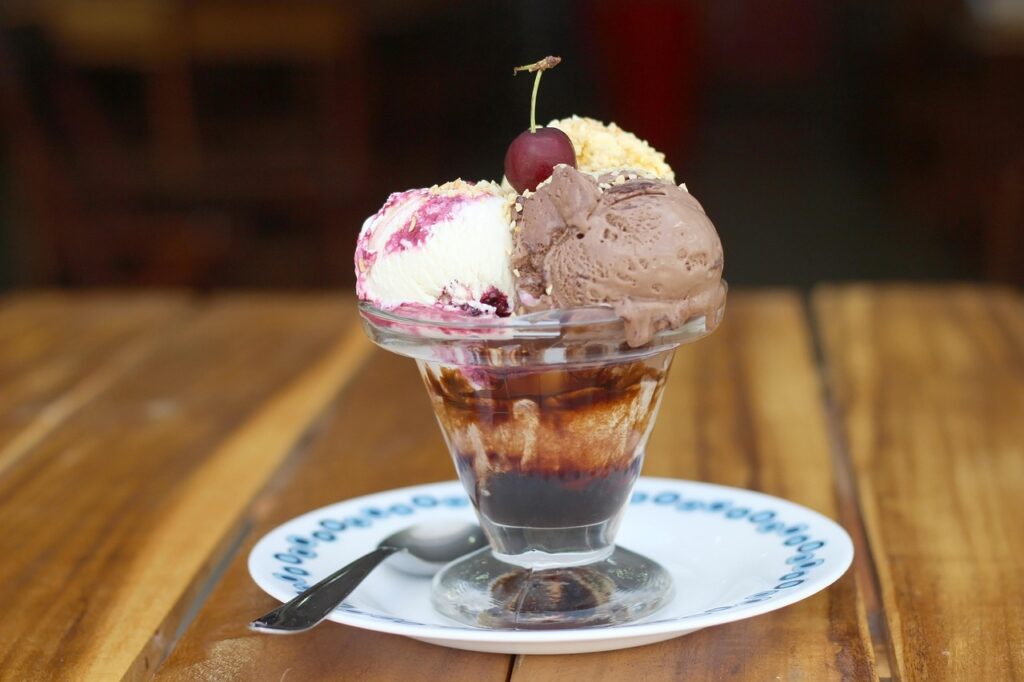
Ice cream was once considered a luxury tied to celebrations, summer outings, or special desserts after a meal. Limited home refrigeration made storage difficult, which naturally restricted how often it appeared. As freezers became standard in American homes, ice cream moved from the soda shop to the household freezer. Supermarkets began offering a wide range of flavors and formats, from single serve novelties to large tubs meant for frequent use. Marketing also reframed ice cream as an everyday comfort rather than a rare indulgence. Today, it is common to find ice cream in the freezer year-round, ready for a casual dessert or snack.
3. Chocolate
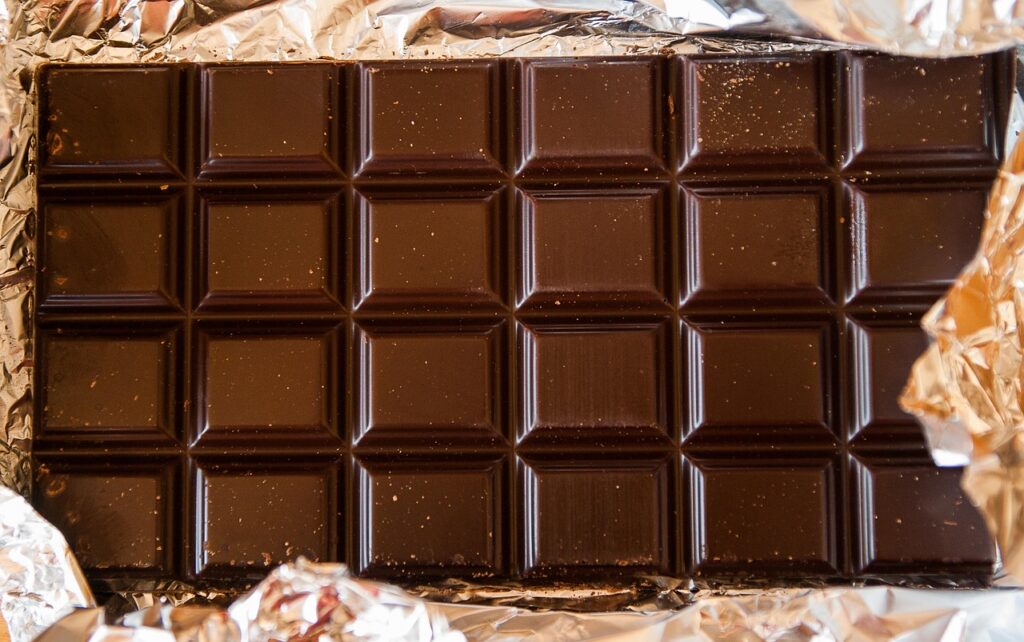
Chocolate’s transition from luxury to staple is closely tied to mass production and accessibility. Historically, chocolate was expensive and often reserved for gifts or special occasions. Advances in processing lowered costs and increased availability, making chocolate affordable for everyday consumption. It began appearing not just as candy, but as an ingredient in baking, snacks, and drinks. Chocolate chips, spreads, and cocoa powder became pantry basics rather than specialty items. Its emotional association with comfort and reward also played a role. People began turning to chocolate for small, everyday moments rather than saving it for celebrations.
4. Chicken Wings
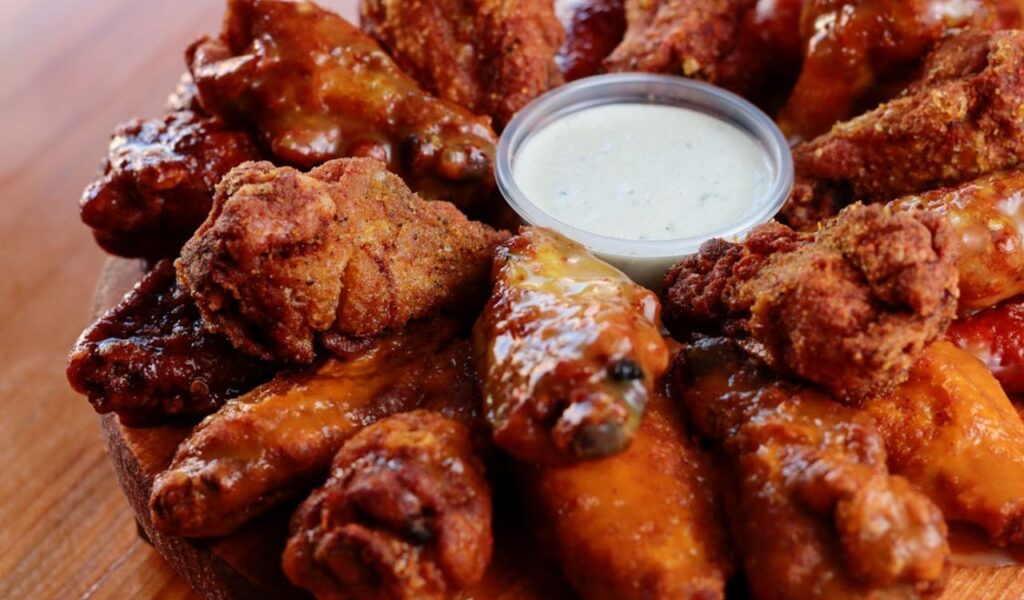
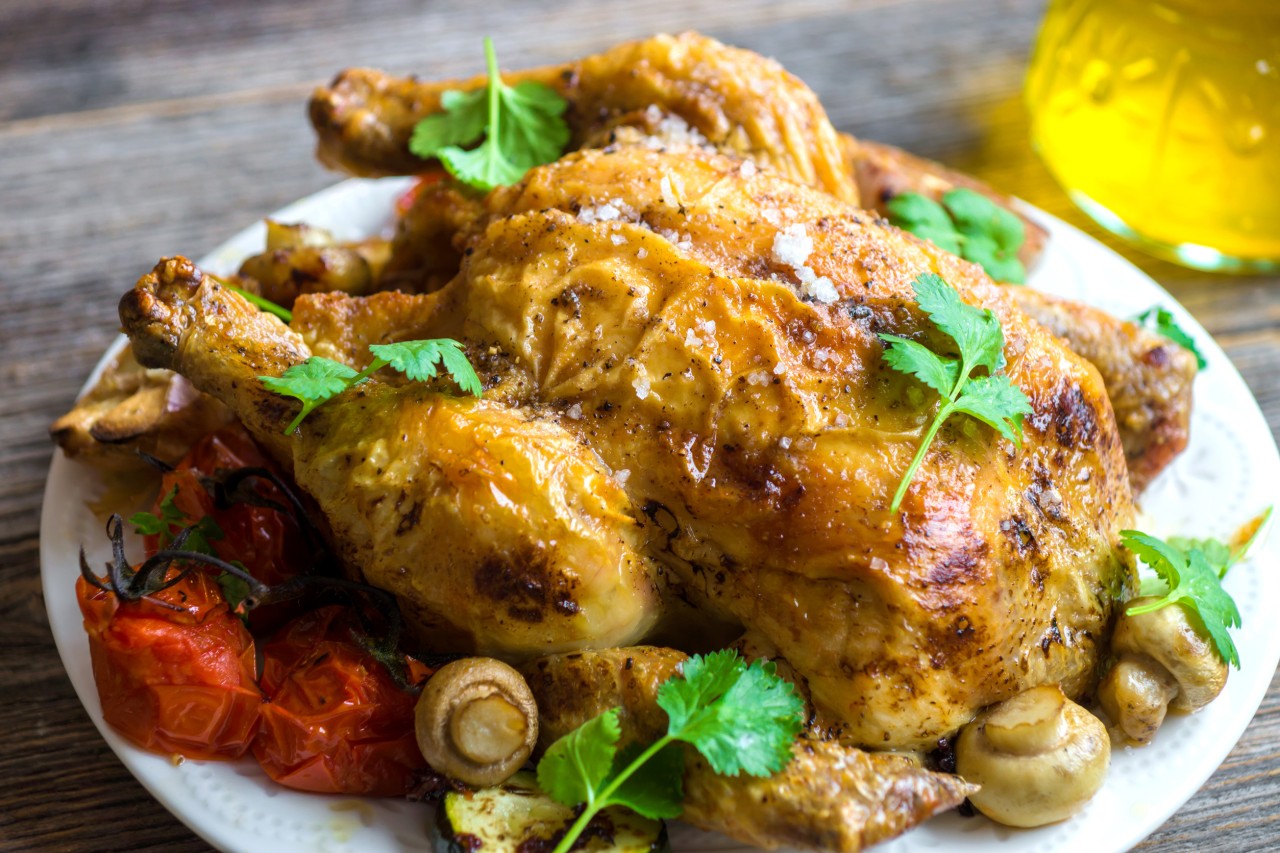
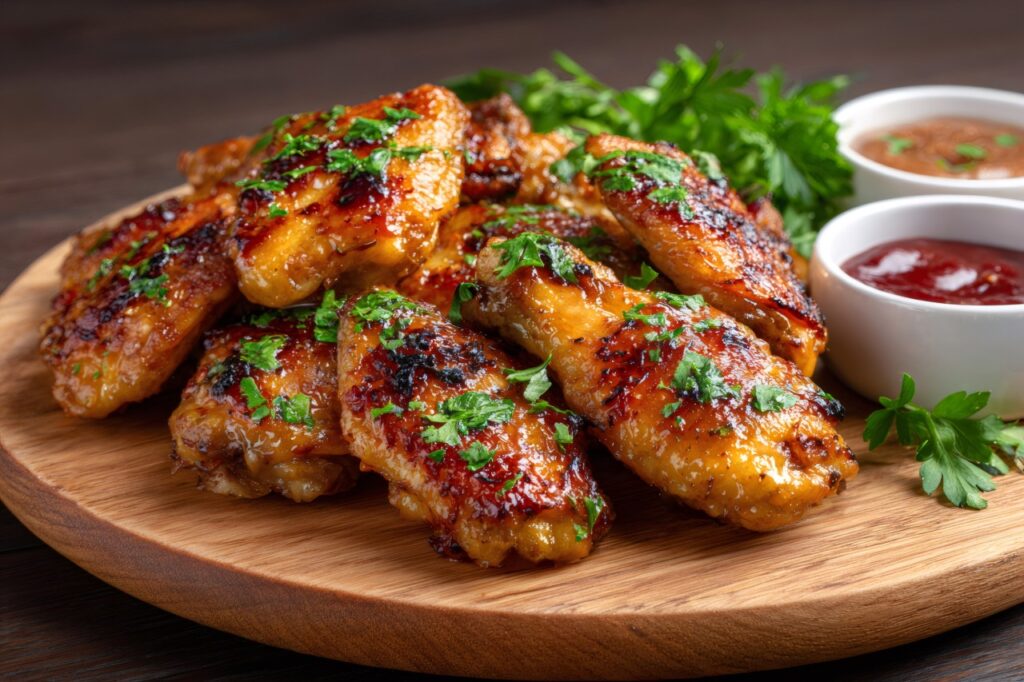
Chicken wings were once considered a less desirable cut, commonly served in bars or during sporting events rather than at home. Their rise to everyday status followed shifts in cooking technology and taste preferences. As frying and baking techniques became easier to replicate at home, wings gained popularity beyond restaurants. The introduction of air fryers accelerated this shift, allowing people to cook wings quickly with less oil. Grocery stores responded by offering pre seasoned, frozen, or ready to cook wings, making preparation simple. Wings also adapted to changing flavor trends, from classic buffalo to sweet or spicy global sauces.
5. Pasta
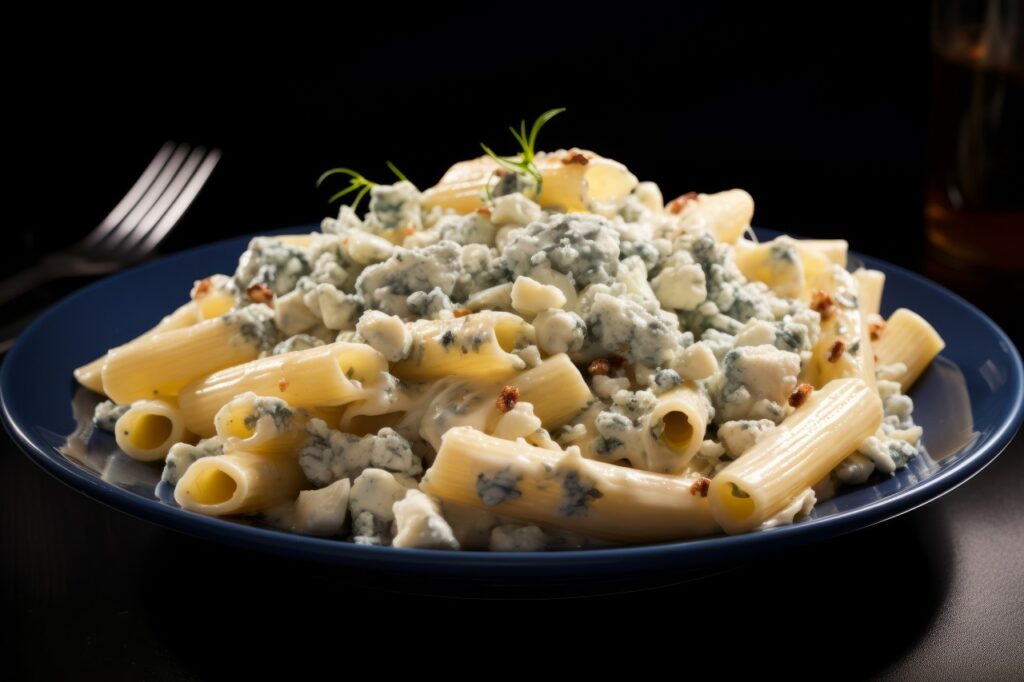
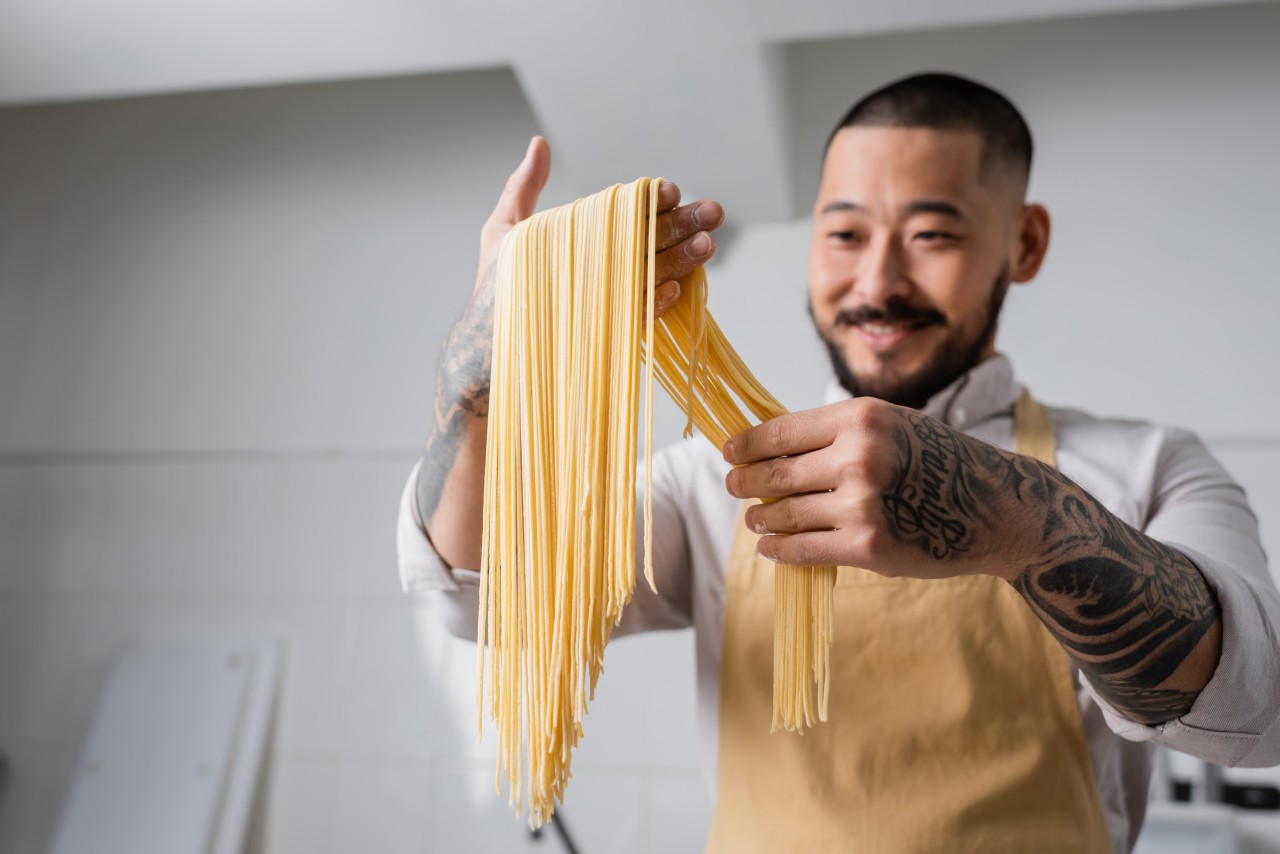
Pasta’s rise from occasional dinner to everyday staple reflects its practicality. Once seen as a more formal or ethnic meal, pasta gradually became a reliable option for quick, filling dinners. Its long shelf life made it easy to keep on hand, while its affordability suited household budgets. Pasta pairs well with a wide range of sauces and ingredients, allowing families to stretch meals or adapt to what they already have. As jarred sauces improved and home cooks became more comfortable with basic preparation, pasta lost its special occasion status. It became associated with convenience rather than ceremony.
6. Breakfast Cereal
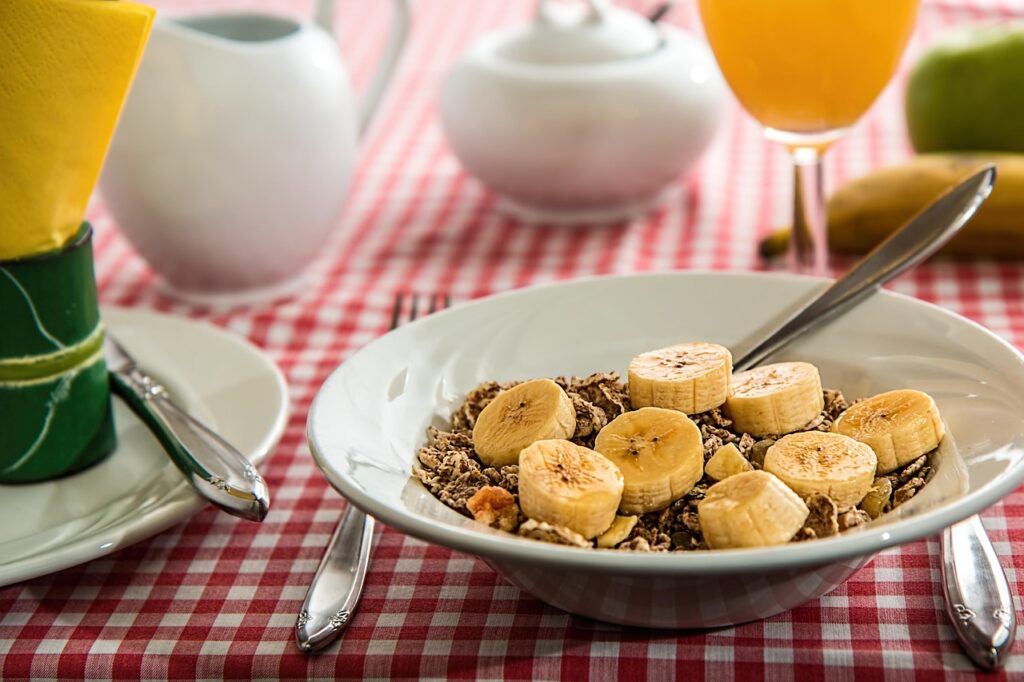
Breakfast cereal began as a novelty food tied to health reform movements and early advertising. Over time, it became a daily fixture because it offered speed and consistency. As American mornings became more rushed, cereal fit the need for a fast, no-cook breakfast. Improvements in packaging and shelf life made it easy to store, while variety allowed it to appeal to both children and adults. Marketing positioned cereal as both nutritious and fun, reinforcing its place in daily routines. What was once a specialized product turned into a default option for mornings and snacks, helping cereal become one of the most enduring staples in American kitchens.
7. Peanut Butter
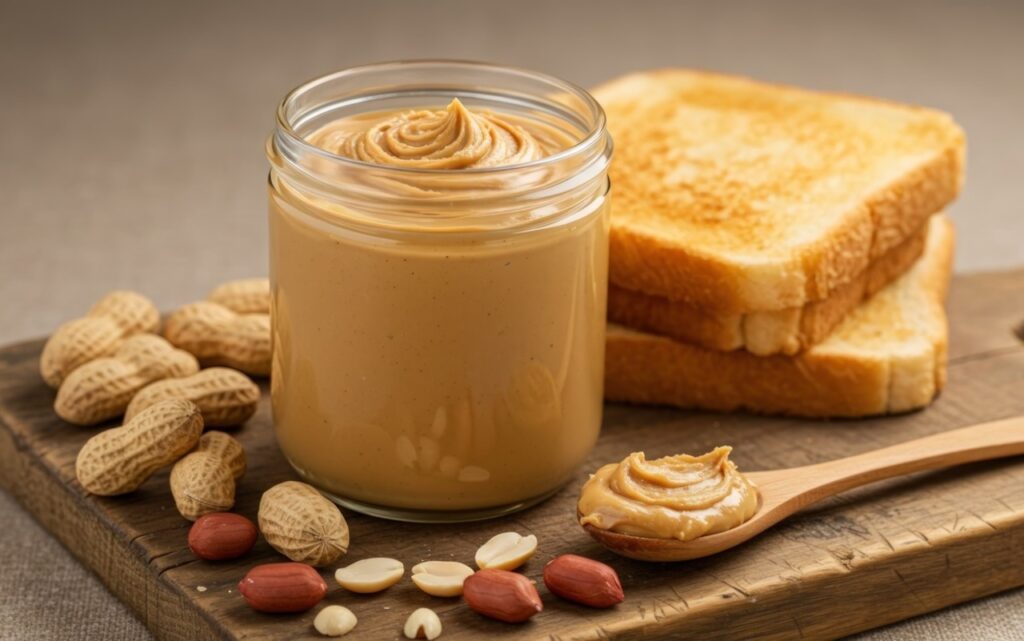
Peanut butter started as a specialty food, often associated with health or novelty rather than daily meals. Its transformation came from its affordability, long shelf life, and nutritional value. During periods when households needed inexpensive protein, peanut butter proved practical and filling. It became closely tied to simple meals like sandwiches, which required minimal preparation. Over time, peanut butter expanded beyond sandwiches into baking, sauces, and snacks. Its versatility helped cement its everyday status. Today, it is a foundational pantry item, valued for both convenience and comfort.
8. Yogurt

Yogurt was once viewed as a niche or health-focused food, often associated with specific diets rather than mainstream eating. That perception changed as refrigeration, packaging, and flavor options improved. Single-serve containers made yogurt portable and convenient, while sweeter and fruit-flavored varieties broadened its appeal. Yogurt began appearing not just as breakfast, but as a snack or cooking ingredient. Its association with protein and digestion supported regular consumption. As availability expanded, yogurt shifted from a specialty item to a routine purchase, reflecting how health trends and convenience reshaped its role in American kitchens.
9. Frozen Meals
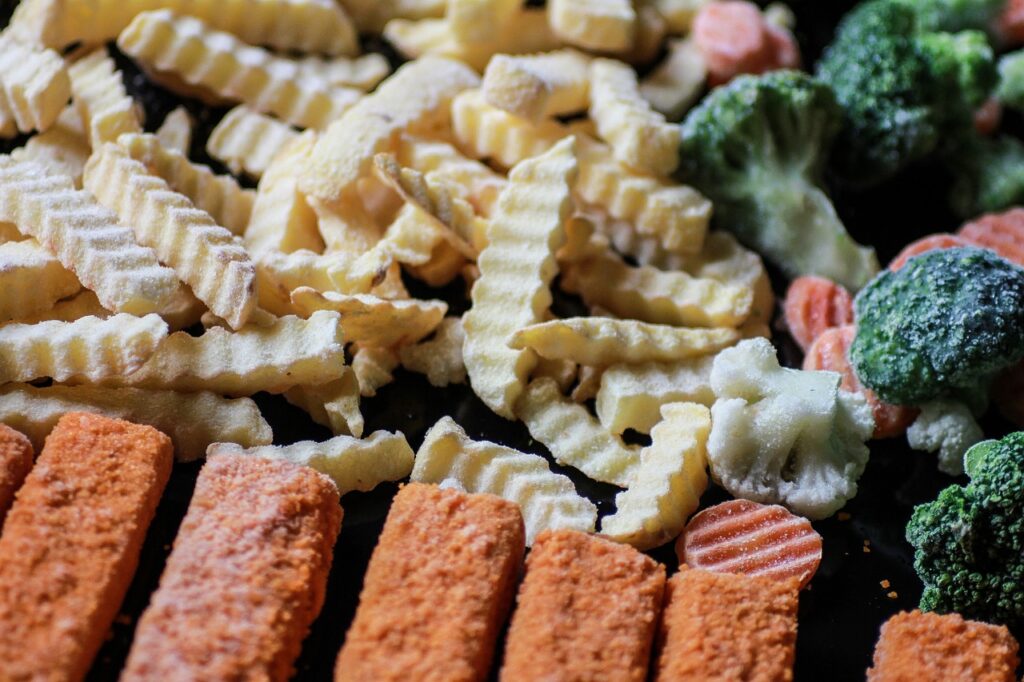
Frozen meals were originally marketed as novelty conveniences or emergency food rather than everyday solutions. Early versions lacked variety and quality, reinforcing their occasional use. Advances in freezing technology improved taste and texture, making frozen meals more appealing. As work schedules changed and home cooking time decreased, frozen meals offered a practical solution. Grocery stores expanded selections to include healthier and more diverse options, normalizing their regular use. Frozen meals became less about novelty and more about reliability. They now serve as routine components of meal planning, especially for households balancing time constraints and budgets.
10. Snack Bars
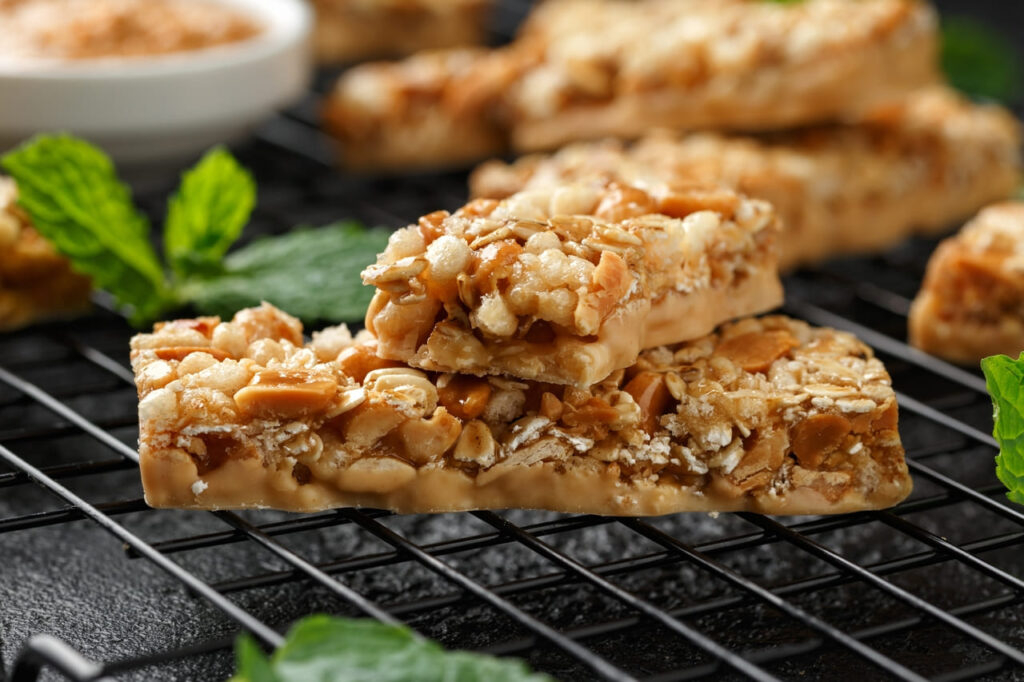
Snack bars began as niche health foods aimed at athletes or dieters. Their rise to everyday staple status followed changes in how people eat throughout the day. As structured meals gave way to on the go eating, snack bars filled the gap. Packaging emphasized convenience, portability, and balanced nutrition. Over time, flavors diversified and marketing broadened appeal beyond fitness communities. Snack bars became acceptable as breakfast substitutes or afternoon snacks. Their shelf stability and ease of use helped them become part of daily routines. What once felt specialized now fits seamlessly into modern eating habits, reflecting broader shifts in lifestyle and convenience.