11 Grocery Items Americans Are Paying More For While Getting Less Every Year

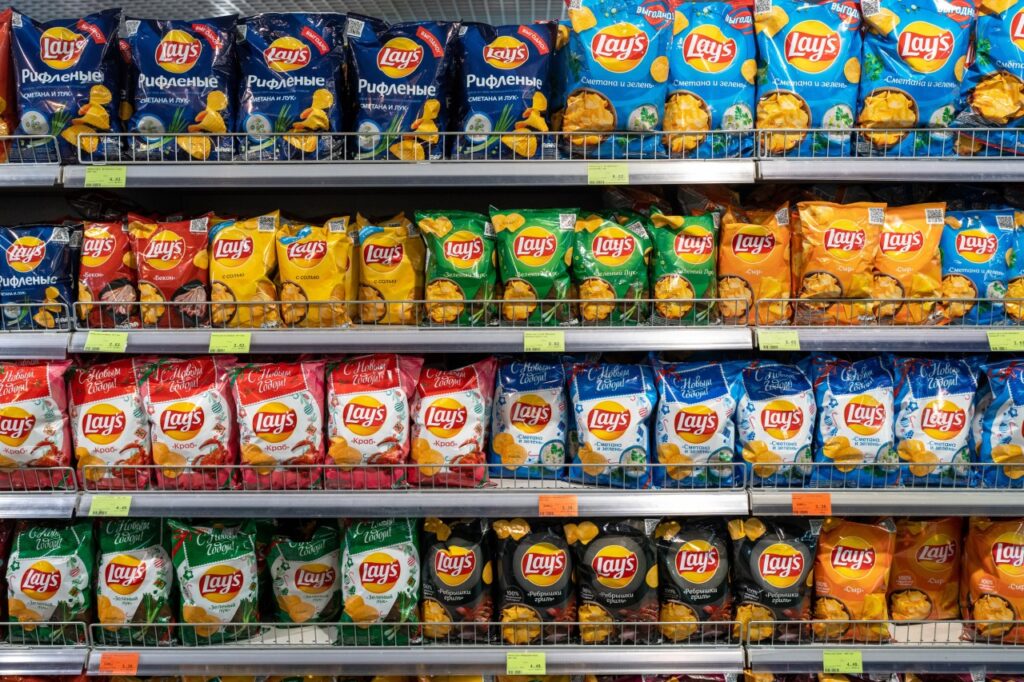
A grocery cart today looks familiar, but it rarely delivers the same value it once did. Many everyday staples cost more now, even though the packages feel lighter or don’t last as long as they used to. These changes are often subtle, happening ounce by ounce or portion by portion, making them easy to miss during a routine shopping trip. Over time, though, they quietly stretch household budgets and change how far a weekly grocery run really goes. Understanding which items are shrinking while prices rise helps shoppers spot patterns, compare value more clearly, and make smarter choices in a changing grocery landscape.
1. Cereal Boxes with Smaller Servings
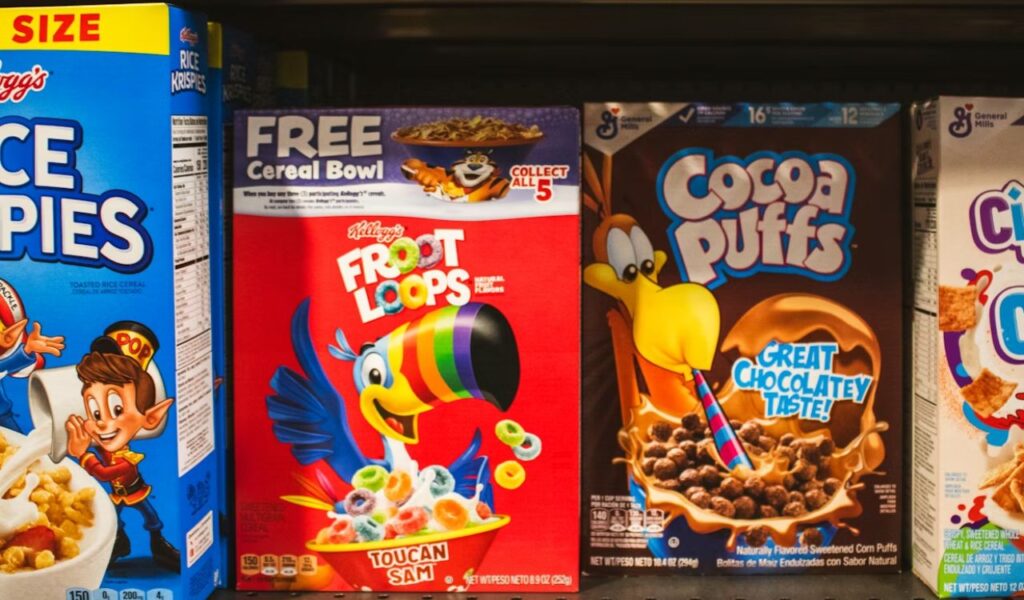
Cereal is one of those breakfast staples that feels like it should remain constant, yet many popular brands have quietly shrunk their box sizes over the years even as prices climb. What once came in a generous 18 or 20-ounce box now might arrive at your pantry weighing only 15 ounces for a similar price or higher. The shift is subtle because companies often make incremental size reductions that are hard to notice unless you compare old packaging side by side with new. This practice means shoppers end up paying more per ounce without seeing a clear price jump on the shelf. Because cereal boxes keep similar dimensions, the reduction often goes unnoticed during routine shopping trips.
2. Packaged Chips and Snack Foods
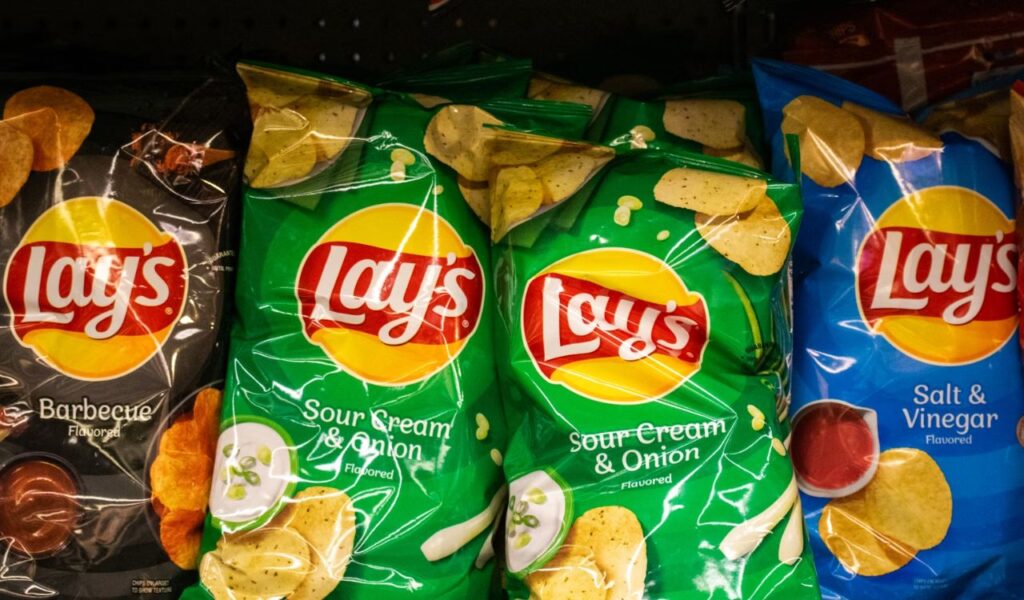
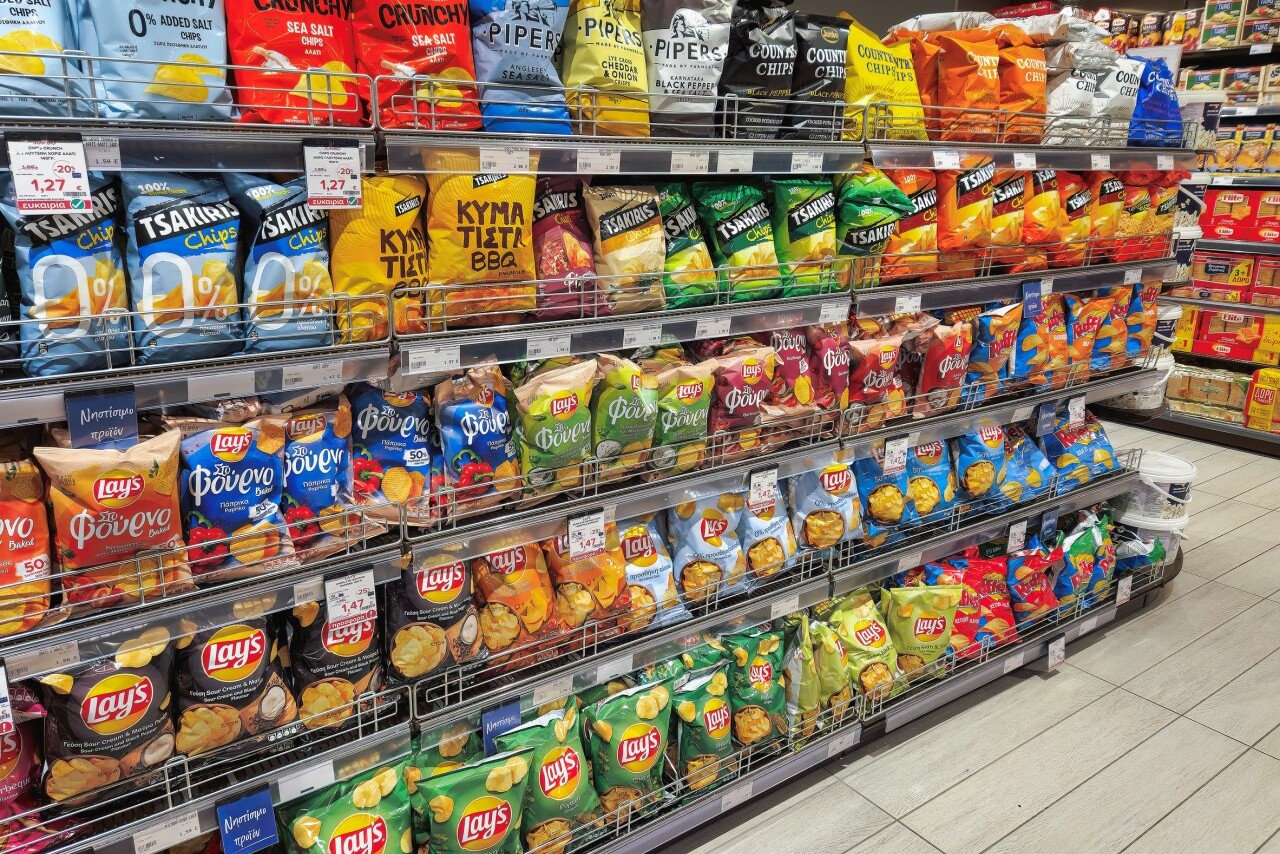
Snack foods like chips, crackers, and pretzels fall into a familiar pattern of shrinkflation affecting many packaged items. Bags that once weighed 10 ounces might now be 9 or even 8.5 ounces without a noticeable change in the package design. Because the bags inflate with air for protection and presentation, it is difficult for consumers to gauge how much less product they are getting. At the same time, prices either stay the same or creep higher over time, resulting in less product per dollar. Production costs, commodity prices, and transportation all play roles, but manufacturers often find it easier to reduce quantity than to raise the price on the label.
3. Bottled Beverages
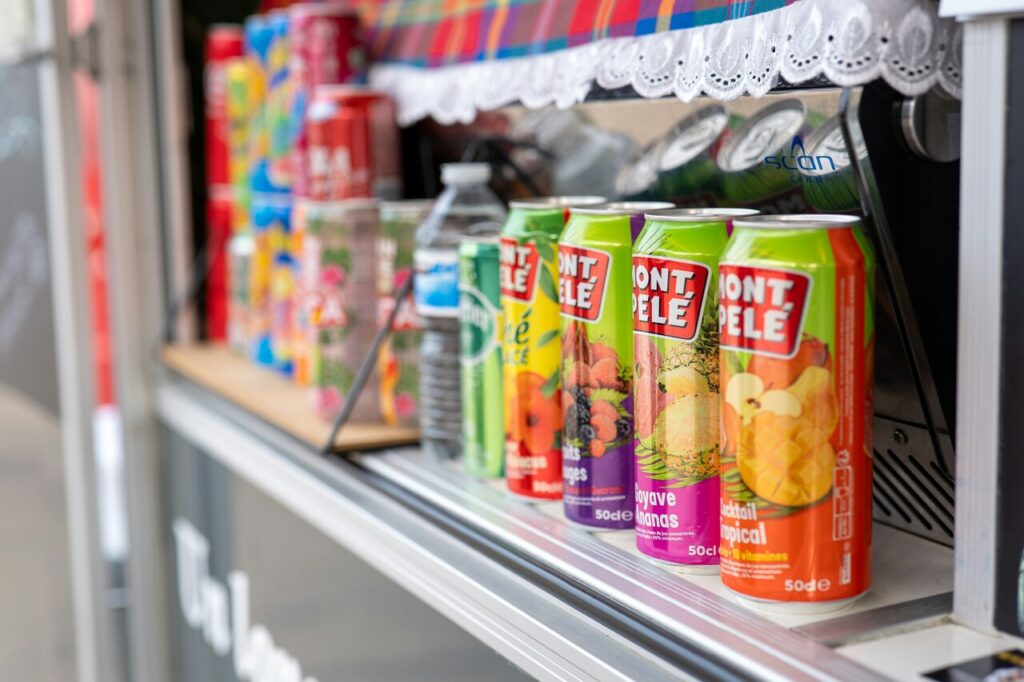
Bottled beverages are another category where price and volume trends diverge. Sodas, flavored waters, and ready-to-drink teas may look familiar to a casual glance, but today’s bottles often contain fewer fluid ounces than bottles from a decade ago. A container that used to hold 20 fluid ounces might now contain 18 or 16, yet the price tag remains similar. This change affects your cost per drink rather than just price per bottle. While some shifts reflect consumer demand for smaller portions, they also hide subtle value loss. At the same time, rising input costs for sweeteners, packaging, and distribution make profit margins tighter for companies.
4. Milk and Dairy Products
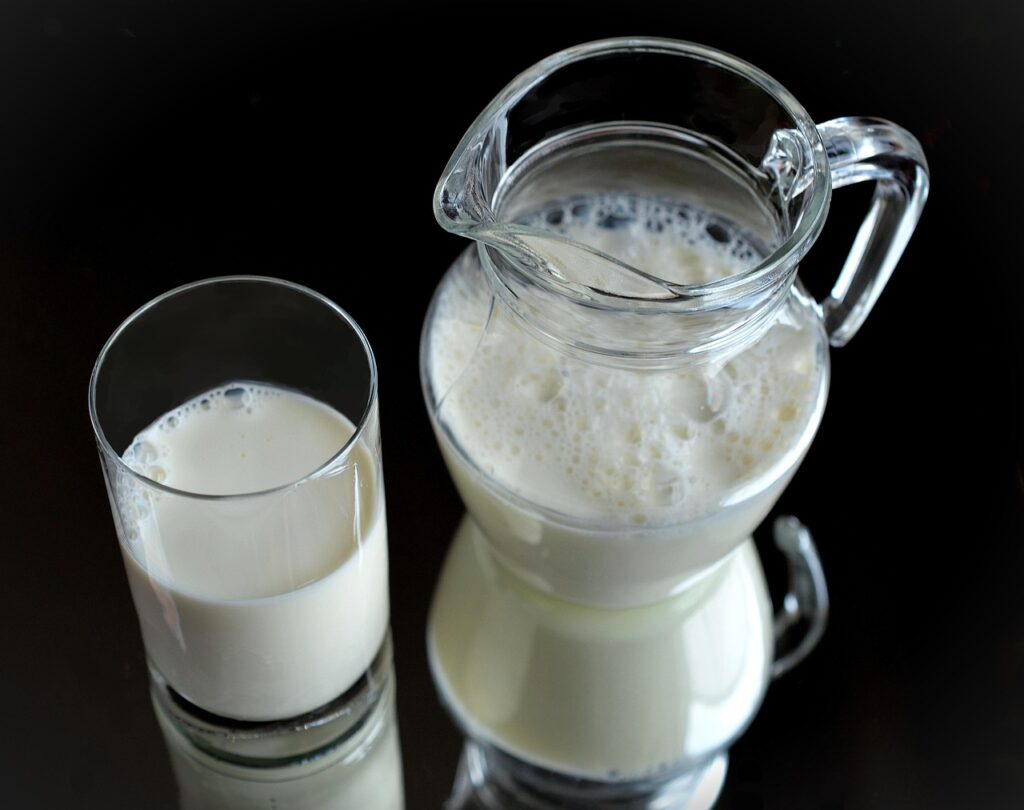
Milk, cheese, and yogurt are foundational dairy items that have also seen price increases without a proportional increase in quantity. Milk, measured by the gallon or half-gallon, reflects broader inflation in feed and processing costs. The result is a higher price at checkout for similar volumes. Cheese and yogurt face similar pressures. While tub sizes remain standard, the price per pound has risen as dairy farmers cope with higher costs for feed, labor, and transport. This upward shift does not reflect lower quality, but it does affect how much dairy consumers can purchase with the same budget.
5. Meat and Poultry Packages
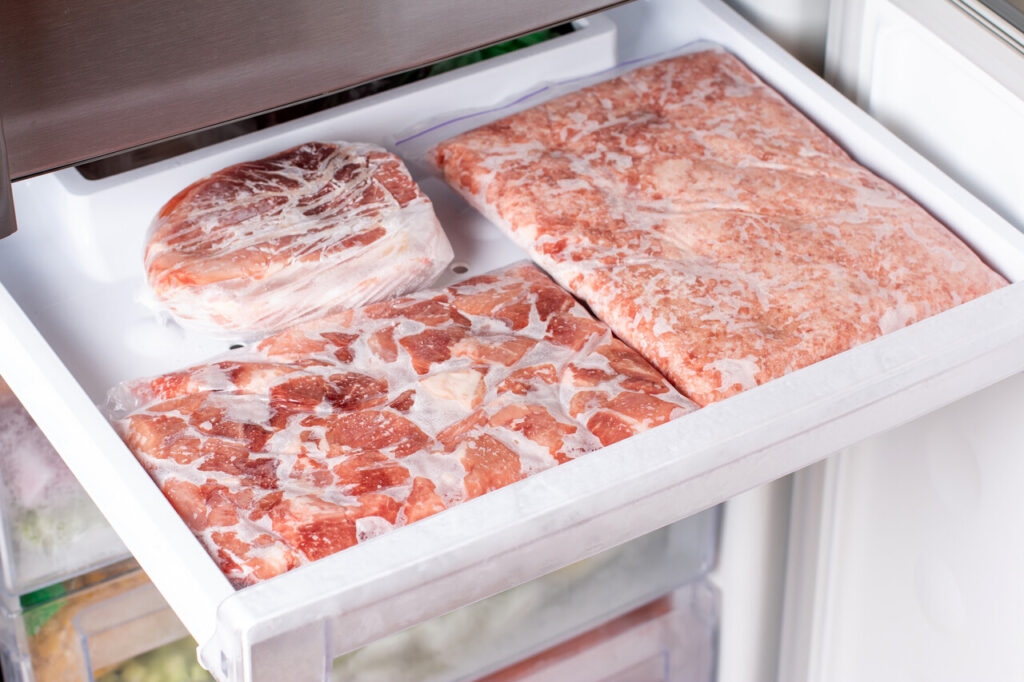
Meat and poultry are among the most price-sensitive grocery items shoppers buy. Whether it’s chicken breasts, ground beef, or pork chops, many consumers have noticed that packages seem leaner or that advertised weights do not match early expectations. Part of this reflects tighter supply chains and higher feed costs, but it also shows up in how products are packaged and priced. Retailers may list a similar price on the tag while the actual weight fluctuates downward slightly. The result is a higher cost per pound even if the sticker price does not jump as dramatically. For families who regularly buy meat, these changes mean that weekly protein budgets stretch less far than before.
6. Coffee and Tea

Coffee and tea are daily essentials for many Americans, and both categories have seen cost increases that outpace changes in package size or quantity. Ground coffee and whole bean packages may not shrink, but the price per ounce has risen noticeably as farmers face climate pressure, unpredictable harvests, and transportation costs. Specialty teas and branded blends also track higher ounce-for-ounce costs than they did in previous years. While packaging may suggest similar content, the economic reality reflects higher costs in cultivation and processing. For regular drinkers, this means the same routine now consumes a larger share of the grocery budget over time.
7. Cooking Oils

Cooking oils like vegetable, canola, and olive oil have shown some of the most visible price increases while offering less relative volume or fewer promotional deals. A standard 48 or 64 ounce bottle might cost significantly more year after year, reflecting global commodity price shifts, crop harvest variations, and increased demand. While oils have not necessarily shrunk in size, the value equation shifts when higher prices do not correspond to improved quality or benefit for consumers. With everyday cooking relying on oil usage, this affects household budgets in a way that feels incremental but persistent.
8. Frozen Meals
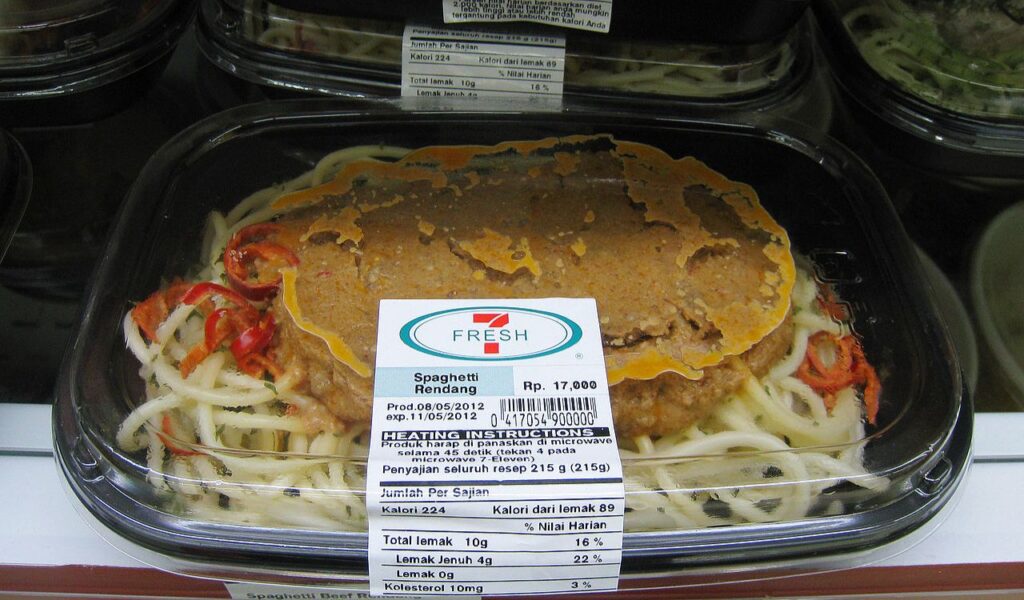
Frozen meals offer convenience, but they are trending toward smaller portions and higher prices. Microwaveable dinners or heat-and-serve entrees may look similar in packaging but contain less food than before or cost more ounce for ounce. Some of this relates to rising ingredient costs, but it also reflects ingredient swaps that reduce protein or vegetable content while maintaining price points. Portion shrinkage is especially noticeable when diners expect a full meal but receive a lighter serving. For busy shoppers, frozen meals remain useful, but being mindful of nutrition, portion size, and cost per ounce helps avoid paying premium prices for less sustenance.
9. Bread and Bakery Items

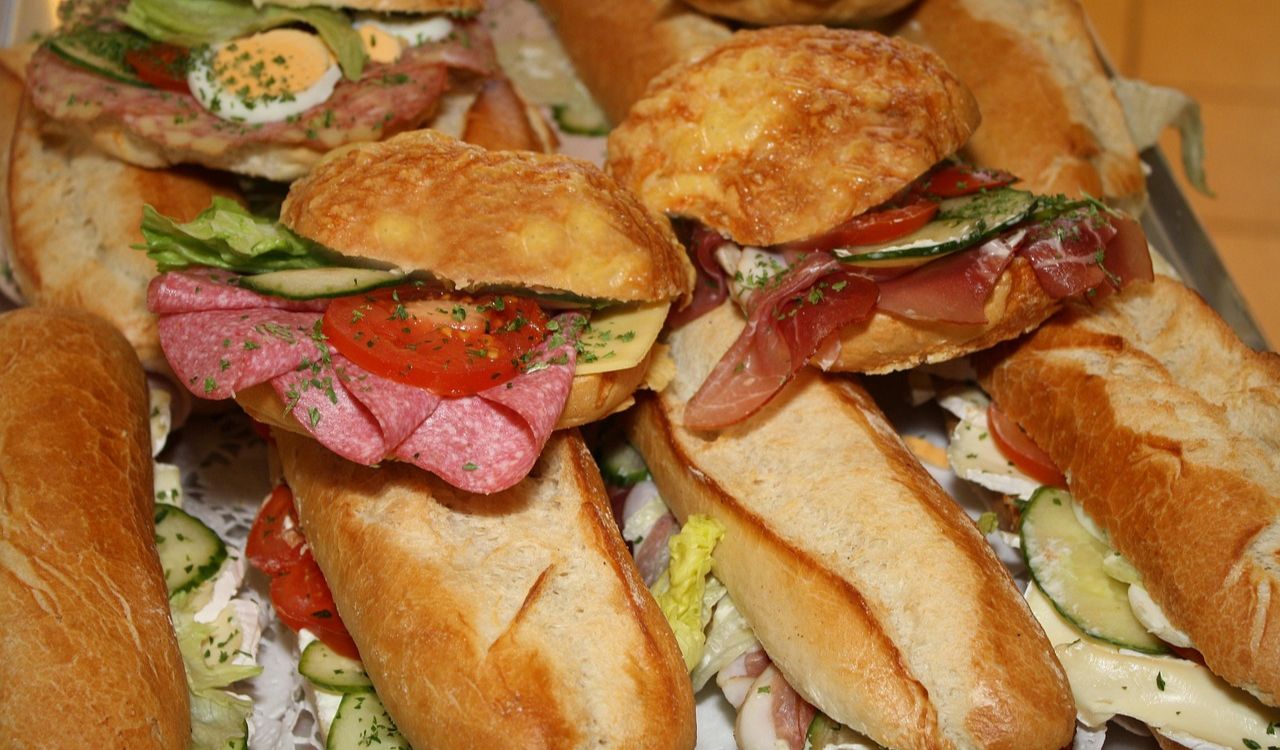
Bread, rolls, and other baked goods have seen price increases tied to rising flour, energy, and labor costs. While shrinkflation in bread is less common than in processed snacks, the higher prices for similar loaves mean Americans are essentially getting less value for their dollars. Packaging may stay the same, but cost per slice or per ounce climbs. For artisan or specialty loaves, the changes can be even more pronounced as small bakeries pass on higher costs to consumers. Understanding how grain markets and production expenses influence bakery pricing helps explain why your regular loaf costs more now than it did a few years ago.
10. Condiments and Sauces
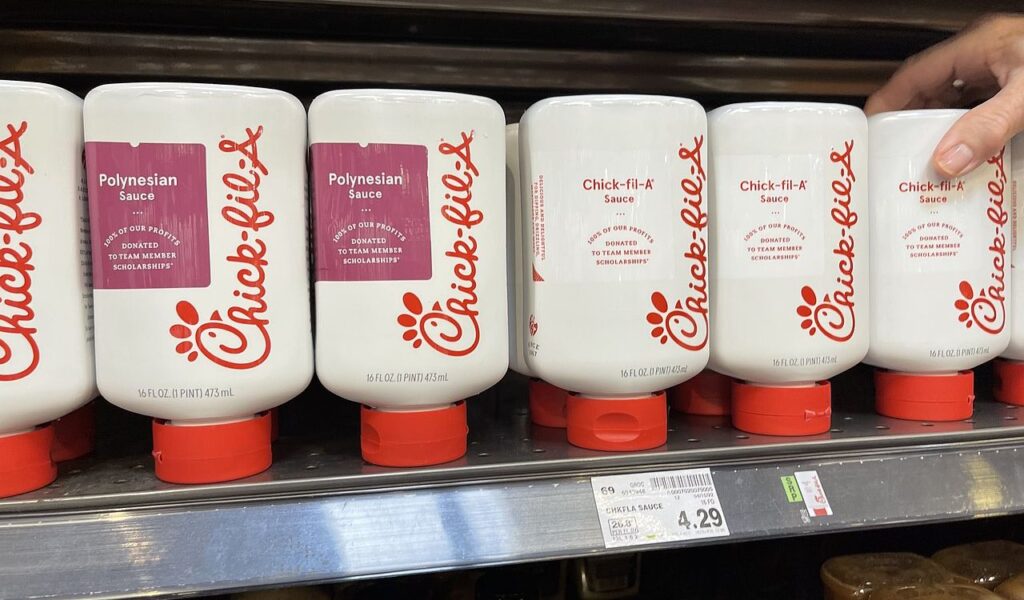
Ketchup, mustard, salad dressings, and other condiments have experienced both price increases and, in some cases, slight decreases in volume. Smaller bottles or lighter jars can mean less product for the same cost, especially when size changes are not clearly marketed. Additionally, premium or imported sauces often show a higher cost per ounce due to sourcing, ingredients, and branding. When combined with everyday usage, these shifts mean shoppers pay more while closing the jar less often over time. Checking the unit price rather than just assuming value based on packaging size helps reveal these changes.
11. Snack Bars and Granola Bars
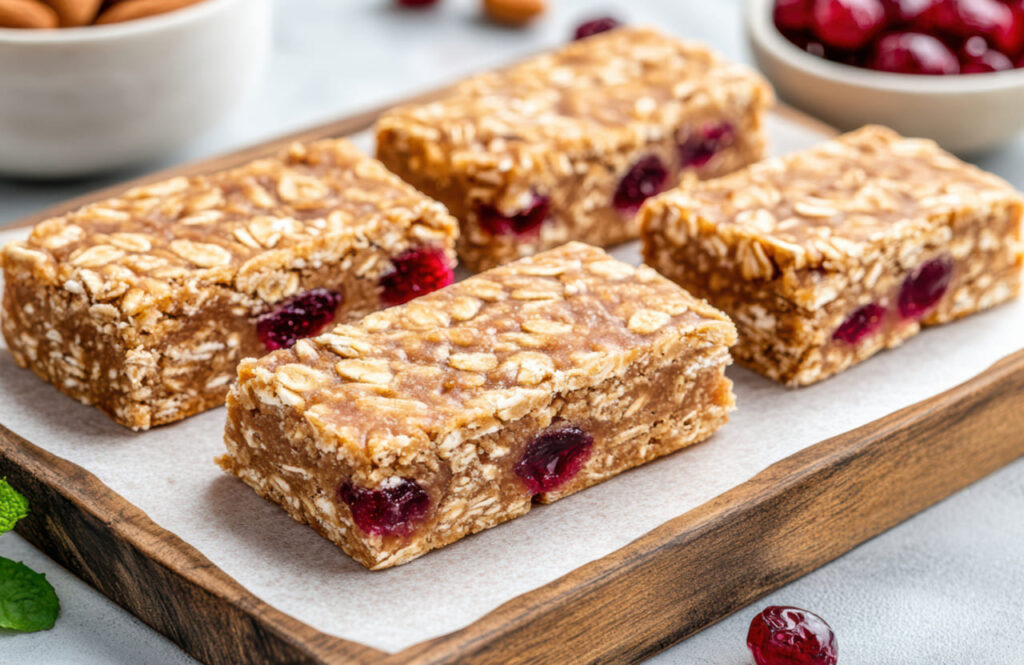
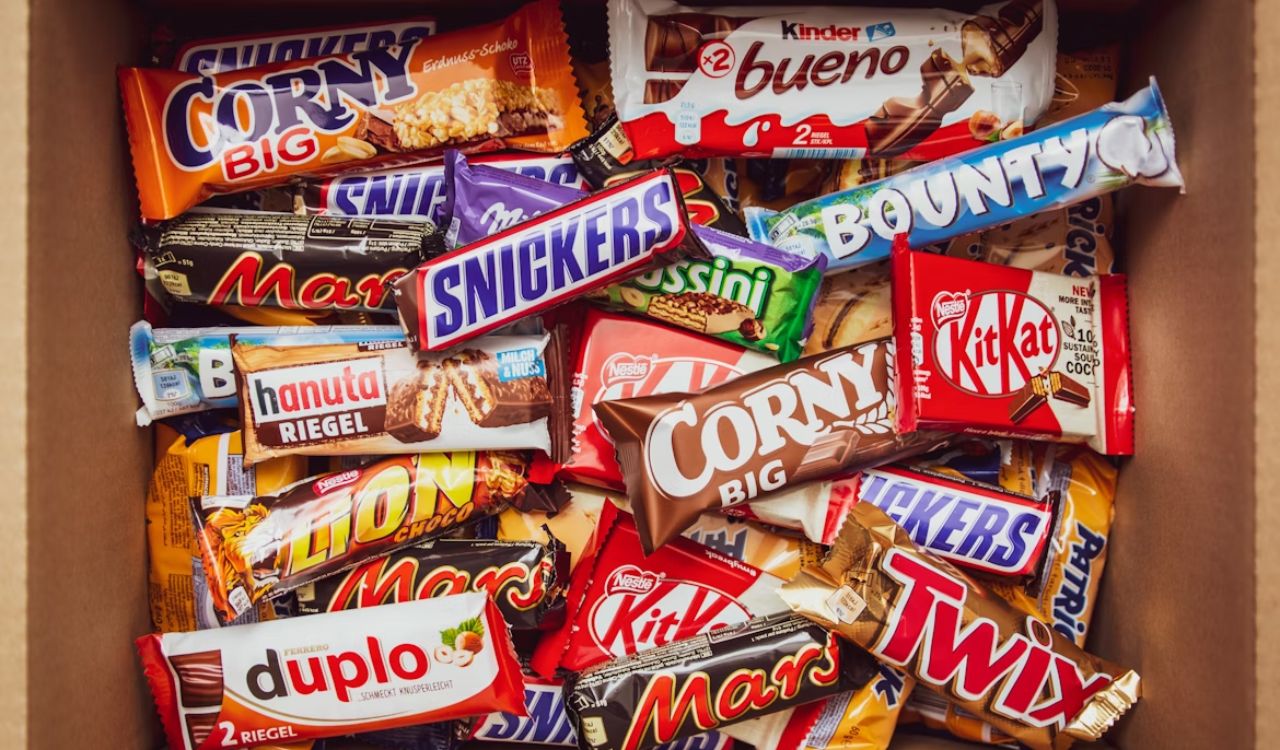
Individually wrapped bars are a convenient snack, but the category has not been immune to rising cost per ounce and occasional size reduction. Many brands adjust their recipes or bar sizes slightly while keeping prices steady or increasing them. Even small reductions in weight affect nutrition and value over time. For consumers who rely on snack bars for breakfast or energy between activities, these incremental changes add up. Paying attention to exact gram weights and comparing them with similar products helps reveal which bars deliver more value for the money. Over weeks and months, these small changes can increase grocery spending without improving satiety or quality.