10 Restaurant Ordering Tips That Help Stretch Your Budget

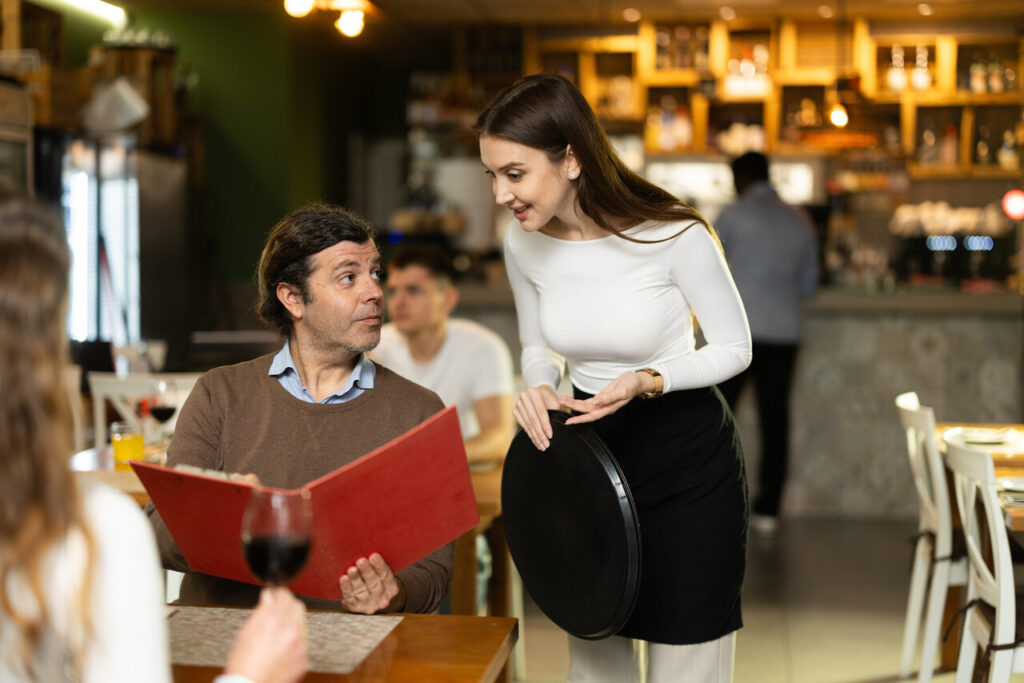
Eating out has quietly become more expensive, but the real shift is not always in menu prices alone. A big part of the cost now comes from how people order. Digital menus, delivery platforms, and subtle upselling tactics are all designed to increase the final bill without making it obvious. What looks like a simple meal can quickly turn into a much higher total once fees, add-ons, and impulse choices stack up.
Here’s the thing. Most of these extra costs are avoidable once you know where they come from. Small decisions like where you order, how you customize, or even when you place the order can change the total more than people expect. These tips focus on those exact moments where money tends to slip away without much thought.
1. Ordering Directly From the Restaurant Often Quietly Saves More Than You Expect
It may feel convenient to open a delivery app and place an order in seconds, but that convenience usually comes with added costs built into the system. Third-party platforms often charge service fees, delivery fees, and sometimes even mark up menu prices compared to what the restaurant charges directly. That means the same meal can cost noticeably more without any clear indication at first glance.
Restaurants themselves increasingly encourage direct ordering through their own websites or apps because it helps them avoid commission fees. In return, many offer better pricing, exclusive discounts, or loyalty perks that are not available on aggregator platforms. What this really means is that going direct is not just about saving money; it is also about getting access to better value.
Over time, this habit can make a meaningful difference in how much you spend on takeout. Even small savings per order add up across weeks or months. Choosing the direct route simply cuts out unnecessary middle costs that do not improve the food or experience in any real way.
2. Online Deals and Combos Are Built to Reward People Who Pay Attention
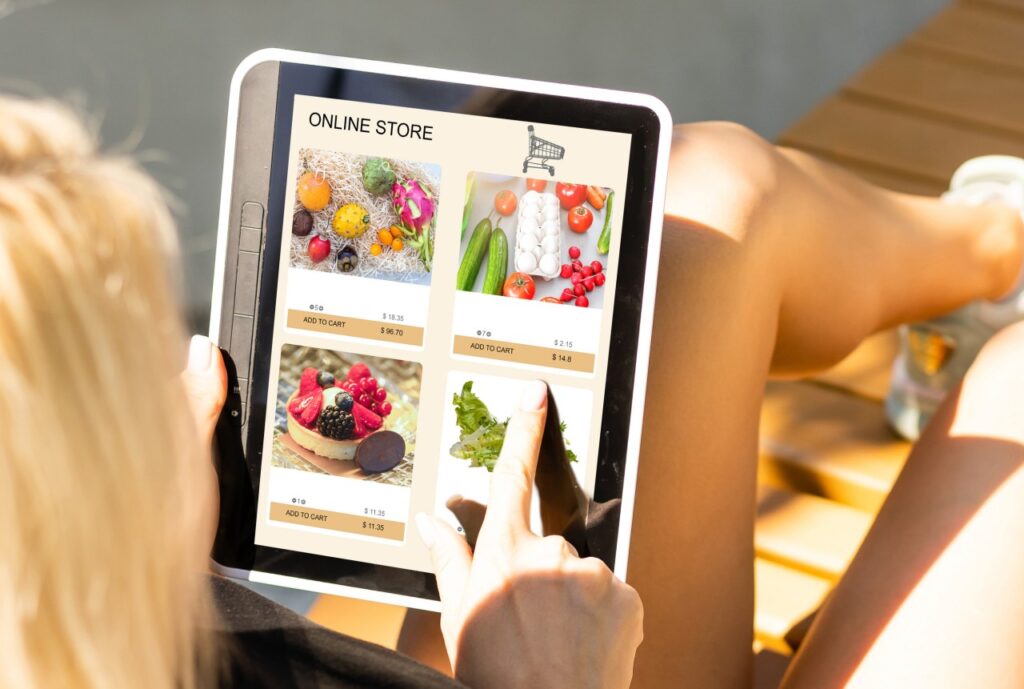
Restaurants design digital menus to highlight value driven options, but those deals are easy to miss if you scroll quickly or stick to familiar items. Combo meals, bundle pricing, and limited-time discounts are often placed strategically to increase order size while still offering a better price per item compared to ordering everything separately.
These offers are not random. They are created to guide customer behavior, encouraging people to spend slightly more while feeling like they are saving. The key is recognizing when the math actually works in your favor. A well-priced combo can reduce the overall cost of a meal, especially when it includes items you were already planning to order.
Being mindful of these deals turns the ordering process into a smarter decision rather than a routine one. Instead of defaulting to individual items, scanning for bundles can unlock better value without sacrificing what you want to eat.
3. Digital Kiosks Are Designed to Nudge You Into Spending More
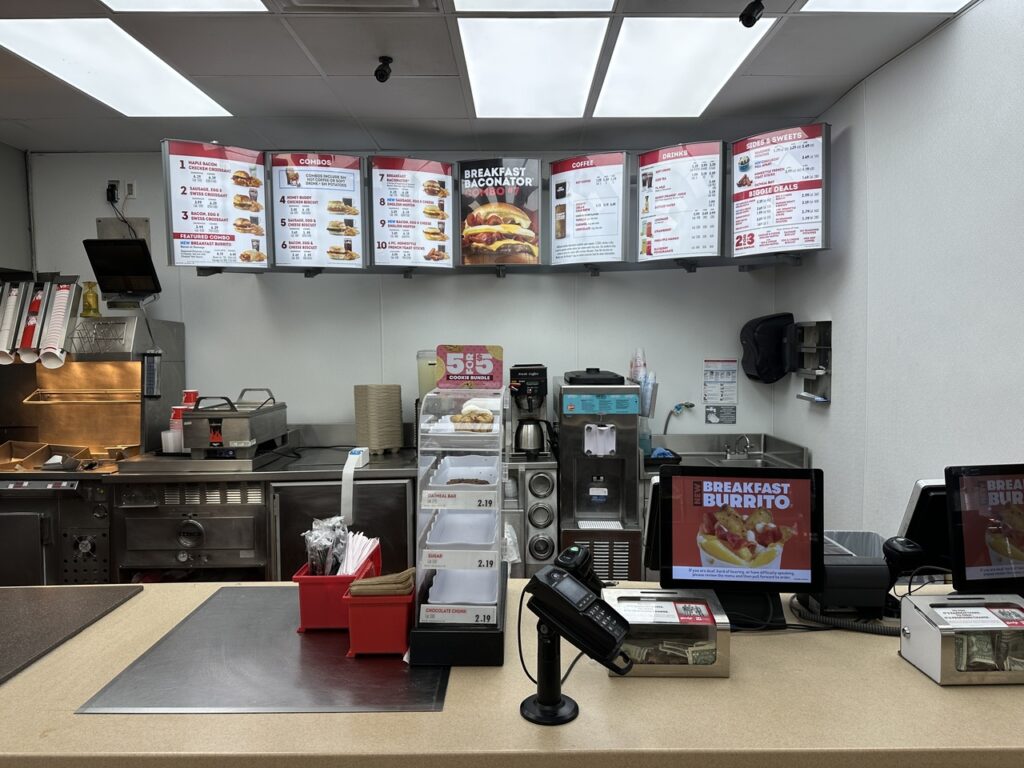
Self-service kiosks feel efficient, but they are carefully designed sales tools. The interface often highlights upgrades, add-ons, and premium versions of items through prompts that appear during ordering. These suggestions are not accidental; they are based on data that shows customers are more likely to accept upsells when interacting with a screen rather than a person.
Without the subtle social pressure of ordering from a cashier, people tend to take more time and consider more options. That extra attention can lead to adding items that were never part of the original plan. A drink upgrade here or an extra topping there can quickly increase the total bill.
Recognizing this design helps you stay in control of your order. Treating kiosk suggestions as optional rather than recommended keeps the focus on what you actually intended to buy. The difference may seem small per visit, but it prevents unnecessary spending over time.
4. Add-Ons and Extras Are Where Bills Quietly Start to Climb
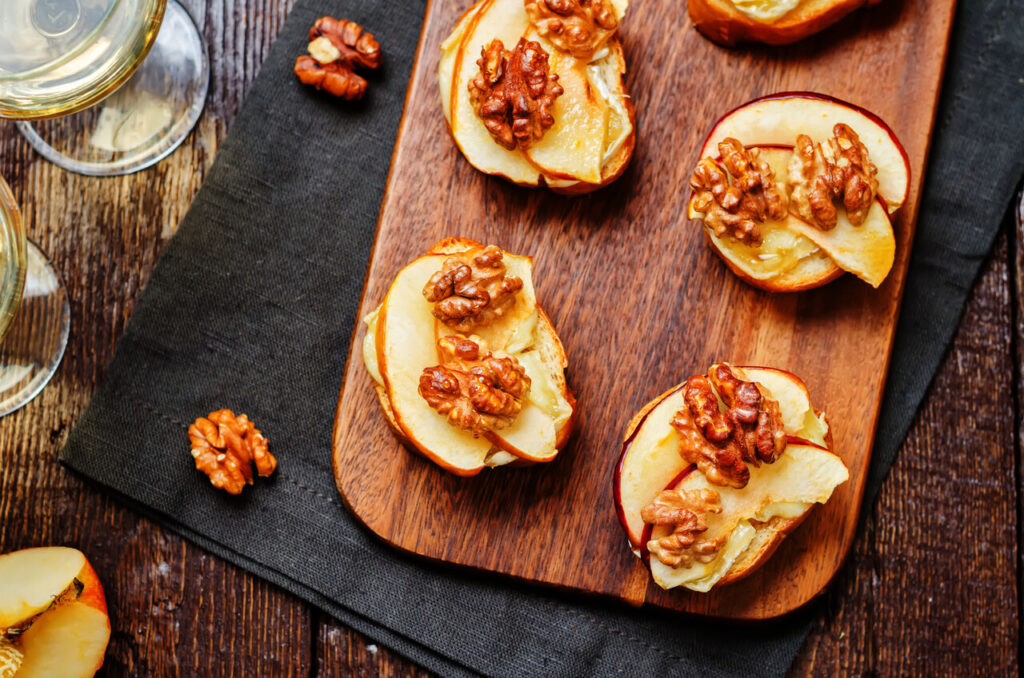
It is rarely the main dish that pushes your total higher; it is everything that gets added along the way. Extra cheese, premium sauces, side upgrades, and add-ons are often priced individually in a way that feels minor in the moment. However, when combined, they can significantly increase the final cost of a meal.
Restaurants rely on these incremental additions because they carry high profit margins. Customers are more likely to justify a small extra cost than a higher base price, which makes add-ons a subtle but effective pricing strategy. What seems like a minor upgrade can sometimes cost as much as a basic menu item when stacked together.
Being selective about extras keeps spending in check without reducing satisfaction. Choosing one or two meaningful additions instead of accepting every suggestion ensures the meal still feels complete without unnecessary cost creep.
5. Reordering Familiar Meals Can Save More Than Experimenting
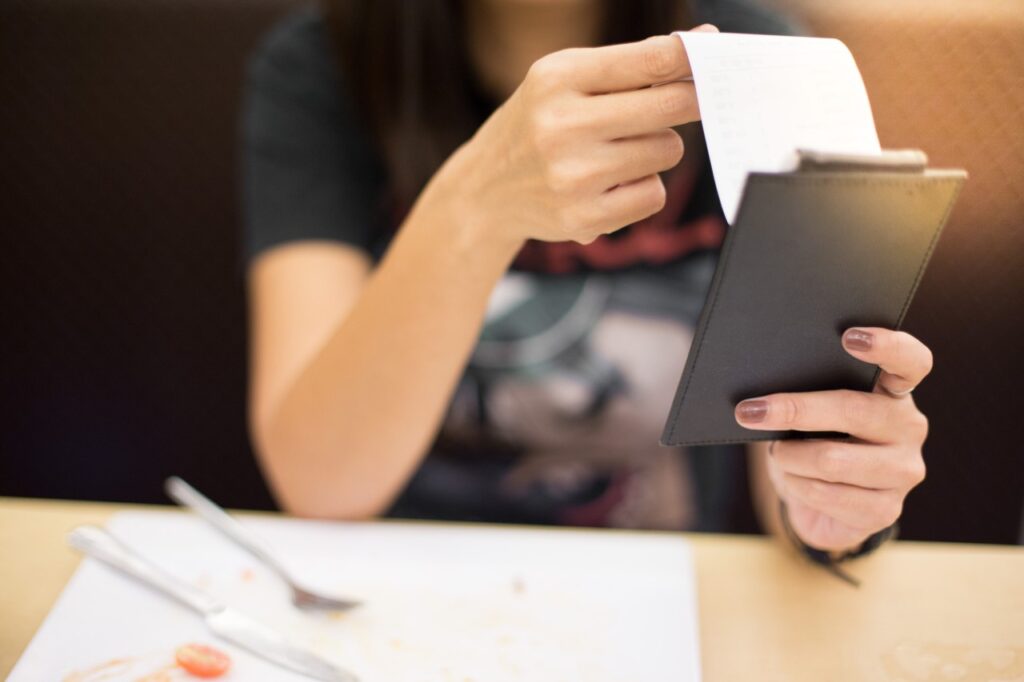
Trying new items is part of the appeal of eating out, but it can also lead to higher spending. Unfamiliar dishes often come with premium pricing or combinations that include extras you may not need. In contrast, sticking to a known order helps avoid unnecessary experimentation that increases the bill.
Restaurants track customer preferences and often make it easier to reorder previous meals through apps or accounts. These repeat orders are typically streamlined, which reduces the chances of adding extra items during the decision process. Familiarity naturally limits impulse choices.
Over time, this approach builds consistency in both cost and satisfaction. You know what you are paying for and what you are getting, which removes the trial and error that can lead to overspending. It is a simple habit that keeps dining predictable and budget-friendly.
6. Choosing Pickup Over Delivery Cuts Out Hidden Costs
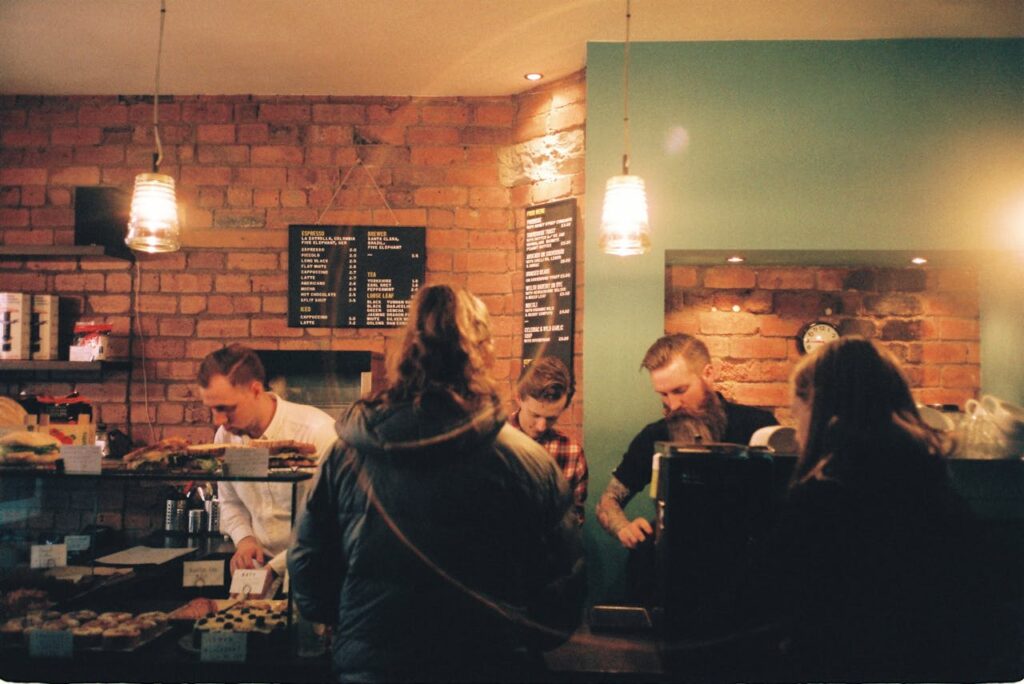
Delivery feels effortless, but it often includes multiple layers of fees that are not immediately obvious. Beyond the delivery charge itself, there may be service fees, platform fees, and tips, all of which increase the final price of the meal. These costs are rarely tied to the food itself, yet they significantly impact the total.
Opting for pickup removes most of these added expenses. The price you see is closer to the actual cost of the food, without additional charges attached to convenience. In many cases, restaurants even prioritize pickup orders, making the process quicker than expected.
This shift in habit does not require giving up on takeout entirely. It simply changes how the order is fulfilled. By eliminating delivery-related costs, you keep more of your budget focused on the food rather than the logistics.
7. Fixed Menu Items Often Cost Less Than Custom Builds
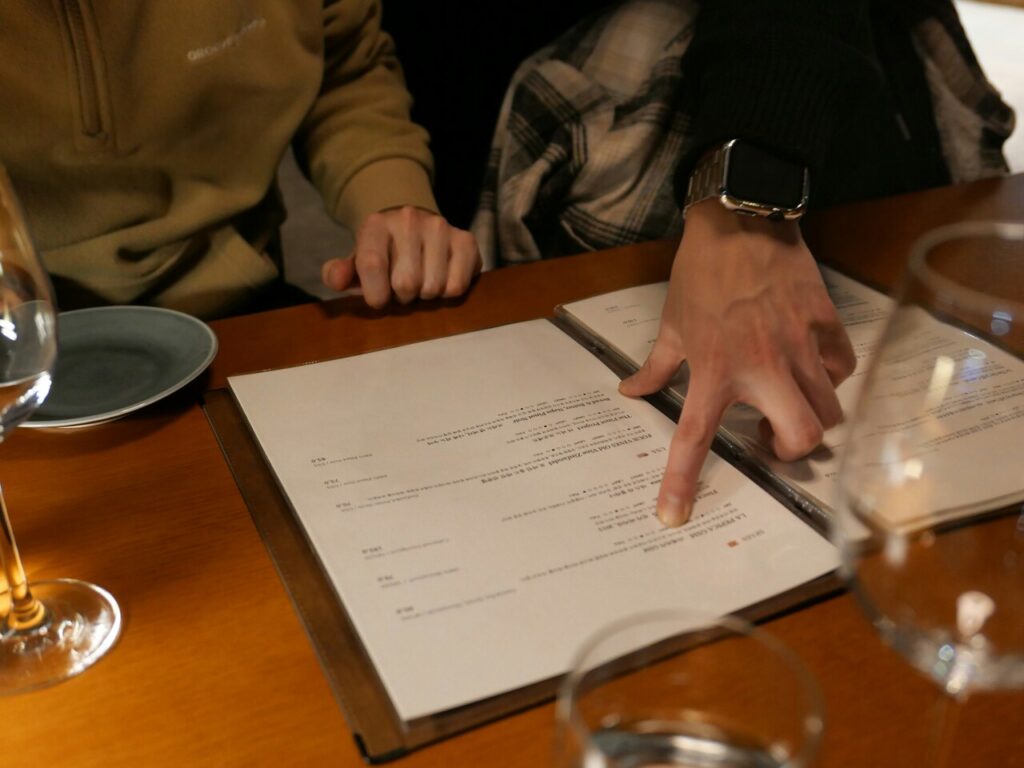
Customizing meals can feel like getting exactly what you want, but it often comes at a higher price. Each modification, whether it is an added topping or a substitution, can increase the cost in small increments. These changes are priced individually, which makes customized meals more expensive than standard menu options.
Restaurants design fixed menu items to balance cost and portion efficiently. These items are optimized for both preparation and pricing, which is why they are usually more affordable than fully customized versions. Choosing them means benefiting from that built-in efficiency.
Sticking to pre-set combinations does not mean sacrificing quality. It simply means taking advantage of how menus are structured. In many cases, the standard version of a dish already offers the best balance of flavor and value without the need for extra adjustments.
8. Loyalty Programs Reward Consistency in Ways Many Overlook
Many restaurant apps and ordering systems now include loyalty programs that offer points, discounts, or free items over time. These programs are designed to encourage repeat visits, but they also provide a clear way for customers to reduce overall spending if used consistently.
The benefits are often incremental but meaningful. Points accumulate with each order, eventually leading to rewards that offset future costs. Some programs also include exclusive deals or early access to promotions, which adds another layer of savings.
Using these systems turns regular spending into long-term value. Instead of paying full price every time, consistent customers gain advantages that occasional diners miss. It is a simple shift that makes frequent ordering more cost-effective.
9. Comparing Platforms Can Reveal Price Differences for the Same Meal
It is easy to assume that prices are consistent across platforms, but that is rarely the case. The same restaurant item can be priced differently depending on where you order, especially when third-party apps apply their own pricing structures or commissions.
Taking a moment to compare options can uncover noticeable differences. One platform may offer a discount or lower fees, while another may have higher base prices. These variations are not always obvious until you check multiple sources.
This small extra step adds control to the ordering process. Instead of accepting the first price you see, comparing platforms ensures you are getting the best available deal. Over time, this habit can lead to consistent savings without changing what you order.
10. Timing Your Order Around Promotions Can Make a Real Difference
Restaurants frequently run promotions during specific times, whether it is off-peak hours, weekdays, or limited-time campaigns. These offers are designed to drive traffic when demand is lower, which creates opportunities for customers to spend less on the same meals.
Being aware of these timing patterns helps you plan orders more strategically. Discounts, special pricing, and bundled deals are often tied to these periods, making them more cost-effective than ordering at peak times. The food does not change, but the price does.
Adjusting when you order does not require major effort. It simply means aligning your habits with available promotions. That small change can consistently lower costs while still allowing you to enjoy the same dining experience.