7 Premium Ice Cream Brands Pumped Full of Air to Hide Costs


Ice cream marketed as premium often promises rich texture and indulgent flavor, yet not every pint delivers the dense creaminess shoppers expect. Many large brands rely on added air during production, a process known as overrun, to increase volume while keeping ingredient costs manageable. The result can be softer, faster-melting scoops that feel lighter despite premium pricing. Understanding how texture gets engineered reveals why some freezer favorites seem less satisfying than they once did.
1. Edy’s Feels Creamy but Melts Too Quickly
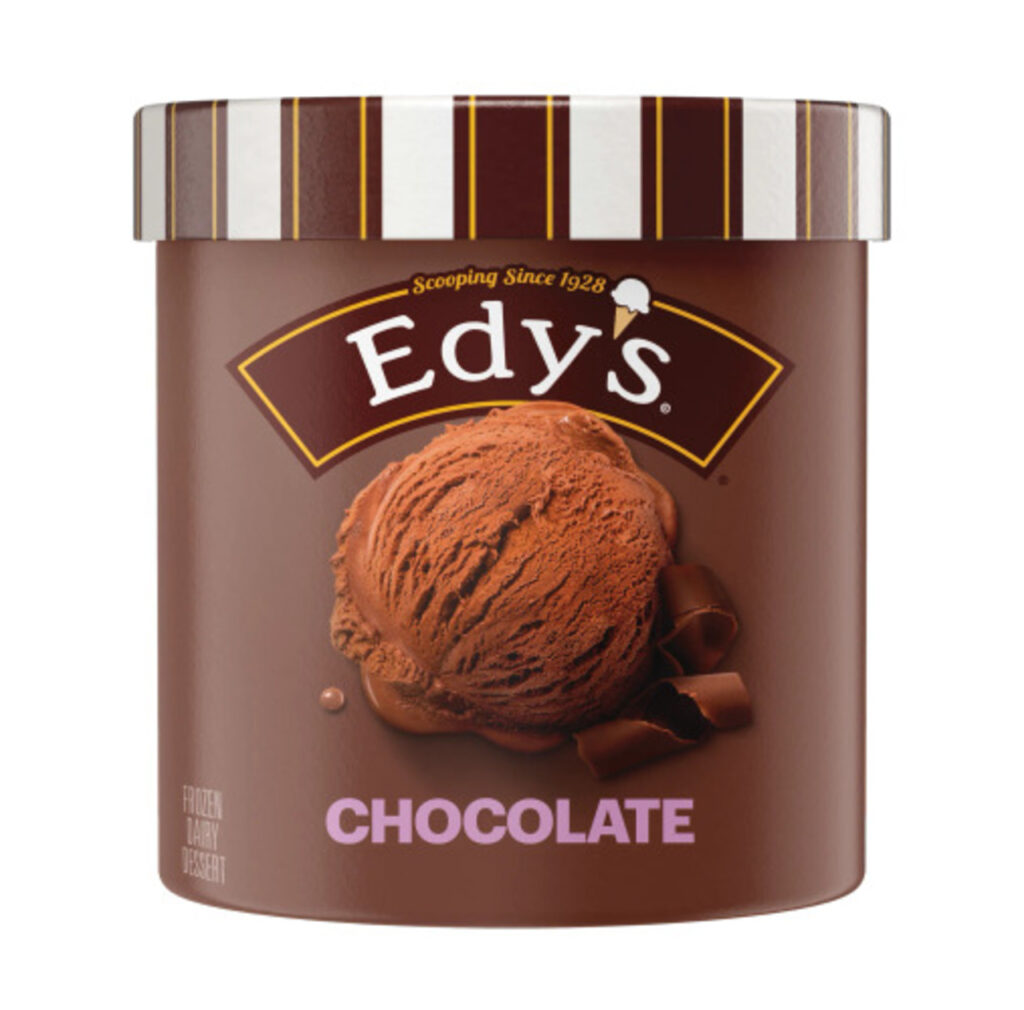
Edy’s has long occupied premium shelf space in supermarkets, marketed as smooth and indulgent. Yet many shoppers notice the ice cream feels lighter than expected, often melting quickly after serving, which signals a higher amount of incorporated air known in the industry as overrun.
Air is whipped into the mixture during freezing, increasing volume without adding more dairy ingredients. Stabilizers and emulsifiers also help maintain texture despite the lighter composition.
Consumers who expect dense, scoopable ice cream sometimes find the softer consistency surprising. While still enjoyable, the product delivers less actual dairy per serving than denser competitors, showing how texture engineering quietly shapes perceived quality in supermarket freezers.
2. Kemps Trades Density for Smoothness
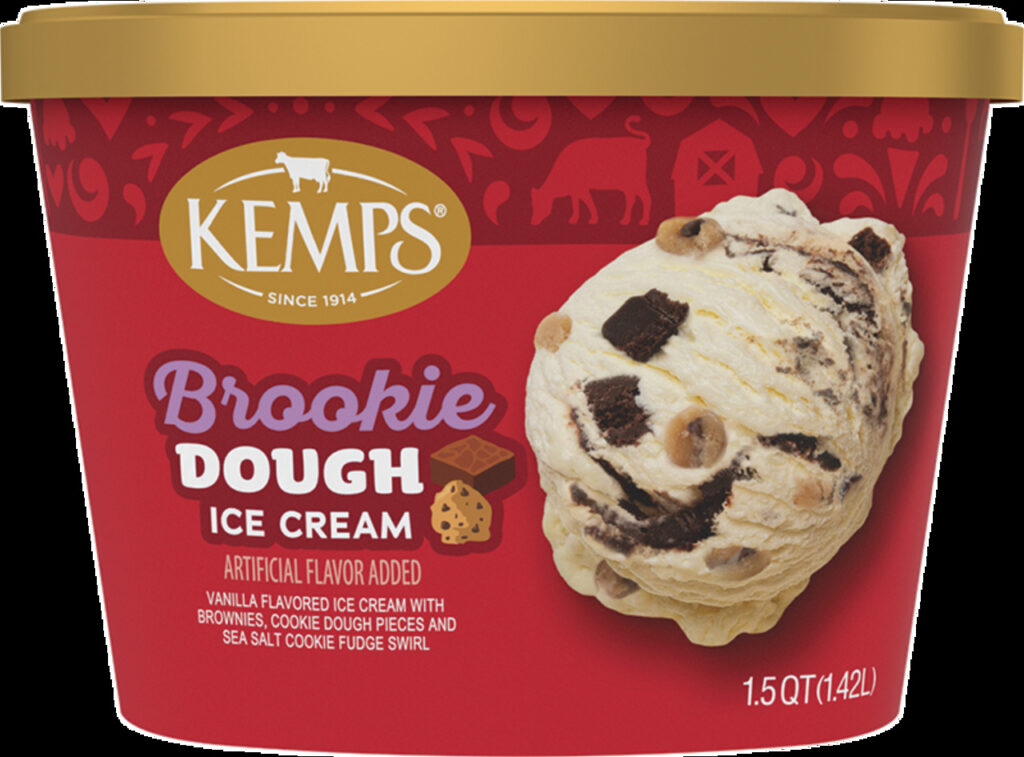
Kemps products often present themselves as creamy family favorites, but their texture tends toward softness rather than richness. Many shoppers notice scoops feel lighter, especially when compared with small-batch or specialty ice creams.
The reason lies partly in production methods that incorporate more air during freezing. Higher overrun creates a smoother mouthfeel and increases container volume while reducing ingredient costs. This approach helps brands supply large markets while keeping price points accessible.
However, a lighter texture can reduce the richness consumers associate with premium ice cream. Although Kemps maintains broad appeal, those seeking dense, slow-melting scoops sometimes find the experience less satisfying than heavier, cream-forward alternatives.
3. Great Value Focuses on Volume Over Density
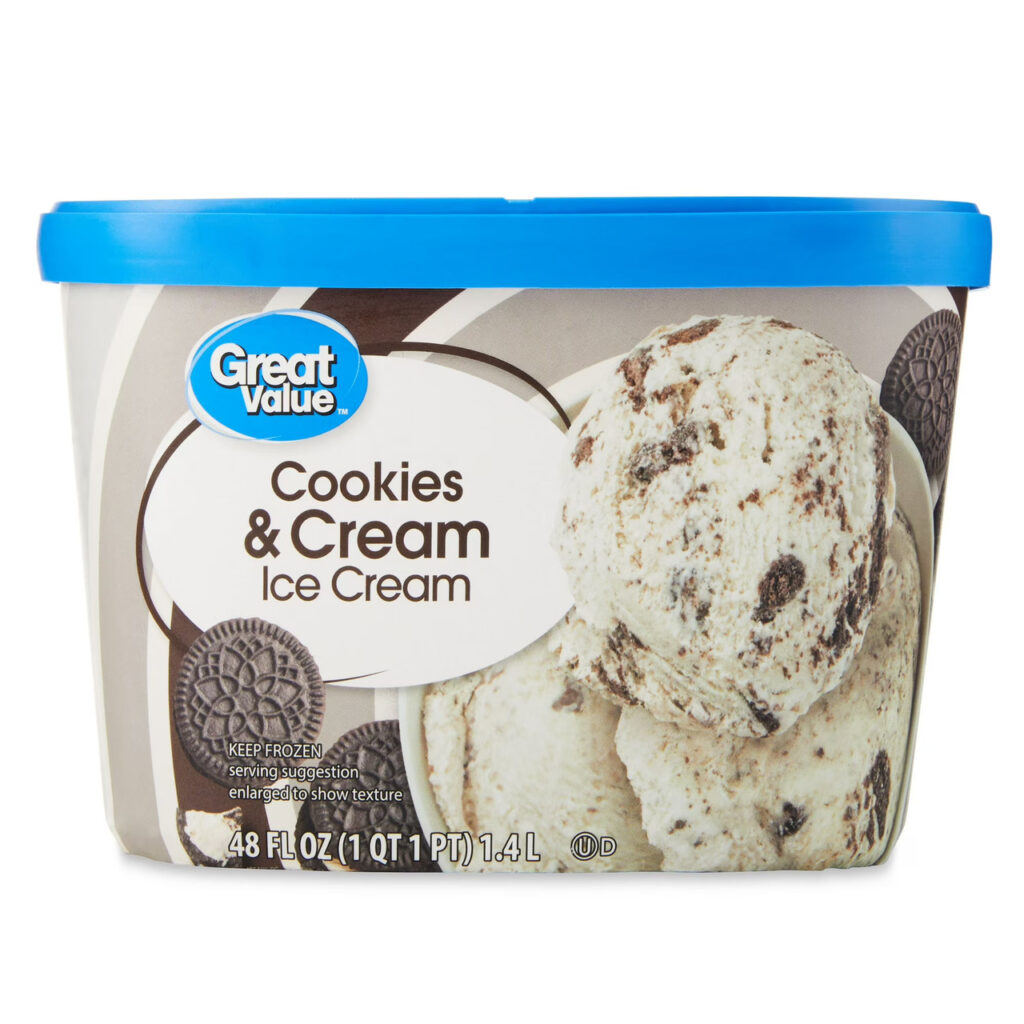
Great Value ice cream aims to deliver affordability for families shopping on a budget, often offering large containers at lower prices. To meet these price expectations, production relies on techniques that maximize volume while minimizing costly dairy inputs.
Higher air content allows containers to appear generously filled while containing less milk fat than denser products. Additives help stabilize texture, ensuring the ice cream remains scoopable.
While budget-conscious shoppers appreciate accessible pricing, texture differences become noticeable when compared with richer options. Scoops melt faster and feel less creamy, illustrating how air incorporation helps keep costs low while subtly altering the eating experience.
4. Blue Bunny Delivers Soft Scoops but Less Cream

Blue Bunny enjoys wide distribution and nostalgic brand recognition, yet its texture often leans lighter than many shoppers expect from premium-looking packaging. Consumers frequently comment that it feels airy straight from the freezer.
Manufacturing methods introduce more air into the product, allowing companies to produce larger quantities without increasing dairy usage. Stabilizers maintain structure so the ice cream holds shape despite its lighter density.
The result remains smooth and easy to serve, yet some ice cream fans feel richness gets sacrificed. Those accustomed to dense artisan styles may notice flavor seems less concentrated due to reduced dairy content per spoonful.
5. Turkey Hill Offers Familiar Flavor With Lighter Body
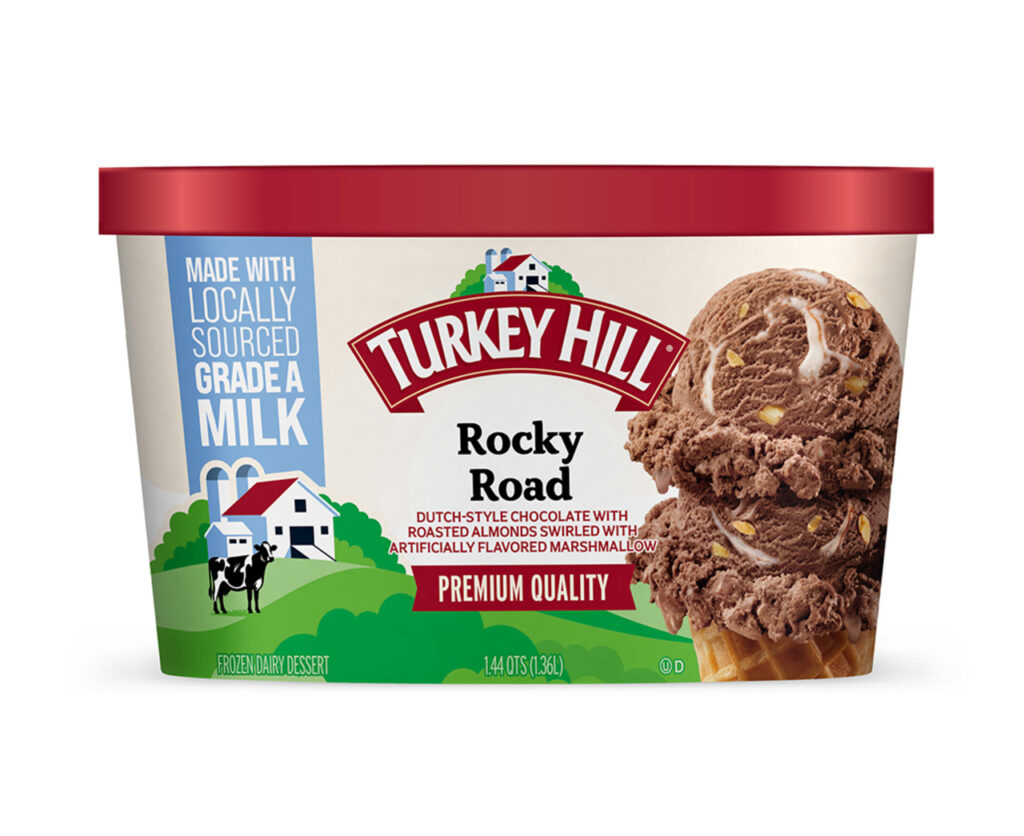
Turkey Hill has long been a staple in many grocery freezers, known for approachable flavors and a wide variety. Still, customers sometimes note that its texture feels softer and melts faster than expected.
Part of this experience stems from higher overrun levels that incorporate air during freezing. This technique helps brands scale production and maintain competitive pricing while offering generous container sizes.
Although flavors remain popular, a lighter body reduces the indulgent mouthfeel associated with premium products. Consumers seeking thick, slow-melting scoops may find Turkey Hill enjoyable but less satisfying than denser ice creams crafted with lower air content.
6. Blue Ribbon Classics Prioritizes Cost Savings

Blue Ribbon Classics often appears as a frozen dessert rather than traditional ice cream, signaling differences in formulation. These products typically include vegetable oils and stabilizers alongside significant air incorporation.
Because dairy fat costs more than alternative ingredients, increasing air content and adjusting formulas keeps prices low. Containers look full, yet actual dairy concentration remains lower than in premium products.
Shoppers expecting classic ice cream sometimes notice faster melting and a lighter texture. While affordability appeals to many households, the experience highlights how cost-saving production choices influence flavor richness and mouthfeel.
7. Aldi Specially Selected Became Lighter Over Time
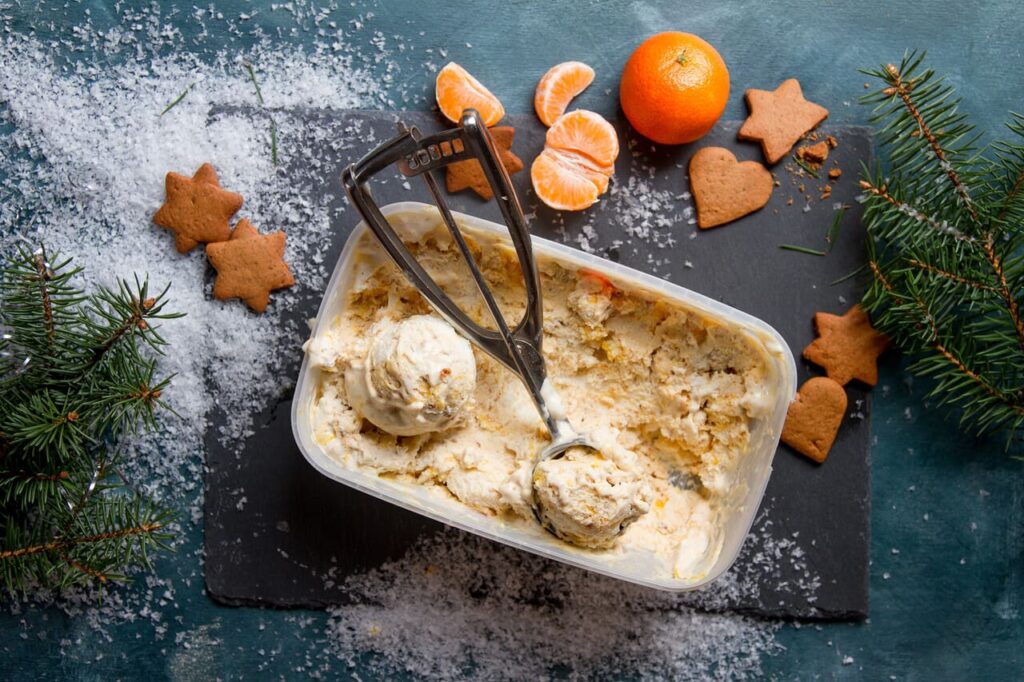
Aldi’s Specially Selected line initially attracted shoppers seeking premium-style products at lower prices, but some customers report texture changes in recent years. Scoops now feel lighter compared with earlier versions.
Reformulations sometimes involve increased air incorporation and stabilizer adjustments that help control production expenses while maintaining competitive pricing in crowded markets. Packaging may remain premium-looking despite internal changes.
Regular buyers occasionally notice reduced creaminess, especially when comparing older batches with current ones. While still enjoyable, texture differences reveal how even premium-leaning store brands may shift formulations to balance cost pressures with consumer expectations.