9 Reasons Supermarket Rotisserie Chickens Are Getting Sadder

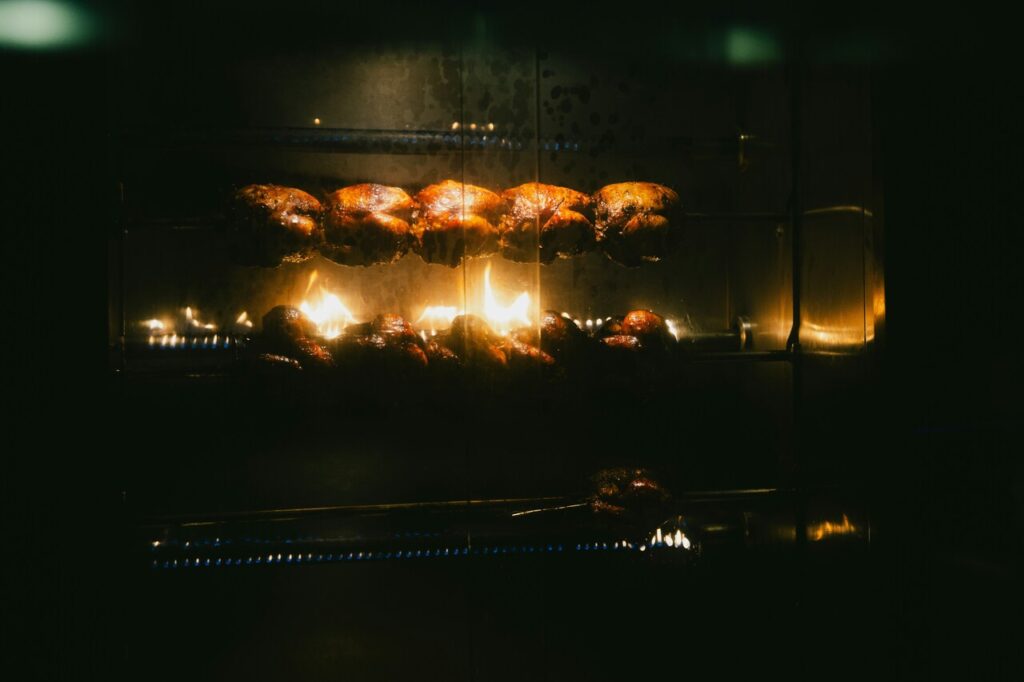
Rotisserie chickens have become one of the most popular grab-and-go meals in supermarkets, promising quick dinners at prices that seem almost unbeatable. Yet many shoppers feel these birds no longer taste as juicy or satisfying as they once did. Behind the scenes, pricing pressures, cooking shortcuts, and grocery store economics influence how chickens are raised, cooked, and displayed. Understanding these shifts reveals why this once reliable grocery staple sometimes feels less impressive today.
1. Cheap Pricing Leaves Little Room for Quality
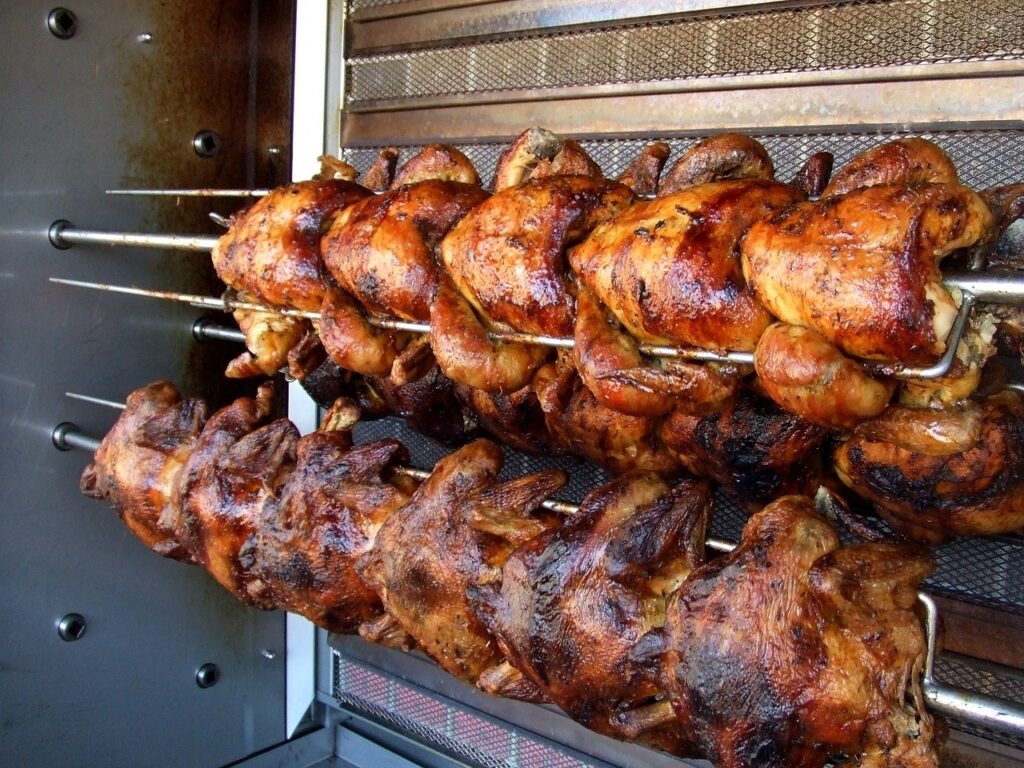
Rotisserie chickens remain one of the most aggressively priced items in supermarkets, often sold at or below cost to lure shoppers inside. Stores accept slim margins because customers buying chicken usually purchase additional groceries that generate profit elsewhere.
This pricing strategy leaves limited room for higher ingredient quality or slower cooking processes. Suppliers must deliver birds cheaply and consistently, which pressures producers to reduce costs at earlier stages in farming and processing.
As expenses rise but prices stay low, quality adjustments quietly follow. Chickens may taste less flavorful or feel less juicy than expected, showing how aggressive pricing strategies indirectly shape what ends up on dinner tables.
2. Older Birds Often End Up on the Rotisserie
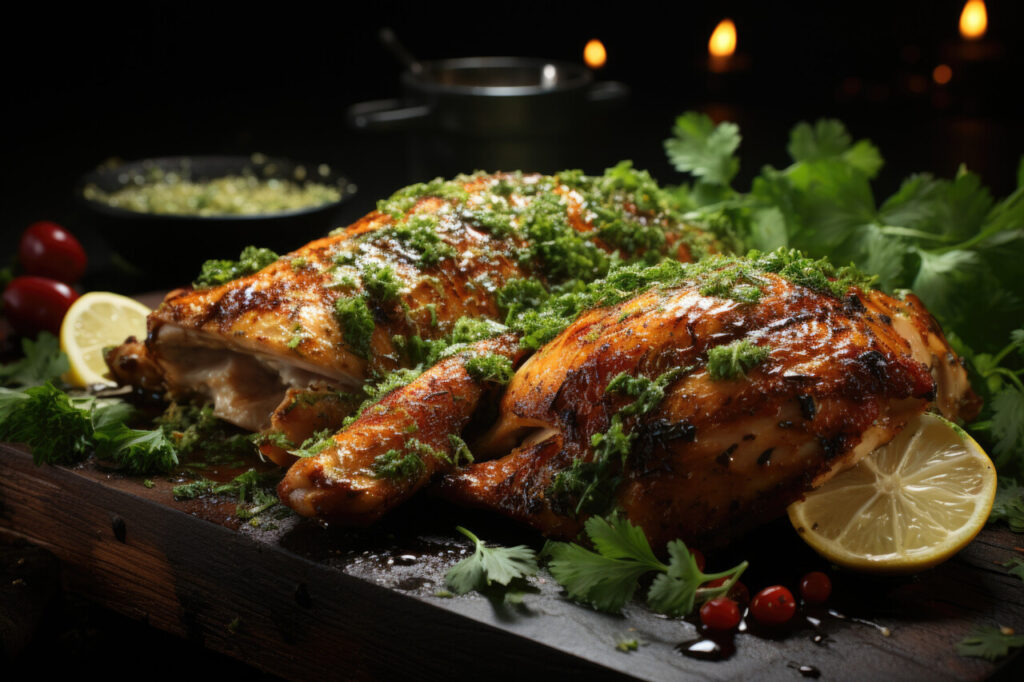
Grocery stores manage large volumes of raw poultry daily, and birds approaching sell-by dates cannot remain unsold without creating losses. Cooking these chickens on rotisserie spits allows stores to sell them quickly rather than discard inventory.
Although still safe to eat, these chickens may have already spent several days in storage, slightly reducing freshness before cooking even begins. Texture and moisture sometimes suffer as a result.
Customers often assume rotisserie chickens are freshly prepared, yet some birds were originally stocked for raw sale. This practice helps reduce waste but sometimes produces meat that feels less vibrant than freshly processed poultry.
3. Smaller Chickens Cook Faster but Yield Less Meat
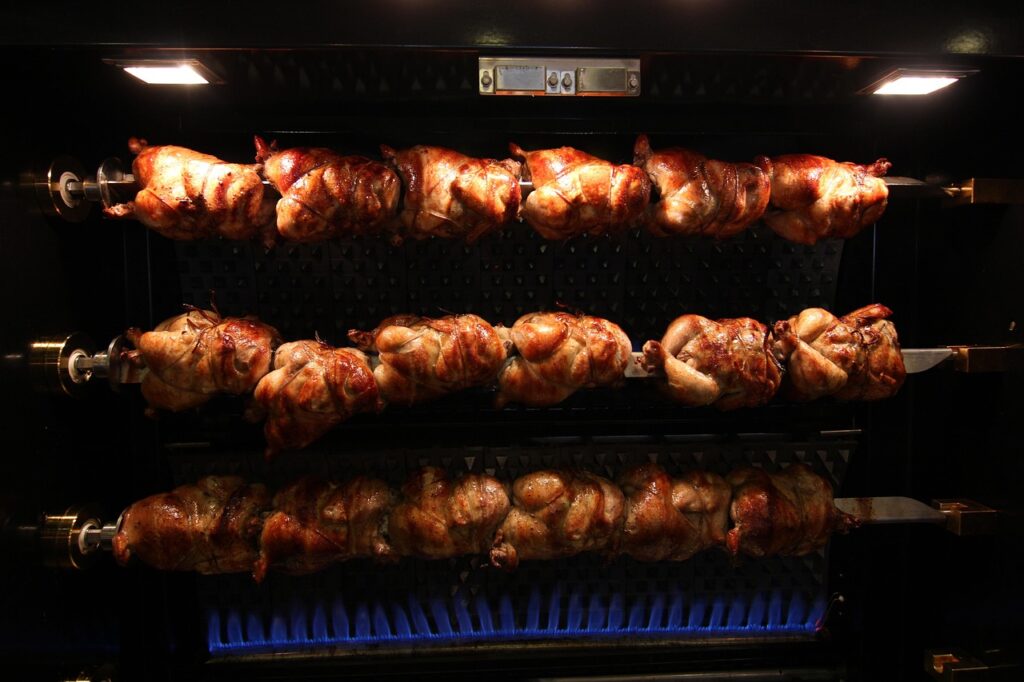
Many supermarkets choose smaller chickens for rotisserie cooking because they roast faster and fit cooking equipment more efficiently. Faster cooking allows stores to keep shelves stocked during busy hours without delays.
However, smaller birds naturally produce less meat, and prolonged heating needed to keep them ready for customers can dry them out more quickly. Portions sometimes feel smaller compared with expectations built from whole raw chickens.
Shoppers seeking hearty family meals occasionally notice reduced value in the meat quantity. Efficiency improves store operations, yet customers sometimes receive birds that feel less satisfying than larger, slower-roasted alternatives.
4. Prices Stay Low Even as Costs Rise
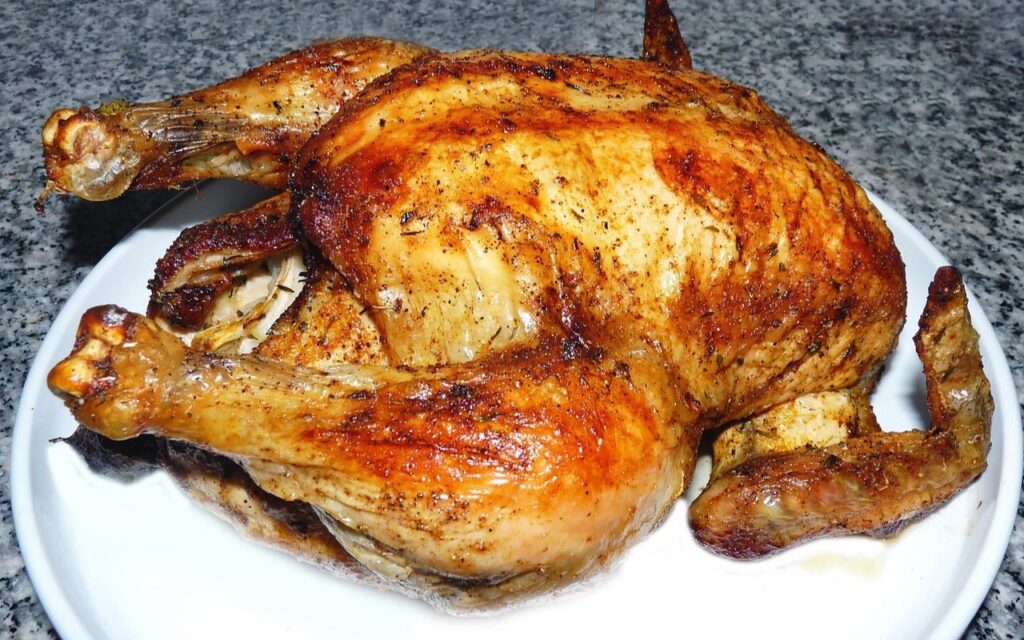
Some chains maintain nearly unchanged rotisserie chicken prices for years despite rising costs in feed, transportation, and labor. Holding prices steady attracts customers but increases pressure on production systems.
To absorb growing expenses, producers may streamline operations or reduce costs in ways shoppers do not immediately notice. Slight changes in bird size, feed quality, or processing methods can occur quietly over time.
Consumers benefit from stable pricing, yet gradual cost-cutting measures sometimes lead to chickens that taste less robust. Flavor differences may seem subtle, but they accumulate as production economics tighten.
5. Seasoning Is Designed to Please Everyone
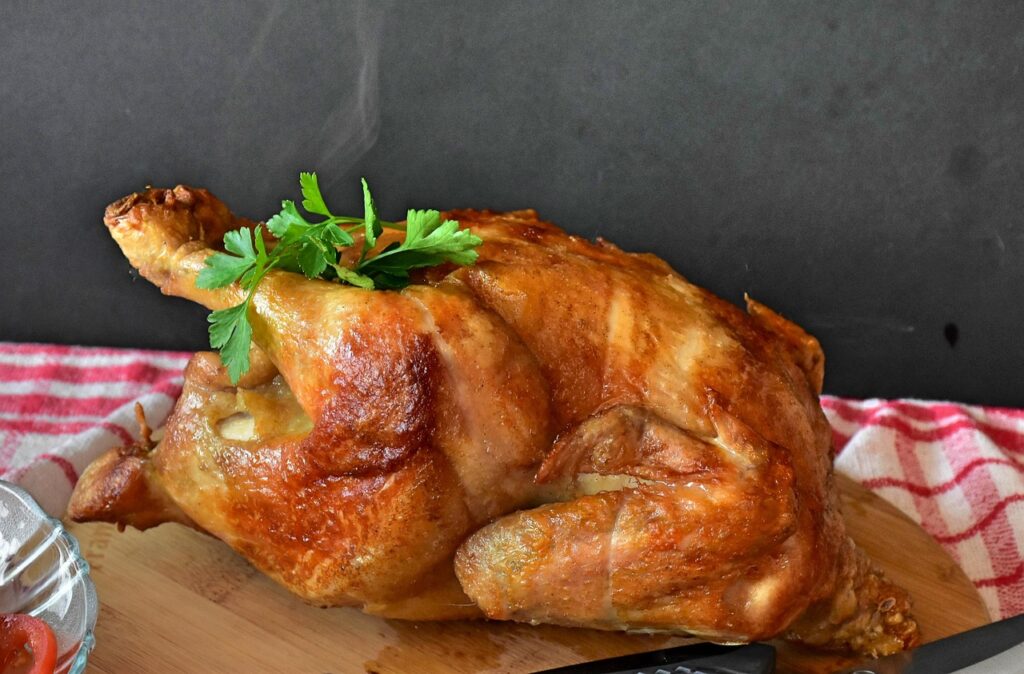
Rotisserie chickens must appeal to a broad range of shoppers, leading stores to use mild seasoning blends rather than bold flavors. Salt and gentle spice mixes dominate to avoid alienating customers with strong tastes.
While this approach ensures general acceptance, it often sacrifices depth and complexity. Chickens may taste pleasantly savory, but rarely deliver memorable seasoning profiles that rival home-roasted versions.
Customers accustomed to stronger flavors sometimes find supermarket birds bland. Universal appeal helps sales, but subtle seasoning can leave meals feeling less exciting compared with freshly seasoned alternatives.
6. Additives Help Maintain Juiciness
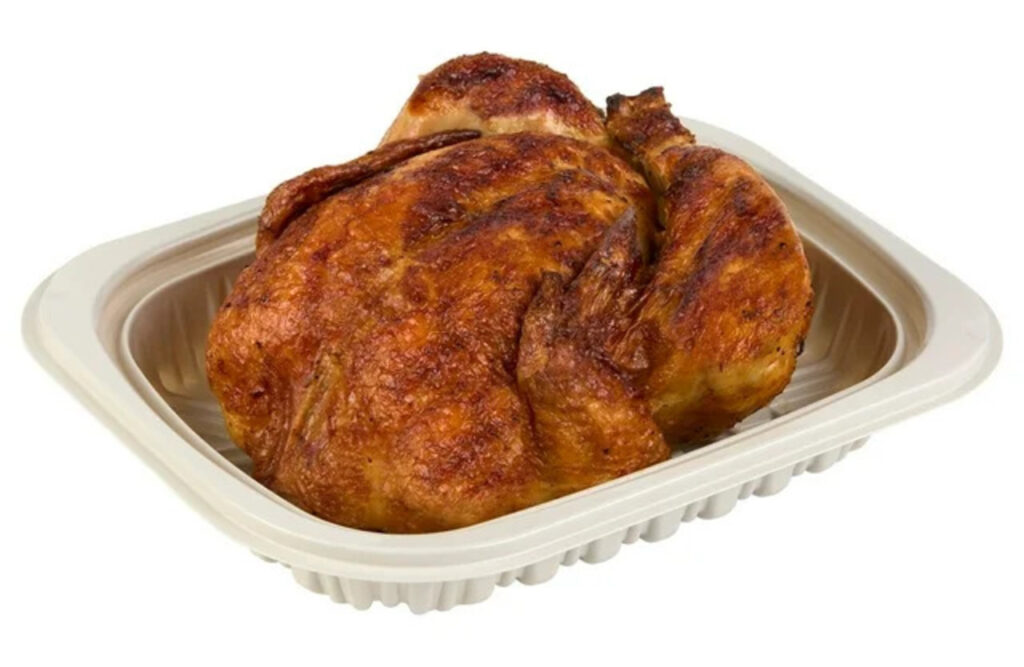
To prevent chickens from drying out during extended cooking and holding periods, processors sometimes use solutions containing salt or phosphates to help meat retain moisture. These treatments improve consistency during large-scale production.
Such additives help chickens remain juicy even when cooked in large batches and kept warm for hours. However, moisture retention does not always equal richer flavor, as seasoning depth may remain limited.
Some shoppers notice texture differences compared with freshly roasted poultry at home. Although safe and widely used, these techniques can slightly alter how meat feels and tastes once served.
7. Heat Lamps Slowly Dry Out the Meat
After cooking, rotisserie chickens often sit under warming lights or in heated display cases waiting for customers. During busy periods, turnover happens quickly, but slower times leave birds exposed longer.
Extended holding times gradually dry out skin and meat despite warming efforts. Juices evaporate, and once-crisp skin softens, leading to texture changes that reduce enjoyment.
Customers arriving later sometimes receive chickens that have already lost peak quality. Convenience remains high, yet freshness varies depending on timing, creating inconsistent experiences from visit to visit.
8. Speed Matters More Than Careful Roasting
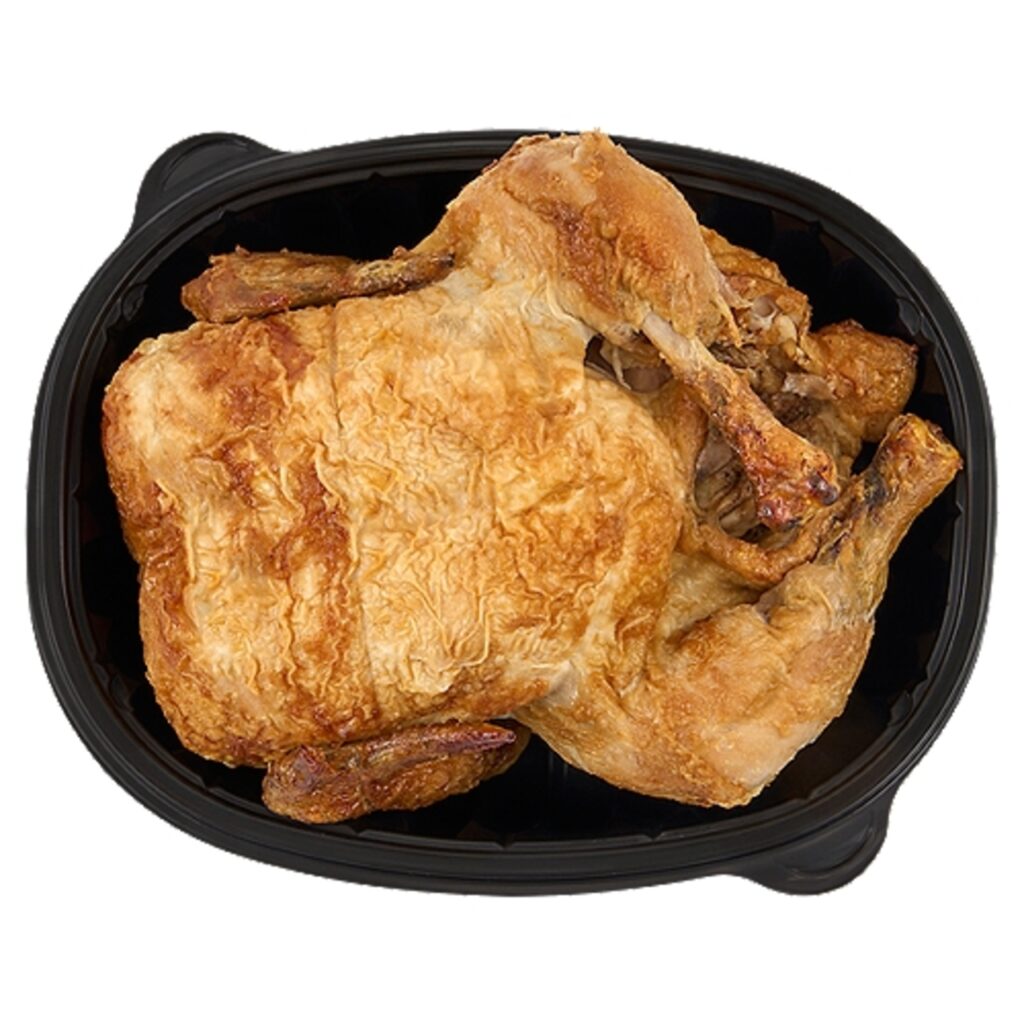
Supermarkets operate on tight schedules where staff must cook large numbers of chickens quickly. Speed ensures availability but limits opportunities for slower, more attentive roasting techniques.
Unlike home cooking, where seasoning and roasting times can be adjusted carefully, store operations depend on standardized procedures that prioritize consistency and rapid output over culinary finesse.
The result often delivers acceptable but not exceptional flavor. Efficiency helps serve large customer volumes, yet chickens may lack the careful preparation that elevates homemade roast poultry.
9. Store Profits Depend on Shopping Behavior
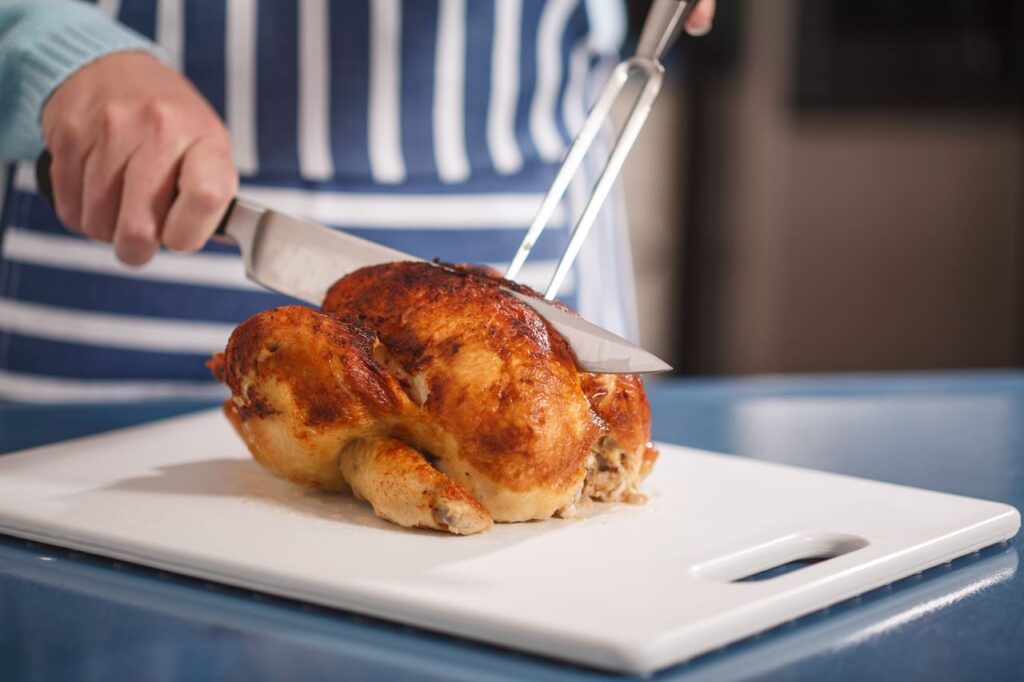
Rotisserie chickens serve as strategic tools designed to bring shoppers into stores, where impulse purchases drive profits. Placement near entrances or prepared food sections encourages additional spending.
Because chickens function partly as marketing tools, decisions surrounding preparation focus on customer traffic rather than maximizing flavor quality. Cooking schedules align with shopping patterns instead of culinary ideals.
Shoppers benefit from convenient, ready-to-eat meals, but chickens sometimes feel like retail strategies first and culinary offerings second. Economic priorities quietly shape how these popular items reach dinner plates.