10 Reasons the Specials Board Is Just the Kitchen Old Meat

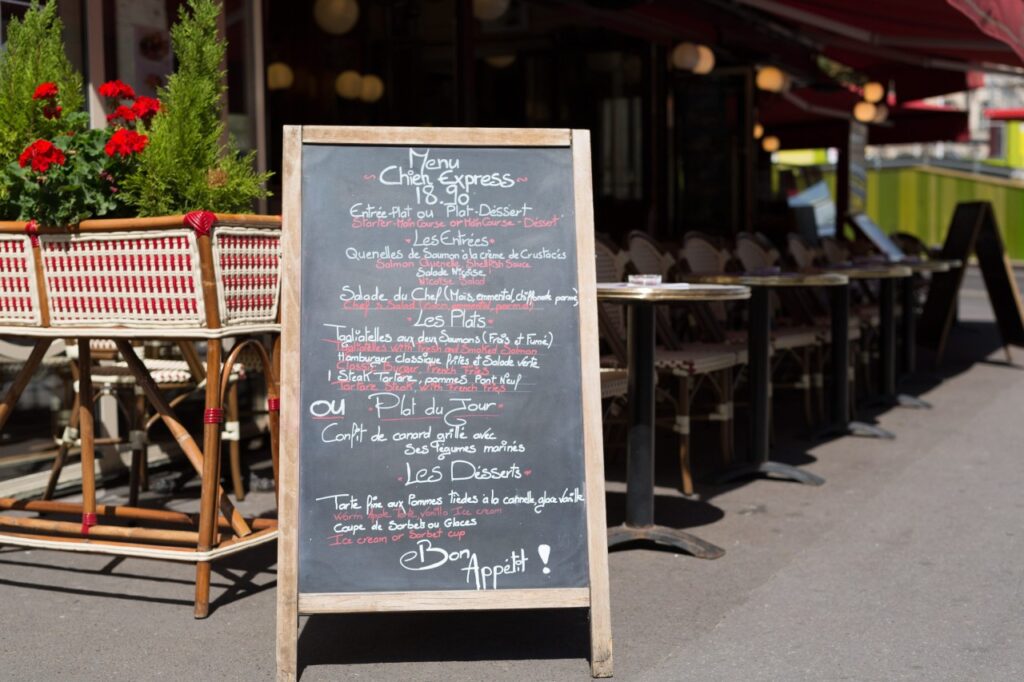
There is something irresistible about a handwritten specials board. It hints at creativity and a plate designed for today. The description feels personal, like access to the chef’s idea. Diners often assume the special highlights the best ingredients available.
In reality, most specials are planned around inventory cycles and cost control. Restaurants track what needs to be sold before the next delivery. Featuring certain proteins helps maintain turnover and reduce waste without changing the printed menu.
This does not mean the dish is unsafe or poorly prepared. Health standards still apply, and skilled cooks can turn routine stock into something satisfying. It simply means the special often reflects timing and strategy as much as creativity.
1. The Specials Board Is Often an Inventory Strategy
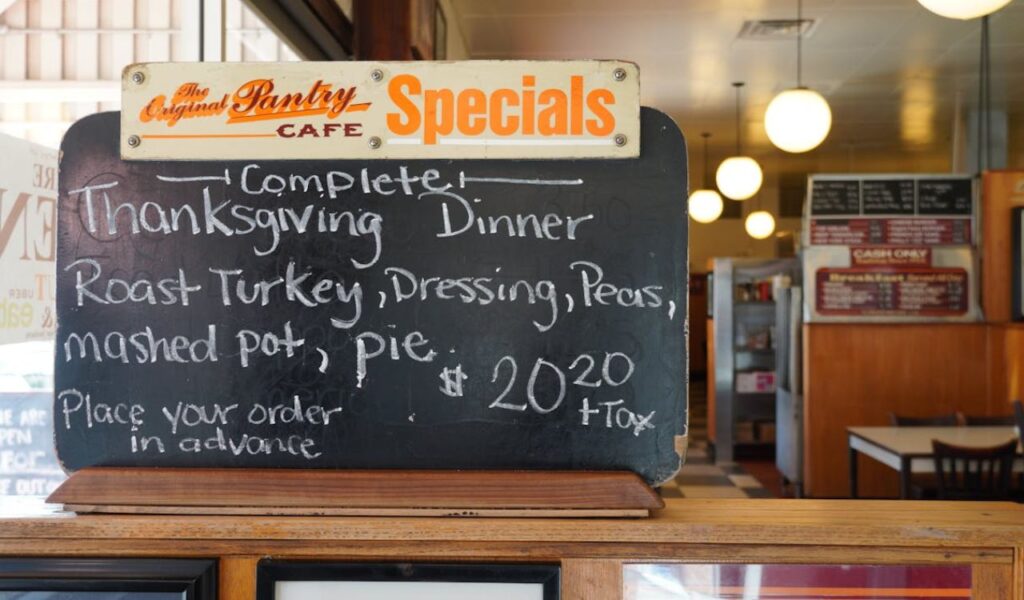
Behind the chalkboard charm, daily specials frequently serve a practical purpose. Restaurants operate on tight food cost margins, and protein is one of the most expensive items in the kitchen. When certain cuts approach the end of their optimal sales window, featuring them as a special helps prevent waste.
Food safety regulations require meat to be stored at specific temperatures and used within set time frames. As long as those standards are met, the product is legally safe to serve. However, it may be closer to its use-by date than core menu staples.
From a business standpoint, this approach protects profit. From a diner’s perspective, the special may exist more to manage stock rotation than to showcase newly delivered ingredients.
2. Slower-Selling Cuts Get a Spotlight
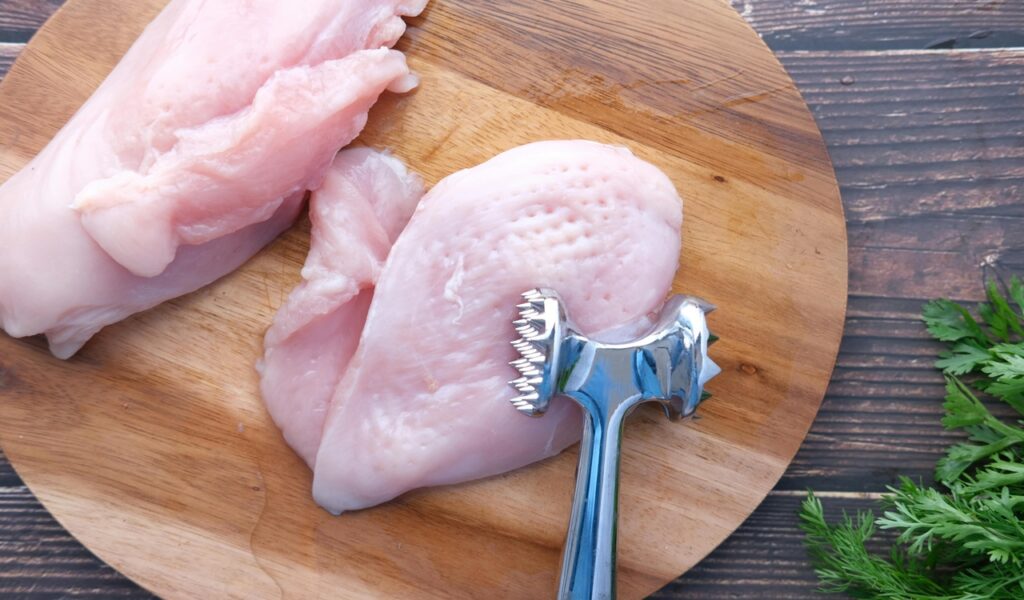
Not every cut of meat on a menu earns the same attention. Ribeye and chicken breast may sell steadily, while other cuts move more slowly because customers are less familiar with them. When those items sit in refrigeration longer than projected, they begin to affect storage space and cash flow.
To correct that imbalance, management often promotes the slower-selling cut as a limited-time special. Highlighting it on a board or having servers recommend it increases visibility without changing the core menu.
This spotlight does not imply poor safety standards. Temperature controls and food handling rules still apply. In many cases, the featured dish is built around what needs stronger turnover rather than what just arrived from the supplier.
3. Trim and Offcuts Become Featured Dishes
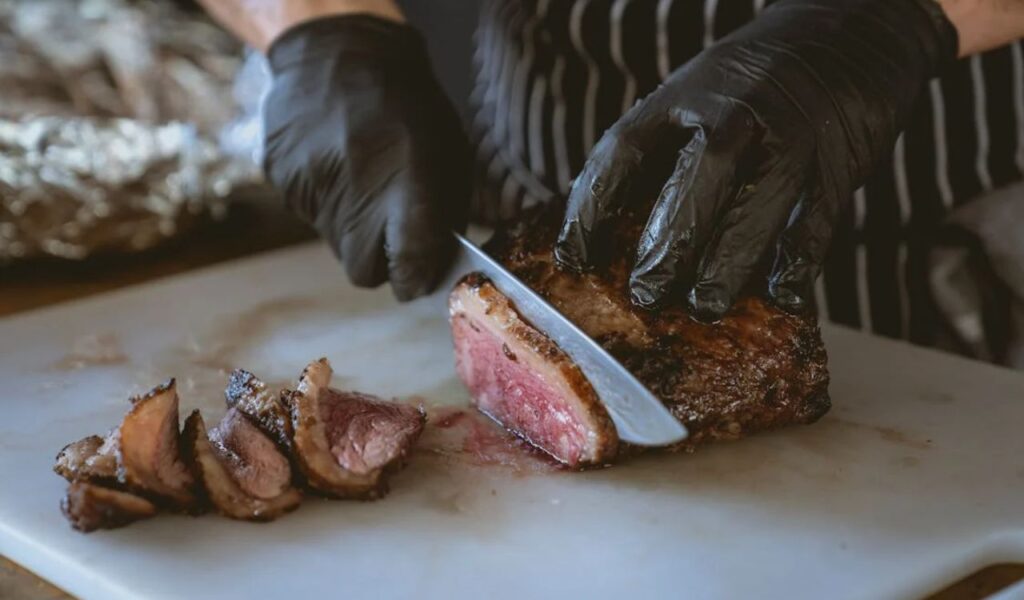
Portioning whole cuts of meat creates trim. Small pieces from steaks, roasts, and poultry cannot always be served as standalone entrées, yet they remain usable within safe holding times. Instead of discarding them, kitchens incorporate these pieces into stews, tacos, pasta sauces, or stir-fries that appear as specials.
This practice reduces waste and improves yield percentages, which are closely monitored in restaurant accounting. Many traditional comfort dishes originated from similar resourceful cooking.
While completely acceptable under health codes, the special may contain repurposed portions rather than freshly butchered prime cuts. It is efficiency at work, not necessarily culinary inspiration.
4. Bold Sauces Can Mask Subtle Decline
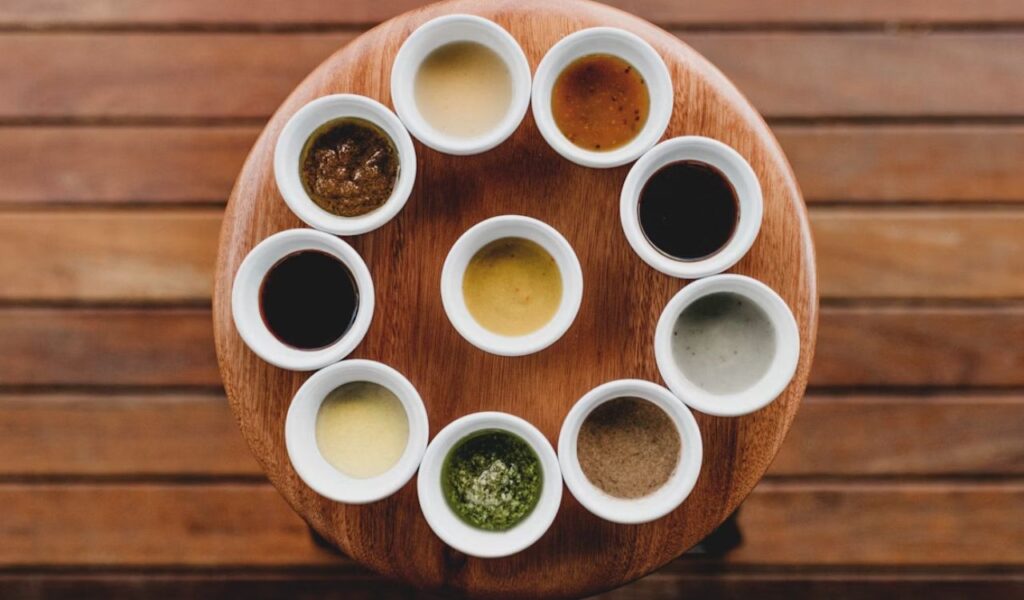
Flavorful marinades and rich sauces are common in meat specials. Acidic ingredients such as vinegar or citrus tenderize protein and brighten taste. Heavy reductions add moisture and depth. These techniques are classic culinary tools.
They also serve a practical function when meat is approaching the later stage of its freshness window. Strong seasoning can balance slight texture changes that occur over time in refrigerated storage.
The result may taste satisfying, but the seasoning often plays a supporting role in maintaining appeal. When a special leans heavily on sauce, it may reflect timing as much as creativity.
5. End-of-Delivery Cycles Influence Specials
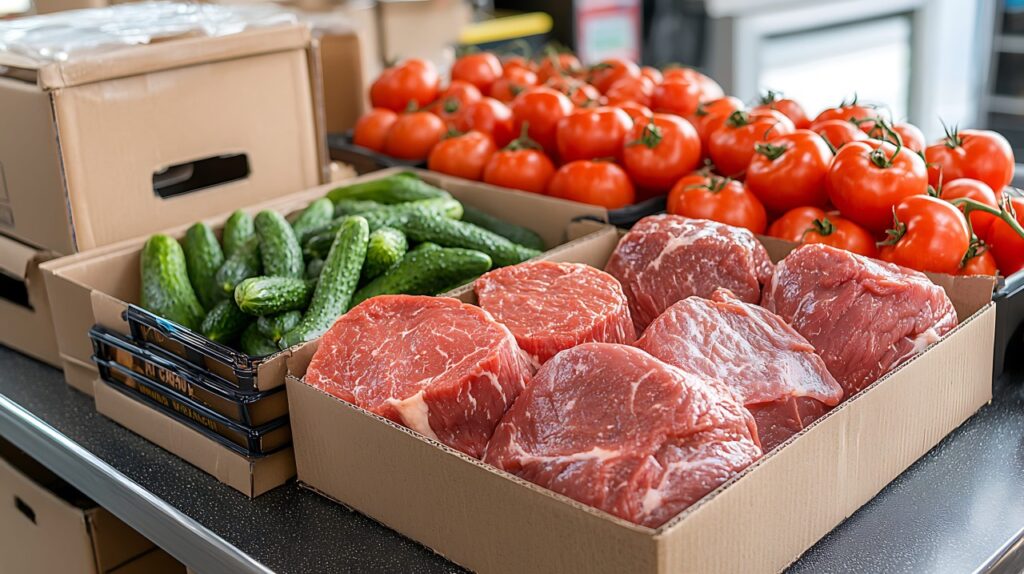
Most restaurants receive meat deliveries on fixed schedules, often once or twice a week. As the next shipment approaches, managers review remaining inventory to see what must be used soon. Proteins that did not sell as expected need to move before new stock arrives and storage space tightens.
Cold storage capacity is limited, and overlapping deliveries complicate organization and temperature control. Featuring a specific cut as a special helps clear space without rewriting the core menu. It allows the kitchen to guide demand toward existing stock.
The dish itself can be safe and well prepared. Its timing on the board often reflects planning. Specials frequently align with delivery cycles rather than pure inspiration.
6. Bulk Purchasing Requires Quick Movement
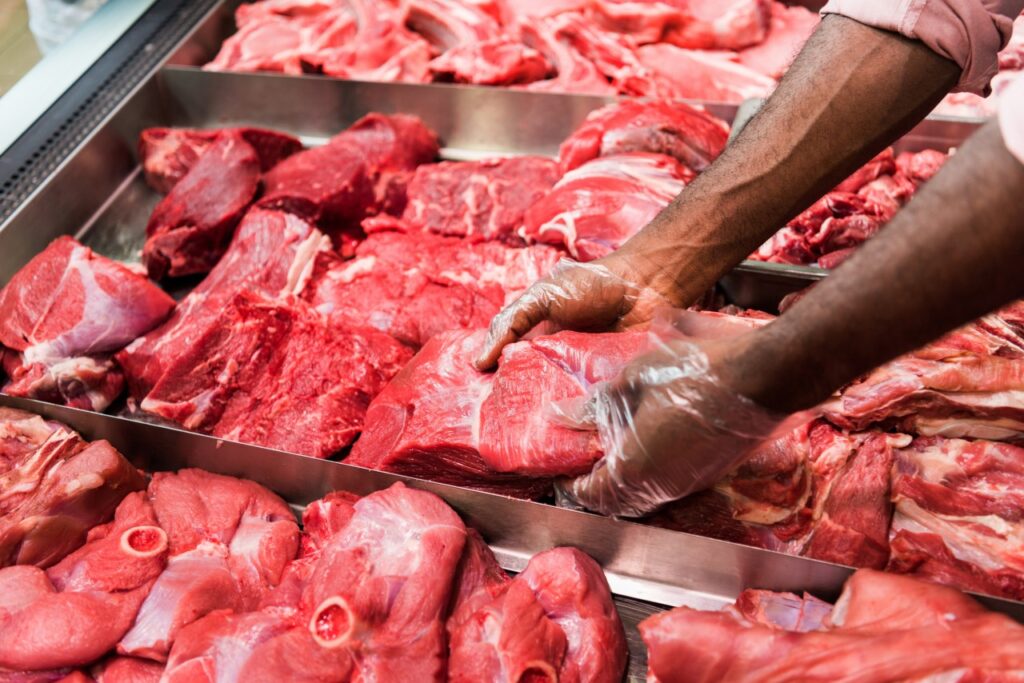
Restaurants often buy meat in bulk to secure lower per-pound pricing. Larger orders reduce supplier costs and improve margins, but they also increase the volume that must be sold within safe holding periods. Inventory that lingers too long affects both quality and cash flow.
If projected demand does not match actual sales, management must accelerate turnover. Featuring a surplus cut as a limited-time special creates urgency without permanently adjusting the menu. Promotion becomes a practical inventory tool.
The goal is financial balance. Highlighting the item encourages steady movement and reduces waste. Bulk buying only benefits the business when the product sells before its optimal window closes.
7. Frozen Stock May Enter the Rotation
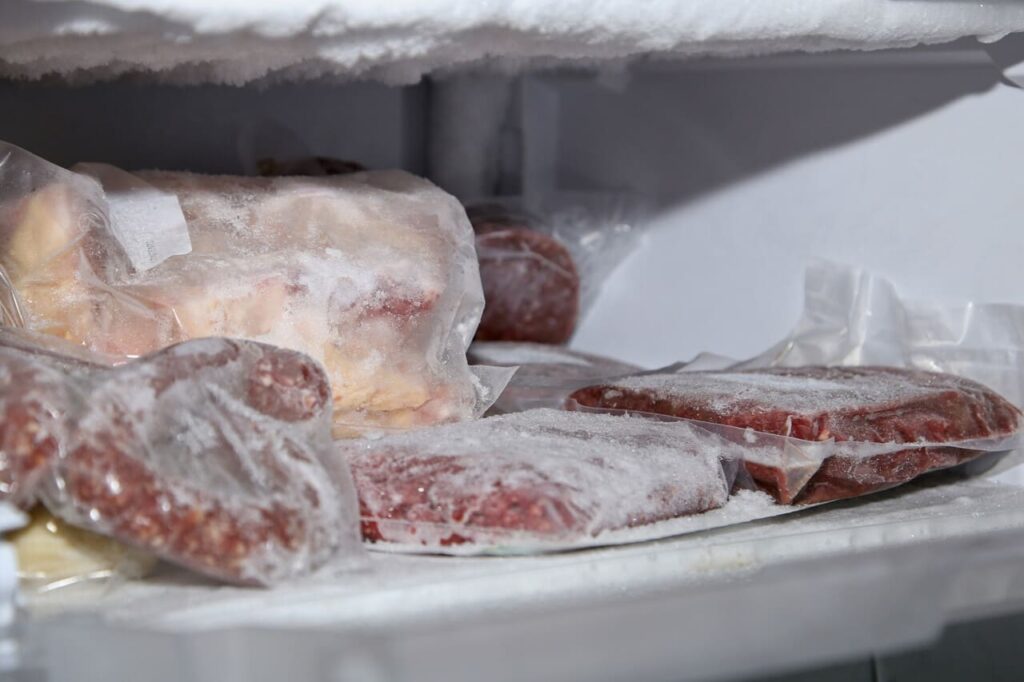
Many kitchens maintain frozen backup protein to handle supply delays or sudden demand spikes. When thawed slowly under refrigeration, frozen meat remains safe under food safety guidelines. However, freezing can slightly affect texture and moisture retention compared to fresh deliveries.
If fresh inventory runs low or sales patterns shift, thawed stock may be introduced as a special to maintain menu consistency. Health codes prohibit refreezing previously thawed meat, so careful scheduling is essential.
In this case, the special reflects storage strategy. It helps balance rotation between fresh and frozen supply while keeping waste under control.
8. Discounted Pricing Can Signal Turnover Goals
When a meat special appears at a noticeably lower price than similar entrées, it is rarely random generosity. Protein is one of the highest cost items in a restaurant’s budget, and pricing decisions are monitored closely. A sudden discount often signals the need to increase sales on a specific cut before its holding window narrows.
Lower pricing boosts demand. More orders mean faster turnover, which reduces waste and protects food cost percentages. Managers use sales data and inventory reports to decide when a temporary price adjustment makes sense.
The diner may receive real value, but the motivation is operational. A discounted special helps clear inventory while keeping margins stable and reducing spoilage risk.
9. Staff Recommendations May Be Directed

Servers rarely promote dishes at random. Before each shift, managers review which items need stronger sales and encourage staff to highlight them during table interactions. This is a structured part of restaurant operations, not an improvised suggestion.
When several servers recommend the same meat special, it may reflect that internal guidance. Upselling and targeted promotion are built into performance metrics and daily sales goals. Staff are trained to steer attention toward items that support inventory flow.
The recommendation does not mean the food is unsafe or poorly prepared. It shows that the special is tied to operational planning. Promotion helps balance stock levels while supporting overall sales performance.
10. Creative Descriptions Drive Attention
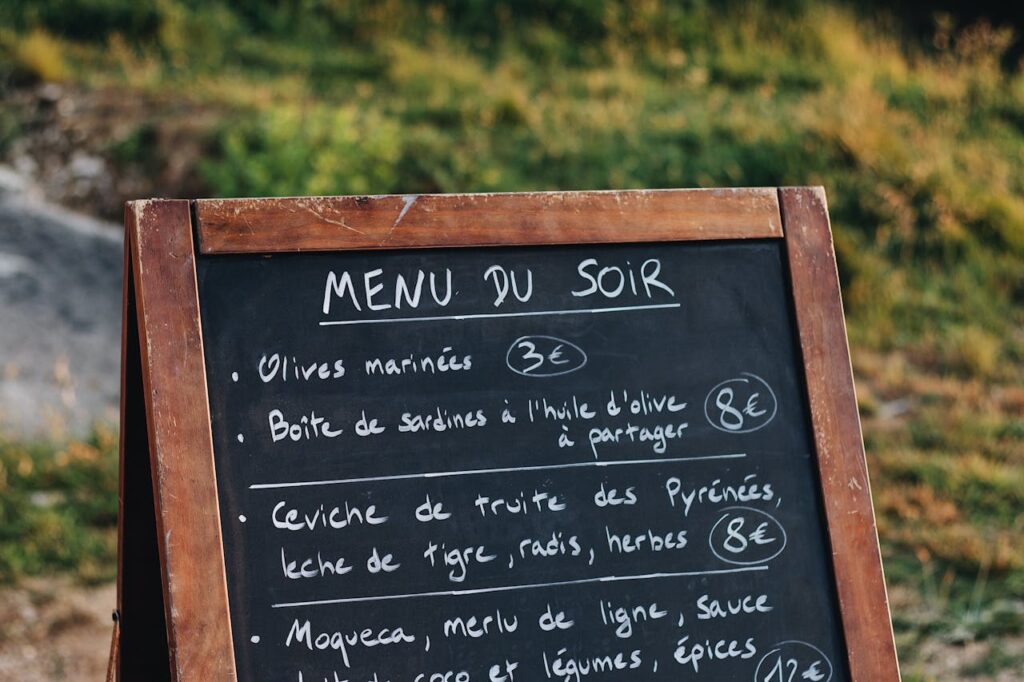
Menu language shapes perception. A thoughtfully written description featuring regional techniques, seasonal references, or artisanal details can elevate a routine protein into something that feels exclusive. Restaurants invest time in wording because presentation influences ordering behavior.
By emphasizing flavor notes and preparation style, the narrative shifts focus toward experience rather than ingredient timing. Limited-time framing creates urgency and encourages quicker decisions.
Behind that storytelling often sits a practical goal. The special exists to move existing inventory before it ages further. The creativity may be real, but it often works hand in hand with careful stock management.