10 High Protein Oatmeal Cups That Cost More Than Eggs and Toast

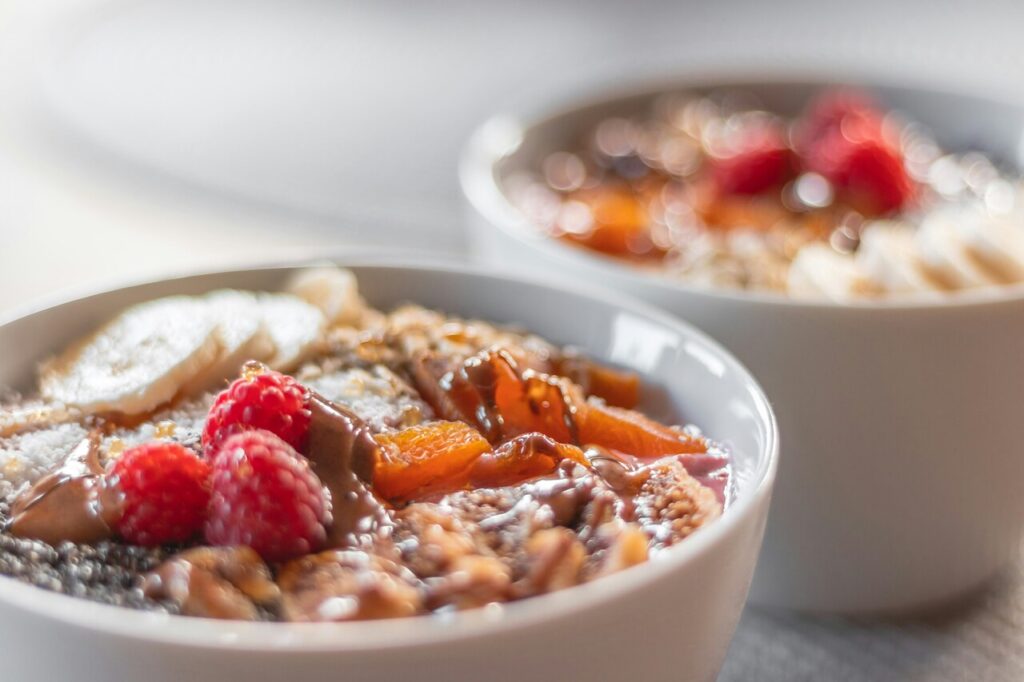
High-protein oatmeal cups promise quick nutrition, portability, and fitness-friendly breakfasts in a single package. With bold claims about energy, fullness, and added protein, these convenient meals have become popular options for busy mornings. Yet when prices are compared with traditional breakfasts like eggs and toast, many of these cups cost significantly more despite similar nutritional value. Looking closely at ingredients, branding, and convenience reveals how packaging often drives price more than protein itself.
1. Kodiak Maple Brown Sugar Oatmeal Power Cup
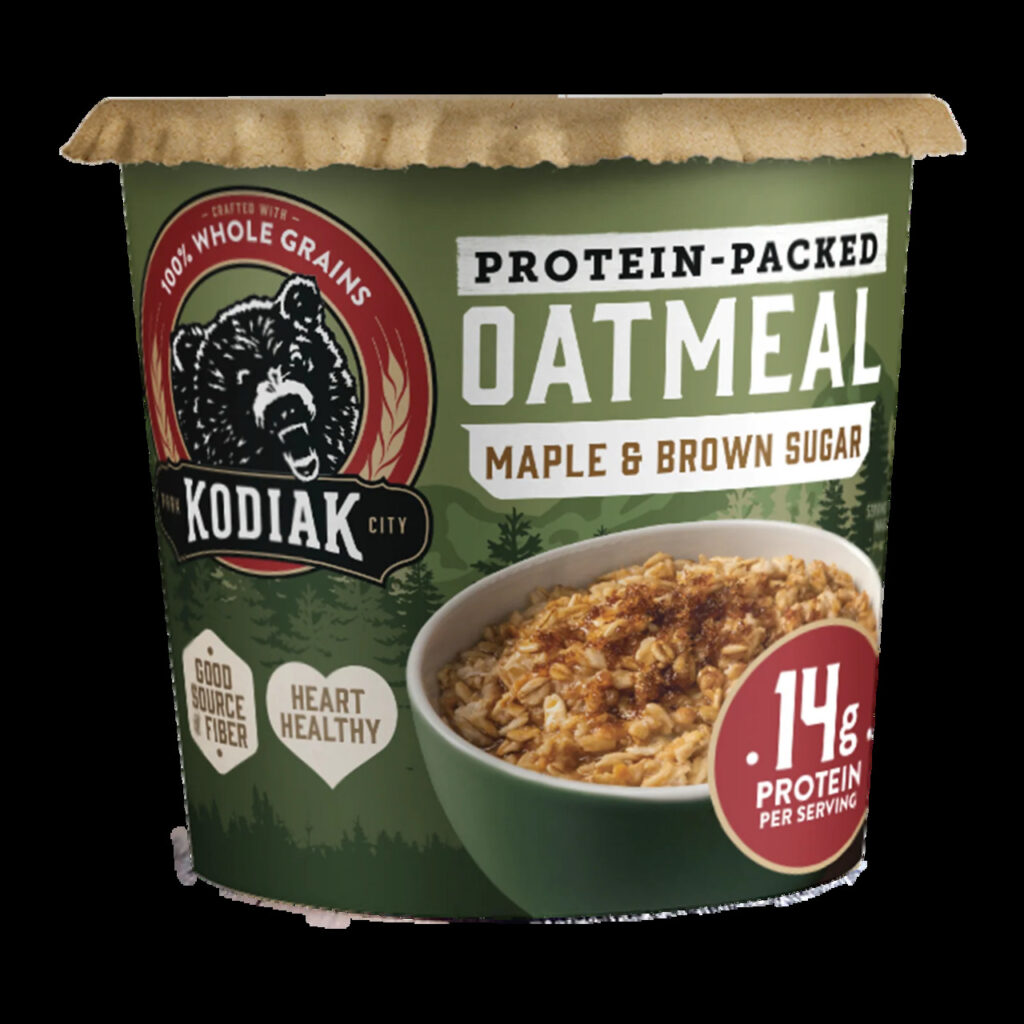
High-protein oatmeal cups like this one appeal to shoppers looking for quick breakfasts that feel nutritious and convenient. Packaging emphasizes energy and fullness, encouraging buyers to view it as a complete meal rather than a simple snack.
However, when the cost per serving is compared with classic breakfasts like eggs and toast, the value equation becomes less convincing. Eggs naturally offer complete protein at a lower price, while oats enhanced with sweeteners and flavoring often deliver similar calories at a higher cost.
Customers pay for portability and ease rather than purely for nutritional advantage, which explains why these cups continue to attract attention even when homemade protein breakfasts remain more economical.
2. Kodiak Cakes Peanut Butter Chocolate Chip Protein Oatmeal Cup
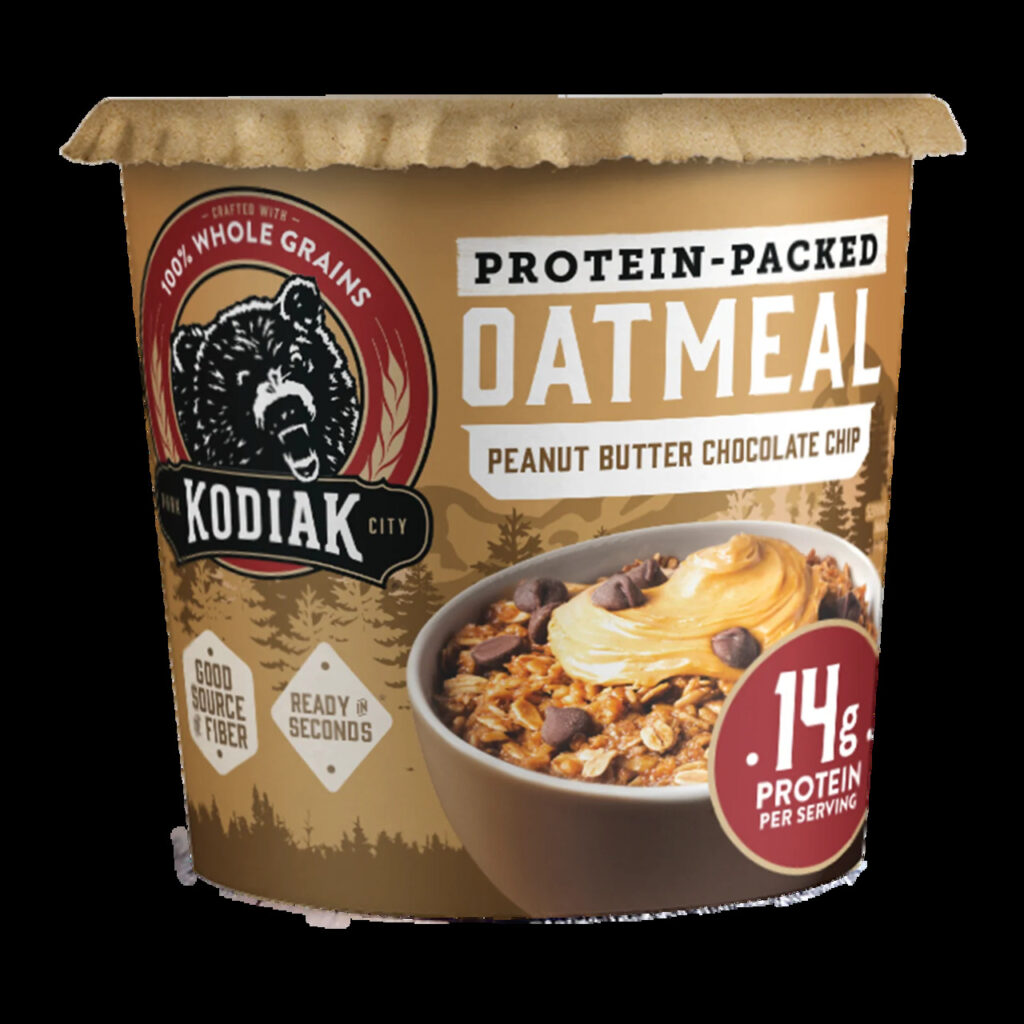
Flavor-forward protein oatmeal cups like this version aim to make healthy eating feel indulgent by blending dessert-inspired ingredients with protein marketing. Chocolate chips and peanut butter notes create familiarity, helping the product appeal beyond fitness-focused shoppers.
Despite the appealing flavor profile, added ingredients often raise both cost and sugar content compared with basic oats paired with inexpensive protein sources like eggs or dairy.
Many buyers appreciate the grab-and-go format during busy mornings. Still, the product highlights how packaging convenience can significantly increase breakfast costs compared with simple ingredients prepared at home in only a few extra minutes.
3. Quaker Protein Instant Oatmeal Express Cups
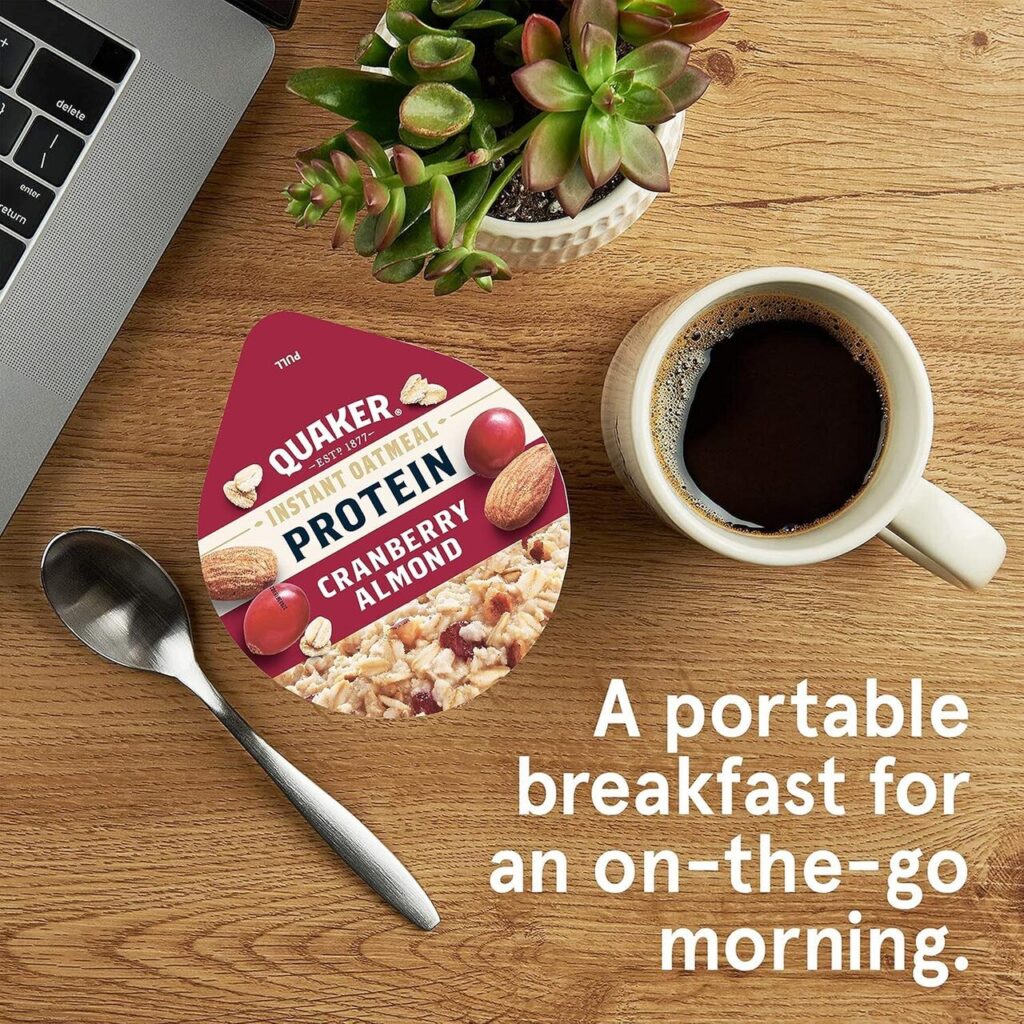
Established brands entering the protein space often rely on familiar names to reassure consumers seeking healthier options. Protein versions of classic oatmeal cups use added milk or soy protein to boost nutritional claims while maintaining recognizable flavor profiles.
Yet these upgraded versions often cost noticeably more than regular instant oatmeal without dramatically changing the overall meal structure. A basic breakfast built around eggs and toast can deliver comparable protein at a fraction of the price per serving.
The appeal lies largely in simplicity and brand trust. Consumers pay for consistency and quick preparation, choosing convenience over cost efficiency even when alternative breakfasts provide similar nutritional value.
4. RX A.M. Oats Cups Variety Pack

Overnight style protein oat cups position themselves as modern wellness foods, promising clean ingredients and balanced nutrition. Varied flavors and premium packaging emphasize lifestyle branding, attracting consumers interested in functional breakfasts.
However, these cups often carry one of the highest price points in the oatmeal category due to ingredient messaging and convenience. Compared with low-cost protein sources like eggs or homemade oats, the expense becomes difficult to justify for everyday use.
Still, busy consumers appreciate ready-to-eat options that eliminate the need for preparation. The product reflects a broader trend where time savings often outweigh budget considerations for shoppers balancing hectic routines.
5. MUSH Apple Cinnamon Ready to Eat Protein Oats Cup
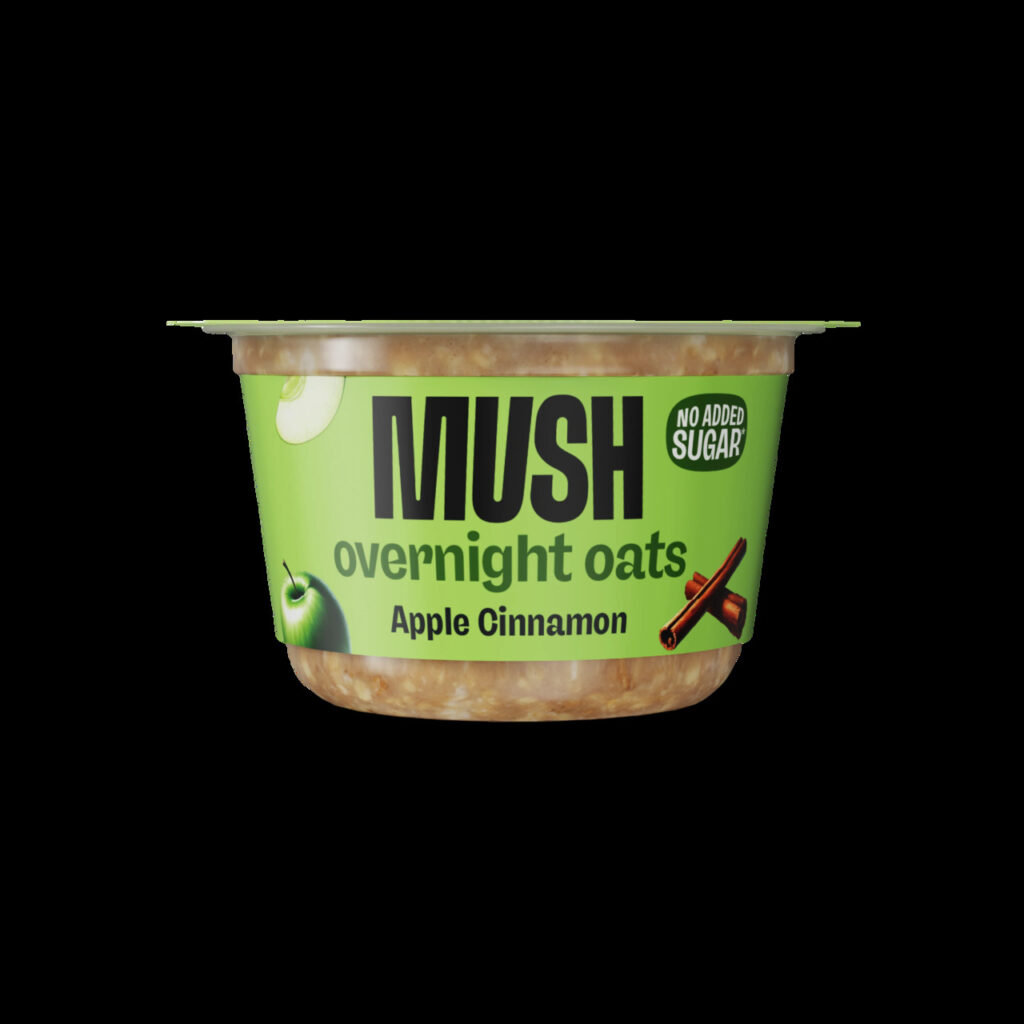
Ready-to-eat refrigerated oat cups appeal strongly to consumers who prioritize freshness and minimal preparation. The apple cinnamon flavor offers familiarity while suggesting wholesome ingredients associated with homemade breakfasts.
Despite this image, refrigeration and packaging requirements increase distribution costs, leading to higher retail prices. For many households, a simple breakfast made with oats and eggs provides similar protein and satisfaction at significantly lower expense.
The product succeeds by removing effort entirely from breakfast preparation. Customers willing to pay extra often view convenience as part of wellness, even when the nutritional difference compared with cheaper meals remains modest.
6. MUSH Peanut Butter Chocolate Protein Overnight Oats Cup
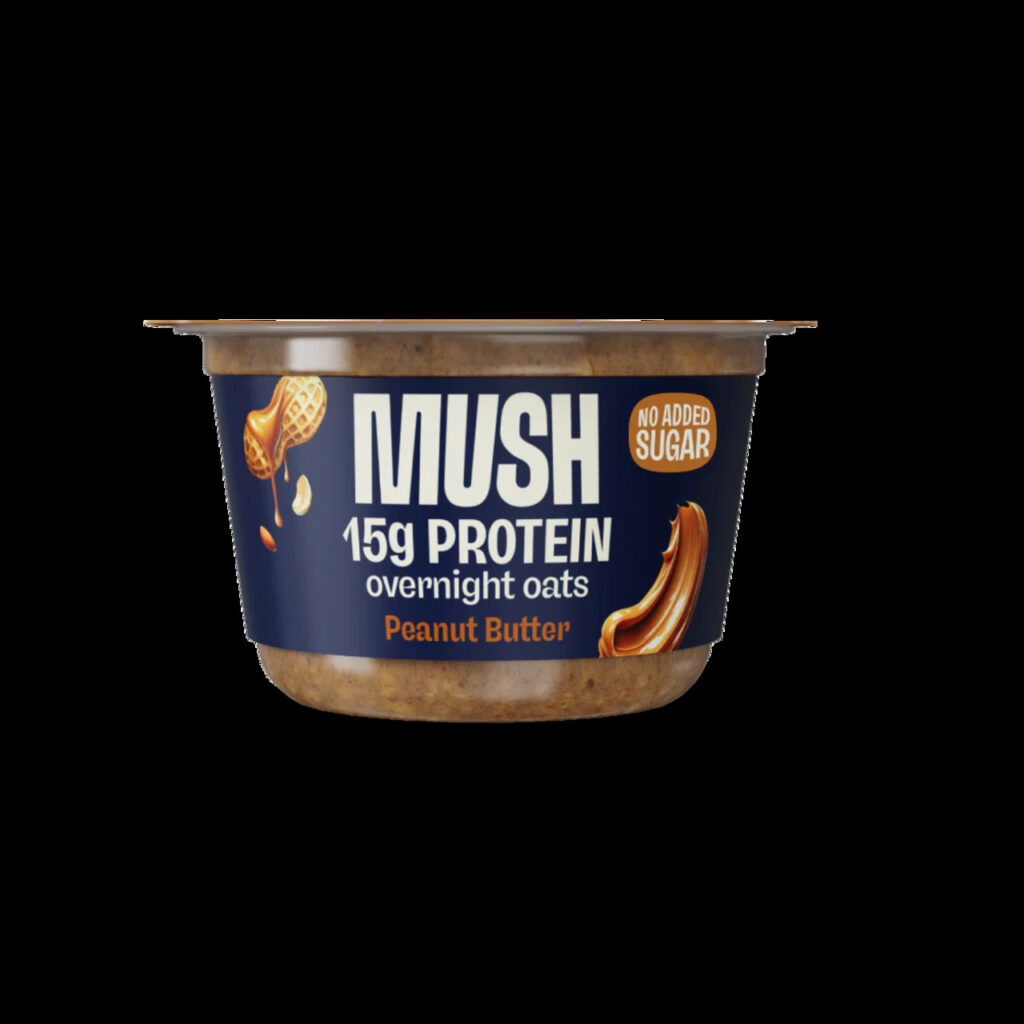
Dessert-inspired flavors play a key role in making high-protein oat cups feel exciting rather than restrictive. Peanut butter and chocolate combinations attract consumers seeking indulgence while maintaining a perception of health-conscious eating.
These flavor additions, along with refrigeration and packaging, push pricing above many traditional breakfast staples. Eggs paired with toast or homemade oats can supply comparable protein levels without premium markups.
Nevertheless, strong flavor appeal helps maintain demand. Consumers often choose products that feel enjoyable and effortless, even when budget-friendly alternatives offer similar nutritional outcomes.
7. Slurrp Farm High Protein Chocolate Oatmeal Cup
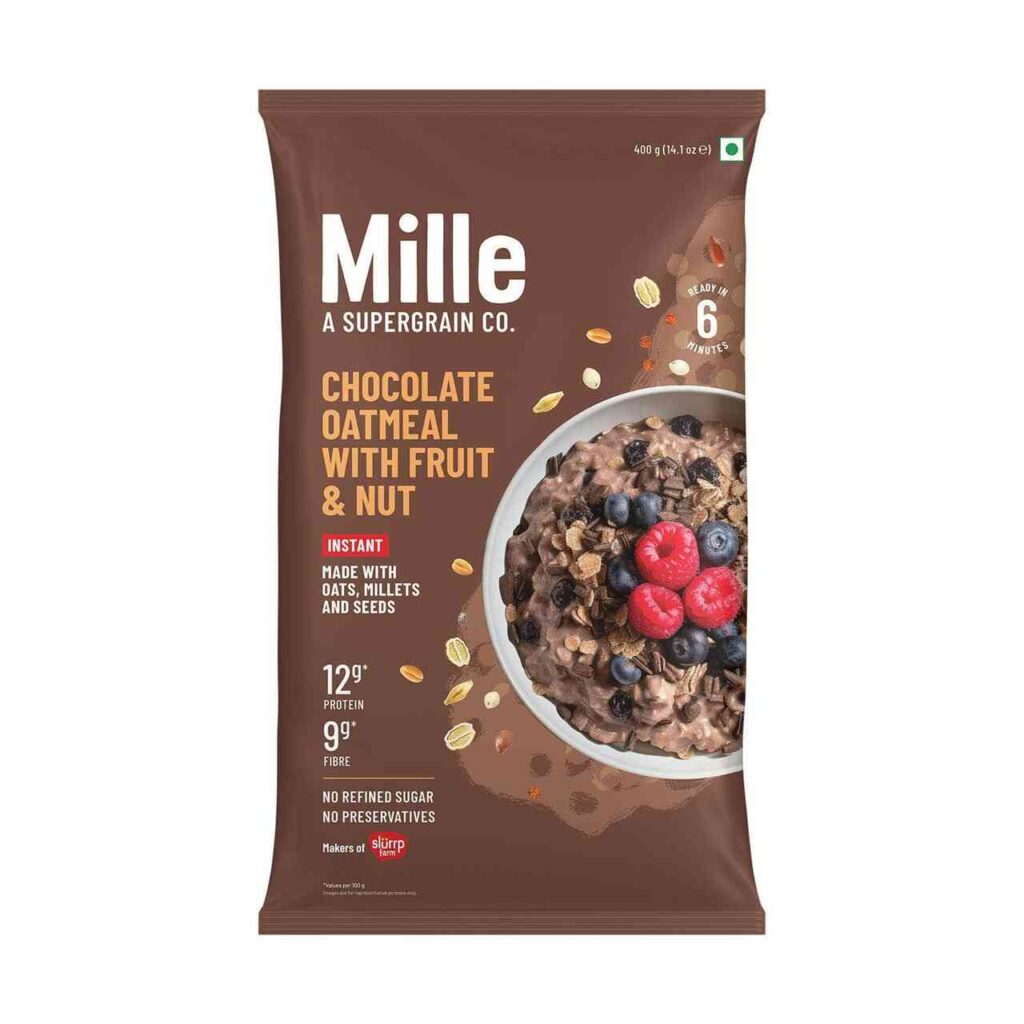
Local or niche protein oat brands often market themselves around health-conscious ingredients and family-friendly positioning. Chocolate flavor helps introduce protein-focused products to broader audiences who may be hesitant about plain oats.
Pricing reflects packaged convenience and perceived specialization, placing it above basic breakfast options. While protein claims attract attention, simple homemade meals using eggs and standard oats typically deliver comparable nutrition more affordably.
The product’s strength lies in accessibility and marketing clarity. Shoppers seeking quick solutions may prioritize clear nutritional messaging over cost comparisons during busy grocery decisions.
8. Bob’s Red Mill Protein Oats Cup
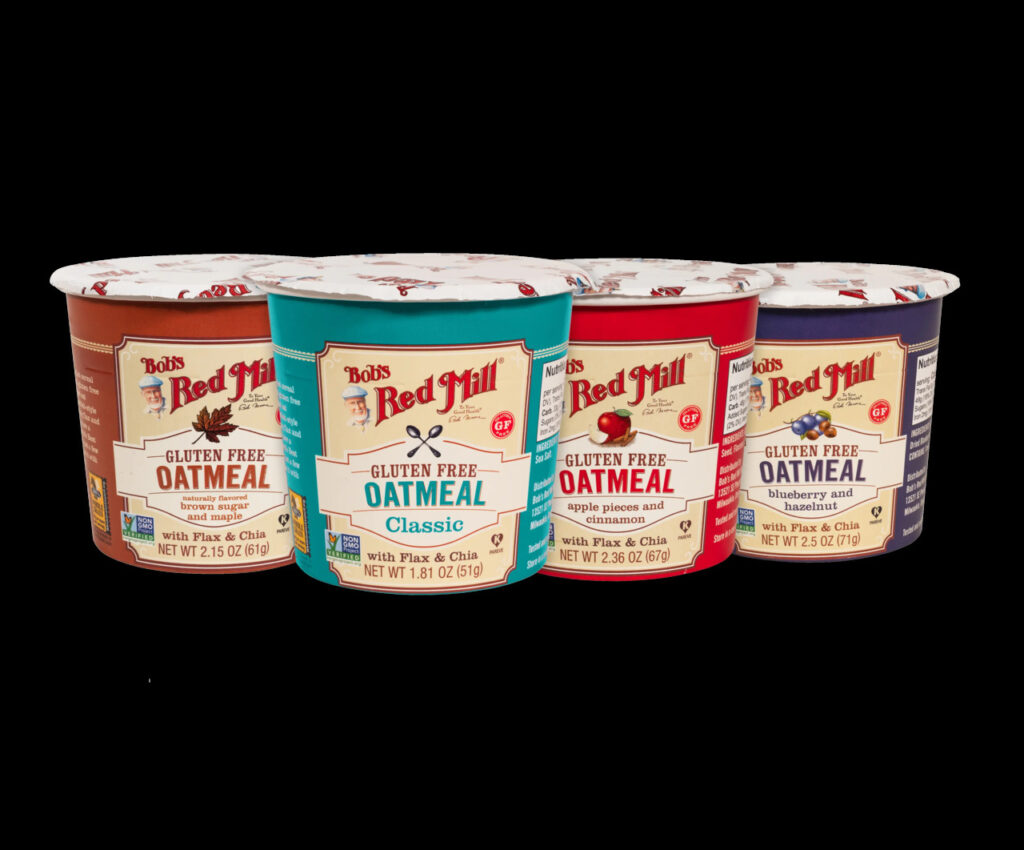
Bob’s Red Mill Protein Oats Cups appeal to shoppers looking for clean ingredient lists and simple nutrition without excessive additives. The brand’s reputation for whole grains helps position the cup as a wholesome option that feels closer to homemade oatmeal than heavily processed convenience foods.
Even with that healthy reputation, the price per cup often exceeds what a traditional breakfast of eggs and toast would cost. Consumers are often paying more for preparation ease than for dramatically different ingredients.
Still, when compared with basic pantry ingredients prepared at home, the cost difference becomes clear. The cup delivers convenience and consistency, but it reflects how portability and branding can push simple oats into premium pricing territory.
9. Quaker Protein Oatmeal Cups
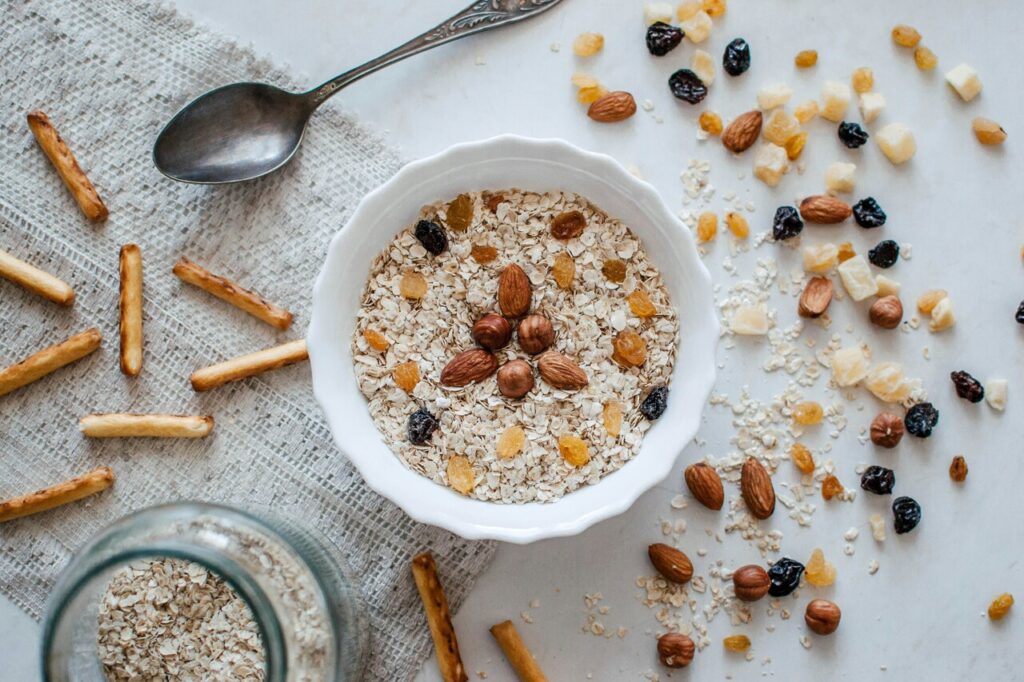
Quaker Protein Oatmeal Cups build on a brand long associated with simple, affordable breakfast oats. The packaging highlights added protein and convenience, positioning the cup as a modern, fitness friendly upgrade to traditional stovetop oatmeal.
Despite the protein boost, the base ingredient remains oats, one of the most inexpensive pantry staples available. The difference reflects branding and portion control more than raw ingredient cost.
For many shoppers, the appeal lies in speed and portability rather than value. While the cup delivers ease and familiarity, the overall expense frequently exceeds that of a simple homemade breakfast built from basic, affordable ingredients.
10. Protein Oatmeal Quick Cups Cinnamon Spice
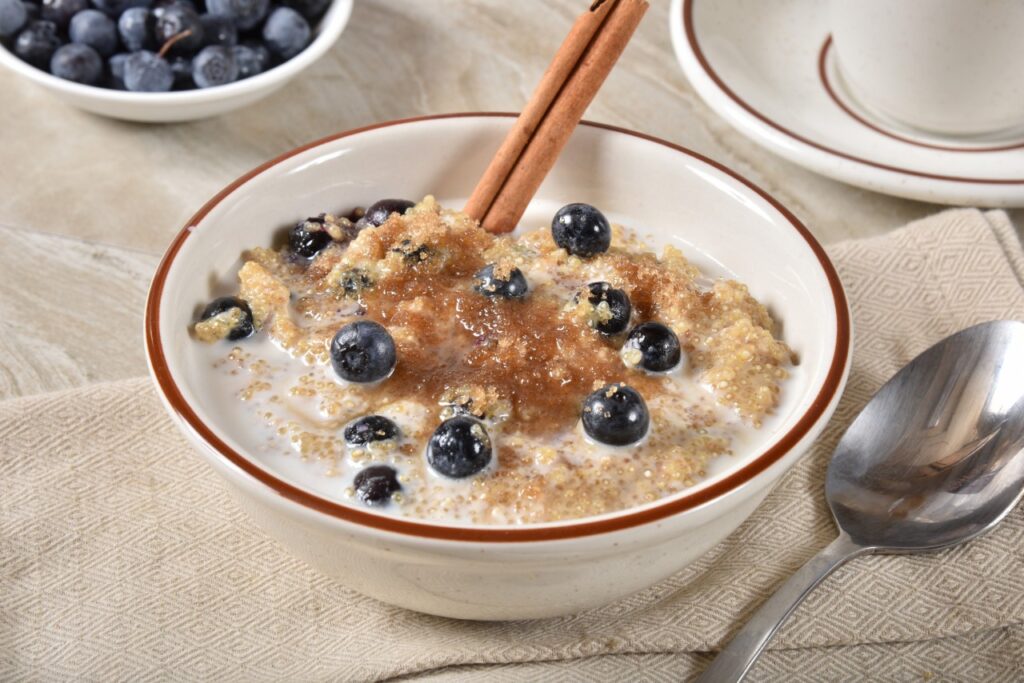
Cinnamon spice variations rely on classic flavor familiarity to appeal to a wide audience. Warm spice profiles make protein oatmeal feel comforting and approachable, helping brands market the product as both healthy and satisfying.
Despite simple ingredient profiles, individual cups often cost significantly more than preparing oats at home with added protein sources like eggs or yogurt. Packaging and single-serve convenience drive much of the price increase.
The popularity of these cups highlights changing breakfast habits where speed and portion control matter as much as cost. Shoppers often choose convenience-driven options even when cheaper and equally nutritious meals remain easy to prepare.