Why Tablet Tipping Culture Is Just Guilt Tripping Customers


Tipping used to be a quiet part of dining out, a small gesture at the end of a meal to thank someone for good service. Now it flashes across a tablet screen before you even grab your coffee. As digital payment systems spread, tip prompts have followed, popping up in places that never once asked for gratuities. For many customers, what was once voluntary now feels loaded with pressure. The question is no longer just how much to tip, but whether the entire system has shifted from appreciation to obligation.
When Tipping Went Digital and Complicated
Not long ago, tipping was a quiet, almost private decision. You signed a receipt, scribbled in a number, and moved on. Then came the tablet. As payment systems like Square and Toast spread through coffee shops, food trucks, fast casual counters, and even retail stores, the tipping moment changed. Instead of a small blank line, customers are now confronted with a brightly lit screen that swivels toward them, displaying suggested percentages before they can complete a transaction. What was once subtle became highly visible.
The shift happened quickly, largely accelerated by the pandemic, when contactless payments surged. Digital systems made transactions faster and easier for businesses, but they also standardized tip prompts across industries that traditionally did not rely on gratuities. Coffee counters, takeout windows, and self-service setups now regularly request tips at checkout. For customers, the surprise is not just the request itself but the context. Tipping used to be associated with full table service. Now it appears in places where interaction is minimal. That expansion has reshaped expectations and blurred the line between appreciation and obligation.
The Psychology Behind Guilt Tipping
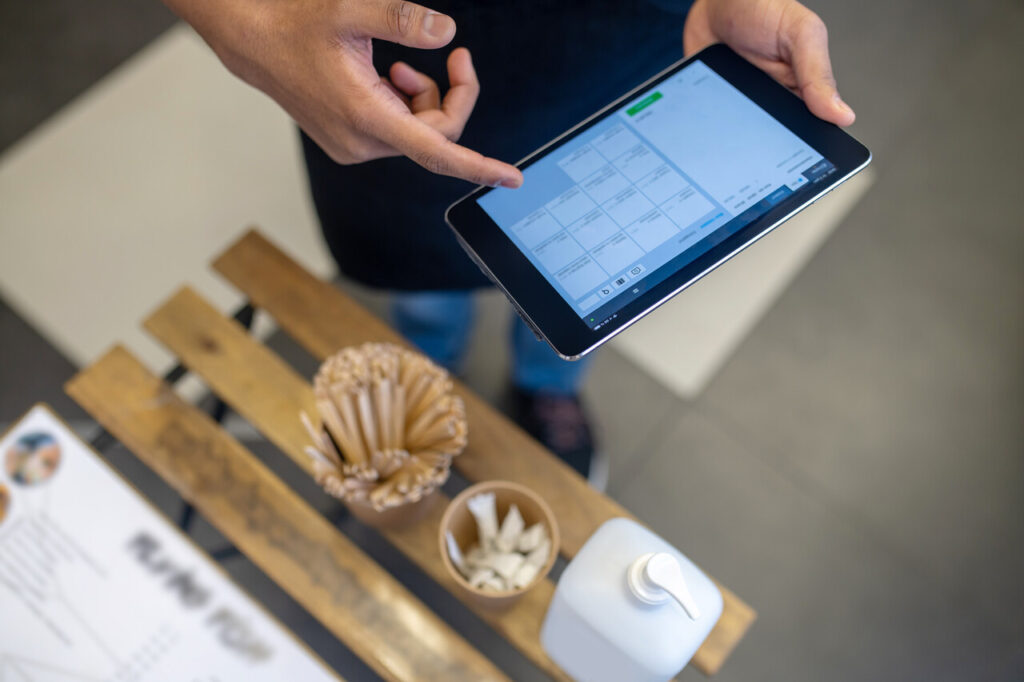
The power of tablet tipping lies less in economics and more in psychology. When a cashier turns a screen toward a customer and waits, even silently, the interaction feels personal. Behavioral economists note that visible social cues influence generosity. People are more likely to give when they feel observed. Tablet systems capitalize on that effect, presenting suggested tip amounts in large, easy-to-tap buttons, often starting at 18 percent or 20 percent and climbing higher. Choosing a lower custom amount can feel like opting out in front of someone.
This design creates what many critics call guilt tipping. It is not necessarily malicious, but it does rely on subtle pressure. Customers report feeling awkward selecting “no tip” when an employee stands inches away. Suggested amounts have also crept upward in recent years, a trend sometimes labeled tipflation. Where 15 percent once felt standard for good service, 20 percent or more is increasingly positioned as the baseline. When the prompt appears before the service is even fully delivered, such as at a coffee counter before the drink is made, the sense of obligation becomes even more complicated. The result is a transaction that feels emotionally loaded rather than straightforward.
Effects on Workers and Businesses
For workers, digital tipping can mean higher earnings in some environments. Quick service employees who once received little or no gratuity may now collect supplemental income through tablet prompts. That extra money can make a meaningful difference in industries where wages are modest. However, it also reinforces a compensation model that depends heavily on customer generosity rather than stable pay structures. Workers often have little control over how tip systems are configured, yet they bear the social consequences when customers feel pressured.
Businesses benefit from tablet tipping in several ways. The technology is efficient, tracks transactions cleanly, and reduces the need for printed receipts. More importantly, it allows companies to offset labor costs by encouraging customers to contribute directly to worker compensation. Critics argue that this shifts responsibility from employers to patrons. Instead of building higher wages into menu prices, some businesses rely on suggested gratuities to bridge the gap. This dynamic can obscure the true cost of service and leave customers unsure whether they are rewarding exceptional effort or subsidizing standard payroll expenses.
Backlash From Consumers and Critics

As tablet tipping has spread, so has resistance. Surveys show that a growing number of consumers feel fatigued by constant tip requests. Many say they are comfortable tipping in traditional full-service settings, but resent prompts in self-service or retail scenarios. Social media discussions reveal frustration over feeling nudged at nearly every checkout screen. Some customers admit they are reducing discretionary spending simply to avoid the awkwardness of repeated tipping decisions.
Critics also question the broader fairness of tipping culture itself. They argue that relying on gratuities creates income instability for workers and confusion for customers. The digital prompt has merely amplified long-standing tensions in American service pay structures. By making tipping more visible and more frequent, tablet systems have exposed how inconsistent and emotionally charged the practice can be. For some observers, the backlash is less about technology and more about a growing desire for clarity in pricing and compensation.
What the Future of Tipping Might Look Like
The debate around tablet tipping has prompted some restaurants and cafes to experiment with alternatives. A handful of establishments have moved toward service-included models, building higher wages into menu prices and eliminating tips entirely. Others maintain tip prompts but lower suggested percentages or provide clearer messaging about how gratuities are distributed. These adjustments reflect an attempt to balance fair worker pay with customer comfort.
At the same time, the broader conversation suggests that consumers are reexamining what tipping means in a digital age. Many want transparency about wages and service charges rather than surprise prompts at checkout. As technology continues to reshape transactions, businesses may need to decide whether convenience should come at the cost of goodwill. The future of tipping may not involve abandoning gratuities altogether, but it likely will involve clearer expectations, more consistent standards, and a renewed focus on preserving dignity for both workers and customers at the payment screen.