Is the Croissant Mashup Trend Finally Burning Out

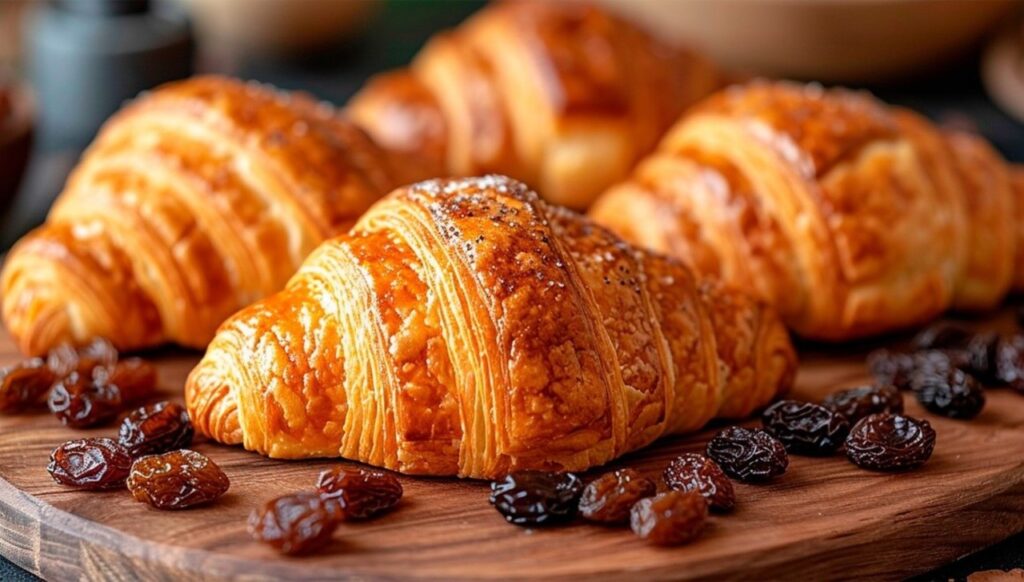
There was a time when spotting a croissant fused with a donut or stuffed like a cookie felt like discovering edible treasure. Bakery windows displayed towering hybrids glazed to a mirror shine, their laminated layers pulled apart for dramatic effect. Customers lined up early, phones ready, eager to capture the latest flaky invention before it sold out. The croissant mashup became more than a pastry; it evolved into a cultural flashpoint where classic French technique met bold, camera-friendly creativity. For several years, it seemed as though every new week delivered another reinvention of buttery dough, each promising bigger layers, richer fillings, and a fresh reason to wait in line.
But food trends rarely remain at full heat indefinitely. As croissant hybrids spread beyond boutique bakeries into supermarket shelves and national chains, the initial thrill began to soften. What once felt rare and inventive started to feel widely available and predictable. Social feeds that once buzzed with surprise became crowded with similar cross sections and glossy toppings. Bakers now face a quieter question about sustainability rather than spectacle. Has the mashup moment peaked, or is it simply shifting from viral sensation into a steadier, more refined chapter within modern pastry culture?
The Rise of the Croissant Mashup Craze
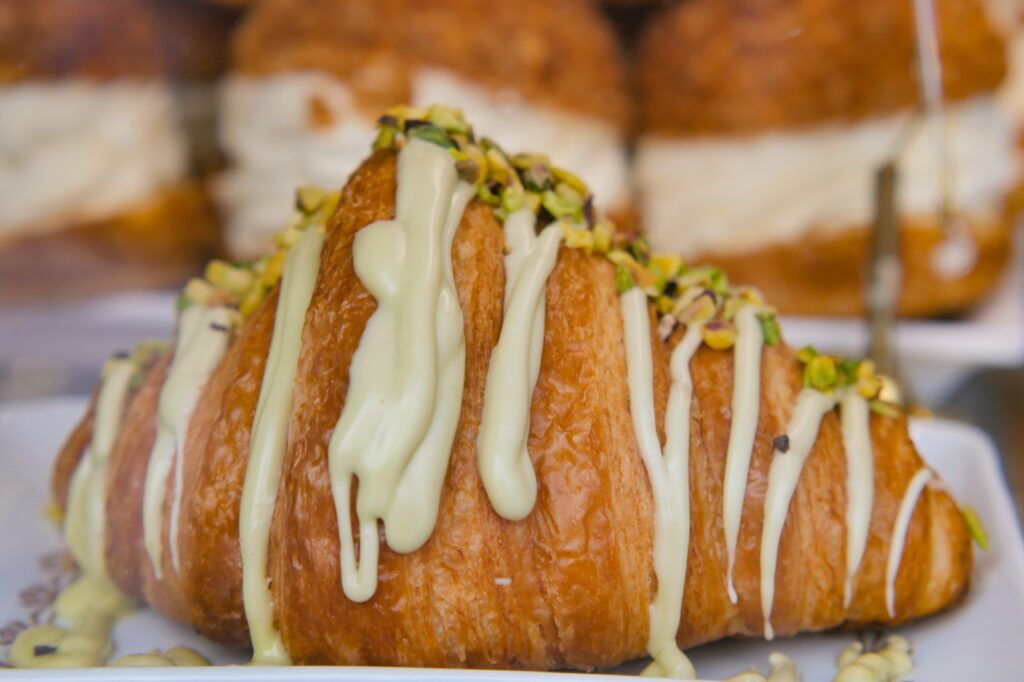
It started with a single hybrid that broke the internet and quickly shifted bakery culture. When bakers began merging the delicate laminated layers of a croissant with other beloved desserts, curiosity transformed into a full movement. The crisp, buttery structure proved remarkably adaptable, folding seamlessly into formats inspired by donuts, muffins, cookies, and even waffles. Each mashup offered the familiar flake of French pastry wrapped in the excitement of reinvention. Customers lined up not only for taste, but for the experience of trying something that felt limited, buzzworthy, and visually irresistible in a crowded digital world.
Behind the excitement was genuine technical skill rather than simple novelty. Croissant dough depends on careful lamination, precise temperature control, and patient proofing to create defined, airy layers. Integrating that demanding base into popular dessert shapes required both experimentation and discipline. Bakeries leveraged this craftsmanship to position hybrids as premium, innovative offerings that stood out in competitive markets. The mashup became shorthand for creativity, signaling that a bakery was forward-thinking and trend-aware. For several years, these hybrids thrived on a blend of scarcity, skill, and social momentum that elevated them beyond ordinary pastries.
Social Media Fueling Pastry Innovation
A flaky pastry gains new power when it performs well on a screen. Social media platforms turned croissant hybrids into highly shareable spectacles, spotlighting glossy glazes, exaggerated layers, and slow-motion shots of fillings stretching apart. A single viral post could trigger lines around the block within hours, especially in cities where food trends spread quickly. The format proved ideal for short videos and tight close-ups that magnified texture, shine, and indulgence. Visual drama became just as important as flavor, with cross sections designed to deliver immediate impact in a fast scrolling feed.
That constant online visibility reshaped how bakeries approached development. Pastries were increasingly designed with contrast, color, and scale in mind, ensuring they stood out against countless competing images. Limited drops and timed releases generated urgency, encouraging customers to visit quickly before items sold out. In some cases, visual appeal began to outweigh subtle flavor balance, as bold fillings and oversized formats attracted more engagement. Social media did not simply amplify the mashup trend; it actively influenced its direction, rewarding spectacle and novelty in ways that traditional word of mouth never could.
When Novelty Becomes Oversaturation
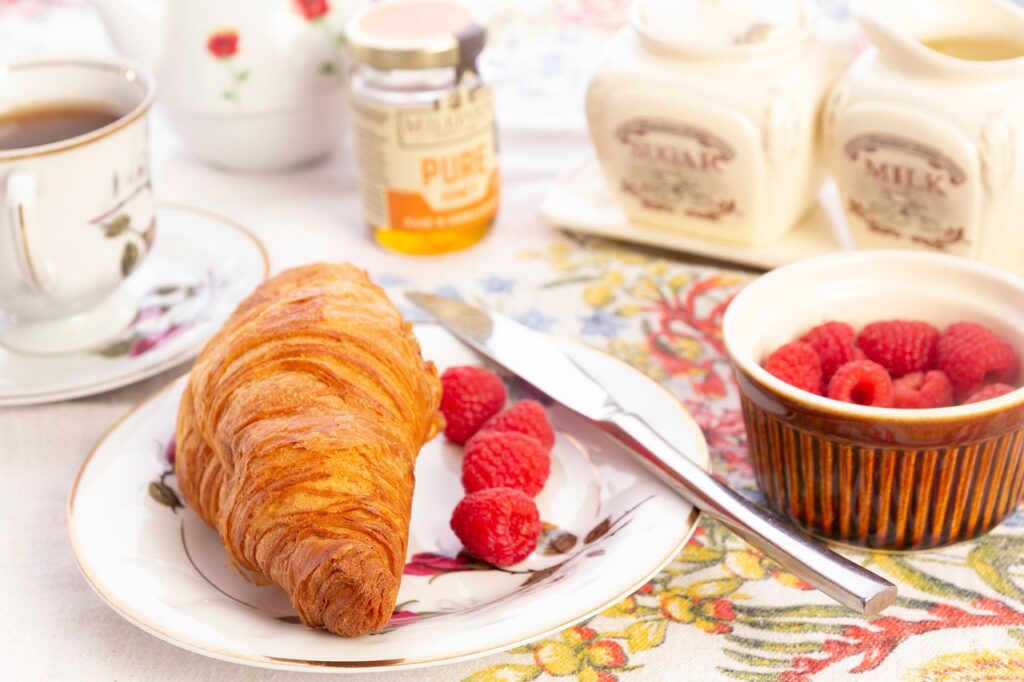
Trends thrive on surprise, yet surprise becomes fragile once imitation spreads widely. In the early days, croissant hybrids felt rare, often produced in limited batches that sold out quickly and reinforced exclusivity. As independent bakeries adopted the concept and larger chains followed, availability expanded dramatically. What once required a special trip across town began appearing in supermarket bakery cases and national café menus. Replication brought consistency, but it also diluted distinction. With similar shapes, fillings, and marketing language repeating across markets, the sense of discovery that fueled early enthusiasm gradually softened.
Consumers responded with sharper judgment rather than blind excitement. After sampling multiple hybrids, many recognized that not every mashup enhanced the croissant’s delicate structure or elevated the dessert it referenced. Rich fillings sometimes compressed flaky layers, while oversized formats prioritized visual drama over balanced flavor. As novelty became routine, quality differences stood out more clearly. Some customers returned to classic croissants or simpler pastries that emphasized technique over theatrics. The shift did not erase hybrids entirely, but it signaled a cooling phase where sustained demand depended more on execution than spectacle.
The Economics Behind Hybrid Pastries
From a business perspective, croissant mashups initially delivered strong profit margins for bakeries willing to invest in the technique. Laminated dough demands time, precision, and trained hands, yet once the process is established, that same base can be transformed into multiple premium products with relatively small adjustments. By reshaping croissant dough into hybrid forms and incorporating flavored creams, glazes, chocolate fillings, or savory components, bakeries increased perceived value without building new production systems. Limited daily batches reinforced exclusivity, allowing shops to justify higher price points while controlling waste and aligning supply closely with demand.
However, the cost structure behind these pastries remains substantial and sensitive to market forces. Butter, a defining ingredient in laminated dough, experiences price volatility tied to global dairy markets, directly affecting margins. Skilled bakers command competitive wages, and failed lamination, underproofing, or overbaking can lead to product loss. As competition intensified, bakeries felt pressure to introduce new flavors and formats regularly, adding research, testing, and marketing expenses. For smaller operations, sustaining innovation while maintaining consistency can strain labor and budgets, especially once demand levels off from its initial surge.
Is the Croissant Trend Losing Its Flaky Appeal
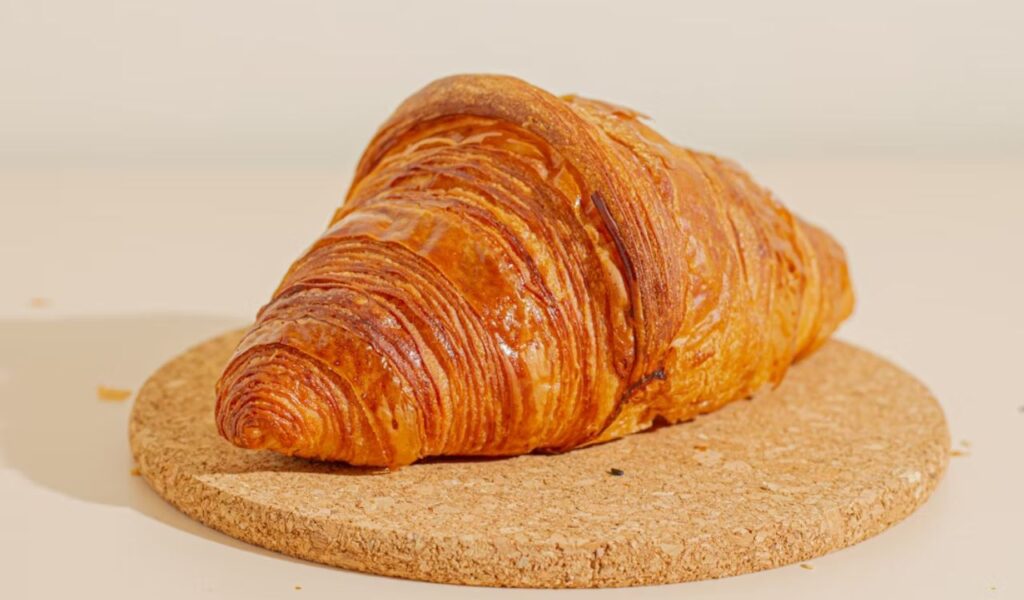
Every food craze eventually approaches a point where growth slows, and expectations shift. Croissant mashups, once propelled by long lines and viral anticipation, now appear to be entering that phase in many markets. While hybrids still attract attention, the explosive momentum that defined their early years has softened. Consumers increasingly prioritize authenticity, technical skill, and balanced flavor over sheer novelty. A well-executed classic croissant, with distinct layers and a deeply buttery aroma, can feel more rewarding than an oversized creation built primarily for visual impact. As excitement levels stabilize, craftsmanship begins to matter more than spectacle alone.
That moderation does not signal disappearance, but rather evolution. Instead of dominating bakery displays, mashups may settle into a steady niche alongside traditional pastries. Bakeries that refine combinations thoughtfully and maintain quality ingredients are more likely to retain loyal followings than those chasing constant reinvention. Innovation will likely continue, though at a measured pace rather than a fevered one. The appetite for creativity remains, yet it now competes with renewed appreciation for simplicity. Even if the hybrid wave cools, the croissant itself endures as a timeless staple whose layered texture and careful technique continue to command respect.