How Alcohol Free Drinks Became as Expensive as Craft Cocktails

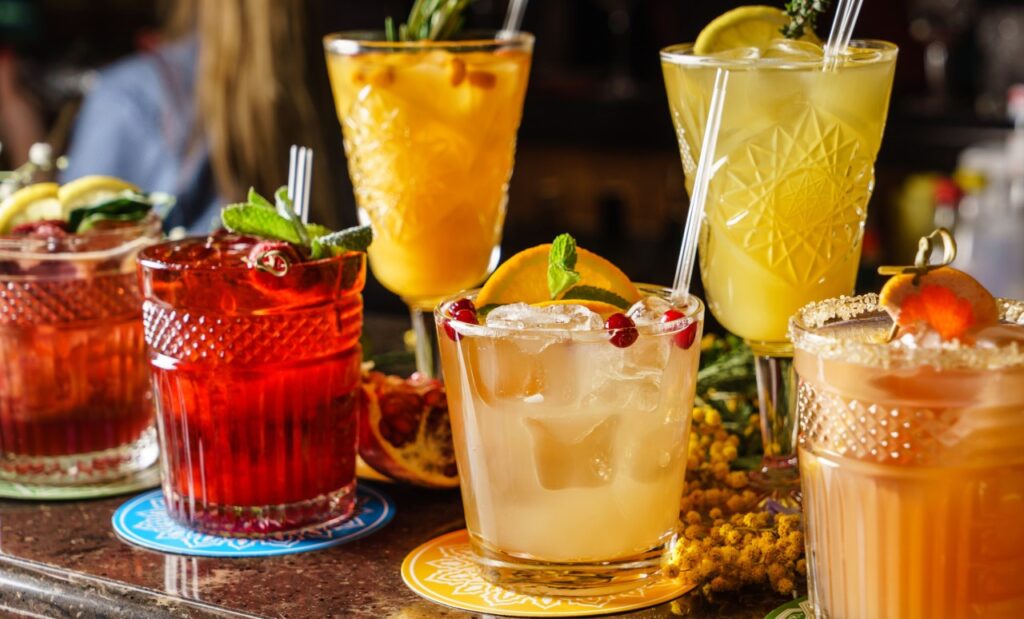
Not long ago, skipping alcohol at a bar meant settling for soda, juice, or simple sparkling water. The choice often felt like an afterthought, offered out of obligation rather than creativity. Today, the menu tells a very different story. Zero-proof drinks arrive in elegant stemware, layered with house-made syrups, cold-pressed juices, rare botanicals, and intricate garnishes that mirror high-end mixology. They are shaken, stirred, smoked, and balanced. Visually and aromatically, they rival craft cocktails and increasingly carry similar price tags. What began as a modest substitute has grown into a polished category that commands attention and premium dollars.
Behind that transformation lies more than trendiness. Wellness culture and shifting generational attitudes have reshaped how people think about alcohol consumption. Many consumers now seek moderation without sacrificing social ritual or flavor complexity. In response, beverage producers and bartenders have invested in research, distillation techniques, and botanical extraction to elevate alcohol free options. Packaging and menu design reinforce refinement. The result is a beverage landscape where sophistication is no longer defined by alcohol content, and pricing reflects craftsmanship and perceived value as much as the liquid itself.
The Rise of Alcohol Free Culture
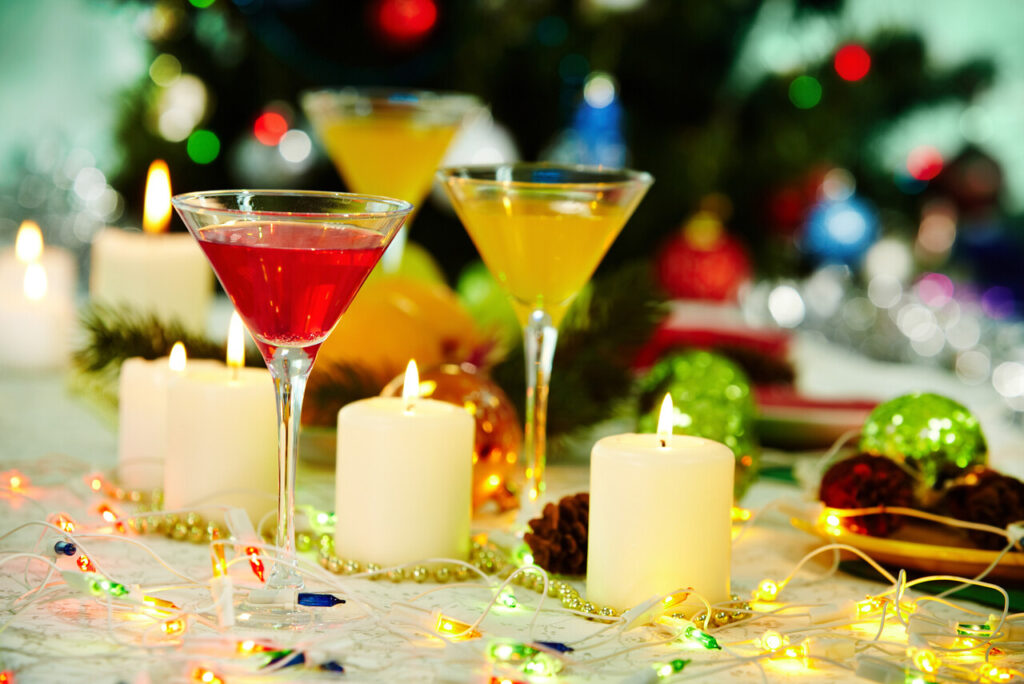
Choosing not to drink alcohol has evolved from a private preference into a visible cultural movement reshaping social spaces. Over the past decade, wellness trends and shifting attitudes among younger adults have significantly influenced drinking habits. Many consumers now moderate alcohol intake to support sleep quality, mental clarity, athletic performance, or long-term health goals rather than abstaining completely. Social gatherings still hold importance, yet the automatic expectation to drink at every celebration has softened. This mindset shift has created steady demand for beverages that feel festive and intentional without relying on alcohol as the centerpiece.
Restaurants and bars adapted quickly to meet that demand. Dedicated zero-proof menus, alcohol free tasting pairings, and thoughtfully developed mocktail programs are now common in major cities and expanding into suburban markets. The objective is clear inclusion, ensuring guests who skip alcohol still enjoy a drink that feels curated and balanced. As interest accelerated, beverage producers invested heavily in botanical distillates, fermented bases, and alcohol free spirits crafted to mimic bitterness, aroma, and texture. These innovations aim to recreate the complexity of traditional cocktails, proving that flavor depth and social ritual can exist independently of alcohol content.
The Premiumization of Zero-Proof Drinks
The shift began when alcohol free drinks stopped being simple mixtures of juice and soda and started imitating the structure of craft cocktails. Once bartenders began shaking zero-proof creations with house-made syrups, fresh citrus, infused herbs, and smoked garnishes, the visual and labor investment changed. These drinks require similar preparation time, glassware, and presentation standards as alcoholic versions. From oversized ice cubes to torched rosemary sprigs, the performance behind the bar mirrors full-strength mixology. When effort, technique, and aesthetic detail match traditional cocktails, pricing naturally rises to reflect comparable labor and overhead.
At the production level, alcohol free spirit makers have also embraced a premium identity. Many brands use layered botanical extraction and blending processes designed to replicate bitterness, aroma, and mouthfeel without ethanol. These methods demand specialized equipment and small batch experimentation. Packaging reinforces upscale positioning, with minimalist labels and heavy glass bottles. Limited releases and origin stories enhance exclusivity. Even without alcohol taxes in some markets, development and distribution costs remain substantial. As zero-proof products align with craft cocktail culture, their pricing mirrors it.
Why Production Costs Mirror Craft Spirits
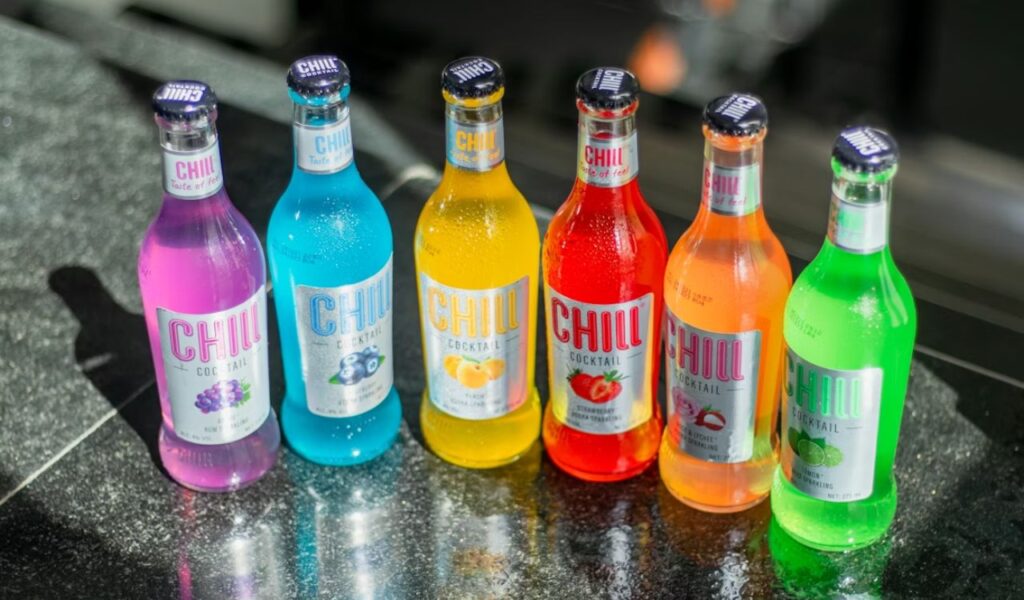
Producing alcohol free spirits often requires processes that closely resemble traditional distillation, which explains why costs can rise quickly. Many zero-proof brands extract flavor through maceration, steam distillation, or vapor infusion of herbs, spices, roots, and citrus peels to build layered profiles. In some cases, alcohol is initially used to capture volatile compounds and then carefully removed through vacuum distillation or reverse osmosis. These additional steps demand specialized equipment, controlled temperatures, and technical expertise. Each stage adds time, energy consumption, and skilled labor, contributing meaningfully to the final production expense.
Unlike conventional spirits, alcohol free beverages cannot depend on ethanol as a natural preservative, which complicates stability and shelf life. Producers must carefully balance acidity, filtration, and packaging to prevent spoilage while maintaining flavor integrity. Smaller production volumes further limit economies of scale, keeping per-unit costs high compared to mass market soft drinks. Although many zero-proof products avoid certain alcohol excise taxes, those savings rarely outweigh research, formulation trials, ingredient sourcing, and distribution expenses. The outcome is a drink without alcohol that still carries production costs comparable to craft spirits.
Branding and Experience Over Ingredients
A large portion of what customers pay for in both craft cocktails and zero-proof drinks has little to do with the raw ingredients in the glass. The setting, service, and sense of occasion all carry measurable cost. Bars invest heavily in trained staff, menu development, specialty glassware, custom ice programs, and carefully designed interiors that create a polished atmosphere. Rent in prime urban locations, licensing, utilities, and labor expenses are built into each menu price. When a drink is served with ceremony and precision, the charge reflects the entire hospitality experience, not just the liquid components.
Alcohol free cocktails operate within that same experiential framework. When a bartender measures, shakes, strains, and garnishes a zero-proof creation using house-made syrups or infused botanicals, the time and skill required mirror that of a traditional cocktail. Guests are paying for craftsmanship, ambiance, and inclusion in a shared social ritual. As alcohol free offerings become fully integrated into curated bar menus, their pricing naturally aligns with surrounding craft options, reinforcing the idea that experience often outweighs ingredient cost alone. In many venues, the goal is parity, ensuring non-drinkers receive the same level of creativity and attention as any other guest.
When Sobriety Meets Luxury Pricing
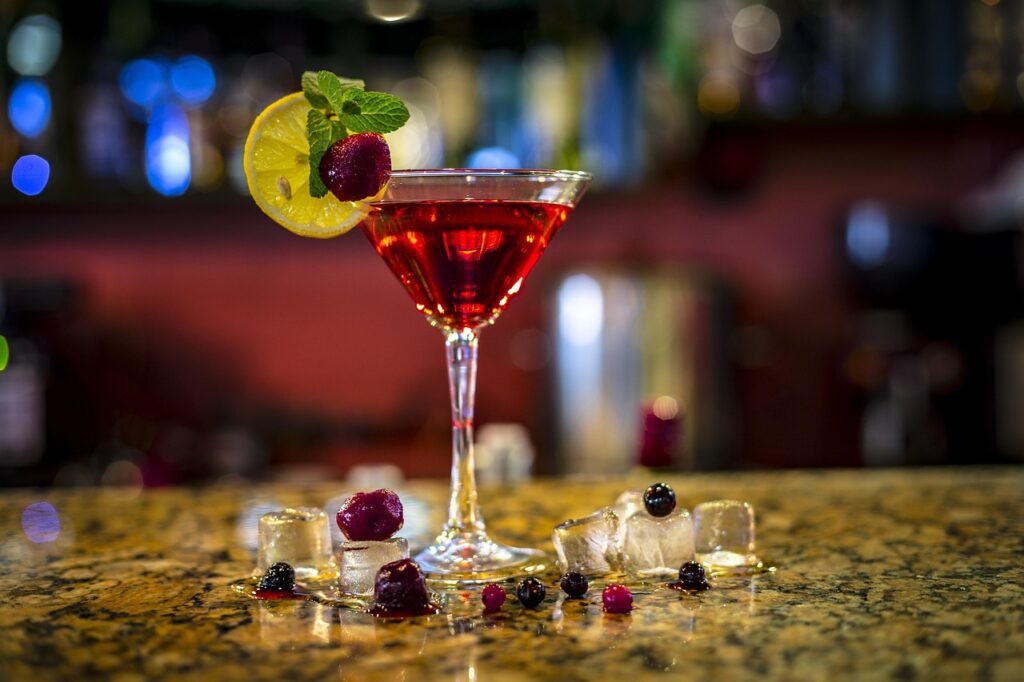
The convergence of wellness culture and upscale branding has steadily positioned alcohol free beverages within the modern luxury segment. As consumers place greater emphasis on mindfulness, moderation, and intentional living, zero-proof options have become symbols of lifestyle rather than compromise. Paying craft-level prices can signal support for innovation, inclusivity, and evolving social norms that separate celebration from intoxication. This willingness to spend aligns with broader patterns seen in specialty coffee, artisanal food, and functional wellness drinks, where quality narratives and curated identity often justify premium tags beyond raw ingredient costs.
Yet the move toward luxury pricing also introduces tension around accessibility and perceived fairness. When a zero-proof cocktail costs nearly the same as one containing premium spirits, some guests question what exactly they are paying for. Without alcohol taxes or expensive liquors, the value equation can appear unclear on the surface. In reality, pricing reflects labor, ambiance, branding, and demand rather than ethanol content alone. In today’s beverage market, exclusivity, presentation, and cultural positioning frequently carry more financial weight than the ingredients themselves, reshaping how sobriety is packaged and sold.