Are Fast Food Value Meals Still a Value in 2026

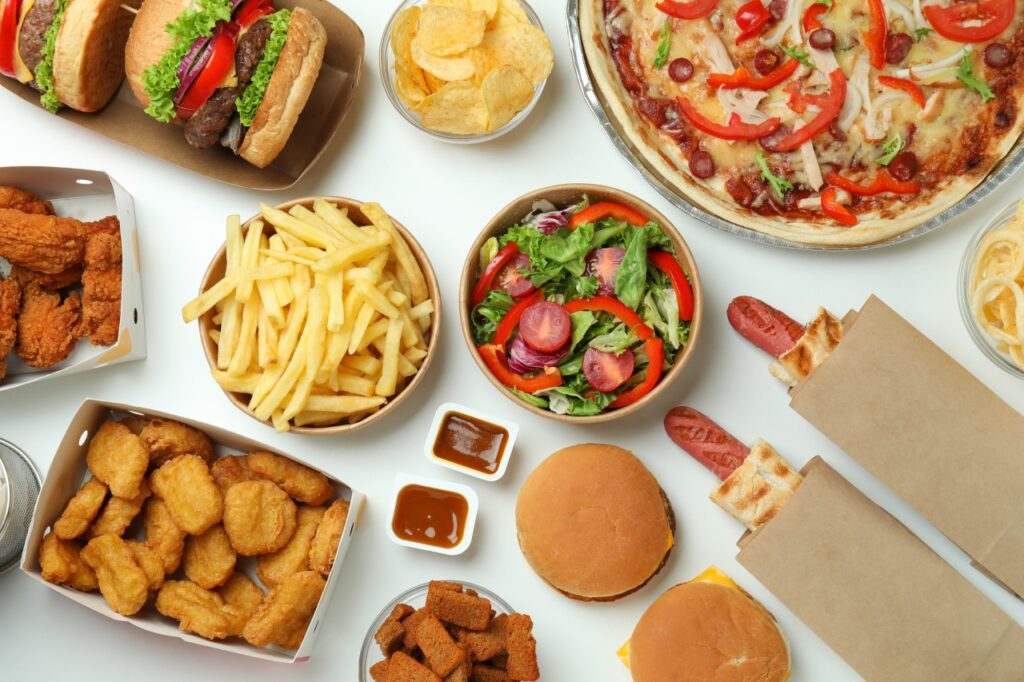
For decades, the fast food value meal stood as a symbol of simple savings. One number on the menu board promised a full plate, a full drink, and the comfort of knowing you were spending wisely. It was quick, predictable, and easy on the wallet, a reliable option when time and money were both tight. Families leaned on it during busy weeknights, students planned around it between classes, and long road trips often depended on it for affordable convenience. The word “value” carried genuine meaning, suggesting that speed and portion size could coexist with a reasonable price, without forcing customers to think twice about the total.
But in 2026, that familiar promise feels far less certain. Prices have steadily climbed, portions appear subtly adjusted, and many of the most competitive deals are now tucked inside mobile apps and loyalty programs rather than printed clearly on menu boards. Rising food costs, higher wages, transportation expenses, and evolving pricing strategies have all reshaped what a combo truly delivers. At first glance, the tray may look unchanged, yet the numbers behind it tell a different story. More customers are pausing before they order, quietly reconsidering whether the modern value meal still earns its name.
The Evolution of the Fast Food Value Meal
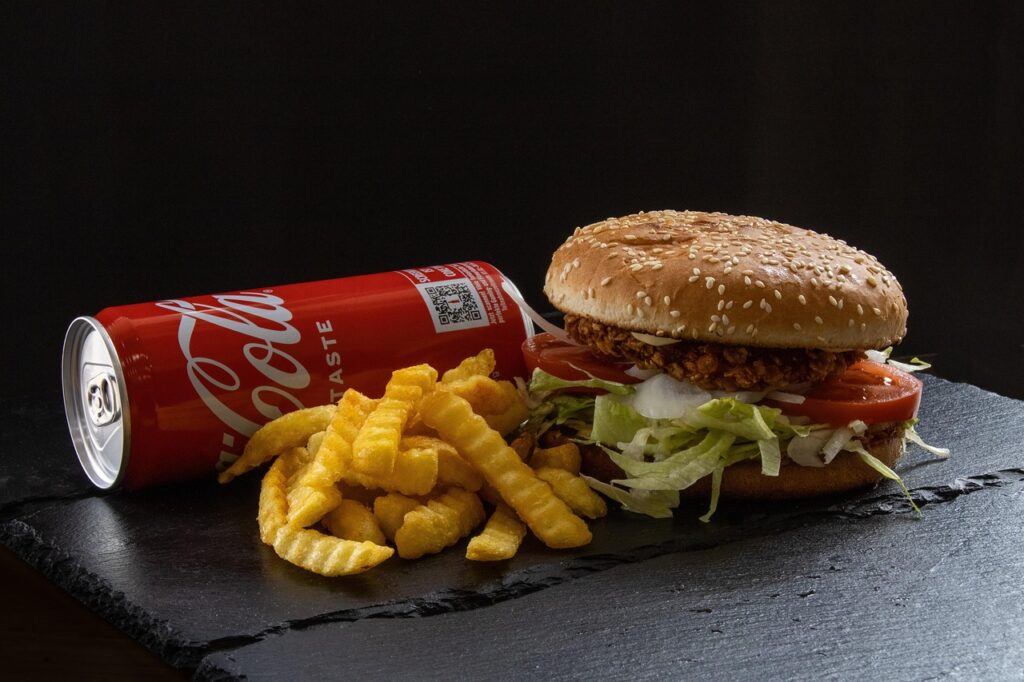
The value meal began as a clear and reassuring promise: a complete meal at a lower total price than buying each item separately. When major chains popularized combo bundles in the 1990s, the structure was simple. A burger or sandwich, fries, and a drink came together under one set price, usually offering a small but noticeable discount. Customers appreciated not having to do mental math at the counter. The concept delivered speed, predictability, and a sense of fairness. For many households, especially those watching their budgets, the value meal became a dependable option that balanced convenience with cost control.
As years passed, that simplicity gradually shifted. Chains began introducing multiple tiers, allowing customers to upgrade sides, increase drink sizes, or swap in premium sandwiches for an added charge. Limited-time bundles and promotional pairings added variety but also complexity. With the rise of digital ordering, some of the strongest discounts migrated to mobile apps and loyalty programs, creating different price experiences for different customers. What was once a straightforward bundle visible to everyone has evolved into a layered pricing system, carefully structured to offset higher ingredient, labor, and operating expenses while preserving the perception of value.
Rising Prices and Shrinking Portions
Sticker shock has become an increasingly common reaction at the drive-thru window. Since the early 2020s, persistent food inflation, rising labor wages, transportation costs, and supply chain instability have steadily pushed menu prices upward. Core ingredients such as beef, poultry, potatoes, cooking oil, and even paper packaging have all experienced measurable cost increases. Fast food chains operate on tight margins, so when input costs rise, menu boards eventually reflect those pressures. In many markets, combo meals that once felt comfortably affordable now carry noticeably higher price tags than they did just a few years ago.
At the same time, some customers have observed subtler changes beyond the posted price. While drink cup sizes may remain consistent, portions of fries or sandwich components can appear slightly reduced, a practice often described as shrinkflation. Even small adjustments in patty weight, fry quantity, or ingredient layering can influence perceived fullness. When higher prices coincide with modest portion reductions, the psychological impact is significant. Although companies cite cost management, the combination of rising totals and size adjustments has led many diners to question whether value meals still deliver the dependable savings they once represented.
How Inflation Reshaped Combo Deals
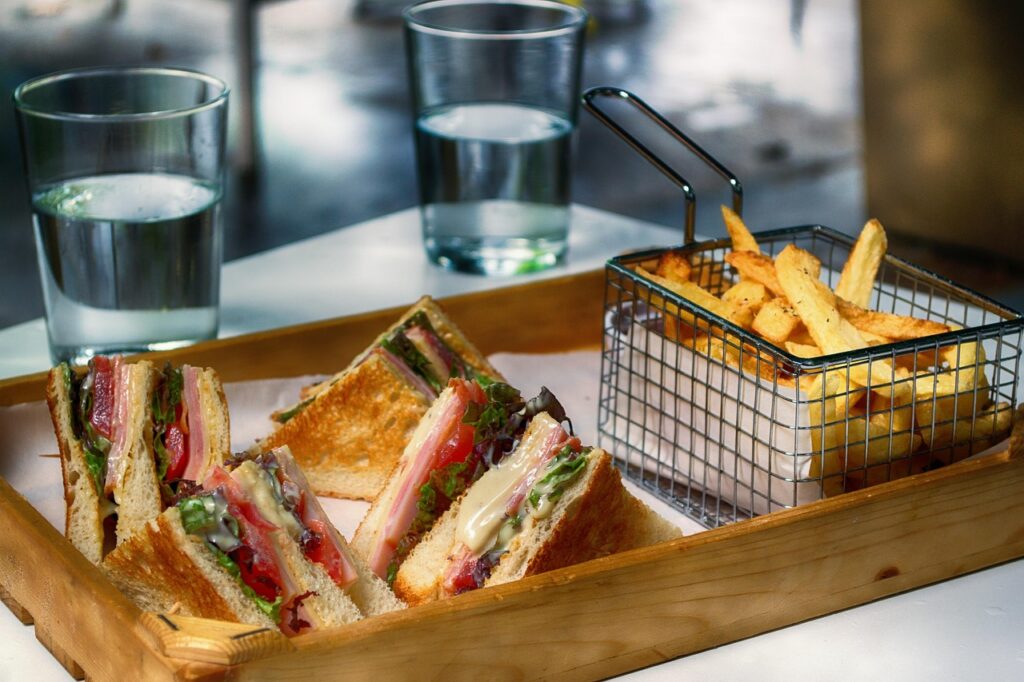
Inflation does more than push prices upward; it reshapes how value is packaged and presented. As ingredient, labor, and operating expenses climbed, many fast food chains redesigned their combo structures to protect advertised entry prices. Instead of broad discounts across the menu, companies introduced tightly defined “value bundles” that limit choices to specific sandwiches, smaller sides, or fixed drink sizes. Premium items are often excluded from these offers, requiring an added charge for customization. This approach preserves a headline-friendly price point while quietly narrowing flexibility, allowing brands to manage margins without abandoning the language of affordability.
Digital platforms now play a central role in sustaining this strategy. Mobile apps, loyalty programs, and time-sensitive coupons allow chains to offer targeted discounts without permanently lowering menu board prices. Customers willing to download apps and accumulate points often unlock deals unavailable at the counter. This creates a layered pricing environment in which tech-engaged diners access better value than those ordering traditionally. Inflation has not erased the concept of combo savings, but it has shifted the burden onto consumers to actively seek promotions, compare offers, and navigate brand ecosystems to secure the strongest deals.
The Psychology Behind Perceived Savings
Perception often determines whether a meal feels like a smart financial choice long before the receipt is printed. Bundling plays directly into that psychology. When a burger, fries, and a drink are grouped under one price, customers are spared the effort of calculating each item individually. The single figure appears cleaner and more manageable, even if the savings are modest. Menu boards reinforce this effect with bold fonts, boxed pricing, and phrases such as “meal deal” or “limited time offer.” Behavioral research shows that convenience and presentation can amplify perceived value, making a small discount feel more substantial than it actually is.
Yet perception shifts when reference points change. As base prices rise over time, customers begin comparing today’s combo cost to what they remember paying only a few years ago. That memory gap weakens the psychological boost that bundling once delivered. Transparency also plays a critical role. If diners notice smaller portions, added fees for substitutions, or unclear upcharges, the sense of fairness erodes quickly. Value is not defined purely by numerical savings; it rests on trust. When consumers believe the exchange is balanced and honest, a meal feels worthwhile. When that confidence fades, even a bundled discount can lose its appeal.
Are Value Meals Still Worth It in 2026
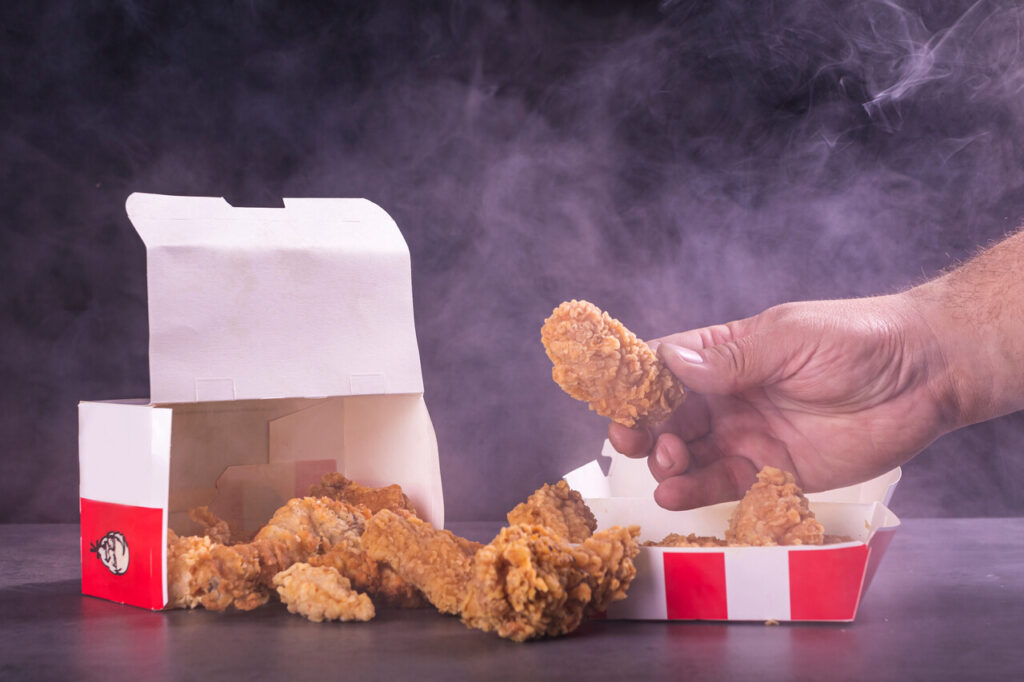
Whether value meals are still worth it in 2026 depends largely on what you compare them against. In many markets, ordering a combo continues to cost less than purchasing the sandwich, fries, and drink separately, preserving the basic math that originally defined bundled savings. For customers prioritizing speed and predictability, that structure still delivers practical convenience. There is comfort in knowing the total upfront, especially during busy workdays or travel. For families juggling schedules, the combo remains a quick solution that avoids the time and effort of preparing food at home. That consistency alone can make the bundled option feel dependable even as prices fluctuate.
However, the broader food landscape has shifted. Grocery stores now offer competitively priced prepared meals, and some casual dining chains promote weekday specials that rival fast food totals. When consumers compare portion size, ingredient quality, and overall cost, the savings gap often appears smaller than it once did. Digital coupons and loyalty rewards can restore some advantage, but they require active participation. In 2026, value meals can still represent a deal, yet securing that value increasingly depends on comparison, timing, and awareness rather than assumption. The label “value” now demands a closer look rather than automatic trust.