11 Reasons Frozen Meals Feel Less Filling Than They Used To

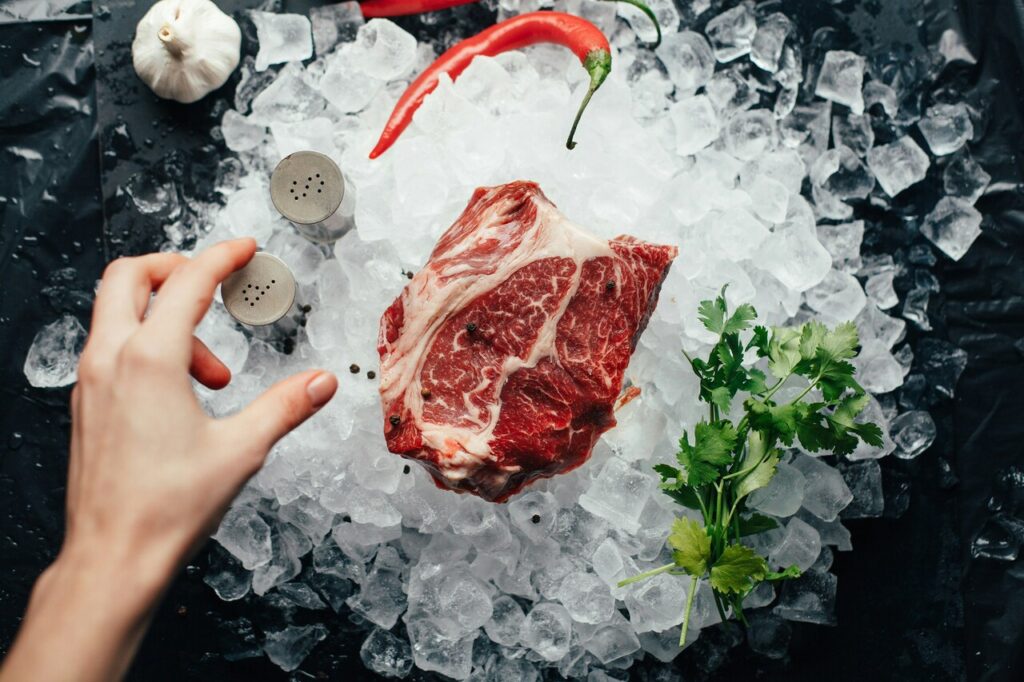
Frozen meals remain a convenient solution for busy schedules, yet many people notice they feel less full than they once did. Changes in portion sizes, ingredient balance, and food structure during freezing and reheating all influence how satisfying these meals feel. Softer textures, reduced fat or protein, and faster digestion can leave diners hungry again sooner than expected. Understanding how frozen meals have evolved helps explain why convenience sometimes comes at the cost of lasting fullness.
1. Texture Breaks Down During Freezing

Frozen meals often feel less satisfying because freezing changes how foods behave at a microscopic level. When meals are frozen, water within ingredients forms ice crystals that rupture cell walls in vegetables, meats, and grains. Once reheated, these foods release excess moisture and lose firmness, creating softer textures that require less chewing and feel less substantial.
Chewing plays a surprisingly important role in fullness. Softer, mushier foods move through meals quickly, often leading people to eat faster and feel less satisfied afterward.
Manufacturers work to minimize texture loss through rapid-freezing methods. Even well-prepared frozen meals rarely replicate the bite and resistance of freshly cooked food, leaving diners feeling lighter.
2. Protein Structure Changes After Freezing
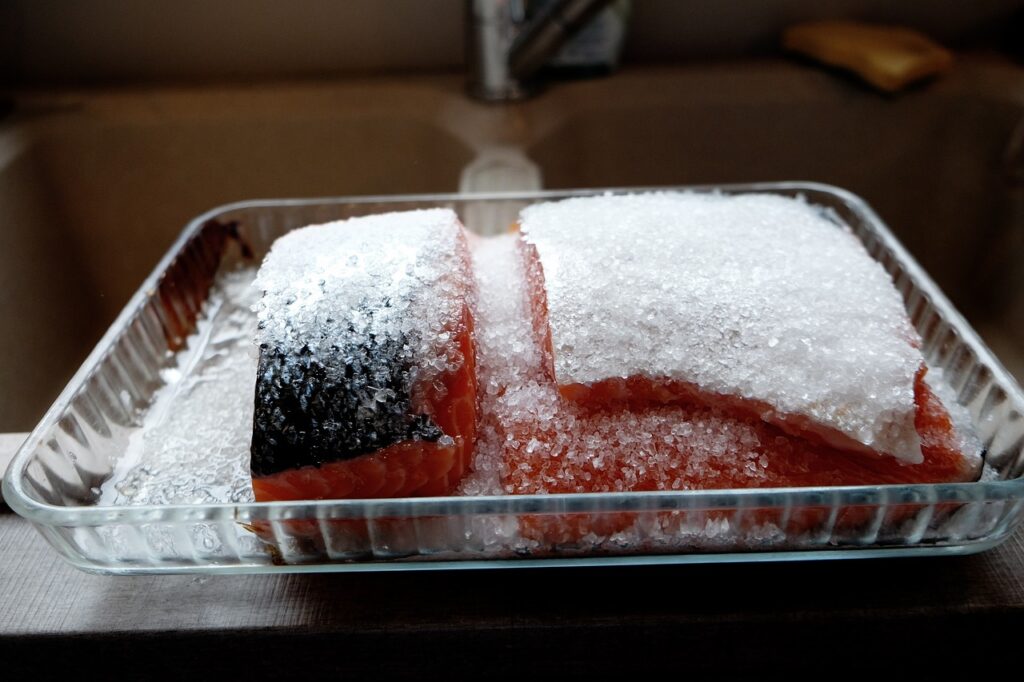
Protein contributes heavily to feelings of fullness, but freezing and reheating can alter protein structure in meats and plant-based components. As proteins freeze and thaw, they lose moisture and change texture, sometimes becoming dry or rubbery when reheated.
These structural changes influence how satisfying protein feels during eating. Juicy meats and tender legumes slow consumption and create richer eating experiences.
Although nutritional protein content stays similar, the eating experience matters. When proteins lose moisture and tenderness, meals can feel less hearty overall, making diners more likely to feel hungry sooner compared with freshly prepared dishes.
3. Fiber Loses Structure After Freezing

Fiber helps meals feel filling by slowing digestion and adding bulk, yet freezing softens many fiber-rich ingredients. Vegetables and legumes often lose crispness after thawing, breaking down into softer textures that feel less satisfying.
When fiber structures weaken, foods digest faster, shortening the feeling of fullness after eating. Softened vegetables blend more easily into sauces or grains, but they no longer provide the resistance or chew associated with fresh produce.
Frozen meals often include vegetables that have already been partially cooked before freezing, compounding this softening effect. While nutrition remains present, the structural breakdown reduces the overall satiety impact of fiber compared with freshly prepared versions.
4. Fat Reduction Changes Fullness Levels
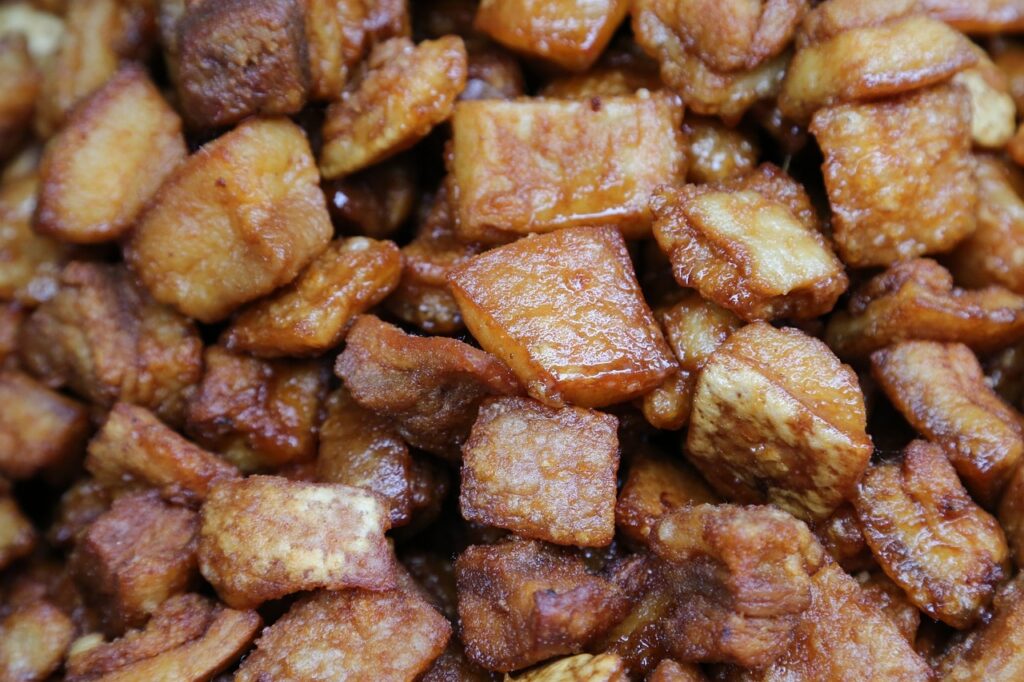
Many frozen meals today aim to appear healthier by lowering fat content, yet fat contributes significantly to satiety and flavor satisfaction. Earlier frozen meals often included richer sauces or higher fat levels that made portions feel more indulgent and filling.
Fat slows digestion and enhances mouthfeel, helping meals feel substantial. Reduced-fat sauces or leaner formulations may cut calories but also reduce the lingering fullness diners associate with comfort meals.
As manufacturers adapt recipes to meet consumer demand for lighter options, meals may become less satisfying despite similar portion sizes. Diners sometimes find themselves searching for snacks sooner, not realizing that fat reductions play a role in diminishing satiety.
5. Sodium Boosts Flavor but Not Fullness
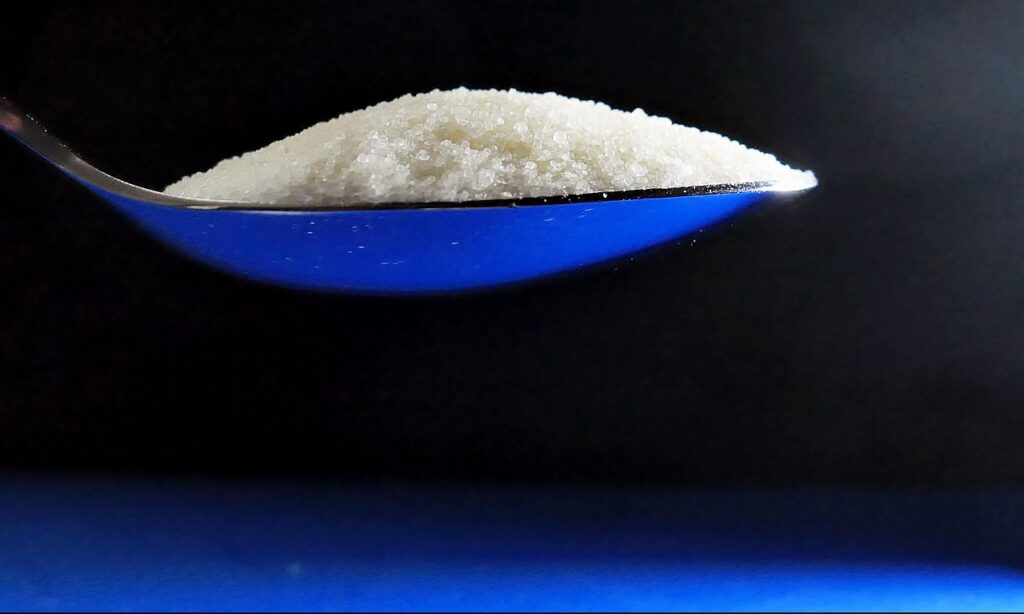
Frozen meals frequently rely on sodium to preserve flavor after freezing, yet salt does little to increase fullness. Sodium stimulates taste buds, making food seem flavorful even when ingredients are diluted or textures soften.
However, sodium does not slow digestion or provide bulk, so meals high in salt may taste satisfying initially but leave hunger returning quickly. Diners might mistake saltiness for richness, only to feel hungry again within hours.
Modern frozen meals sometimes contain less protein or fiber but maintain strong seasoning, creating meals that taste acceptable while lacking components that sustain fullness. Flavor may remain, yet lasting satisfaction declines.
6. Portions Have Quietly Shrunk Over Time
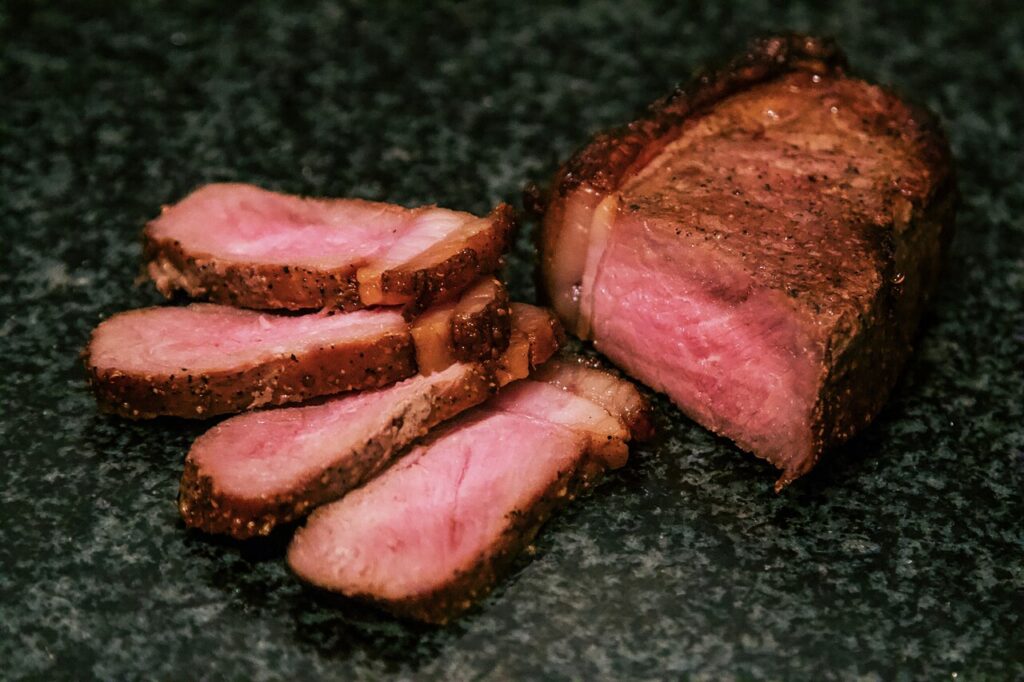
Another factor influencing satiety comes from shrinking portion sizes in packaged meals. Manufacturers adjust packaging weights to control costs while keeping prices competitive, leading to smaller servings than those sold years ago.
Consumers often assume meal sizes remain consistent because packaging looks similar, but reductions in weight mean fewer calories and nutrients per serving. Smaller portions naturally provide less fullness, even if ingredient quality stays unchanged.
When portion reductions combine with lower fat or protein content, meals feel noticeably lighter. Diners may not immediately connect shrinking packaging with hunger returning sooner, but subtle size changes strongly influence perceived meal satisfaction.
7. Water Release Dilutes Meals After Heating
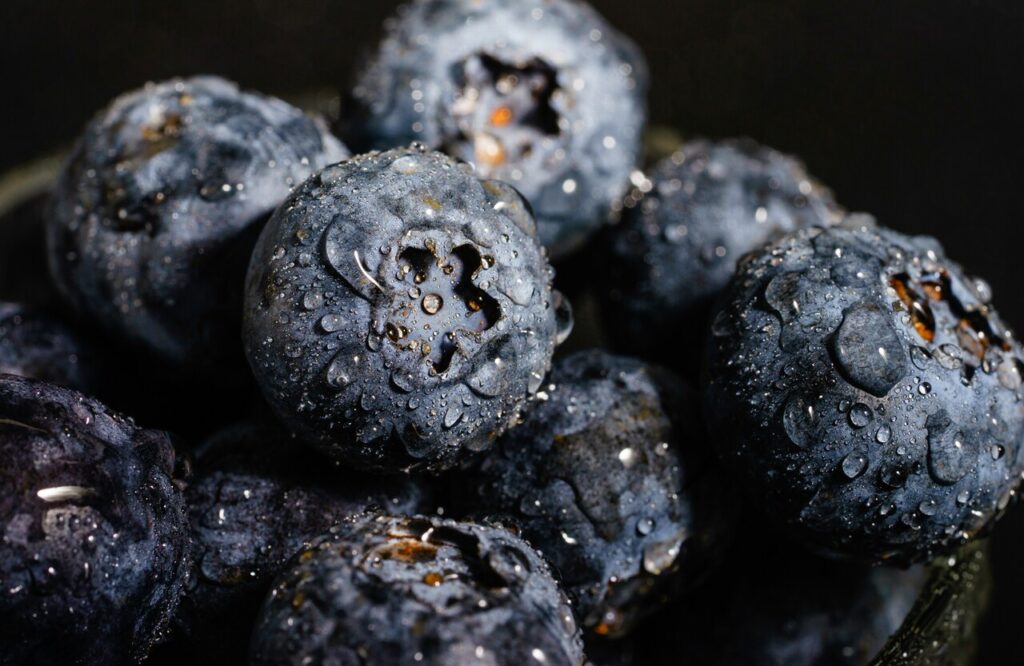
Ice crystal formation during freezing leads to water being released when meals thaw and reheat. This added moisture often pools in trays, diluting sauces and softening ingredients, resulting in textures that feel watery rather than hearty.
Watery meals fill stomach space briefly but do not provide the same satisfaction as foods with thicker textures. Liquids move through digestion faster, reducing the sense of fullness compared with solid components.
Although draining excess liquid or reheating longer can help slightly, moisture redistribution remains common in frozen meals. The result is food that appears plentiful but feels lighter, contributing to earlier hunger after eating.
8. Refined Grains Replace Whole Grains
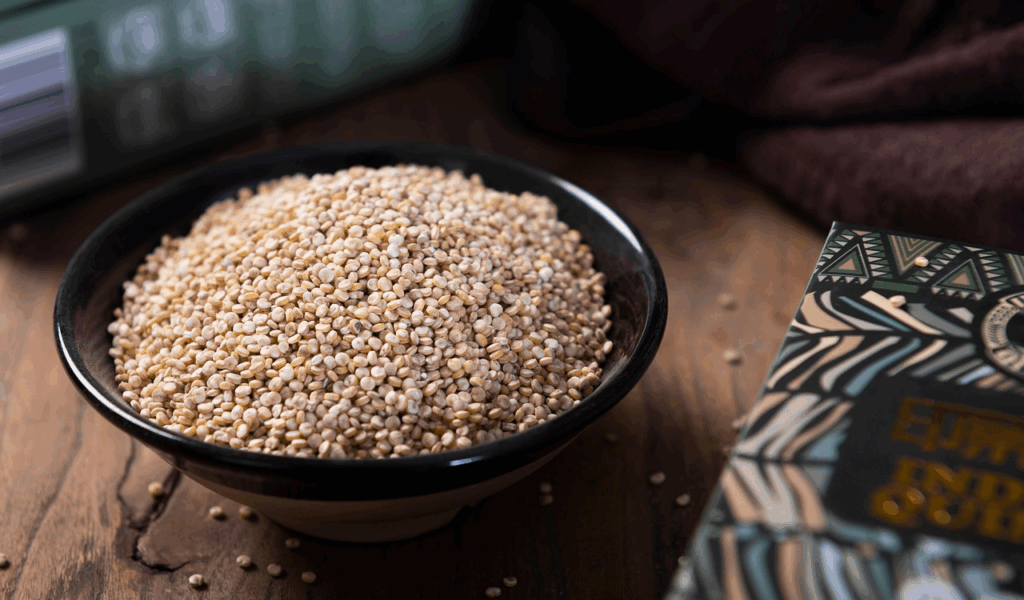
Many frozen meals rely on refined grains such as white pasta or rice rather than whole-grain alternatives. Refined grains digest more quickly because fiber and bran layers have been removed during processing.
Meals built around refined carbohydrates provide energy but often lack staying power. Whole grains slow digestion and maintain fullness longer, yet refined components dominate many convenience meals for texture and cost reasons.
When meals rely heavily on refined grains, hunger tends to return sooner. Although flavors remain familiar, the structural differences between whole and refined grains influence how long diners feel satisfied after eating.
9. Ultra-Processed Ingredients Reduce Satiety
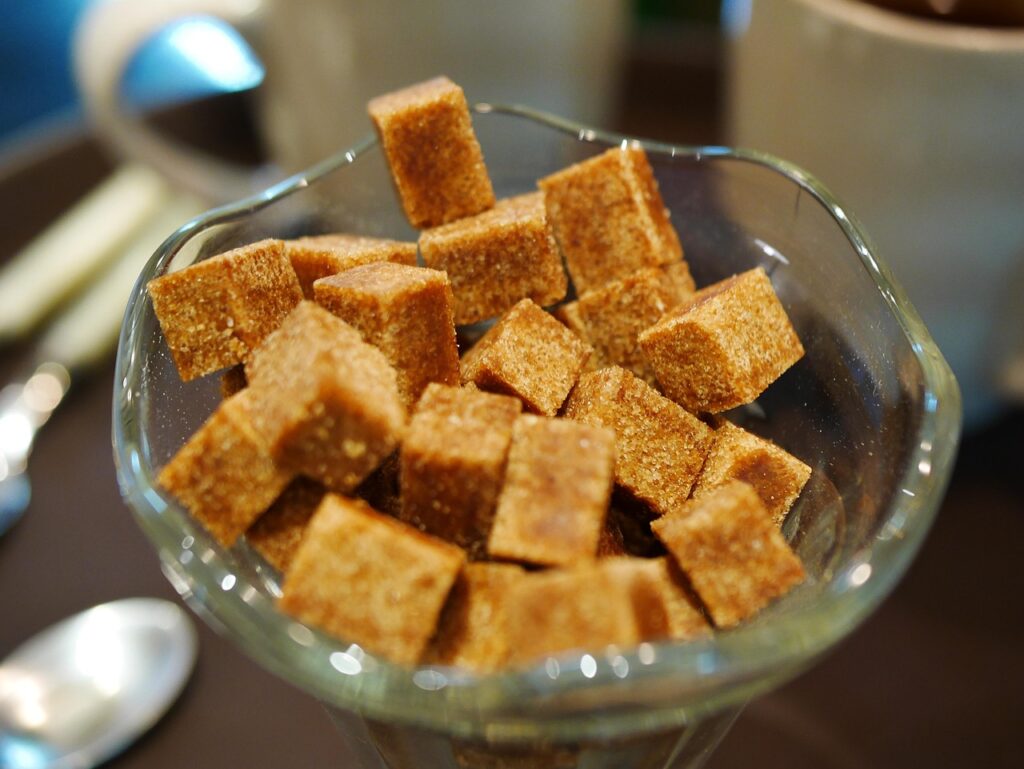
Convenience foods frequently use processed components designed for long shelf life and consistent texture. These ingredients may include stabilizers or fillers that maintain structure but do not provide the same satiety signals as whole foods.
Ultra-processed foods often require less chewing and are digested faster, leading to quicker hunger return. Meals that lack diverse textures or whole ingredients can feel less satisfying even when calorie counts appear adequate.
As frozen meal production scales for efficiency, reliance on processed components grows. While meals remain convenient, reduced ingredient complexity can subtly influence how full diners feel after finishing their trays.
10. Flavor Loss Affects Satisfaction
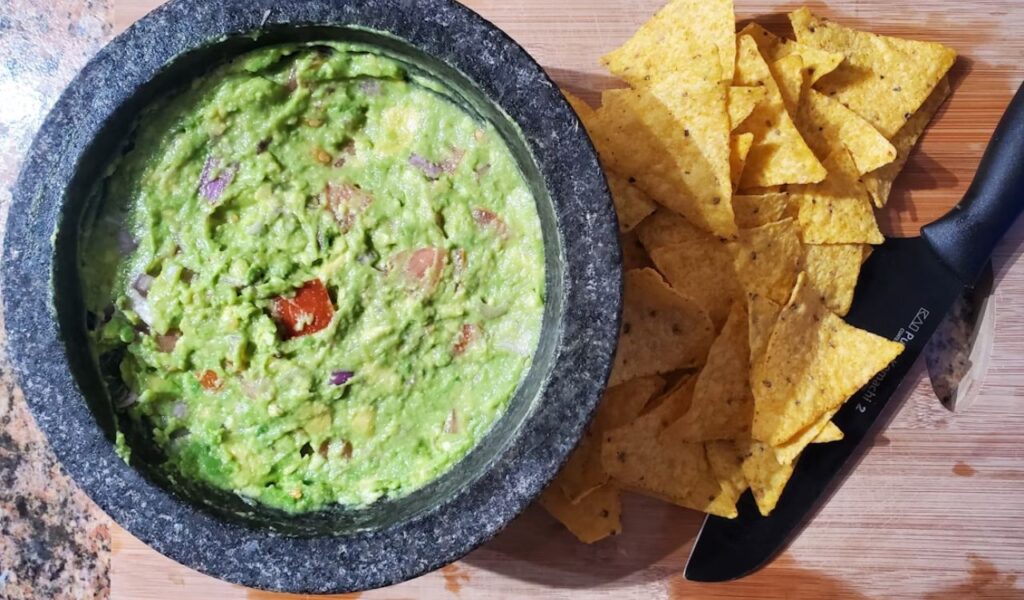
Freezing dulls some flavors, especially delicate herbs and fresh vegetable notes. Even when reheated carefully, frozen meals may lack the bright aromas associated with freshly cooked dishes, altering satisfaction levels.
Flavor contributes heavily to satiety perception. Meals that taste vibrant often feel more rewarding, encouraging slower eating and stronger psychological satisfaction. Blunted flavors can lead diners to feel that meals were less fulfilling.
Manufacturers compensate with stronger seasonings, yet some flavor loss remains unavoidable. Reduced flavor complexity subtly influences how satisfied diners feel, even when portion size and nutrition appear unchanged.
11. Meals Digest Faster Than Fresh Cooking
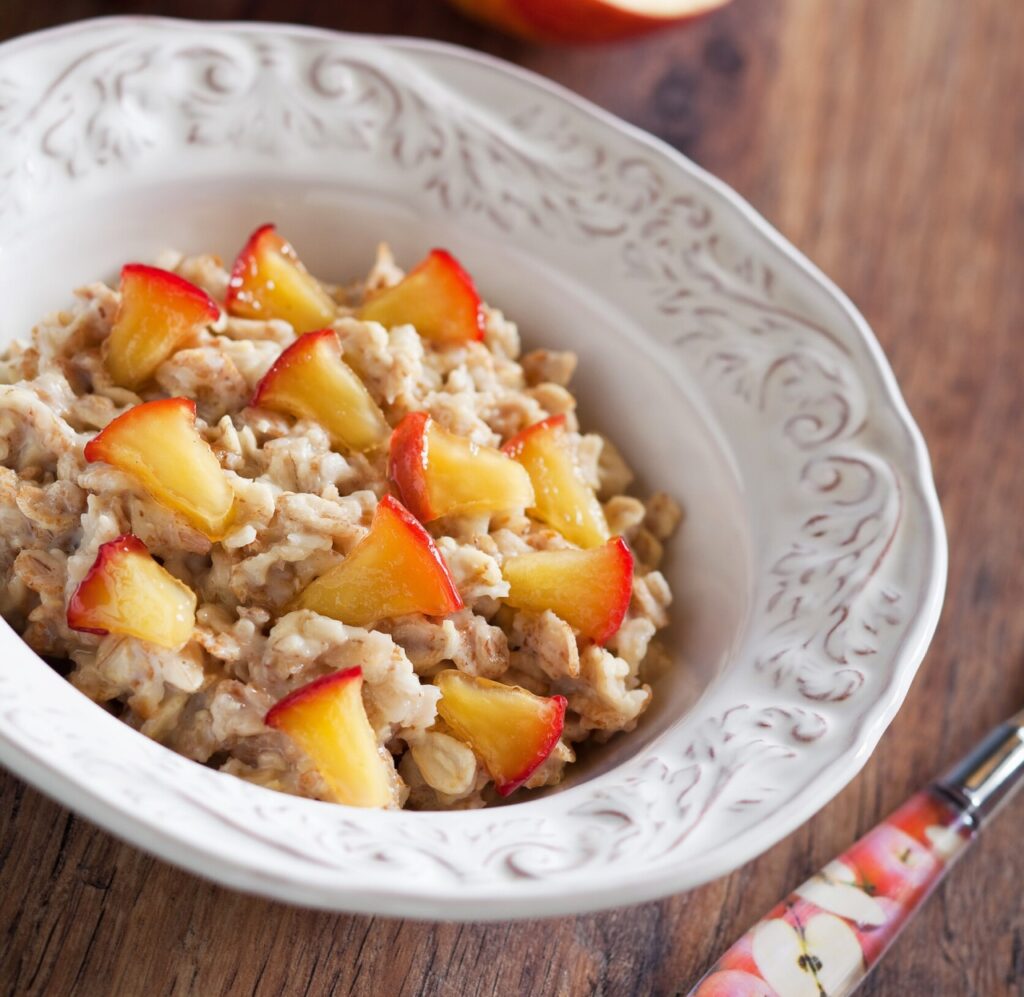
Frozen meals often combine softer textures, refined grains, and processed ingredients that digest more quickly than freshly prepared meals. Faster digestion means the stomach empties sooner, shortening feelings of fullness.
Meals that include whole ingredients and varied textures slow digestion, supporting longer satiety. Frozen meals optimized for reheating convenience sometimes sacrifice these qualities, leading to meals that feel lighter overall.
While frozen meals remain practical options for busy schedules, understanding digestion speed helps explain why hunger can return quickly. Adjusting meals with added vegetables or protein can help restore balance and improve post-meal satisfaction.