10 Grocery Staples That No Longer React the Same When Cooked

Many grocery staples behave differently once they are cooked, cooled, and reheated, even when stored properly. Changes in starch, protein, and moisture structure can alter texture, flavor, and cooking performance, leaving leftovers softer, drier, or less appealing than the original dish. From rice and pasta to chicken and sauces, these reactions are rooted in food science rather than kitchen mistakes. Understanding why foods change helps home cooks plan meals and reheat dishes in ways that preserve flavor and texture.
1. Rice Changes Texture After Reheating
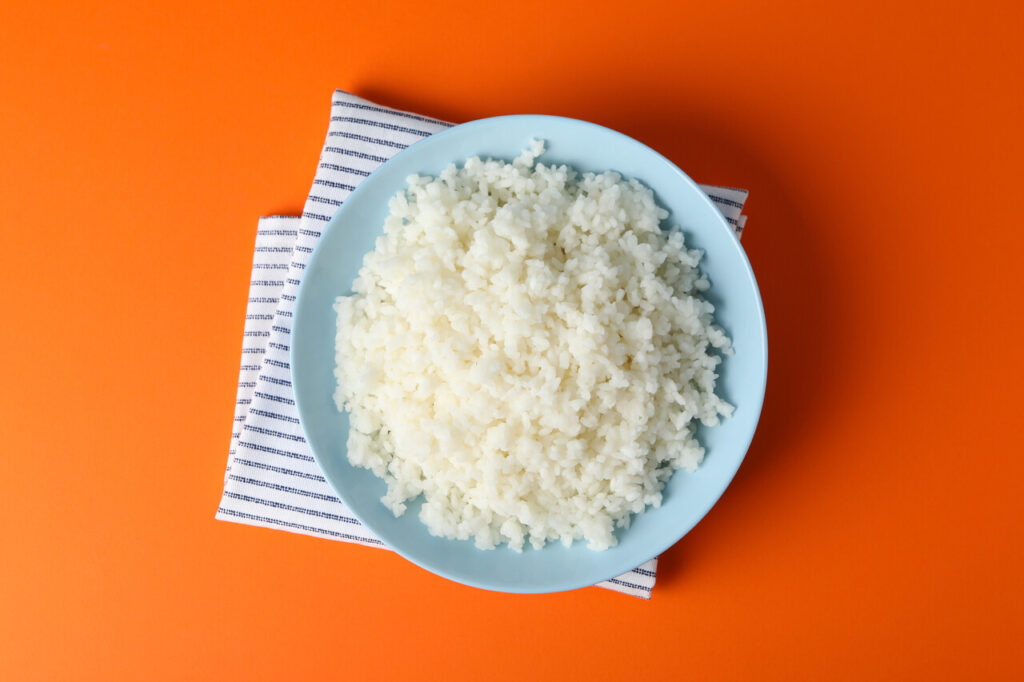
Rice is one of the most common side dishes in kitchens worldwide, yet it behaves differently after cooking and cooling. As it cools, those starch molecules reconfigure and start forming resistant starches that change the way rice feels and tastes.
When reheated, the grains can become clumpy and sticky rather than light and fluffy. This change doesn’t make rice unsafe, but it alters mouthfeel and how well the rice pairs with sauces or stir-fried dishes.
Because rice is such a staple, many home cooks and restaurants have developed strategies like adding small amounts of water before reheating or steaming it gently to improve texture. Understanding how rice reacts with reheating helps set realistic expectations for leftovers.
2. Seafood Becomes Firmer After Reheating
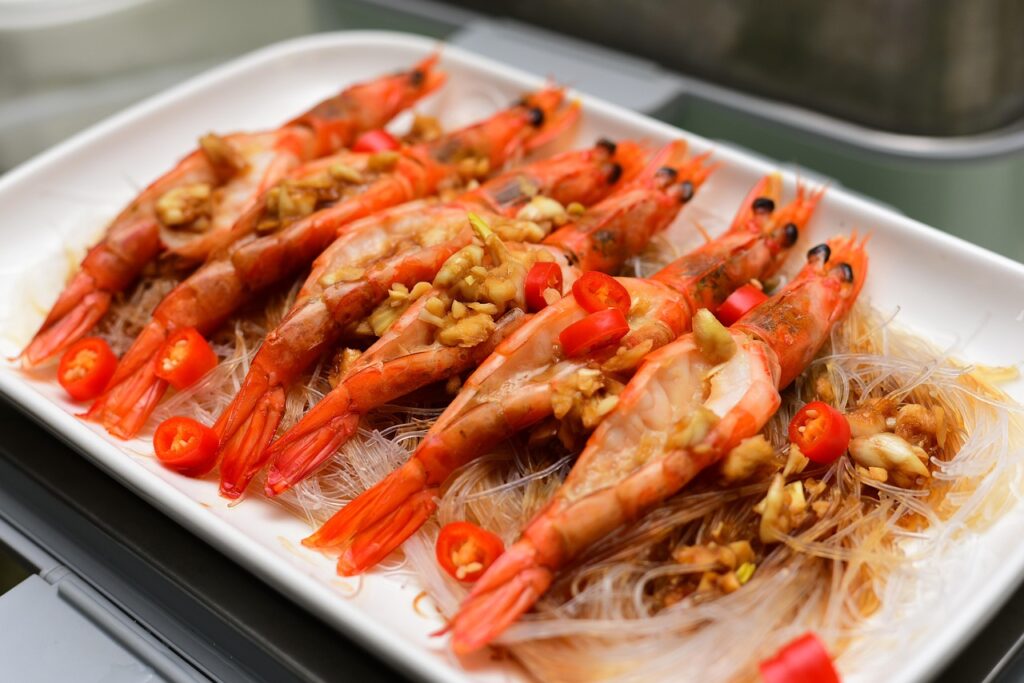
Fish and other seafood are delicate proteins that cook quickly and retain moisture best when served immediately. After refrigeration, however, muscle fibers tighten, and moisture redistributes unevenly, so reheating makes the meat firm.
When reheated, fish proteins contract further, squeezing out moisture that originally kept the flesh flaky and tender. Even gentle oven reheating rarely restores the soft, flaky quality seafood has when freshly prepared.
Cooks often avoid reheating seafood altogether or instead incorporate leftovers into cold dishes like salads or spreads. Understanding how seafood reacts to reheating helps prevent disappointment and encourages alternative uses that preserve flavor without fighting texture changes caused by repeated heating.
3. Potatoes Become Gummy After Reheating
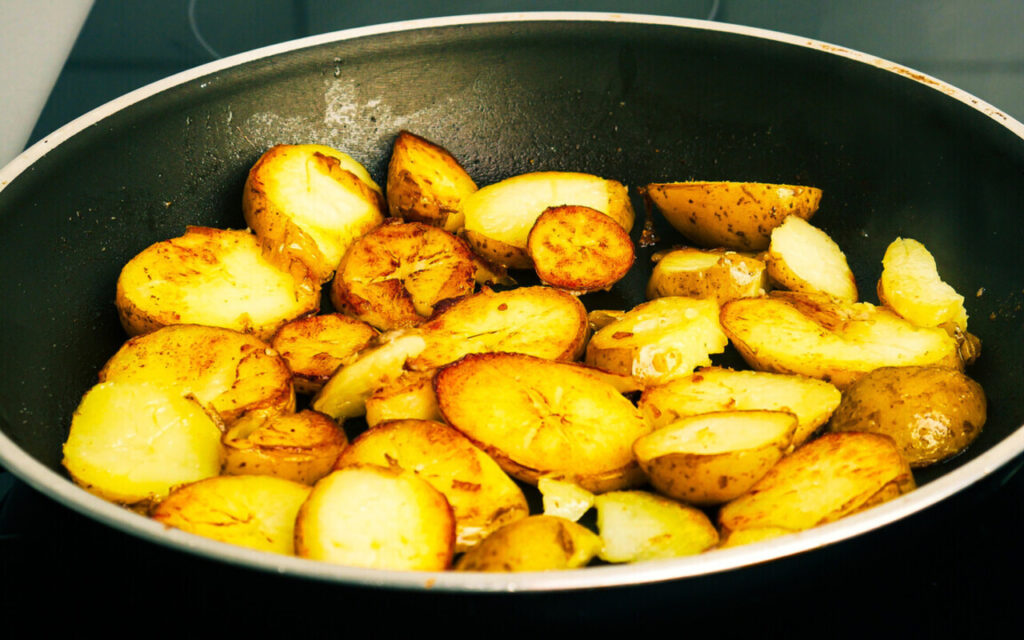
Potatoes build their reputation on comfort and versatility, but their chemistry changes significantly after the initial cooking. When cooled, the starches crystallize slightly, which affects how the pieces break down under heat a second time.
Reheating potatoes often leads to a gummy or grainy mouthfeel as the starches continue to absorb and release moisture unevenly. Even crisp roasted edges become limp when exposed to microwave or oven reheating.
To combat this, chefs sometimes add a splash of liquid and reheat gently, or choose reheating methods like air frying that can help reintroduce texture. Potatoes remain nutritious and satisfying, but their altered reaction to heat means they require special attention when reheated.
4. Pasta Softens and Loses Bite After Reheating
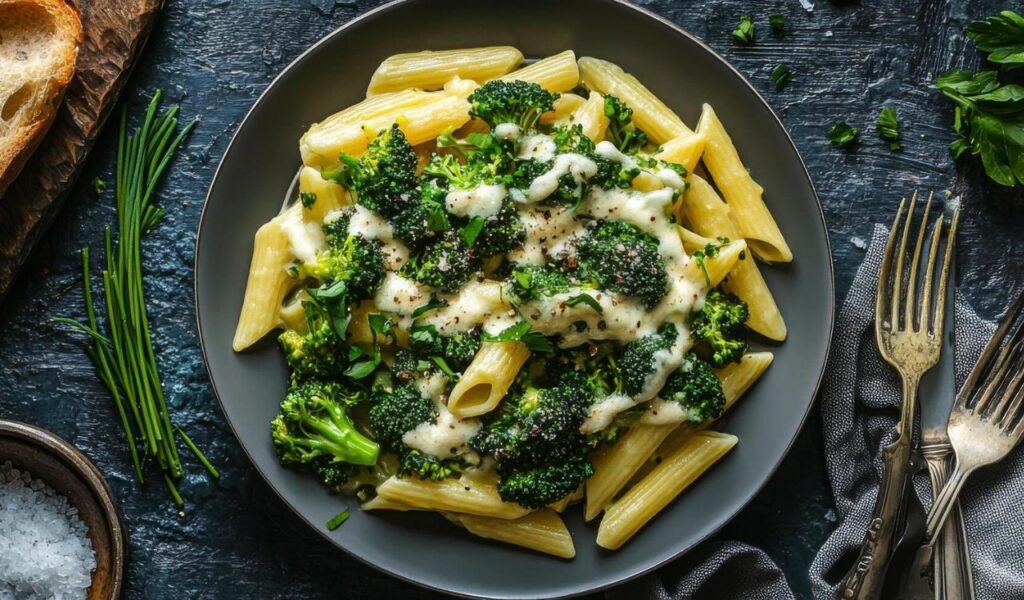
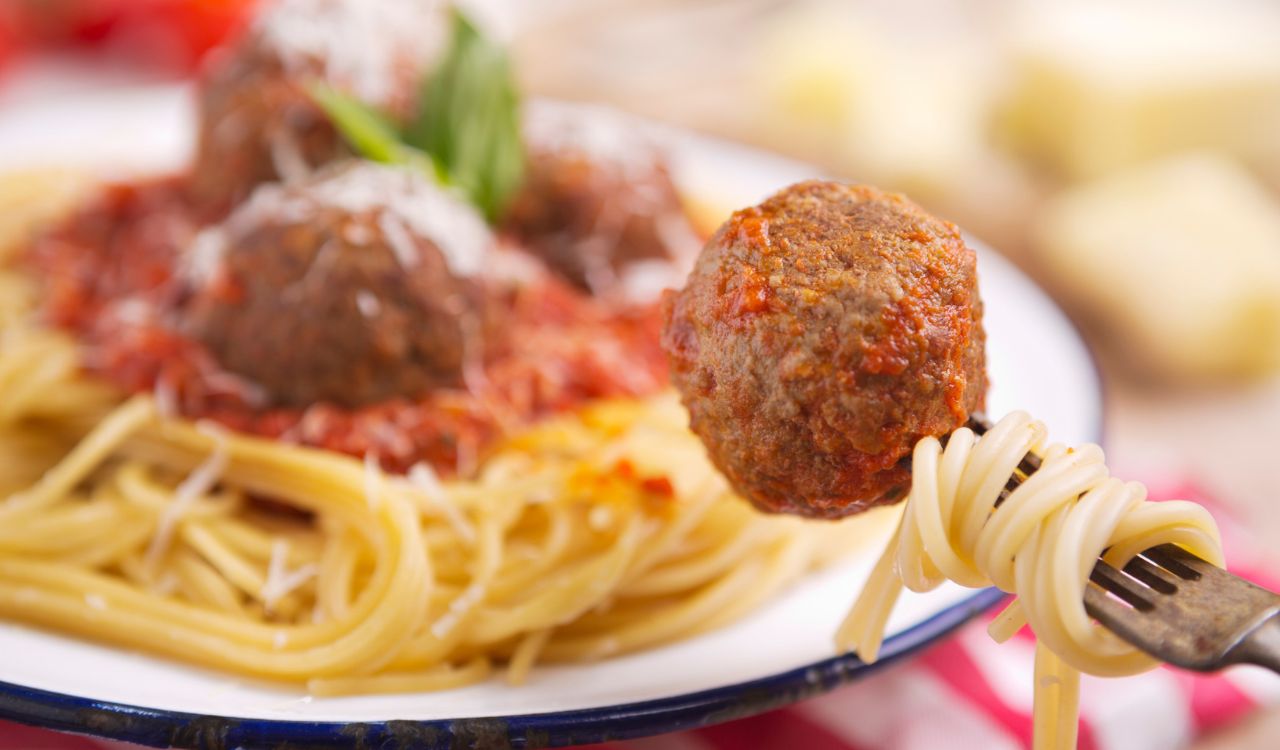
Pasta offers comfort with its firm yet tender bite when freshly cooked. Once pasta cools, those starches begin to tighten up and bind more water, so when reheated, the texture often becomes softer.
Reheating pasta in sauce compounds the effect, as the noodles continue absorbing liquid and lose definition. Even oven reheating does little to restore the original bite because the starches have shifted structurally after the first cooking.
To preserve texture, some cooks refresh pasta briefly in boiling water before mixing with sauce. While these techniques help mitigate the changes, they do not fully reverse how pasta reacts to heat after cooling once.
5. Leafy Greens Change Flavor and Texture
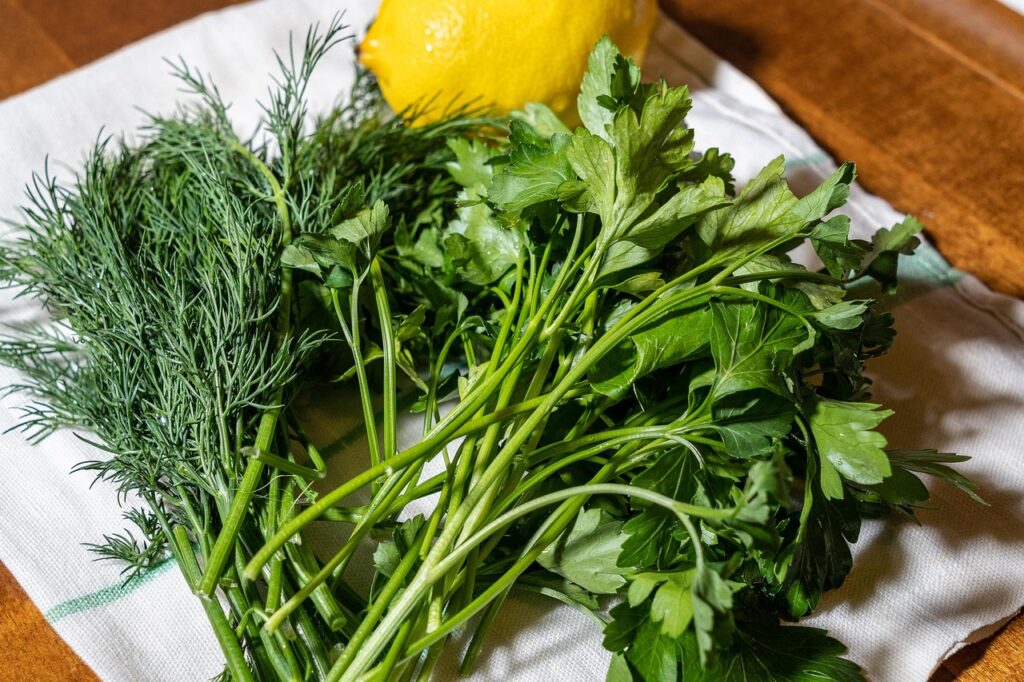
Leafy greens such as spinach and kale shine in fresh cooking, with vibrant color, delicate texture, and bright flavor. These qualities stem from a mix of plant cell structures and naturally occurring compounds. However, when leftovers are reheated, chemical changes alter both taste and texture.
Reheating cooked spinach can convert nitrates into nitrites, which affects flavor and, in some cases, raises concerns about bitterness or off-smells. The leaves also lose moisture and cell integrity.
To enjoy better results, many recommend adding greens fresh after reheating the main dish, or rewarming them briefly just before serving. Understanding how leafy greens react to reheating helps cooks plan meals that maintain their appeal.
6. Egg Proteins Become Rubberier with Reheating
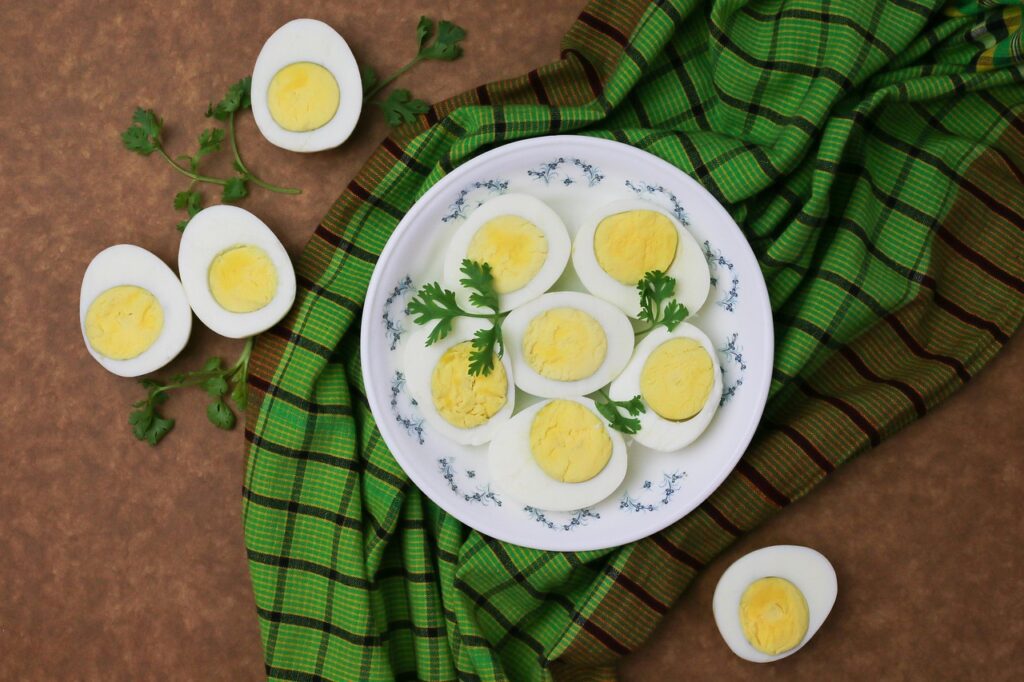
Eggs fuel breakfasts, salads, and casseroles with their rich flavor and versatile texture. When eggs cook, the proteins unfold and coagulate, forming the familiar structure of firm whites and creamy yolks.
Reheated eggs, especially scrambled or in quiches, tend to become rubbery and dry. This reaction happens rapidly when eggs are cooked again, making leftovers less enjoyable than the freshly prepared version.
Many chefs recommend adding a small amount of moisture or reheating gently over low heat to help reduce rubberiness, but the effect is only partially reversible. Choosing recipes where eggs are added fresh or consumed sooner rather than reheated can preserve texture and satisfaction.
7. Cooked Chicken Dries Out When Reheated
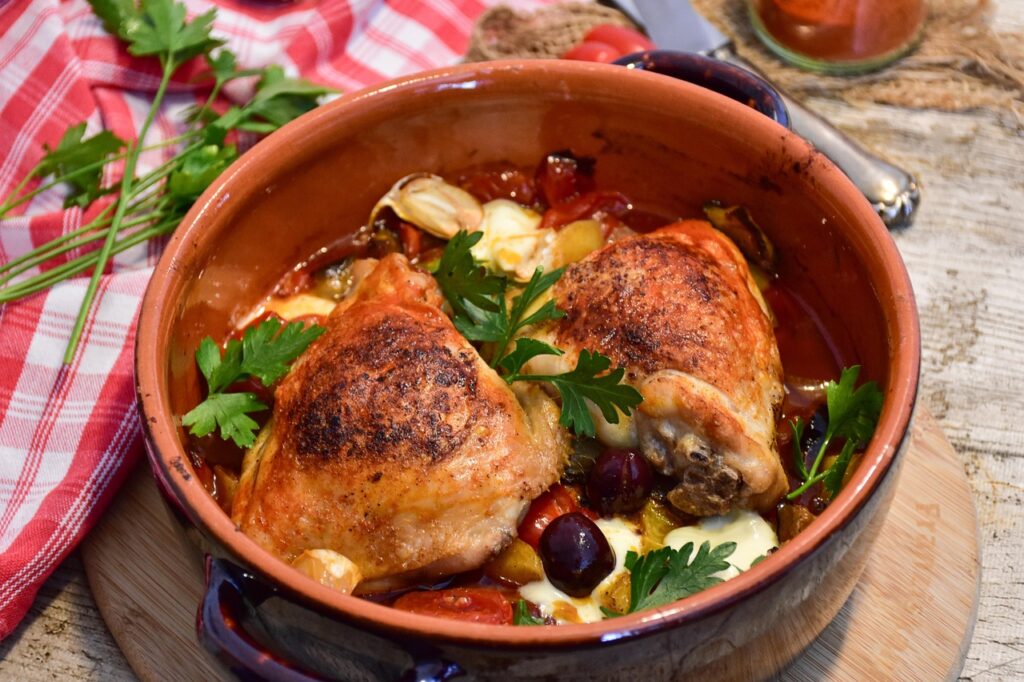
Cooked chicken provides lean protein and comfort in dishes ranging from soups to sandwiches. Freshly cooked chicken retains moisture locked inside its fibers, giving a tender, juicy bite. Once cooled and stored, water begins to escape cell walls, and reheating often accelerates this process.
When leftovers are warmed, proteins contract and squeeze out remaining moisture, leading to dry, tougher meat. This physical reaction occurs regardless of heating method, though microwaves often hasten dryness.
To counteract the effect, cooks sometimes add broth or sauce before reheating or use gentler methods like covered oven baking to retain moisture. Understanding this shift helps manage expectations for reheated poultry.
8. Mushrooms Lose Texture and Moisture

Fresh mushrooms delight with their earthy flavor and tender bite, thanks to their high water content and delicate cell structure. When cooked, they release water and concentrate flavor, forming a pleasant texture that complements many dishes.
Exposure to heat again drives out more moisture and breaks down cell walls further, resulting in a softer, sometimes soggy texture. This behavior occurs whether mushrooms are reheated alone or in mixed dishes.
To retain better texture, some cooks separate mushrooms from sauces and reheat them gently in a skillet, adding moisture back in tiny increments. While this can improve mouthfeel, the texture never fully returns to freshly cooked quality. Knowing how mushrooms react helps plan when and how to reheat them.
9. Cream-Based Sauces Separate and Curdle
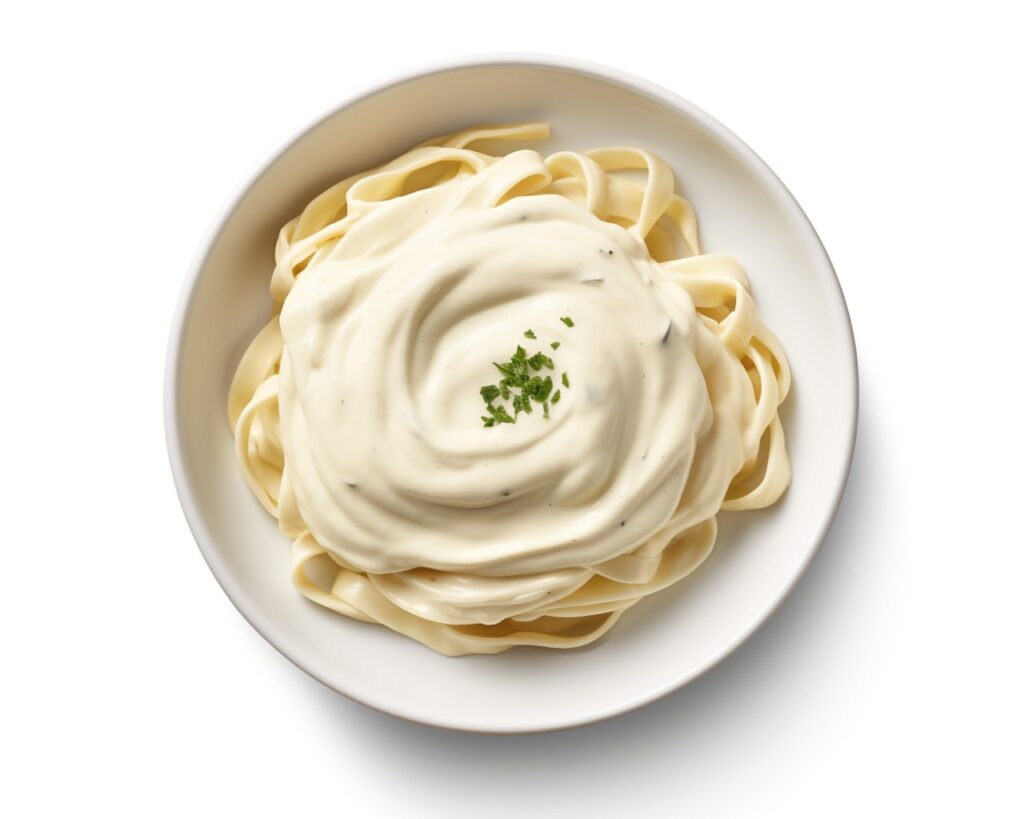
Cream-based sauces are comfort classics on pasta, poultry, and vegetables. Once overheated or reheated quickly, the emulsion can break, causing fat and liquid to separate and the sauce to curdle.
Reheating cream sauces, especially in a microwave, encourages this breakdown. The rapid rise in temperature stresses milk proteins and destabilizes the mixture, leaving grainy droplets suspended in watery liquid rather than the original creamy coating.
Some chefs recommend reheating slowly over low heat while whisking continuously to help reintegrate the sauce, but the effect is rarely perfect. Recognizing how dairy reacts to repeated heat helps cooks choose reheating methods that preserve better texture and flavor.
10. Bread and Baked Goods Lose Freshness When Reheated
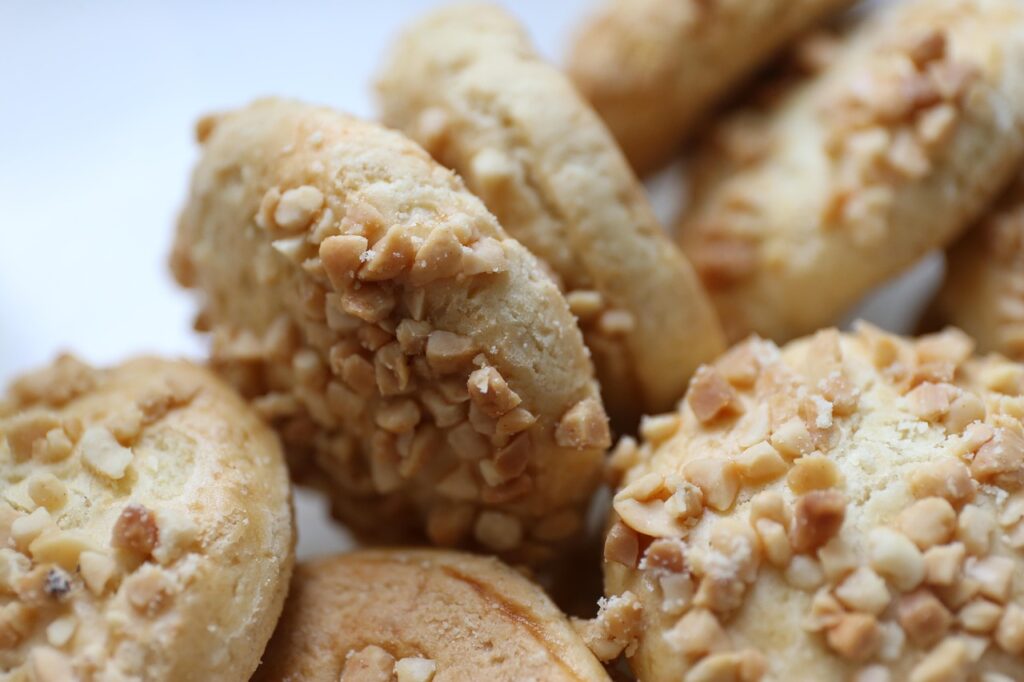
Bread and baked goods embody comfort through crisp crusts and tender interiors when freshly baked. The structure of bread depends on air pockets and balanced moisture distribution. Once the loaf cools and is reheated, those qualities shift.
Reheating bread often drives out internal moisture, leaving a drier crumb and tougher crust. Oven reheating offers better results, but still cannot restore the original texture fully because the internal structure has already set.
Understanding how bread reacts to repeated heat helps inform storage and reheating choices. Slicing and toasting portions just before eating or using bread for croutons and bread pudding repurposes leftovers in ways that embrace texture changes rather than fighting them.