Ready Meals Are Quietly Beating Fresh Groceries in U.S. Cities and the Reason Isn’t Obvious

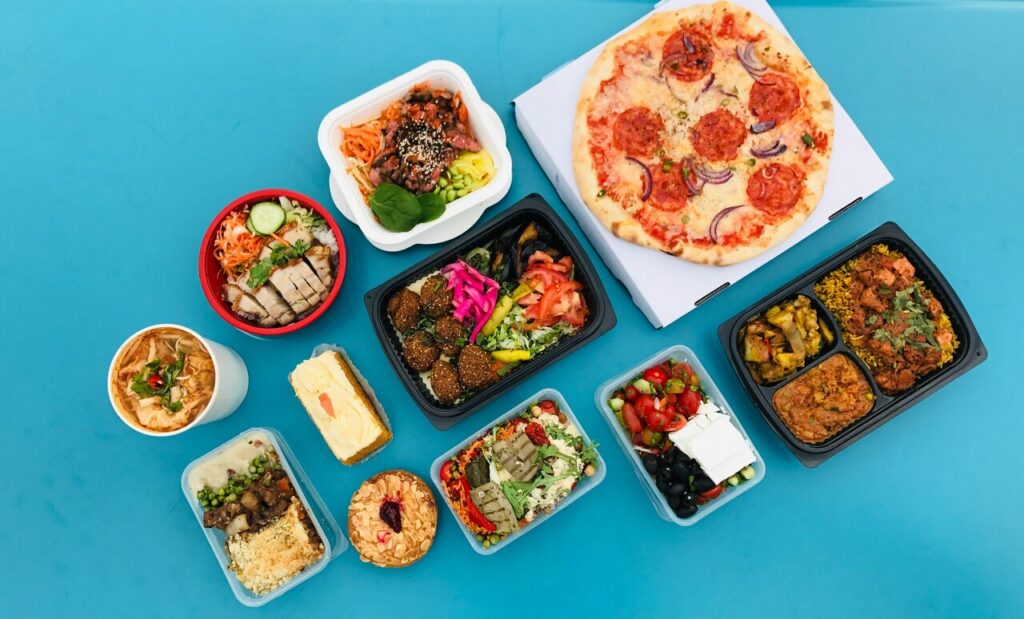
In many American cities, the way people buy dinner is quietly changing. Instead of filling carts with fresh ingredients, more shoppers are walking out of grocery stores with ready-to-eat meals. Refrigerated pasta dishes, prepared salads, and fully cooked dinners are becoming everyday choices for busy households. Factors such as time pressure, portion control, rising grocery costs, and the growth of supermarket deli kitchens are reshaping how people think about value. As these trends continue, ready meals are increasingly competing with traditional grocery shopping.
The Rise of Ready Meals

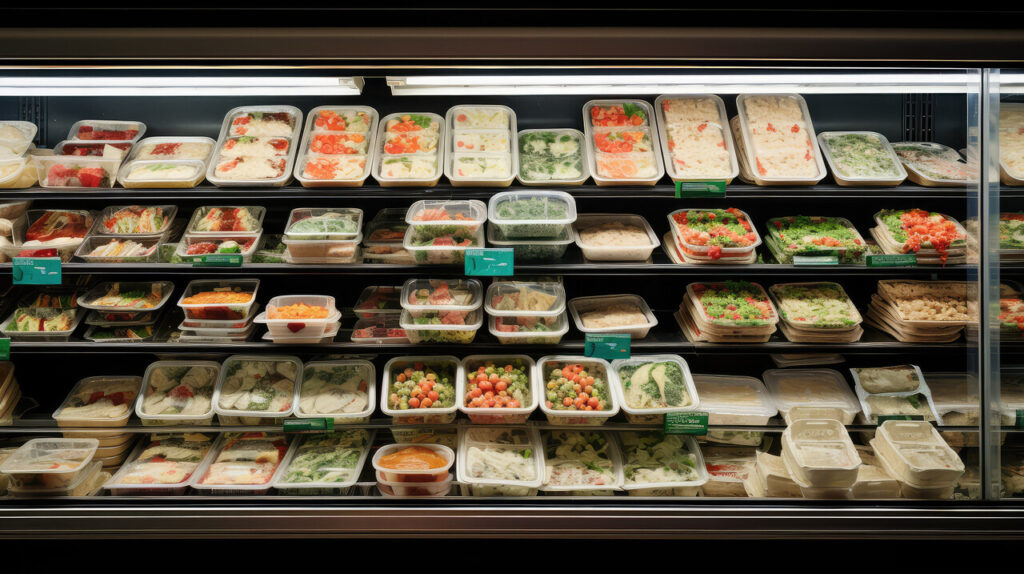
The ready meal aisle in many American supermarkets has grown far beyond the frozen dinners that once defined the category. Today, these sections include chilled pasta dishes, prepared salads, rotisserie chicken meals, and full dinner kits that require little or no cooking. Retailers have expanded these offerings because shoppers increasingly look for convenient solutions that fit busy routines. Ready meals now occupy a prominent space in grocery stores and are marketed as practical alternatives to traditional cooking. Many stores position these meals near entrances or deli counters to attract attention.
Another important shift involves the type of ready meals available. Many newer options emphasize fresh ingredients, balanced nutrition, and restaurant-style recipes rather than heavily processed foods. Grocery stores have invested in deli counters and prepared food kitchens to produce meals that resemble restaurant takeout but are sold within the supermarket environment. This transformation has helped improve the reputation of ready meals among consumers. Shoppers now expect prepared meals to taste closer to home cooking. Fresh herbs, vegetables, and lean proteins appear more frequently in modern meal options.
The category has also expanded because of strong market demand. The ready meals sector has been growing steadily as consumers seek fast meal solutions that require minimal preparation. In recent years, these products have become a significant part of the food market, supported by innovation in packaging, refrigeration, and menu variety. As supermarkets continue developing their prepared food programs, ready meals are becoming a central feature of urban grocery shopping. Grocery chains now dedicate entire sections to refrigerated meal options. Retailers regularly introduce new recipes to maintain customer interest.
The Urban Time Crunch
Life in large cities often leaves little time for daily cooking. Long commutes, demanding work schedules, and crowded living conditions make it difficult for many households to prepare fresh meals from scratch every evening. Ready meals address this challenge by offering food that can be heated or eaten immediately without the need for extensive preparation. For many urban residents, the time saved by skipping grocery preparation can be more valuable than the cost difference between fresh ingredients and prepared meals. People often arrive home tired after long workdays. Cooking a full dinner may feel like another demanding task.
Surveys of grocery shoppers consistently show that convenience is the primary reason people purchase ready-to-eat meals. Many consumers identify time savings as the most important factor when choosing prepared foods at supermarkets. When schedules become packed with work, family responsibilities, and commuting, quick meal solutions naturally become more attractive. Ready meals, therefore, appeal to households that want to simplify evening routines without relying entirely on restaurant takeout. Students and young professionals often depend on these meals during busy weeks. Parents also use them when managing work and family commitments.
Grocery Stores Becoming Meal Providers
Supermarkets are gradually transforming from ingredient suppliers into full meal providers. Many grocery chains now operate extensive prepared food departments that include hot meal counters, salad bars, sushi stations, and packaged dinners. These sections are designed to compete directly with restaurants and takeout outlets by offering ready-to-eat options inside the grocery store itself. Stores have invested heavily in kitchen equipment and trained staff. The goal is to create meals that feel freshly prepared rather than mass-produced. Customers can now find dinner solutions without visiting a separate restaurant.
This shift reflects changing consumer expectations. Shoppers increasingly want groceries and ready meals available in the same place so they can complete all food purchases during a single trip. Prepared food counters allow supermarkets to capture customers who might otherwise visit restaurants for dinner. By offering cooked meals alongside fresh produce and pantry items, stores position themselves as complete food destinations. Convenience plays a major role in this strategy. Customers appreciate saving time during busy evenings. A single stop for both groceries and dinner simplifies daily errands.
Convenience Without Delivery Fees
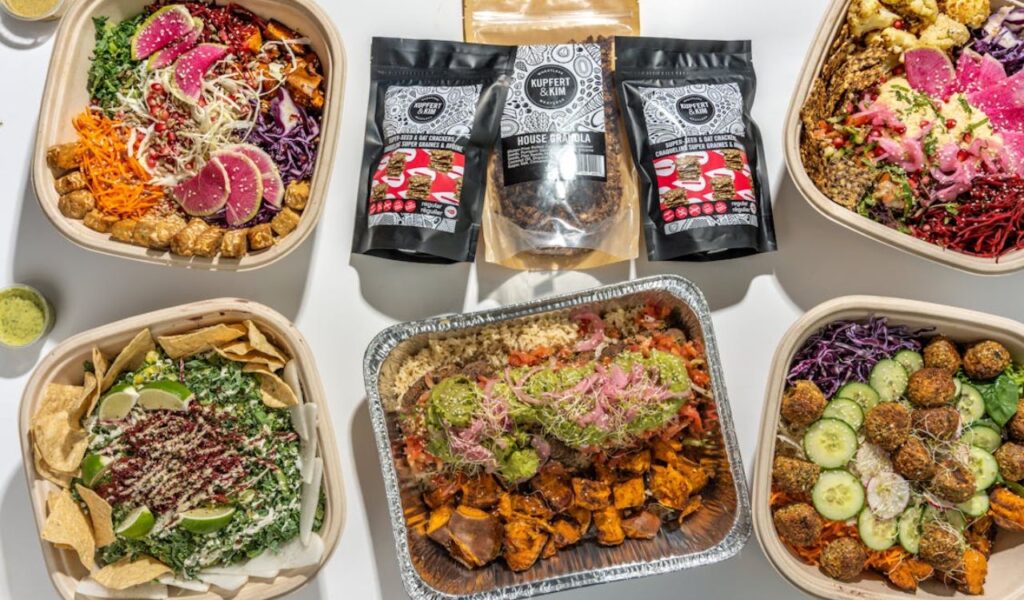
One reason ready meals are gaining traction in cities is that they offer convenience without the extra fees associated with food delivery. Ordering restaurant meals through delivery apps can involve service charges, delivery fees, and tips that significantly increase the final price. Ready meals from grocery stores allow customers to skip these costs while still avoiding the time required for cooking. Many consumers compare the total cost of delivery with grocery prepared meals. The difference can be noticeable after all fees are added. This price advantage helps ready meals stand out. The savings feel meaningful for frequent users.
Many shoppers now view prepared meals as a practical compromise. They can walk into a supermarket, pick up a fully prepared dinner, and return home within minutes. The process requires far less effort than cooking but avoids the financial markup that often comes with restaurant delivery. This balance between speed and affordability makes ready meals especially appealing for busy households. Customers often combine this purchase with regular grocery shopping. The extra step requires very little effort. Prepared meals also reduce waiting time compared with delivery services. This convenience fits naturally into daily routines.
The ability to buy dinner during a routine grocery trip also simplifies daily planning. Instead of deciding whether to cook or order takeout, shoppers can simply select a ready meal while buying other household items. This convenience has helped prepared foods gain popularity in urban supermarkets where customers value efficiency and quick solutions. Many shoppers now browse prepared food sections first. Attractive displays encourage spontaneous dinner choices. The process feels easy and predictable. Over time, these habits reinforce the demand for ready meals. Prepared food counters are often placed near store entrances to capture attention early.
The Surprising Cost Equation
At first glance, cooking from fresh ingredients might appear cheaper than buying ready meals. However, the true cost equation can be more complex. Purchasing multiple ingredients for a single recipe often leads to leftovers that may never be used. When food goes unused or spoils before it can be consumed, the cost of that waste becomes part of the meal’s total expense. Many households experience this issue regularly. Fresh herbs or vegetables may expire quickly. Unused ingredients often remain forgotten in refrigerators. These losses gradually increase the true cost of home cooking. Small amounts of spoilage can accumulate over time.
Ready meals reduce this problem by providing portion-controlled servings. Consumers receive exactly the amount of food needed for a single meal or a specific number of people. This approach can minimize the risk of wasted ingredients sitting unused in the refrigerator. For individuals or small households, this portion control can make prepared meals financially competitive with cooking from scratch. Smaller households especially benefit from these portions. Cooking full recipes often produces too much food. Ready meals remove the need to manage leftovers. This simplicity helps shoppers control their spending.
The Rebranding of Ready Meals
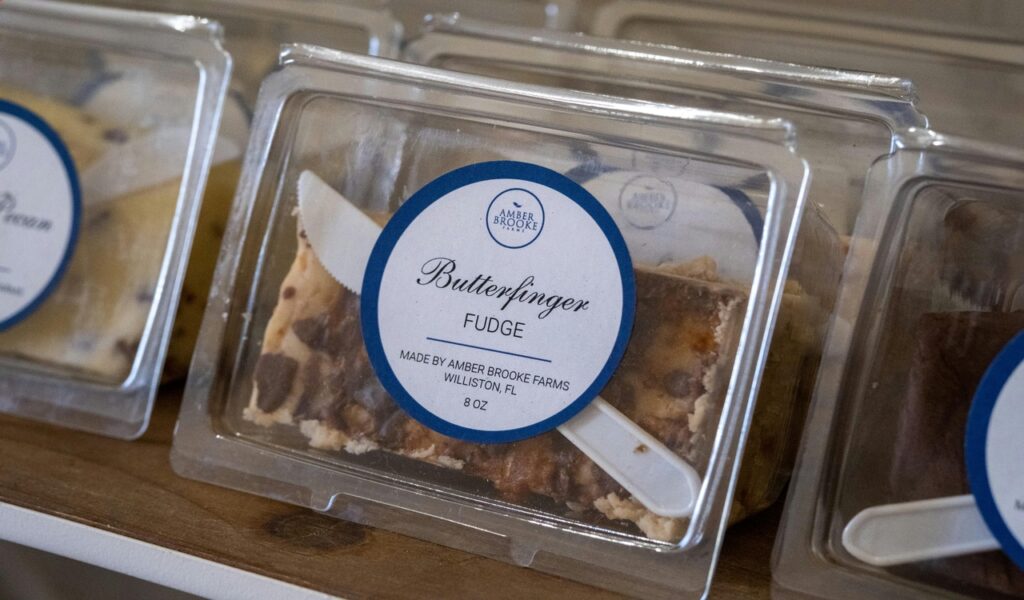
Ready meals once carried a reputation for being heavily processed or lacking freshness. Over the past decade, food companies and supermarkets have worked to reshape that image. Modern ready meals often highlight fresh vegetables, lean proteins, and recognizable ingredients that appeal to health-conscious consumers. This repositioning has helped the category attract shoppers who previously avoided prepared foods. Labels now emphasize freshness and ingredient transparency. Packaging often lists simple components that customers recognize. These improvements build trust among shoppers. As perceptions change, demand continues to grow.
Packaging and presentation have also evolved. Many ready meals are now sold in refrigerated sections rather than traditional frozen aisles. Transparent containers, clear ingredient labels, and attractive packaging emphasize freshness and quality. These visual cues help reassure customers that prepared meals can offer taste and nutrition comparable to home-cooked food. Colorful ingredients are displayed through clear lids. Attractive labels highlight nutritional details. Stores often arrange meals neatly to enhance presentation. These visual elements influence purchasing decisions. Bright lighting and organized displays further reinforce the sense of freshness.
Technology Behind Modern Ready Meals
Advances in food processing and packaging have played a crucial role in the growth of ready meals. Modern preservation techniques help maintain flavor and texture while extending shelf life. These improvements allow prepared meals to remain fresh for longer periods without sacrificing quality. As technology continues to improve, ready meals have become more reliable and appealing to consumers. Improved refrigeration keeps ingredients stable during storage. Advanced sealing techniques protect meals from contamination. Manufacturers carefully test packaging for durability. These developments strengthen consumer confidence.
Packaging innovations also support the category’s growth. Microwave-safe containers, vacuum-sealed trays, and improved refrigeration systems make it easier to store and heat ready meals. These technologies ensure that food remains safe while preserving taste and nutritional value. Convenience and safety together make ready meals a practical choice for busy households. Heating instructions are now simple and clear. Containers are designed to distribute heat evenly. This helps meals cook properly in household microwaves. Practical packaging contributes to overall convenience.
The Changing Definition of Value
Consumers today evaluate food purchases differently than they did in the past. Price remains important, but many shoppers also consider factors such as time savings, convenience, and ease of preparation. For busy households, the value of a meal often includes how quickly it can be obtained and consumed. This broader definition of value has helped ready meals compete with traditional grocery cooking. Shoppers now think about effort as well as cost. A quick dinner can feel more valuable after a long day. Time has become an important resource in modern life. Ready meals respond directly to that reality.
Convenience foods are increasingly viewed as solutions rather than compromises. Prepared meals allow consumers to enjoy varied dishes without spending hours preparing them. For people balancing work schedules, family responsibilities, and social commitments, the ability to simplify dinner can feel like a meaningful benefit. Less time in the kitchen creates more time for other activities. Families may spend that time together in the evening. Individuals may use it to relax after work. These lifestyle benefits shape purchasing decisions.
The Future of Grocery Shopping
The expansion of ready meals is gradually reshaping how grocery stores operate. Many supermarkets now treat prepared foods as a central part of their strategy rather than a small add-on department. By offering ready-to-eat meals alongside traditional groceries, retailers create a shopping experience that serves multiple needs at once. Stores invest in better kitchen facilities to support this shift. Prepared food teams often work throughout the day. Fresh meals are stocked regularly to maintain quality. These improvements help strengthen customer loyalty.
Looking ahead, ready meals may continue expanding as urban lifestyles grow even faster-paced. Advances in packaging, menu development, and retail strategy will likely support further growth in the category. As supermarkets refine their prepared food programs, the traditional boundary between grocery shopping and dining out may continue to fade. Stores may introduce more chef-inspired recipes. Technology will help improve efficiency and quality. Customer expectations will continue evolving with urban lifestyles. Ready meals will likely remain a major part of modern grocery retail.