10 Foods Boomers Love That Gen Z Refuses to Eat

Food nostalgia runs deep, and many dishes that boomers grew up loving still hold a strong place in their kitchens. But as eating habits evolve, some of these once common favorites no longer appeal to younger generations. Gen Z tends to favor fresh ingredients, lighter flavors, and foods with clear sourcing, which puts several boomer staples on their “avoid” list. Exploring these differences reveals more than changing tastes; it shows how culture, health priorities, and food trends shape each generation’s idea of comfort and appeal.
1. Liver and Onions
Liver and onions remain a beloved classic for many boomers because it reflects a time when resourceful cooking meant using every part of the animal while creating meals that were deeply nourishing. The dish has an assertive aroma and a rich, mineral-heavy flavor that older generations often associate with home-cooked comfort. Gen Z, however, tends to avoid organ meats entirely, citing the metallic taste and strong scent as barriers to enjoyment. Many also view organ meat through the lens of modern food culture, where transparency and familiarity are preferred. While older cooks appreciate its dense nutrients and economical value, younger diners often opt for milder proteins and foods with textures they find more approachable.
2. Canned Sardines and Other Tinned Fish

Boomers grew up considering sardines and other tinned fish as convenient, protein-packed pantry staples that could be stored indefinitely and used in simple lunches or snacks. Their bold, briny flavor appeals to those accustomed to traditional seafood preparations. For Gen Z, the intensity of the aroma and the oily texture can feel overwhelming, making these foods less appealing in modern lineups. Younger generations often associate tinned fish with old-fashioned meals or survival food, despite its nutritional value. Many prefer fresh seafood or milder flavors that align with current trends.
3. Vienna Sausages and Other Canned Processed Meats

Vienna sausages and similar canned meats occupy a nostalgic place in boomer households because they were inexpensive, long-lasting, and easy to serve. Their soft texture and salty flavor were considered practical rather than gourmet. Today, Gen Z views these items through a more health-conscious lens, often rejecting them due to concerns about preservatives, processing methods, and unclear ingredient lists. The appeal of highly processed convenience foods has faded as younger consumers lean toward products with simpler labels and fresher components. What was once a symbol of thrift and convenience now clashes with modern expectations for transparency and overall quality.
4. Fruitcake

Fruitcake has long been a holiday tradition for boomers, celebrated for its longevity, dense texture, and vibrant candied fruit. It represents a festive spirit that values preservation and richness. However, many Gen Z consumers find the cake overly sweet, heavy, and texturally challenging due to the mix of chewy fruit and firm crumb. It also carries a reputation for being outdated, with few modern reinterpretations breaking through cultural jokes about its durability. The divide over fruitcake reveals how tradition can hold strong sentimental value even when taste trends move in new directions.
5. Jell-O Molds and Gelatin Desserts

Boomers embraced Jell-O molds as colorful centerpieces that brought creativity and novelty to gatherings. These wiggly desserts symbolized the mid-century fascination with convenience foods and playful textures. Gen Z, however, often recoils from the gelatinous wobble and the layered combinations that feel more experimental than appetizing. The association with retro potlucks and outdated recipe books further distances young eaters from the dish. While older generations appreciate the nostalgia and visual charm, younger ones gravitate toward desserts with natural ingredients, rich textures, and bold flavors. This contrast highlights how evolving aesthetics and nutritional awareness influence dessert preferences.
6. Bologna and Other Processed Lunch Meats
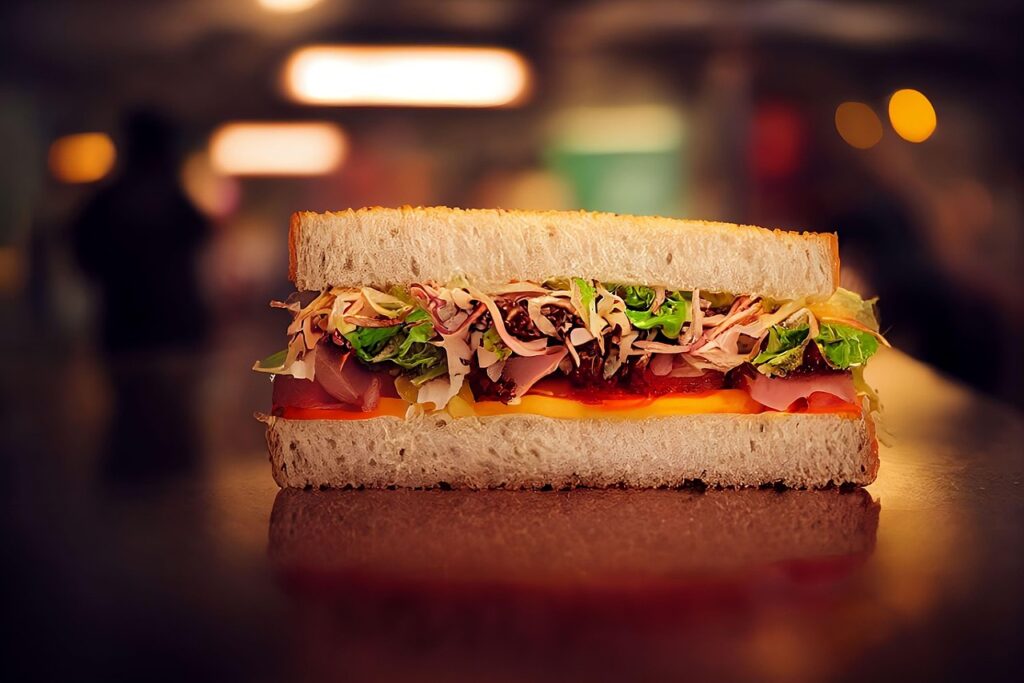
For many boomers, bologna sandwiches were a staple of childhood lunches, offering affordability, long shelf life, and a comforting familiarity. Its uniform texture and mild flavor made it easy to enjoy without fuss. Gen Z often rejects bologna because it represents the kind of ultra-processed food they try to avoid. Concerns about additives, sodium levels, and unclear sourcing have pushed younger consumers toward fresher deli meats or plant-based alternatives. The generational contrast reflects shifting definitions of what qualifies as convenient, with today’s preferences prioritizing quality and minimal processing rather than shelf stability.
7. Bran Cereal
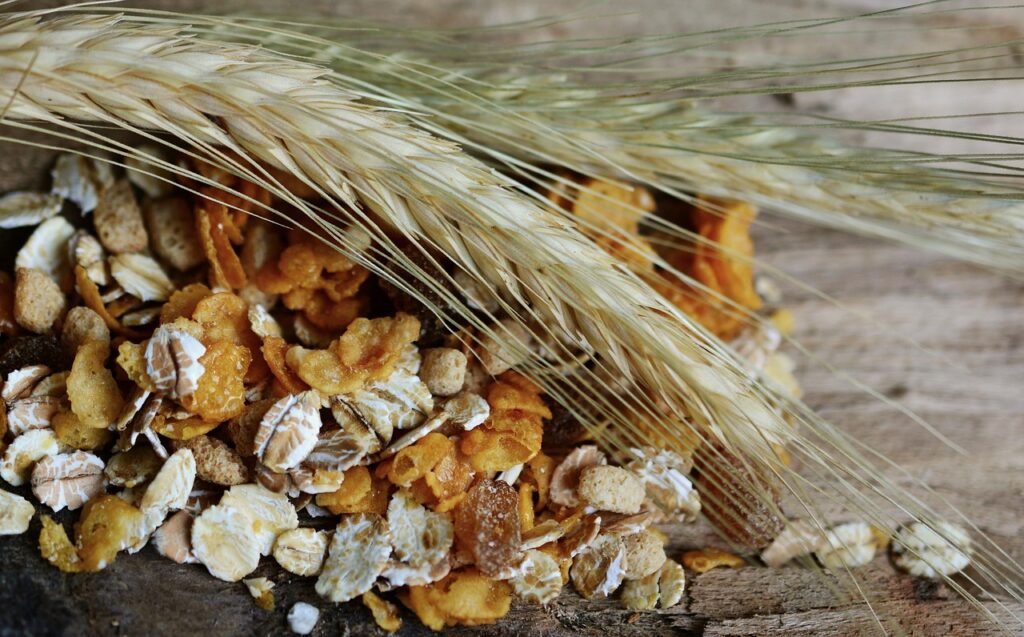
Bran cereal represents the boomer era’s focus on fiber-rich breakfasts that promised long-lasting energy and digestive benefits. Its simple ingredients and straightforward preparation were ideal for busy households. Gen Z, however, often perceives bran cereal as bland or outdated, especially in comparison to today’s wide array of flavored, textured, or protein-enhanced breakfast options. Visual appeal plays a role as well, as younger diners prefer vibrant foods that fit into contemporary wellness trends. While bran cereal still offers nutritional advantages, it struggles to compete with breakfasts that deliver both health benefits and more dynamic flavor experiences.
8. Tapioca Pudding

Tapioca pudding has a long history in boomer households as a simple, soothing dessert made from humble ingredients. Its mild flavor and distinctive pearls create a comforting texture that many older adults associate with childhood or family traditions. Gen Z often rejects tapioca pudding due to its lumpy consistency and gentle sweetness, which contrast sharply with modern dessert trends favoring intensity and bold flavors. Younger eaters may also find the appearance off-putting, as the pearls do not align with the smooth or visually polished treats popular today. This shift reflects how texture preferences can differ dramatically from one generation to the next.
9. American Cheese Slices
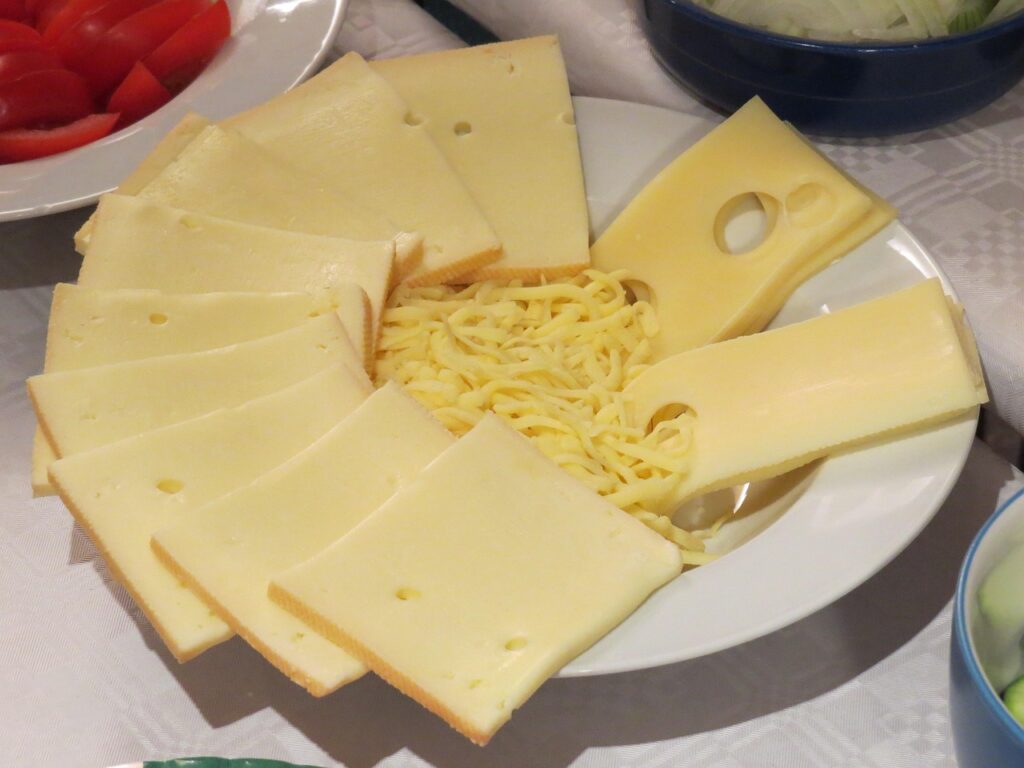
American cheese has been a staple for boomers because it melts reliably, stores well, and delivers a nostalgic flavor tied to classic burgers and grilled cheese sandwiches. Its uniformity and convenience were major selling points in mid-century kitchens. Gen Z tends to view individually wrapped slices as overly processed and lacking the authenticity found in natural cheeses. With growing interest in artisanal and minimally processed foods, younger consumers often prefer options with distinct flavor profiles and fewer additives. Despite this, American cheese remains cherished for its unique meltability and role in traditional comfort foods. The divide highlights differing priorities between convenience and ingredient purity.
10. Canned Vegetables and Other Shelf-Stable Convenience Foods

Canned vegetables and similar convenience foods were essential in boomer households, offering affordability, long shelf life, and accessibility even in regions without year-round fresh produce. They represented practical solutions for feeding families on tight budgets. Gen Z often avoids these items due to concerns about texture, added sodium, and preservatives. With fresh produce now more available and refrigeration more reliable, younger cooks prefer ingredients that retain their natural crunch and flavor. While canned items still have practical uses, they no longer hold the cultural significance they once did. This shift demonstrates how changing infrastructures and culinary values reshape food preferences.