The Case Against Always Following Recipes Exactly

Recipes feel like certainty on paper. They promise structure, clarity, and the comfort of knowing exactly what to do next in the kitchen.
But cooking rarely unfolds in perfect conditions. Ingredients shift, heat behaves differently, and outcomes don’t always match what is written.
What many discover over time is that strict rules can sometimes limit better results. The real skill lies in knowing when to follow and when to adjust.
Small changes, guided by observation and taste, often lead to more balanced and satisfying dishes than rigid precision ever could.
Understanding this balance turns cooking into something more intuitive, where confidence grows not from instructions, but from experience.
Ingredient Variability and Real World Conditions
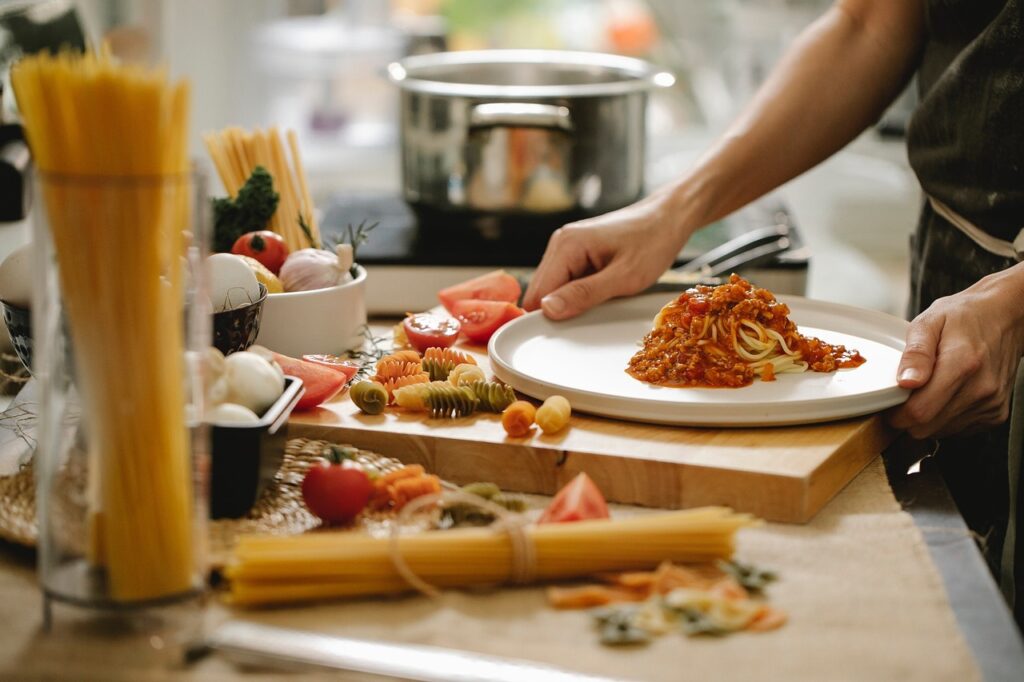
A recipe assumes control, but real kitchens rarely offer it. Ingredients behave differently based on sourcing, making exact replication difficult even when instructions are followed.
Produce varies in freshness, moisture, and sweetness. A ripe tomato cooks differently from one stored for days, affecting flavor and cooking time.
Proteins also differ. Fat content and cut size change how heat moves through them, influencing tenderness, browning, and texture.
Pantry staples are not consistent. Flour reacts to humidity, and spices lose strength over time, subtly changing structure and taste.
Environmental factors matter. Temperature, altitude, and humidity influence cooking. Without adjusting, strict recipe use can lead to uneven results.
The Limits of Strict Measurements
Measurements offer guidance, but they are not absolute. Cooking involves natural variation, and rigid adherence to numbers can sometimes work against better results.
Volume-based measurements are especially inconsistent. A cup of flour can vary significantly depending on how it is packed, leading to differences in texture and structure.
Ingredient conditions also matter. Melted butter behaves differently from softened butter, and cold ingredients can slow chemical reactions in baking or cooking.
Precision can ignore context. A recipe may call for a fixed cooking time, but factors like pan size, heat level, and ingredient quantity can change how quickly food cooks.
Taste is not fixed. Following exact measurements does not guarantee balance, as personal preference and ingredient variability often require adjustment.
The Importance of Sensory Judgment
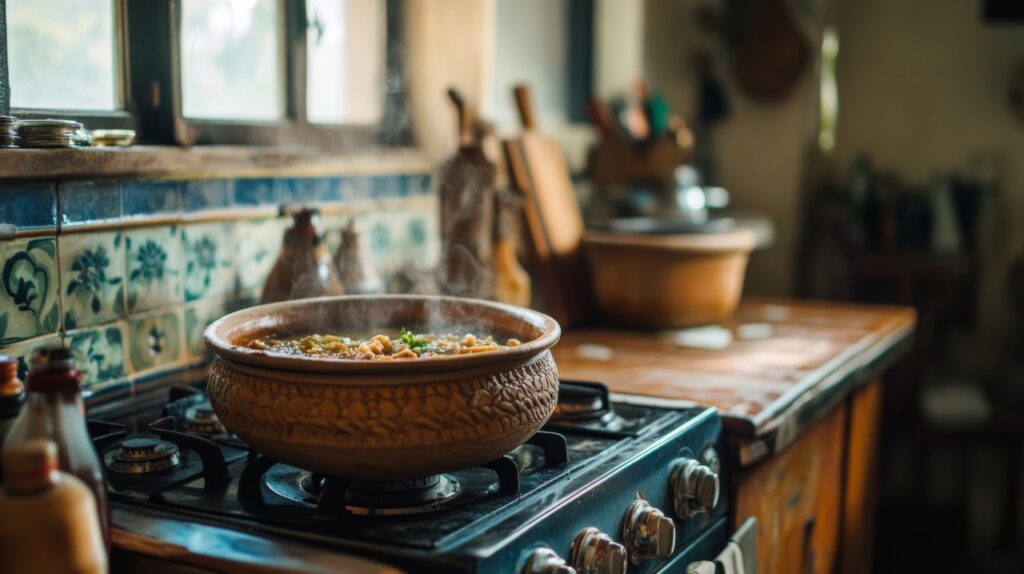
Cooking is guided as much by the senses as by instructions. Relying only on written steps can limit the ability to respond to what is actually happening in the pan.
Visual cues are essential. Changes in color, texture, and consistency signal when a dish is ready for the next step, often more reliably than timing alone.
Aroma provides critical information. The smell of ingredients evolving during cooking indicates stages of flavor development that recipes may not describe in detail.
Sound also plays a role. The shift from a gentle simmer to a sharper sizzle can indicate changes in moisture and heat, helping guide adjustments.
Touch and taste complete the process. Checking texture and seasoning allows for real-time corrections, ensuring the final dish aligns with expectations rather than strict instructions.
Adaptation to Personal Taste
Recipes aim for general appeal, but taste is personal. Adjusting dishes to suit individual preferences often leads to more satisfying results than strict adherence.
Salt levels are a clear example. What feels balanced to one person may taste bland or overly seasoned to another, requiring flexibility during cooking.
Spice tolerance varies widely. Recipes cannot account for individual comfort levels with heat, making adjustments necessary for enjoyment.
Cultural background also shapes taste. Familiar flavors influence what feels authentic or complete, encouraging modifications to better match expectations.
Dietary needs add another layer. Substitutions for health or preference reasons may require further adjustments to maintain flavor and texture balance.
Learning Through Experimentation
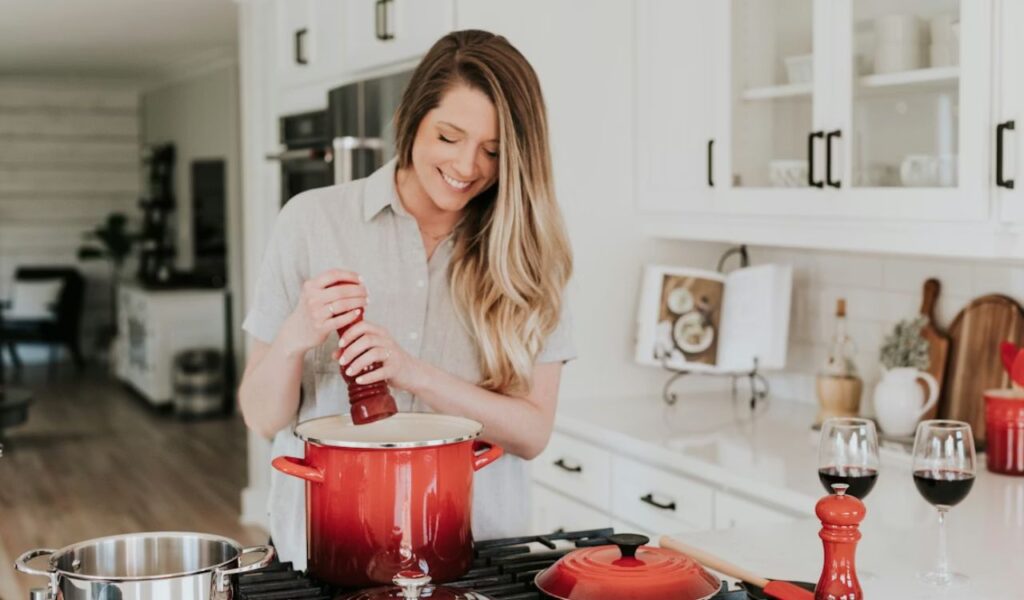
Following recipes exactly can limit growth. Experimentation allows cooks to understand how ingredients and techniques interact, building confidence over time.
Small changes reveal cause and effect. Adjusting heat, timing, or seasoning helps identify what improves or weakens a dish.
Mistakes are informative. Overcooking or under-seasoning highlights boundaries, making it easier to recognize correct outcomes in future attempts.
Repeated practice builds intuition. Familiarity with ingredients and methods reduces reliance on strict instructions and improves decision-making.
Over time, cooking becomes adaptive. Instead of following recipes step by step, cooks learn to respond to conditions, leading to more consistent and personalized results.