The Surprising Reason So Many American Comfort Foods Trace Back to Wartime Rationing


Some of the most beloved American comfort foods didn’t begin as indulgences; they were shaped in moments of strict limitation and adjustment. During wartime rationing, home kitchens turned into spaces where planning mattered as much as cooking itself. Ingredients like sugar, butter, and meat were limited, forcing families to rethink how meals were prepared and served. What people ate was guided less by preference and more by what was available. Yet even within these constraints, households found ways to create dishes that felt warm, filling, and satisfying. These meals carried more than simple nourishment; they offered a sense of routine and reassurance during uncertain times.
What makes these foods so lasting is how naturally they transitioned from necessity into tradition. The habits formed during those years did not fade when restrictions were lifted; instead, they became part of everyday cooking routines. Recipes were shared across generations, flavors grew familiar, and dishes that once solved immediate problems slowly took on emotional meaning. Many of these meals still appear on tables today, not because they are elaborate, but because they feel reliable and comforting. Their origins may lie in hardship, but over time, they have come to represent warmth, memory, and a lasting sense of resilience in everyday life.
A Legacy Shaped by Scarcity
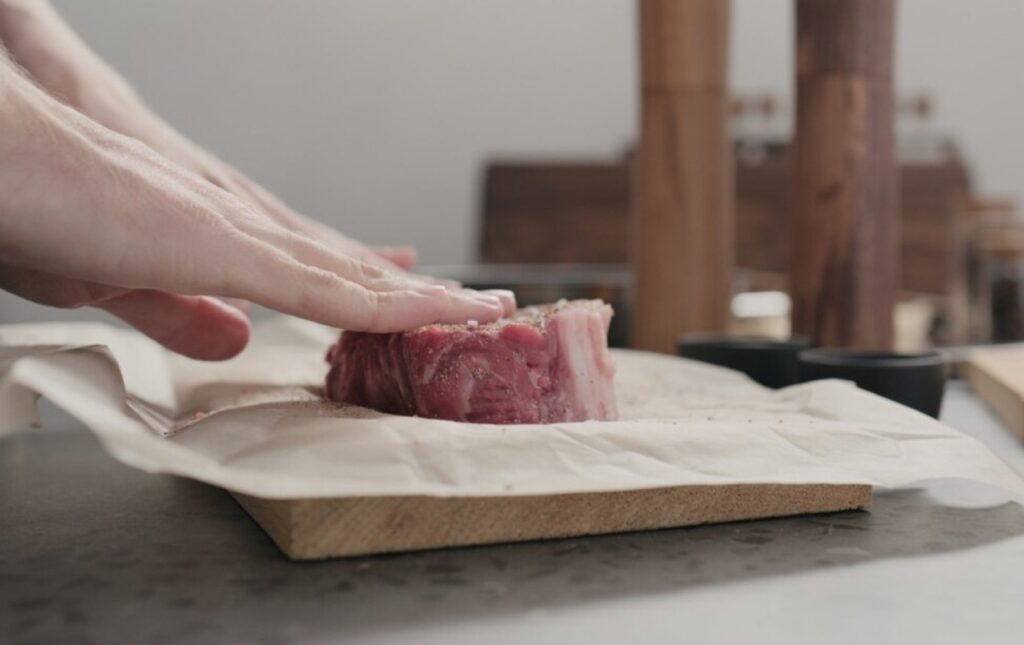
Long before these dishes earned the label of “comfort food,” they were shaped by strict limits and constant adjustment. During wartime rationing, households were required to stretch ingredients, avoid waste, and rethink how everyday meals were prepared. Staples such as sugar, butter, and meat were tightly controlled, which meant families had to quickly adapt their cooking habits. This led to a practical approach where every ingredient served a clear purpose, and nothing was casually used. Meals became simpler, but also more intentional, reflecting a careful balance between necessity and nourishment in a time when resources were never guaranteed.
Over time, these resourceful habits gradually settled into everyday life and evolved into tradition. Recipes that once existed purely out of necessity began to feel familiar and dependable, making them easy to pass down across generations. Their simplicity made them accessible, while their consistency made them reliable in any setting. As years passed, these meals moved beyond their origins, no longer tied only to scarcity but to shared memory and routine. What began as a response to limitations ultimately became a lasting part of home cooking, continuing to appear on tables long after the conditions that created them had disappeared.
Comfort Rooted in Resilience
What makes these foods comforting goes far beyond their flavor or simplicity, reaching into the conditions in which they were created. During wartime uncertainty, daily life was often marked by change, restriction, and unpredictability, making even small routines feel significant. Meals became one of the few consistent parts of the day, offering structure when much else felt unsettled. Even with limited ingredients, families worked to create dishes that were warm, filling, and dependable. That effort gave these meals a deeper meaning, turning them into quiet anchors of stability that helped people cope with the pressures of an uncertain environment.
That emotional connection has remained long after the circumstances changed. The flavors themselves may be modest, but they carry a sense of care, endurance, and shared experience that continues to resonate. These dishes reflect a time when resilience was woven into everyday life, and that memory has stayed attached to the food. Over generations, this association has strengthened, transforming what were once basic, necessity-driven meals into lasting symbols of comfort. Today, they are valued not just for how they taste, but for the sense of reassurance and continuity they continue to provide.
When Necessity Became Tradition
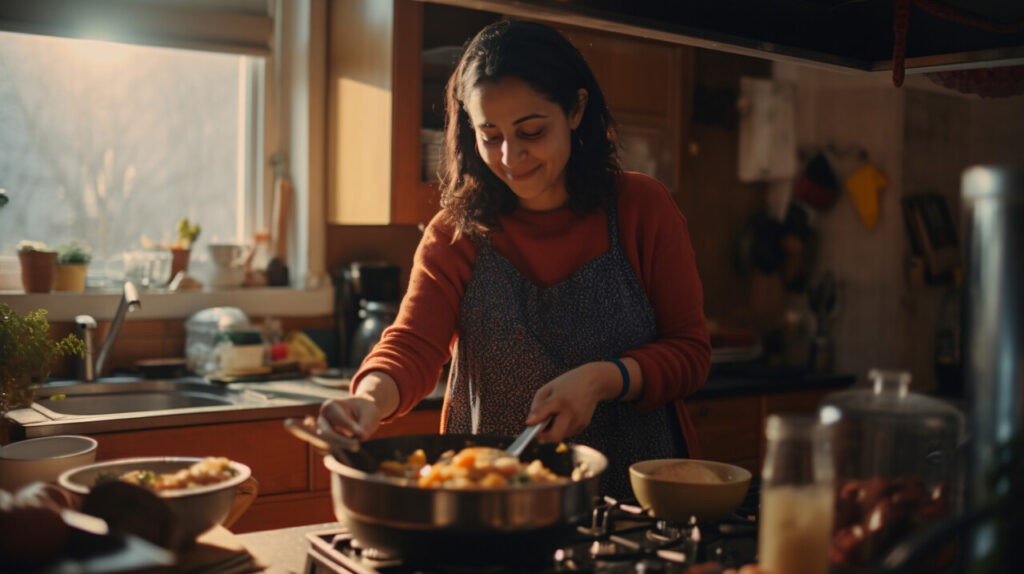
Many cooking techniques that are now seen as traditional were originally born out of necessity during times of shortage. Wartime rationing forced home cooks to think creatively, leading to widespread use of substitutions that could stretch limited supplies without sacrificing basic structure or taste. Ingredients like applesauce, mashed fruits, or even vegetable purees were used in place of fats, while honey, molasses, or diluted syrups stood in for sugar. These changes were not simply optional tweaks but essential adjustments that allowed families to continue baking and cooking under strict limitations, reshaping how recipes were understood and practiced.
As these improvised methods proved reliable, they were gradually repeated and refined within households. Over time, what began as a response to scarcity became a familiar practice, passed along through handwritten recipes and shared knowledge. These techniques endured because they delivered consistent results, even when ingredients varied or remained limited. Eventually, they became embedded in everyday cooking habits, no longer tied to rationing but valued for their practicality and efficiency. What started as a temporary solution slowly evolved into a lasting tradition, influencing how generations approached cooking long after the original need had passed.
Flavors That Outlived the War
Even after wartime restrictions were lifted, many of the dishes created during that period continued to hold a steady place in everyday cooking. Families had grown used to certain flavors, textures, and methods that proved both practical and satisfying over time. These meals were not only affordable but also easy to prepare, making them well-suited for daily life even when ingredients became more available again. Instead of returning entirely to pre-war cooking styles, many households kept these simpler recipes, valuing their reliability and the comfort they consistently provided at the table in familiar routines.
This continuity played a quiet but lasting role in shaping modern food culture. The preferences developed during those years influenced what people came to expect from familiar meals, reinforcing a taste for straightforward, hearty dishes. Over time, these foods became associated with a sense of normalcy and routine, rather than the scarcity that first inspired them. As a result, many recipes born in a period of limitation continue to feel timeless today, not because they are complex or refined, but because they are grounded in familiarity, ease, and a lasting connection to everyday life and shared experience.
The Lasting Taste of Resourcefulness
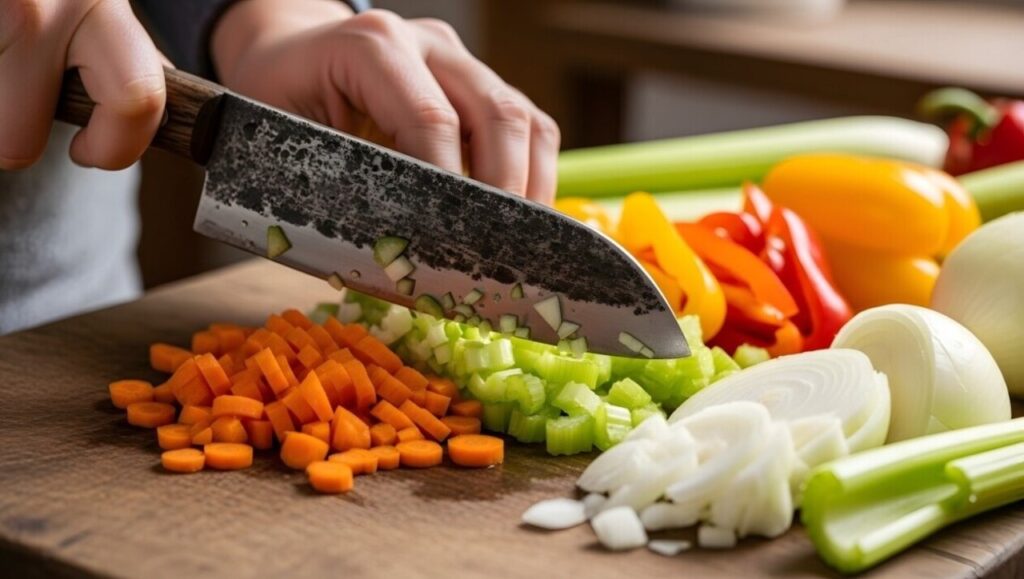
At its core, the legacy of wartime cooking is defined by efficiency, adaptability, and a careful respect for every available resource. Recipes were not created for variety or indulgence but to extract the most value from limited supplies while minimizing waste at every step. Ingredients were reused, portions were stretched, and cooking methods were adjusted to ensure nothing was lost or overlooked. This approach encouraged a mindset where creativity was driven by necessity, leading to practical solutions that balanced nutrition, taste, and availability in ways that could be sustained over time without excess or unnecessary waste.
The lasting appeal of these dishes comes from their quiet practicality and enduring relevance in everyday life. They demonstrate that satisfying meals do not depend on abundance, but on thoughtful choices and careful preparation using what is already at hand. This principle continues to resonate, especially in times when households seek to manage costs or reduce waste without sacrificing quality. Over time, this resourceful way of cooking has shaped not just recipes but attitudes toward food, reinforcing the idea that simplicity, when handled well, can be both reliable and deeply satisfying in everyday routines.