How the Grocery Store Checkout Lane Became One of the Most Studied Spaces in Retail Psychology

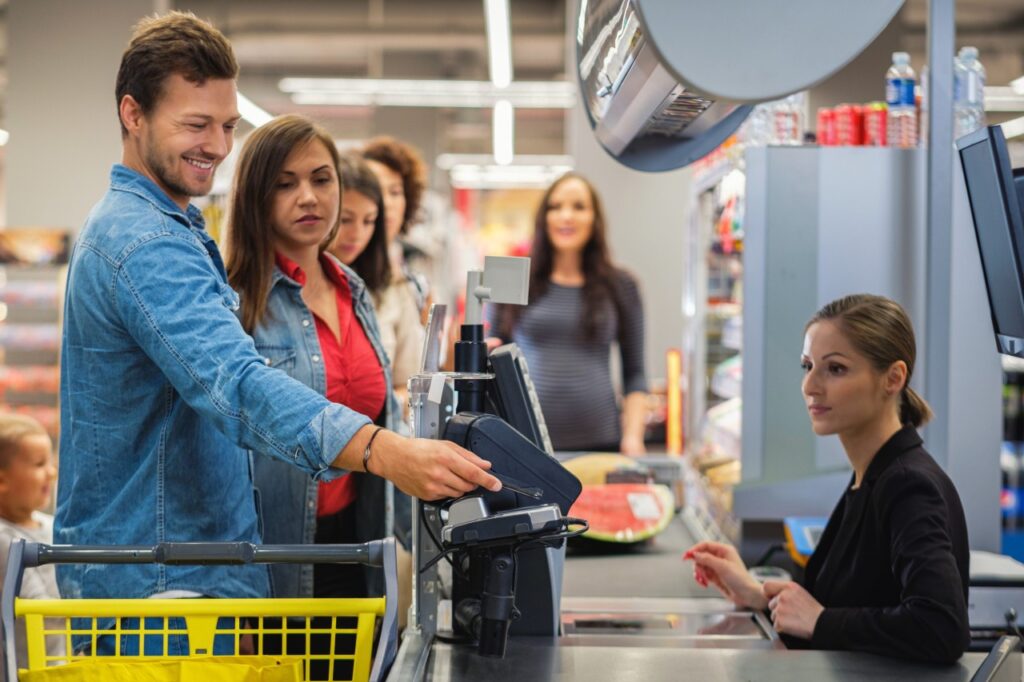
Shoppers often believe their decisions are made in the aisles, guided by lists, habits, and a clear sense of intention. Yet, some of the most revealing choices unfold in the final stretch, while standing in line with a cart already filled. In that brief pause, attention begins to drift, mental energy dips, and decisions become quicker and less deliberate. The checkout lane, often dismissed as a simple endpoint, has quietly emerged as one of the most closely examined spaces in retail research. It offers a rare glimpse into how people behave when time feels limited, focus is scattered, and subtle cues begin to carry more weight than conscious planning.
What appears to be nothing more than a waiting area is, in reality, a highly refined behavioral zone shaped by years of observation and testing. Every product within reach, every shelf height, and even the pace of the line is carefully considered to influence what catches the eye and what gets picked up. Researchers have long studied how impulse, habit, and environment intersect in these moments, revealing patterns that are both predictable and powerful. As retail continues to adapt to changing habits and technologies, this narrow stretch of space continues to tell a larger story about how small details guide everyday decisions.
The Checkout Lane as a Behavioral Hotspot
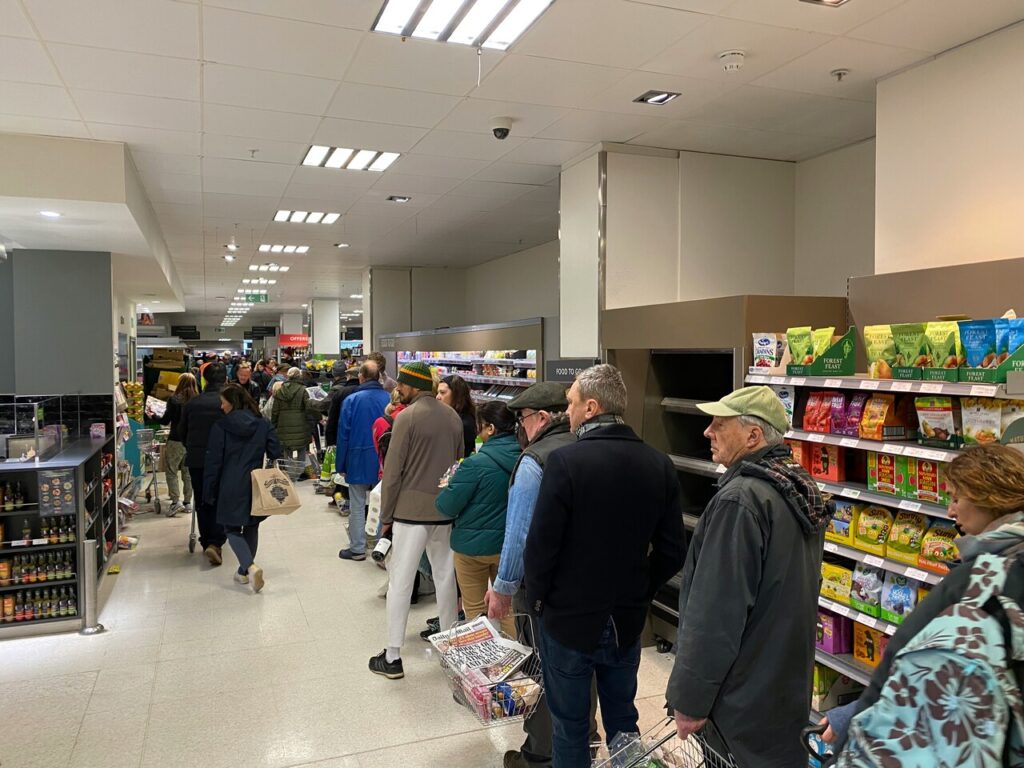
Long before a receipt prints, the checkout lane has already begun shaping decisions in subtle ways. Researchers often describe it as a micro-environment where attention, emotion, and timing converge within seconds. Unlike the rest of the store, where choices feel more planned and deliberate, this narrow space encourages quick, almost automatic reactions. Shoppers who enter with clear intentions often find those intentions softening as they approach the register. The combination of visual cues, proximity to products, and the natural pause in movement creates a setting where small decisions feel effortless, even when they were never part of the original plan.
What makes this space especially powerful is its consistency across stores and shopping habits. Shoppers are paused, mentally fatigued, and slightly disengaged from their original purpose, creating an ideal window for impulse-driven behavior. Even those who usually resist unnecessary purchases are more likely to pick up an extra item during this stage, simply because their mental defenses are lower. Researchers study this moment closely because it captures human decision-making in a compressed, real-world setting. It reveals how timing, environment, and subtle design cues can quietly influence choices without requiring deep thought or conscious effort.
Where Design Quietly Drives Decisions
At first glance, the checkout area may seem cluttered or even random, but every element within it is placed with careful intent. From the height of the shelves to the contrast of colors used on packaging, each design choice is meant to gently guide the shopper’s attention without making the influence obvious. Eye-level positioning remains one of the most studied techniques, consistently showing higher engagement because it aligns naturally with where people look while waiting. Even lighting and spacing are adjusted to ensure products remain visible without overwhelming the senses, creating a subtle but effective visual flow.
Retailers also lean heavily on familiarity and ease. The products placed here, typically snacks, gum, small drinks, or everyday essentials, are selected because they require minimal thinking and quick decision-making. Their packaging is intentionally bold, simple, and easy to recognize within seconds, reducing hesitation. Beyond the products themselves, the physical structure of the queue plays a critical role. Zigzag pathways and slightly narrowed aisles slow the shopper’s pace just enough to increase exposure time. This extended visibility, combined with low-effort choices, significantly increases the chances of an unplanned purchase without the shopper feeling pressured.
The Fine Line Between Influence and Manipulation
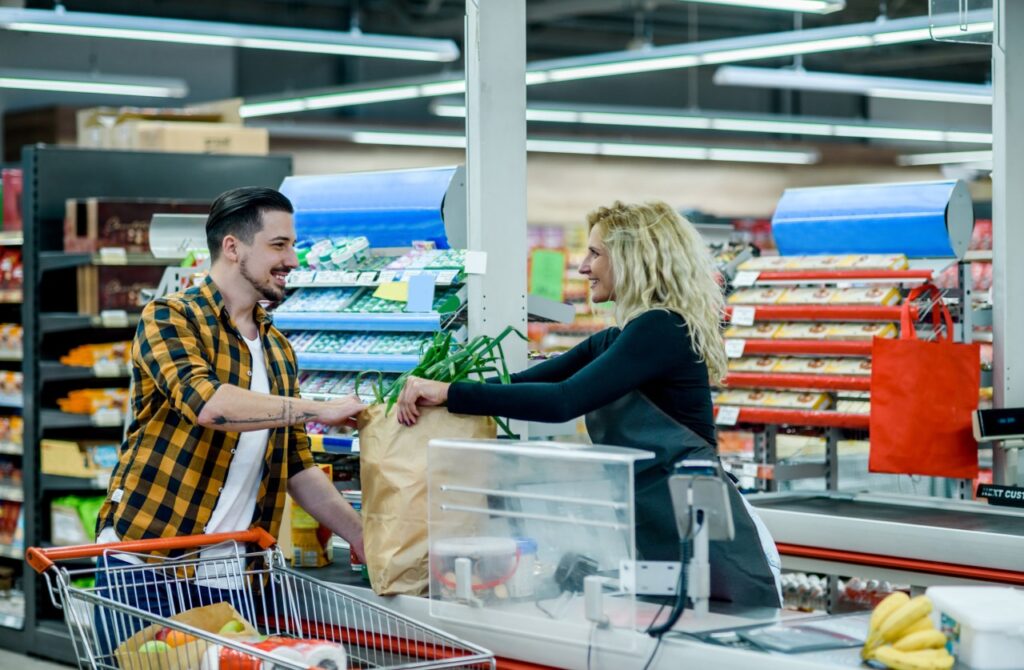
The checkout lane sits at an interesting crossroads where thoughtful design meets ethical consideration. While every retail space is built to encourage purchases, this final stretch operates at a moment when shoppers are naturally more vulnerable. After moving through aisles and making multiple decisions, mental energy begins to dip, and attention becomes less focused. In this state, choices are made more quickly and with less scrutiny. Researchers often point to this phase as one where influence becomes more effective, not because of pressure, but because the shopper’s ability to evaluate is slightly reduced.
This has led to ongoing discussion about where influence ends and manipulation begins. Critics highlight how certain product placements, especially those targeting children with bright colors and eye-level positioning, can create subtle pressure on both kids and parents. What seems like a harmless display can quickly turn into a moment of insistence or compromise. At the same time, retailers maintain that these are long-standing merchandising practices and that shoppers ultimately retain control over their decisions. The conversation continues to evolve, reflecting a growing awareness of how powerful small design choices can be in shaping behavior without drawing attention to themselves.
A Space Shaped by Data and Habit
Modern checkout lanes are no longer shaped by instinct or simple merchandising experience alone. They are built on layers of data collected from real shopper behavior, including purchase patterns, dwell time, and even detailed eye-tracking insights. Retailers study exactly which items are picked up, how long shoppers pause, and what visual cues trigger attention. This information is continuously tested and refined, allowing stores to adjust layouts, product mixes, and placements with precision. Over time, the checkout lane has evolved into a carefully engineered space where even minor adjustments can lead to measurable changes in buying behavior.
Alongside data, habit plays an equally powerful role in shaping outcomes. Shoppers begin to expect certain products in this space, and that familiarity reduces the effort needed to make a decision. When items appear repeatedly in the same position, they feel more natural to pick up, even without conscious thought. This repeated exposure builds a quiet routine, where small, unplanned purchases become almost automatic. Together, data-driven design and learned behavior create a strong feedback loop, making the checkout lane one of the most consistently optimized and predictable environments in modern retail.
The Future of the Final Purchase Moment
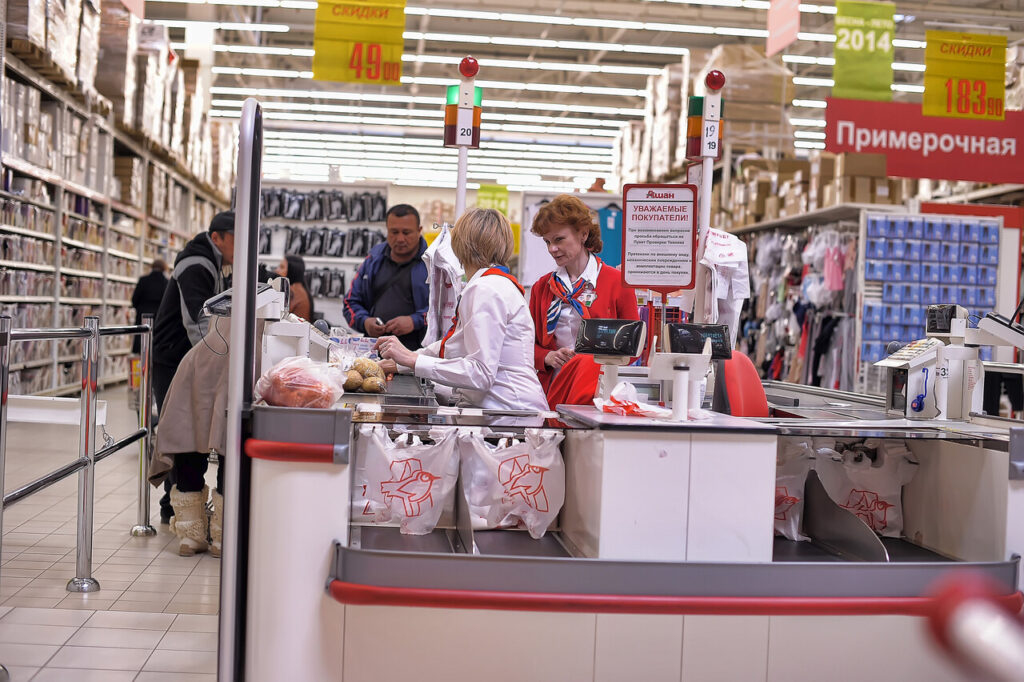
As technology continues to reshape retail environments, the checkout experience is undergoing a noticeable transformation that could redefine how impulse buying works. Self-checkout systems, now widely adopted, reduce waiting time and give shoppers a greater sense of control over the process. However, they also shift attention away from traditional product displays, which once relied heavily on idle moments in line. Without that pause, retailers are rethinking how to capture attention in shorter time frames, experimenting with new placements, compact displays, and strategically positioned items that fit seamlessly into a faster checkout flow.
At the same time, digital integration is introducing a more personalized layer to the final purchase moment. Screens at checkout and app-linked systems can now suggest products based on what a shopper has already selected or purchased in the past. This real-time targeting replaces the one-size-fits-all approach with something more precise and adaptive. Despite these changes, the underlying principle remains unchanged. The final moments of a shopping trip still hold strong influence, and whether through physical cues or digital prompts, this space continues to shape decisions in subtle but powerful ways.