10 Brown Butter Desserts That Taste Burnt Not Gourmet

Butter has a quiet magic when it turns from pale yellow to deep amber. In that short moment, milk solids toast and release nutty aromas that can make a simple dessert feel layered and complex. Bakers often chase that golden stage for the warmth and depth it promises.
But brown butter walks a narrow line. Just a few seconds too long on the heat, and those toasted notes slip into bitterness. What was meant to taste refined and caramel-like can quickly edge toward sharp and burnt.
This list looks at desserts where that line gets crossed. These are the treats that aim for gourmet depth yet end up tasting more scorched than sophisticated, reminding us how delicate true balance can be.
1. Brown Butter Chocolate Chip Cookies
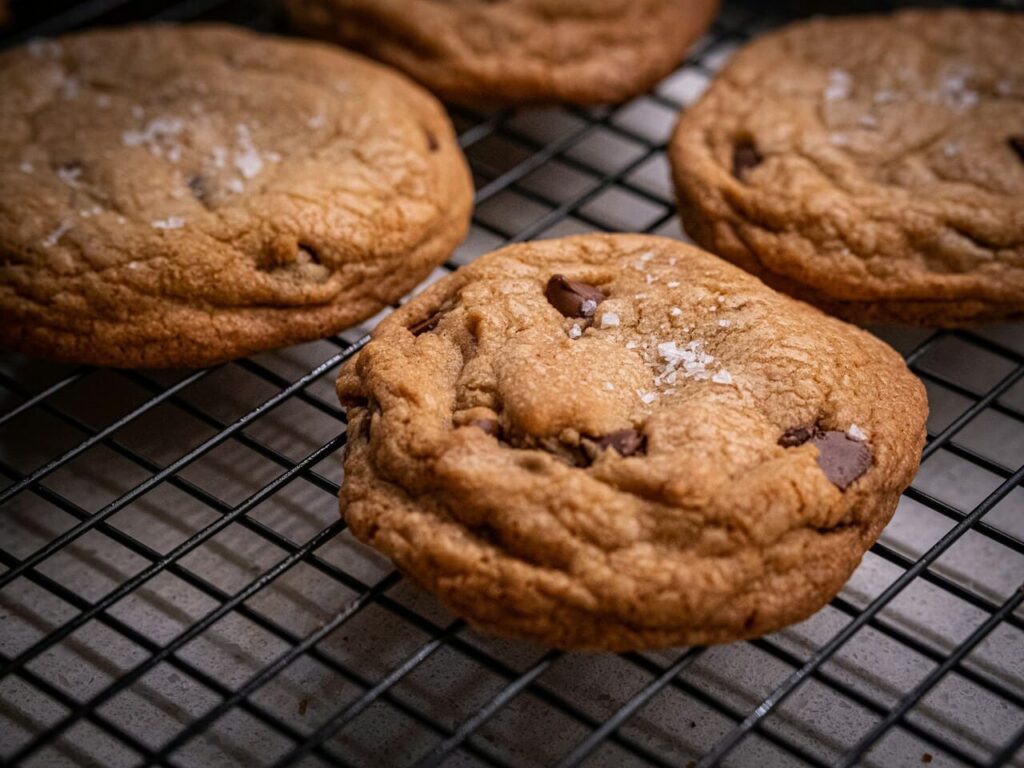
Few aromas are as inviting as butter turning golden in a pan. When milk solids toast gently, they release nutty compounds that deepen flavor. In chocolate chip cookies, this can add welcome complexity and a richer backdrop for cocoa notes.
The trouble begins when the butter crosses from amber to dark brown. Burnt milk solids introduce bitter phenolic flavors that cling to the palate. Sugar caramelization in cookies already pushes toward toasty edges, so overly browned butter doubles that effect.
Instead of tasting balanced, the cookie develops a sharp finish that overshadows vanilla and chocolate. What should feel warm and rounded ends up slightly acrid. The line between nutty and burnt is thin, and once crossed, it is hard to hide.
2. Brown Butter Rice Krispie Treats
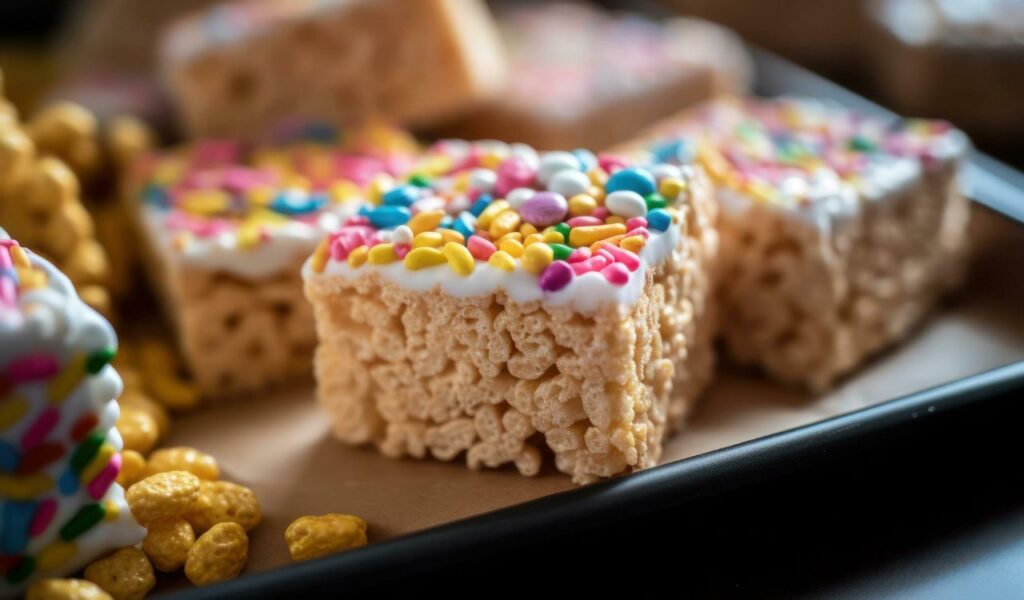
Rice Krispies treats are loved for their simplicity. Melted marshmallows form a stretchy, sugary coating that binds crisp cereal into soft, chewy bars. The flavor is intentionally mild, with butter offering quiet richness beneath the sweetness rather than standing out on its own.
When butter is browned carefully, it can add a light nutty note. But if it cooks too long, the milk solids darken and develop bitter compounds. In a recipe this minimal, there are no spices or chocolate to soften that edge.
The darker flavor spreads through every bite, shifting the profile from sweet and airy to smoky and slightly sharp. What should taste nostalgic and light ends up carrying a faint scorched finish that feels heavier than intended.
3. Brown Butter Frosting
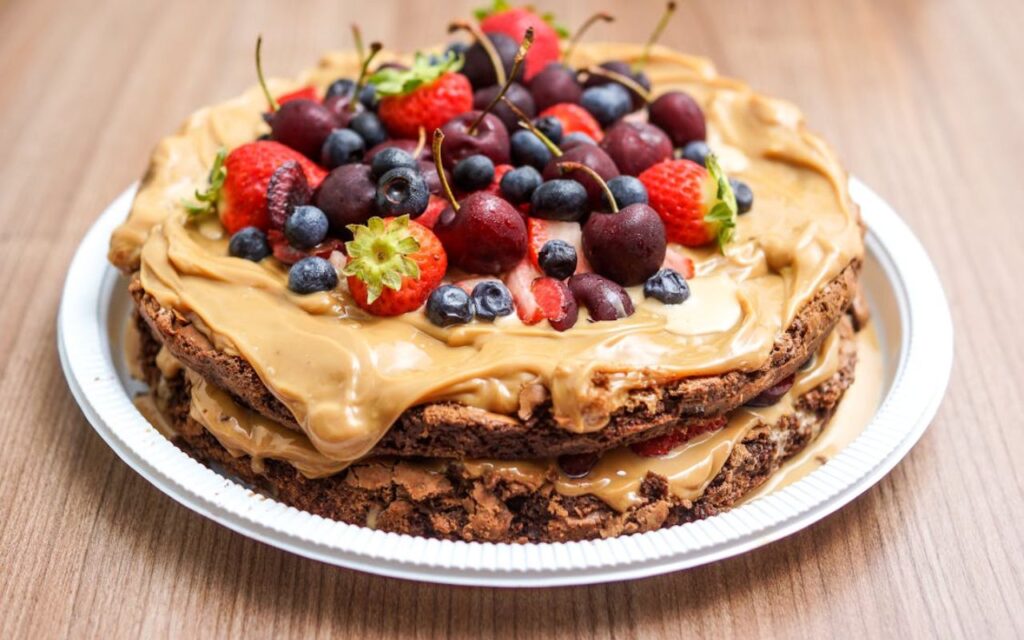
Frosting should feel light, smooth, and sweet enough to complement the cake rather than compete with it. When butter is browned carefully, it develops nutty aromas that can pleasantly deepen the flavor of vanilla- or spice-based recipes. The goal is warmth, not intensity.
If the butter is taken too far, the milk solids darken into bitter particles that carry through the sugar. Even generous amounts of powdered sugar cannot fully mask that sharp edge. The texture may remain silky, but the flavor thickens and grows heavy.
Because frosting sits directly against the tongue, any burnt note is immediate and lingering. Instead of tasting refined and balanced, it feels slightly acrid. The cake underneath loses its spotlight as the topping leaves a scorched impression.
4. Brown Butter Blondies
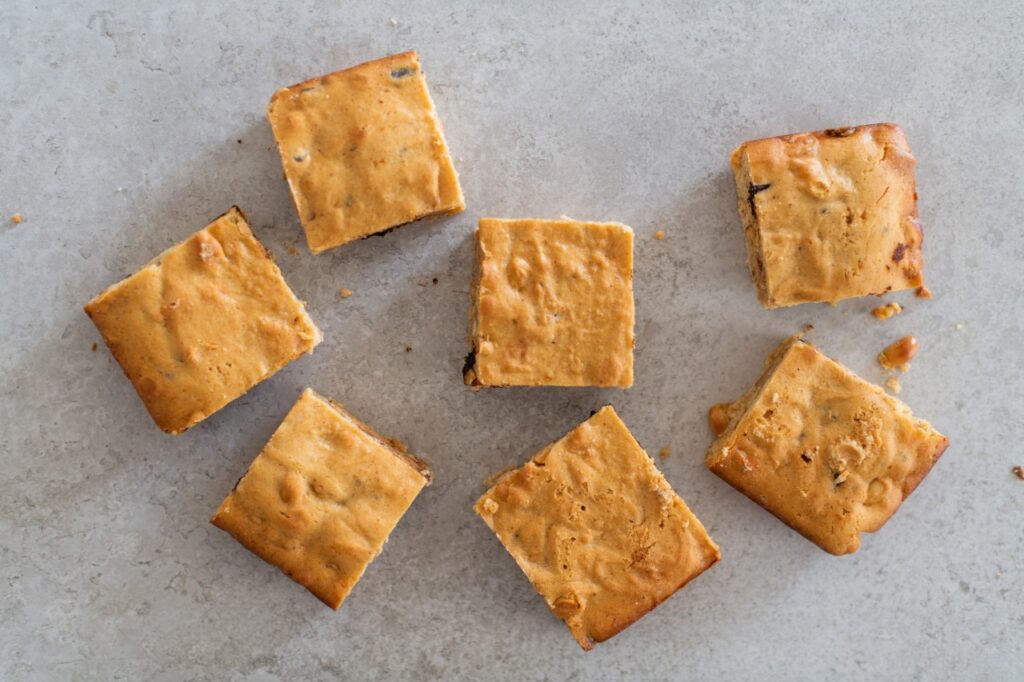
Blondies depend on brown sugar and vanilla for their signature warmth. Their chewy texture and caramel-like sweetness are meant to feel rounded and soft, without the boldness of chocolate. Balance is key.
When butter is browned too deeply, roasted flavors intensify beyond control. Brown sugar already contains molasses notes, so adding darker milk solids stacks similar compounds on top of each other.
This overlap can push the bar toward bitterness. Rather than layered sweetness, each bite tastes smoky and slightly burnt. The gentle charm of a blonde fades, replaced by a flavor that feels harsher than gourmet.
5. Brown Butter Pound Cake
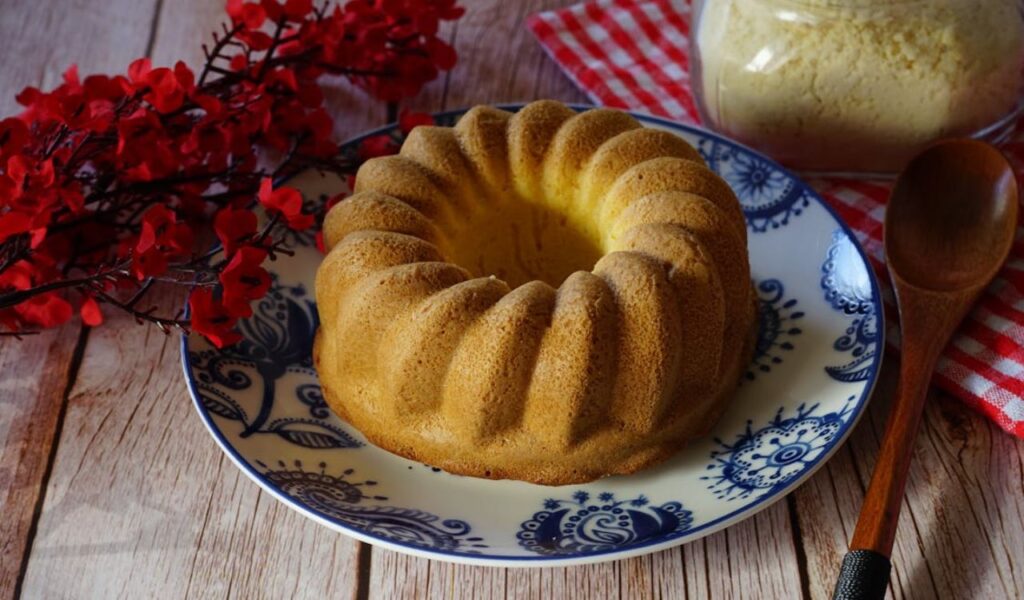
Pound cake is built on discipline. With equal parts butter, sugar, eggs, and flour, its structure depends on proper creaming and balanced fat distribution. The finished crumb should taste clean and gently buttery, allowing texture and aroma to shine without distraction.
When butter is browned beyond a light amber stage, the milk solids darken and develop bitter compounds. Those particles disperse evenly through the batter, and oven heat deepens them further as the crust forms and sugars caramelize.
The cake may emerge golden and fragrant, yet the interior can hold a faint scorched edge. With no bold spices or fruit to soften it, that bitterness stands out. What should feel classic and comforting turns unexpectedly sharp.
6. Brown Butter Banana Bread
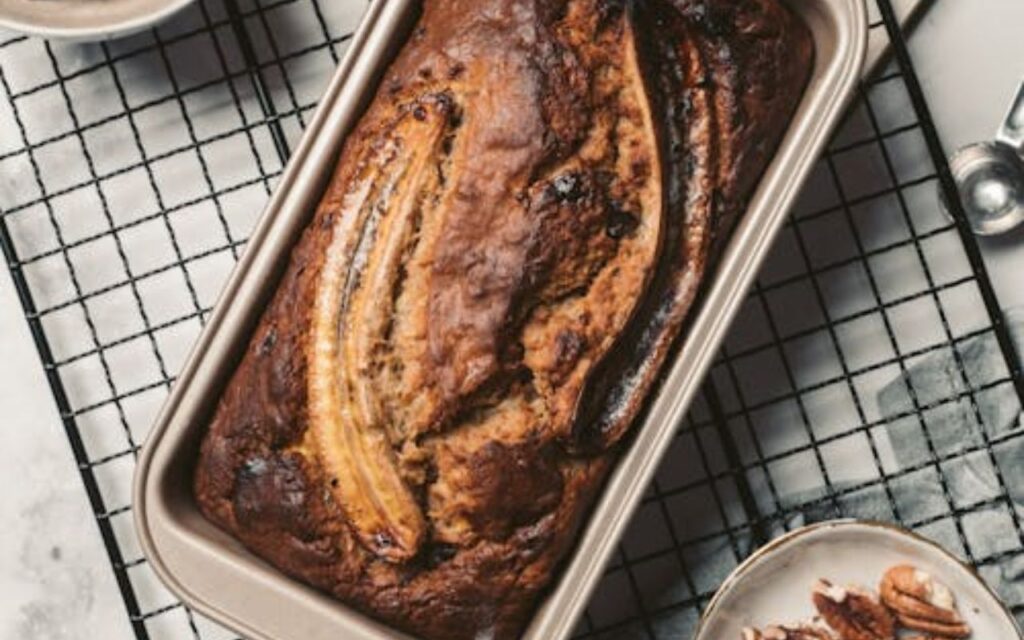
Banana bread already leans into caramel tones. Overripe bananas contain concentrated sugars that brown readily in the oven, producing deep sweetness and a moist, tender crumb. The fruit’s aroma is meant to remain the clear focal point.
If butter is taken to a very dark stage, toasted milk solids enter the same roasted flavor range as baked banana sugars. Instead of creating contrast, the flavors overlap and compress the profile into one heavy note.
The loaf may smell inviting, yet each bite can carry a subtle burnt undertone. That bitterness dulls the natural brightness of the fruit. Rather than tasting rounded and warm, the bread feels dense and slightly scorched.
7. Brown Butter Cheesecake
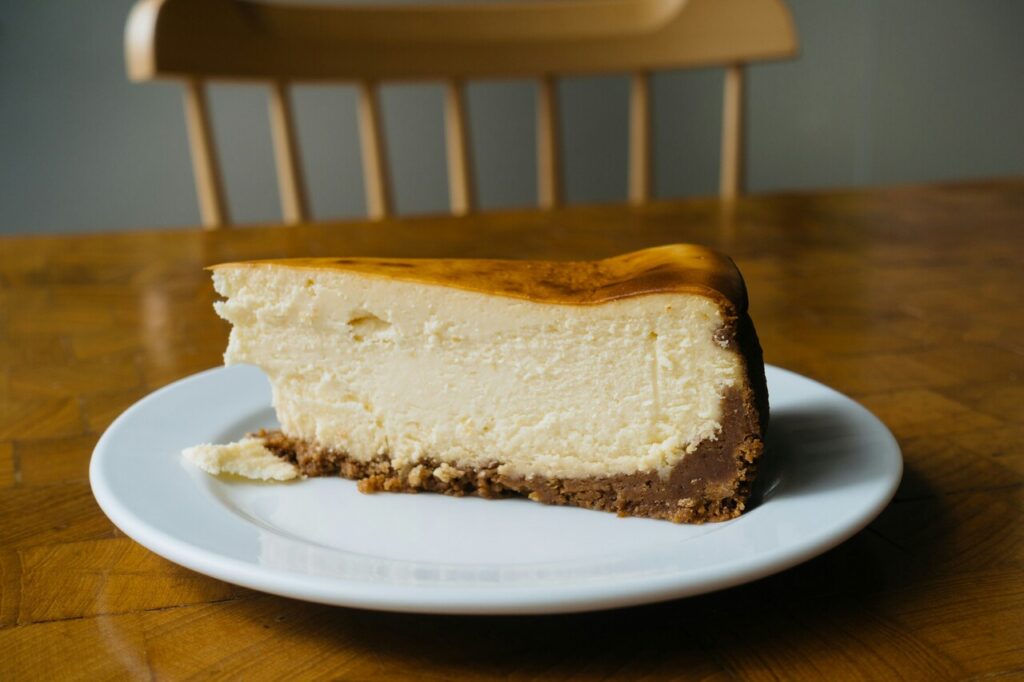
Cheesecake relies on precision and clarity. Cream cheese provides tang, sugar softens it, and eggs set into a smooth custard when baked gently. The balance between sweet and tart defines the dessert’s elegance.
When brown butter in the crust or filling is pushed too far, bitter milk solids interrupt that delicate profile. Cheesecake has a mild base, so any harshness becomes noticeable almost immediately.
The creamy texture cannot fully mask scorched notes. Instead of tasting refined and composed, the slice develops a lingering burnt finish. That edge distracts from the gentle tang and sweetness that make a cheesecake feel balanced.
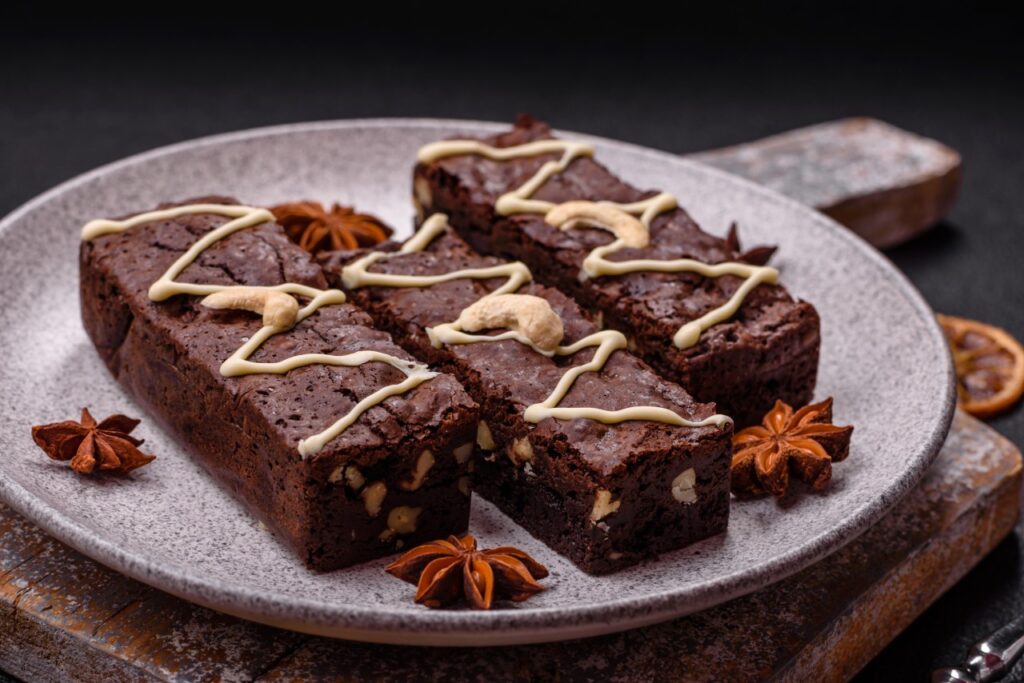
8. Brown Butter Brownies
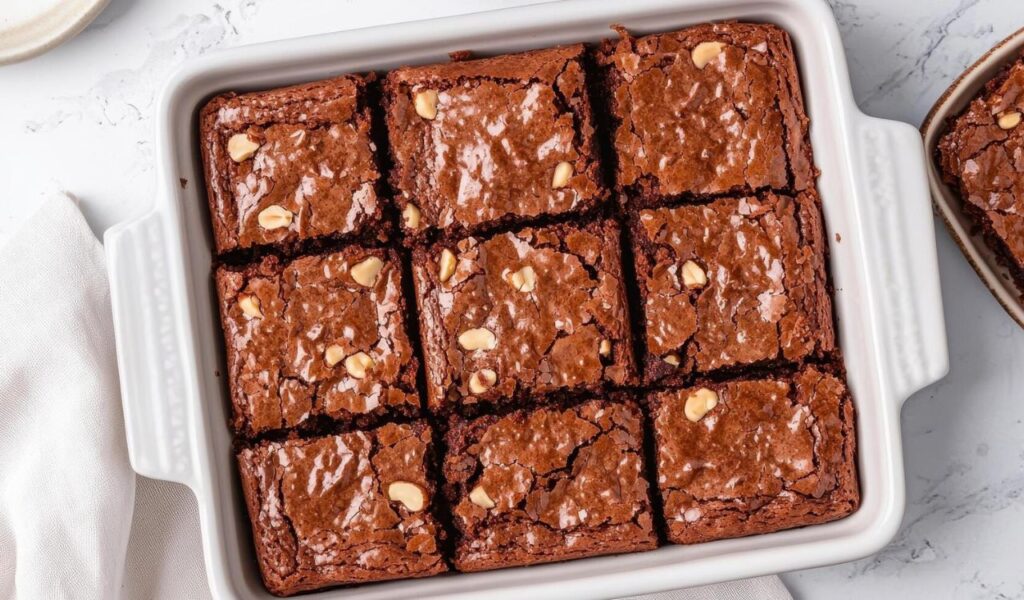
Brownies already carry a deep roasted profile before butter enters the bowl. Cocoa powder and melted chocolate develop flavor compounds during processing, giving the batter its dark color and slightly bitter backbone. That intensity makes a brownie feel rich and satisfying.
When butter is browned past a light amber stage, the milk solids darken and create sharper, bitter notes. Those compounds layer onto chocolate’s roast flavors. Instead of adding nuttiness, the butter strengthens the darkest tones in the batter.
The result feels unbalanced. Moisture remains, yet the finish tastes dry and faintly acrid. Rather than enhancing richness, the browned butter competes with cocoa. A dessert meant to feel indulgent edges closer to burnt than refined.
9. Brown Butter Glaze for Donuts
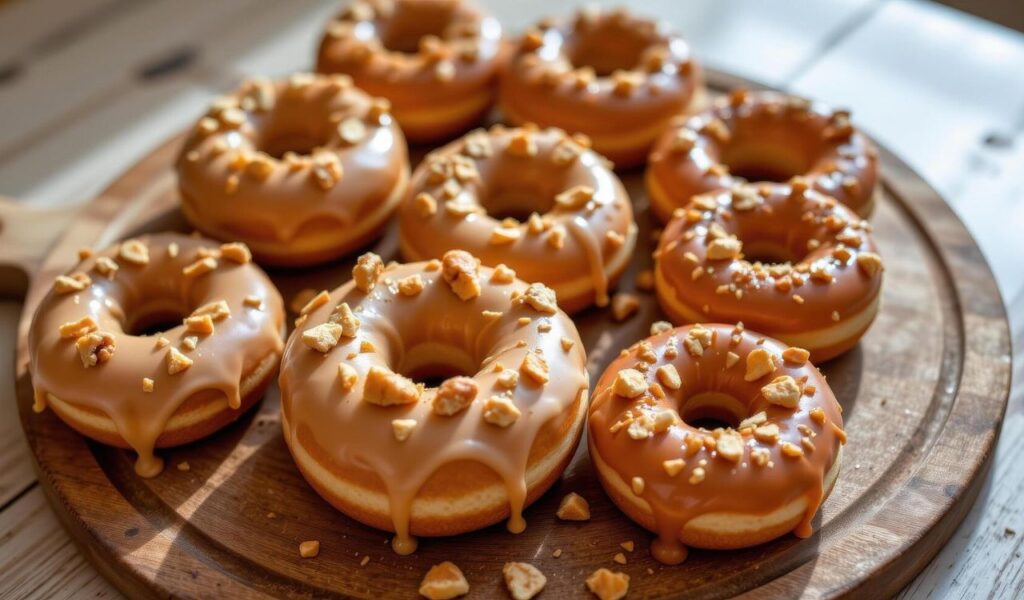
A donut glaze should be delicate. It is designed to melt lightly over warm dough, forming a thin, sweet shell that adds shine and just enough flavor to complement the fried base. The goal is lift, not dominance.
If the butter in that glaze is pushed too far, toasted milk solids introduce smoky bitterness. Because glaze sits on the surface, its flavor registers immediately and fully. There is no crumb or filling to soften that edge.
The sweetness of sugar cannot completely mask an over-browned note. Instead of tasting caramel-like and smooth, the glaze leaves a lingering scorched impression. The donut may stay tender, but the topping shifts the experience from light to heavy.
10. Brown Butter Ice Cream
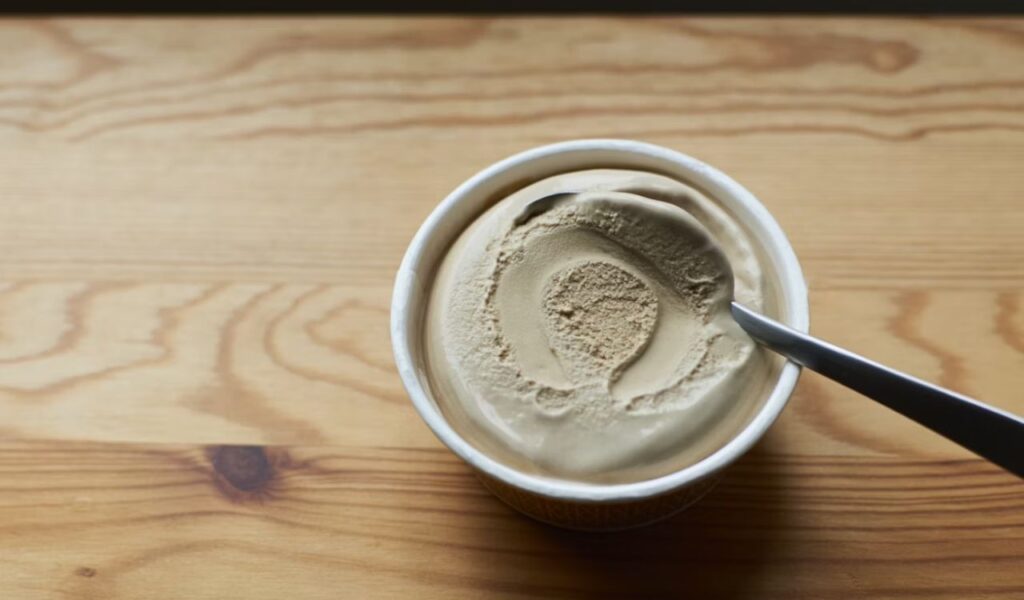
Ice cream depends on balance and control. Cream, sugar, and egg yolks form a stable emulsion that traps air during churning, creating a smooth texture and even flavor distribution. Subtlety allows sweetness and dairy to shine.
When brown butter is taken beyond a gentle toast, bitter milk solids disperse through the custard. Freezing does not mellow those compounds. In fact, cold temperatures can make sharp flavors seem more pronounced.
Instead of delivering a rounded, nutty depth, the scoop develops a dry, toasted aftertaste that lingers on the tongue. The creamy base struggles to counter it. What should feel luxurious ends up tasting more singed than sophisticated.