8 Cold Cut Recipes That Are Surprisingly Underwhelming


Cold cuts are often marketed as convenient and comforting, yet many familiar recipes fall short once expectations meet reality. While deli meats promise savory satisfaction, heavy processing, restrained seasoning, and uniform textures drain excitement from what should be a simple pleasure. These underwhelming cold cut recipes show how mild flavors, excess softness, and lack of contrast work against enjoyment. Without acidity, crunch, or aromatic lift, even well known deli staples can feel flat and repetitive.Many of these recipes rely on nostalgia rather than balance, assuming familiarity will compensate for a lack of depth.
1. Bologna Sandwich

Bologna sandwiches trade heavily on nostalgia, but that familiarity often hides how limited the flavor really is. Bologna is finely emulsified, which creates a smooth bite but removes the texture and depth found in whole muscle meats. Seasoning is intentionally restrained, relying mostly on salt, which leaves the meat tasting flat rather than savory. When paired with soft white bread, the sandwich lacks contrast, turning each bite into the same muted experience. Fat supplies richness, but without acidity or spice to counter it, that richness feels dull instead of comforting. Even classic additions like mustard struggle to create balance.
2. Liverwurst on White Bread
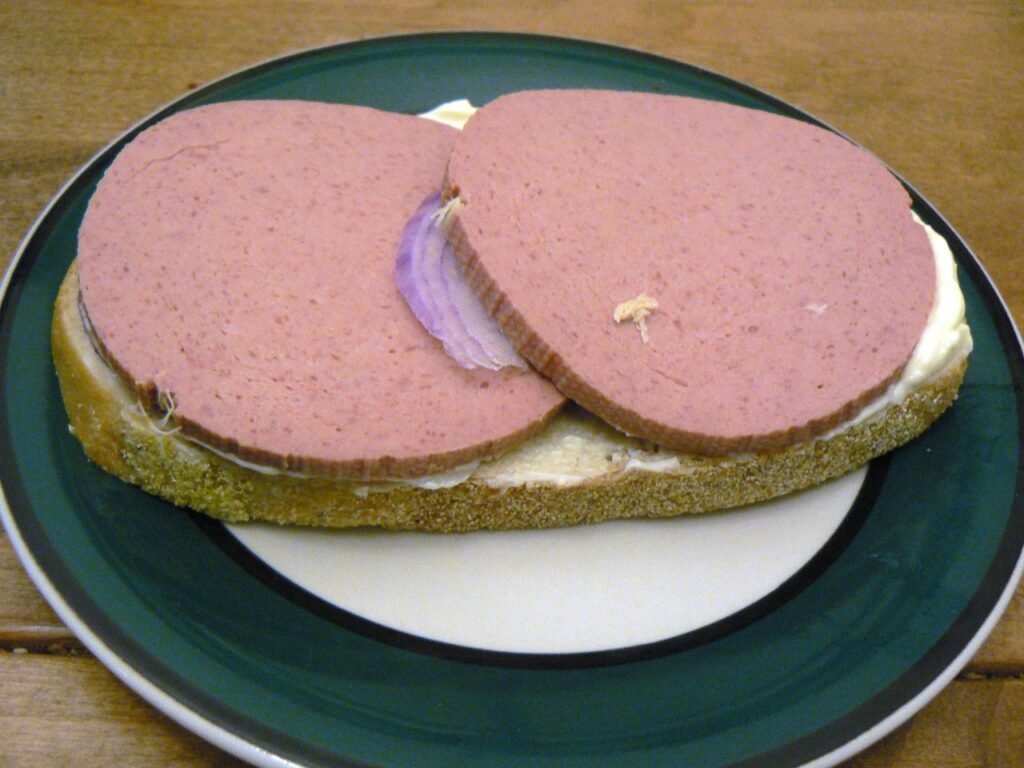
Liverwurst is rich by nature, but simple preparations often fail to support that intensity. Made largely from liver and fat, it delivers a dense, iron forward flavor that demands contrast to remain enjoyable. White bread adds softness but no structure, allowing the richness to dominate unchecked. Traditional versions are lightly seasoned, which leaves the liver taste exposed rather than refined. When served cold, the fat firms up, muting aroma and making the texture feel heavier. Without acidity from pickles or sharp vegetables, the sandwich becomes monotonous quickly. Liverwurst can be rewarding when balanced well, but in this form, it feels more taxing than satisfying.
3. Olive Loaf Sandwich
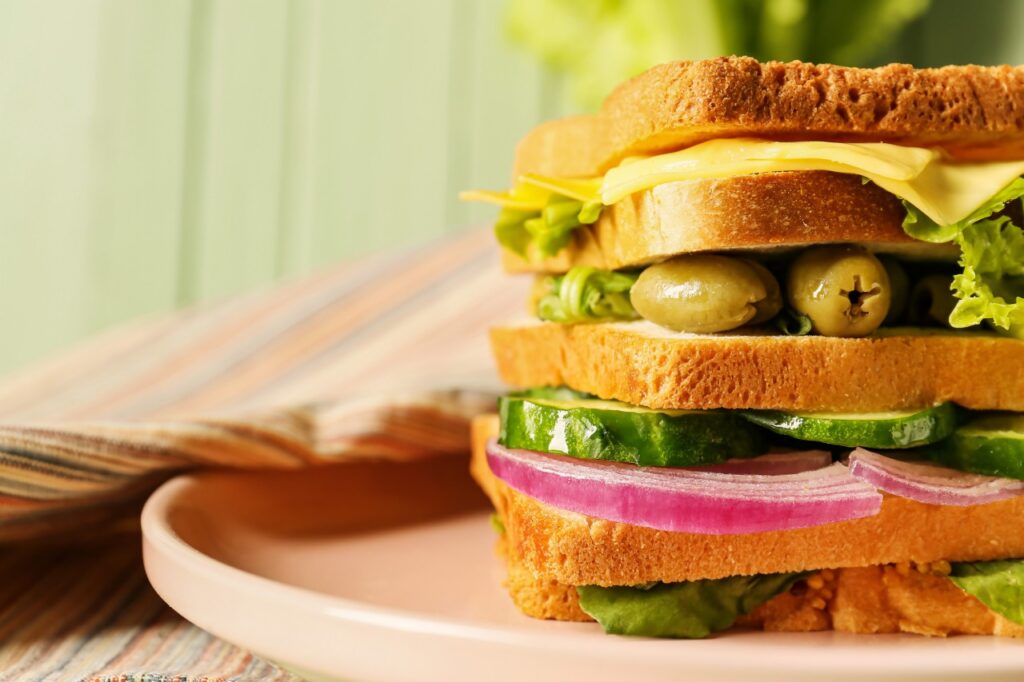
Olive loaf promises boldness through appearance, yet the eating experience rarely delivers on that expectation. The base meat is mild and heavily processed, designed to stay neutral while olives provide flavor. Unfortunately, the olives contribute salt more than complexity, creating uneven bites rather than cohesion. Texture becomes another hurdle, with soft meat interrupted by firm olive pieces that do not integrate naturally. Served cold, the flavors remain disconnected instead of blending together. Bread adds volume but no structure, leaving the sandwich scattered in taste and feel. While olive loaf works in thin slices, as a full sandwich it often feels unbalanced and incomplete.
4. Head Cheese Terrine
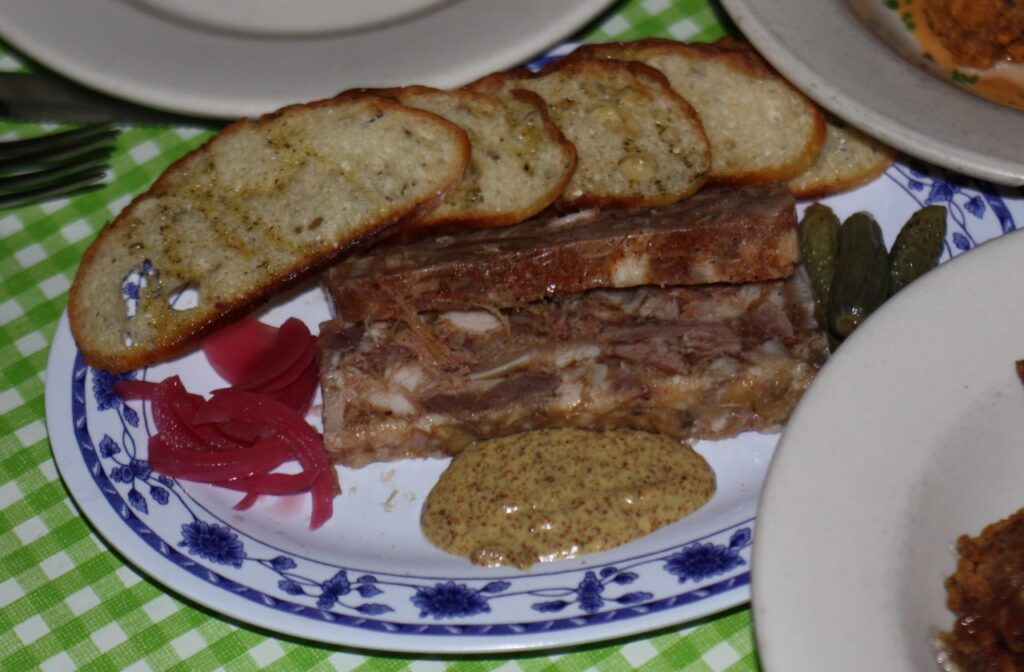
Head cheese often earns curiosity, but its structure can limit enjoyment without careful pairing. Built from collagen rich cuts set in gelatin, it offers firmness but little freshness when served cold. Flavor depends almost entirely on seasoning, which is frequently subtle, leaving the meat tasting muted. The gelatinous texture coats the mouth, and without acid or herbs to lift it, the experience feels heavy. As a terrine it looks impressive, but eaten on plain bread it lacks contrast and brightness. Head cheese works best alongside sharp accompaniments, and without them, it can feel more like endurance than pleasure.
5. Chicken Loaf Sandwich
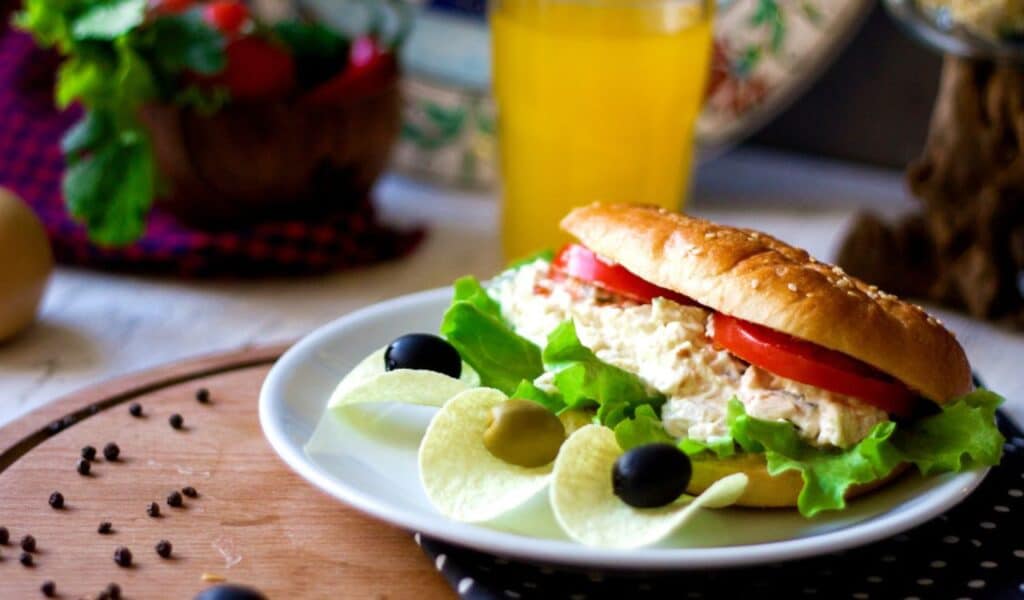
Chicken loaf is designed to feel lighter, yet that goal often strips away character. Finely ground chicken is blended with binders to create a uniform slice that lacks natural grain or chew. Seasoning is minimal, producing a flavor that is bland rather than clean. When eaten cold, aroma disappears, removing an essential part of appetite and enjoyment. Bread and condiments are expected to supply interest, but they can only compensate so much. The texture remains spongy and repetitive. Chicken loaf fills space efficiently, but the eating experience rarely lingers, making it one of the most forgettable cold cut options.
6. Pimento Loaf Sandwich
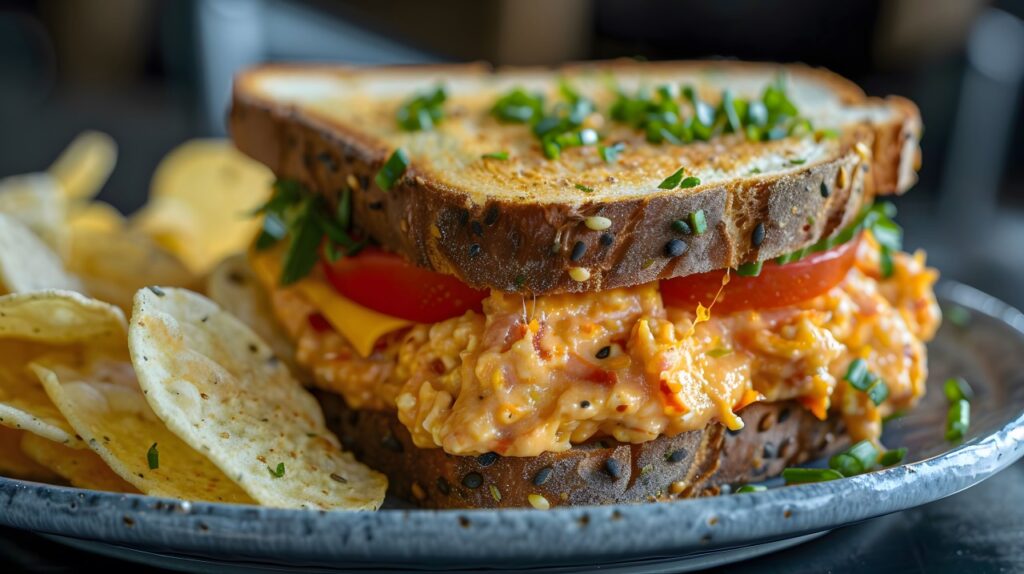
Pimento loaf relies on visual contrast more than real flavor balance. The red flecks suggest heat, but the spice level is usually mild and inconsistent. The base meat is soft and processed, offering little structure or resistance. Pimentos contribute sweetness instead of depth, which can flatten the overall taste. When combined with soft bread, the sandwich becomes texturally uniform, offering no contrast to engage the palate. Served cold, the flavors remain static rather than developing. Without sharp or crunchy additions, the recipe feels unfinished. Pimento loaf can be amusing as a novelty, but as a meal, it often underwhelms.
7. Plain Deli Turkey Sandwich
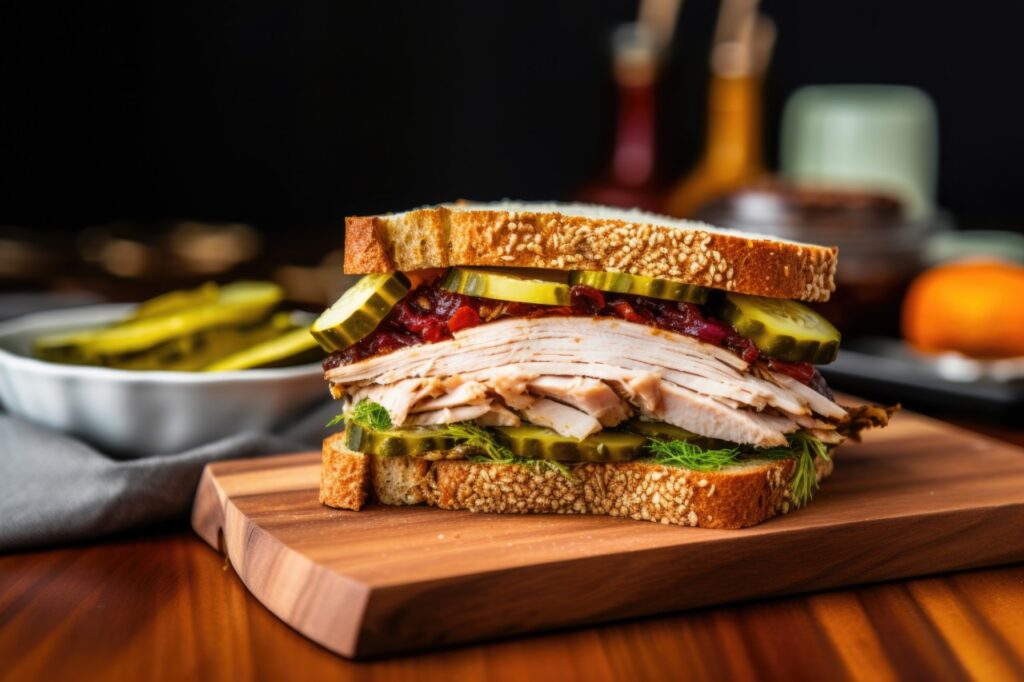
Plain deli turkey is chosen for leanness, but processing removes much of what makes turkey appealing. Slices retain moisture yet still taste dry due to limited fat and restrained seasoning. Salt becomes the primary flavor, offering no complexity or warmth. Served cold, turkey’s mild character fades further, leaving little to engage the palate. Bread adds bulk without interest, and without assertive condiments, the sandwich feels hollow. Turkey shines when freshly roasted, with its texture and aroma intact. In cold cut form, it often functions as filler rather than centerpiece, satisfying hunger while offering little sensory reward.
8. Ham Salad Sandwich

Ham salad promises heartiness but often sacrifices texture in the process. Finely chopped ham mixed with mayonnaise creates a paste that lacks bite and structure. Salt dominates early, while other flavors struggle to emerge. The uniform texture removes contrast, making each bite feel identical. Served cold, the fat in the dressing dulls aroma and softens flavor clarity. Bread absorbs moisture quickly, leading to sogginess that further flattens the experience. While ham salad works in small portions, as a full sandwich it feels heavy and one dimensional. It fills the stomach efficiently, but rarely leaves a memorable impression.