Prime vs Choice Beef Explained by a Rancher

Beef labels can be confusing at the meat counter, especially when Prime and Choice sit side by side with noticeably different prices. To many shoppers, those words feel like vague quality signals rather than meaningful information. Ranchers, however, understand that these labels reflect real differences formed long before the beef reaches the store. They are tied to how cattle are fed, how muscle develops over time, and how fat forms within the meat. These factors directly shape tenderness, juiciness, and flavor. Knowing this helps explain why two similar-looking cuts can cook and taste very differently once they hit the pan or grill.
Understanding the difference between Prime and Choice is not about chasing luxury, but about matching expectations with reality. The amount and distribution of marbling influence how beef reacts to heat, how forgiving it is during cooking, and how rich it tastes with simple seasoning. When shoppers know what those grades promise, they can choose cuts that fit their budget, cooking method, and occasion. Instead of guessing or relying on price alone, informed choices lead to better meals. Small details at the counter often make the biggest difference on the plate. That knowledge turns the meat counter from a source of confusion into a place of confidence.
Understanding USDA Beef Grades
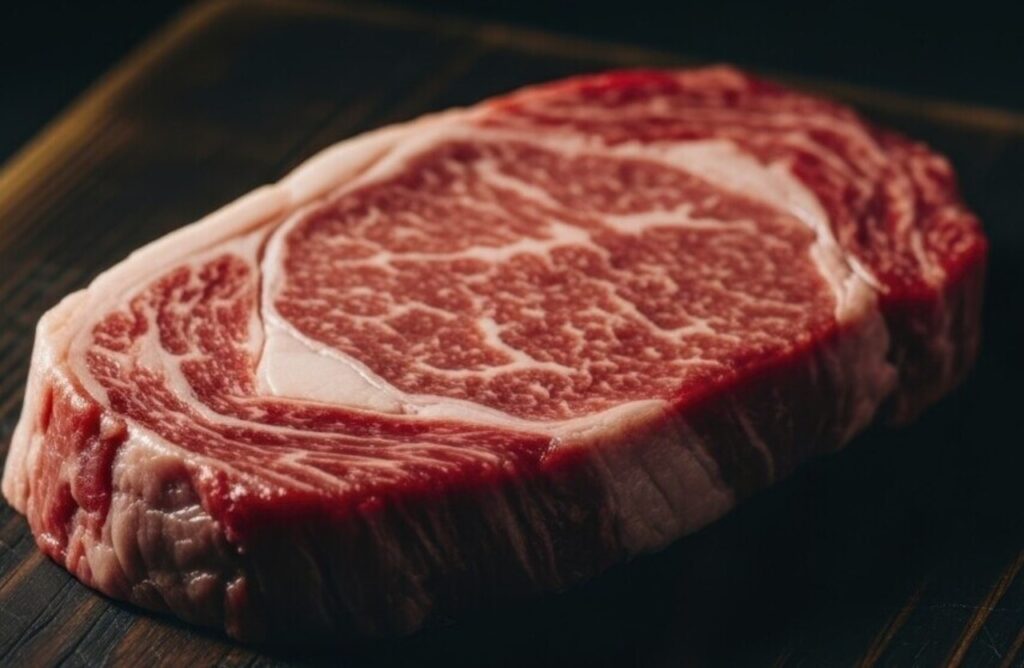
Beef grading gives shoppers a dependable way to understand quality before a cut ever touches the heat. In the United States, beef is evaluated by the USDA using clear standards meant to predict how enjoyable the meat will be to eat. These standards focus on traits linked to tenderness, juiciness, and flavor rather than appearance alone. Prime and Choice are the grades most people encounter, and they are not marketing labels or brand names. They reflect measured differences in the meat itself. This system exists to create consistency, so whether beef is purchased at a butcher shop, grocery store, or restaurant, the grade provides a reliable expectation of how it should perform once cooked.
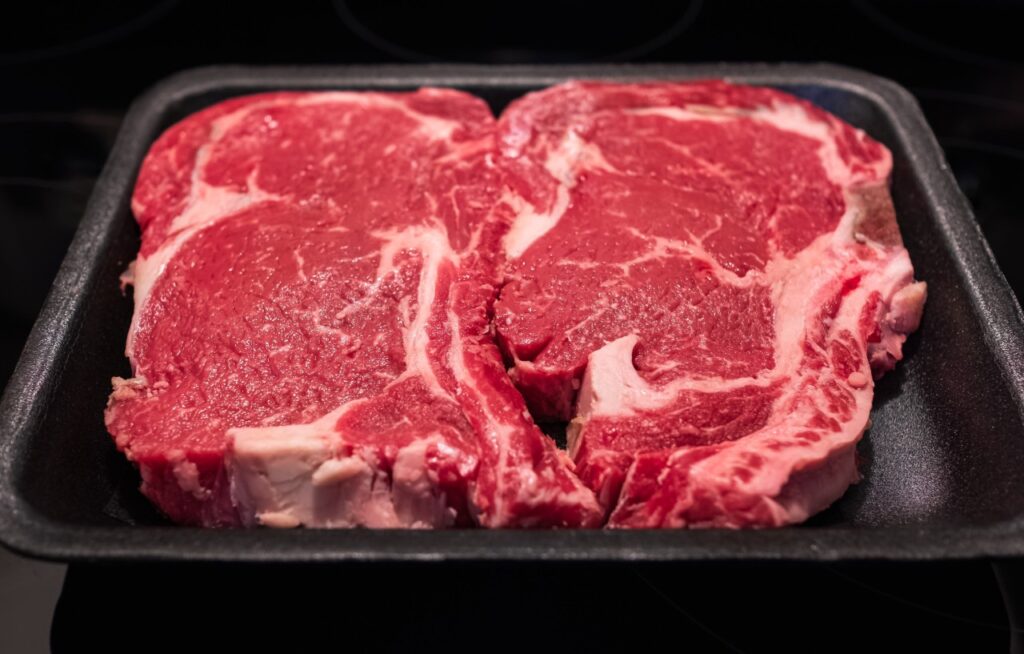
The single most important factor in this evaluation is marbling, which refers to the fine streaks of fat woven throughout the muscle. This internal fat melts during cooking, helping the meat stay moist while delivering richness and depth of flavor. Cuts with more marbling are generally more forgiving and tender. Other elements, such as the maturity of the animal, also influence texture, but marbling carries the greatest weight. Trained USDA graders assess these traits under standardized conditions, ensuring the label accurately reflects eating quality. Understanding these grades allows shoppers to choose beef that matches their cooking style, budget, and desired experience at the table.
What Makes USDA Prime Beef Special
When beef earns the USDA Prime label, it reflects years of careful animal management and natural muscle development rather than a last-minute upgrade. Prime beef contains the highest concentration of intramuscular fat, known as marbling, of any widely sold grade. These fine veins of fat run through the meat instead of sitting on the edges, which is critical for eating quality. As the beef cooks, that fat melts gradually, lubricating muscle fibers and preventing dryness. This process creates meat that stays juicy even under intense heat, delivering a rich mouthfeel and deep, beef-forward flavor that is difficult to replicate with leaner grades.
Because of this natural richness, Prime beef performs best with straightforward cooking methods that allow its qualities to stand on their own. High heat searing, grilling, or broiling encourages browning while the interior remains tender and moist. Prime does not need heavy marinades or complex seasoning because the marbling already provides balance and depth. Its consistency makes it especially valuable for steaks and roasts where texture matters most. Only a small percentage of cattle qualify for Prime, which explains its higher price. For cooks seeking maximum tenderness and flavor with minimal effort, Prime represents the upper benchmark of everyday beef quality.
What to Know About USDA Choice Beef
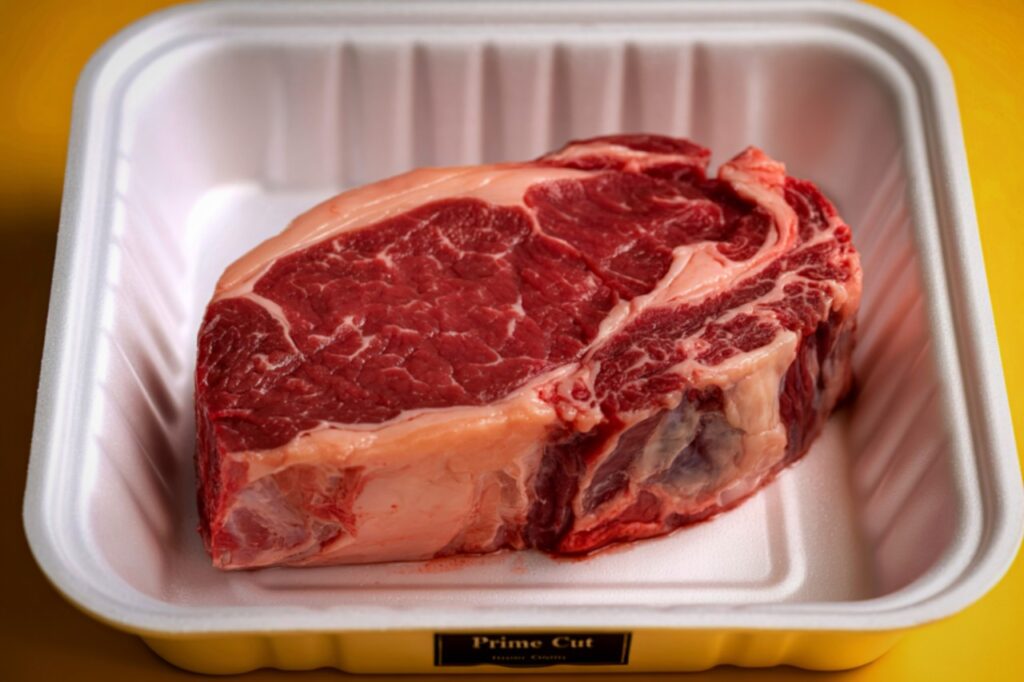
USDA Choice beef sits just below Prime in the grading system, but that position can be misleading for shoppers who assume it means a major drop in quality. In reality, Choice represents a large portion of high-quality beef sold in grocery stores and restaurants because it consistently delivers strong flavor and tenderness. Choice cuts contain visible marbling, though not as abundant as Prime, which still contributes moisture and richness during cooking. This balance makes Choice appealing to home cooks who want reliable results without paying top-tier prices. It offers enough fat to enhance taste while remaining versatile across many everyday meals and cooking styles.
Because Choice beef has slightly less internal fat, it adapts well to a wider range of techniques than Prime. Leaner cuts benefit from slower methods like braising or sous vide, which soften muscle fibers and retain moisture. Grilling and roasting also work well, especially when choosing cuts with natural fat or connective tissue that breaks down into gelatin. Choice beef fits easily into weekly meal planning because it performs well with thoughtful preparation. It delivers dependable flavor, flexibility, and value, making it an ideal option for cooks who want quality results without overspending or overcomplicating their approach.
When to Choose Prime or Choice
Prime beef earns its reputation when the meal calls for simplicity and impact. Its generous marbling makes it ideal for occasions where the beef itself is the centerpiece, such as celebratory dinners or restaurant-style meals at home. Because the fat is woven throughout the muscle, Prime stays tender and juicy even with high heat. Grilling, broiling, or pan searing brings out deep flavor without much effort. Seasoning can stay minimal, since the richness is already built in. A short rest after cooking allows juices to redistribute, resulting in meat that tastes indulgent and polished without complicated preparation or added elements.
Choice beef fits naturally into everyday cooking, where flexibility matters more than indulgence. It offers solid marbling and dependable flavor at a more approachable price, making it suitable for weeknight meals and family favorites. Dishes where beef shares the plate with sauces, vegetables, or spices often benefit from Choice rather than Prime. Techniques like marinating, slow roasting, braising, or moderate-heat searing help maintain moisture and tenderness. Budget and menu goals guide the decision. Prime suits moments meant to feel special, while Choice delivers adaptability and value across a wide range of meals without sacrificing quality.
Tips for Cooking Prime and Choice Beef
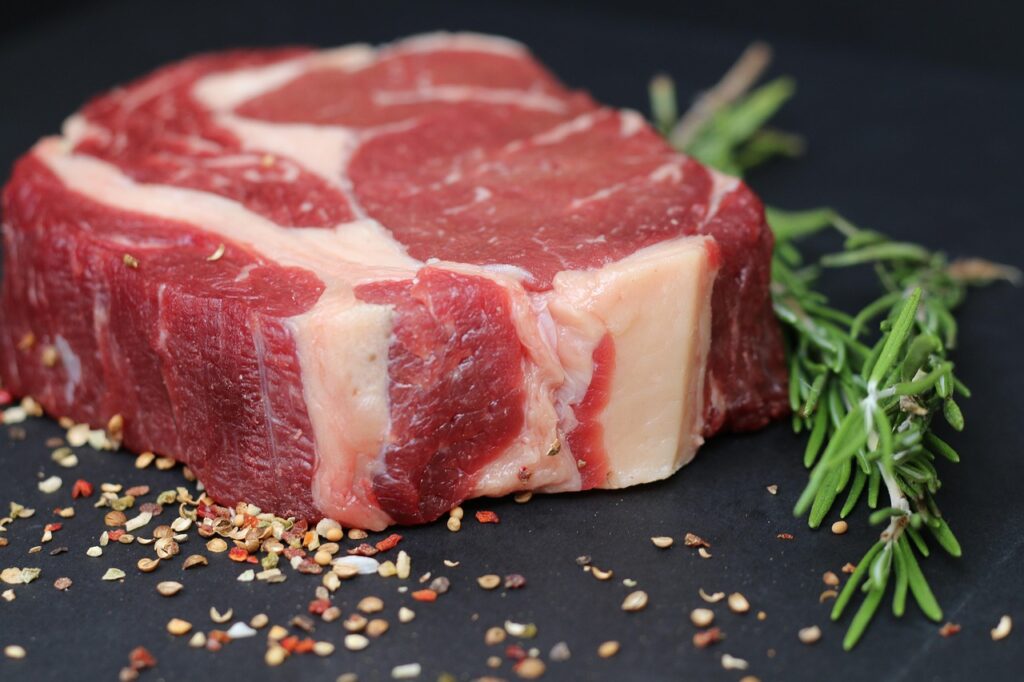
Cooking beef successfully starts with understanding how fat behaves under heat and adjusting technique to match the grade. Prime beef contains abundant marbling, which means it benefits most from high-heat methods that encourage browning while keeping the interior tender. Grilling, broiling, and pan-searing allow the exterior to develop a flavorful crust as the internal fat melts and bastes the meat naturally. Because Prime already delivers richness, heavy marinades are unnecessary. Simple seasoning with salt and pepper highlights the beef’s natural flavor. Letting the meat rest after cooking is essential, as it allows juices to redistribute and prevents moisture loss when slicing.
Choice beef offers more flexibility because it typically has less internal fat and a wider range of textures depending on the cut. Well-marbled Choice steaks still respond well to searing, but leaner pieces benefit from gentler methods that protect moisture. Slow roasting, braising, or sous vide cooking softens muscle fibers and breaks down connective tissue without drying the meat. Marinades and controlled heat can add flavor and tenderness where fat is less abundant. Across both grades, understanding the cut matters as much as the label. Ribeyes and strips shine with Prime, while sirloin or flank often perform best as Choice when handled with thoughtful preparation and proper timing.
Reference
- Prime vs. Choice Beef: A Rancher Explains the Difference – simplyrecipes.com
- Prime Vs Choice Beef: The Quality Difference, Explained – foodrepublic.com
- Prime vs. Choice Beef: A Rancher Explains the Difference – aol.com