11 Easy Lunch Ideas That Taste Better with the Right Sauce

Lunch is often treated as a quick pause between responsibilities, which is why so many midday meals feel uninspired. Most easy lunches rely on simple bases like rice, bread, grains, or lean proteins that do their job but offer very little flavor on their own. This is where sauce quietly changes everything. A good sauce adds moisture to dry ingredients, depth to mild ones, and balance to dishes that feel one-note. It connects separate components into a single, satisfying bite and turns practical food into something worth slowing down for. With the right sauce, even the most basic lunch can feel intentional, comforting, and far more enjoyable than expected.
1. Grilled Chicken Sandwich
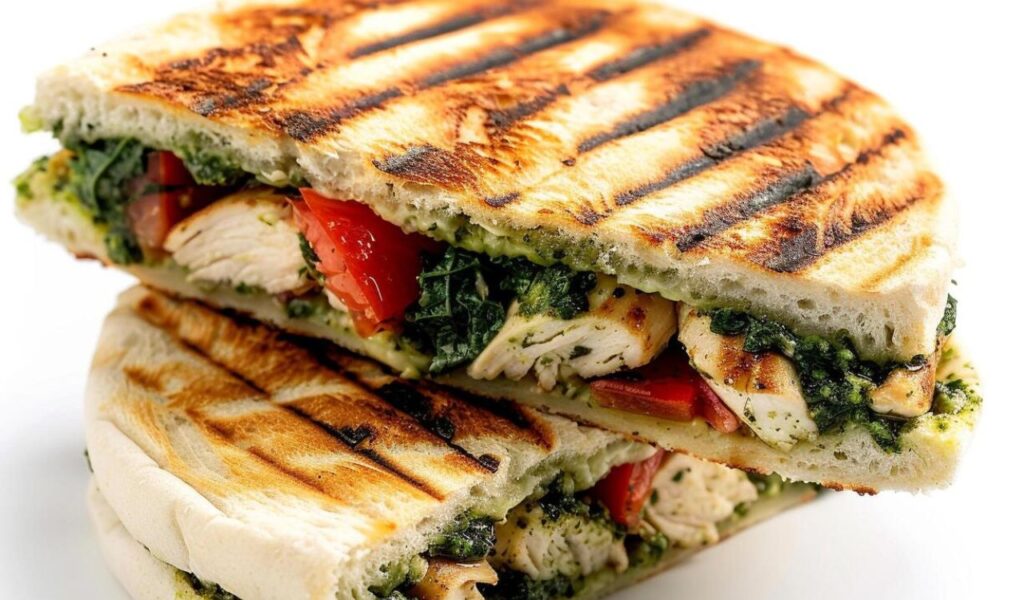
A grilled chicken sandwich is often praised for being lean and simple, but simplicity is exactly why it needs the right sauce. Grilled chicken has very little fat, which means it can taste dry or flat if left unseasoned after cooking. Even when cooked perfectly, the meat relies on moisture and acidity to feel complete. A sauce introduces balance by adding fat, salt, and tang that the chicken itself lacks. Creamy sauces bring richness, while vinegar-based or citrus sauces brighten the bite and keep it from feeling heavy. Bread also plays a role, as sauces soak slightly into the bun, preventing dryness. Without sauce, the sandwich can feel unfinished.
2. Plain Rice Bowl
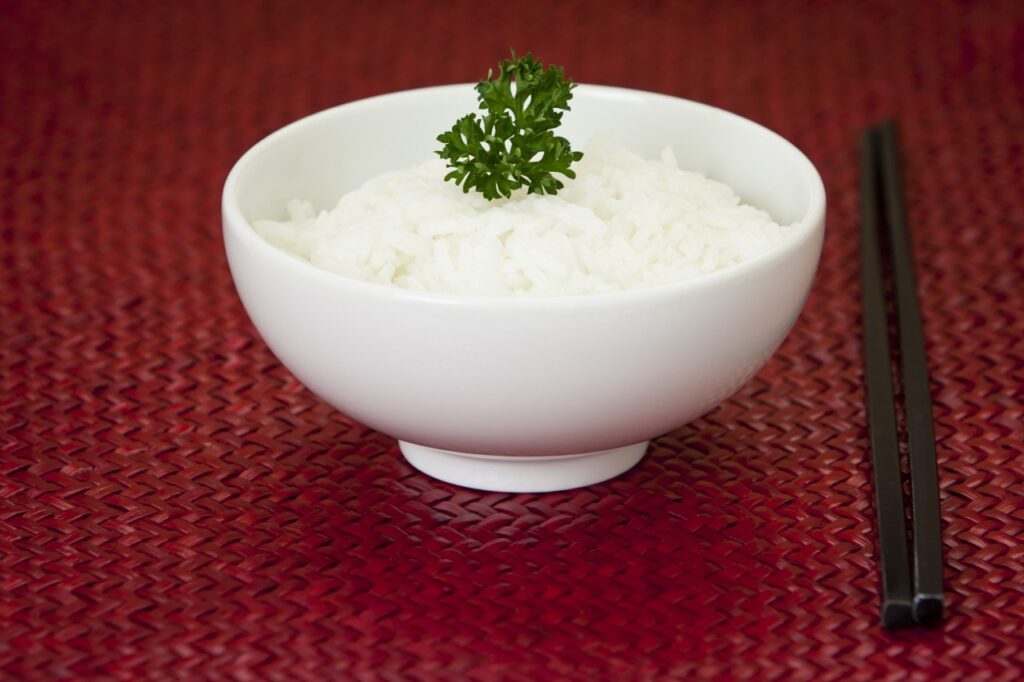
A plain rice bowl is filling but emotionally empty without sauce. Rice is neutral by nature, designed to absorb flavor rather than provide it. This makes the sauce essential rather than optional. A well chosen sauce penetrates the grains, seasoning them from the inside out instead of just coating the surface. Oils add silkiness, acids prevent blandness, and salt enhances aroma. Without sauce, toppings feel disconnected from the base. With sauce, the bowl becomes unified. The warmth of rice also helps sauces bloom, releasing aromatics that would otherwise stay muted. A rice bowl does not need complexity, but it does need a flavor anchor, and sauce provides exactly that.
3. Roasted Vegetables
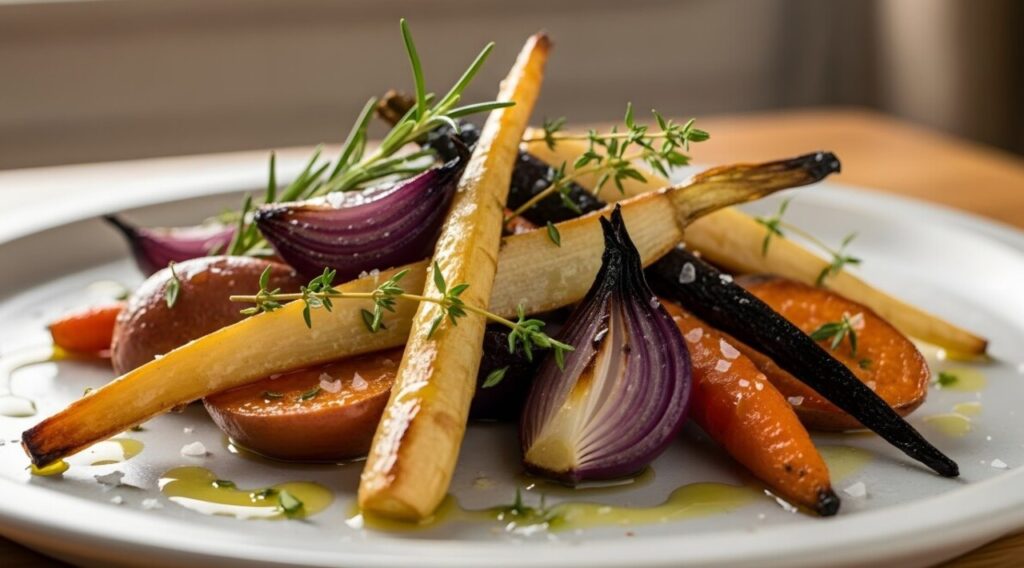
Roasted vegetables rely on caramelization for flavor, but even good browning has limits. Once cooled slightly, vegetables can taste dry or bitter without contrast. Sauce adds moisture and highlights the natural sweetness created during roasting. Acidity cuts through earthy flavors, while fat rounds out charred edges. A drizzle also improves mouthfeel, making vegetables feel more luxurious without hiding their identity. Vegetables absorb sauce unevenly, which creates variation in each bite. Without sauce, roasted vegetables can feel repetitive. With it, they gain dimension and freshness that roasting alone cannot provide.
4. Simple Pasta
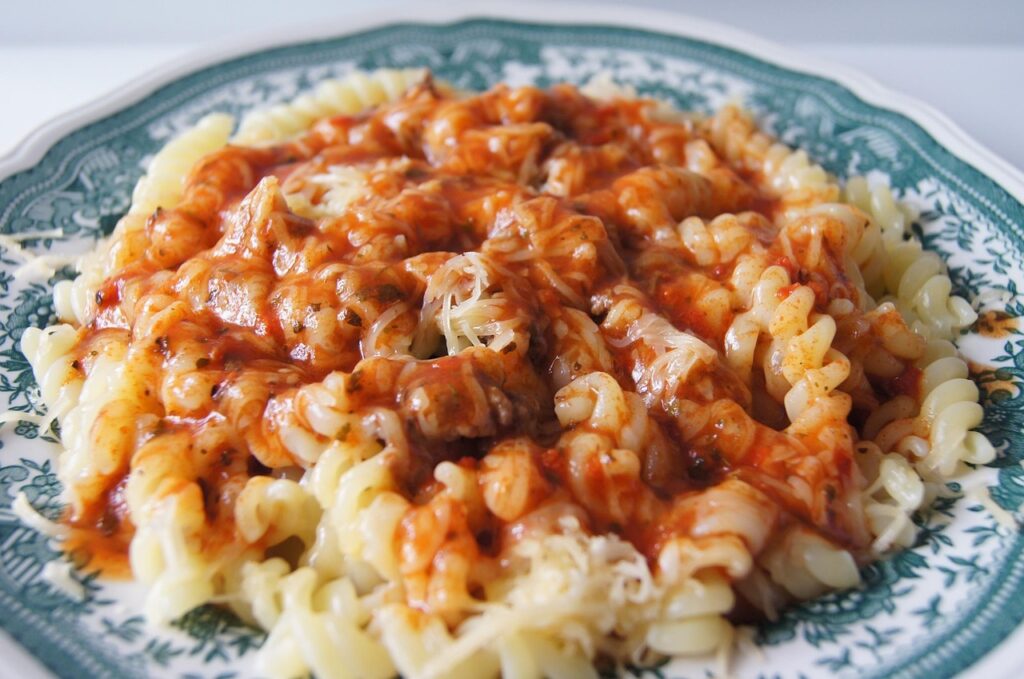
Plain pasta is one of the clearest examples of how sauce defines a meal. Cooked noodles offer texture and starch, but very little flavor. Sauce fills that gap by clinging to the surface and settling into crevices. Starch from the pasta helps emulsify sauces, creating a coating that feels cohesive rather than watery. Without sauce, pasta feels dry and unfinished. With it, even a small portion becomes comforting and complete. Sauce also determines how filling the dish feels, whether light and clean or rich and indulgent. Pasta without sauce is sustenance. Pasta with the right sauce is lunch. A well-matched sauce also prevents pasta from tasting bland as it cools, keeping each bite satisfying.
5. Turkey or Veggie Wrap
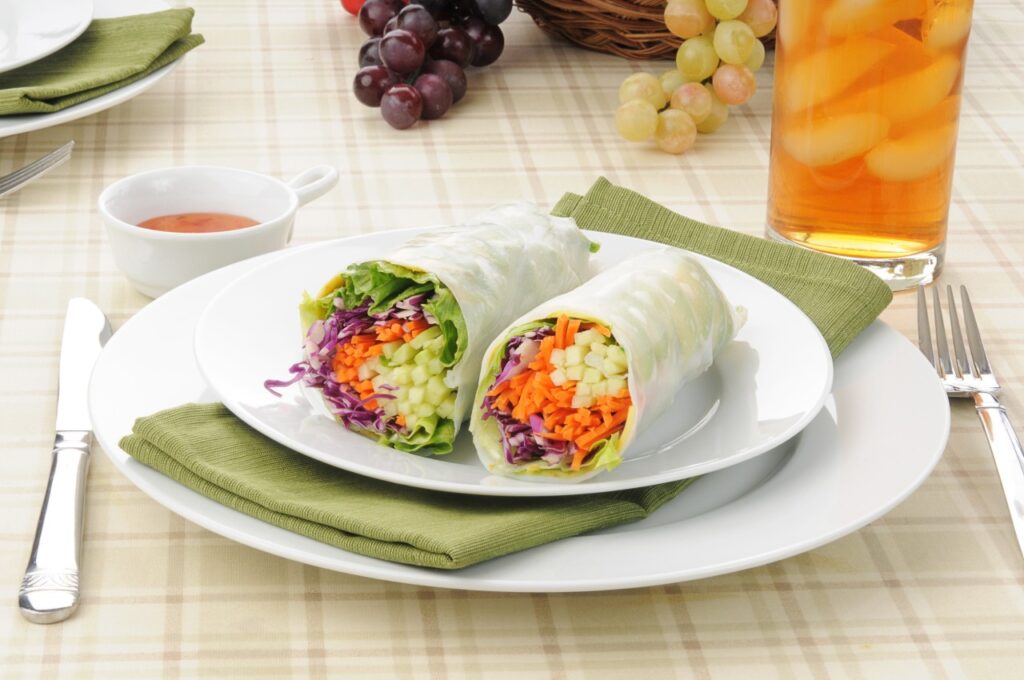
Wraps are built for convenience, but their structure makes sauce critical. Dense fillings and flat bread can feel dry without moisture to tie everything together. Sauce acts as a lubricant, allowing flavors to blend rather than sit separately. It also prevents the wrap from tasting chalky or overly bready. In vegetable wraps, the sauce compensates for the lack of fat. In turkey wraps, it offsets lean protein. Too little sauce leaves the wrap dull. Too much makes it soggy. The right amount creates balance and keeps every bite consistent from edge to edge. It also helps the wrap hold together better, reducing spills and uneven bites.
6. Basic Grain Bowl
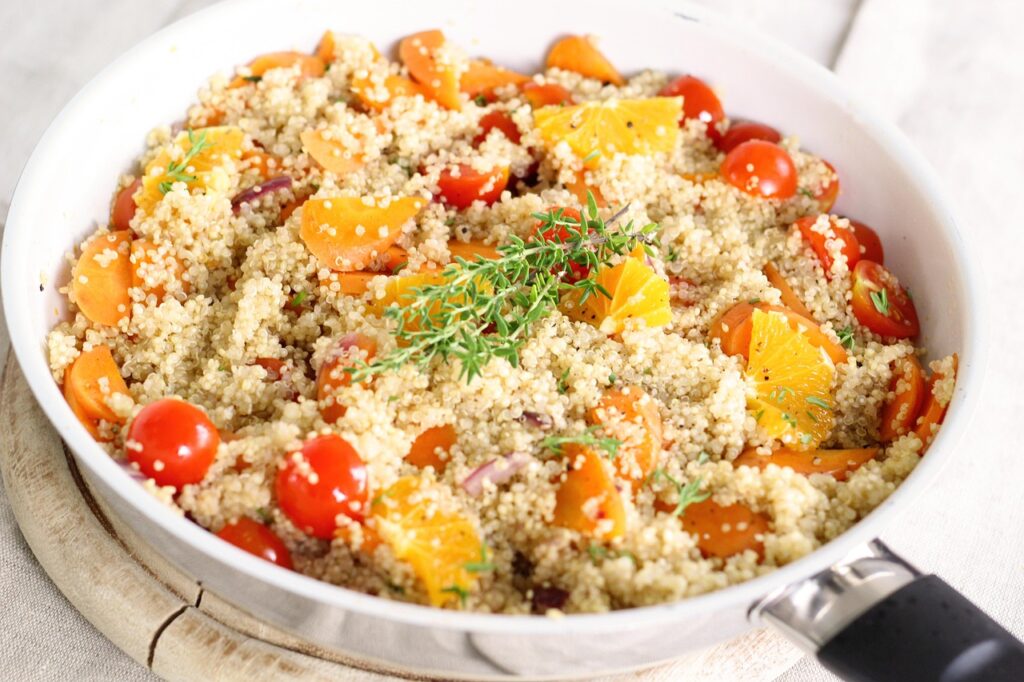
Grain bowls promise nutrition, but grains alone are often bland and dry. Sauce transforms them by adding flavor where seasoning alone falls short. Whole grains have chewy textures that benefit from moisture and acidity. Sauce also helps unify toppings like vegetables, proteins, and seeds that otherwise feel scattered. Warm grains absorb sauce gradually, improving flavor over time. Without sauce, grain bowls can feel like separate components eaten together. With it, the bowl becomes intentional and satisfying rather than virtuous but dull. The right sauce also keeps each bite consistent from the first spoonful to the last.
7. Fish Tacos
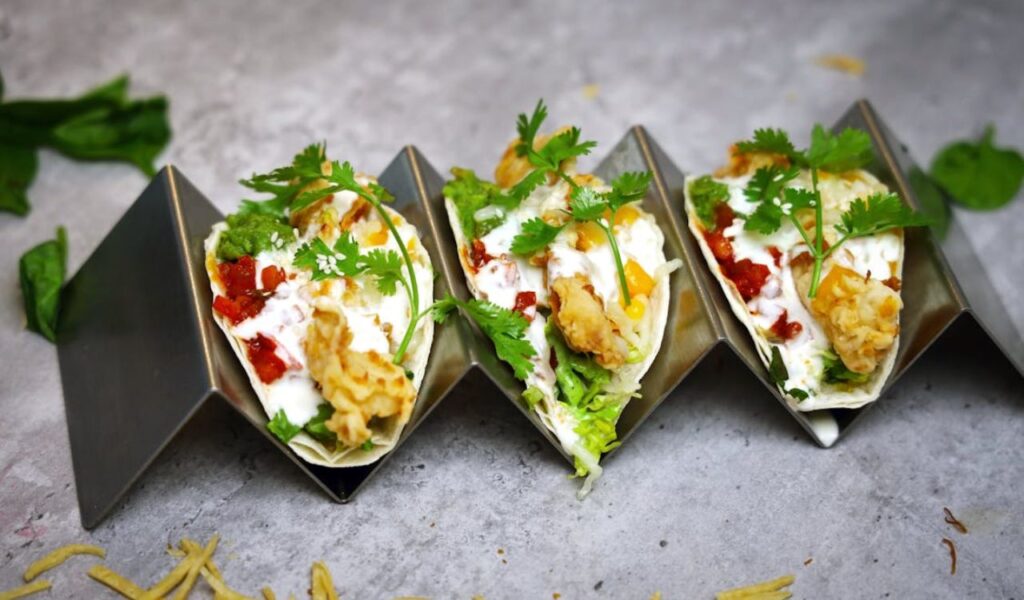
Fish tacos depend heavily on sauce because fish cooks quickly and contains delicate flavors. Once removed from the heat, fish lose moisture fast. Sauce restores balance by adding creaminess or brightness that complements rather than competes. Acidic sauces cut through oiliness, while creamy ones soften spice and salt. Tortillas absorb sauce slightly, preventing dryness and improving texture. Without sauce, fish tacos feel incomplete and brittle. With the right one, they become cohesive, juicy, and easy to enjoy in every bite. Sauce also helps carry seasoning evenly across the fish and toppings. It turns separate elements into a unified, satisfying mouthful.
8. Chicken Tenders
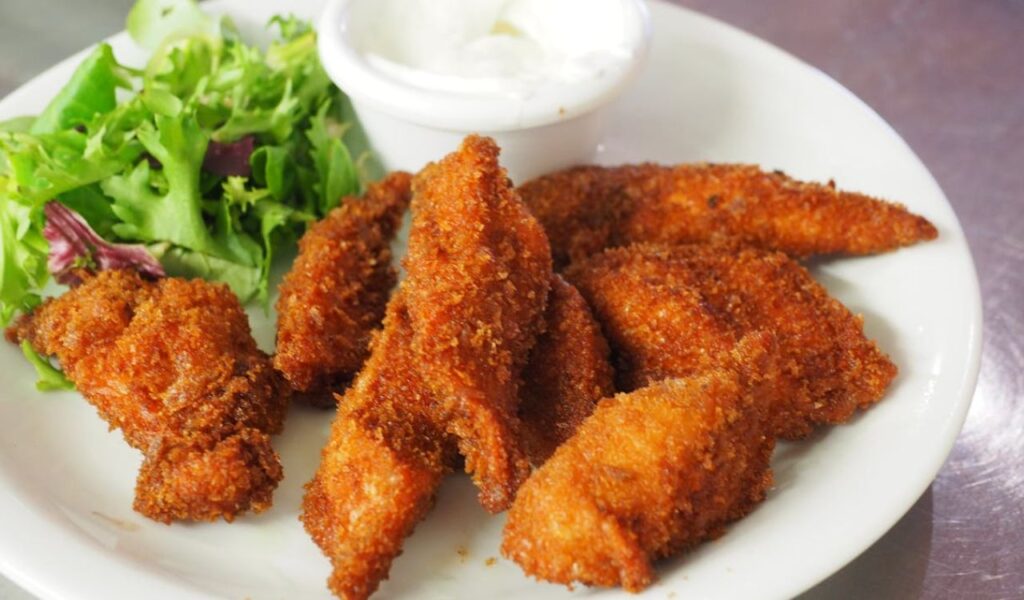
Chicken tenders are designed for dipping, not eating plain. Breaded coatings need moisture to prevent dryness and bring out seasoning. Sauce provides contrast by adding acidity, sweetness, or spice. It also refreshes the palate between bites, preventing the fried exterior from becoming tiring. Without sauce, tenders feel one-dimensional. With it, they gain variety and balance. The dipping ritual itself enhances enjoyment, making sauce an essential part of the experience rather than an afterthought. Different sauces allow the same tenders to feel like multiple meals. This flexibility is what keeps them appealing beyond the first few bites.
9. Stuffed Pita
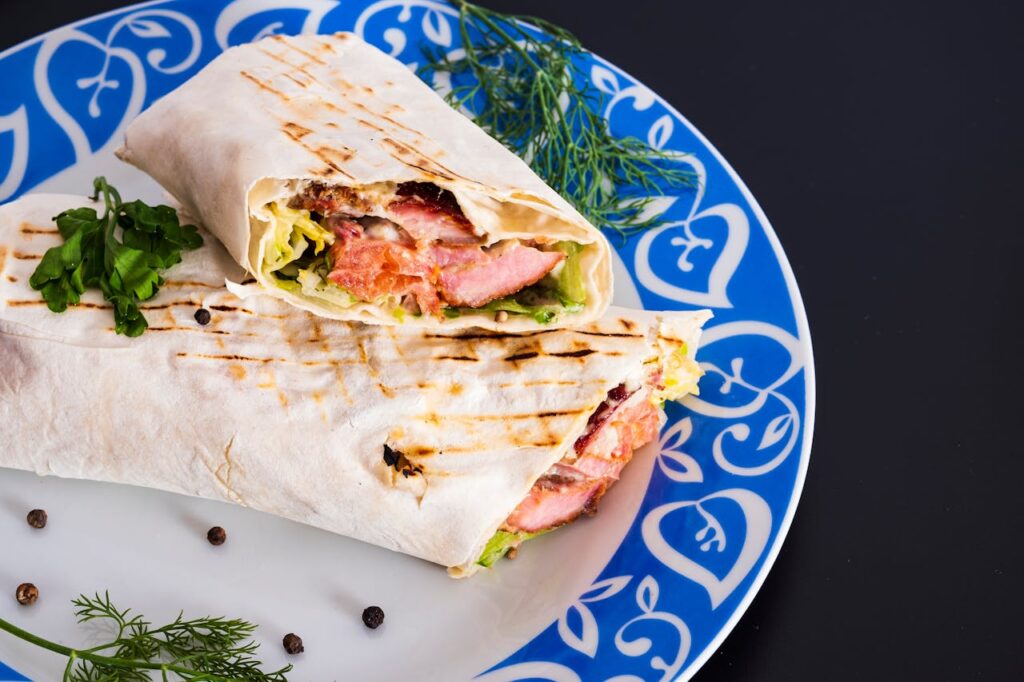
Stuffed pitas pack many ingredients into a small space, which makes sauce essential for cohesion. Dense breads and fillings can feel dry without added moisture. Sauce spreads easily inside the pocket, coating ingredients evenly. It prevents choking, dryness, and enhances flavor distribution. In vegetable pitas, sauce replaces missing fats. In meat-filled ones, it balances salt and spice. Without sauce, the pita feels heavy and clumsy. With it, every bite feels intentional and satisfying. Sauce also prevents ingredients from falling out or separating as you eat. It keeps the pita structured while improving comfort.
10. Cold Noodle Bowl
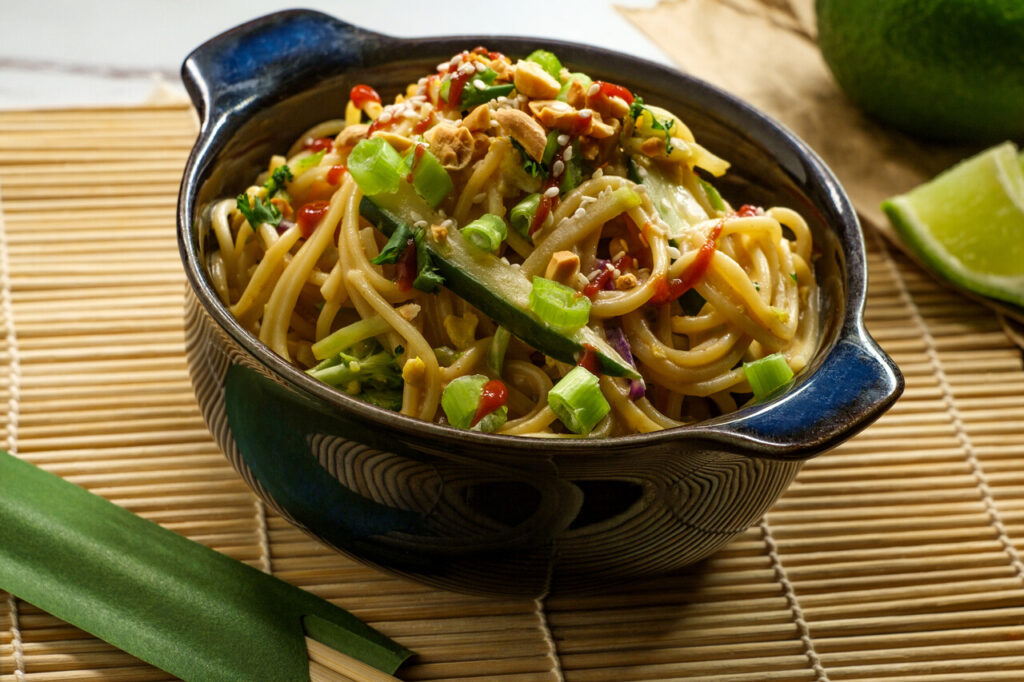
Cold noodles mute flavors more than hot dishes, making sauce critical. Cold temperatures dull salt and aroma, so the sauce must work harder to deliver flavor. Oil-based sauces prevent noodles from sticking, while acids brighten the dish. Sauce also provides consistency, ensuring each bite tastes complete. Without it, cold noodles feel slippery and bland. With it, they feel refreshed, structured, and balanced. Sauce is the difference between a bowl that feels unfinished and one that feels thoughtfully prepared. It also gives the dish identity rather than neutrality. Without sauce, cold noodles lack direction.
11. Baked Potato
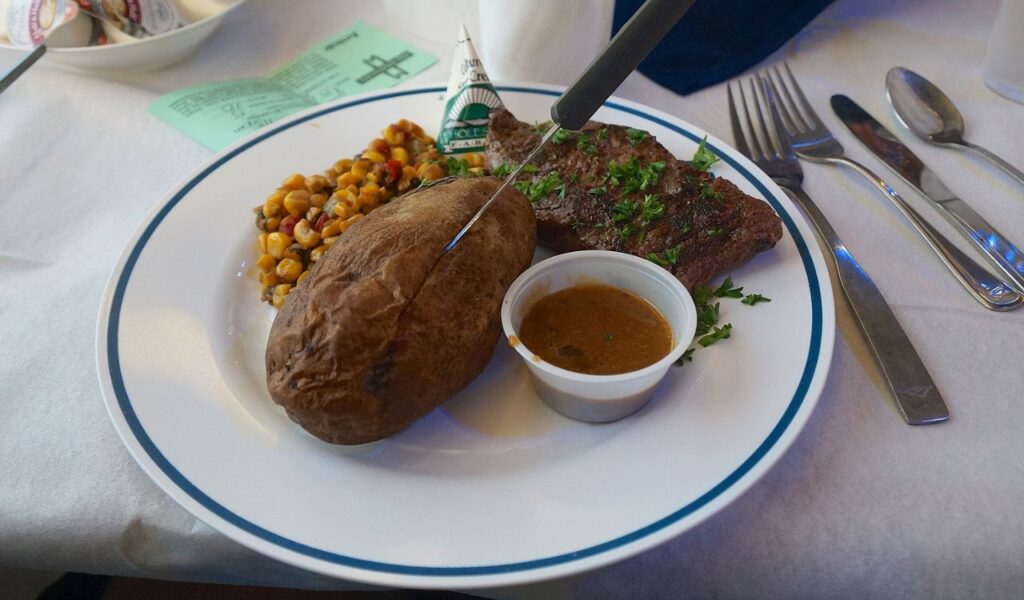
A baked potato is essentially a blank canvas. Its fluffy interior is dry by design, relying on toppings to add richness. Sauce melts into the potato, seasoning it throughout rather than sitting on top. Fat adds comfort, salt enhances aroma, and acidity prevents heaviness. Without sauce, potatoes feel starchy and incomplete. With it, they become deeply satisfying. Sauce turns a plain baked potato from filler into a proper lunch. It ensures every forkful tastes seasoned, not just the surface. This is what transforms simplicity into satisfaction. A well-chosen sauce also keeps the potato from feeling monotonous halfway through the meal.