10 Award Winning Soups Stews and Chilis That Somehow Miss the Mark

Awards and trophies suggest perfection, but soup tells a different story once it reaches the table. Many prizewinning soups, stews, and chilis are built to impress judges in a single spoonful, not to comfort someone through an entire bowl. In the pursuit of intensity, richness, or technical mastery, balance often gets lost. Salt creeps higher, textures grow heavier, and subtle ingredients fade into the background. What wins applause in a competition can feel tiring, overwhelming, or strangely unsatisfying at home. These dishes prove that warmth, restraint, and harmony matter just as much as skill when it comes to truly great soup.
1. Truffle Mushroom Soup
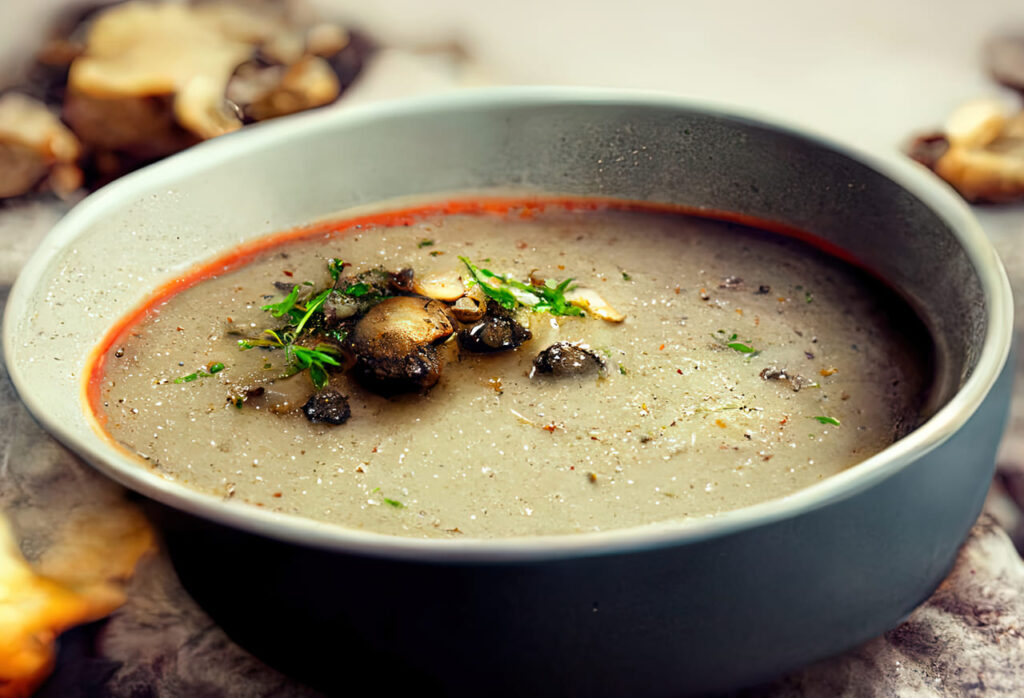
Truffle mushroom soup often earns awards for its perceived luxury, but that same luxury can overwhelm the dish. Truffle oil is frequently overused, masking the earthy flavor of mushrooms instead of enhancing it. The aroma can be intense, but the taste often turns flat and artificial after a few spoonfuls. Cream heavy bases dull the freshness and make the soup feel heavy early in a meal. Mushrooms themselves lose texture when fully pureed, leaving little contrast. What should feel grounded and comforting becomes perfumed and tiring, impressing judges briefly while leaving diners wishing for restraint.
2. Gourmet Beef Stew
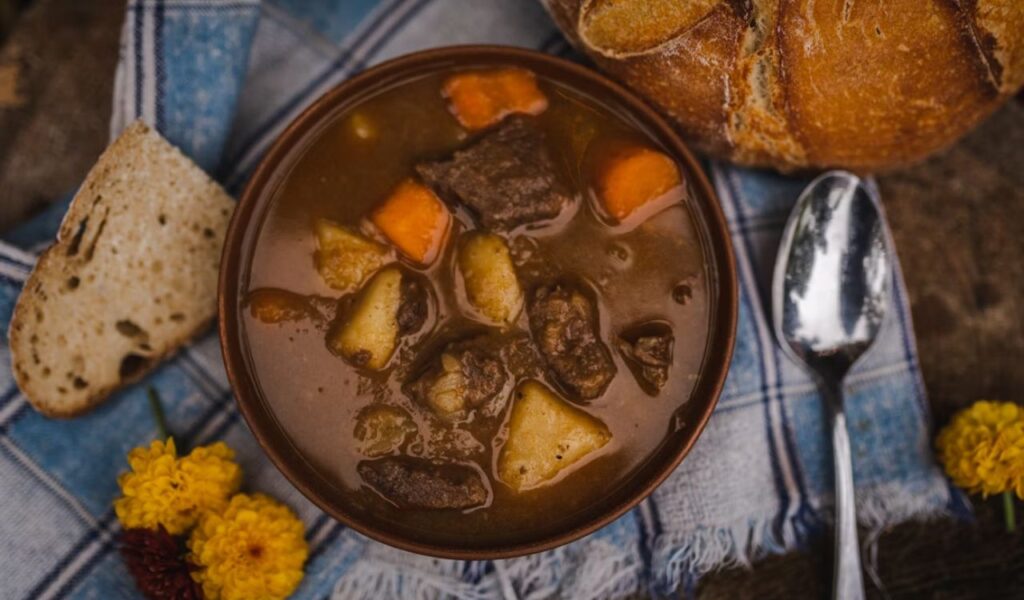
Gourmet beef stew often earns praise for technique, yet misses the emotional mark that stew is meant to hit. In upscale versions, the focus shifts to presentation and refinement, sometimes at the expense of warmth and depth. Meat may be cut too small or cooked just enough to be tender but not comforting. Vegetables are often added late to preserve color, which prevents them from contributing fully to the broth. Wine heavy bases can dominate the flavor, making the stew feel sharp rather than soothing. Portions are usually restrained, which clashes with the expectation of stew as a filling, slow-cooked meal.
3. Classic Clam Chowder
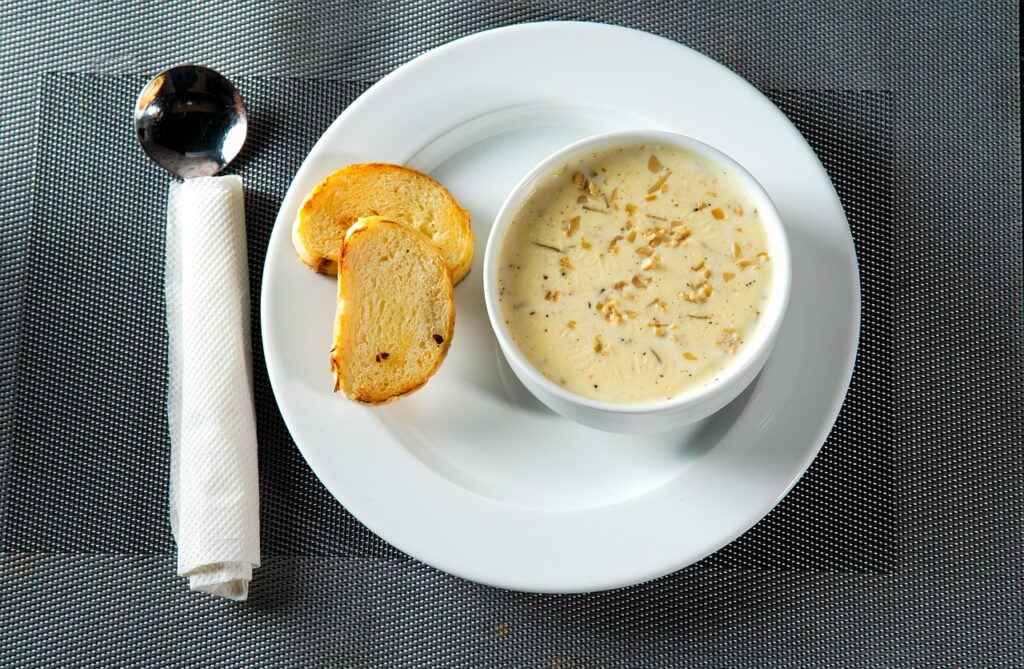
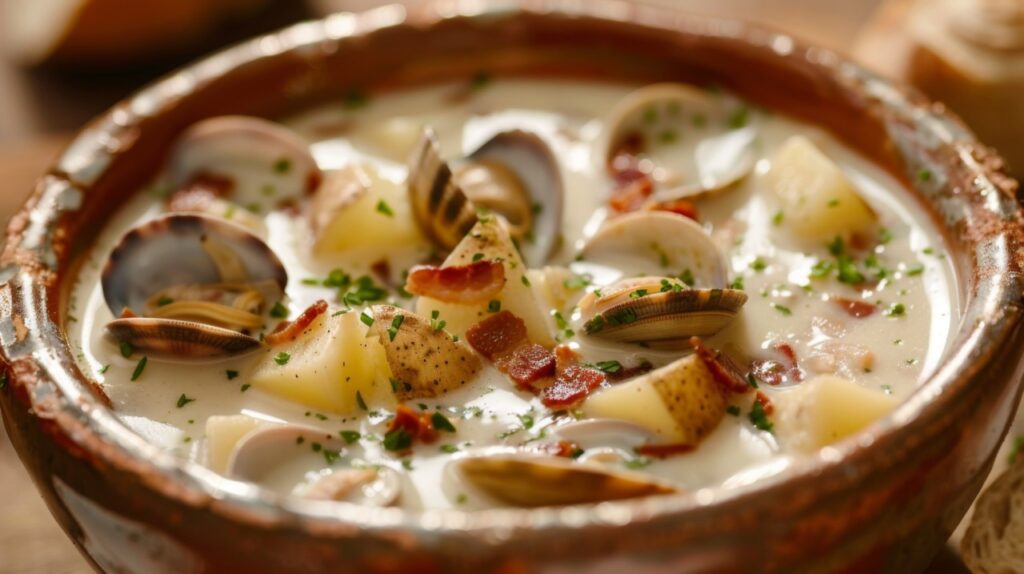
Clam chowder frequently wins awards for richness, but that richness can become its downfall. Many versions lean too heavily on cream, masking the natural brininess of the clams. Potatoes may be cut unevenly, resulting in a mix of mushy and undercooked bites. When bacon or salt pork is overused, it overwhelms the delicate seafood flavor rather than supporting it. Thickening agents can turn the soup gluey, especially as it cools. Chowder should feel balanced and coastal, but award-driven versions often chase indulgence instead. The final bowl may feel heavy and monotonous rather than fresh and comforting.
4. French Onion Soup

French onion soup is admired for its patience and depth, yet it often disappoints once served. Proper caramelization takes time, but many versions rush the process or overcompensate with sugar, leading to sweetness without complexity. Broth can taste thin beneath the onions, especially if it relies on shortcuts instead of long simmering. The cheese topping, while visually appealing, frequently overwhelms the soup, creating a greasy layer that distracts from the broth. Soggy bread beneath the cheese can add an unpleasant texture. While it looks impressive and wins praise, French onion soup can feel one-note after a few spoonfuls.
5. Restaurant Ramen
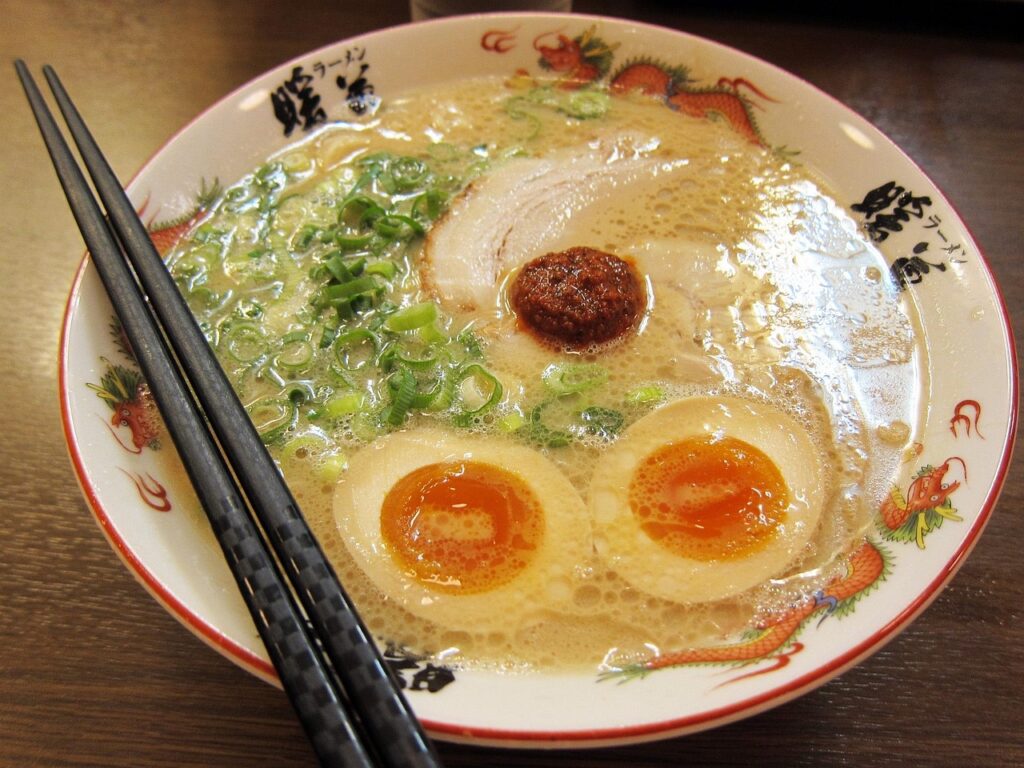
Restaurant ramen regularly earns awards for craft, but that craftsmanship does not always equal enjoyment. Broths are often pushed to extremes, simmered for so long that they become overly dense and salty. Fat heavy tonkotsu styles can coat the mouth, making it hard to finish a full bowl. Noodles may be perfectly cooked at first, then quickly turn soft as the broth cools. Toppings are often minimal and decorative, leaving the soup feeling unbalanced. Ramen shines when harmony exists between broth, noodles, and garnish. Award-focused versions sometimes favor intensity over balance, resulting in a bowl that impresses early but exhausts quickly.
6. Traditional Gumbo
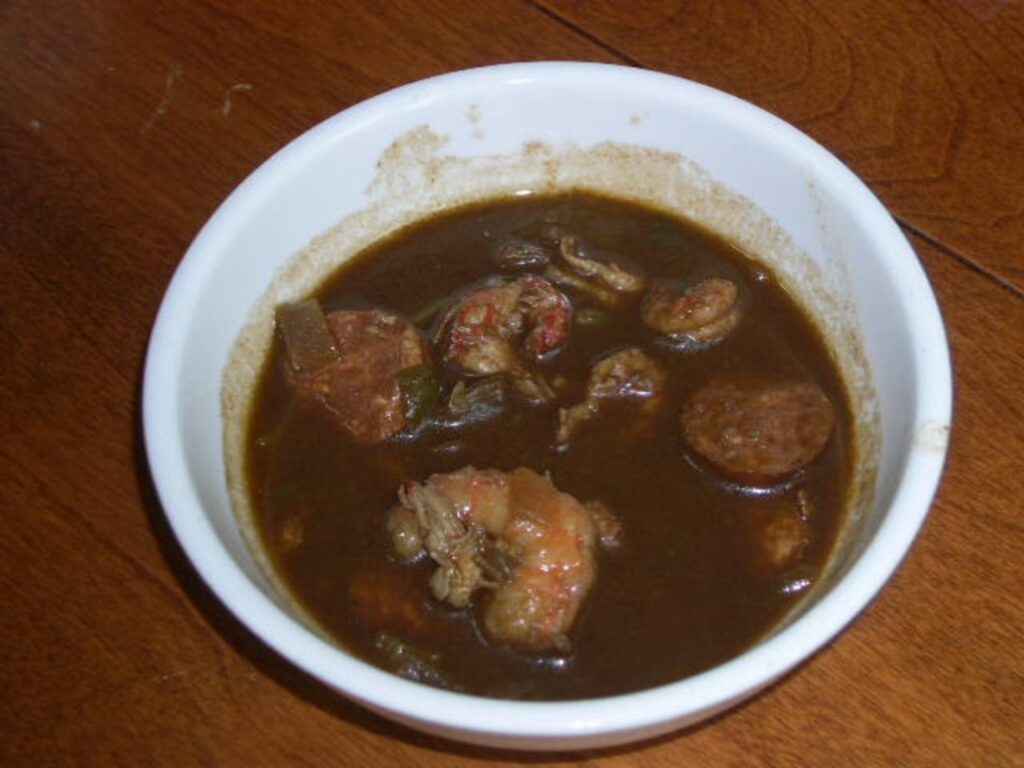
Gumbo is deeply rooted in tradition, which makes award-winning versions tricky. Judges often reward dark roux and bold seasoning, but taken too far, these elements can dominate the dish. Overcooked roux can taste bitter rather than nutty. Too many proteins compete for attention, blurring distinct flavors. Gumbo should be layered and gradual, but competition versions often feel aggressive. Texture can suffer when ingredients cook at different rates, leading to rubbery seafood or mushy vegetables. While technically impressive, these gumbos may lack the warmth and rhythm of home-cooked versions that simmer patiently and gently.
7. Lobster Bisque
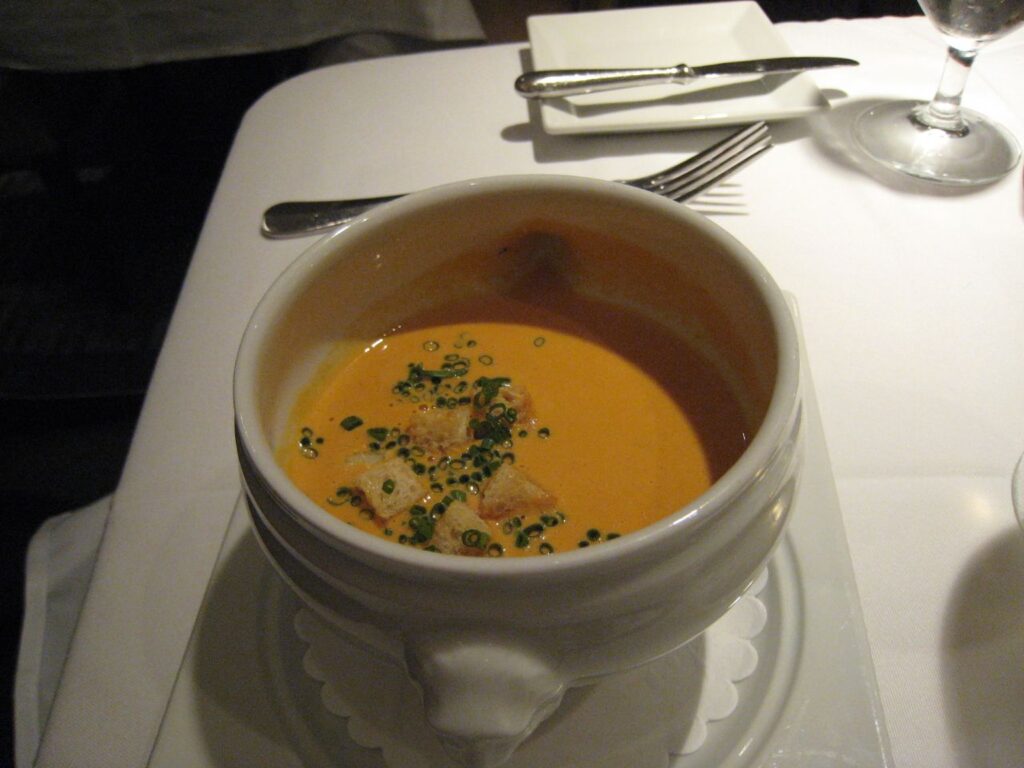
Lobster bisque is synonymous with luxury, but awards often push it toward excess. Heavy cream, butter, and alcohol can overshadow the natural sweetness of lobster. Many bisques rely more on shells than meat, resulting in depth without substance. Pureeing creates a silky texture, but it can also remove contrast, making every spoonful feel identical. When strained too finely, bisque loses character and becomes overly refined. A dish meant to feel indulgent can end up feeling flat and overly rich. What dazzles judges often leaves diners wishing for simplicity and clearer flavor. Without texture or visible lobster pieces, the experience can feel detached from the ingredient it celebrates.
8. Hearty Minestrone
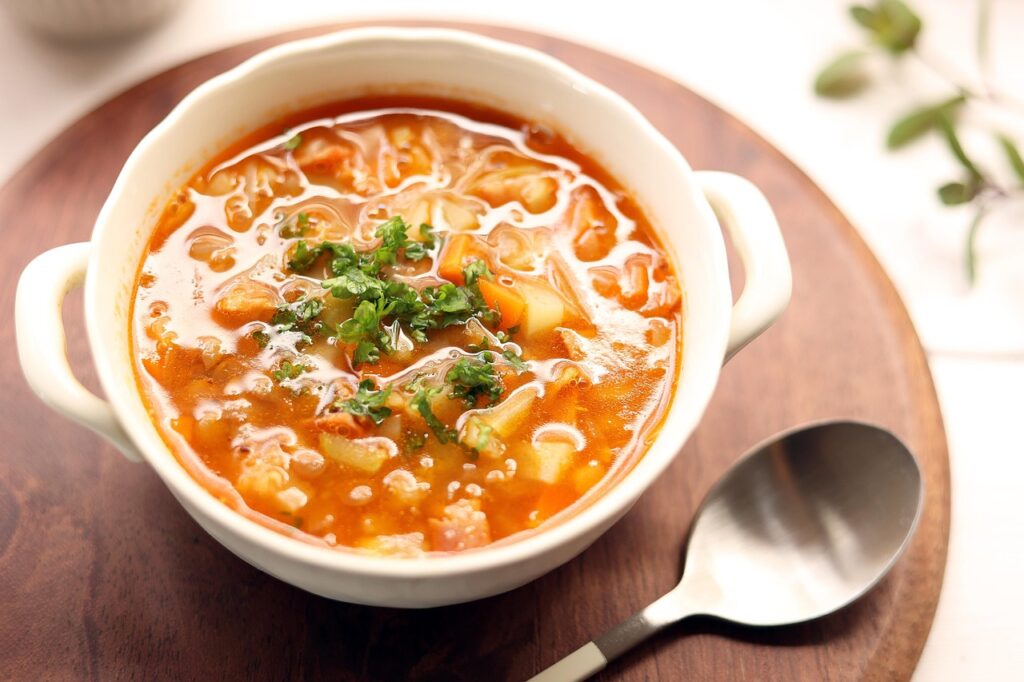
Minestrone wins praise for abundance, yet that abundance can be its weakness. Award-winning versions often include too many vegetables, beans, and pasta competing for space. Broth becomes crowded, preventing any single ingredient from standing out. Vegetables may be cooked separately for precision, which limits their contribution to the overall flavor. Herbs added too late feel sharp rather than integrated. Minestrone thrives on gradual melding, not precision plating. When judged for complexity instead of harmony, it can feel busy and unfocused, lacking the comfort expected from a rustic soup.
9. Chicken Noodle Soup
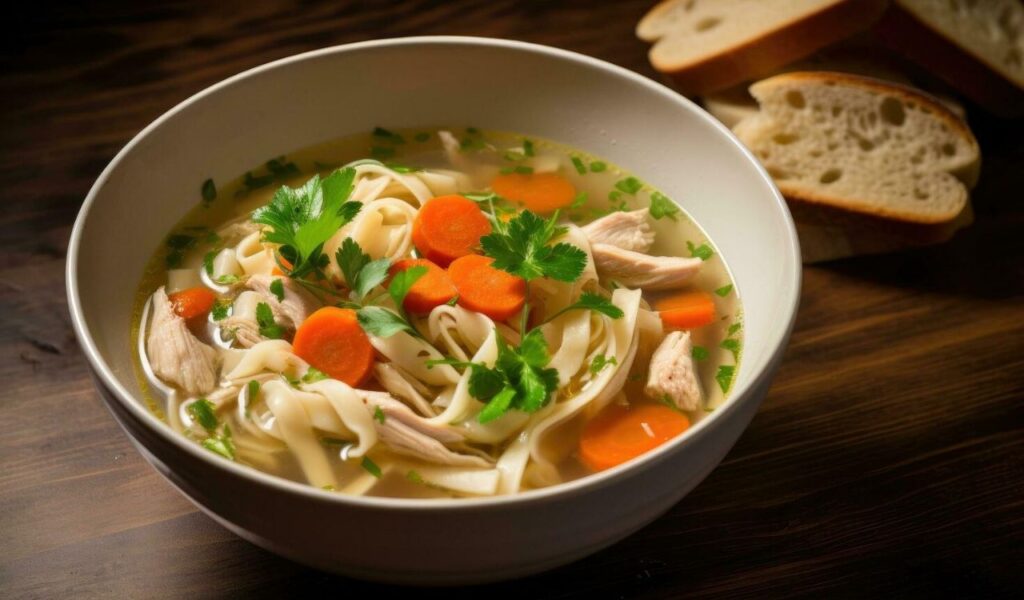
Chicken noodle soup seems simple, but award-winning versions often overthink it. Broths can be overly clarified, stripping away richness. Noodles are sometimes cooked separately and added later, preventing them from absorbing flavor. Chicken may be treated delicately, resulting in bland bites. Excess garnishes and herbs distract from the core experience. This soup’s strength lies in familiarity and warmth, not refinement. When pushed toward elegance, it loses the soul that makes it comforting during cold days or illness. The result can taste clean but emotionally hollow. It often feels more like a showcase of technique than the soothing bowl people actually crave.
10. Braised Short Rib Stew
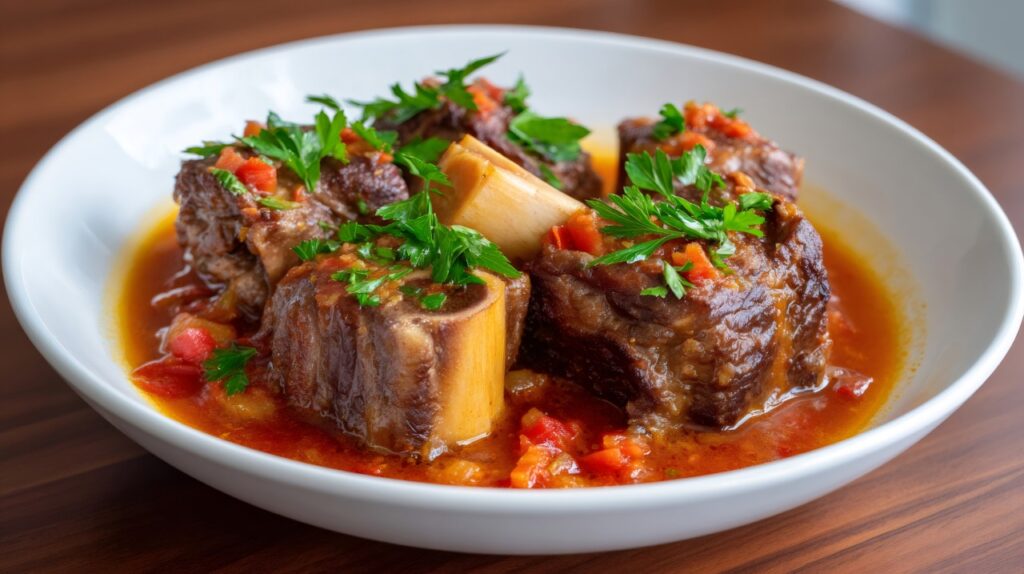
Braised short rib stew often earns accolades for depth, but it can miss the mark as a stew. Short ribs release large amounts of fat and gelatin, which can make the broth heavy and cloying if not carefully balanced. Meat may be tender but overly rich, dominating every bite. Long reductions intensify flavor but reduce freshness, leaving the stew tasting dark and repetitive. Vegetables added late lack integration, while those added early dissolve completely. What works beautifully in small portions can feel overwhelming in a full bowl. Award-winning technique does not always translate into everyday comfort.