10 Grocery Products That Spoil Faster Than They Ever Should

Some groceries barely make it from the store to your fridge before they start going downhill. You plan meals, organize shelves, and swear this time will be different, yet somehow the food still spoils faster than expected. The problem usually is not your fridge or your habits. Certain foods are simply fragile by nature. High moisture, delicate cell structures, active enzymes, and exposure to air all speed up deterioration long before an expiration date matters. Add modern supply chains, temperature swings during transport, and packaging that traps condensation, and the countdown gets even shorter. Knowing which items are most vulnerable helps set realistic expectations and can save money, time, and frustration. These are the grocery products that spoil far quicker than they reasonably should, even when you think you are doing everything right.
1. Fresh Berries
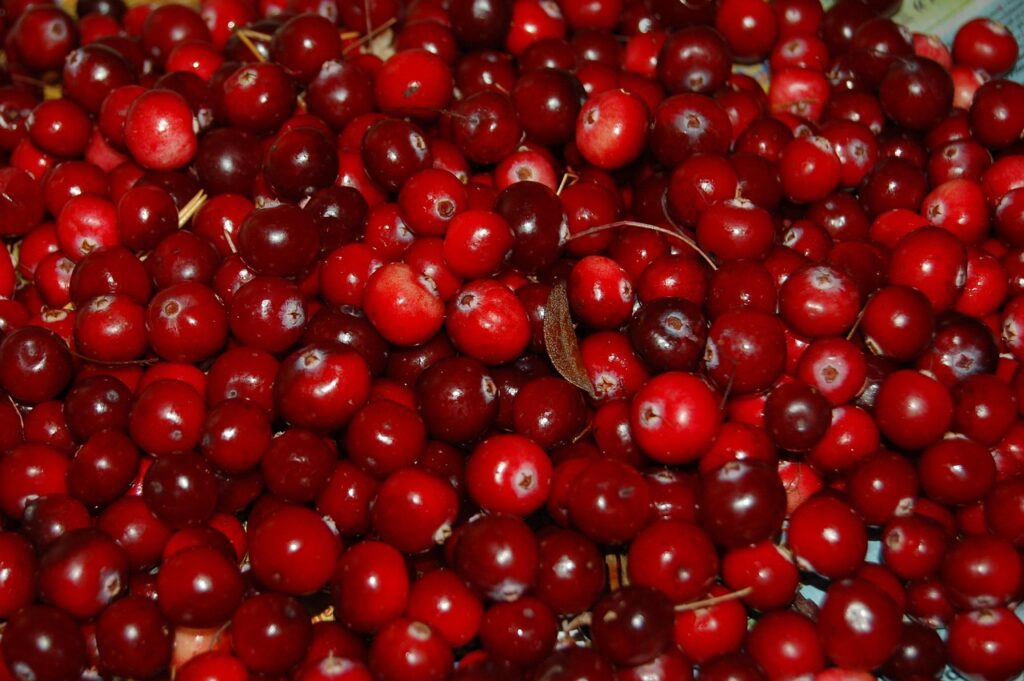
They look sturdy sitting in that clear plastic box, but fresh berries are some of the most fragile foods you can bring home. Strawberries, raspberries, blueberries, and blackberries all have extremely thin skins and high water content, which makes them a perfect target for mold and rapid breakdown. Even one bruised berry can release moisture and sugars that speed spoilage across the entire container. Another issue is that berries are often harvested before full ripeness and then handled multiple times during transport. By the time they reach your fridge, their clock is already ticking. Refrigeration slows the process but does not stop it, especially if condensation builds up inside the container. Washing them too early makes things worse, since added moisture accelerates decay. This is why berries can look perfectly fine one day and suddenly be fuzzy or leaky the next. Their short lifespan is not about poor quality. It is simply biology working against them.
2. Leafy Greens
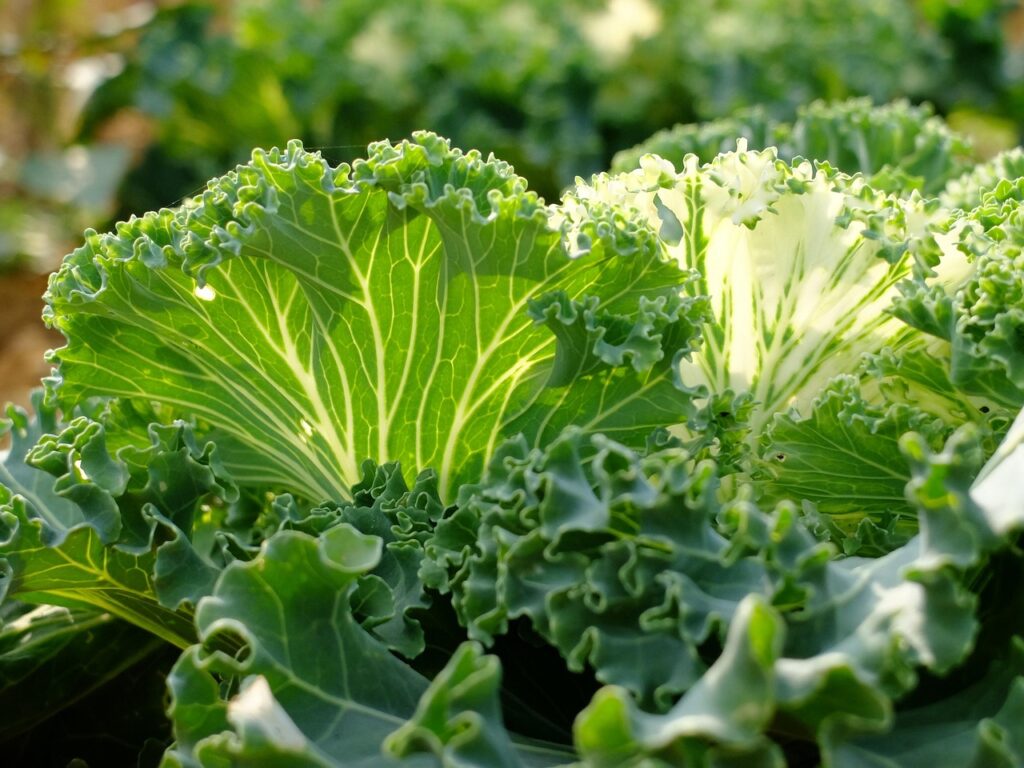
Leafy greens spoil fast because they are still very much alive when you buy them. Lettuce, spinach, arugula, and spring mix continue to respire after harvest, meaning they are constantly losing moisture and breaking down at a cellular level. Every time the bag is opened, oxygen rushes in and speeds that process. Moisture is another major factor. Too much humidity causes sliminess, while too little leads to wilting and browning. Many packaged greens sit right in the danger zone between the two. Temperature swings during transport and storage also damage delicate leaves, even if you cannot see it right away. Once cell walls weaken, bacteria multiply quickly. This is why greens often collapse into a soggy mess long before the printed date. They are not failing because of bad handling at home alone. They are simply one of the most perishable foods in the store.
3. Fresh Herbs
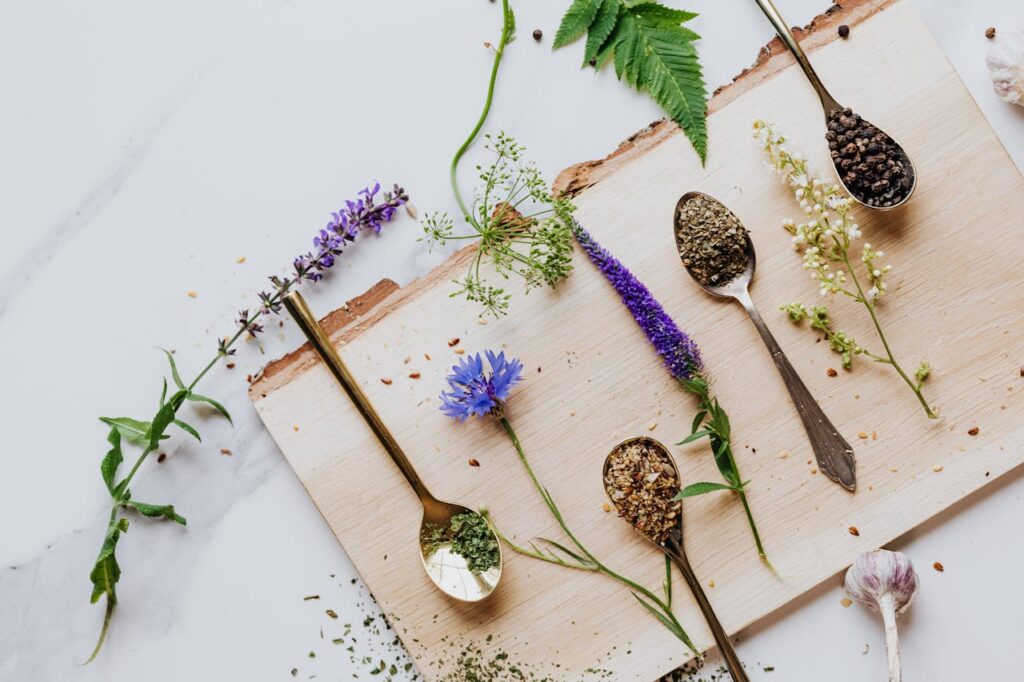
Fresh herbs promise big flavor, but they rarely last long enough to deliver it. Soft herbs like cilantro, parsley, basil, and dill have tender stems and thin leaves that lose moisture rapidly. Once cut, they no longer have roots to regulate hydration, which means dehydration and decay happen quickly. Basil is especially tricky because it reacts poorly to cold temperatures, often turning black in the fridge. Other herbs suffer when trapped in plastic, where condensation encourages rot. Even when stored carefully, herbs are sensitive to light, temperature, and airflow. Another overlooked issue is that herbs are often bundled tightly, trapping damaged leaves against healthy ones. That speeds up spoilage fast. The result is a bunch that looks usable at first glance but collapses within days. Fresh herbs are not unreliable. They just require conditions that most home kitchens struggle to provide consistently.
4. Avocados
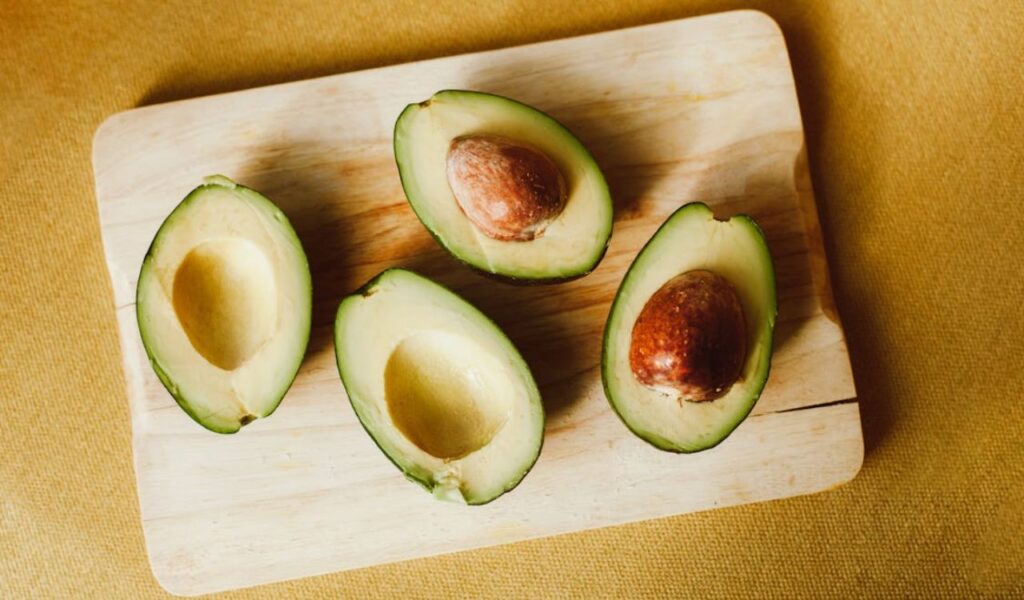
Avocados feel sturdy, but their ripening process is aggressive and unforgiving. Once they reach peak ripeness, the window between perfect and spoiled is incredibly short. This happens because avocados produce ethylene gas, a natural ripening hormone that accelerates internal breakdown. When stored with other ethylene-producing fruits, that process speeds up even more. Inside the avocado, fats begin to oxidize, leading to browning and off flavors. Temperature also plays a role. Cold slows ripening but can cause uneven texture, while room temperature pushes them past their prime quickly. Bruising during transport often goes unnoticed until the flesh turns brown inside. This is why avocados seem to betray you overnight. The spoilage feels sudden, but it is actually the final stage of a fast and unstoppable ripening cycle.
5. Mushrooms
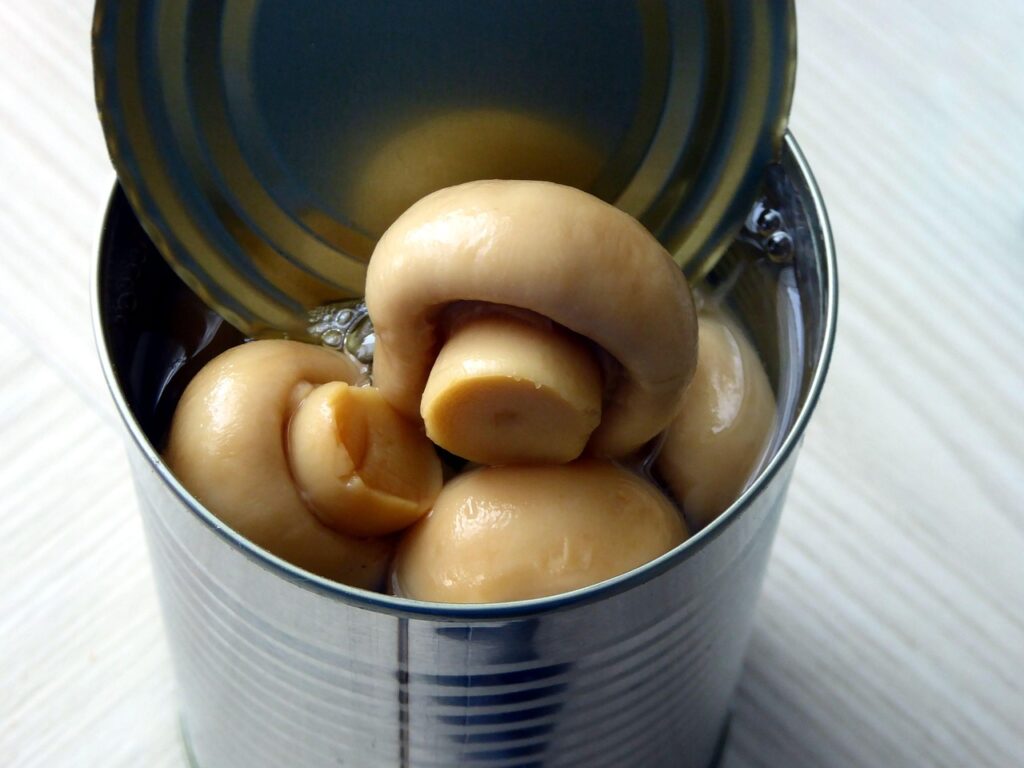
Mushrooms spoil quickly because they are not technically vegetables at all. They are fungi, which means they behave differently in storage. Mushrooms contain a high amount of water and have a sponge-like structure that absorbs moisture from the air. When stored in plastic, trapped humidity causes them to become slimy and promotes bacterial growth. At the same time, mushrooms continue to respire after harvest, breaking down internally. Exposure to light and heat speeds that process. Another issue is that mushrooms bruise easily, and damaged areas deteriorate faster than intact ones. Even refrigeration only buys a few extra days. Once they begin to soften or darken, spoilage moves quickly. Their rapid decline is not a flaw in packaging or freshness alone. It is the nature of how fungi break down once harvested.
6. Soft Cheeses
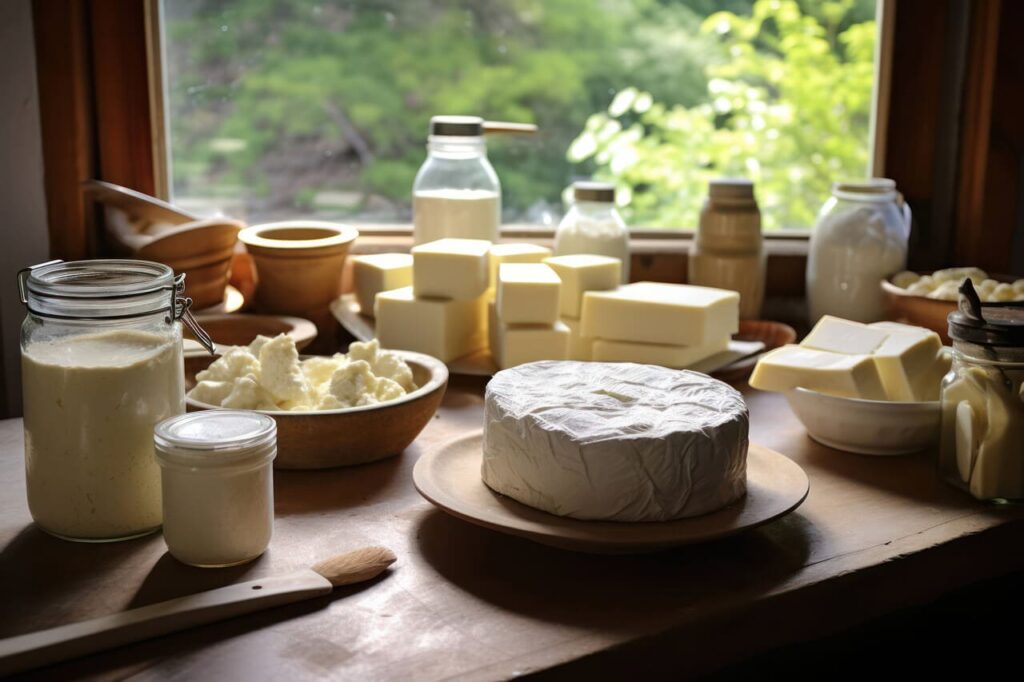
Soft cheeses are rich, creamy, and highly perishable by design. Cheeses like brie, ricotta, cottage cheese, and goat cheese contain more moisture than hard cheeses, which makes them an ideal environment for mold and bacteria once opened. While some molds are intentionally introduced during production, others are not welcome and can spread rapidly. Exposure to air is a major factor. Each time the container is opened, oxygen encourages microbial growth. Temperature fluctuations also matter, especially if the cheese sits near the fridge door. Another issue is cross-contamination. Using the same utensil twice can introduce bacteria that shorten shelf life dramatically. Even when stored properly, soft cheeses are meant to be eaten quickly. Their delicate structure simply does not support long-term storage once packaging is breached.
7. Fresh Fish and Seafood
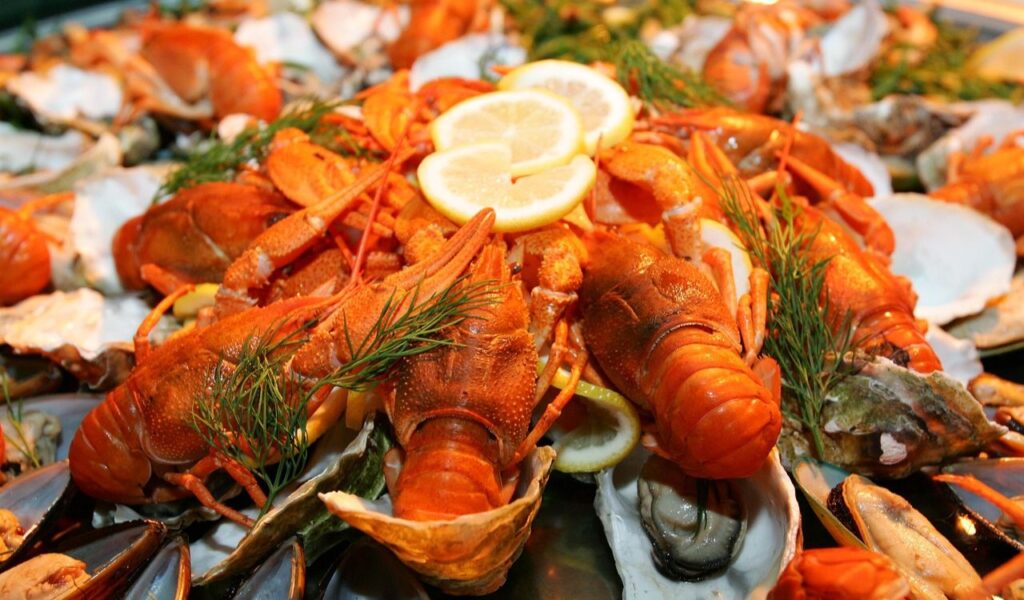
Fresh fish and seafood spoil faster than almost any other grocery item because of their protein structure and moisture content. Fish muscle fibers break down quickly after harvest, and naturally occurring enzymes continue working even at cold temperatures. Bacteria that thrive on seafood multiply rapidly if temperature control slips even slightly. This is why freshness depends heavily on how quickly the fish is chilled after being caught. Any delay shortens shelf life significantly. Smell is often the first warning sign, but texture changes come quickly after. Shellfish and shrimp are especially sensitive because their surfaces trap moisture and bacteria easily. Even in a well-regulated fridge, seafood usually has a narrow window of safe use. This rapid spoilage is not a failure of storage alone. It reflects how biologically delicate seafood is once removed from its natural environment.
8. Fresh Juices
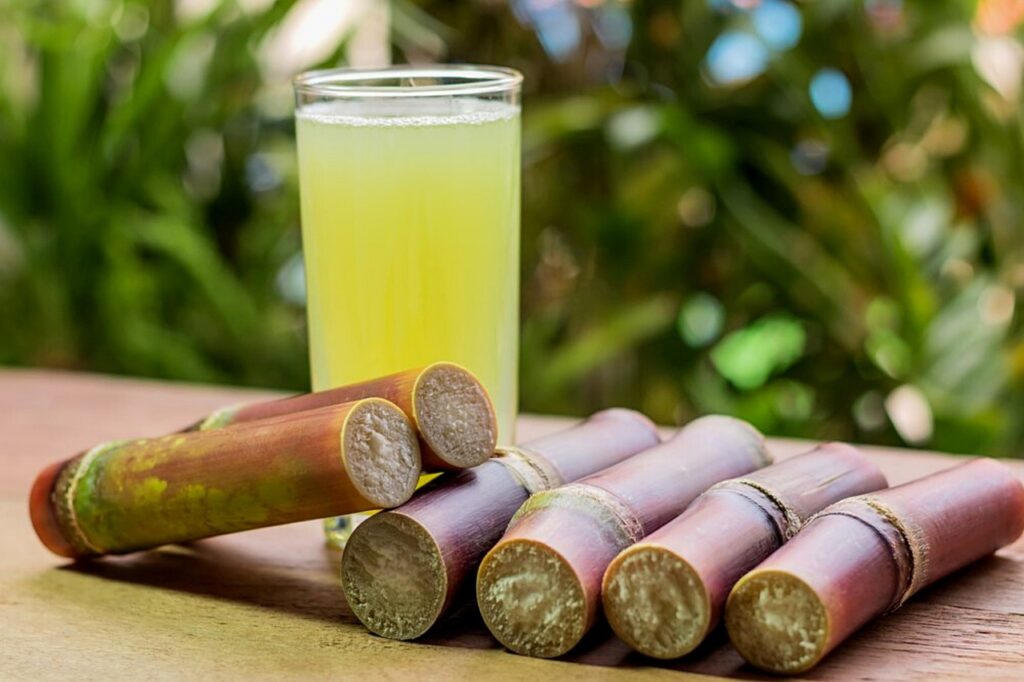
Fresh juices spoil fast because they lack the preservatives and heat treatments that extend shelf life. Unpasteurized or lightly processed juices still contain natural enzymes and microorganisms that continue breaking down sugars and nutrients. Once exposed to air, oxidation begins immediately, dulling flavor and encouraging fermentation. Refrigeration slows this process, but cannot stop it. Separation, cloudiness, and sour notes often appear within days. Another issue is that juices made from fruits and vegetables with high sugar content provide an ideal environment for yeast and bacteria. Even store-bought cold-pressed juices face this challenge. The short shelf life is not a quality issue. It is the tradeoff for minimal processing and fresher flavor.
9. Cooked Rice and Pasta
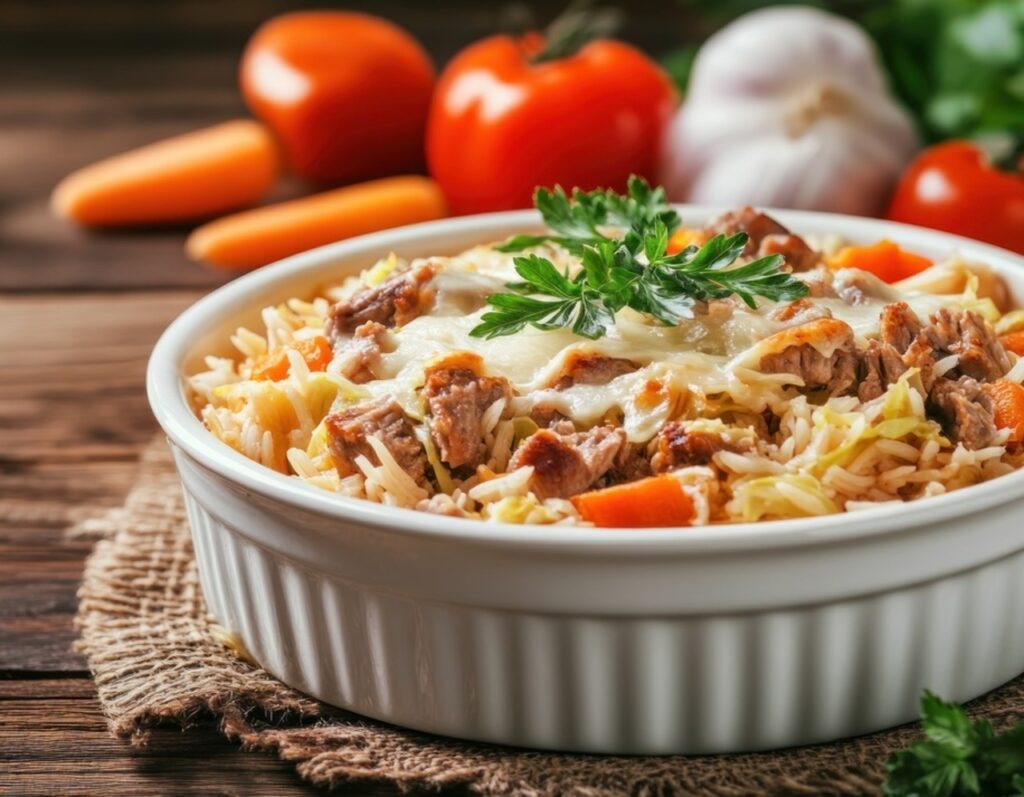
Cooked rice and pasta spoil faster than most people expect because starches are a breeding ground for bacteria once hydrated. When rice or pasta cools slowly, bacteria can multiply rapidly, even before refrigeration. Improper storage creates ideal conditions for spoilage and food safety risks. Moisture retention is another problem. Sealed containers trap steam, which encourages bacterial growth. Refrigeration helps, but even then, cooked starches typically last only a few days. Texture degradation often appears first, followed by sour smells. This is why leftovers can turn questionable faster than proteins or vegetables. Cooked grains are safe and useful foods, but only within a narrow storage window that many people underestimate.
10. Cut Fruit
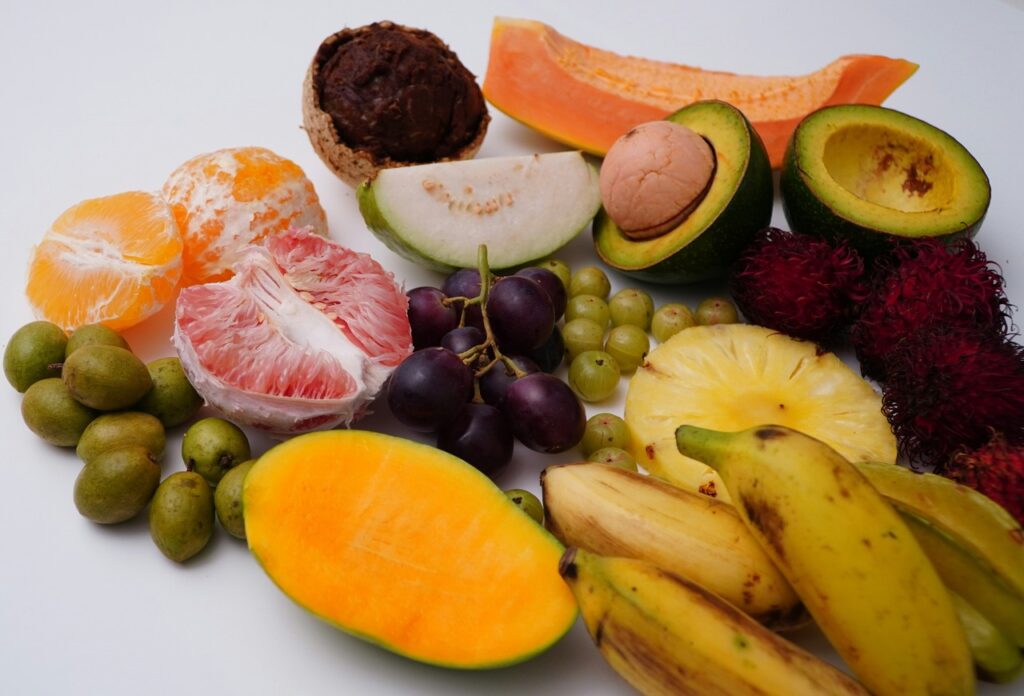
Cut fruit spoils much faster than whole fruit because protective skins are removed. Once exposed, fruit flesh releases moisture and sugars that attract bacteria and mold. Oxidation also plays a role, especially with fruits like apples, melons, and mangoes. Refrigeration slows spoilage but cannot reverse the damage caused by cutting. Pre-cut fruit also has a larger surface area, which speeds microbial growth. Another issue is that cutting tools and surfaces introduce bacteria during preparation. Even when handled carefully, cut fruit usually has only a few days of good quality left. The convenience comes at a cost. Without natural barriers, fruit breaks down quickly and unpredictably.