8 Restaurants Known for Rude Service and Even Ruder Attitudes

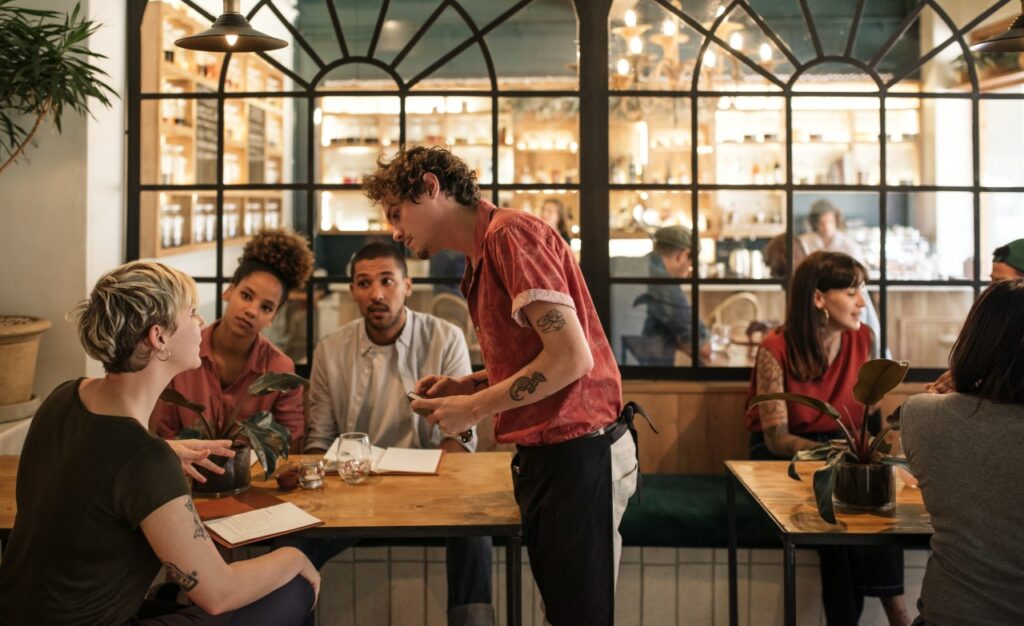
Dining out is rarely just about the food. Service shapes the mood of a meal, sets expectations, and often determines whether an experience feels memorable or uncomfortable. Around the world, some restaurants have become just as famous for their sharp attitudes as for what appears on the plate. In certain cases, the rudeness is intentional, built into the brand as entertainment. In others, it grows from tradition, efficiency, or long-standing habits that never softened with time. These restaurants continue to draw crowds despite their reputation, proving that strong flavors, history, or novelty can sometimes outweigh warmth.
1. Dick’s Last Resort
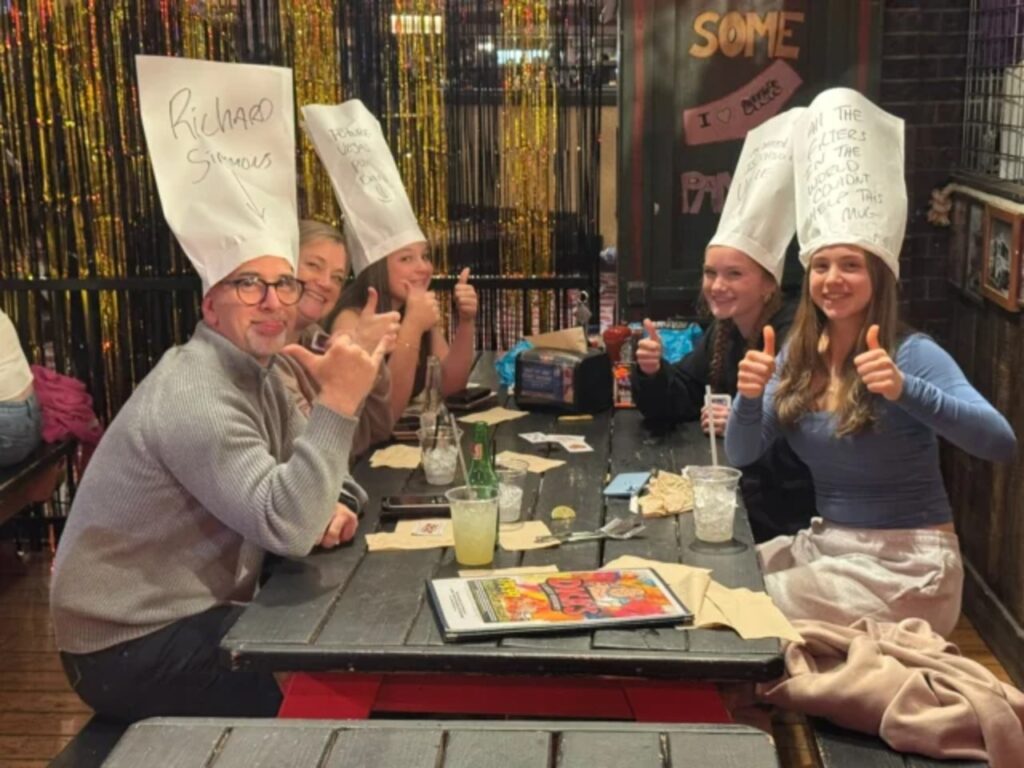
Walking into Dick’s Last Resort without context can feel like stepping into an argument you did not agree to join. The restaurant is intentionally built around rude, sarcastic service, and staff are trained to stay in character from the moment guests sit down. Insults, teasing, and public jokes are part of the experience, not a lapse in professionalism. Servers may comment on clothing, life choices, or how someone orders, often writing jokes on paper hats worn throughout the meal. For diners who expect traditional hospitality, this can feel uncomfortable very quickly. The kitchen focuses on familiar bar-style food, but the primary product is the performance itself.
2. Karen’s Diner
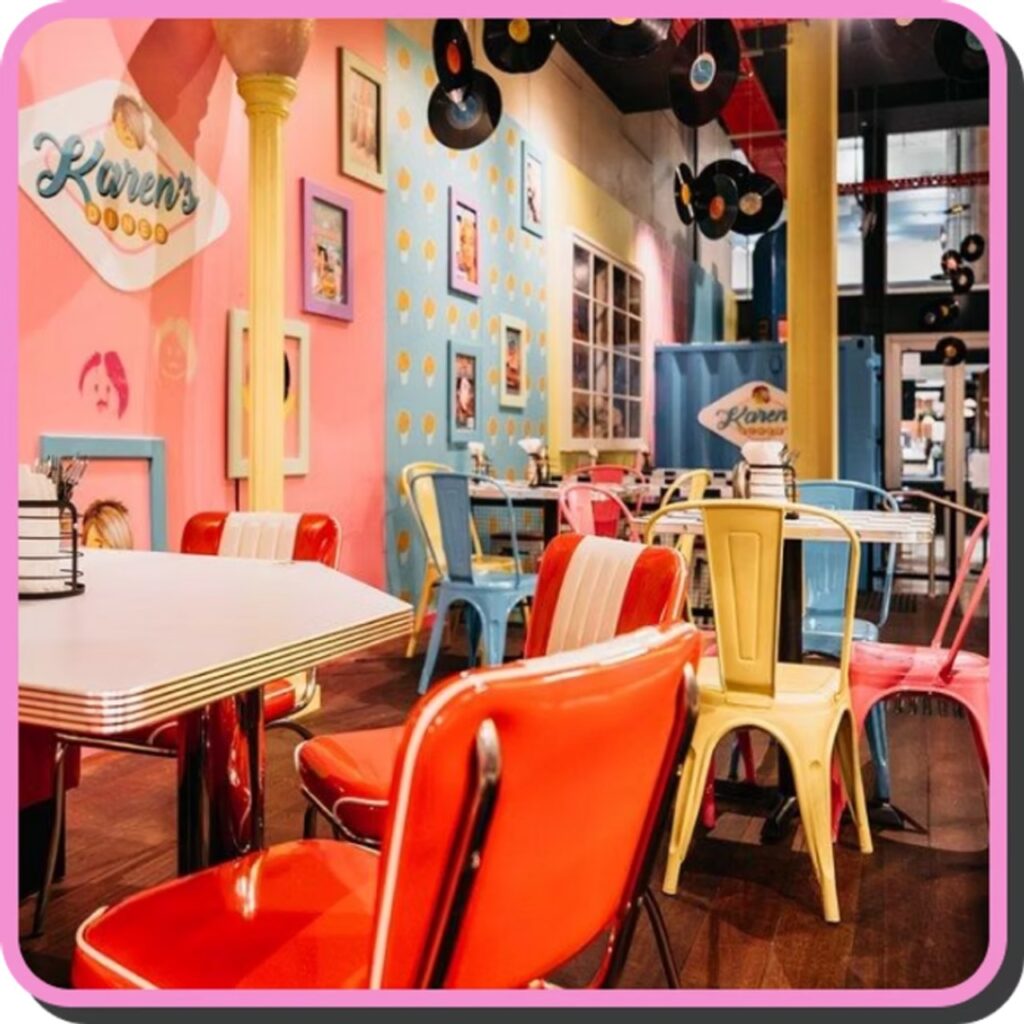
Karen’s Diner takes internet culture and turns it into a live dining experience, which can be more intense than many people anticipate. Staff are encouraged to argue, complain, roll their eyes, and openly challenge customers. Orders may be interrupted, questions mocked, and minor complaints dismissed outright. The goal is to recreate the stereotype of hostile service theatrically. For some diners, the humor lands immediately. For others, especially those unfamiliar with the concept, the tone feels aggressive rather than playful. The food is intentionally simple, keeping the focus on interaction rather than cuisine. What surprises many visitors is how relentless the attitude can be.
3. Ed DeBevic’s
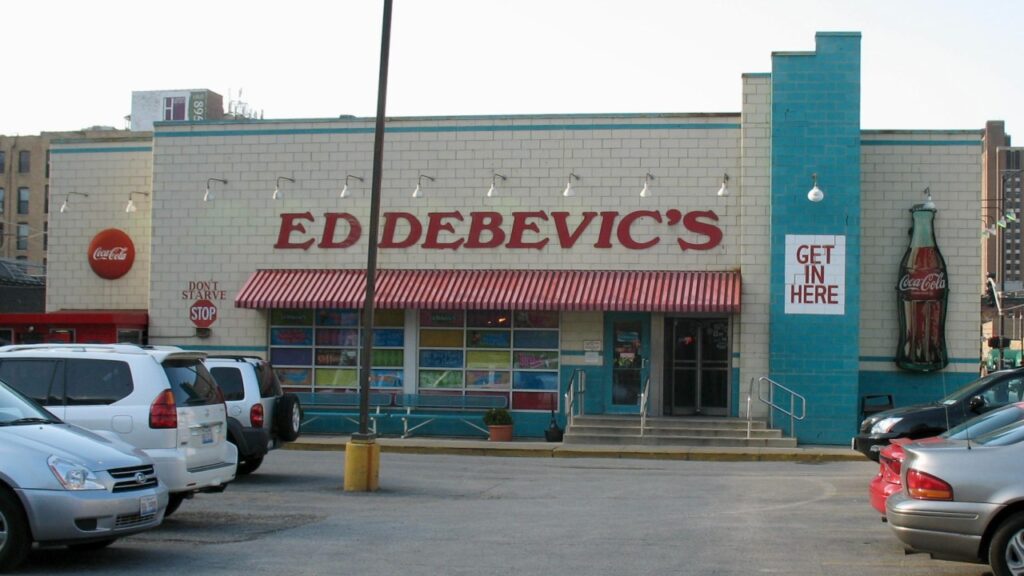
Ed DeBevic’s looks cheerful and nostalgic, but the service style can catch first-time diners off guard. Servers sing, shout, and joke loudly, often directing sarcasm at guests who hesitate or break the fast pace of service. The attitude is wrapped in humor, yet it can feel confrontational during busy periods. Orders are expected to be quick and decisive, and questions may be met with sharp replies. The restaurant thrives on energy and spectacle, not quiet enjoyment. Many guests enjoy the chaos when they know what they are walking into, but others feel rushed or spoken down to. The reputation persists because the tone is consistent across locations and years.
4. Soup Kitchen International
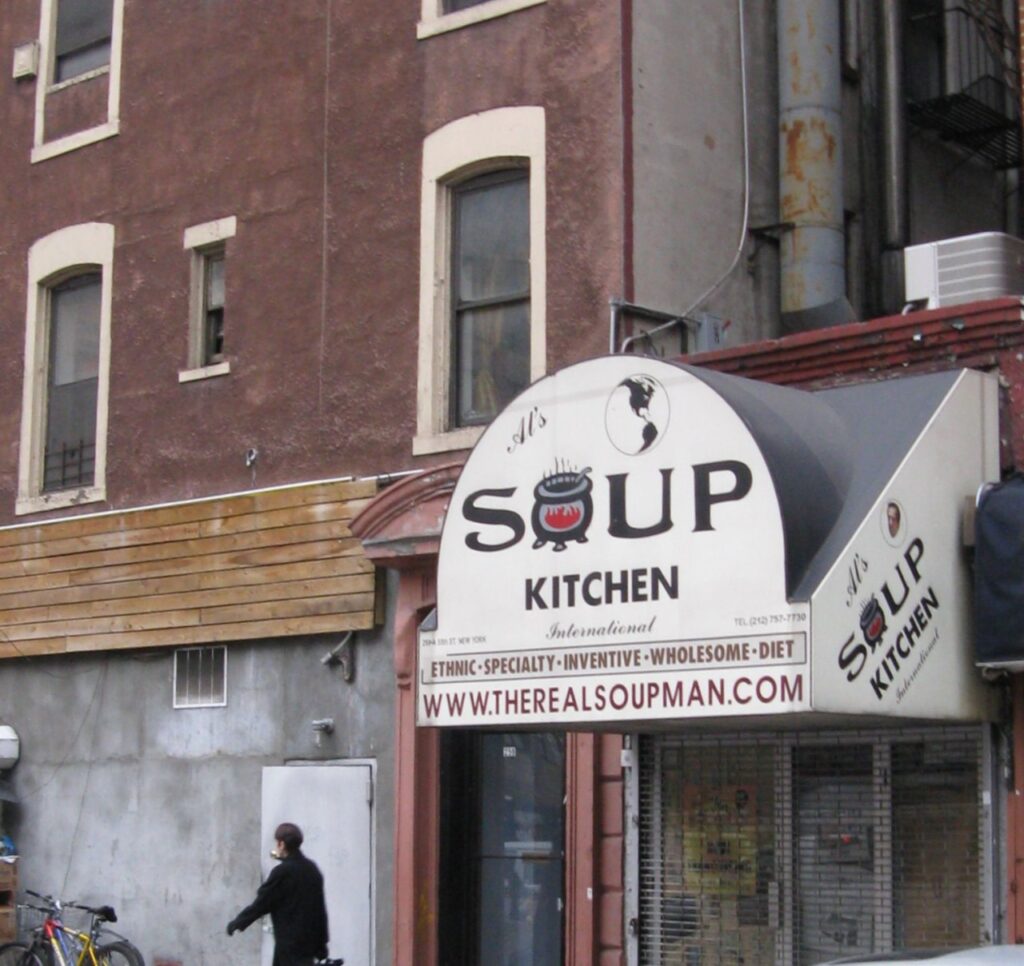
Soup Kitchen International became famous long before pop culture amplified its image. The restaurant operates on strict rules that prioritize speed and efficiency over friendliness. Customers are expected to know the ordering process, speak clearly, and move immediately once served. Hesitation, phone use, or ordering mistakes can result in public scolding or refusal of service. The staff’s tone is firm and often cold, which many visitors interpret as rude. Regulars see it as part of the tradition and accept the tradeoff for high-quality soup. For newcomers, the pressure can feel stressful rather than charming.
5. Wong Kei
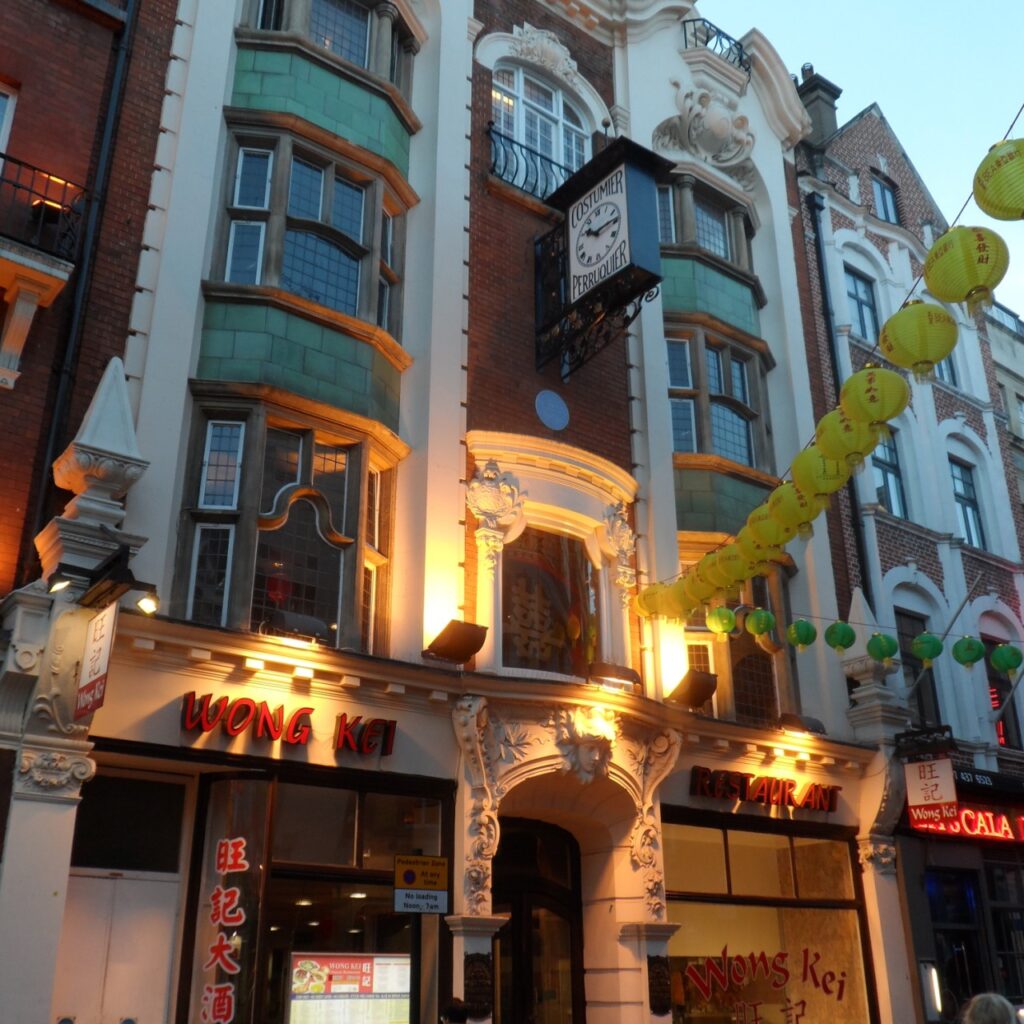
Wong Kei is known for speed, volume, and blunt efficiency. Tables are assigned quickly, orders are shouted, and staff rarely engage in small talk. Politeness is not a priority, especially during peak hours. For some diners, this no-nonsense approach feels refreshing and honest. For others, it feels dismissive and abrupt. The service style developed around feeding large crowds quickly, and that mindset still defines the experience. Staff focus on accuracy and speed rather than warmth. First-time visitors often mistake efficiency for hostility, while regulars understand the rhythm. The restaurant’s reputation has lasted for decades because the approach has never changed.
6. Katz’s Delicatessen
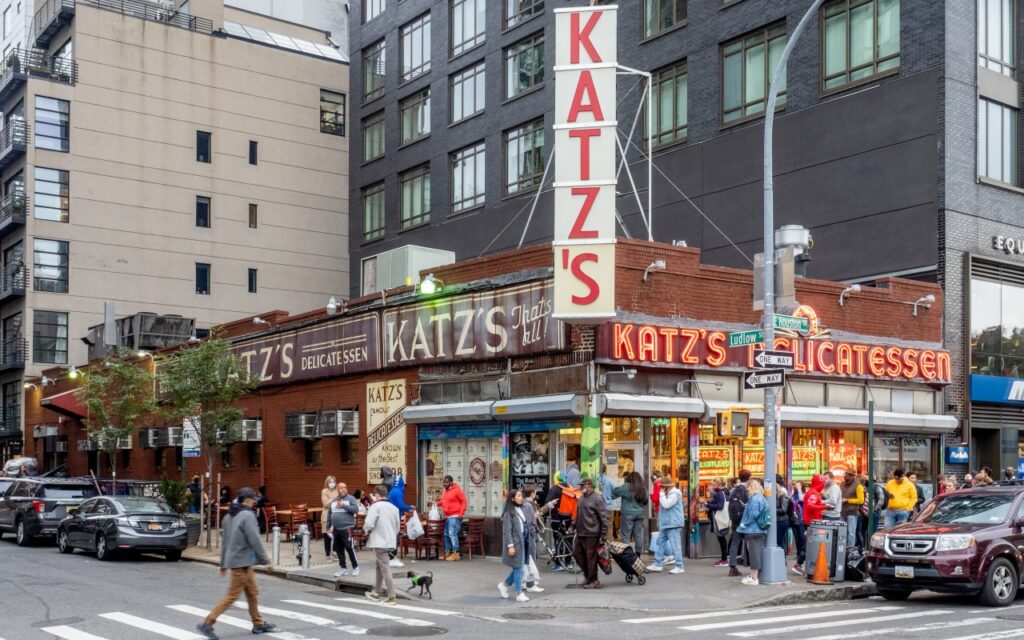
Katz’s Delicatessen operates on tradition, speed, and strict systems that leave little room for confusion. The ordering process is rigid, and staff expect customers to keep up. Mistakes are corrected bluntly, and impatience is common during busy hours. For visitors unfamiliar with the ticket system and fast-moving lines, the experience can feel stressful. Staff rarely soften their tone, focusing instead on keeping the operation running smoothly. Regulars see the attitude as part of the charm, tied to decades of history. Newcomers often leave feeling snapped at rather than welcomed. The reputation persists because the service style has remained unchanged despite modern dining expectations.
7. Joe’s Shanghai
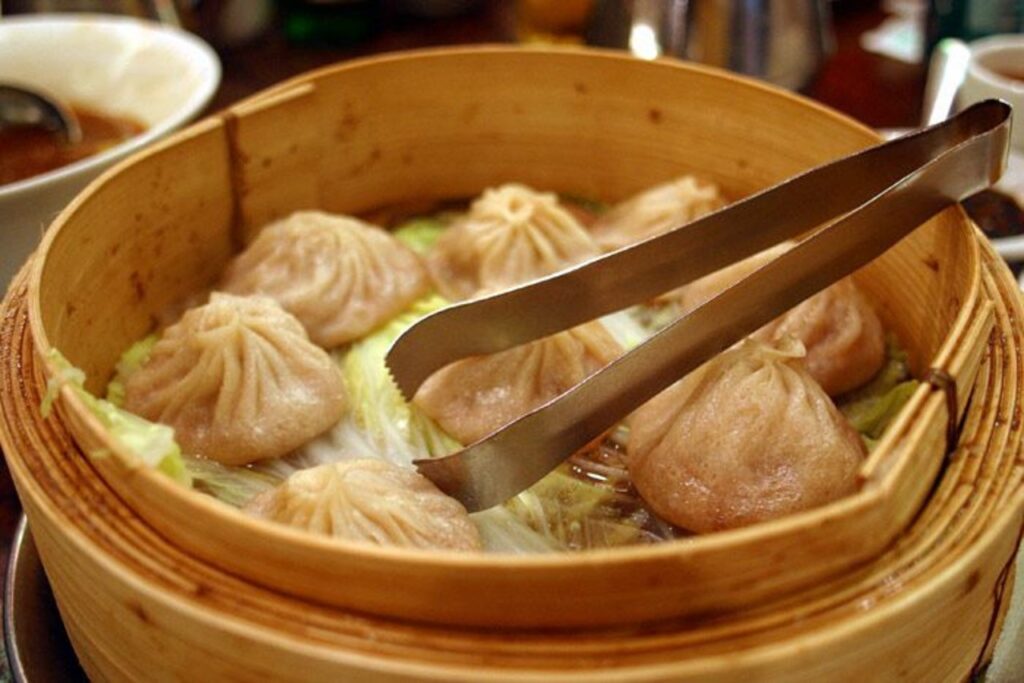
Joe’s Shanghai is widely praised for its soup dumplings, but service is often described as indifferent. The dining room is busy, tables turn quickly, and staff prioritize efficiency over interaction. Questions may receive short answers, and special requests are rarely entertained during peak hours. Diners who expect attentive service can feel overlooked. Those focused solely on food tend to accept the tradeoff. The contrast between exceptional dishes and curt service is what defines the experience. The reputation has grown as the restaurant became more popular, drawing crowds that leave little time for personal attention.
8. Original Oyster House
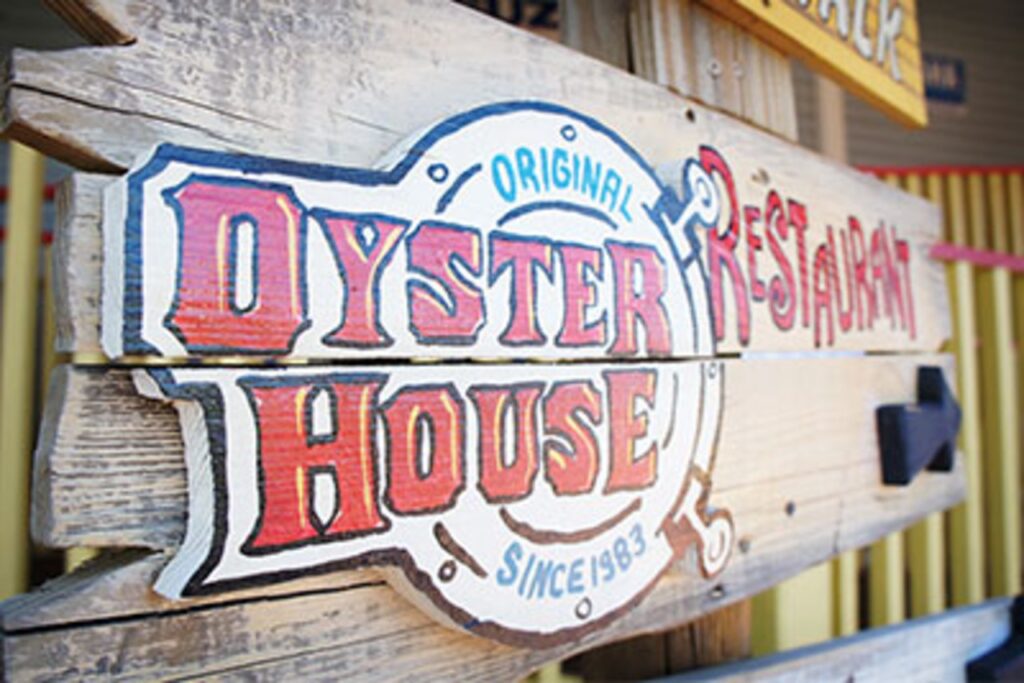
The Original Oyster House values tradition and efficiency over modern hospitality trends. Servers are direct, sometimes abrupt, and rarely indulgent of indecision. Orders are expected to move quickly, especially during busy seafood seasons. Regulars understand the rhythm and appreciate the consistency. First-time visitors may feel unwelcome if they hesitate or ask too many questions. The service style reflects decades of operation in a high-demand environment. It is not intentionally rude, but it is unapologetically brisk. The reputation remains because the approach has not softened with time.