7 Grocery Store Shortcuts That Altered Flavor Permanently


The grocery store promises speed, savings, and consistency. Over time, that promise reshaped how many everyday foods are made. Small steps were trimmed, heat was increased, and time was shortened in the name of efficiency.
Most of these changes were practical. Longer shelf life, safer transport, lower costs, and predictable texture matter in a national food system. Yet flavor is often built in the very steps that were removed.
This list looks at the quiet shortcuts that permanently shifted taste. The foods are still familiar and satisfying. But when production sped up, something subtle changed in how they smell, melt, toast, and linger on the palate.
1. Pre-Shredded Cheese
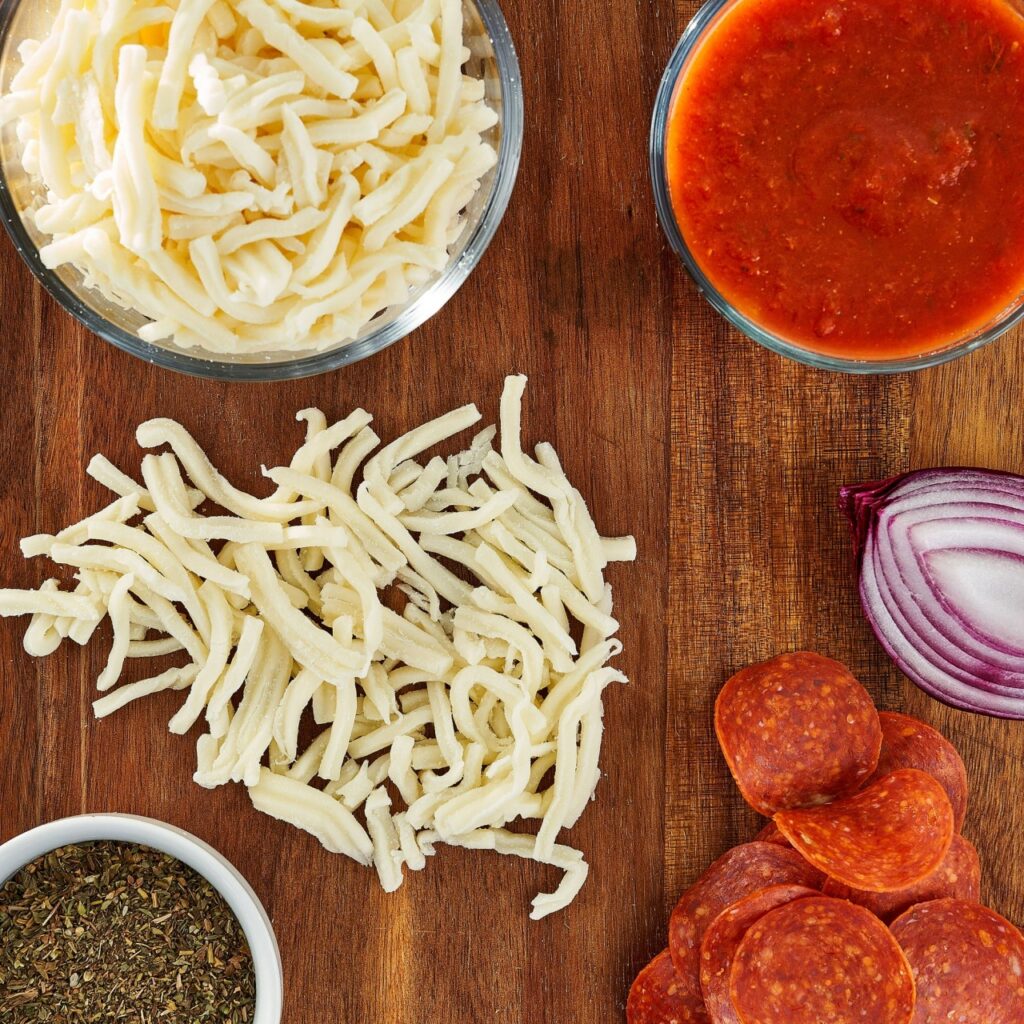
Convenience changed the way cheese melts. Pre-shredded varieties are coated with anti-caking agents such as cellulose or potato starch to prevent clumping inside the bag. That powder keeps shreds separate and shelf stable.
Those same coatings absorb surface moisture and create a barrier when heat is applied. As a result, the cheese can melt less smoothly and form a slightly grainy texture compared to freshly grated blocks. Flavor remains familiar, yet the mouthfeel shifts.
Over time, many households adjusted to this firmer melt. A small processing step designed for practicality subtly reshaped how melted cheese tastes and feels in everyday cooking.
2. Ultra-Pasteurized Milk

Milk that stays fresh for weeks owes that longevity to ultra-pasteurization. In this process, milk is heated to about 135 to 150°C for a few seconds, eliminating more microorganisms than standard pasteurization and extending shelf life significantly.
That higher heat subtly changes milk chemistry. Proteins can denature differently, and lactose may undergo slight browning reactions. These shifts often create a faint cooked or caramelized note compared to the cleaner taste of traditionally pasteurized milk.
Safety and convenience clearly improve, especially for large distribution systems. Yet the delicate, lightly sweet freshness associated with minimally heated milk becomes less pronounced after such intense thermal treatment.
3. Concentrated Orange Juice

Orange juice from concentrate begins as fresh juice that has had much of its water removed under controlled heating. This reduces volume and weight, making storage and transportation far more efficient.
During evaporation, volatile aroma compounds responsible for bright citrus fragrance can be stripped away. To maintain a consistent flavor year-round, manufacturers often add standardized flavor blends derived from orange oils and essences.
The finished juice tastes predictably sweet and tart. However, the lively top notes and layered aroma of freshly squeezed oranges rarely remain fully intact after concentration and reconstitution.
4. Instant Mashed Potatoes

Instant mashed potatoes begin as real potatoes that are peeled, cooked, mashed, and then drum-dried into thin sheets before being broken into flakes. Removing nearly all moisture makes the product shelf stable and quick to prepare with hot water or milk.
That drying stage permanently changes the potato’s cell structure. Starch granules gelatinize during cooking, then set in a new form as they dry. When rehydrated, they swell again but cannot fully recreate the original texture of freshly mashed potatoes.
The result is smooth and uniform, often lighter in body. While convenient and consistent, the earthy aroma and gentle sweetness released from freshly boiled potatoes tend to feel softer and less rounded in instant form.
5. Shelf-Stable Bread
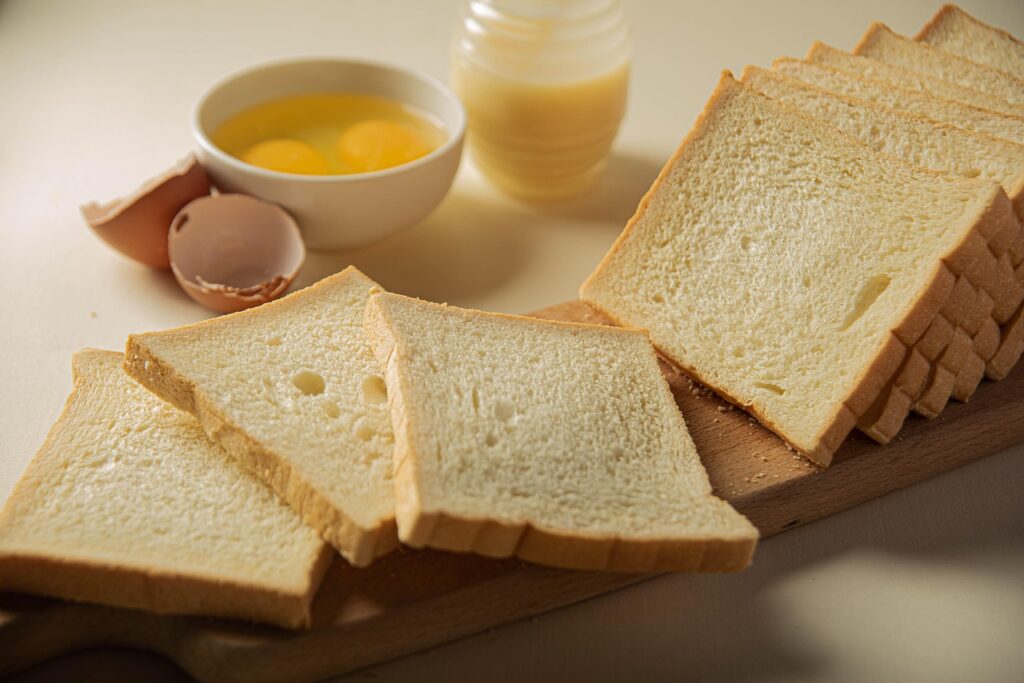
Shelf-stable bread is engineered for softness that lasts. Rapid-rise yeast, emulsifiers, and dough conditioners help dough expand quickly and maintain a tender crumb for days without turning stale.
Short fermentation means yeast has less time to break down starches and proteins into flavorful byproducts. In slower processes, organic acids and alcohols develop gradually, contributing subtle tang and deeper wheat character.
The finished loaf slices neatly and stays pliable in the pantry. Yet without extended proofing, the grain’s natural complexity remains understated, resulting in bread that feels mild and consistent rather than layered and aromatic.
6. Pre-Washed Salad Greens
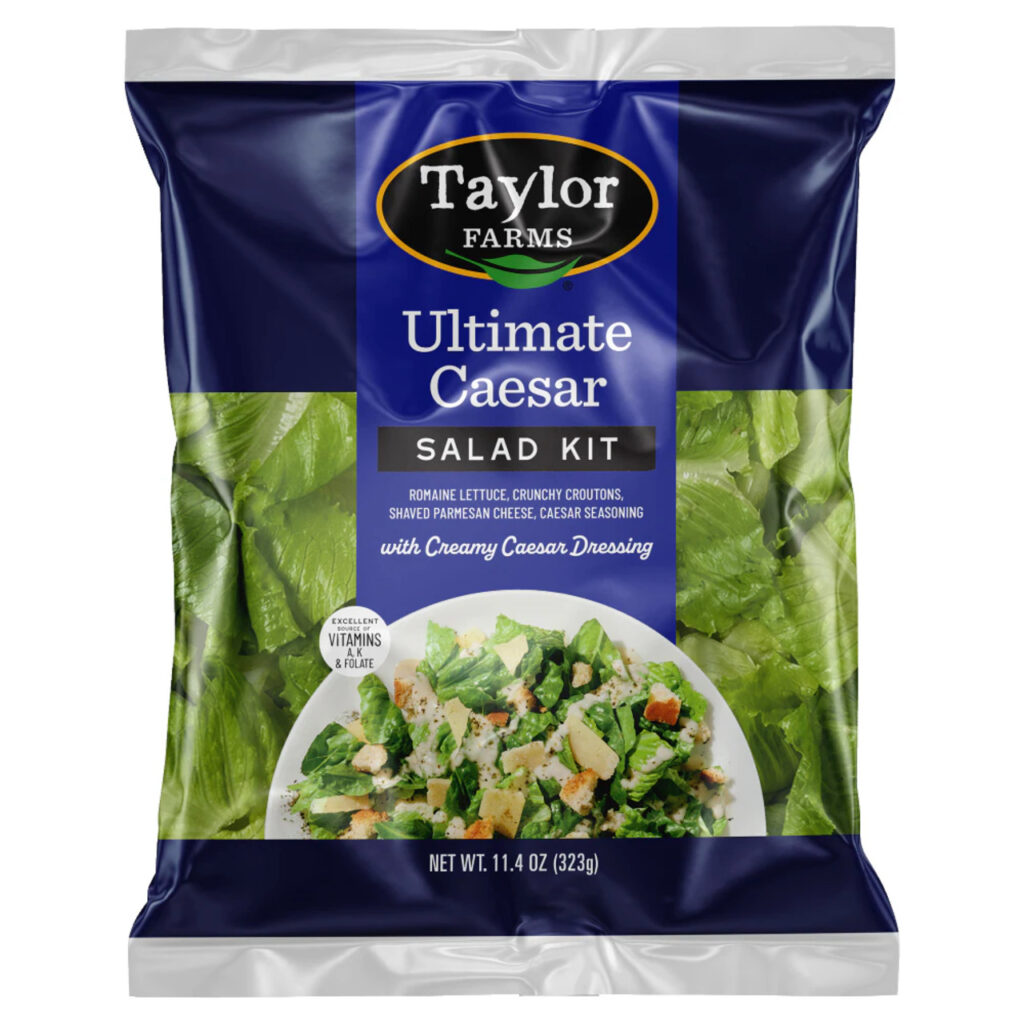
Bagged salad greens are triple-washed, spun dry, and sealed in packages filled with carefully balanced gases to slow spoilage. This system improves safety and allows greens to travel long distances while staying visually fresh.
However, repeated washing and mechanical drying can disrupt delicate leaf surfaces. Moisture loss and cellular stress may gradually affect crispness and slightly mute subtle bitter or sweet notes as the greens sit in storage.
The convenience is undeniable for busy kitchens. Even so, compared with freshly cut leaves used immediately, pre-washed greens often taste a touch flatter due to processing and extended time between harvest and plate.
7. Reduced-Fat Ice Cream

Reducing fat in ice cream alters how flavor is delivered. Dairy fat acts as a carrier for aroma compounds and slows their release, creating a rich, lingering sensation on the palate.
Lower-fat formulas often compensate by adding stabilizers and incorporating more air to maintain creaminess and prevent ice crystal growth. Texture can remain smooth, but flavor release becomes quicker and less sustained.
The dessert still provides sweetness and cold comfort. Yet with less butterfat to anchor aromatic compounds, the depth and long finish associated with traditional full-fat ice cream are noticeably lighter.