9 Grocery Shopping Tricks That Can Backfire Fast


Grocery shopping may feel routine, but small habits formed in the aisles can quietly shape budgets, food waste, and daily eating patterns. Many popular shopping tips sound smart because they promise savings, efficiency, or control. In reality, those same strategies can unravel when busy schedules, clever marketing, and human psychology collide. Hunger, discounts, and overconfidence often push shoppers away from their original plans. This is not about poor discipline. It is about understanding how stores influence choices and how easily good intentions slip. Recognizing these pitfalls makes it easier to shop with awareness and confidence, turning each trip into a smarter experience.
1. Shopping Hungry
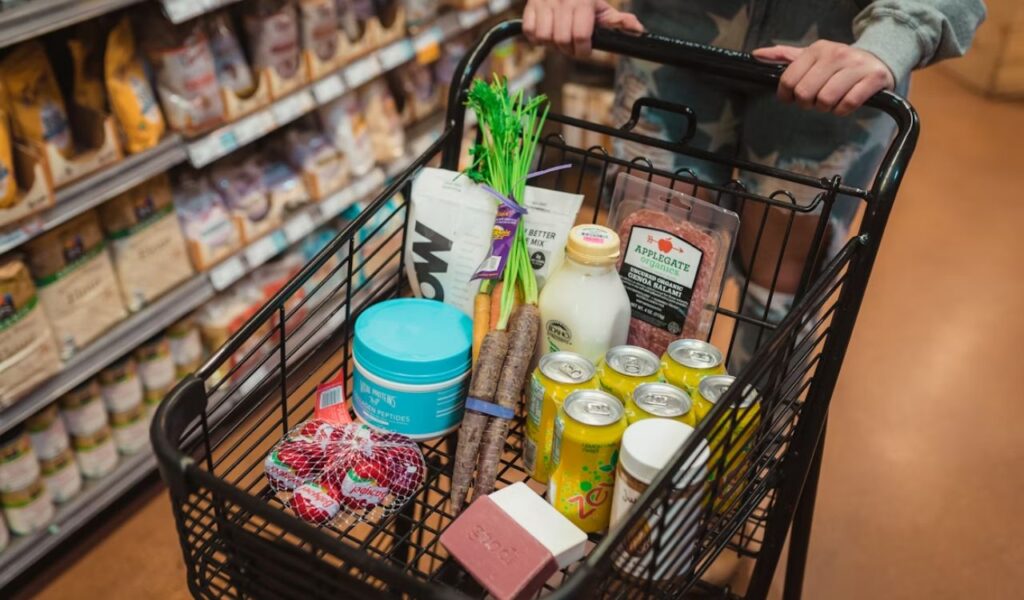
Walking into a grocery store while hungry quietly changes how the brain makes decisions. Hunger heightens sensitivity to smell, color, and packaging, which makes processed snacks and convenience foods far more tempting than planned staples. Studies consistently show that hungry shoppers buy more items overall and spend more money, even on non-food products. This happens because hunger reduces impulse control and shifts focus toward immediate satisfaction rather than long-term value. Shoppers are more likely to grab high-calorie, ready-to-eat foods instead of ingredients that require preparation. Even disciplined buyers tend to stray from lists when hunger takes over.
2. Buying in Bulk Without a Plan
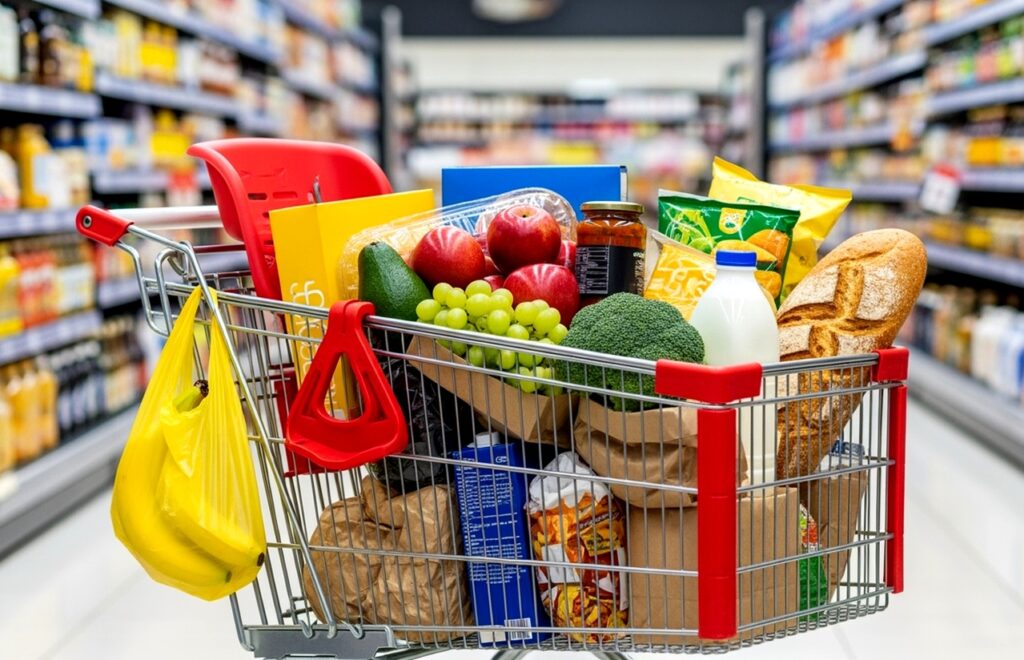
Bulk buying looks like smart math on the shelf, but it only works when storage, usage, and timing are aligned. Large quantities of food require space, proper containers, and a clear plan for how they will be consumed. Without that, items expire, lose freshness, or get forgotten entirely. Perishable bulk items such as produce, dairy, and baked goods are especially risky. Even shelf-stable foods can go stale or be pushed aside by newer purchases. Many households underestimate how long it takes to work through bulk portions. When food ends up in the trash, the cost savings disappear instantly. Bulk buying rewards organization and consistency, not optimism.
3. Chasing Coupons You Do Not Actually Need

Coupons can feel like free money, but they often influence behavior more than people realize. A discount only saves money if the item was already part of your plan. When coupons drive purchases, shoppers often add items they would never have bought otherwise. Over time, this leads to higher spending rather than lower bills. Many coupons also apply to processed or branded items with higher base prices, making the final cost less impressive than it appears. There is also the risk of brand lock-in, where shoppers repeatedly buy discounted items instead of comparing alternatives. The psychological reward of saving can override practical need.
4. Assuming Store Brands Are Always the Better Deal
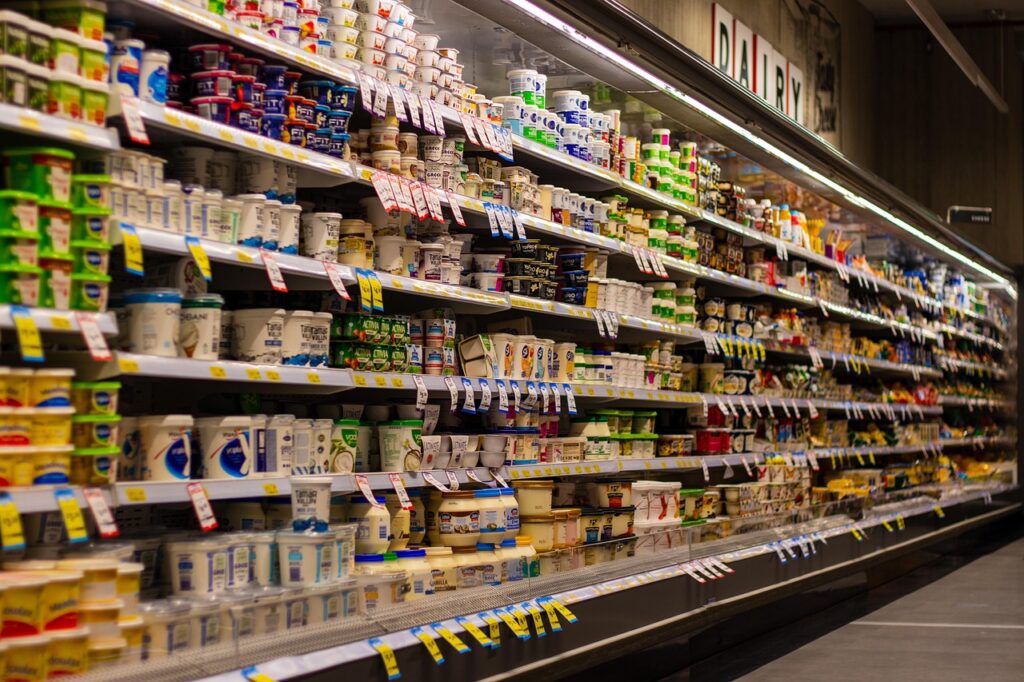
Store brands often offer good value, but assuming they are always cheaper can lead to missed savings. Prices vary widely depending on promotions, package size, and ingredient quality. Sometimes name brands go on sale at prices that undercut store labels, especially when paired with loyalty discounts. In other cases, store brands may use smaller packaging, making the price per unit higher than expected. Quality also matters. If a cheaper product performs poorly or tastes worse, it may be wasted or replaced, erasing any savings. Smart shopping requires comparing unit prices and quality, not relying on labels alone.
5. Skipping a Shopping List
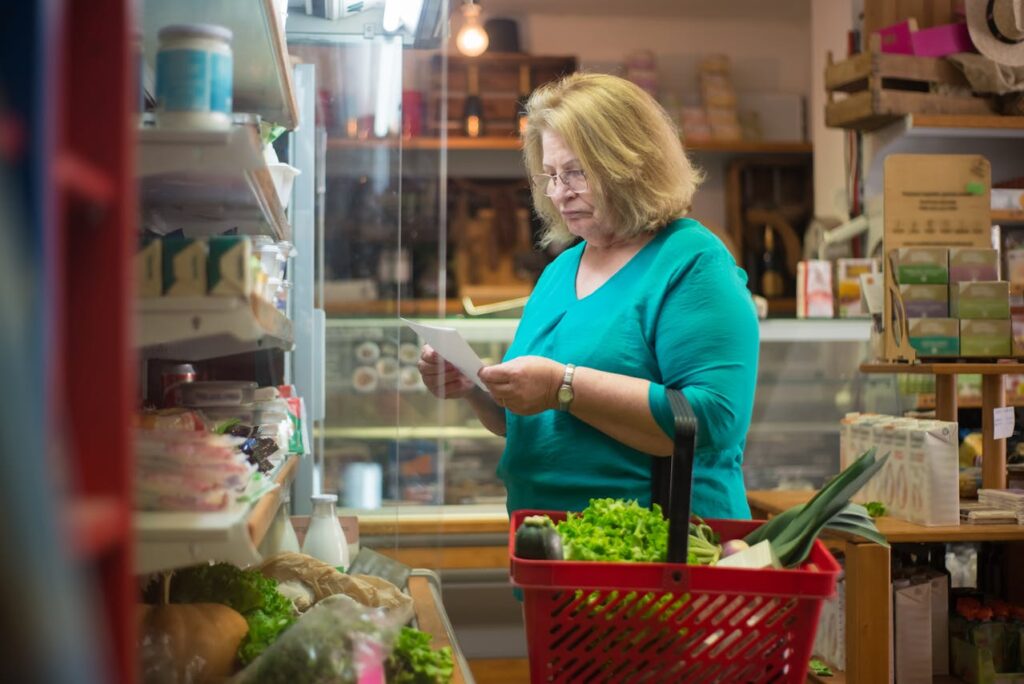
A shopping list is more than a reminder. It is a boundary. Without one, grocery stores are designed to pull attention toward impulse items placed at eye level or near checkout. Shoppers without lists tend to wander more, buy duplicates, and forget essentials. This often leads to extra trips back to the store, which increases spending through additional impulse purchases. Lists also help align shopping with meals planned at home, reducing food waste. Even flexible lists provide structure that keeps decisions focused. Skipping a list may feel freeing, but it usually results in less control, higher costs, and more stress once you get home and realize what is missing.
6. Buying Pre-Cut or Pre-Packaged Produce
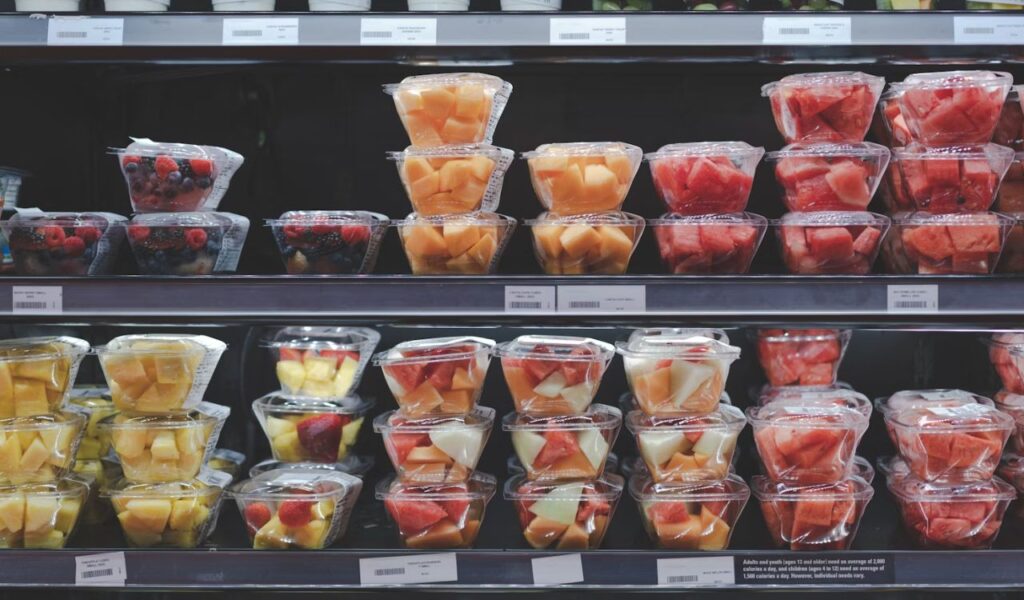
Pre-cut produce saves time, but it comes at a steep price. These items often cost significantly more per ounce than whole produce. They also spoil faster because cutting increases exposure to air and bacteria. That shorter shelf life raises the risk of waste. In addition, packaging adds cost without adding nutritional value. While convenience has its place, relying on pre-cut produce regularly can inflate grocery bills quickly. For many shoppers, a few minutes of prep at home can save a noticeable amount of money over time. Pre-cut items are best treated as occasional tools, not everyday staples.
7. Stocking Up on Sale Items Without Checking Dates
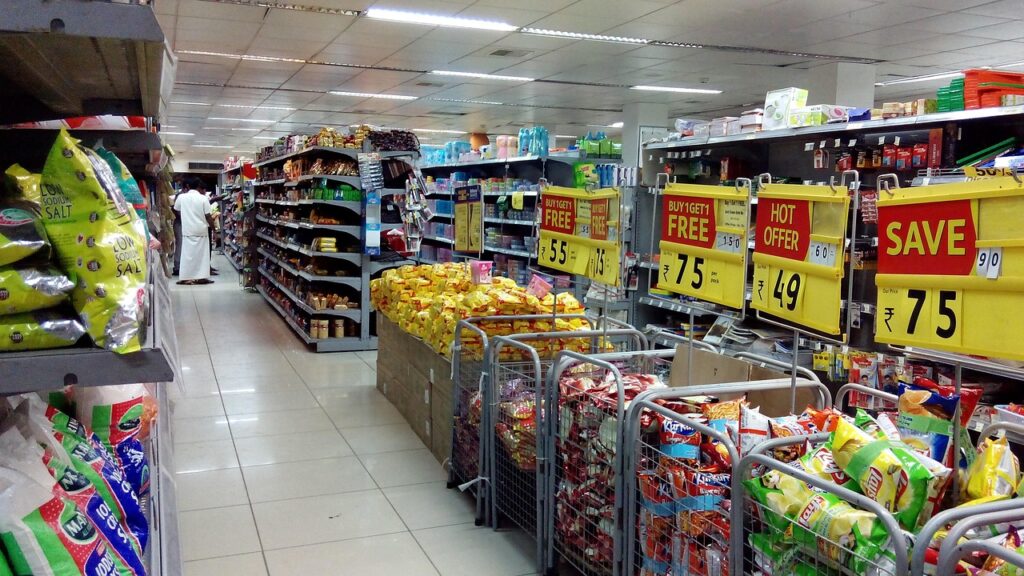
Sales can create urgency that overrides careful thinking. Discounted items are often close to expiration, damaged, or seasonal leftovers. Buying large quantities without checking dates increases the chance that food will spoil before it is used. This is especially common with dairy, baked goods, and refrigerated items. Even frozen or shelf-stable foods have limits, particularly once opened. A lower price does not help if the product cannot be consumed in time. Smart sale shopping means balancing price with realistic usage. Ignoring expiration dates turns discounts into losses disguised as wins.
8. Over-Planning Meals for the Week
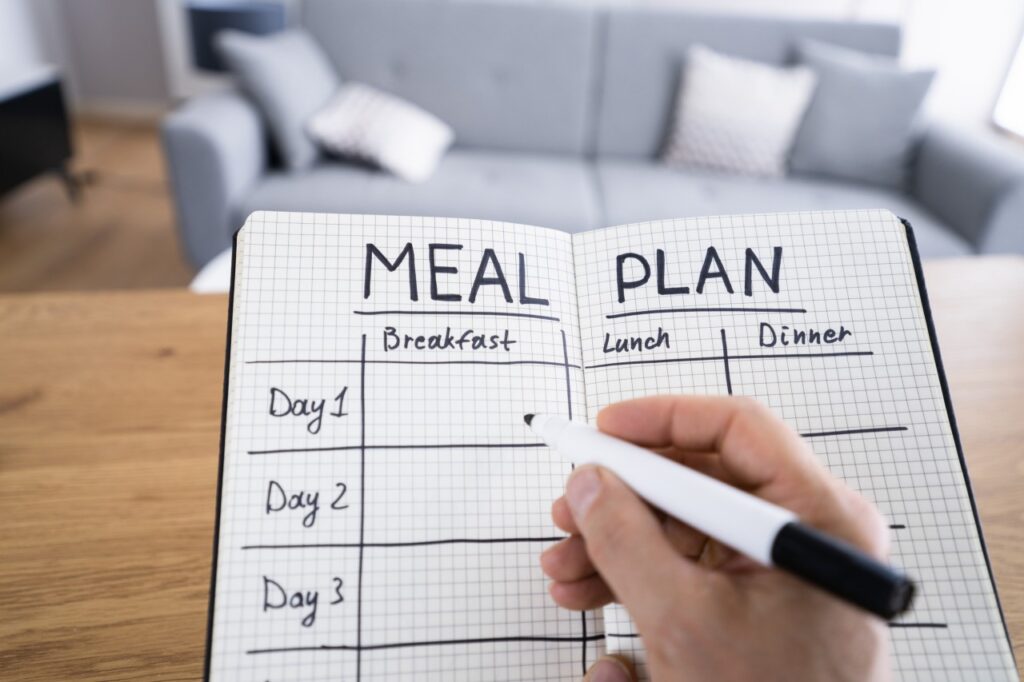
Meal planning is helpful, but over-planning can backfire when life changes. Busy schedules, unexpected invitations, or low energy can derail even the best plans. When meals are planned too rigidly, ingredients often go unused. Fresh produce, herbs, and proteins are especially vulnerable to waste. Over-planning also reduces flexibility, making cooking feel like pressure rather than support. A better approach allows for interchangeable meals and backup options. Planning structure matters, but adaptability matters more. When plans do not bend, food often breaks down into waste. Leaving space for simple fallback meals helps protect both time and groceries.
9. Ignoring Unit Prices

Sticker prices are designed to catch the eye, but unit prices reveal the truth. Larger packages are not always better deals, and brand names do not always mean higher value. Unit pricing allows direct comparison across sizes and brands, but many shoppers overlook it. This leads to paying more per ounce, pound, or liter without realizing it. Unit prices also expose marketing tricks such as shrinking package sizes or promotional pricing that looks appealing but costs more long-term. Learning to read unit prices consistently is one of the simplest ways to reduce grocery spending. Ignoring them allows small overpayments to add up quietly over time.