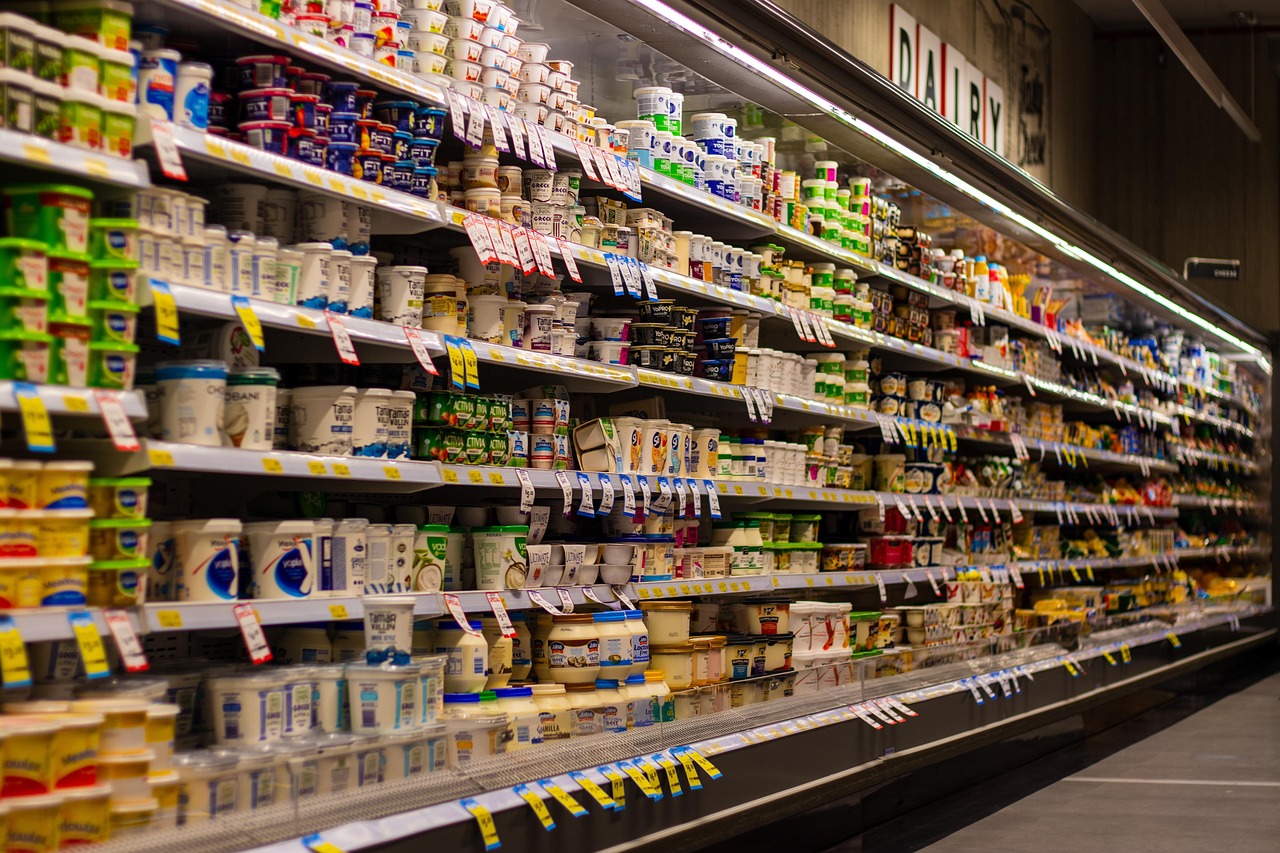
Your Grocery Loyalty Card Is Working Hard: 9 Ways It Is Not Always Working for You


Grocery loyalty cards are designed to make shopping feel more rewarding. With points, discounts, and exclusive offers, they promise better value every time you check out. On the surface, these programs seem like an easy way to save money while buying everyday essentials. But the reality is often more complex. Behind the rewards are systems designed to encourage spending, collect data, and shape shopping habits. While they can offer real benefits, they do not always work in the customer’s favor. Understanding how these programs operate can help you decide how much value they truly provide.
1. Rewards Take Too Long to Earn
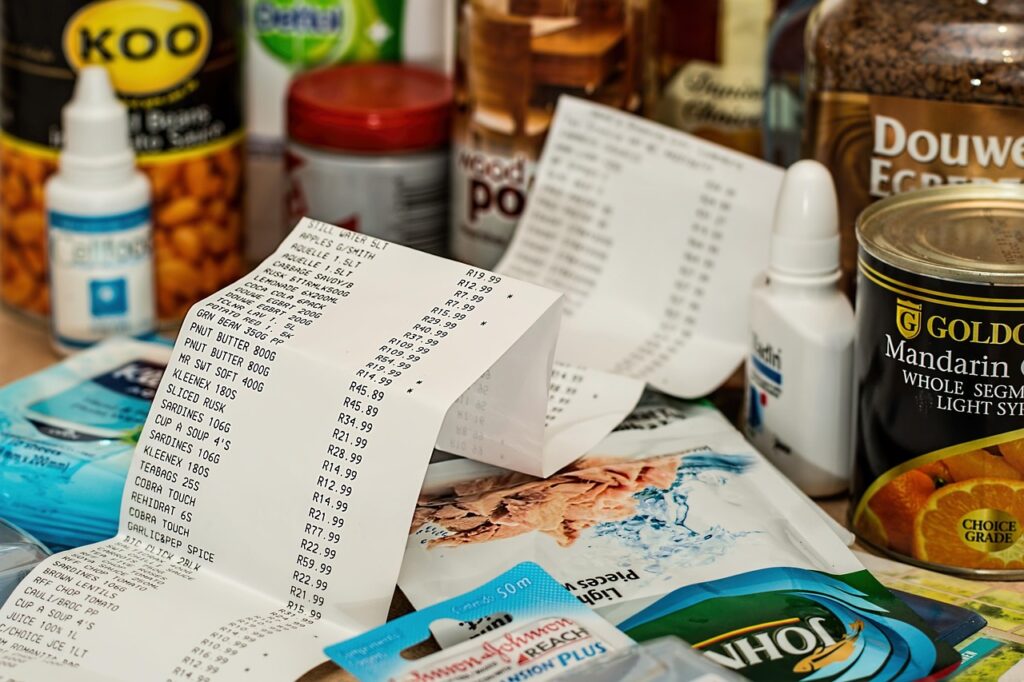
Few things feel more frustrating than watching points slowly build without seeing any real return. Grocery loyalty programs often promise rewards, but the pace at which they accumulate can be slower than expected. Small purchases add only minor points, which makes progress feel limited.
Over time, shoppers may realize that reaching a meaningful reward requires consistent spending over long periods. If the reward threshold is high, it can take months before anything can be redeemed, which reduces the sense of immediate benefit.
This structure is designed to encourage continued shopping, but it can weaken motivation. When rewards feel distant, customers may stop paying attention to the program altogether.
2. Discounts Are Not Always Real Savings

At first glance, loyalty discounts seem like clear savings. Special prices, member-only deals, and exclusive offers suggest that using the card leads to better value at checkout.
The issue is that not all discounts represent true savings. Some items may be priced higher to begin with, or the discount may simply bring the price closer to standard market levels. In some cases, the deal may apply only under specific conditions.
This creates a situation where the benefit is not always as strong as it appears. Without comparing prices across stores or brands, it can be difficult to know whether the discount actually offers a meaningful advantage.
3. Your Data Is Being Collected and Used

Every time a loyalty card is scanned, it records information about purchases. Over time, this builds a detailed profile of shopping habits, preferences, and frequency of visits.
While this data helps stores tailor promotions, it also raises questions about privacy. Many customers are not fully aware of how much information is collected or how it is used beyond offering discounts.
The value exchange is clear but not always obvious. Customers receive targeted deals, while retailers gain insights that help them influence future buying behavior. This balance can feel uneven depending on how the information is handled.
4. Programs Often Lack Personalization

Loyalty programs often promote the idea of personalized offers, suggesting that deals will match individual preferences. In theory, this makes shopping more relevant and efficient.
In practice, many offers feel generic or unrelated to actual buying habits. Customers may receive promotions for items they rarely purchase or have no interest in at all.
This gap occurs because personalization systems are not always precise. When offers do not align with real needs, they lose their value, making the program feel less tailored than advertised.
5. The Benefits Feel Limited

Over time, loyalty programs can start to feel predictable. The same types of rewards and offers appear repeatedly, which reduces excitement and engagement.
Customers may notice that deals rotate through similar categories without introducing anything new. This repetition can make the program feel routine rather than rewarding. Over time, the lack of variety can reduce excitement around upcoming offers.
When benefits do not evolve, they lose their impact. A program that once felt useful can become easy to ignore if it does not continue to provide fresh or meaningful incentives.
6. Rules and Rewards Can Change Suddenly

Loyalty programs are not fixed systems. Stores can adjust how points are earned, how rewards are redeemed, or which offers are available at any time.
These changes can happen without much notice, leaving customers confused about how the program works. A reward that seemed achievable one week may become harder to reach the next. This uncertainty can make planning purchases more difficult. It may also reduce trust in the consistency of the program.
This unpredictability can reduce trust in the program. When the structure shifts frequently, it becomes harder for customers to plan or rely on the benefits they expect to receive.
7. You Are Encouraged to Spend More
Many loyalty programs are designed to increase spending. Promotions often require a minimum purchase or offer better rewards at higher spending levels.
This can lead customers to add extra items to their cart to qualify for a deal. While the offer may seem beneficial, it can result in spending more than originally intended. The perceived savings may not always justify the additional cost. This behavior can affect overall budgeting and spending habits.
The strategy works by linking rewards to behavior. By encouraging larger purchases, the program benefits the retailer, even if the customer feels like they are saving in the moment.
8. Programs Can Be Confusing

Not all loyalty programs are easy to understand. Points, tiers, expiration dates, and redemption rules can make the system feel more complicated than it needs to be.
Customers may struggle to track their progress or understand how to use their rewards effectively. This can lead to missed opportunities or unused benefits. A lack of clarity can discourage continued participation. Clear communication would help improve overall user experience.
Simplicity plays a key role in usability. When a program requires too much effort to navigate, it becomes less appealing, even if the rewards themselves are worthwhile.
9. Loyalty Programs Favor Frequent Shoppers More

Loyalty programs are often structured to reward consistency. Customers who shop frequently accumulate points faster and gain access to better offers.
For occasional shoppers, the benefits can feel limited. Progress toward rewards may be slow, and certain perks may remain out of reach. This can make the program seem more suited to frequent buyers. As a result, casual customers may feel less motivated to engage.
This creates a gap between different types of customers. While regular shoppers gain the most value, others may find that the program offers little benefit relative to their spending habits.